

When every second counts on the road, cyclists are constantly seeking competitive advantages that translate into measurable performance gains. Among the most significant yet often overlooked factors is the clothing worn during rides. Aerodynamic clothing has evolved from a niche requirement for professional racers into an essential component for serious cyclists who understand that reducing drag can mean the difference between personal bests and missed opportunities. As cycling technology advances in 2026, the science behind aerodynamic apparel continues to reshape how riders approach their gear choices, combining cutting-edge materials with sophisticated design principles that minimize air resistance and maximize speed.
The Science Behind Aerodynamic Clothing
Understanding how air interacts with fabric is fundamental to appreciating why aerodynamic clothing delivers such dramatic performance improvements. When cycling at speed, approximately 70-80% of the total resistance a rider faces comes from aerodynamic drag rather than rolling resistance or mechanical friction. This makes the relationship between your body, clothing, and airflow the single most critical factor in achieving higher speeds with the same power output.
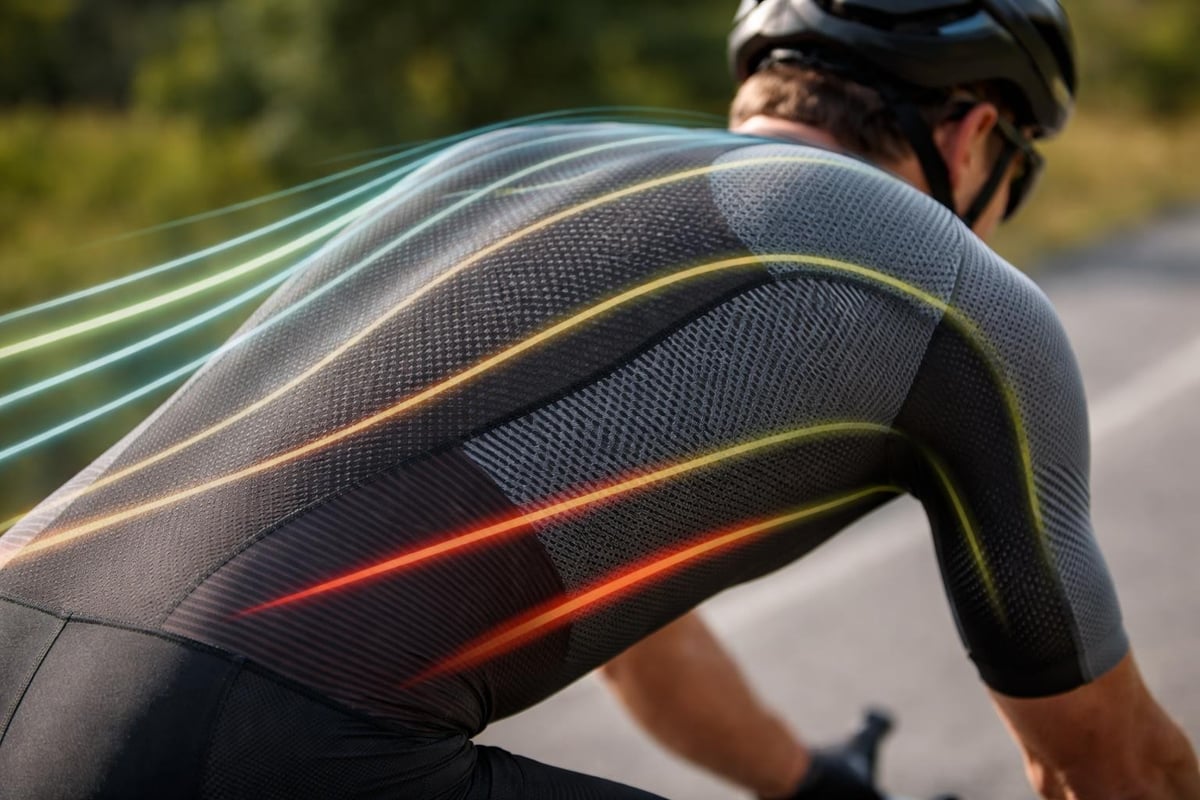
The key principle involves minimizing turbulent air pockets that form around the body during motion. Traditional loose-fitting cycling apparel creates drag-inducing vortices as air separates from the fabric surface and tumbles chaotically behind the rider. Aerodynamic clothing addresses this through strategic fabric selection, targeted compression zones, and specialized surface textures that encourage smooth airflow attachment.
Research utilizing computational fluid dynamics demonstrates how airflow patterns around cyclists change dramatically based on clothing choices. Modern aerodynamic garments incorporate dimpled or textured fabrics in specific zones where airflow typically separates from the body. These surface treatments, inspired by golf ball aerodynamics, create a thin turbulent boundary layer that paradoxically reduces overall drag by delaying flow separation.
Fabric Technology and Material Innovation
The textiles used in aerodynamic clothing represent years of materials science research and wind tunnel testing. Contemporary aerodynamic fabrics typically combine several advanced characteristics:
- Low surface friction coefficients that allow air to slide smoothly across the material
- Strategic compression levels that eliminate fabric flutter while maintaining comfort
- Zone-specific weave patterns optimized for different body positions
- Moisture-wicking properties that prevent fabric saturation and weight gain
- Elasticity ratios that maintain aerodynamic shape across various riding positions
Studies on aerodynamic behavior of fabrics used in high-speed sports garments reveal that fabric performance varies significantly based on the cyclist's position and speed. This research has driven manufacturers to develop position-specific garments, with time trial suits optimized for aggressive aero positions and road jerseys designed for varied postures.
Design Principles That Reduce Drag
Beyond material selection, the construction and fit philosophy of aerodynamic clothing plays an equally vital role in performance outcomes. Professional-grade aerodynamic apparel follows strict design protocols that balance aerodynamic efficiency with rider comfort and physiological requirements.
Body-Conforming Fit Architecture
Aerodynamic clothing achieves its drag-reduction properties through a race-oriented fit that eliminates excess fabric while avoiding compression that restricts movement or breathing. The garment must follow body contours precisely, creating what aerodynamicists call a "second skin" effect. This requires sophisticated pattern engineering that accounts for:
- Riding position geometry rather than standing posture
- Muscle engagement patterns during pedaling cycles
- Breathing expansion in the chest and diaphragm areas
- Joint articulation at shoulders, elbows, and hips
- Gender-specific anatomical differences for optimal fit
The tension balance within the fabric structure ensures the garment maintains its aerodynamic shape without creating pressure points or restricting blood flow. This represents a significant departure from traditional cycling jerseys, which prioritize comfort and storage over pure aerodynamic efficiency.
Seam Placement and Construction Methods
Every seam on aerodynamic clothing is strategically positioned to minimize disruption to airflow. Modern aerodynamic garments often feature:
| Construction Element | Aerodynamic Benefit | Implementation Method |
|---|---|---|
| Bonded seams | Eliminates raised stitching | Ultrasonic welding |
| Rear-positioned seams | Reduces frontal turbulence | Strategic pattern layout |
| Flat-lock stitching | Minimizes surface disruption | Specialized sewing |
| Seamless zones | Creates smooth airflow areas | Circular knitting technology |
Professional teams working with the best aero bike helmets understand that complete aerodynamic optimization requires coordination between all equipment elements. The collar design of aerodynamic clothing, for instance, must work harmoniously with helmet shape to prevent air from catching between the two components.
Performance Categories and Application
Not all aerodynamic clothing serves identical purposes, and understanding the distinctions helps cyclists select appropriate gear for their specific riding scenarios. The aerodynamic apparel market segments into several performance-oriented categories, each optimized for particular cycling disciplines.
Time Trial and Triathlon Suits
These represent the pinnacle of aerodynamic clothing technology, designed exclusively for events where sustained high-speed efforts in consistent positions justify extreme specialization. Time trial suits typically feature:
- Single-piece construction that eliminates the jersey-shorts interface
- Extended sleeves with aerodynamic cuffs that prevent air entry
- Textured fabrics on arms and shoulders where flow separation commonly occurs
- Minimal pocket storage to maintain smooth rear profiles
- Integrated padding designed for aerodynamic positioning rather than maximum comfort
The science behind successful long-range attacks in professional cycling demonstrates how even marginal aerodynamic gains compound over extended efforts, making time trial suits valuable for breakthrough performances.
Road Racing Jerseys and Bib Shorts
Road-specific aerodynamic clothing balances aerodynamic performance with the practical demands of group riding, varied terrain, and frequent position changes. These garments incorporate aerodynamic principles while maintaining functionality for real-world racing conditions.
Reviews of products like the MAAP Pro Aero Jersey reveal how modern road jerseys achieve impressive drag reduction without sacrificing pocket capacity or comfort during extended wear. Similarly, innovative bib shorts designs demonstrate that aerodynamic clothing can address multiple performance factors simultaneously.
For cyclists exploring comprehensive gear solutions, Cycling Gears Hub offers premium cycling gear and accessories designed to enhance performance across all riding disciplines, with options suitable for both competitive athletes and enthusiastic amateurs seeking measurable improvements.

Measuring Aerodynamic Performance
Quantifying the actual benefits of aerodynamic clothing requires sophisticated testing methodologies that isolate clothing variables from other aerodynamic factors. Professional teams and manufacturers employ several testing approaches to validate performance claims and guide product development.
Wind Tunnel Testing Protocols
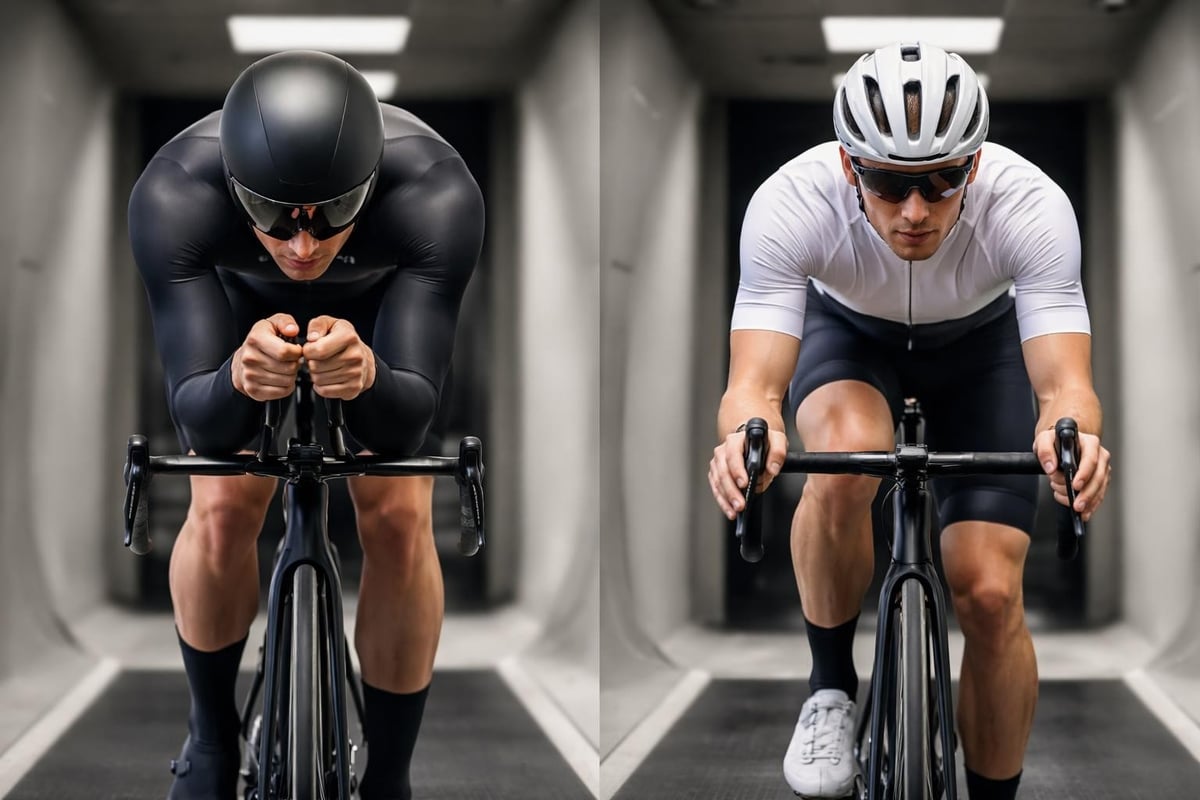
Wind tunnel testing remains the gold standard for aerodynamic clothing evaluation, offering controlled conditions where variables can be systematically adjusted. Modern testing protocols involve:
- Baseline establishment using standardized reference clothing
- Mannequin testing for initial fabric screening and positioning studies
- Rider-specific testing with athletes maintaining consistent positions
- Multiple speed testing across realistic velocity ranges
- Position variation analysis to evaluate performance across riding postures
These tests measure drag force directly, typically reporting results in watts saved at specific speeds. For example, elite aerodynamic clothing might save 15-25 watts at 40 km/h compared to traditional cycling apparel, representing a substantial performance advantage during competitive events.
Real-World Validation Methods
While wind tunnels provide valuable data, field testing validates aerodynamic clothing performance under actual riding conditions. Modern testing approaches include:
- Power meter analysis comparing identical efforts in different clothing
- Velodrome testing on controlled tracks with minimal environmental variables
- Coast-down testing measuring deceleration rates on consistent gradients
- GPS-based aerodynamic modeling that estimates drag coefficients from ride data
Environmental factors like the sail effect in crosswinds add complexity to real-world aerodynamic performance, but these conditions ultimately determine competitive outcomes.
Selecting Appropriate Aerodynamic Clothing
Choosing aerodynamic clothing requires balancing multiple factors including event type, climate conditions, competitive level, and budget constraints. Strategic selection ensures that aerodynamic investments deliver meaningful performance returns rather than merely following trends.
Event-Specific Considerations
Different cycling disciplines demand distinct aerodynamic clothing approaches:
| Discipline | Priority Features | Recommended Style |
|---|---|---|
| Time Trials | Maximum drag reduction | Single-piece skinsuit |
| Road Racing | Balance aero and functionality | Aero jersey with standard bibs |
| Gran Fondos | Sustained comfort with aero benefits | Moderately fitted aero jersey |
| Criteriums | Pocket access and crash durability | Standard race-fit with aero elements |
Match your aerodynamic clothing to your primary riding focus rather than pursuing maximum aerodynamics for all situations. A time trial specialist benefits from dedicated skinsuits, while a recreational cyclist prioritizing weekend group rides should emphasize versatile aero jerseys.
Climate and Weather Adaptation
Aerodynamic clothing performance intersects significantly with thermal regulation and weather protection. Consider these climate-specific factors:
- Hot conditions: Prioritize breathable aerodynamic fabrics with ventilation panels
- Cool weather: Layer aerodynamic base layers under standard jerseys rather than abandoning aero benefits
- Variable temperatures: Choose aerodynamic vests or arm warmers for adaptable systems
- Wet conditions: Select aerodynamic rain jackets designed for cycling-specific positions
Understanding comprehensive approaches to cycling performance helps contextualize aerodynamic clothing within broader equipment and training strategies.
Integration With Complete Aerodynamic Systems
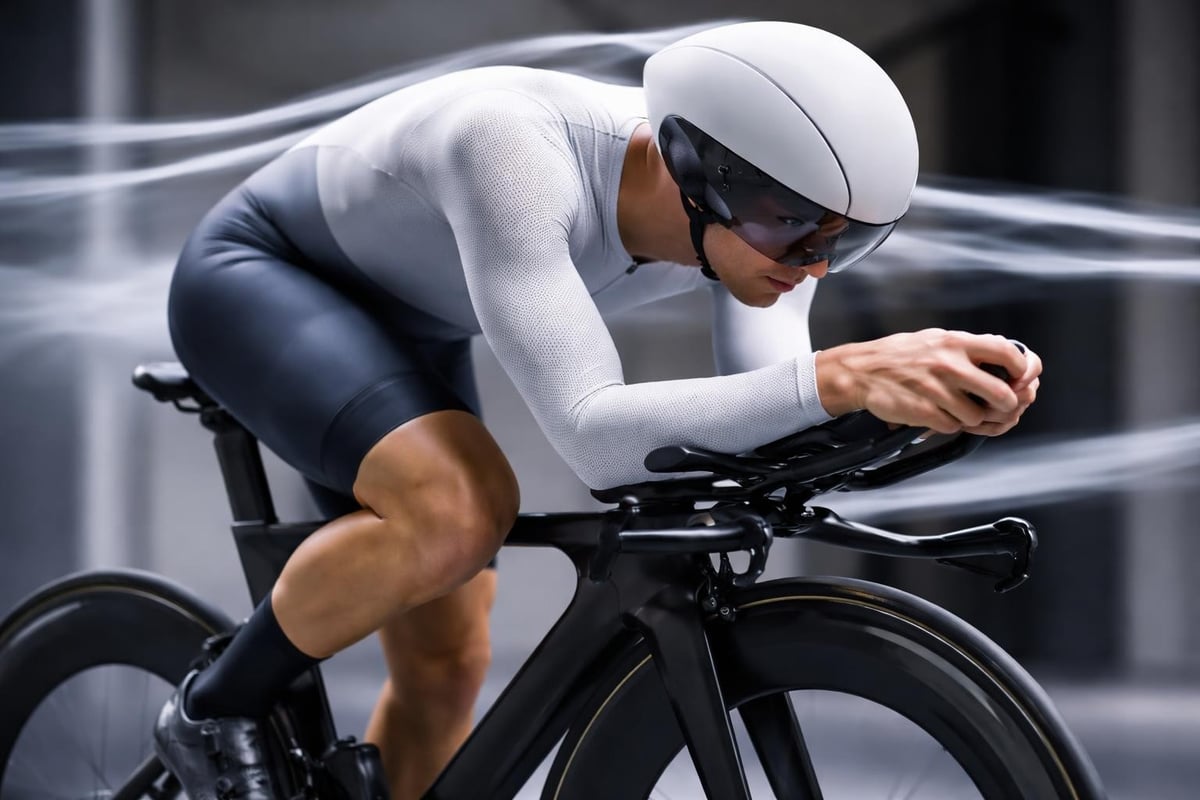
Aerodynamic clothing delivers optimal results when coordinated with other aerodynamic equipment and riding techniques. The total aerodynamic package determines overall performance rather than any single component.
Position Optimization
Even the most sophisticated aerodynamic clothing cannot compensate for poor riding position. Effective aerodynamic optimization requires:
- Proper bike fit that allows sustainable aerodynamic postures
- Core strength development to maintain low positions during efforts
- Flexibility training enabling aggressive positioning without discomfort
- Position-specific practice to develop neuromuscular adaptation
Cyclists should consider professional bike fitting services before investing heavily in aerodynamic clothing, as position changes often yield larger performance gains than equipment upgrades alone.
Equipment Synergies
Coordinate aerodynamic clothing selections with complementary equipment choices:
- Helmet compatibility: Ensure collar designs work with your helmet shape
- Wheel selection: Deep-section wheels complement aerodynamic clothing for maximum benefit
- Frame aerodynamics: Modern aero frames designed for road bikes work synergistically with fitted clothing
- Component choices: Consider aero handlebars that enable better aerodynamic positions
This systems approach ensures that aerodynamic investments across all equipment categories compound rather than conflict, delivering measurable performance improvements that justify the financial investment.
Care and Maintenance Considerations
Aerodynamic clothing requires specific care protocols to maintain performance characteristics throughout its usable lifespan. The specialized fabrics and construction methods demand attention to preservation rather than convenience.
Washing and Storage Best Practices
Preserve aerodynamic fabric properties through proper maintenance:
- Cold water washing prevents fabric degradation and maintains elasticity
- Mild detergents without fabric softeners that don't coat performance fibers
- Air drying away from direct sunlight to prevent UV damage
- Flat storage rather than hanging to maintain fabric shape
- Separate washing from items with hooks or rough textures
These practices extend garment lifespan significantly, protecting your investment in high-performance aerodynamic clothing.
Performance Degradation Monitoring
Aerodynamic clothing effectiveness diminishes over time as fabrics lose elasticity and surface treatments degrade. Monitor these indicators:
| Degradation Sign | Performance Impact | Replacement Timeline |
|---|---|---|
| Loose fit in key zones | Increased drag from fabric flutter | Replace immediately |
| Visible fabric pilling | Disrupted airflow patterns | Replace within season |
| Faded colors | Possible UV damage to fibers | Monitor for fit changes |
| Stretched collar/cuffs | Air entry points reducing aero benefit | Replace soon |
Professional cyclists typically replace aerodynamic clothing each season to ensure peak performance, while amateur riders can extend usage based on wear patterns and competitive priorities.
Future Developments in Aerodynamic Apparel
The aerodynamic clothing industry continues advancing through materials innovation, manufacturing technology improvements, and deeper understanding of fluid dynamics. Several emerging trends promise further performance enhancements in coming years.
Smart Fabric Integration
Next-generation aerodynamic clothing increasingly incorporates sensor technology and adaptive materials:
- Pressure-sensing fabrics that provide real-time aerodynamic feedback
- Temperature-responsive materials that adjust properties based on conditions
- Embedded performance tracking within garment construction
- Adaptive compression zones that modify based on effort levels
These technologies blur the line between equipment and data collection, enabling more sophisticated training and performance analysis.
Sustainable Performance Materials
Environmental consciousness drives development of aerodynamic clothing using sustainable production methods and materials:
- Recycled performance fabrics matching virgin material aerodynamics
- Bio-based fibers with competitive drag characteristics
- Reduced water consumption manufacturing processes
- Circular economy designs enabling garment recycling at end-of-life
This sustainability focus addresses environmental concerns without compromising the performance characteristics that define aerodynamic clothing effectiveness.
Aerodynamic clothing represents a proven performance enhancement that delivers measurable speed improvements through scientific fabric selection, strategic design, and proper integration with complete aerodynamic systems. Whether you're competing at elite levels or pursuing personal performance goals, investing in quality aerodynamic apparel provides tangible returns that compound with every kilometer ridden. Explore the comprehensive range of cycling gear and accessories at Cycling Gears Hub, where over 10,000 Indian cyclists find the performance equipment they need with fast shipping, flexible payment options, and hassle-free returns that make upgrading your cycling wardrobe straightforward and risk-free.