

Selecting the best gear bicycle for your cycling needs requires understanding the intricate relationship between gearing systems, riding terrain, and personal performance goals. Modern bicycles offer diverse gearing options, from traditional derailleur systems to innovative internal hub designs, each engineered to deliver optimal power transfer and efficiency. Whether you're commuting through urban streets, tackling mountain trails, or pursuing competitive road cycling, the right gearing configuration transforms your riding experience. This comprehensive guide explores the technical aspects, practical considerations, and expert recommendations for finding the best gear bicycle that matches your cycling ambitions in 2026.
Understanding Bicycle Gearing Systems
Modern bicycle gearing has evolved significantly, offering riders unprecedented control over cadence and power output across varying terrain. The best gear bicycle incorporates components that balance weight, durability, and performance while matching the rider's specific needs.
Derailleur Systems: The Traditional Choice
Derailleur gearing remains the most popular configuration for road bikes, mountain bikes, and hybrid models. This external system uses a chain that moves across multiple sprockets, providing riders with extensive gear range options.
Key advantages of derailleur systems include:
- Lightweight construction compared to internal hub alternatives
- Wide gear range spanning 16 to 33 speeds in modern configurations
- Easy maintenance and component replacement
- Cost-effective repair options
- Superior performance for competitive cycling
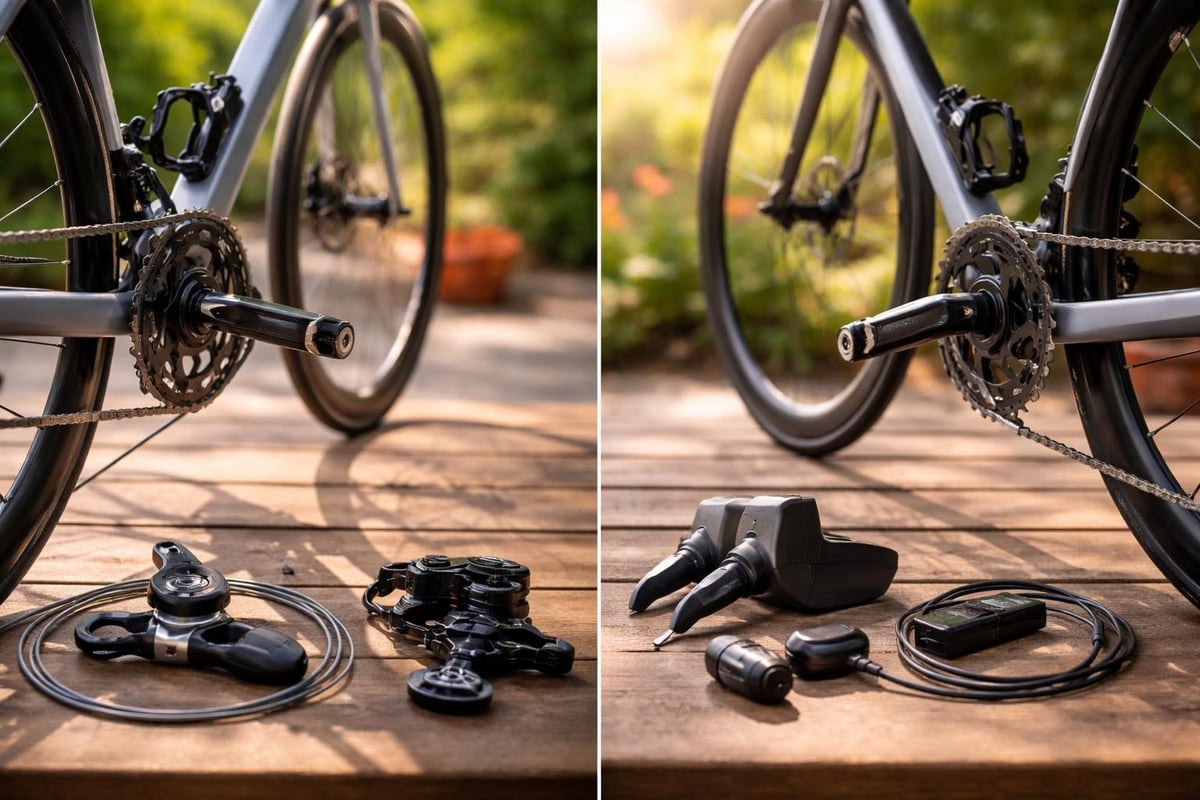
The latest groupsets from leading manufacturers have refined derailleur technology to deliver smoother, more precise shifting. According to Bicycling magazine's comprehensive gear testing, modern electronic shifting systems represent the pinnacle of derailleur performance, offering millisecond-precise gear changes under load.
Internal Hub Gears: Low-Maintenance Excellence
Internal hub gearing systems house all moving parts within a sealed hub, protecting components from dirt, moisture, and impact damage. The Rohloff Speedhub represents the premium standard in this category, offering 14 evenly-spaced gears with exceptional durability.
| Feature | Internal Hub Gears | Derailleur Systems |
|---|---|---|
| Maintenance Frequency | Every 5,000 km | Every 500-1,000 km |
| Weather Protection | Fully sealed | Exposed components |
| Gear Range | 250-526% | 300-650% |
| Weight | 1,500-1,800g | 800-1,200g |
| Shifting Under Load | Yes | Limited |
Historic manufacturers like Sturmey-Archer pioneered internal hub technology, establishing reliability standards that continue influencing modern designs. These systems excel in urban commuting environments where weather protection and minimal maintenance prove essential.
Choosing Gear Ratios for Your Riding Style
Gear ratios determine how efficiently your pedaling effort translates into forward motion. The best gear bicycle optimizes these ratios for specific terrain and riding conditions.
Road Cycling Configurations
Road cyclists prioritize gear ratios that maintain high speeds on paved surfaces while providing climbing options for varied terrain. Compact cranksets paired with 11-speed or 12-speed cassettes deliver versatile performance.
Standard road bike gearing includes:
- Compact Crankset: 50/34 tooth chainrings
- Mid-Compact: 52/36 tooth configuration
- Standard Double: 53/39 tooth for experienced riders
- Cassette Range: 11-28, 11-30, or 11-32 depending on terrain
The comprehensive gearing guide from Cycle Exchange explains how these configurations impact climbing ability and top-end speed, helping cyclists select optimal ratios for their local terrain.
Mountain Bike Gearing Evolution
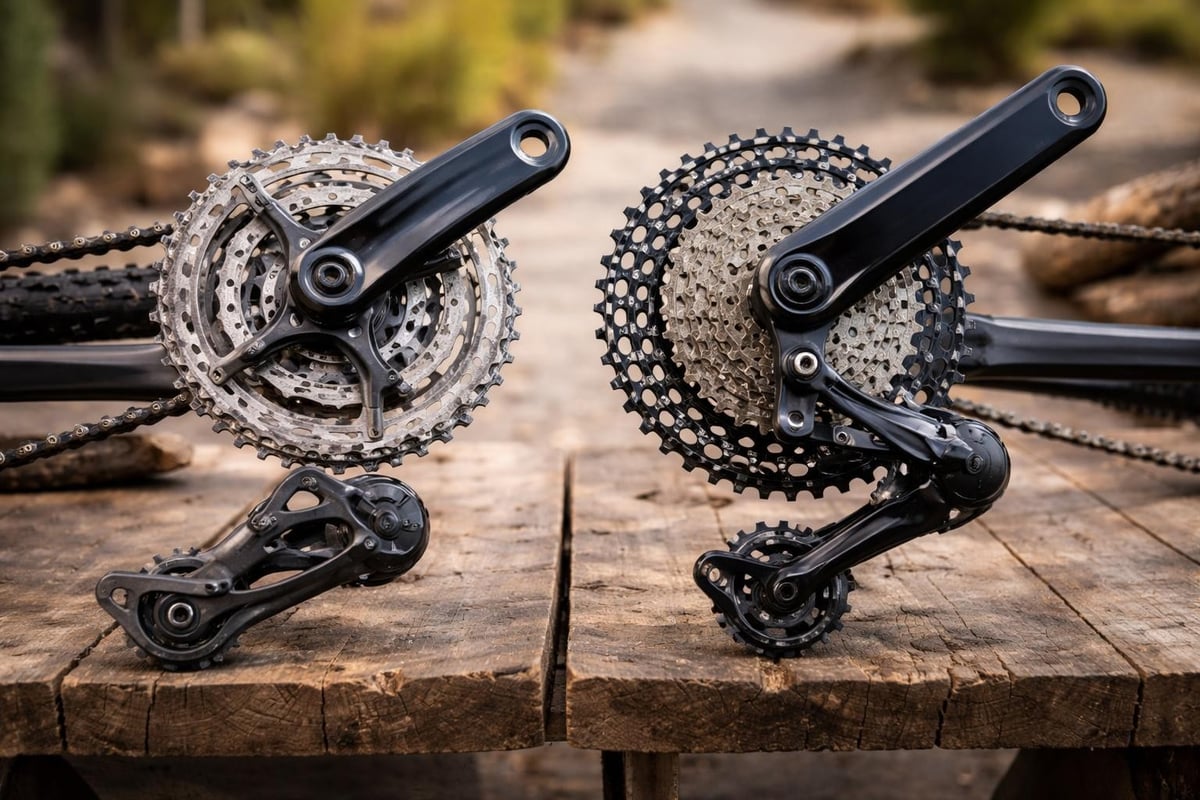
Mountain biking has transitioned toward single-chainring configurations, simplifying gear selection while maintaining necessary range. Modern 1x12 systems provide sufficient gearing for technical climbs and high-speed descents.
The best gear bicycle for mountain biking typically features:
- Chainring Options: 30, 32, or 34 tooth depending on rider strength and terrain
- Cassette Range: 10-50 or 10-52 for extreme climbing capability
- Clutch Derailleurs: Prevent chain drop on rough terrain
- Wide-Range Performance: Easier maintenance than traditional 2x or 3x systems
Component Quality and Durability Considerations
Selecting the best gear bicycle requires evaluating component quality across multiple manufacturers and price points. Premium groupsets justify higher costs through improved performance, lighter weight, and extended component life.
Groupset Hierarchy and Performance
Professional-grade components deliver measurable advantages in shifting precision, weight savings, and durability under demanding conditions. Understanding the hierarchy helps cyclists make informed purchasing decisions.
Performance tiers for major manufacturers:
| Level | Shimano | SRAM | Campagnolo | Use Case |
|---|---|---|---|---|
| Professional | Dura-Ace | Red | Super Record | Racing, performance-focused |
| Enthusiast | Ultegra | Force | Record | Serious recreational, sportives |
| Sport | 105 | Rival | Chorus | Regular training, everyday riding |
| Entry | Tiagra/Sora | Apex | - | Beginners, casual cycling |
According to OutdoorGearLab's comprehensive biking gear reviews, mid-tier components often provide the best value proposition, delivering 90% of professional-level performance at significantly lower costs.
Durability Factors for Indian Conditions
Cyclists in India face unique environmental challenges including monsoon conditions, dusty roads, and temperature extremes. The best gear bicycle for Indian conditions prioritizes weather-resistant components and reliable performance across diverse terrain.
Quality drivetrains resist corrosion, maintain shifting precision despite contamination, and tolerate the demanding conditions prevalent across Indian cycling routes. Regular maintenance using appropriate tools extends component lifespan significantly.
For cyclists who perform their own maintenance, having the right equipment makes crucial differences in component longevity. Cycling Gears Hub offers professional-grade workshop tools including chain tools, bottom bracket tools, and spoke wrenches that enable proper bicycle servicing at home, ensuring your gearing system operates at peak efficiency.

Single-Speed and Fixed Gear Alternatives
While multi-gear systems dominate cycling markets, single-speed and fixed-gear bicycles offer compelling advantages for specific riding contexts. These simplified drivetrains eliminate shifting complexity while reducing weight and maintenance requirements.
Urban Commuting Benefits
Single-speed configurations excel in flat urban environments where constant gear changes prove unnecessary. The mechanical simplicity results in minimal maintenance demands and reduced component costs.
Advantages of single-speed bicycles:
- Lighter overall weight (typically 1-2 kg savings)
- Lower purchase and maintenance costs
- Reduced mechanical complexity
- Cleaner aesthetic appearance
- Immediate power transfer without shift delay
Fixed-gear bicycles take simplification further by eliminating freewheel mechanisms, creating direct connections between pedal input and wheel rotation. This configuration develops superior bike handling skills and provides enhanced control in technical urban riding situations.
Limitations and Considerations
Single-speed bicycles impose significant limitations in varied terrain. Riders must maintain consistent cadence regardless of gradient changes, potentially leading to fatigue on longer rides with elevation changes.
The best gear bicycle for most cyclists incorporates multiple gears, but single-speed options deserve consideration for specific use cases including short urban commutes, flat terrain riding, and minimal maintenance requirements.
Gravel and Adventure Bike Gearing
Gravel cycling's explosive growth has driven gearing innovation specifically designed for mixed-surface riding. The best gear bicycle for adventure cycling balances road bike efficiency with mountain bike capability.
Wide-Range Gearing Solutions
Modern gravel bikes employ various gearing strategies to handle pavement, dirt roads, and off-road trails within single rides. Manufacturers offer both 1x and 2x configurations tailored for adventure cycling demands.
- 1x Gravel Systems: 40-44 tooth chainrings with 10-44 or 10-50 cassettes
- 2x Gravel Systems: 46/30 or 48/32 chainrings with 11-34 cassettes
- Electronic Options: Wireless shifting for precise gear changes
- Subcompact Doubles: 48/32 configurations for maximum versatility
GearJunkie's cycling gear reviews highlight how gravel-specific gearing enables riders to tackle 20% gradient climbs while maintaining comfortable cadence on flat sections, creating truly versatile bicycles for mixed-terrain exploration.
Electronic Shifting Technology
Electronic shifting represents the cutting edge of bicycle gearing technology, offering precision, customization, and performance advantages over mechanical systems. The best gear bicycle for serious cyclists increasingly incorporates these advanced electronic drivetrains.
Performance Advantages
Electronic systems eliminate cable stretch and friction, delivering consistent shifting performance regardless of weather conditions or cable contamination. Programmable shift patterns allow riders to customize operation according to personal preferences.
Key electronic shifting benefits include:
- Precise, consistent shifts under maximum power output
- Customizable shift button configuration
- Automatic trim adjustments preventing chain rub
- Battery-powered operation eliminating cable maintenance
- Integration with cycling computers for gear position display
- Synchronized front and rear derailleur operation
Modern electronic groupsets from Shimano Di2, SRAM AXS, and Campagnolo EPS provide wireless operation, simplifying installation while reducing potential failure points. Battery life exceeds 1,000 kilometers between charges in typical usage.
Cost-Benefit Analysis
Electronic shifting commands premium pricing, typically adding $800-2,000 to bicycle costs compared to equivalent mechanical groupsets. Serious cyclists justify this investment through measurable performance gains and reduced long-term maintenance requirements.
For competitive cyclists and enthusiasts who prioritize cutting-edge performance, electronic shifting delivers tangible advantages. Recreational riders may find excellent value in high-quality mechanical systems that provide reliable performance at lower costs.
Maintenance and Longevity Strategies
The best gear bicycle maintains optimal performance through proper maintenance protocols. Regular servicing extends component life, prevents premature wear, and ensures consistent shifting performance.
Essential Maintenance Tasks
Weekly maintenance (high-mileage riders):
- Clean and lubricate chain
- Inspect derailleur alignment
- Check cable tension
- Verify brake and shift lever operation
Monthly maintenance:
- Deep clean drivetrain components
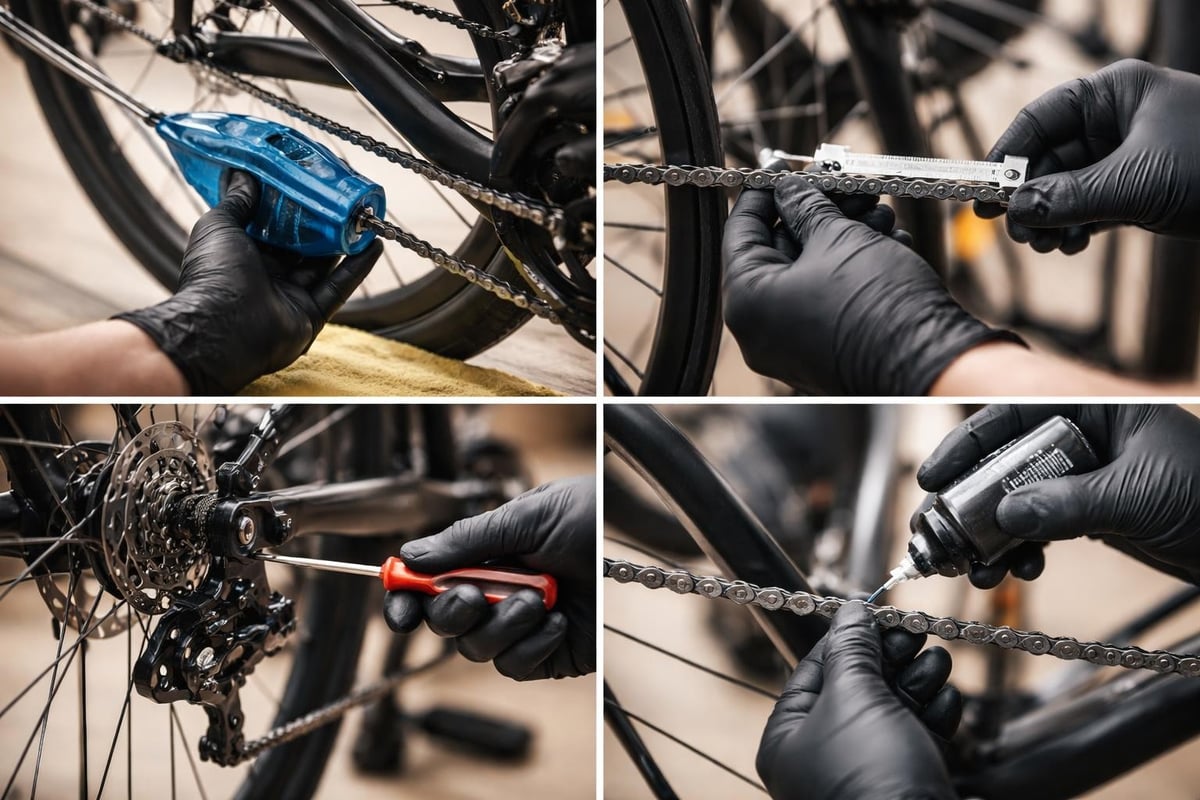
- Inspect chain wear using measurement tools
- Adjust derailleur limit screws if necessary
- Tighten component bolts to manufacturer specifications
Annual maintenance:
- Replace chain before 0.75% wear measurement
- Inspect and potentially replace cassette
- Service or replace bottom bracket bearings
- Professional derailleur alignment and adjustment
Quality workshop tools make home maintenance feasible for most cyclists. Chain wear indicators, torque wrenches, and derailleur alignment tools enable proper servicing that matches professional shop standards.
Selecting Your Best Gear Bicycle
Choosing the best gear bicycle requires balancing technical specifications, budget constraints, and personal riding preferences. Systematic evaluation of your cycling needs guides selection toward optimal configurations.
Assessment Framework
Step-by-step selection process:
- Define Primary Use: Road racing, mountain biking, commuting, touring, or gravel riding
- Identify Terrain: Flat regions, rolling hills, or mountainous areas
- Establish Budget: Entry-level, mid-range, or premium component quality
- Determine Maintenance Capacity: DIY servicing or professional shop reliance
- Consider Future Needs: Room for capability expansion and component upgrades
According to essential gear guides for beginning cyclists, matching gearing systems to actual riding conditions prevents both over-specification (wasted budget) and under-specification (inadequate performance).
Test Riding and Final Selection
Nothing replaces actual riding experience when evaluating gearing systems. Test rides reveal how different configurations feel under real-world conditions, helping identify optimal choices.
Request test rides on bikes with various gearing options, including different groupset levels and gear ratio configurations. Pay attention to shifting precision, cadence comfort at various speeds, and climbing capability on representative terrain.
The best gear bicycle feels natural during shifting, maintains your preferred cadence across varying conditions, and inspires confidence regardless of terrain challenges. Trust your experience during test rides while considering technical specifications and expert recommendations.
Budget Optimization Strategies
Finding the best gear bicycle within budget constraints requires strategic component selection and smart shopping approaches. Understanding where to invest and where to economize maximizes performance per rupee spent.
Value-Focused Component Selection
Mid-tier groupsets provide exceptional value, delivering reliable performance at accessible prices. Shimano 105, SRAM Rival, and equivalent components offer durability and precision suitable for serious cycling without professional-level costs.
Investment priority ranking:
| Priority | Component | Reasoning |
|---|---|---|
| Highest | Frame Quality | Foundation for all components |
| High | Wheelset | Significant performance impact |
| Medium-High | Drivetrain | Daily reliability and efficiency |
| Medium | Brakes | Safety and control |
| Lower | Finishing Components | Comfort, easily upgraded later |
Previous-generation components often provide significant savings while delivering performance nearly matching current offerings. Last year's Ultegra performs comparably to new versions at substantially reduced costs.
Long-Term Cost Considerations
Cheaper components require more frequent replacement, potentially costing more over bicycle lifespan. Quality drivetrains withstand higher mileage before requiring replacement, reducing long-term ownership costs.
Calculate total cost of ownership including anticipated maintenance and replacement expenses. Premium components justify higher initial costs through extended service life and superior performance across thousands of kilometers.
Regional Considerations for Indian Cyclists
Indian cycling conditions present unique challenges requiring specific gearing considerations. Monsoon weather, varied road surfaces, and extreme temperature ranges influence optimal bicycle configuration.
Weather-Resistant Component Selection
Monsoon conditions demand corrosion-resistant components and sealed bearing systems. Stainless steel chains, weather-sealed derailleurs, and protected cable routing extend component life in humid environments.
The best gear bicycle for Indian conditions incorporates protective features including:
- Sealed cartridge bearings throughout drivetrain
- Corrosion-resistant chain and cassette materials
- Internal cable routing preventing water infiltration
- Mudguard clearance protecting components from spray
- Easy-clean drivetrain design simplifying post-ride maintenance
Regular cleaning after wet rides prevents accelerated component wear, maintaining shifting precision despite challenging environmental conditions.
Terrain-Specific Gearing
India's diverse geography requires careful gear ratio selection matching local terrain. Flat coastal regions support taller gearing for speed, while mountainous areas demand lower ratios for sustained climbing.
Cyclists in hilly regions benefit from compact or sub-compact cranksets paired with wider-range cassettes. Urban riders in flat cities optimize efficiency with standard gearing that maintains comfortable cadence at higher speeds.
Selecting the best gear bicycle transforms your cycling experience through optimized performance, enhanced efficiency, and improved riding enjoyment across all conditions and terrain types. Understanding gearing systems, component quality, and maintenance requirements empowers informed decisions that match your specific cycling goals and budget constraints. Cycling Gears Hub supports your cycling journey with premium components, professional tools, and expert guidance, offering fast shipping across India with convenient COD and EMI options to help you build and maintain your ideal bicycle setup.
Article written using RankPill.