

Choosing the best helmet for bike riders isn't just about style or price-it's about protecting your most valuable asset while cycling. Every year, thousands of cyclists avoid serious head injuries because they wore properly fitted, certified helmets. Whether you're commuting through busy Indian streets, training for competitive events, or enjoying weekend leisure rides, understanding what makes a helmet truly effective can save your life. This comprehensive guide explores the critical factors that separate adequate helmets from exceptional ones, helping you make an informed decision that balances safety, comfort, and performance.
Understanding Helmet Safety Standards and Certifications
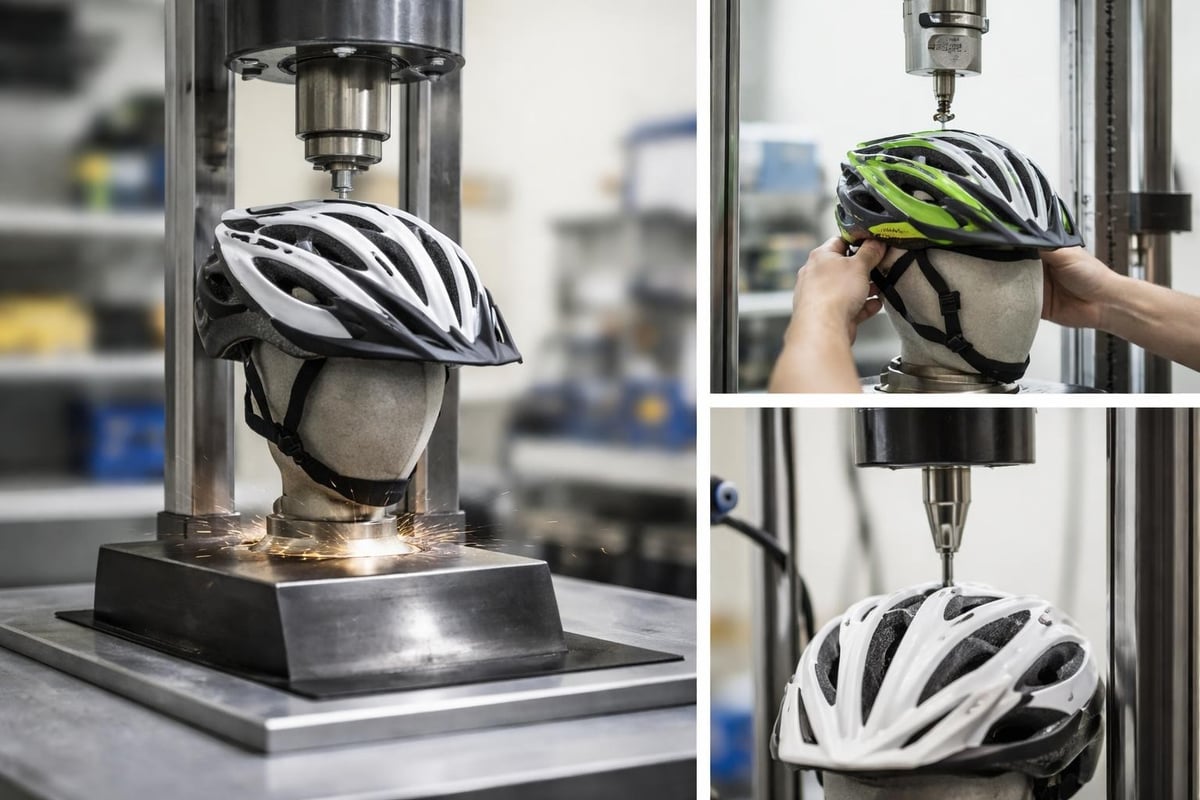
Safety certifications represent the foundation of helmet quality. The best helmet for bike riders must meet rigorous testing protocols that simulate real-world crash scenarios. In India and internationally, several standards govern helmet manufacturing and performance.
Key International Safety Standards
Different regions enforce specific safety requirements. The Consumer Product Safety Commission (CPSC) standard in the United States requires helmets to withstand significant impacts and provide adequate coverage. European cyclists rely on the EN 1078 standard, which includes similar impact testing with slight variations in methodology. The comprehensive testing procedures ensure helmets can protect against both direct impacts and angular rotation forces.
The ASTM F1447 standard addresses competitive cycling helmets, while Snell B-95 provides even more stringent testing criteria. Each certification involves dropping helmets onto different anvil shapes from specified heights, measuring the g-forces transmitted to a headform inside.
Key certification features include:
- Impact absorption testing at multiple points
- Retention system strength verification
- Coverage area requirements
- Penetration resistance evaluation
- Positional stability testing
MIPS and Advanced Protection Technologies
Multi-directional Impact Protection System (MIPS) has revolutionized helmet safety since its introduction. This technology adds a low-friction layer inside the helmet that allows slight rotation during angled impacts, reducing rotational forces transmitted to the brain.
When searching for the best helmet for bike riders, MIPS represents a significant safety upgrade. Studies indicate that rotational forces cause many serious brain injuries, making this technology particularly valuable for high-speed riding or technical terrain.
| Technology | Protection Type | Weight Addition | Cost Impact |
|---|---|---|---|
| MIPS | Rotational impact | 25-45g | Moderate |
| WaveCel | Rotational impact | 50-100g | Higher |
| Koroyd | Linear impact | Variable | Moderate-High |
| EPP Liner | Multi-impact | 30-60g | Low-Moderate |
Alternative systems like WaveCel and Koroyd offer different approaches to managing impact forces. WaveCel uses a collapsible cellular structure, while Koroyd employs welded tubes that crumple upon impact. Each system has distinct advantages depending on riding style and crash scenarios.
Helmet Fit and Adjustment Systems
Perfect fit transforms a good helmet into the best helmet for bike riders. An improperly fitted helmet, regardless of its safety ratings or advanced technologies, cannot provide adequate protection during a crash.
Measuring Your Head Correctly
Head circumference measurement forms the starting point. Wrap a flexible measuring tape around your head approximately one inch above your eyebrows, ensuring it sits level around your skull. Most adult helmets range from 52cm to 64cm, with some brands offering extended sizing.
Head shape matters as much as size. Skulls generally fall into three categories: round oval, intermediate oval, and long oval. Different helmet brands cater to different shapes, which explains why identically sized helmets from various manufacturers feel dramatically different.
Proper fit checklist:
- Helmet sits level on your head, not tilted back
- Front edge rests 1-2 finger widths above eyebrows
- Side straps form a "V" shape beneath each ear
- Chin strap feels snug but comfortable when buckled
- Helmet doesn't shift when you shake your head vigorously
Retention and Adjustment Mechanisms
Modern retention systems have evolved beyond simple strap adjustments. The best helmet for bike riders incorporates sophisticated dial systems that allow micro-adjustments while riding. Brands like BOA, Ratchet, and proprietary systems from major manufacturers enable precise fit customization.
Vertical adjustment capabilities help position the helmet correctly on different head shapes. Some premium models include multiple adjustment points, allowing riders to fine-tune both circumference and height positioning. The proper helmet selection guidance emphasizes that adjustment systems should be intuitive and operable with one hand.
Padding plays a crucial role in comfort and fit. Removable, washable pads maintain hygiene, while moisture-wicking materials prevent sweat accumulation during long rides. Some helmets offer different pad thicknesses, enabling further fit customization.
Ventilation and Aerodynamics Balance
Heat management significantly impacts riding comfort, especially in India's warm climate. The best helmet for bike riders balances airflow with structural integrity and aerodynamic efficiency.
Ventilation Design Principles
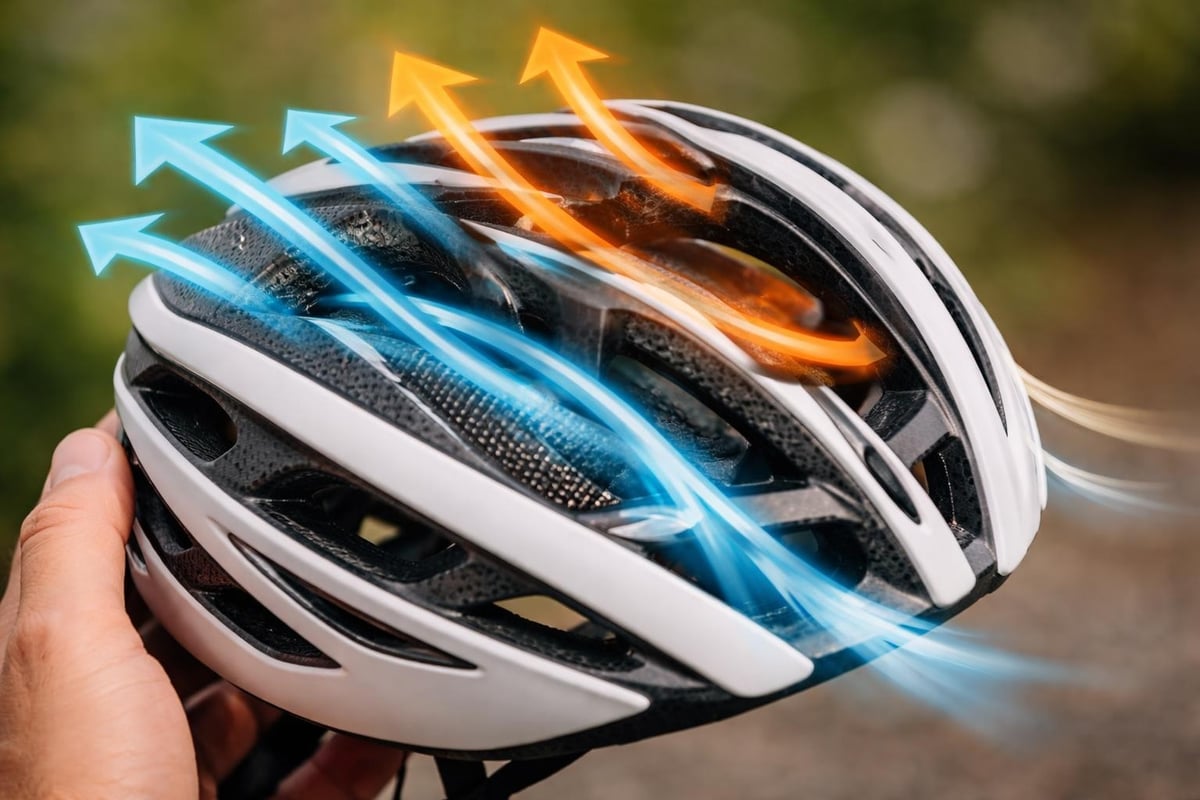
Helmet ventilation relies on strategically positioned vents that channel air across your scalp. Front vents capture incoming air, internal channels direct flow, and rear exhaust ports release heated air. This thermodynamic process keeps your head cooler during intense efforts.
Vent count doesn't automatically correlate with cooling efficiency. A helmet with 15 large, well-positioned vents often outperforms one with 30 small, poorly placed openings. Channel design within the helmet matters more than external vent quantity.
Climate considerations influence optimal ventilation levels. Indian cyclists riding in temperatures exceeding 35°C benefit from maximum airflow, while those in cooler regions might prefer fewer vents for warmth retention during winter months.
Aerodynamic Considerations for Different Riding Styles
Road cyclists prioritize aerodynamics because wind resistance increases exponentially with speed. The best aero cycling helmets demonstrate measurable time savings through wind tunnel testing, with some models saving 30-60 seconds over a 40-kilometer time trial.
Aero helmets feature teardrop shapes, reduced venting, and smooth surfaces that minimize drag. However, this aerodynamic efficiency comes with trade-offs in ventilation and weight. Competitive cyclists accept these compromises for performance gains, while recreational riders might prefer traditional designs.
Mountain bikers and commuters typically prioritize ventilation and coverage over aerodynamics. Extended visors, enhanced rear coverage, and maximum airflow suit their riding environments better than streamlined profiles.
Specialized Helmet Categories and Features
Different cycling disciplines demand specific helmet characteristics. Understanding these distinctions helps identify the best helmet for bike riders based on their primary cycling activities.
Road Cycling Helmets
Road helmets emphasize lightweight construction, efficient ventilation, and increasingly, aerodynamic shaping. Premium models weigh between 200-280 grams, barely noticeable during long endurance rides. Advanced materials like carbon fiber reinforcement reduce weight while maintaining impact protection.
Many road helmets now integrate eyewear storage channels and secure retention systems for sunglasses. These features prevent glasses from bouncing during rough road sections and provide convenient storage during climbs or stops.
Mountain Bike and Trail Helmets
Mountain bike helmets provide extended rear coverage protecting the occipital region during backward falls common in technical terrain. Many incorporate removable visors that shield eyes from sun, rain, and trail debris while maintaining compatibility with goggles.
The helmet safety recommendations from orthopedic surgeons emphasize the importance of appropriate coverage for your riding style. Trail riders face different crash scenarios than road cyclists, requiring helmets designed for their specific risks.
Full-face helmets offer maximum protection for downhill and enduro riding, covering the entire head and face. While heavier and less ventilated, they prevent facial injuries during high-speed crashes on aggressive terrain.
Commuter and E-Bike Helmets
Urban cycling helmets often include integrated lights, reflective elements, and visors for rain protection. These practical features enhance visibility and weather protection during daily commuting in variable conditions.
E-bike riders traveling at higher sustained speeds benefit from helmets meeting the NTA-8776 safety standard, which requires enhanced impact protection for speeds up to 45 km/h. These helmets provide greater coverage and higher impact resistance than traditional bicycle helmets.
| Helmet Type | Weight Range | Vent Count | Coverage Level | Best Use Case |
|---|---|---|---|---|
| Road Race | 200-280g | 15-25 | Standard | Racing, fast group rides |
| Road Aero | 250-350g | 5-12 | Standard | Time trials, triathlons |
| Mountain Bike | 280-380g | 12-20 | Extended rear | Trail riding, XC racing |
| Commuter | 300-450g | 10-18 | Extended rear | Urban cycling, daily commute |
| E-Bike (NTA) | 400-550g | 8-15 | Maximum | Electric bike riding |
Construction Materials and Durability
Helmet construction materials directly impact weight, durability, and impact absorption. The best helmet for bike riders uses advanced materials engineered for optimal protection-to-weight ratios.
Foam Technologies
Expanded Polystyrene (EPS) remains the most common impact-absorbing material. This foam crushes upon impact, dissipating energy before it reaches your skull. Single-density EPS works effectively but only for one significant impact, requiring helmet replacement after crashes.
Multi-density EPS incorporates different foam firmnesses in strategic locations. Softer foam in high-contact areas improves comfort, while firmer foam in impact zones maximizes protection. This layered approach optimizes both daily comfort and crash performance.
Expanded Polypropylene (EPP) offers multi-impact protection, making it popular for mountain bike helmets where repeated minor impacts occur. EPP rebounds after compression, though it typically weighs more than EPS and costs more to manufacture.
Shell Materials and Construction Methods
In-mold construction fuses a thin polycarbonate shell directly to the EPS foam during manufacturing. This process creates lighter helmets with better ventilation possibilities, as manufacturers can create larger vents without compromising structural integrity. The seamless integration also improves aesthetics and aerodynamics.
Hard-shell construction applies a separate ABS or polycarbonate shell over the foam core. While heavier, this method creates extremely durable helmets that withstand repeated minor impacts and abrasion. BMX and aggressive mountain bike helmets often use hard-shell construction.
Premium helmets incorporate carbon fiber reinforcement in high-stress areas, reducing weight while maintaining strength. Some manufacturers use Kevlar or aramid fibers for penetration resistance and structural support.
Color, Visibility, and Aesthetic Considerations
While safety and fit take priority, visibility significantly impacts cyclist safety on roads. The best helmet for bike riders combines protective features with high-visibility elements that help motorists spot you from greater distances.
Bright colors like fluorescent yellow, orange, and pink show up clearly against most backgrounds. Studies demonstrate that high-visibility colors reduce collision risks, particularly during dawn, dusk, and overcast conditions. White helmets also offer good visibility while maintaining a clean aesthetic preferred by many riders.
Reflective elements enhance nighttime visibility when illuminated by vehicle headlights. Strategic placement of reflective strips, logos, or 360-degree bands multiplies your visibility to approaching traffic from all directions.
Visibility enhancement options:
- Fluorescent shell colors for daytime visibility
- Reflective decals or integrated reflective elements
- Integrated LED lights (rear-facing)
- Removable light mounting systems
- High-contrast color blocking
Personal style matters for helmet compliance. If you love your helmet's appearance, you'll wear it consistently. Many riders own multiple helmets matching different bikes or kits, ensuring protection while maintaining their preferred aesthetic.
Price Ranges and Value Considerations
Helmet pricing spans from budget options under ₹2,000 to premium models exceeding ₹25,000. Understanding what drives these price differences helps you find the best helmet for bike riders within your budget.
Budget Helmets (₹1,500-₹4,000)
Entry-level helmets from reputable manufacturers provide certified protection at accessible prices. These helmets meet safety standards and offer basic adjustment systems and adequate ventilation. The best budget road bike helmets demonstrate that affordable options can deliver solid performance for recreational cyclists and commuters.
Trade-offs at this price point include heavier weight, fewer vents, simpler retention systems, and absence of advanced technologies like MIPS. However, a properly fitted budget helmet provides significantly better protection than an expensive helmet worn incorrectly.
Mid-Range Helmets (₹4,000-₹12,000)
Mid-range offerings incorporate MIPS or similar rotational impact protection, lighter materials, superior ventilation, and refined adjustment systems. These helmets suit serious enthusiasts who ride regularly and appreciate enhanced comfort and features.
Quality improvements become noticeable at this price tier. Better padding, more sophisticated retention mechanisms, and thoughtful design details enhance the overall riding experience. Many riders find this range offers optimal value balancing performance and cost.
Premium Helmets (₹12,000+)
High-end helmets showcase cutting-edge materials, extensive wind tunnel development, minimal weight, and maximum comfort. Professional cyclists and dedicated enthusiasts justify these investments through measurable performance advantages and superior long-term durability.
Carbon fiber construction, aerospace-grade materials, and advanced manufacturing processes drive premium pricing. For competitive cyclists where marginal gains matter, these investments prove worthwhile. Recreational riders should honestly assess whether these benefits justify the cost difference.
Helmet Lifespan and Replacement Guidelines
Even the best helmet for bike riders has a finite lifespan. Understanding when to replace your helmet ensures continued protection throughout your cycling journey.
Replacement After Crashes
Replace your helmet immediately after any crash involving head impact, regardless of visible damage. The EPS foam compresses during impacts, compromising its ability to protect during subsequent crashes. Internal damage often occurs without external indicators, making replacement essential for safety.
Some manufacturers offer crash replacement programs, providing discounted replacements if you return your crashed helmet within specified timeframes. These programs encourage proper replacement behavior while building brand loyalty.
Age-Related Degradation
Helmet materials degrade over time through UV exposure, temperature cycling, sweat, and general wear. Most manufacturers recommend replacement every 3-5 years, even without crashes. The foam hardens, adhesives weaken, and retention systems wear, reducing protective capabilities.
Visible indicators of aging include:
- Cracked or brittle foam
- Delaminating shell
- Compressed or missing padding
- Malfunctioning retention system
- Frayed or damaged straps
Proper storage extends helmet life. Keep helmets in cool, dry locations away from direct sunlight. Avoid storing them in car trunks where extreme temperatures accelerate material degradation. Clean helmets regularly with mild soap and water, avoiding harsh chemicals that damage materials.
Special Considerations for Indian Cyclists
Indian cycling conditions present unique challenges requiring specific helmet features. Extreme heat, variable road conditions, and diverse traffic environments influence what constitutes the best helmet for bike riders in India.
Climate Adaptation
Summer temperatures regularly exceeding 40°C in many regions demand maximum ventilation. Helmets with extensive vent networks and light-colored shells help manage heat buildup during intense rides. Moisture-wicking padding becomes essential for comfort during long rides in humid conditions.
Monsoon season requires different considerations. While helmets shouldn't be selected primarily for rain protection, good drainage systems prevent water pooling. Some riders prefer helmets with integrated visors offering minimal rain and sun protection during commutes.
Urban Riding Requirements
Indian urban environments combine high traffic density, variable road quality, and mixed vehicle types. Enhanced visibility features-bright colors, reflective elements, and integrated lights-significantly improve safety in chaotic traffic conditions.
Consider helmets designed for urban cycling that balance protection with practical features. Integrated lighting systems, enhanced coverage, and durable construction suit daily commuting better than ultra-lightweight race helmets designed for controlled environments.
When selecting protective gear for Indian conditions, Cycling Gears Hub - Premium Cycling Gear & Accessories offers helmets from trusted manufacturers specifically suited to local riding environments. Their selection includes options across all price ranges, ensuring every cyclist can find appropriate head protection regardless of budget or riding style.
Youth and Children's Helmet Selection
Children require special attention when selecting helmets. Their developing skulls and necks demand properly sized, appropriately weighted protection that encourages consistent wearing.
Sizing for Growing Riders
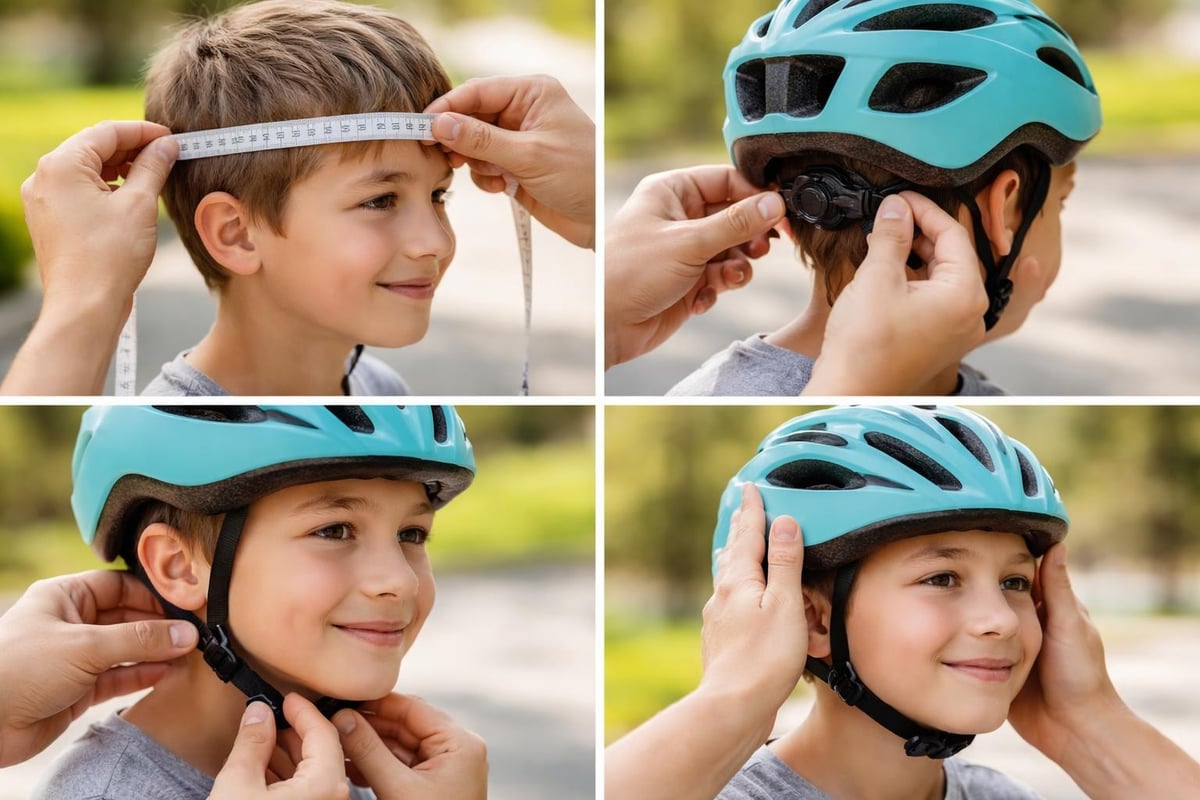
Children's heads grow rapidly, requiring helmet replacement more frequently than adults. Measure head circumference regularly and choose helmets with adjustment ranges accommodating at least 2-3cm of growth. The youth helmet safety guidelines emphasize selecting current proper fit over buying oversized helmets for future growth.
Youth-specific helmets incorporate age-appropriate features: lighter overall weight reducing neck strain, simplified adjustment systems children can operate independently, and engaging designs encouraging regular use.
Encouraging Helmet Compliance
Children model adult behavior. When parents consistently wear helmets, children accept them as normal cycling equipment. Involving children in helmet selection, choosing colors and designs they find appealing, increases wearing compliance.
Never compromise on certification for appearance. Many attractive youth helmets meet full safety standards, eliminating the need to choose between compliance and protection. Teach children proper fitting techniques, making helmet wearing a practiced routine rather than a negotiated task.
Advanced Features in Modern Helmets
Technology integration has expanded beyond basic impact protection. The best helmet for bike riders now offers sophisticated features enhancing safety, convenience, and connectivity.
Integrated Communication Systems
Bluetooth-enabled helmets incorporate speakers and microphones for phone calls, music, and navigation instructions. These systems allow communication without handlebar-mounted devices or earbuds that block ambient sound awareness. Premium systems offer group intercom functionality for riding with friends.
Integration quality varies significantly. Better systems provide clear audio at speed, intuitive controls, and long battery life. Consider whether you truly need these features or if they add unnecessary complexity and weight.
Crash Detection and Emergency Response
Some helmets now include accelerometers detecting crash impacts and automatically alerting emergency contacts with GPS location data. This technology provides crucial safety benefits for solo riders on remote routes or during races.
Subscription services often accompany these features, adding ongoing costs to initial helmet investment. Evaluate whether your riding patterns justify these expenses and whether you'll maintain active subscriptions.
Smart Helmet Considerations
Smart features increase weight, require charging, and add potential failure points. The best helmet for bike riders balances technological benefits against these trade-offs. A non-functional smart helmet still provides protection, but dead batteries eliminate advanced features when you might need them most.
Traditional helmets remain simpler, lighter, and require no maintenance beyond physical care. Many experienced cyclists prefer this straightforward approach, adding separate devices for specific needs rather than integrated solutions.
Trying Before Buying and Return Policies
Proper fit assessment requires physical trial. While online shopping offers convenience and selection, helmet purchases benefit from in-person fitting when possible.
In-Store Fitting Advantages
Specialty cycling shops provide fitting expertise, allowing you to try multiple brands and models. Staff can identify fit issues you might miss and suggest alternatives matching your head shape. Trying helmets with your regular cycling glasses ensures compatibility, avoiding interference issues discovered later.
Many shops offer demo programs, allowing extended testing during actual rides. This real-world evaluation reveals comfort issues that showroom trials miss, particularly pressure points emerging during long rides.
Online Purchase Considerations
When buying online, understand return policies thoroughly. The hassle-free returns at Cycling Gears Hub provide confidence when purchasing remotely, allowing you to test fit properly at home and exchange if necessary.
Order multiple sizes if uncertain, planning to return those that don't fit correctly. Home fitting should replicate in-store processes: wear the helmet for 15-20 minutes, perform vigorous head movements, and assess comfort honestly.
Maintenance and Care Practices
Proper maintenance extends helmet lifespan and ensures continued protection. Regular care takes minimal time but significantly impacts performance and hygiene.
Essential maintenance practices:
- Wipe interior padding after rides to remove sweat
- Wash removable pads monthly with mild detergent
- Inspect retention system for wear or damage
- Check for cracks in foam or shell every few months
- Store away from direct sunlight and extreme temperatures
- Avoid placing heavy objects on helmet
Clean exterior shells with damp cloths, avoiding harsh chemicals that damage polycarbonate or paint finishes. Stubborn dirt removes easily with mild soap solutions. Never use solvents, petroleum products, or abrasive cleaners that compromise structural integrity.
Strap care maintains adjustment functionality. Replace worn or frayed straps through manufacturer service departments. Many brands offer replacement parts, extending overall helmet lifespan affordably.
Testing Your Helmet Choice
Before committing to any helmet as your final choice, conduct thorough testing ensuring it meets your specific needs across various conditions.
Fit Testing Protocol
Wear the helmet for progressively longer periods, starting with 20-30 minutes and extending to full ride durations. Pressure points tolerable initially often become painful during extended wear. Test during different intensity levels, from easy spins to hard efforts generating maximum heat and sweat.
Perform the shake test: buckle the chin strap and vigorously shake your head side-to-side and front-to-back. The helmet should move with your head as a single unit, without shifting, sliding, or rotating independently.
Real-World Riding Evaluation
Test ventilation during climbs when heat generation peaks. Assess aerodynamics during fast descents or headwind sections. Evaluate visibility integration with your riding positions and head angles. Confirm eyewear compatibility throughout various head movements.
Take notes during test periods, documenting specific comfort issues, pressure points, or performance observations. These details help comparison if testing multiple models or provide feedback for potential exchanges.
Selecting the best helmet for bike riders requires balancing safety certifications, proper fit, ventilation needs, and riding-specific features within your budget. The right helmet protects you consistently because it fits perfectly and you'll wear it every ride without exception. Whether you're exploring road bikes or upgrading your entire setup with quality handlebars and pedals, your helmet remains your most critical safety investment. Cycling Gears Hub offers expert guidance and premium helmet selections backed by hassle-free returns and fast shipping across India, ensuring you find the perfect protection for every ride.