

Finding the best mountain bike shoes can transform your riding experience, whether you're tackling technical trails in the Western Ghats or racing through enduro courses across India. The right footwear provides optimal power transfer, protection, and comfort while adapting to diverse terrain conditions. With countless options available in 2026, understanding the key features that separate exceptional shoes from mediocre ones becomes essential for every serious rider.
Understanding Mountain Bike Shoe Categories
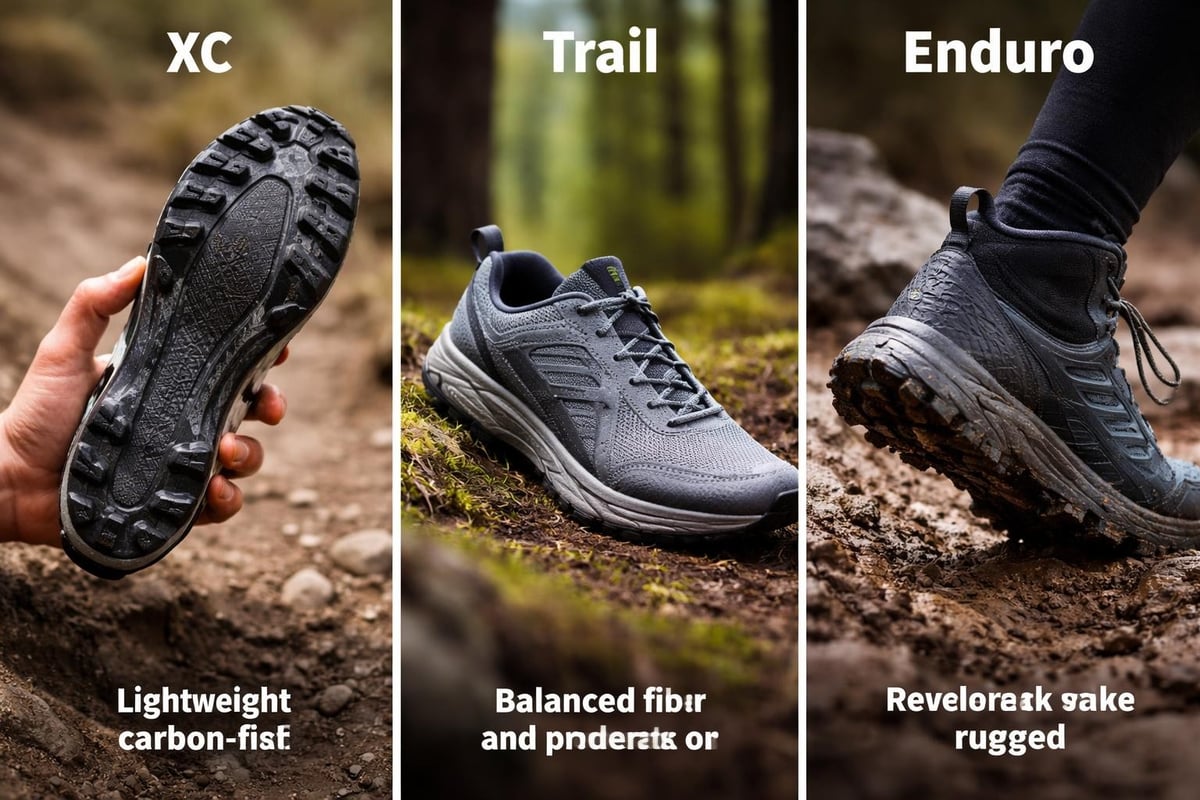
Mountain biking encompasses multiple disciplines, and each demands specific footwear characteristics. Cross-country riders prioritize lightweight construction and efficient power transfer, while enduro and downhill enthusiasts need robust protection and superior grip for technical descents.
Clipless vs Flat Pedal Systems
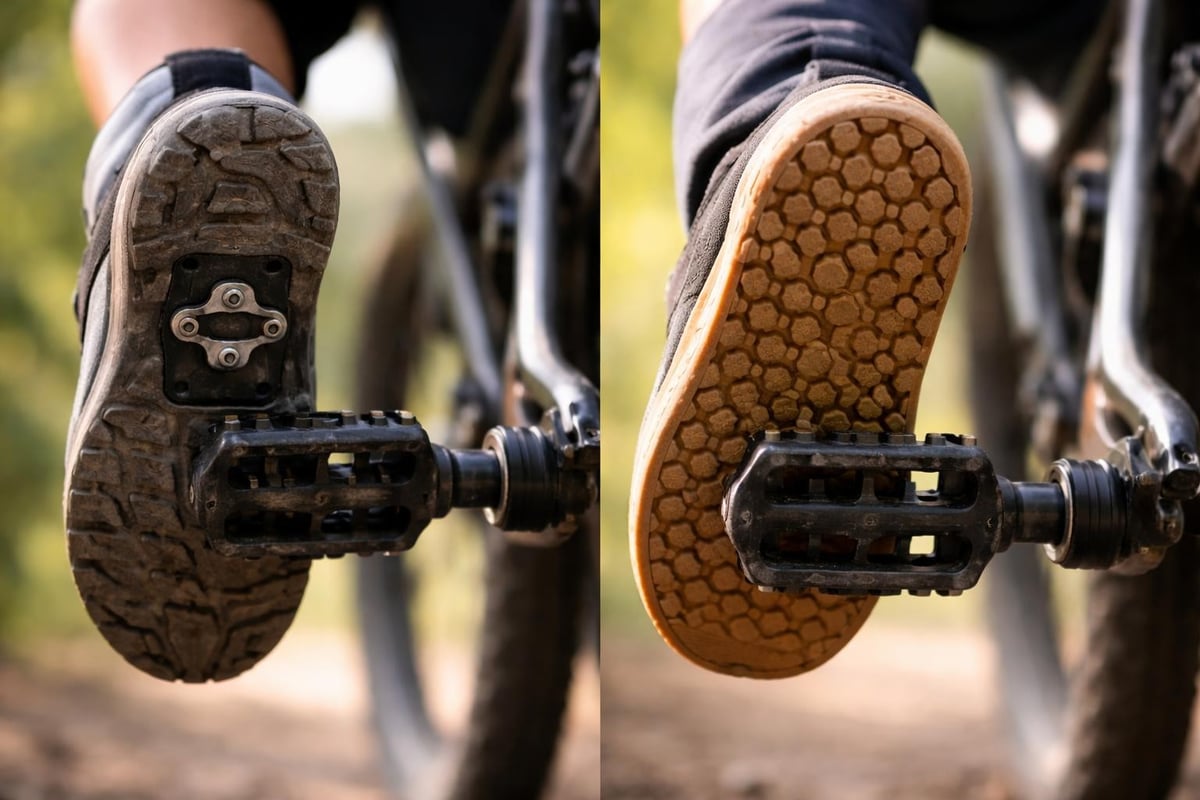
The fundamental decision when selecting the best mountain bike shoes involves choosing between clipless and flat pedal systems. Clipless shoes feature recessed cleats that lock into compatible pedals, creating a secure connection that enhances pedaling efficiency and bike control. This system allows riders to pull up during the pedal stroke, maximizing power output on climbs and technical sections.
Flat pedal shoes, conversely, feature sticky rubber soles designed to grip platform pedals without mechanical attachment. These shoes offer immediate foot release during crashes and provide confidence when navigating technical features requiring quick adjustments. Many riders find flat pedals more intuitive, especially when starting their mountain biking journey.
Key considerations include:
- Riding style and terrain difficulty
- Experience level and comfort with being clipped in
- Need for walking during rides
- Personal preference for connection security
Essential Features in Premium Mountain Bike Footwear
Construction quality directly impacts performance, durability, and rider satisfaction. The best mountain bike shoes incorporate advanced materials and thoughtful design elements that address the unique demands of off-road cycling.
Upper Materials and Durability
Premium uppers utilize synthetic materials or treated leather that resist water, mud, and abrasion. Ventilation becomes critical during Indian summers, with mesh panels and perforations allowing airflow while maintaining structural integrity. Reinforced toe boxes protect against rock strikes and trail debris, extending shoe lifespan significantly.
The closure system dramatically affects fit precision and adjustment convenience. Traditional laces offer infinite adjustability but require careful tucking to prevent snagging. BOA dial systems provide micro-adjustments with one-handed operation, though they add weight and cost. Velcro straps deliver reliable security with simple maintenance requirements.
| Feature | Laces | BOA Dials | Velcro Straps |
|---|---|---|---|
| Adjustability | Infinite | Micro-precise | Limited zones |
| Weight | Lightest | Heaviest | Medium |
| Durability | Good | Excellent | Moderate |
| Price Impact | Minimal | Significant | Low |
| Field Repair | Easy | Difficult | Easy |
Sole Construction and Stiffness
Sole stiffness directly influences power transfer efficiency. Racing-oriented shoes feature carbon-reinforced soles that minimize energy loss during hard efforts, while trail shoes balance stiffness with walking comfort through nylon composites. The S-Works Recon demonstrates how premium materials enhance performance without sacrificing versatility.
Tread pattern design matters significantly for flat pedal shoes and walking sections. Aggressive lugs provide traction on loose terrain and muddy conditions, while strategic placement prevents mud accumulation. Clipless shoes require adequate tread around the cleat area for hike-a-bike sections common on technical Indian trails.
Sizing and Fit Considerations for Indian Riders
Proper fit prevents hot spots, numbness, and efficiency losses during extended rides. The best mountain bike shoes accommodate foot shape variations while maintaining secure heel retention and adequate toe box space.
Width and Volume Options
Foot width significantly impacts comfort and performance. European brands typically offer narrower lasts compared to American manufacturers, affecting fit for riders with wider feet. Many premium models now include multiple width options, addressing diverse anatomical needs within the Indian cycling community.
Volume considerations include:
- High-volume feet require roomier toe boxes and higher insteps
- Low-volume feet benefit from snug wraps and precise closure systems
- Mid-volume designs suit most riders with standard proportions
- Arch support varies between brands and models
Temperature regulation becomes crucial during India's varied climate conditions. Breathable designs prevent overheating during summer rides, while insulated options extend riding seasons in northern regions experiencing cooler months.
Performance Categories and Terrain Matching
Different riding disciplines demand specialized footwear characteristics. Understanding these requirements helps riders select shoes optimized for their primary activities.
Cross-Country and Marathon Racing
XC-focused shoes prioritize minimal weight and maximum stiffness for sustained power output. Carbon soles eliminate flex during sprints and climbs, while streamlined profiles reduce aerodynamic drag. The Sidi Physis exemplifies this category's emphasis on efficiency and competition-ready features.
Ventilation becomes paramount during high-intensity efforts lasting multiple hours. Mesh panels and perforated materials facilitate airflow, managing moisture and temperature effectively. Many racers accept reduced durability in exchange for weight savings and enhanced breathability.
Trail and All-Mountain Riding
Trail shoes balance performance with versatility, incorporating moderate sole stiffness that enables comfortable walking during technical sections. Reinforced construction withstands impacts from roots, rocks, and occasional crashes without compromising pedaling efficiency.
These designs typically feature more substantial tread patterns than XC shoes, providing reliable traction during portage and scouting. Protection extends beyond toe boxes to include ankle support and side panels that deflect trail debris. For riders exploring essential cycling accessories, trail shoes represent the most versatile category.
Enduro and Downhill Applications
Gravity-oriented riding demands maximum protection and pedal security. These shoes feature extensive reinforcement, rigid shanks for impact absorption, and aggressive closure systems that maintain foot position during rough terrain. Flat pedal variants incorporate exceptionally sticky rubber compounds developed through motorcycle technology.
Durability assumes greater importance given the demanding conditions and frequent foot-down moments. Double-stitched seams, abrasion-resistant panels, and replaceable components extend service life despite harsh treatment. Weight increases reflect these protective features, which riders willingly accept for enhanced safety and confidence.
Advanced Technologies in 2026 Models
Innovation continues advancing mountain bike footwear through material science and ergonomic research. Leading manufacturers integrate cutting-edge features that address longstanding challenges while introducing new performance capabilities.
Climate Adaptation Systems
Modern shoes increasingly incorporate adaptive ventilation that responds to temperature and humidity conditions. Phase-change materials regulate foot temperature, while moisture-wicking liners prevent saturation during intense efforts. These technologies particularly benefit Indian riders experiencing dramatic climate variations across different regions and seasons.
Waterproof membranes now achieve breathability levels previously impossible, keeping feet dry during monsoon rides without creating internal condensation. However, fully sealed shoes may prove unnecessarily warm for year-round use in southern India's tropical climate.
Smart Fit Technologies
BOA systems evolved beyond simple dials to include directional tensioning that independently adjusts forefoot and midfoot zones. This precision eliminates pressure points while maintaining heel security, addressing fit challenges that plagued earlier designs.
Heat-moldable footbeds and internal structures now allow customization rivaling professional cycling shoes, creating personalized fits that accommodate unique foot shapes. This technology particularly benefits riders struggling with standard sizing options.
Maintenance and Longevity Strategies
Proper care significantly extends the best mountain bike shoes' service life while maintaining performance characteristics. Indian riding conditions, particularly during monsoon season, demand proactive maintenance to prevent premature deterioration.
Cleaning and Storage Protocols
Post-ride maintenance routine:
- Remove loose mud and debris immediately after rides
- Hand wash with mild soap and lukewarm water
- Avoid machine washing, which damages bonded components
- Air dry away from direct heat sources
- Remove insoles for separate drying
- Store in ventilated areas preventing mold growth
Cleat maintenance ensures consistent engagement and release. Regular inspection identifies wear patterns indicating replacement needs, while periodic lubrication prevents corrosion in humid conditions. Many riders maintain spare cleats to avoid ride cancellations due to unexpected failures.
Budget Considerations and Value Assessment
Premium shoes command significant investments, but thoughtful selection delivers long-term value through enhanced performance and extended durability. The best mountain bike shoes balance cost with feature sets matching rider priorities.
Entry-Level Options for New Riders
Beginning mountain bikers benefit from mid-range shoes offering essential features without premium pricing. These models provide reliable performance while riders develop preferences and riding styles. Starting with flat pedal shoes often makes sense, allowing skill development before transitioning to clipless systems.
Exploring quality cycling products helps new riders understand the broader equipment ecosystem and make informed decisions about gear investments.
Premium Investment Justification
Serious riders logging significant trail time find premium shoes worthwhile through multiple performance advantages. Carbon soles, advanced closure systems, and superior materials deliver measurable benefits during races and demanding rides. Reduced weight and enhanced power transfer compound over thousands of pedal strokes, creating noticeable efficiency gains.
| Price Range | Target Rider | Key Features | Expected Lifespan |
|---|---|---|---|
| ₹3,000-6,000 | Beginners | Basic construction, standard materials | 1-2 seasons |
| ₹6,000-12,000 | Enthusiasts | Improved stiffness, better ventilation | 2-3 seasons |
| ₹12,000-20,000 | Competitors | Carbon soles, BOA systems, premium materials | 3-4 seasons |
| ₹20,000+ | Professionals | Cutting-edge tech, minimal weight | 2-3 seasons (race wear) |
Cleat Positioning and Biomechanical Optimization
Proper cleat placement dramatically impacts comfort, power output, and injury prevention. The best mountain bike shoes require precise adjustment to maximize their performance potential.
Fore-Aft Positioning Guidelines
Cleat fore-aft position affects pedaling mechanics and joint stress distribution. The ball of the foot should align over the pedal spindle for optimal power transfer and natural foot rotation. Moving cleats rearward reduces calf strain but may decrease sprint power, while forward placement enhances power but increases Achilles stress.
Experimentation within small increments helps riders identify ideal positions matching their biomechanics and riding style. Many professional bike fitters recommend starting with neutral positions before making adjustments based on feedback from extended rides.
Rotational Float and Knee Alignment
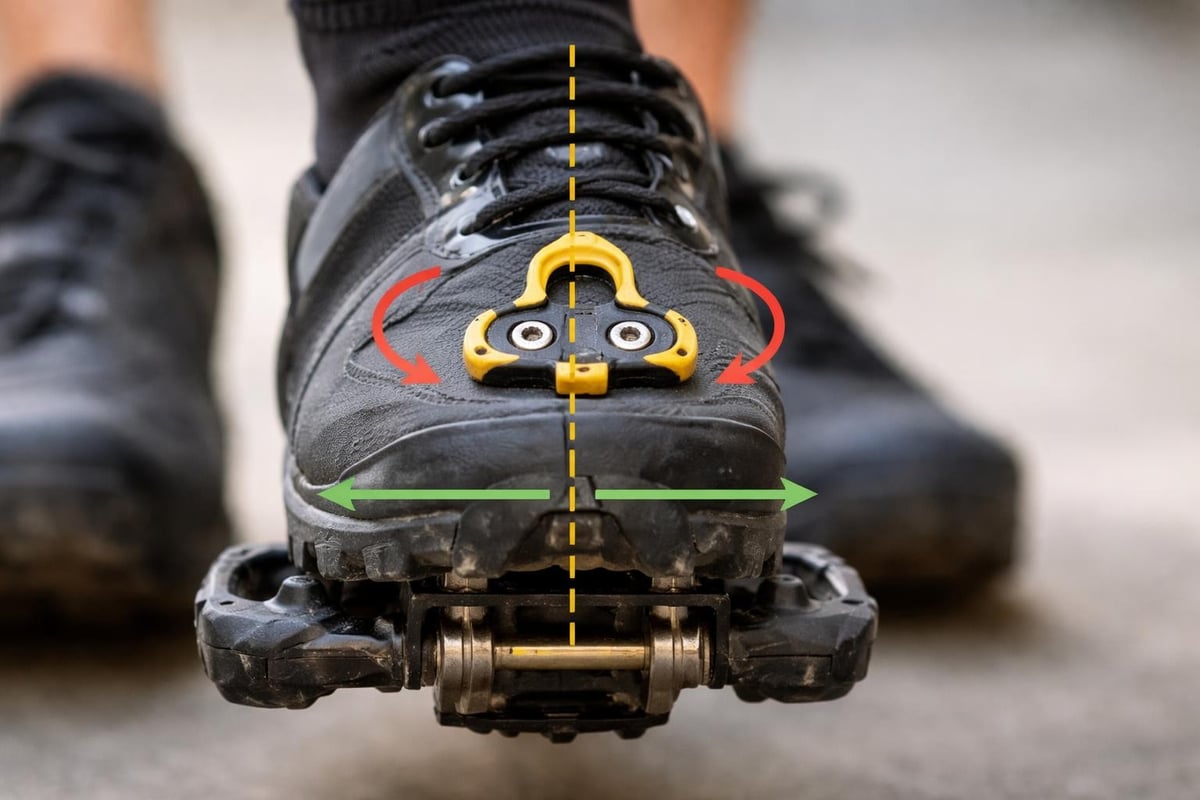
Float adjustment prevents knee strain caused by forced leg angles. Most mountain bike cleats offer 4-6 degrees of rotational freedom, allowing natural foot movement during pedal strokes. Riders with knee sensitivities benefit from increased float, while those prioritizing maximum power transfer prefer minimal movement.
Specialized Requirements for Indian Riding Conditions
India's diverse geography and climate create unique challenges for mountain bike footwear. The best mountain bike shoes for Indian riders address these specific demands through appropriate feature selection.
Monsoon and Humidity Management
Extended wet seasons in many regions require shoes with enhanced drainage and quick-drying properties. While fully waterproof designs prevent initial water entry, they trap moisture once compromised. Many experienced Indian riders prefer water-resistant uppers with excellent drainage, accepting wet feet in exchange for faster drying and reduced weight.
Antimicrobial treatments combat odor and bacterial growth in humid conditions. Regular insole replacement maintains freshness and support, particularly during intense riding periods when daily use prevents complete drying between rides.
Heat Tolerance and Ventilation
Summer temperatures across central and southern India demand maximum ventilation. Mesh-heavy constructions sacrifice some durability for essential airflow, preventing heat exhaustion during extended rides. Light-colored uppers reflect solar radiation, maintaining cooler internal temperatures compared to dark alternatives.
For riders seeking comprehensive equipment guidance, Cycling Gears Hub offers curated selections specifically chosen for Indian conditions, ensuring compatibility with local climate challenges and terrain characteristics.
Transition Strategies Between Shoe Types
Many riders eventually own multiple shoe pairs optimized for different riding scenarios. Understanding transition timing and adaptation requirements prevents frustration and injury.
Moving from Flats to Clipless
Beginning with flat pedal shoes builds fundamental bike handling skills without the complication of mechanical attachment. Once riders consistently maintain proper foot position and develop confidence on technical terrain, clipless systems offer performance advantages worth exploring. The learning curve typically requires several rides in safe environments before attempting challenging trails.
Comprehensive guides help riders understand the full spectrum of options available, supporting informed decisions about equipment transitions and investments.
Dual-Purpose Shoe Considerations
Some manufacturers offer hybrid designs accommodating both clipless and flat pedal use through recessed cleat mounting and grippy soles. While these shoes provide versatility, they typically compromise performance in both categories compared to dedicated options. Riders frequently using both systems may find hybrids worthwhile despite the trade-offs.
Brand-Specific Characteristics and Reputation
Established manufacturers developed distinctive design philosophies reflected in their product lines. Understanding these differences helps narrow selection to brands aligning with individual preferences.
European Heritage Brands
Italian manufacturers like Sidi emphasize traditional craftsmanship and precise fit, often running narrower than competitors. Their shoes frequently feature replaceable components extending service life, though initial costs typically exceed mass-market alternatives. Build quality and attention to detail justify premium pricing for riders prioritizing longevity.
American Innovation Leaders
Specialized and other American brands focus on performance innovation and broader fit ranges accommodating diverse foot shapes. Their sizing typically runs more generous, suiting riders with wider feet or higher volume requirements. Detailed reviews provide insights into specific models' strengths and limitations.
Asian Market Competitors
Emerging manufacturers from Asian markets deliver competitive features at accessible price points, democratizing access to quality mountain bike footwear. While not matching premium brands' refinement, these options serve budget-conscious riders and those exploring the sport without substantial initial investment.
Expert Recommendations for Different Rider Profiles
Matching shoes to rider characteristics optimizes satisfaction and performance outcomes. The best mountain bike shoes vary significantly based on experience, riding frequency, and primary disciplines.
Weekend Warriors and Recreational Riders
Casual riders benefit from comfortable, versatile shoes emphasizing walkability and durability over race-oriented features. Mid-range options with proven reliability prevent unnecessary expenses while delivering satisfying performance. Flat pedal shoes often suit this category's needs, eliminating clipless system complexity during occasional rides.
Regular Trail Riders and Fitness Enthusiasts
Committed riders logging weekly trail miles justify investing in quality footwear featuring enhanced power transfer and comfort. Clipless systems reward the learning investment through improved efficiency and bike control. Multiple closure systems and moderate sole stiffness balance performance with practical considerations.
Competitive Racers and Advanced Riders
Serious competitors require discipline-specific shoes optimized for their primary events. XC racers demand minimal weight and maximum stiffness, while enduro competitors prioritize protection and pedal security. Owning dedicated shoes for different riding styles becomes standard practice at elite levels, with investments justified through measurable performance gains.
Compatibility Considerations Beyond Basic Fit
The best mountain bike shoes must integrate seamlessly with riders' existing equipment and planned upgrades. Compatibility extends beyond simple sizing to encompass cleats, pedals, and protective gear.
Pedal System Compatibility
Two-bolt SPD-style cleats dominate mountain biking, though some road-oriented trail riders prefer three-bolt systems for maximum power transfer. Verifying cleat compatibility before purchasing prevents frustrating returns and delays. Most manufacturers clearly specify compatible systems, though confirming details remains prudent.
Protective Gear Integration
Ankle protection from guards and pads influences shoe height selection. Low-cut designs integrate better with protective equipment, while high-cut shoes may conflict with armor placement. Riders using comprehensive protection should consider these interactions during selection.
Selecting the best mountain bike shoes requires balancing multiple factors including riding style, terrain demands, climate conditions, and budget constraints. Proper fit, appropriate stiffness, and reliable durability form the foundation of satisfying ownership, while advanced features enhance performance for committed riders. Whether you're exploring technical Himalayan trails or racing through competitive circuits, investing in quality footwear pays dividends through improved comfort, efficiency, and confidence. Cycling Gears Hub serves over 10,000 Indian cyclists with carefully curated cycling products, offering fast shipping, flexible payment options including COD and EMI, plus hassle-free returns to ensure you find the perfect shoes for your riding needs. Explore their comprehensive selection and discover equipment that elevates your mountain biking experience at Cycling Gears Hub.
Article written using RankPill.