

Selecting the right bike gear transforms ordinary rides into exceptional experiences. Whether you're navigating urban streets, conquering mountain trails, or preparing for competitive events, understanding essential equipment helps you make informed decisions that enhance both safety and performance. The cycling industry has evolved dramatically, offering specialized solutions for every riding style and budget. Modern cyclists benefit from advanced materials, ergonomic designs, and technology-driven innovations that previous generations could only imagine. This comprehensive guide explores the critical categories of bike gear, helping you build a collection that matches your cycling ambitions and riding conditions.
Safety Equipment: Your First Priority
Helmets stand as the most critical piece of bike gear any cyclist can own. Modern helmet technology incorporates MIPS (Multi-directional Impact Protection System), advanced ventilation systems, and lightweight construction that doesn't compromise protection. When selecting a helmet, prioritize proper fit over aesthetics. The helmet should sit level on your head, approximately one inch above your eyebrows, with straps forming a V-shape beneath your ears.
Visibility and Lighting Systems
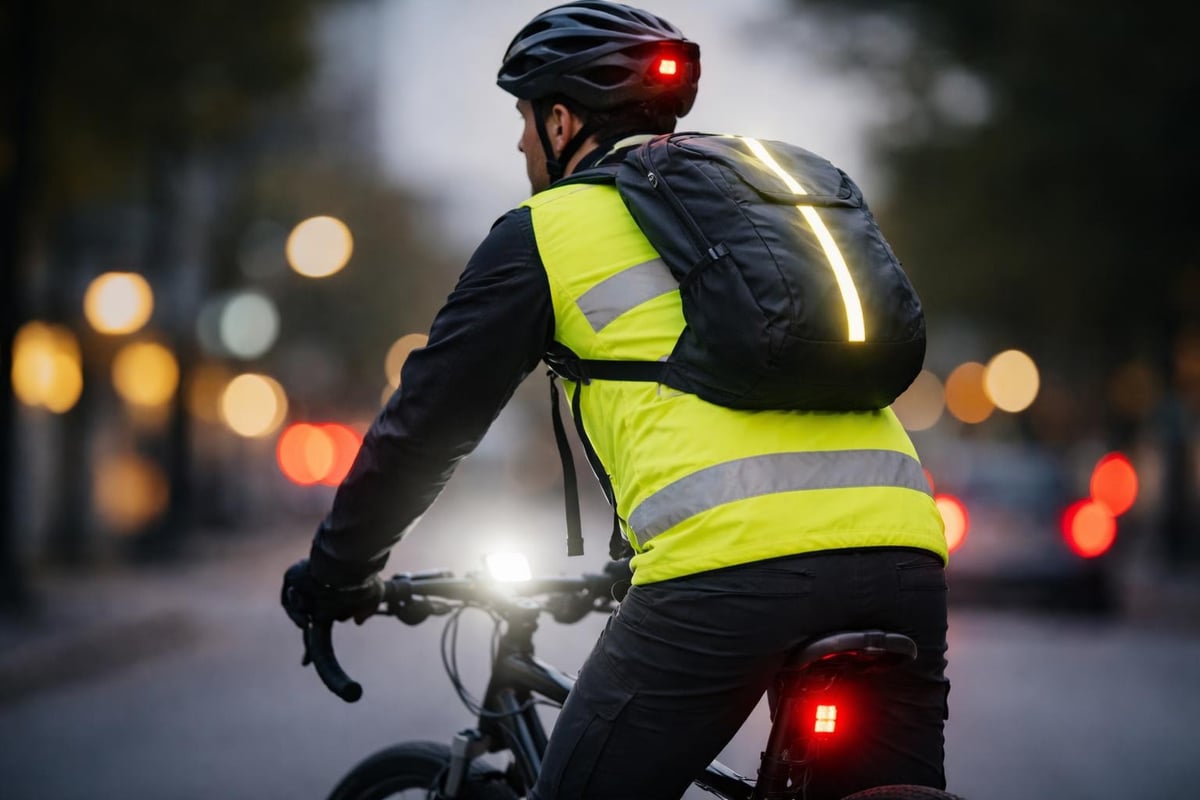
Cycling in low-light conditions demands reliable lighting equipment. Front lights illuminate the path ahead while signaling your presence to motorists, and rear lights ensure visibility from behind. Consider these lighting specifications:
| Light Type | Minimum Lumens | Battery Life | Best Use Case |
|---|---|---|---|
| Urban Front | 200-400 | 3-5 hours | City commuting |
| Trail Front | 800-1200 | 2-4 hours | Off-road riding |
| Road Rear | 50-100 | 6-10 hours | Daytime running |
| Safety Rear | 100-150 | 4-8 hours | Night visibility |
Reflective gear amplifies your visibility during dawn, dusk, and nighttime rides. Reflective vests, ankle bands, and helmet strips create multiple visibility points that help drivers gauge your distance and speed more accurately.
Performance Components: Powering Your Ride
Drivetrain components represent the heart of your bike gear system, directly impacting efficiency, speed, and maintenance requirements. The groupset-comprising shifters, derailleurs, cranksets, and cassettes-determines how smoothly power transfers from your legs to the wheels. Entry-level groupsets provide reliable performance for recreational riders, while professional-grade components offer precision shifting and reduced weight for competitive cyclists.
Pedals and Cleats: The Contact Point
Pedal selection dramatically influences your riding efficiency and comfort. Platform pedals offer simplicity and accessibility, perfect for casual riders and urban commuters. Clipless pedals, despite their misleading name, secure your shoes to the pedals through cleats, improving power transfer and pedaling efficiency by 20-30%.
Choosing the right cleats involves understanding float-the degree of rotational movement before your foot releases. Higher float angles (6-9 degrees) suit riders with knee concerns, while minimal float (0-2 degrees) benefits cyclists seeking maximum power transfer and bike control.
Comfort and Control: Handlebar Systems
Your connection to the bicycle extends through multiple contact points, with handlebars serving as the primary interface for steering, braking, and weight distribution. Drop handlebars dominate road cycling, offering multiple hand positions and aerodynamic advantages. Flat handlebars provide upright positioning ideal for mountain biking and commuting, while aero handlebars minimize wind resistance for time trials and triathlons.
Bar Tape and Grips
Handlebar covering affects comfort during extended rides. Quality bar tape absorbs vibrations, provides secure grip in wet conditions, and allows customization to match your bike's aesthetic. Consider these factors when selecting handlebar coverings:
- Thickness: 2.5mm for racing, 3.2mm for endurance
- Material: Cork for tradition, synthetic for durability, gel for maximum cushioning
- Texture: Smooth for clean aesthetics, textured for enhanced grip
- Weather resistance: Hydrophobic materials maintain grip in rain
Proper installation creates even coverage without gaps or twists. Start from the bottom, work toward the center with slight overlap, and finish with clean tape edges secured by electrical tape or finishing strips.
Braking Systems: Critical Stopping Power
Brake technology has revolutionized cycling safety over the past decade. Rim brakes dominated for generations, but disc brakes now represent the standard for most bike categories. Understanding brake components helps you maintain optimal stopping power and replace worn parts before they compromise safety.
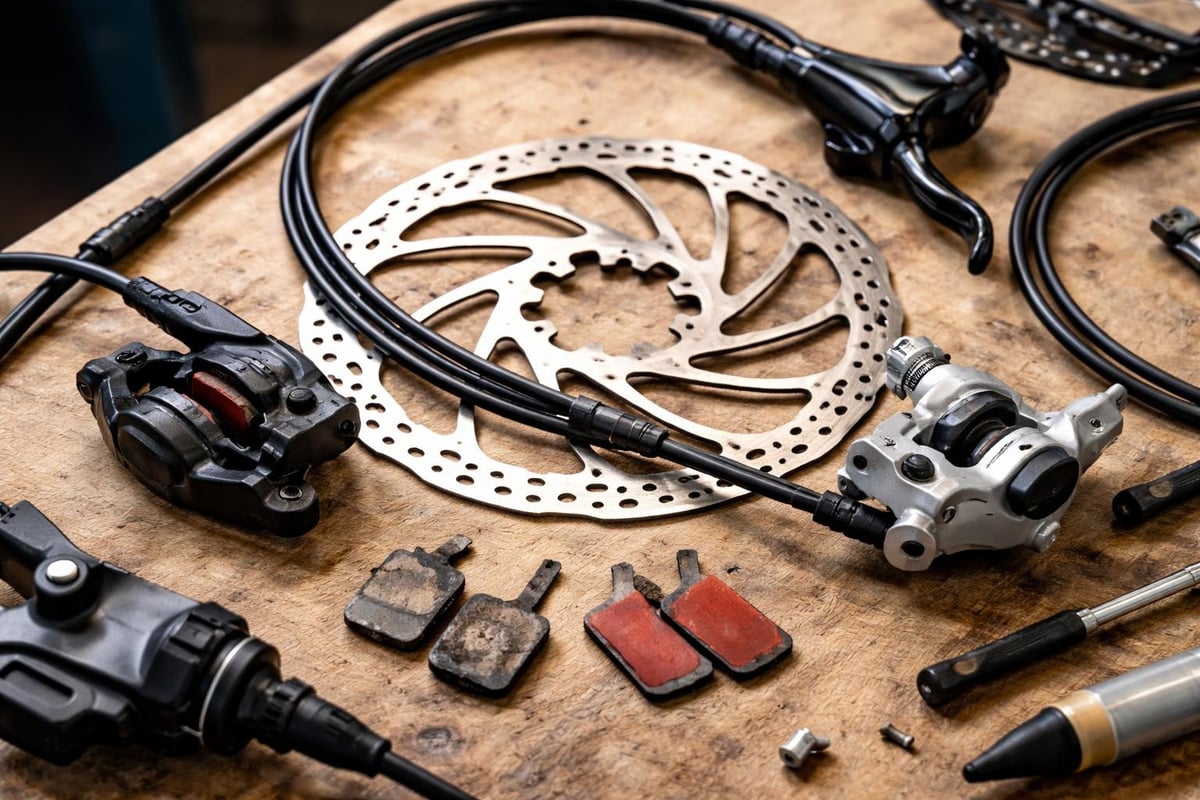
Brake pads wear gradually, requiring inspection every 500-1000 kilometers depending on riding conditions. Metallic pads excel in wet conditions but wear rotors faster, while organic pads operate quietly with less rotor wear but deteriorate more quickly in harsh weather. Brake rotors typically last 2-3 times longer than pads, though exposure to contamination or extreme heat can warp their surface, necessitating replacement.
Hydraulic vs. Mechanical Systems
| Brake Type | Advantages | Maintenance Level | Best Application |
|---|---|---|---|
| Mechanical Disc | Easy adjustment, cable replacement | Low to moderate | Touring, bikepacking |
| Hydraulic Disc | Superior modulation, consistent power | Moderate to high | Road racing, mountain biking |
| Rim Brakes | Lightweight, simple service | Low | Fair-weather road cycling |
Wheel and Tire Selection
Tires connect your bicycle to the road, making them among the most influential bike gear choices affecting performance, comfort, and safety. Tire width, tread pattern, and compound composition determine rolling resistance, puncture protection, and cornering grip. Wider tires (28mm-32mm for road, 2.2"-2.5" for mountain) provide superior comfort and traction compared to narrow alternatives, contrary to outdated beliefs about rolling resistance.
Quality 700c tires for road cycling balance speed with durability, while mountain bikers choose between 26" tires, 27.5" tires, and 29" tires based on agility preferences and terrain demands. Larger diameter wheels roll over obstacles more easily, while smaller wheels accelerate faster and provide quicker handling.
Tire Pressure Optimization
Proper inflation transforms tire performance. Too much pressure creates harsh rides and reduces traction; insufficient pressure increases puncture risk and rolling resistance. Use this starting point formula: rider weight (kg) + bike weight (kg) = combined weight, then apply 0.6 bar per 10kg for road tires, 0.4 bar per 10kg for gravel, and adjust based on conditions.
Investing in tire levers and tire liners provides practical solutions for roadside repairs and puncture prevention. Quality tire levers prevent rim damage during installation, while tire liners add a protective barrier between tube and tire, particularly valuable for commuters and touring cyclists.
Saddles and Seatposts: Foundation of Comfort
Saddle discomfort discourages more cyclists than any other equipment issue. Finding the right saddle requires understanding sit bone width, riding position, and intended use. Performance saddles prioritize weight savings and aerodynamics, touring saddles emphasize cushioning for all-day comfort, and mountain bike saddles feature durable construction to withstand impacts.
Professional bike fitting reveals your ideal saddle width through sit bone measurement. Add 20-30mm to your sit bone measurement for performance riding, 30-40mm for recreational cycling. Saddle shape-flat, curved, or wave-affects pressure distribution and pelvic rotation during pedaling.
Seatposts influence ride quality through material selection and design. Aluminum seatposts offer affordability and reliability, carbon fiber versions absorb vibrations while reducing weight, and suspension seatposts provide active dampening for rough terrain. Proper saddle height-measured from pedal spindle to saddle top when the crank arm aligns with the seat tube-prevents knee strain and maximizes power output.
Drivetrain Components: Efficiency Essentials
The interaction between chains, cassettes, and cranksets determines how efficiently your pedaling effort translates into forward motion. Modern drivetrains offer 8 to 13 speeds, with higher counts providing smaller gaps between gears for optimized cadence across varied terrain.
Chain maintenance extends drivetrain lifespan significantly. Clean and lubricate chains every 200-300 kilometers in dry conditions, more frequently in wet or dusty environments. Replace chains after 2000-3000 kilometers to prevent accelerated wear on cassettes and chainrings, which cost substantially more than chains.
Groupset Selection Strategy
Complete groupsets ensure component compatibility while simplifying purchasing decisions. Entry-level groupsets sacrifice minimal performance while offering exceptional value, mid-range options balance cost with refinement, and professional groupsets deliver marginal gains through reduced weight and enhanced precision.
- Entry Level: Ideal for beginners, commuters, fitness riders
- Mid-Range: Best value for enthusiasts, club riders, centuries
- Professional: Performance optimization for racers, weight-conscious riders
- Electronic: Precision shifting, customization, reduced maintenance
Accessories: The Supporting Cast
Essential bike gear extends beyond major components to include accessories that enhance functionality and protection. Cycling Gears Hub - Premium Cycling Gear & Accessories provides comprehensive solutions for riders seeking quality equipment across all categories, from helmets and gloves to specialized training tools. Their extensive selection ensures cyclists find precisely matched products for their specific needs and riding conditions.
Water bottle cages, bike computers, and tool kits represent fundamental accessories that improve every ride. Hydration systems prevent performance degradation from dehydration, bike computers track progress and guide navigation, and compact tool kits enable roadside repairs that transform potential ride-ending mechanicals into minor delays.
Seasonal and Weather-Specific Gear
Indian cycling conditions demand adaptable bike gear that handles extreme heat, monsoon rains, and regional temperature variations. Summer riding requires breathable jerseys with moisture-wicking properties, while monsoon season necessitates waterproof jackets, fenders, and corrosion-resistant components.
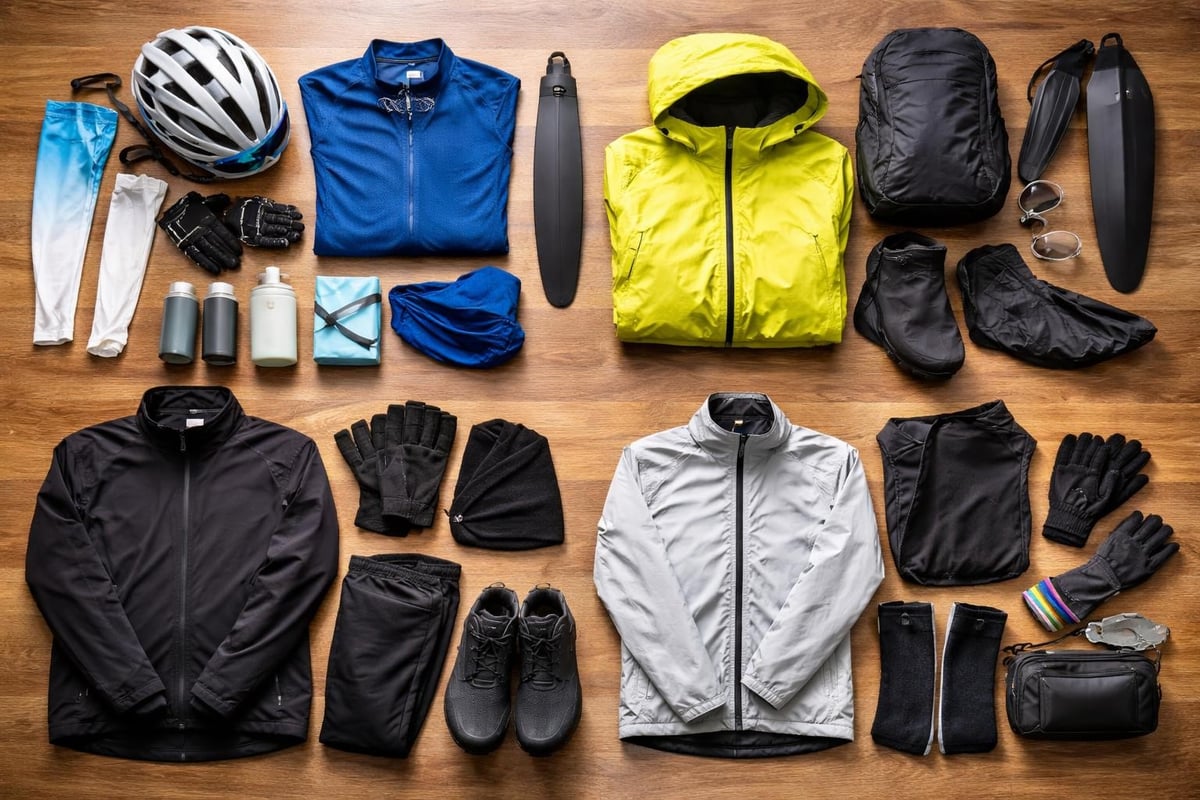
Cold-weather cycling (below 15°C) benefits from layering systems: base layers for moisture management, insulating mid-layers for warmth retention, and wind-resistant outer layers for weather protection. Extremity protection-gloves, shoe covers, and headwear-prevents numbness that compromises bike control and safety.
Rain Gear Essentials
Riding in wet conditions demands specific equipment modifications beyond waterproof clothing. Increase tire pressure slightly to prevent pinch flats from water-logged roads, apply extra chain lubrication to displace moisture, and inspect brake performance as water reduces stopping power by 30-40% until pads heat sufficiently to evaporate surface moisture.
Maintenance Tools and Equipment
Self-sufficiency in bike maintenance reduces costs and ensures optimal performance. Essential maintenance tools include:
- Hex key set (2mm-10mm) for component adjustments
- Chain tool for link removal and installation
- Tire pressure gauge for accurate inflation
- Chain cleaning device for drivetrain maintenance
- Torque wrench preventing over-tightening carbon components
Advanced mechanics add spoke wrenches, cable cutters, bottom bracket tools, and cassette lockring tools. Building your toolkit gradually aligns tool acquisition with expanding maintenance capabilities.
Electronics and Technology Integration
Modern bike gear increasingly incorporates electronic components that enhance performance tracking, navigation, and safety. GPS-enabled bike computers provide real-time data including speed, distance, elevation, and heart rate when paired with compatible sensors. Power meters measure wattage output, enabling precision training and pacing strategies for competitive cyclists.
Smart lights automatically adjust brightness based on ambient light conditions and battery status. Some systems integrate with bike computers to display remaining battery life and trigger alerts before complete discharge. Electronic shifting systems eliminate cable stretch and friction, delivering instantaneous gear changes with minimal maintenance requirements.
Storage and Transport Solutions
Protecting your bike gear investment requires proper storage and transport equipment. Wall-mounted bike racks maximize space efficiency in apartments and garages, while protective cases safeguard bikes during airline travel or vehicle transport. Wheel bags, frame protectors, and handlebar padding prevent damage during shipping or storage.
Bike covers shield outdoor-stored bicycles from UV degradation, moisture accumulation, and dust contamination. Quality covers feature breathable materials preventing condensation buildup that accelerates corrosion on metal components.
Building Your Complete Setup
Assembling comprehensive bike gear collections requires strategic planning and budget allocation. Prioritize safety equipment first-helmet, lights, and reflective elements-then invest in contact points affecting comfort: saddle, pedals, and handlebars. Performance components and electronic accessories can follow as budget allows and experience reveals specific needs.
Quality bike gear appreciates through extended use rather than depreciating like many consumer products. Well-maintained components provide years of reliable service, making upfront investment in reputable brands financially prudent. Research product reviews, seek recommendations from experienced cyclists, and test equipment when possible before committing to purchases.
Equipping yourself with appropriate bike gear elevates every aspect of cycling, from daily commutes to weekend adventures and competitive pursuits. Understanding each component category helps you make informed decisions that match your riding style, performance goals, and budget constraints. Cycling Gears Hub supports over 10,000 Indian cyclists with premium equipment, fast shipping across India, flexible payment options including COD and EMI, and hassle-free returns. Whether you're building your first complete setup or upgrading individual components, their comprehensive selection and expert guidance ensure you find exactly what you need to ride stronger, safer, and more comfortably.