

Understanding how bike gears work is fundamental to becoming a more efficient and confident cyclist. Whether you're navigating the steep climbs of the Western Ghats or cruising through urban streets, mastering your bicycle's gearing system can transform your riding experience. This comprehensive guide explores the mechanics, types, and best practices for using bike gears effectively, helping you tackle any terrain with confidence and efficiency.
The Fundamental Mechanics of Bike Gears
Bike gears operate on a simple yet ingenious principle: they change the relationship between your pedaling effort and the wheel's rotation speed. When you shift gears, you're essentially selecting different combinations of chainrings (attached to your pedals) and cogs (on your rear wheel) to optimize your mechanical advantage.
The science behind this system involves gear ratios, which determine how many times your rear wheel rotates for each complete pedal revolution. The Franklin Institute explains how these ratios create the perfect balance between speed and power, allowing cyclists to maintain consistent cadence regardless of terrain changes.
How Gear Ratios Work
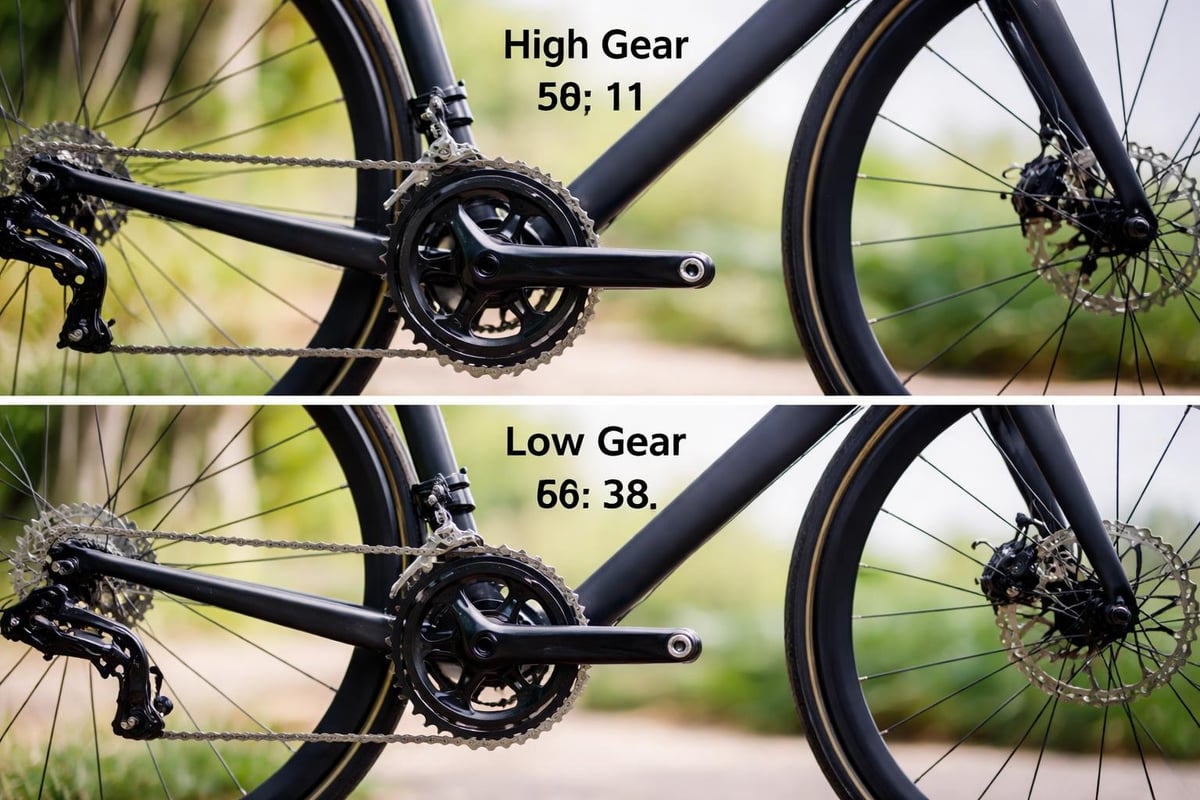
Gear ratios represent the relationship between the number of teeth on your front chainring and the number of teeth on your rear cog. A larger front chainring paired with a smaller rear cog creates a "harder" gear, ideal for flat terrain and high speeds. Conversely, a smaller chainring with a larger rear cog produces an "easier" gear, perfect for climbing.
For example:
- High gear: 50-tooth chainring / 11-tooth cog = 4.54 ratio (harder to pedal, more speed)
- Low gear: 34-tooth chainring / 28-tooth cog = 1.21 ratio (easier to pedal, less speed)
The beauty of modern gearing systems lies in their versatility. Most road bikes feature multiple chainrings and a cassette with 8-12 cogs, providing riders with 16-24 distinct gear combinations to choose from.
Types of Bike Gear Systems
Derailleur Gearing Systems
Derailleur systems remain the most common type found on modern bicycles. These mechanisms use a movable chain guide to shift the chain between different chainrings and cogs. Understanding how bicycle gears work reveals that derailleurs offer excellent range, relatively light weight, and straightforward maintenance.
Front derailleurs move the chain between two or three chainrings, while rear derailleurs guide the chain across the cassette's cogs. The system requires precise cable tension and limit screw adjustments to function smoothly. Many Indian cyclists prefer derailleur systems for their road bikes due to the wide gear range and proven reliability.
Internal Hub Gears
Internal hub gearing systems house all gear mechanisms within the rear hub, protecting them from dust, mud, and weather conditions. These systems typically offer 3-14 gears and require minimal maintenance, making them popular for commuter bikes in Indian cities where monsoon conditions can challenge external components.
| Feature | Derailleur System | Internal Hub |
|---|---|---|
| Gear Range | 16-30 gears | 3-14 gears |
| Weight | Lighter | Heavier |
| Maintenance | Regular adjustments | Minimal |
| Weather Resistance | Moderate | Excellent |
| Cost | Lower to Moderate | Higher |
Single-Speed and Fixed Gear
Single-speed bikes eliminate shifting complexity entirely, featuring one gear ratio optimized for specific riding conditions. Fixed-gear (fixie) bikes take this concept further by mechanically connecting the pedals to the rear wheel, preventing coasting. While limited in versatility, these systems offer unmatched simplicity and reduced maintenance requirements.
Mastering Shifting Techniques
Effective gear shifting separates novice riders from experienced cyclists. The key lies in anticipation and smooth execution rather than reactive shifting under load.
When to Shift Gears
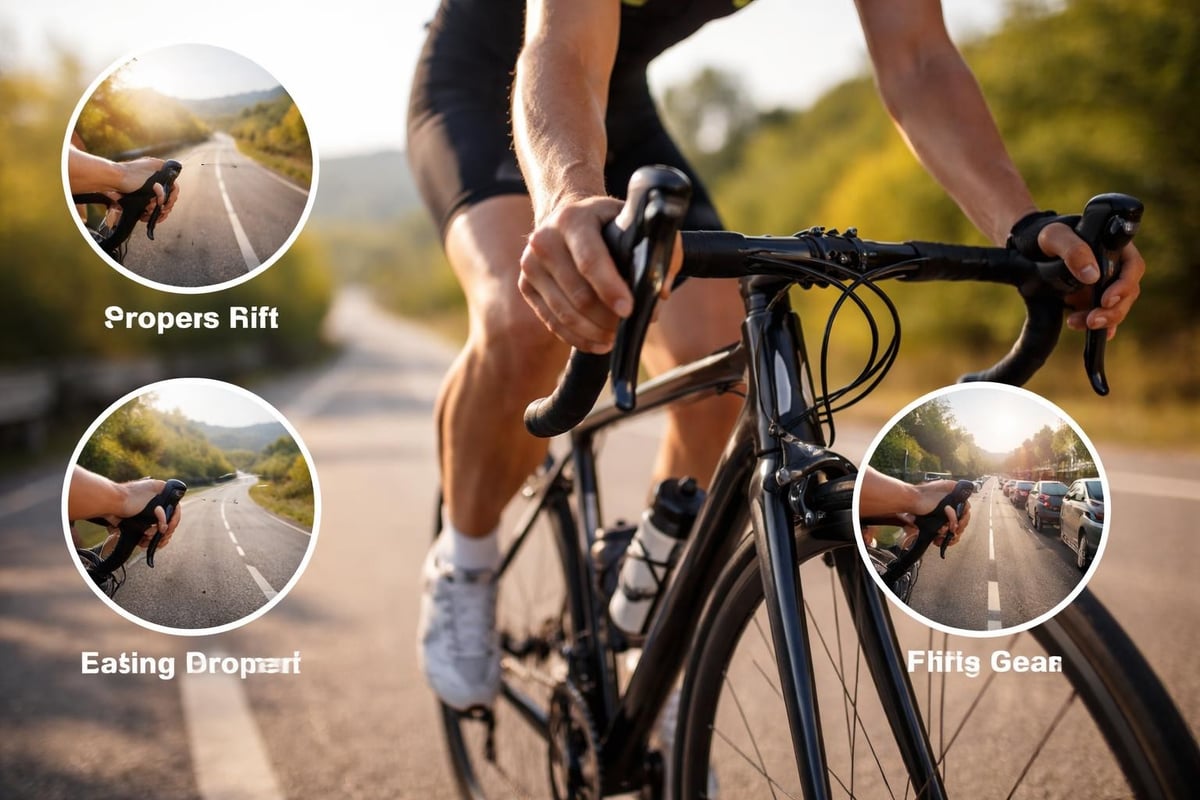
Anticipate terrain changes rather than waiting until you're already struggling. Shift to easier gears before starting a climb, and move to harder gears before descending. This proactive approach maintains momentum and reduces strain on your drivetrain components.
Ideal shifting scenarios include:
- Before hills: Shift down 2-3 gears before the gradient increases
- At traffic lights: Drop to an easier gear while slowing down
- Into headwinds: Select slightly easier gears to maintain cadence
- After rest stops: Start in moderate gears, then adjust as needed
Proper Shifting Technique
- Ease pedal pressure momentarily while shifting to reduce chain stress
- Shift one gear at a time for smoother transitions
- Avoid cross-chaining (large chainring to large cog, or small to small)
- Maintain steady cadence between 70-90 RPM for optimal efficiency
For those experiencing shifting difficulties, BikeRadar's adjustment guide provides detailed instructions for fine-tuning your system. Proper cable tension and derailleur alignment ensure crisp, reliable shifts every time.
Gear Selection for Different Terrains
Climbing Strategies
Hill climbing demands strategic gear selection to balance power output with sustainable cadence. Most experienced cyclists maintain 60-75 RPM while climbing, using gears that allow steady progress without excessive strain.
For steep gradients (8% or more), select your easiest gears early. The compact crankset configuration (50/34 chainrings) paired with an 11-32 cassette provides excellent climbing range for Indian terrain. When tackling extended climbs like those found in Himalayan regions, consider cassettes with larger cogs that offer greater mechanical advantage.
Flat Terrain and Speed Riding
On level ground, higher gears maximize speed while maintaining efficient cadence. Most riders use the large chainring paired with middle-range cogs, allowing sustainable power output at 90-100 RPM.
Wind conditions significantly impact gear selection. Headwinds effectively create "virtual hills," requiring easier gears than calm conditions would suggest. Crosswinds and tailwinds allow maintaining higher gears while conserving energy.
Descending Considerations
Descents present unique gearing challenges. While gravity provides momentum, selecting appropriately hard gears prevents "spinning out" and maintains pedaling efficiency. Shift to your largest chainring and smaller cogs before significant descents, allowing you to contribute power rather than merely coasting.
Maintenance and Troubleshooting
Regular maintenance ensures reliable shifting performance and extends component lifespan. Indian cycling conditions, particularly during monsoon season, accelerate wear and require attentive care.
Essential Maintenance Tasks
Chain cleaning and lubrication should occur every 150-200 kilometers or after wet rides. Use degreaser to remove grime, then apply appropriate lubricant based on conditions. Chain condition directly affects shifting quality and component wear rates.
Cable inspection and replacement prevents shifting degradation. Frayed cables or rusty housing create friction that compromises shift precision. Replace cables annually or when shifting becomes sluggish.
Derailleur adjustment maintains accurate shifting across all gears. Cyclingnews provides comprehensive guidance on limit screws, cable tension, and B-screw adjustment for optimal performance.
| Maintenance Task | Frequency | Impact on Performance |
|---|---|---|
| Chain cleaning | 150-200 km | High |
| Cable replacement | Annually | High |
| Derailleur adjustment | As needed | High |
| Cassette inspection | 3,000 km | Moderate |
| Chainring inspection | 5,000 km | Moderate |
Common Problems and Solutions
Skipping gears typically indicates worn cassette cogs or stretched chains. These components wear together, so replacing chains every 2,500-3,000 kilometers prevents premature cassette wear.
Ghost shifting (unintended gear changes) usually stems from cable stretch or derailleur hanger misalignment. A professional bike fit service can diagnose and correct these issues efficiently.
Noisy gearing suggests improper cable tension, dirty components, or worn parts. Systematic troubleshooting starting with cleaning and lubrication often resolves noise issues without component replacement.
Gear Selection for Indian Cycling Conditions
India's diverse terrain and climate create unique gearing requirements. Urban cyclists in cities like Bangalore and Pune encounter frequent elevation changes requiring versatile gear ranges. Bicycle Guider's explanation of gear ratios helps riders select appropriate configurations for their specific riding environments.
For urban commuting, 2x10 or 1x11 drivetrains provide sufficient range without excessive complexity. The simplified setup reduces maintenance demands while offering adequate gearing for typical city riding.
For touring and long-distance riding, triple chainring setups (3x9 or 3x10) deliver the widest possible range. Extended climbs in regions like Ladakh or the Western Ghats benefit from ultra-low gearing that allows sustainable climbing with loaded panniers.
When selecting components, Cycling Gears Hub - Premium Cycling Gear & Accessories offers quality drivetrain components specifically chosen for Indian riding conditions. Their extensive selection of cranksets, shifters, and derailleurs ensures you'll find components matched to your riding style and terrain requirements.

Optimizing Cadence and Power Output
Efficient cycling transcends simply having the right gears; it requires using them strategically to maintain optimal cadence. Research consistently shows that 80-100 RPM produces the best balance between power output and cardiovascular efficiency for most riders.
Cadence Monitoring Strategies
Lower cadences (60-70 RPM) emphasize muscular strength over cardiovascular fitness, creating greater leg fatigue during extended rides. While acceptable for short, steep climbs, sustained low-cadence riding increases joint stress and reduces endurance.
Higher cadences (90-110 RPM) shift workload from muscles to cardiovascular system, promoting better blood flow and reducing lactate accumulation. Professional cyclists typically maintain 90-100 RPM even during climbs, using appropriate gearing rather than grinding in harder gears.
Finding your optimal cadence requires experimentation and honest self-assessment. Most recreational cyclists perform best between 80-95 RPM, adjusting slightly based on terrain, fatigue level, and riding duration.
Advanced Gearing Concepts
Electronic Shifting Systems
Electronic shifting represents the cutting edge of bicycle technology. Systems from Shimano Di2, SRAM eTap, and Campagnolo EPS use motors rather than cables for precise, effortless shifting. While premium-priced, these systems offer several advantages:
- Consistent performance regardless of cable stretch
- Programmable shifting patterns and multi-shift capability
- Reduced maintenance with no cable replacement needed
- Weather resistance superior to mechanical systems
Freebeat's comprehensive guide explores how electronic systems enhance shifting precision and rider experience.
Single-Chainring (1x) Drivetrains
Modern 1x systems eliminate front derailleurs entirely, using wide-range rear cassettes (10-50 teeth) to maintain adequate gear range. Benefits include reduced weight, simpler operation, and improved chain retention. However, larger gaps between gears and potential chain angle concerns require careful consideration.
Gear Inches and Development Calculations
Gear inches provide a standardized measurement for comparing gear ratios across different wheel sizes and configurations. This calculation determines how far your bike travels with each pedal revolution, helping riders select appropriate gearing for specific applications.
The formula: (Chainring teeth ÷ Cog teeth) × Wheel diameter = Gear inches
For context, touring cyclists typically use gear inches ranging from 20 (very easy) to 100 (very hard), while racers might employ ranges from 50 to 120.
Building Gear Selection Habits
Developing intuitive gear selection requires conscious practice that eventually becomes automatic. Reid Bikes outlines basic knowledge that helps cyclists build these foundational skills.
Practice shifting during training rides, experimenting with different gear combinations in varied terrain. Note which combinations feel most comfortable at different cadences and gradients. This experiential learning builds muscle memory that serves you during challenging rides.
Listen to your body rather than rigidly following prescribed cadences or gear selections. Fatigue, fitness level, and daily variation affect optimal gearing choices. Flexibility and adaptation separate good cyclists from great ones.
Review your rides using cycling computers or smartphone apps that track cadence, speed, and power data. Identifying patterns in your gear usage reveals opportunities for improvement and validates effective techniques.
For cyclists seeking deeper understanding of gearing mechanics and optimization strategies, Wikipedia's bicycle gearing page offers encyclopedic coverage of historical development and technical specifications. The comprehensive resource explores everything from basic principles to advanced engineering considerations, providing valuable context for modern gearing systems.
Whether you're upgrading components, troubleshooting shifting issues, or simply seeking to ride more efficiently, mastering bike gears represents a crucial step in your cycling journey. The combination of proper component selection, regular maintenance, and strategic shifting technique creates the foundation for enjoyable, efficient riding across any terrain India offers.
Mastering bike gears transforms your cycling experience by optimizing efficiency, reducing fatigue, and expanding the terrain you can confidently tackle. With proper understanding of gear ratios, shifting techniques, and maintenance practices, you'll ride stronger and more efficiently regardless of conditions. Cycling Gears Hub provides Indian cyclists with premium drivetrain components, accessories, and expert guidance to enhance your riding performance. Explore their comprehensive selection today and discover how quality gearing solutions can elevate your cycling journey.