

Safety remains the top priority for cyclists across India, whether navigating busy urban streets or tackling challenging mountain trails. A bike helmet with MIPS technology represents one of the most significant advancements in head protection over the past decade. This innovative safety system addresses a critical vulnerability in traditional helmet design by managing rotational forces that occur during angled impacts. For the growing community of Indian cyclists, understanding MIPS technology and selecting the right helmet can mean the difference between a minor incident and a serious injury.
Understanding MIPS Technology and How It Works
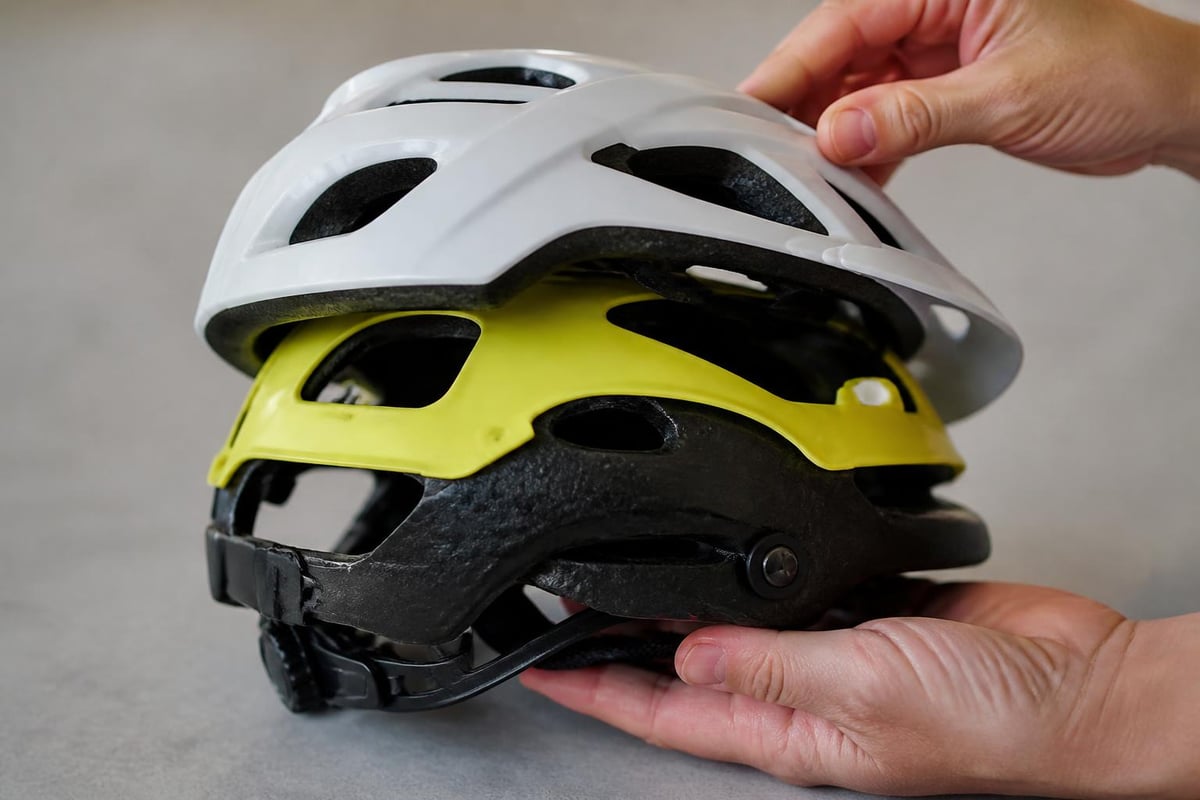
MIPS stands for Multi-directional Impact Protection System, a technology developed by Swedish researchers who studied brain injuries and helmet performance. The system introduces a low-friction layer inside the helmet that allows independent movement between the helmet shell and the user's head during impact.
When a cyclist falls and hits their head at an angle, which accounts for most real-world accidents, traditional helmets compress to absorb linear impact but do little to address rotational motion. This rotation can cause severe brain injuries because the brain moves within the skull. MIPS helmet technology mimics the meninges, the brain's natural protective membrane, by allowing the helmet to slide relative to the head during impact.
The Science Behind Rotational Force Management
The MIPS layer typically sits between the comfort padding and the helmet's protective foam. During an angled impact, this layer rotates 10 to 15 millimeters in any direction, redirecting energy away from the brain. This seemingly small movement significantly reduces the rotational forces transmitted to the head.
Research demonstrates that rotational acceleration can cause brain injuries such as concussions and more severe trauma. By addressing both linear and rotational forces, a bike helmet with MIPS offers comprehensive protection that traditional helmets cannot match.
Key Benefits of Choosing a Bike Helmet with MIPS
Selecting protective gear with advanced safety features provides measurable advantages for cyclists of all experience levels. MIPS-equipped helmets deliver specific benefits that justify their slightly higher price point compared to standard models.
Enhanced Safety Performance:
- Reduces rotational motion by up to 40% in laboratory testing
- Addresses the most common type of cycling impact (angled)
- Provides protection across multiple impact scenarios
- Minimizes strain on brain tissue during crashes
Proven Testing Standards: Independent safety laboratories consistently rate MIPS helmets higher than conventional designs. The technology has earned recognition from biomechanical researchers and safety advocates worldwide. Understanding what MIPS offers helps cyclists make informed decisions about their protective equipment.
Real-World Application for Indian Cyclists
India's diverse cycling conditions demand versatile protection. Urban commuters face traffic congestion, unpredictable road surfaces, and close encounters with vehicles. Mountain bikers navigate technical terrain with rocks, roots, and steep descents. Road cyclists achieve high speeds where any fall carries significant risk.
A bike helmet with MIPS technology addresses all these scenarios effectively. The system activates regardless of impact angle or speed, providing consistent protection whether a rider clips a curb at 15 kilometers per hour or crashes during a fast descent.
Types of MIPS Systems Available in 2026
Helmet manufacturers have refined MIPS technology since its introduction, creating several variations that balance protection, comfort, and weight. Understanding these differences helps cyclists select the optimal system for their riding style.
| MIPS System | Weight Impact | Best For | Key Feature |
|---|---|---|---|
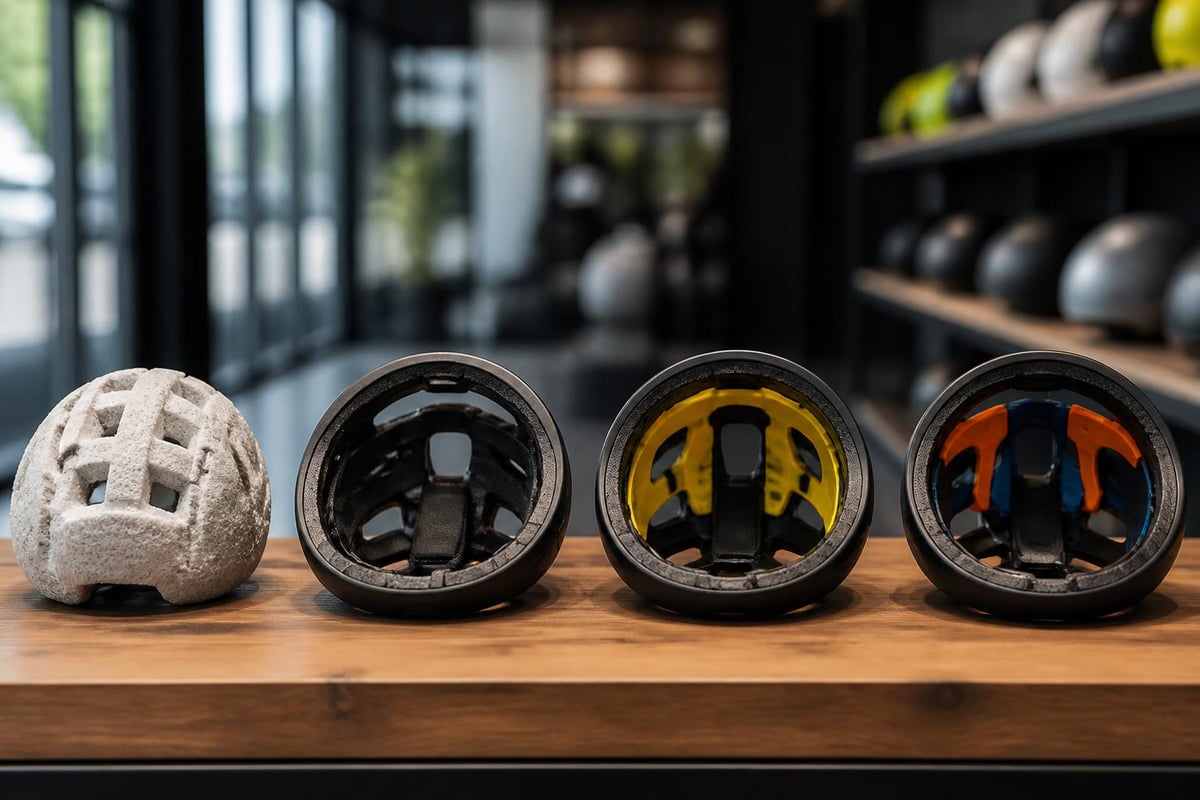
| MIPS Classic | Minimal (+15-20g) | All riding styles | Yellow slip plane layer |
| MIPS SL | Ultra-light (+5g) | Road cycling, racing | Integrated into padding |
| MIPS Air | Lightweight (+8g) | Mountain biking | Enhanced ventilation |
| MIPS Integra | Minimal | Premium helmets | Built into structure |
Advanced Integration Methods
Newer implementations integrate MIPS directly into helmet construction rather than adding a separate layer. MIPS Integra, for example, incorporates the protection system into the retention system and padding, eliminating the traditional yellow layer while maintaining full rotational protection.
These advances address early criticisms about added weight and reduced ventilation. Modern MIPS helmets often feel identical to non-MIPS versions while delivering superior protection. The technology has become so refined that many cyclists forget their helmet contains this additional safety feature.
Selecting the Right Bike Helmet with MIPS for Your Needs
Choosing appropriate head protection requires evaluating several factors beyond the presence of MIPS technology. Fit, ventilation, weight, and intended use all influence which helmet serves a cyclist best.
Essential Selection Criteria:
- Proper Fit: The helmet should sit level on your head, covering the forehead without tilting backward
- Retention System: Adjustable straps and dial systems ensure secure positioning during rides
- Ventilation: Adequate airflow prevents overheating, especially important in India's warm climate
- Weight: Lighter helmets reduce neck strain on longer rides
- Certification: Look for ISI, CPSC, or EN 1078 safety certifications
Riding Style Considerations
Road cyclists typically prefer aerodynamic designs with moderate ventilation and minimal weight. Top road bike helmets often feature MIPS SL or Integra systems that maintain streamlined profiles while adding protection.
Mountain bikers need extended rear coverage and maximum ventilation due to slower speeds and higher exertion levels. MIPS Air systems work well in this application, offering protection without compromising airflow through large vents.
Commuters benefit from versatile helmets with good visibility features, moderate weight, and year-round comfort. The best commuter helmets balance safety, practicality, and value, making them ideal for daily urban riding.
Fitting and Maintaining Your MIPS Helmet
Proper fit determines whether a helmet can protect effectively during an accident. Even the most advanced bike helmet with MIPS technology fails to deliver optimal safety if sized incorrectly or worn improperly.
The Correct Fitting Process
Measure your head circumference at its widest point, typically one inch above the eyebrows. Most helmets accommodate a range of sizes, but individual head shapes vary significantly. Try multiple brands to find the best match for your head profile.
When positioned correctly, the helmet should:
- Sit level, approximately two finger-widths above the eyebrows
- Contact the head at the crown, sides, and back
- Remain stable when you shake your head side to side
- Allow minimal movement even with straps unfastened
Adjust the retention system to create firm but comfortable pressure. The side straps should form a "V" shape just below each ear, and the chin strap should allow one finger's width of space when buckled.
Care and Replacement Guidelines
MIPS technology requires no special maintenance, but helmets need proper care to maintain protective capabilities. Store helmets away from direct sunlight and extreme temperatures, as UV exposure and heat degrade foam materials over time.
Replace any helmet after a significant impact, even if no visible damage appears. The foam compresses during crashes and loses its ability to absorb subsequent impacts effectively. Additionally, replace helmets every five years regardless of use, as materials naturally degrade.
Clean MIPS helmets with mild soap and water, avoiding harsh chemicals that damage foam or plastic components. Remove and wash padding regularly, especially during India's hot summer months when sweat accumulation occurs quickly.
Price Considerations and Value Assessment
A bike helmet with MIPS typically costs 20 to 40 percent more than equivalent non-MIPS models. This price difference reflects licensing fees, additional components, and engineering required to integrate the system effectively.
Entry-level MIPS helmets start around ₹3,000 to ₹4,500, offering solid protection for recreational cyclists and commuters. Mid-range options between ₹5,000 and ₹9,000 provide better ventilation, lighter weight, and improved comfort systems. Premium helmets exceeding ₹10,000 incorporate advanced materials, superior aerodynamics, and the latest MIPS iterations.
Value Factors to Consider:
- Frequency of riding (daily commuters vs. weekend riders)
- Types of riding conditions (urban traffic vs. mountain trails)
- Budget allocation across all cycling gear needs
- Replacement timeline and long-term cost analysis
For serious cyclists who ride regularly, investing in quality protective equipment delivers excellent value relative to potential medical costs from head injuries. When you need reliable protective gear, Cycling Gears Hub - Premium Cycling Gear & Accessories offers carefully selected helmets that balance safety features, comfort, and value for Indian cyclists.

Comparing Cost Versus Safety Benefits
While budget constraints affect purchasing decisions, head protection represents one area where compromising quality carries significant risk. A concussion or traumatic brain injury creates medical expenses, lost work time, and potential long-term health consequences that far exceed helmet costs.
Many cyclists find that a quality bike helmet with MIPS represents one of their best safety investments. The technology's proven effectiveness in reducing rotational forces provides peace of mind that justifies the additional expense.
Latest Innovations and Industry Developments
Helmet safety technology continues evolving beyond standard MIPS systems. Manufacturers experiment with new materials, structural designs, and protection methods that push safety performance even higher.
Recent innovations include helmets with unprecedented safety ratings that incorporate multiple protection technologies simultaneously. These advanced designs combine MIPS with WaveCel, Koroyd, or other energy-absorption systems for comprehensive impact management.
Emerging Technologies
Smart helmets integrate crash detection sensors, LED lighting, turn signals, and communication systems alongside MIPS protection. These features appeal to urban commuters who value connectivity and visibility as much as impact protection.
Customization options have expanded significantly, with some manufacturers offering adjustable MIPS systems that accommodate different head shapes more precisely. This personalization ensures optimal fit and comfort without compromising safety performance.
Common Misconceptions About MIPS Technology
Despite widespread adoption, several myths about MIPS persist among cyclists. Addressing these misconceptions helps riders make informed decisions based on facts rather than misunderstandings.
Myth: MIPS helmets are significantly heavier and less comfortable
Reality: Modern integration methods add minimal weight, often less than 10 grams. Most riders cannot detect any difference in comfort between MIPS and non-MIPS versions of the same helmet model.
Myth: MIPS only matters for aggressive or professional riders
Reality: Most cycling accidents occur at moderate speeds during everyday riding. MIPS provides value for all cyclists regardless of skill level or riding intensity.
Myth: All MIPS helmets offer identical protection levels
Reality: Overall helmet design, foam quality, and coverage area significantly impact protection. MIPS enhances rotational protection but doesn't compensate for poor base helmet construction.
Setting Realistic Expectations
A bike helmet with MIPS substantially improves safety compared to traditional designs, but no helmet prevents all injuries. Combining quality protective equipment with defensive riding techniques, proper bike maintenance, and situational awareness creates the most effective safety strategy.
Understanding the technology's capabilities and limitations helps cyclists appreciate its value without developing false confidence that might encourage reckless behavior.
Making Your Final Selection Decision
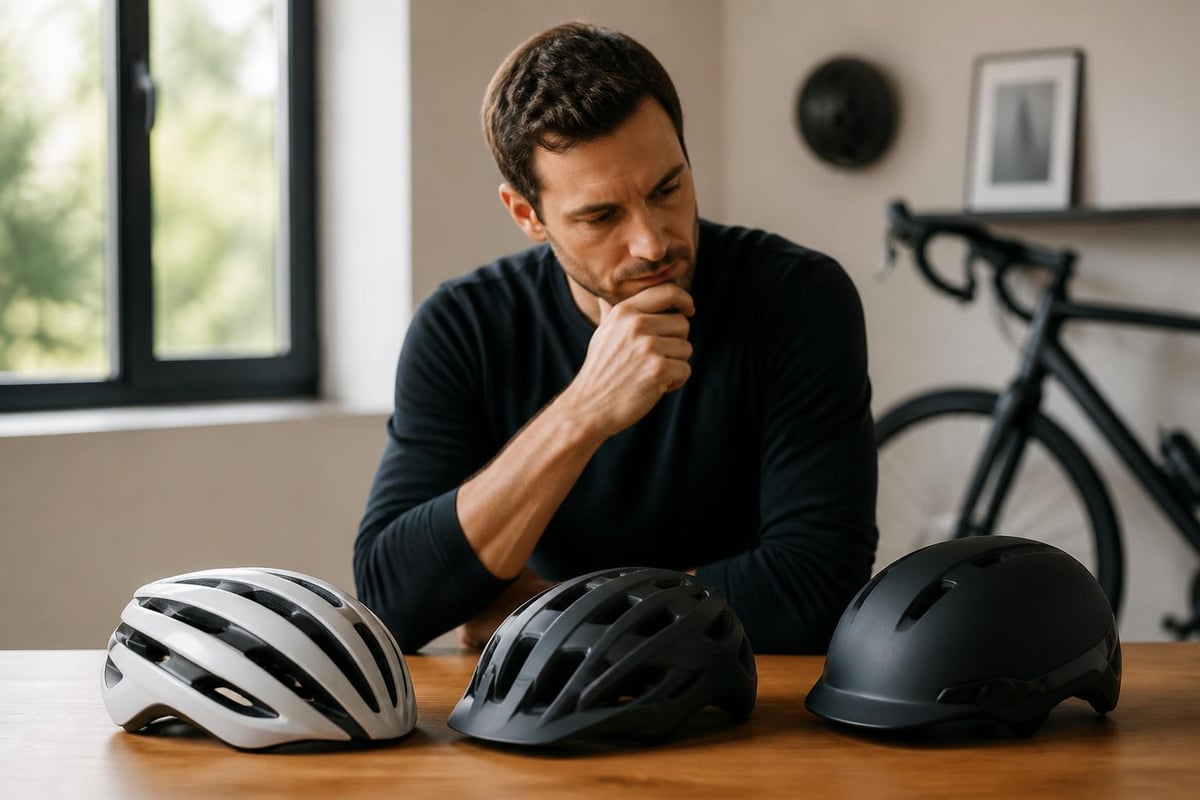
After evaluating safety features, fit requirements, riding style needs, and budget constraints, cyclists face the practical decision of which specific helmet to purchase. Several strategies simplify this final choice.
Testing Multiple Options
Visit retailers that stock diverse helmet brands and models. Try on several options within your preferred price range, paying attention to comfort, fit, and adjustment systems. For those exploring quality options, resources like the ultimate buying guide to the best cycling helmet in India provide valuable context for decision-making.
Spend several minutes wearing each helmet, simulating riding position to assess comfort. Move your head through full range of motion to check for pressure points or stability issues.
Reading Reviews and Seeking Recommendations
Independent reviews from cycling publications provide objective assessments of helmet performance, durability, and value. Fellow cyclists offer practical insights about long-term comfort and real-world performance that laboratory testing cannot capture.
Join local cycling communities or online forums where riders share experiences with specific helmet models. These firsthand accounts often reveal details about ventilation effectiveness in Indian heat, durability over time, and customer service quality from different brands.
Integration with Other Safety Equipment
A comprehensive approach to cycling safety extends beyond helmets to include lights, reflective gear, gloves, and protective eyewear. These elements work together to prevent accidents and minimize injury severity when crashes occur.
Quality cycling gloves protect hands during falls and improve grip in various weather conditions. Essential cycling accessories complement helmet protection by addressing other vulnerable areas and enhancing overall rider safety.
Bright clothing and effective lighting systems increase visibility to motorists, potentially preventing accidents altogether. While a bike helmet with MIPS protects during impacts, visibility equipment helps avoid collisions in the first place.
Building a Complete Safety System
Budget-conscious cyclists should prioritize helmet quality first, then gradually add other protective equipment as resources allow. However, basic lighting (front and rear) deserves immediate investment for anyone riding in low-light conditions.
Consider your complete gear needs when allocating cycling budgets. A slightly less expensive MIPS helmet combined with good lights and gloves often provides better overall protection than an expensive helmet alone.
Regional Considerations for Indian Cyclists
India's climate, road conditions, and cycling infrastructure create unique requirements that influence helmet selection. Heat management becomes particularly important for riders in southern regions or during summer months across the country.
MIPS helmets with extensive ventilation systems help manage heat buildup during long rides in warm weather. Look for designs with 20 or more vents and internal channeling that promotes continuous airflow across the scalp.
Urban Versus Rural Riding Environments
City cyclists navigate heavy traffic, frequent stops, and shorter ride durations. These conditions favor helmets with good visibility features, moderate ventilation, and easy on-off capability. Commuter-specific designs with integrated lights or mounts for accessories work well in urban settings.
Rural and mountain riders face longer continuous rides, varied terrain, and greater temperature fluctuations. Extended rear coverage protects against backward falls on technical terrain, while maximum ventilation prevents overheating during climbs.
MIPS for Different Cycling Disciplines
Specific cycling activities create distinct helmet requirements beyond basic MIPS protection. Road racing, mountain biking, touring, and commuting each benefit from tailored designs that address discipline-specific needs.
Road cyclists prioritize aerodynamics and weight reduction. Streamlined MIPS helmets with moderate ventilation reduce drag while maintaining safety standards. Many road-specific designs incorporate MIPS SL systems that minimize weight penalty.
Mountain bikers need robust construction with extended coverage and maximum airflow. Full-face options with MIPS technology provide ultimate protection for downhill and enduro riding, while trail helmets balance coverage and ventilation for all-mountain use.
Specialized Applications
Touring cyclists spend hours in the saddle daily, making comfort and ventilation critical priorities. MIPS-equipped touring helmets emphasize all-day wearability with multiple adjustment points and generous padding.
Bikepacking and adventure riders need versatile protection suitable for varied conditions from paved roads to gravel paths. Multi-purpose helmets with MIPS offer balanced performance across different terrain types.
Selecting a bike helmet with MIPS technology represents a meaningful investment in personal safety that benefits cyclists across all disciplines and experience levels. By understanding how rotational force management works, evaluating different MIPS systems, ensuring proper fit, and choosing models appropriate for specific riding conditions, Indian cyclists can maximize their protection on every ride. Whether you're commuting through city traffic, exploring mountain trails, or training for competitive events, Cycling Gears Hub provides the quality protective equipment and expert guidance needed to ride confidently and safely throughout 2026 and beyond.