

The pursuit of bike lightweight performance has become a defining characteristic of modern cycling, transforming how riders approach everything from competitive racing to daily commuting. Whether you're climbing steep mountain passes, navigating city streets, or pushing for personal records, understanding the science and strategy behind weight reduction can dramatically improve your cycling experience. This comprehensive guide explores the technology, materials, and practical considerations that make lightweight bicycles such a compelling choice for riders across India and beyond.
Understanding Bike Lightweight Technology
The concept of bike lightweight design extends far beyond simply removing material from a frame. Modern engineering has evolved to create bicycles that balance weight reduction with structural integrity, aerodynamics, and rider comfort. The current UCI minimum weight limit stands at 6.8 kilograms for racing bikes, yet manufacturers continue to push boundaries well below this threshold.
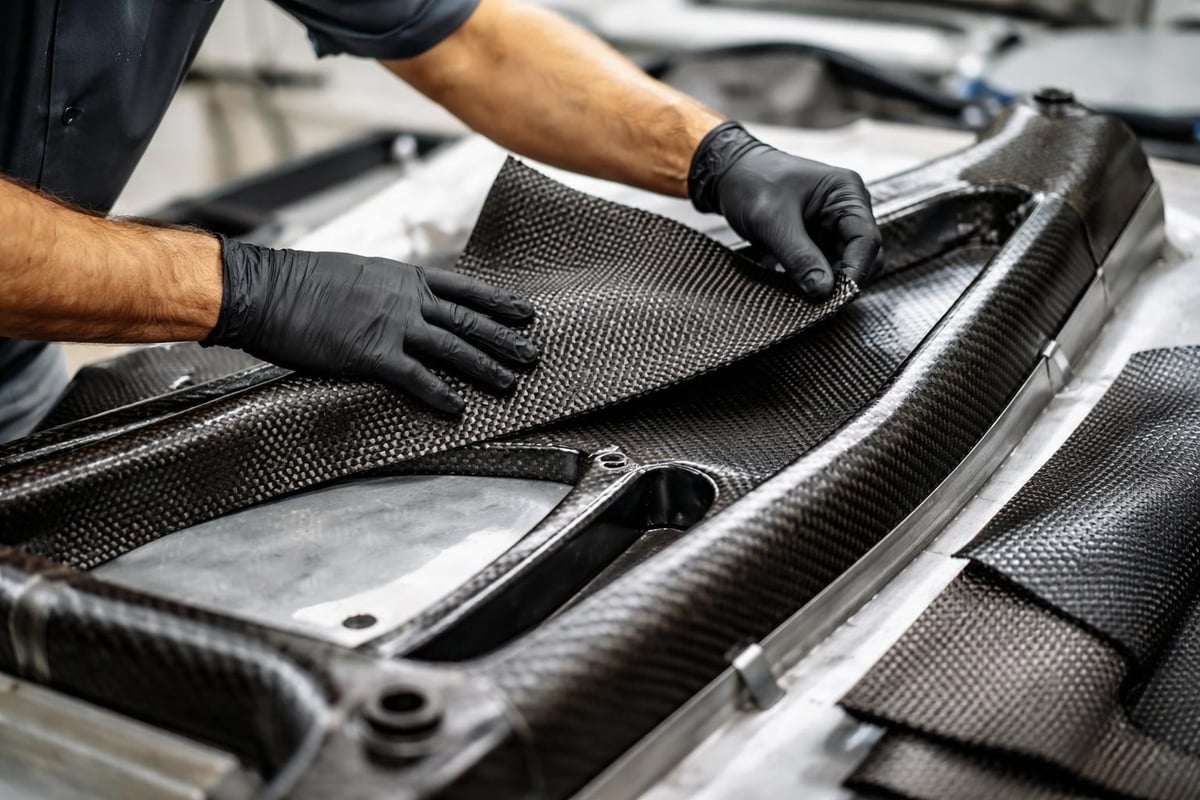
Advanced carbon fiber layup techniques have revolutionized frame construction, allowing engineers to place material precisely where structural demands require it while eliminating excess weight elsewhere. Recent innovations demonstrate this evolution clearly, such as Cervélo's launch of the R5 with a 651-gram frame, showcasing how far bike lightweight technology has progressed.
The Materials Revolution
Carbon fiber dominates the bike lightweight conversation for compelling reasons. This composite material offers an exceptional strength-to-weight ratio that traditional aluminum and steel cannot match. High-modulus carbon fiber variants provide even greater stiffness while reducing weight, though they come with increased cost and require careful handling.
Key Material Advantages:
- Carbon fiber offers customizable stiffness in different frame areas
- Titanium provides durability with respectable weight savings
- Advanced aluminum alloys deliver budget-friendly lightweight options
- Magnesium components reduce weight in specific applications
The manufacturing process matters tremendously. Monocoque construction creates seamless frame structures that eliminate the weight of joints and welds. Tube-to-tube construction offers repairability advantages while still achieving impressive weight figures when executed with precision.
Frame Design and Geometry Considerations
Frame geometry significantly influences how bike lightweight designs perform in real-world conditions. Aggressive racing geometries prioritize stiffness and power transfer, while endurance-oriented designs incorporate compliance features that maintain comfort without excessive weight penalties.
Aerodynamic shaping has created an interesting paradox in bike lightweight development. While adding material to create aerodynamic tube profiles increases weight, the speed benefits often outweigh the mass penalty on flat terrain and descents. This balance explains why many modern lightweight bikes integrate airfoil-shaped tubes rather than pursuing absolute minimum weight.
| Frame Type | Typical Weight | Best Application | Trade-offs |
|---|---|---|---|
| Racing Climbing | 800-950g | Mountain stages | Minimal aerodynamics |
| Aero Lightweight | 950-1100g | Mixed terrain | Slightly heavier |
| Endurance Light | 1000-1200g | Long rides | Added comfort features |
| Gravel Lightweight | 1100-1300g | Mixed surfaces | Durability priority |
The pursuit of extreme bike lightweight builds has produced remarkable examples. A custom Scott Addict RC weighing just 4.99kg demonstrates what's technically achievable, challenging conventional wisdom about minimum weight requirements.
Components That Make the Difference
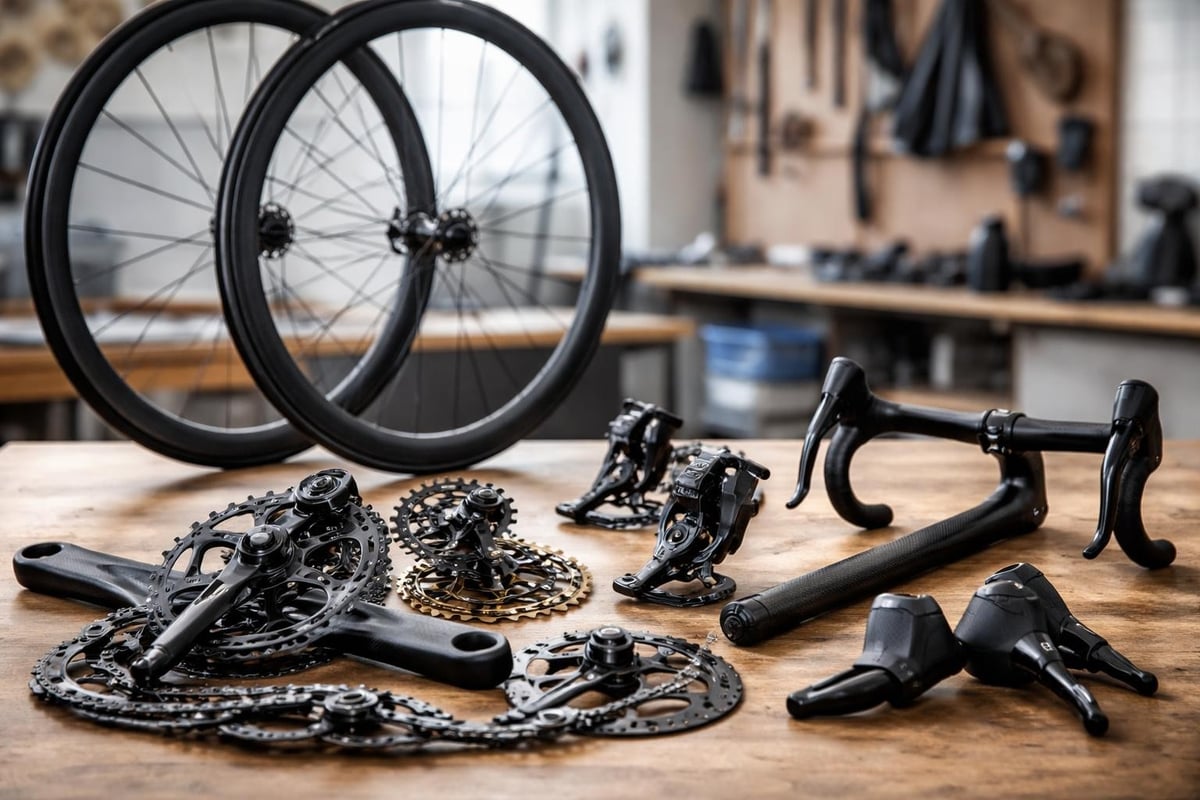
Beyond the frame, component selection determines final bike lightweight performance. Wheelsets represent the most impactful upgrade opportunity, as rotational weight affects acceleration more dramatically than static frame weight. A premium carbon wheelset can save 400-600 grams compared to entry-level wheels while improving aerodynamics.
Critical Component Categories
Drivetrain components offer substantial weight reduction potential. High-end groupsets from Shimano, SRAM, and Campagnolo utilize titanium hardware, carbon fiber construction, and hollow components to trim hundreds of grams. Electronic shifting systems, despite their batteries and motors, often weigh comparable to mechanical equivalents while offering precision and customization benefits.
Cockpit and Contact Points:
- Carbon fiber handlebars reduce weight by 100-150 grams versus aluminum
- Lightweight stems trim 50-80 grams without compromising stiffness
- Carbon seatposts save 100-200 grams while adding vibration damping
- Titanium saddle rails reduce weight without sacrificing comfort
Brake systems present interesting choices. Rim brakes remain lighter than disc brake systems by approximately 200-300 grams for the complete setup. However, modern lightweight disc brake systems narrow this gap while offering superior stopping power and consistent performance in wet conditions.
Practical Weight Reduction Strategies
For cyclists seeking to optimize their existing bikes, numerous practical modifications can achieve meaningful weight savings without complete rebuilds. BikeRadar's comprehensive guide on making road bikes lighter provides actionable strategies that balance cost against performance gains.
Starting with low-hanging fruit makes financial sense. Replacing heavy factory-installed tubes with lightweight butyl or latex alternatives saves 100-200 grams. Switching to tubeless tire setups eliminates tube weight entirely while reducing rolling resistance and improving puncture protection.
Cable routing optimization often gets overlooked. Internal cable routing cleans up aerodynamics but adds weight through guides and housings. External routing saves 30-50 grams while simplifying maintenance. The choice depends on whether you prioritize absolute bike lightweight performance or integrated aesthetics.
Budget-Conscious Approaches
Not every weight reduction requires premium carbon components. Strategic choices deliver results without excessive spending:
- Remove unnecessary bottle cage bolts and mounts
- Install lightweight pedals with titanium or carbon bodies
- Choose minimal saddles designed for racing rather than touring
- Replace steel hardware with titanium bolts in non-critical applications
- Select lightweight bar tape or grip options
Accessory elimination represents the most cost-effective weight reduction method. Many cyclists carry equipment they rarely use. Evaluate whether you truly need that second bottle cage, frame pump, or oversized saddle bag. Each item removed directly reduces bike lightweight compromises.
When upgrading components for weight savings, prioritize items you'll handle or adjust frequently. Premium cycling gear and accessories enhance the overall riding experience through improved ergonomics and performance, making them worthwhile investments beyond simple weight reduction.

The Weight and Performance Equation
Understanding the relationship between weight reduction and actual performance helps set realistic expectations. Physics dictates that lighter bikes climb faster when power output remains constant. However, the advantage diminishes as gradient decreases and becomes negligible on flat terrain where aerodynamics dominates.
Quantifying these benefits provides perspective. A five-kilogram reduction in system weight (bike plus rider) improves climbing speed by approximately 1-2% on steep gradients. For a 70-kilogram rider on a 10-kilogram bike, reducing bike weight to eight kilograms yields about 0.25% overall system weight reduction, translating to roughly 3-5 seconds saved per kilometer on a 10% grade.
| Weight Saving | Climb Speed Gain (8% grade) | Flat Speed Gain | Cost-Benefit Ratio |
|---|---|---|---|
| 500g | 0.6% | Negligible | Moderate |
| 1000g | 1.2% | Minimal | Good |
| 1500g | 1.8% | Minimal | Decreasing |
| 2000g | 2.5% | Slight | Poor |
Acceleration benefits from bike lightweight builds prove more noticeable in criterium racing and group rides where repeated speed changes occur. Lighter wheels particularly improve response during these efforts, creating a livelier, more engaging ride quality that many cyclists value beyond raw speed metrics.
Electric Bikes and Lightweight Innovation
The e-bike segment has embraced bike lightweight principles with remarkable results. Brompton's lightest-ever folding electric bike demonstrates how manufacturers apply lightweight technology to motorized bicycles, creating city-friendly options that remain manageable without power assistance.
Battery technology advances have proven crucial for electric bike lightweight development. Modern lithium-ion cells pack more energy into smaller, lighter packages. Frame-integrated battery designs reduce weight while improving aesthetics and handling characteristics. Some manufacturers now achieve total e-bike weights under 12 kilograms, approaching conventional bike figures.
Motor placement affects overall bike lightweight goals differently. Hub motors add unsprung weight to wheels, impacting handling. Mid-drive motors concentrate mass near the bottom bracket, maintaining better weight distribution despite similar total mass. For urban riders prioritizing portability, lightweight e-touring options balance assisted performance with manageable weight.
Folding Bike Considerations
Folding mechanisms inherently add weight through hinges, latches, and reinforced joints. Despite these challenges, premium folding bikes achieve impressive bike lightweight performance. The Brompton Electric P Line showcases how titanium construction and thoughtful engineering create portable e-bikes suitable for multimodal commuting.
Folding bike buyers must balance portability requirements against ride quality expectations. Ultra-lightweight folders sometimes sacrifice stability and comfort. Mid-weight options around 11-13 kilograms often provide optimal balance for daily use, remaining light enough to carry upstairs while offering confident handling.
Choosing Your Bike Lightweight Strategy
Personal riding style should dictate bike lightweight priorities. Competitive climbers benefit most from extreme weight reduction. Criterium racers prioritize acceleration and handling over absolute minimum weight. Endurance riders might accept slight weight penalties for comfort features that enable longer rides.
Rider Profile Recommendations:
- Competitive Climbers: Prioritize frame and wheelset weight above all else
- All-Rounders: Balance weight, aerodynamics, and durability equally
- Crit Racers: Focus on lightweight wheels and responsive handling
- Gran Fondo Riders: Accept minimal weight penalties for comfort optimization
- Commuters: Seek practical lightweight solutions with durability
Budget constraints significantly impact bike lightweight strategies. Entry-level carbon frames now start around ₹80,000-₹100,000 in India, while premium offerings exceed ₹3,00,000. Component upgrades follow similar patterns, with diminishing returns as weight decreases. Setting a target weight-to-budget ratio helps maintain realistic expectations.
Consider the complete system weight rather than fixating exclusively on bike weight. A rider carrying five kilograms of excess body weight gains far more from fitness improvements than from purchasing the lightest available bicycle. This perspective doesn't diminish bike lightweight benefits but provides context for investment decisions.
Maintenance and Longevity Factors
Lightweight components often require more careful maintenance than heavier alternatives. Carbon fiber frames need regular inspection for damage that might not be visually obvious. Torque specifications become critical when installing components on carbon parts, as over-tightening can cause catastrophic failures.
Wheel maintenance assumes greater importance with lightweight builds. Spoke tension must remain consistent to prevent stress concentration. Lightweight rims can be more susceptible to impact damage from potholes and debris. Regular truing and tension checks extend wheel life and maintain performance.
Maintenance Priorities for Lightweight Builds:
- Check torque specifications before every ride for critical components
- Inspect carbon fiber for stress cracks after impacts
- Monitor wheel true and spoke tension weekly
- Replace wear items proactively before failure
- Store bikes away from temperature extremes
Durability concerns shouldn't deter riders from bike lightweight equipment when properly maintained. Many professional teams ride the same ultra-light frames through entire seasons of racing, demonstrating that quality lightweight components withstand demanding use. The key lies in matching component quality to riding conditions and maintenance capabilities.
Regional Considerations for Indian Cyclists
Indian road conditions present unique challenges for bike lightweight equipment. Urban roads often feature irregular surfaces, potholes, and debris that can damage delicate components. Rural and mountain routes add gravel, loose stones, and unpredictable terrain to the equation.
Climate factors influence material choices as well. Extreme heat affects carbon fiber differently than aluminum, though modern resins handle temperature variations well. Monsoon conditions demand reliable braking performance, making disc brake systems attractive despite weight penalties. For riders exploring various terrains, understanding essential cycling gear for Indian conditions provides valuable context.
Cost-performance calculations shift in the Indian market. Import duties and limited local distribution for premium lightweight components can double prices compared to international markets. This economic reality makes strategic component selection even more important. Focusing upgrades on high-impact areas like wheels and tires delivers better value than across-the-board premium parts.
Group riding culture in India emphasizes different performance aspects than solo training. Flat terrain dominates many popular routes, reducing the advantage of extreme bike lightweight builds. Social riding de-emphasizes pure speed, making comfort and reliability more valuable than minimal weight. These factors should inform purchase decisions for riders primarily participating in group events.
Future Trends in Bike Lightweight Development
Material science continues advancing, promising further bike lightweight improvements. Graphene-enhanced carbon fiber offers theoretical strength and stiffness improvements over current materials. However, manufacturing challenges and costs keep these innovations in development labs rather than consumer products for now.
3D printing technology shows promise for creating optimized lightweight components with complex internal structures impossible through traditional manufacturing. Titanium 3D printing particularly enables custom frame construction with precisely controlled wall thicknesses and reinforcement placement. As technology matures and costs decrease, expect broader availability.
Integrated component design will likely define the next generation of bike lightweight systems. Rather than optimizing individual parts separately, manufacturers are developing complete bikes where frame, cockpit, wheels, and drivetrain work as unified systems. This holistic approach achieves weight savings impossible through component-level optimization alone.
Emerging Technologies:
- Graphene-enhanced composites for improved strength-to-weight ratios
- 3D-printed titanium components with optimized internal structures
- Integrated wireless electronic systems reducing cable weight
- Advanced resin systems improving carbon fiber durability
- Nano-coating technologies reducing friction and wear
Sustainability concerns may influence future bike lightweight development. Carbon fiber recycling remains challenging and expensive, creating environmental considerations for disposable racing frames. Manufacturers exploring recycled carbon fiber and bio-based resins could reshape the lightweight landscape while addressing ecological impacts.
Training with Lightweight Equipment
Adapting training methods to bike lightweight equipment maximizes performance benefits. Riders accustomed to heavier bikes often notice improved responsiveness immediately but may struggle with precise handling initially. Gradual acclimation through varied riding conditions builds confidence and technique.
Power-to-weight ratio remains the fundamental metric determining climbing performance. While bike lightweight improvements help, rider fitness contributes far more to this equation. A well-trained rider on a 9-kilogram bike will outclimb an unfit rider on a 7-kilogram bike every time. This reality should guide training priorities and equipment investments.
Handling characteristics change with bike lightweight builds, particularly during descents. Reduced mass can create a skittish feeling at high speeds, requiring adjusted body positioning and weight distribution. Experienced riders adapt quickly, but beginners might find stability-oriented bikes more confidence-inspiring for skill development.
For cyclists interested in improving overall performance, exploring top cycling accessories complements bike lightweight strategies by addressing training, comfort, and safety needs that equipment alone cannot satisfy.
Understanding bike lightweight technology empowers you to make informed decisions that match your riding style, budget, and performance goals. Whether you're pursuing competitive advantages or simply seeking a more enjoyable riding experience, the principles and strategies outlined here provide a foundation for success. Cycling Gears Hub supports your cycling journey with quality products, expert guidance, and reliable service backed by the trust of over 10,000 Indian cyclists. Explore our extensive range today and discover how the right equipment transforms every ride.