

Every time you take your bicycle out for a spin, the experience of how bikes ride depends on numerous factors ranging from bike maintenance to rider technique and environmental conditions. Whether you're commuting through congested city streets, tackling challenging mountain trails, or enjoying a leisurely weekend ride, understanding what makes bikes ride smoothly and efficiently can transform your cycling experience. For Indian cyclists navigating diverse terrains and weather conditions, mastering these fundamentals isn't just about performance-it's about safety, enjoyment, and getting the most value from your investment in cycling.
Understanding How Bikes Ride Efficiently
The mechanics of how bikes ride involve a complex interplay between human effort, mechanical components, and environmental factors. When you pedal, your power transfers through the drivetrain to the wheels, but countless variables affect how efficiently this energy converts into forward motion.
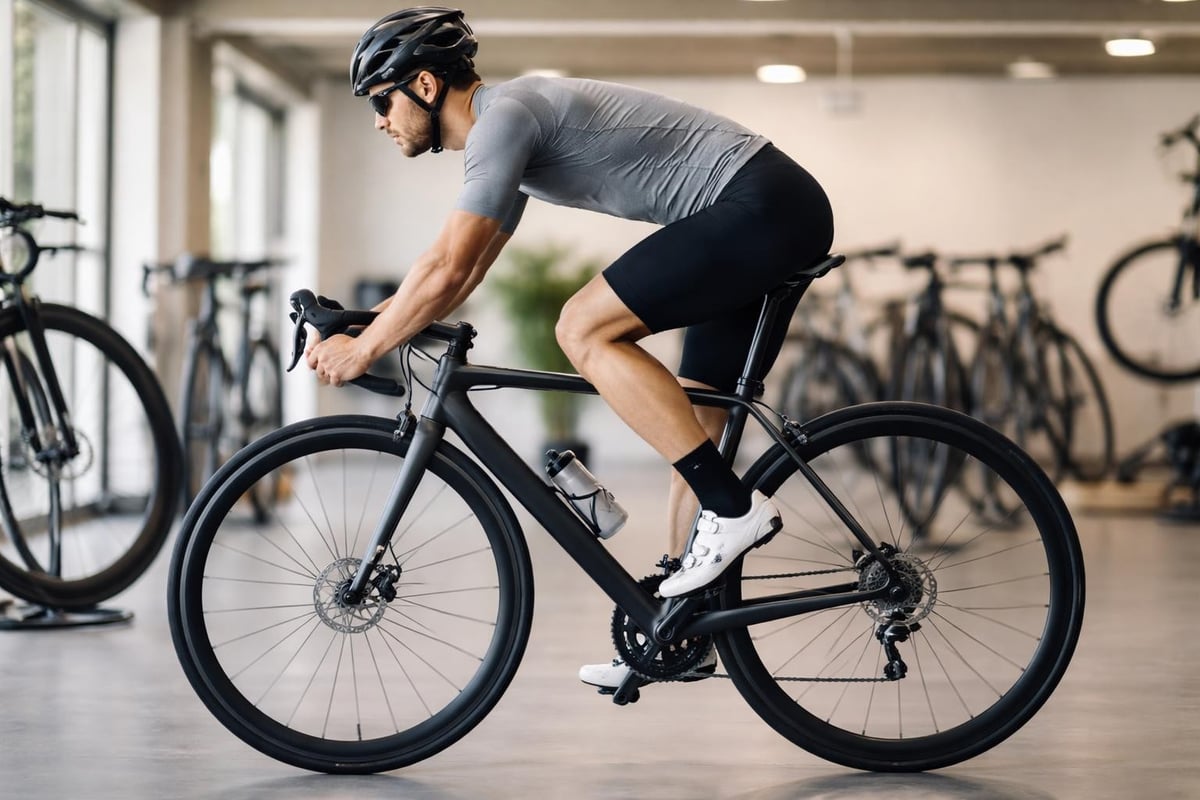
Proper bike fit stands as the foundation for how well bikes ride. A correctly sized bicycle ensures optimal power transfer while minimizing fatigue and reducing injury risk. Frame geometry, saddle height, handlebar position, and reach all contribute to your riding posture and efficiency.
Key Components That Affect Ride Quality
The way bikes ride depends heavily on component condition and quality. Understanding these elements helps you make informed decisions about maintenance and upgrades.
| Component | Impact on Ride Quality | Maintenance Frequency |
|---|---|---|
| Tires | Rolling resistance, grip, comfort | Check pressure weekly |
| Chain | Power transfer efficiency | Clean every 100-200 km |
| Brakes | Safety, control, confidence | Inspect monthly |
| Bearings | Smoothness, energy loss | Service annually |
| Suspension (if equipped) | Comfort, traction | Check every ride |
Your bike's drivetrain components significantly influence performance. A well-maintained chain, cassette, and chainring ensemble ensures that every watt of power you generate reaches the rear wheel efficiently.
Mastering Riding Technique for Different Conditions
How bikes ride varies dramatically across different terrains and weather conditions. Developing adaptable riding skills allows you to handle whatever the road throws at you.
Urban Riding Strategies
City cycling demands constant vigilance and quick decision-making. The stop-and-go nature of urban environments affects how bikes ride through traffic patterns.
Essential urban riding techniques include:
- Maintaining a defensive riding position with clear visibility
- Anticipating traffic light patterns to maintain momentum
- Using proper hand signals for communication with motorists
- Selecting appropriate gearing for frequent stops and starts
- Positioning yourself strategically at intersections
Research shows that cycling enhances brain function, which proves particularly valuable for urban riders who must process multiple stimuli simultaneously.
Off-Road and Trail Riding
When bikes ride on unpaved surfaces, technique becomes even more critical. Body position, weight distribution, and line selection determine whether you float over obstacles or struggle through them.
- Pre-ride position: Keep weight centered, elbows bent, and eyes scanning ahead
- Obstacle approach: Shift weight back for climbs, forward for descents
- Momentum management: Maintain steady cadence through technical sections
- Brake modulation: Use both brakes proportionally to avoid skidding
- Line choice: Select the smoothest path while maintaining speed
Optimizing Bike Performance Through Maintenance
Regular maintenance ensures bikes ride at peak performance year-round. Neglecting basic upkeep compromises safety, efficiency, and enjoyment.
Pre-Ride Safety Checks
Before every ride, especially longer journeys, conducting quick inspections prevents mechanical failures and accidents.
- Tires: Check pressure, tread wear, and sidewall damage
- Brakes: Test lever feel and pad contact with rims or rotors
- Chain: Verify proper lubrication and tension
- Quick releases: Ensure wheels and seat post are secure
- Lights: Confirm batteries are charged for visibility
When preparing for summer riding, these essential bike checks help ensure optimal performance during peak cycling season.
Seasonal Maintenance Considerations
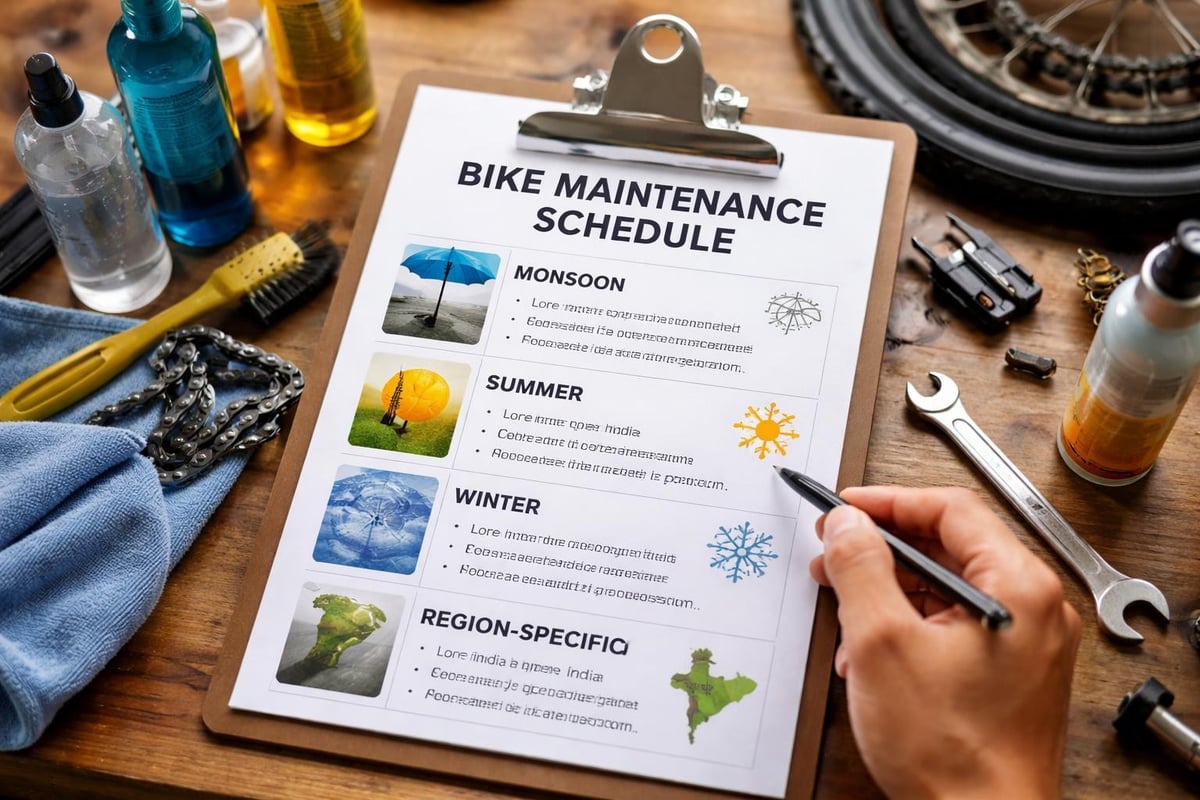
Indian cyclists face unique challenges from monsoon rains, summer heat, and regional dust conditions. How bikes ride in these environments requires specific maintenance approaches.
Monsoon preparation checklist:
- Apply additional frame protection against moisture
- Use wet-weather lubricants on the chain
- Check brake pad wear more frequently
- Install fenders to reduce spray and component exposure
- Store bikes indoors when possible
During winter months in northern India, professional riders employ specific strategies to keep training effectively. Learning from professional winter riding tips helps recreational cyclists maintain consistency through challenging conditions.
Selecting the Right Bike for Your Riding Style
How bikes ride depends fundamentally on choosing the appropriate type for your intended use. With numerous categories available, matching bike design to riding goals maximizes satisfaction and performance.
Bike Categories and Their Purposes
| Bike Type | Best For | Key Features |
|---|---|---|
| Road Bikes | Paved surfaces, speed, distance | Lightweight, drop bars, narrow tires |
| Mountain Bikes | Off-road trails, technical terrain | Suspension, wide tires, durable frame |
| Hybrid Bikes | Mixed surfaces, commuting | Upright position, moderate tires |
| Gravel Bikes | Unpaved roads, adventure | Wider clearance, stable geometry |
| City Bikes | Urban commuting, errands | Comfortable, practical, low maintenance |
For those exploring road bikes, understanding frame materials, gearing options, and wheel sizes helps narrow choices to models that genuinely fit your needs.
Fit and Sizing Fundamentals
Even the highest-quality bicycle performs poorly if improperly sized. Following expert guidance on choosing the right bike ensures your investment delivers the intended benefits.
Critical sizing measurements include:
- Standover height: Minimum 2-3 cm clearance when straddling the frame
- Reach: Comfortable extension to handlebars without overstretching
- Saddle height: Slight knee bend at full pedal extension
- Stack: Vertical distance affecting riding posture
Indoor Cycling: When Bikes Ride Stationary
Indoor training has revolutionized how cyclists maintain fitness during unfavorable weather or time constraints. Understanding how bikes ride on trainers or rollers requires different skills than outdoor cycling.
Setting Up Effective Indoor Training
The way bikes ride indoors differs significantly from road cycling. Without wind resistance, momentum changes, or terrain variation, structured training becomes essential for productive sessions.
Comprehensive indoor cycling training plans provide frameworks that prevent monotony while building specific fitness capacities. These structured approaches deliver measurable improvements in power, endurance, and speed.
Common Indoor Cycling Errors
Many cyclists unknowingly compromise their indoor training effectiveness through preventable mistakes. Addressing these common indoor cycling mistakes optimizes your stationary riding sessions.
Frequent indoor training pitfalls:
- Inadequate ventilation leading to overheating and reduced performance
- Neglecting proper bike setup causing discomfort and injury
- Insufficient hydration during intense sessions
- Monotonous workouts lacking structure or variation
- Ignoring warm-up and cool-down protocols
Health Benefits of Regular Cycling
Beyond the mechanical aspects of how bikes ride, cycling delivers profound health advantages that extend far beyond physical fitness. Understanding these benefits motivates consistent riding habits.
Research demonstrates that cycling provides numerous health benefits, including cardiovascular improvements, enhanced mental wellbeing, and effective weight management. Regular riders experience lower stress levels, improved sleep quality, and increased overall life satisfaction.
Physical Health Improvements
Documented cycling benefits include:
- Strengthened leg muscles, particularly quadriceps and hamstrings
- Improved cardiovascular endurance and heart health
- Enhanced joint mobility with low-impact exercise
- Effective calorie burning for weight management
- Boosted immune system function
Mental and Cognitive Advantages
The mental health benefits of cycling extend beyond simple stress relief. Regular cycling improves cognitive function, enhances mood regulation, and provides opportunities for social connection through group rides.
Essential Gear for Enhanced Riding Experience
While skill and maintenance determine much of how bikes ride, appropriate gear significantly enhances comfort, safety, and performance. Quality equipment protects you while enabling better riding experiences.
Safety Equipment Priorities
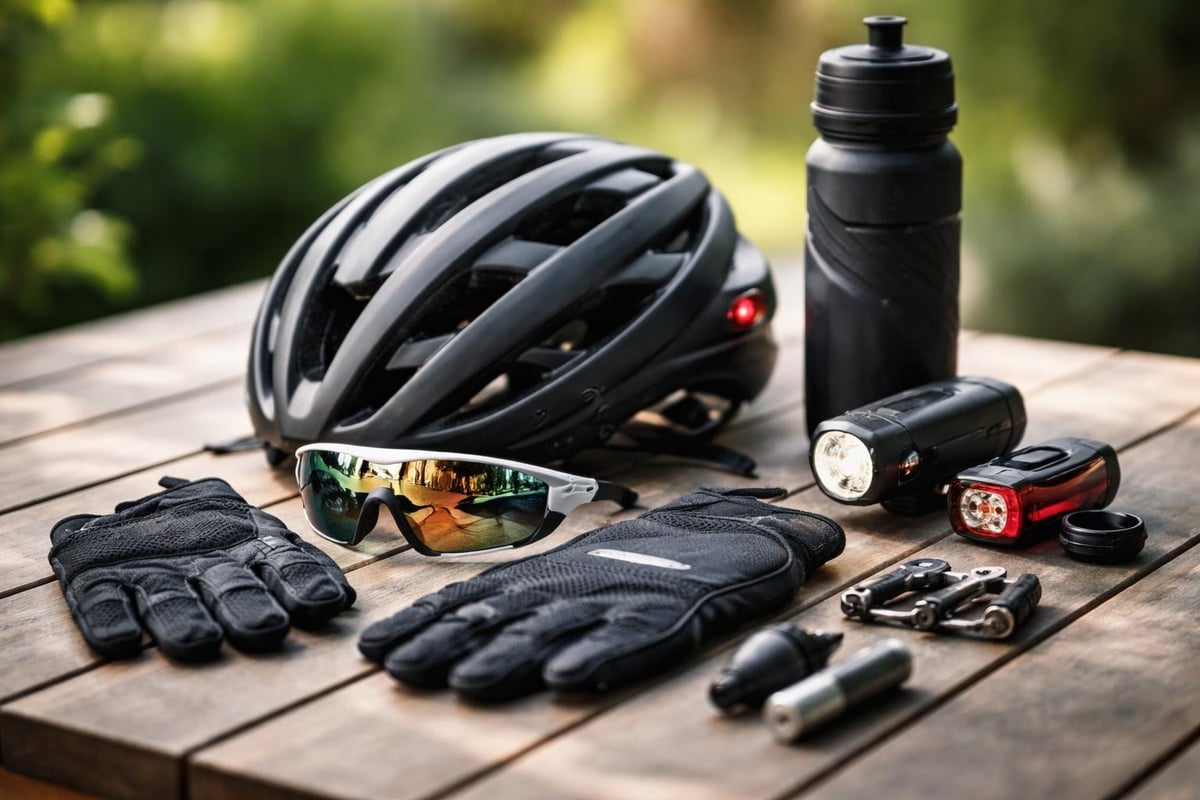
Non-negotiable safety gear includes:
- Properly fitted helmet meeting current safety standards
- Front and rear lights for visibility in low-light conditions
- Reflective clothing or accessories for nighttime riding
- Quality gloves protecting hands during falls
- Eye protection from debris, insects, and UV rays
For riders seeking reliable equipment that enhances every aspect of their cycling experience, Cycling Gears Hub offers premium cycling gear and accessories designed for riders of all levels, from helmets and gloves to jerseys, lights, and sunglasses.

Performance-Enhancing Accessories
Beyond safety basics, additional gear optimizes how bikes ride and how you experience each journey. Cycling-specific clothing reduces wind resistance and manages moisture. Clipless pedals and appropriate shoes improve power transfer efficiency. Bike computers track performance metrics that guide training decisions.
Developing Long-Term Cycling Skills
Mastery of how bikes ride develops progressively through consistent practice and deliberate skill development. Patience and systematic improvement yield lasting results.
Building Fundamental Skills
Progressive skill development sequence:
- Bike handling basics: Balance, steering, braking control
- Cadence awareness: Finding efficient pedaling rhythms
- Gear selection: Matching resistance to terrain and effort
- Group riding etiquette: Safe interaction with other cyclists
- Advanced techniques: Cornering, climbing, descending efficiently
Setting Realistic Goals
Sustainable cycling improvement requires setting achievable targets that maintain motivation without causing burnout. Whether aiming for distance milestones, speed improvements, or simply consistent riding frequency, clear goals provide direction and measurable progress.
Troubleshooting Common Riding Issues
Even experienced cyclists encounter problems that affect how bikes ride. Recognizing symptoms and implementing solutions maintains optimal performance.
| Problem | Possible Causes | Solutions |
|---|---|---|
| Chain skipping | Worn cassette or chain, poor adjustment | Replace worn components, adjust derailleur |
| Squeaky brakes | Contaminated pads, misalignment | Clean or replace pads, realign calipers |
| Difficulty shifting | Cable tension, dirty components | Adjust cable, clean and lubricate |
| Flat tires | Punctures, valve issues, worn tires | Patch or replace tube, check tire condition |
| Uncomfortable saddle | Wrong saddle type, improper position | Adjust height and angle, consider replacement |
Understanding your bike's components and parts helps diagnose issues quickly and determine whether DIY fixes or professional service are appropriate.
Riding Etiquette and Community Engagement
How bikes ride in social contexts involves understanding unwritten rules and cultivating positive interactions with other road users. Proper etiquette ensures safety and promotes cycling advocacy.
Group Riding Protocols
Essential group riding practices:
- Communicate hazards and intentions clearly
- Maintain steady, predictable lines
- Avoid sudden movements or braking
- Take turns at the front to share workload
- Respect traffic laws and other road users
Contributing to Cycling Culture
Active participation in local cycling communities strengthens infrastructure advocacy, creates social connections, and promotes the sport to newcomers. Whether through club membership, charity rides, or informal group sessions, community engagement enriches the cycling experience.
Mastering how bikes ride requires attention to technique, maintenance, proper equipment, and continuous learning. Whether you're just beginning your cycling journey or seeking to refine existing skills, the principles outlined here provide a foundation for safer, more enjoyable, and more efficient riding.
For Indian cyclists ready to enhance their riding experience with quality gear and accessories, Cycling Gears Hub offers everything you need, backed by trusted service that includes fast shipping, flexible payment options, and hassle-free returns. Start your journey toward better cycling performance today with equipment designed for riders who demand excellence.