

Choosing the right biking gear transforms your cycling experience from basic transportation to an optimized, safe, and enjoyable activity. Whether you're commuting through city streets, tackling mountain trails, or training for competitive events, the equipment you select directly impacts your performance, comfort, and safety. For Indian cyclists facing diverse terrain, weather conditions, and traffic scenarios, understanding the full spectrum of available gear helps you make informed decisions that match your riding style and budget. This comprehensive guide explores the essential categories of biking gear, safety standards, performance accessories, and practical considerations for riders at every level.
Understanding Essential Safety Equipment
Safety equipment forms the foundation of any cyclist's gear collection. Helmets represent the single most critical piece of protective equipment, with modern designs incorporating advanced technologies that address both direct and rotational impact forces. The 2026 cycling helmet safety standards now include rotational impact testing, making MIPS and WaveCel technologies increasingly common in quality helmets.
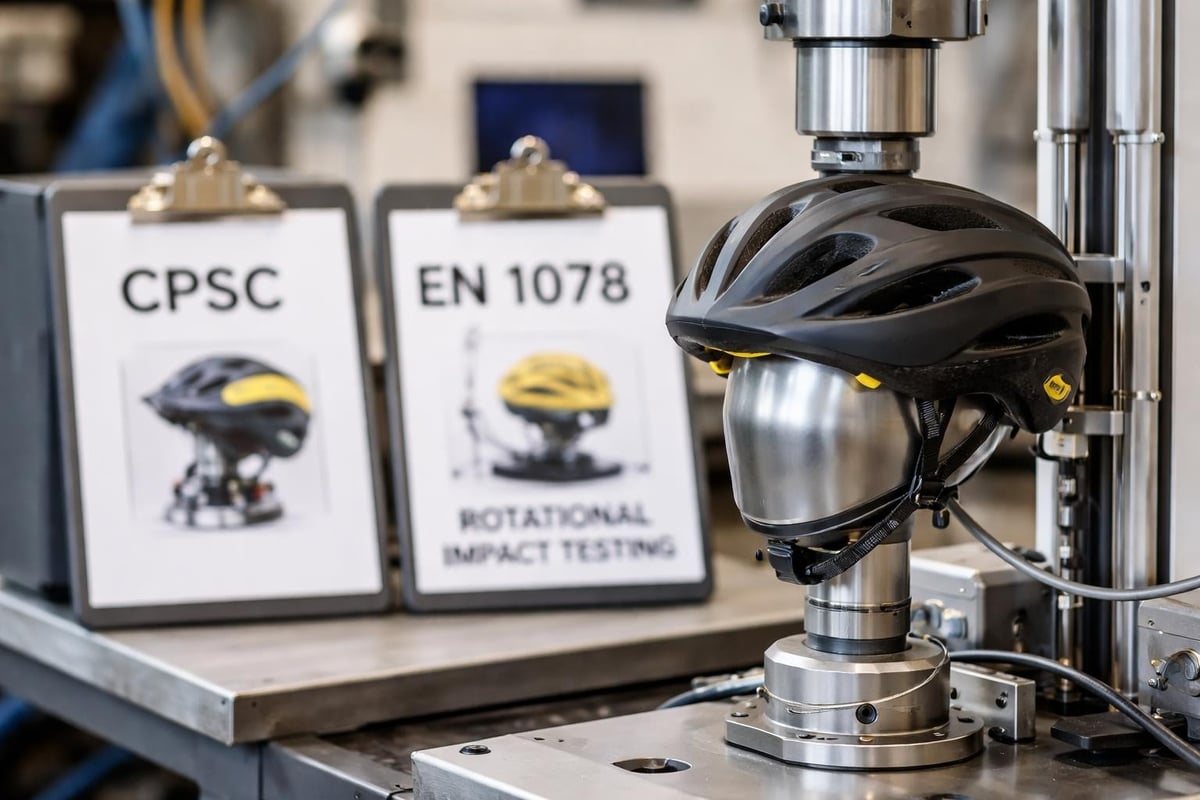
When selecting a helmet, verify it meets recognized certification standards. Different regions enforce specific helmet safety standards such as CPSC in the United States, EN 1078 in Europe, and AS/NZS 2063 in Australia. Recent investigations have revealed that some helmet models from uncertified manufacturers fail to meet basic safety requirements, emphasizing the importance of purchasing from reputable brands.
Critical Protective Accessories
Beyond helmets, several protective accessories enhance rider safety:
- Cycling gloves with padded palms reduce vibration and protect hands during falls
- Reflective vests or bands increase visibility in low-light conditions
- Knee and elbow pads provide protection for mountain biking and aggressive riding
- Protective eyewear shields eyes from debris, insects, and UV radiation
- High-visibility clothing ensures motorists can see you from greater distances
Government safety guidelines recommend wearing appropriate gear that meets local regulations and addresses specific riding conditions. In India's varied climate, breathable materials with reflective elements serve dual purposes of comfort and safety.
Performance Apparel and Clothing Systems
Cycling-specific clothing represents a significant upgrade from regular athletic wear. Technical fabrics designed for biking gear wick moisture efficiently, reduce drag, and provide compression support during extended rides. Quality cycling jerseys feature rear pockets for convenient storage of nutrition, tools, and personal items without interfering with pedaling motion.
| Apparel Type | Key Features | Best Use Cases |
|---|---|---|
| Road Jerseys | Aerodynamic fit, moisture-wicking, rear pockets | Long-distance riding, racing |
| Mountain Bike Jerseys | Looser fit, durable fabric, extended back coverage | Trail riding, technical terrain |
| Cycling Shorts | Padded chamois, compression, seamless construction | All riding disciplines |
| Arm/Leg Warmers | Temperature regulation, easy removal | Variable weather conditions |
| Rain Jackets | Waterproof, packable, high visibility | Monsoon season, wet conditions |
Padded cycling shorts or bib shorts dramatically improve comfort on rides exceeding thirty minutes. The chamois padding reduces friction and provides cushioning against road vibration. For Indian cyclists dealing with high temperatures, lightweight and highly breathable fabrics prevent overheating while maintaining moisture management.
Seasonal Considerations for Indian Riders
India's climate diversity requires adaptable clothing strategies. Summer months demand maximum ventilation through mesh panels and light-colored fabrics that reflect heat. Monsoon season necessitates waterproof layers and quick-drying materials. Winter riding in northern regions benefits from layering systems that trap warmth without restricting movement.
Base layers work in conjunction with outer garments to create microclimate control. Merino wool blends offer natural odor resistance and temperature regulation across seasons. Cyclists should invest in multiple clothing options to maintain comfort year-round rather than compromising with all-season compromises that underperform in extreme conditions.
Footwear and Pedal Systems
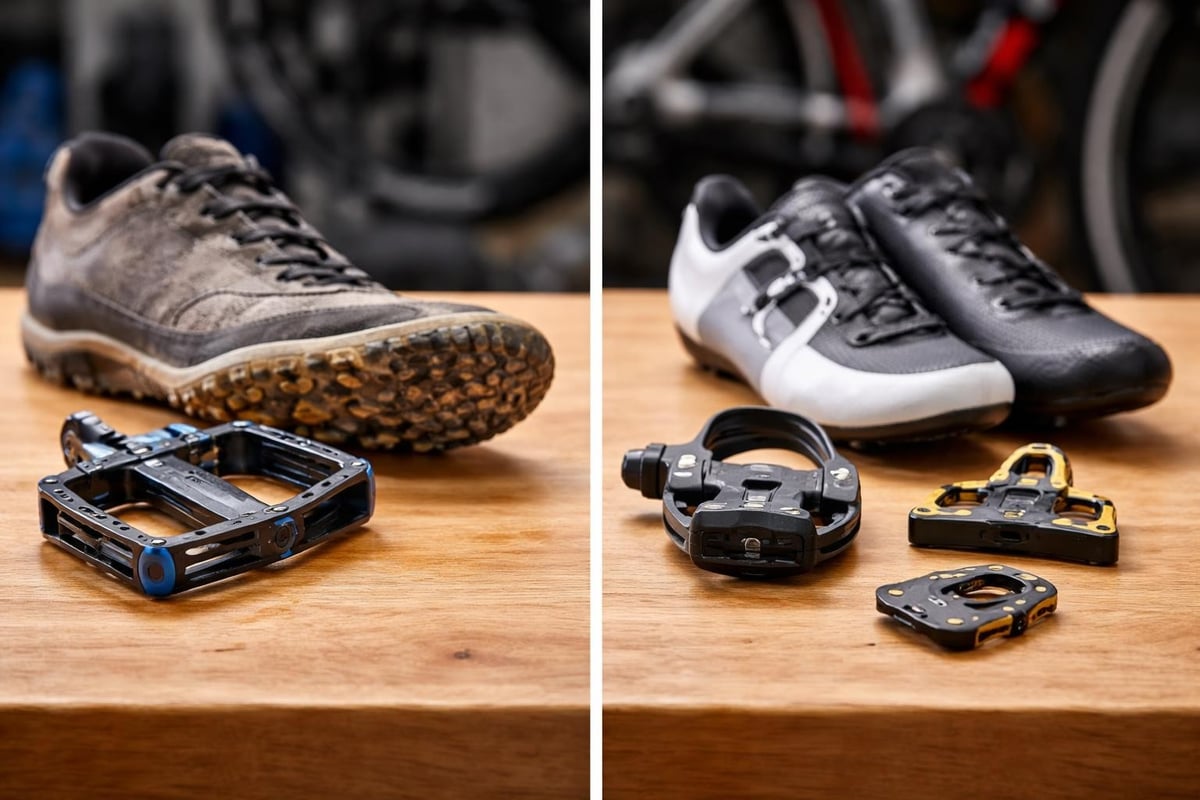
The connection between rider and bicycle occurs primarily through pedals, making footwear selection crucial for power transfer and comfort. Clipless pedal systems, despite their confusing name, actually clip shoes into pedals using cleats attached to specialized cycling shoes. This connection improves pedaling efficiency by engaging muscles throughout the entire pedal stroke rather than just the downward push.
Flat pedal riders benefit from shoes with sticky rubber soles that grip pedal pins securely. Mountain bikers often prefer flat pedals with robust shoes for technical terrain requiring frequent foot placement. Road cyclists typically choose clipless systems for maximum efficiency on long rides.
When selecting between pedal systems, consider:
- Riding discipline and terrain type
- Experience level with clipless engagement/disengagement
- Need for walkability off the bike
- Compatibility with existing equipment
- Budget allocation for shoes and pedals
Cleats come in various float patterns affecting how much rotational movement your foot has while clipped in. Beginners benefit from higher float angles that reduce knee strain while learning proper positioning. The adjustment process requires patience but delivers significant performance improvements once optimized.
Lighting and Visibility Systems
Adequate lighting transforms biking gear from daytime-only equipment to all-conditions capability. Front lights illuminate the path ahead while making you visible to oncoming traffic. Rear lights alert following vehicles to your presence. Modern LED technology provides exceptional brightness with minimal battery drain, with some units offering multiple modes for different situations.
Minimum lighting recommendations:
- Front light: 200+ lumens for urban riding, 500+ lumens for unlit roads
- Rear light: Red LED with flash mode for maximum attention
- Side visibility: Reflective wheel strips or spoke lights
- Backup lights: Secondary units ensure you're never caught without illumination
Rechargeable battery systems prove more economical and environmentally friendly than disposable batteries over time. USB charging allows convenient power renewal from laptops, power banks, or wall adapters. Smart cyclists carry backup lights or ensure primary lights maintain sufficient charge for planned ride durations plus emergency extensions.
Tools, Maintenance Equipment, and Repair Kits
Self-sufficiency on rides requires carrying essential tools and knowing how to use them. Flat tires represent the most common mechanical issue cyclists face, making tire levers, spare tubes, and inflation devices mandatory equipment. Multi-tools consolidate various hex keys, screwdrivers, and chain tools into pocket-sized packages.
Essential Repair Kit Components
A comprehensive repair kit contains items addressing common roadside issues:
- Spare inner tubes matching your wheel size
- Tire levers for removing tight-fitting tires
- Portable pump or CO2 inflator with cartridges
- Multi-tool with hex keys (2mm-8mm range)
- Chain quick-link for emergency chain repairs
- Small first-aid supplies for minor injuries
- Zip ties and duct tape for creative field repairs
Beyond emergency repairs, regular maintenance extends component lifespan and prevents mechanical failures. Chain lubricants suited to riding conditions keep drivetrains running smoothly. Wet lubes resist rain washout, while dry lubes prevent dirt accumulation in dusty conditions common to many Indian regions.
Navigation and Electronic Accessories
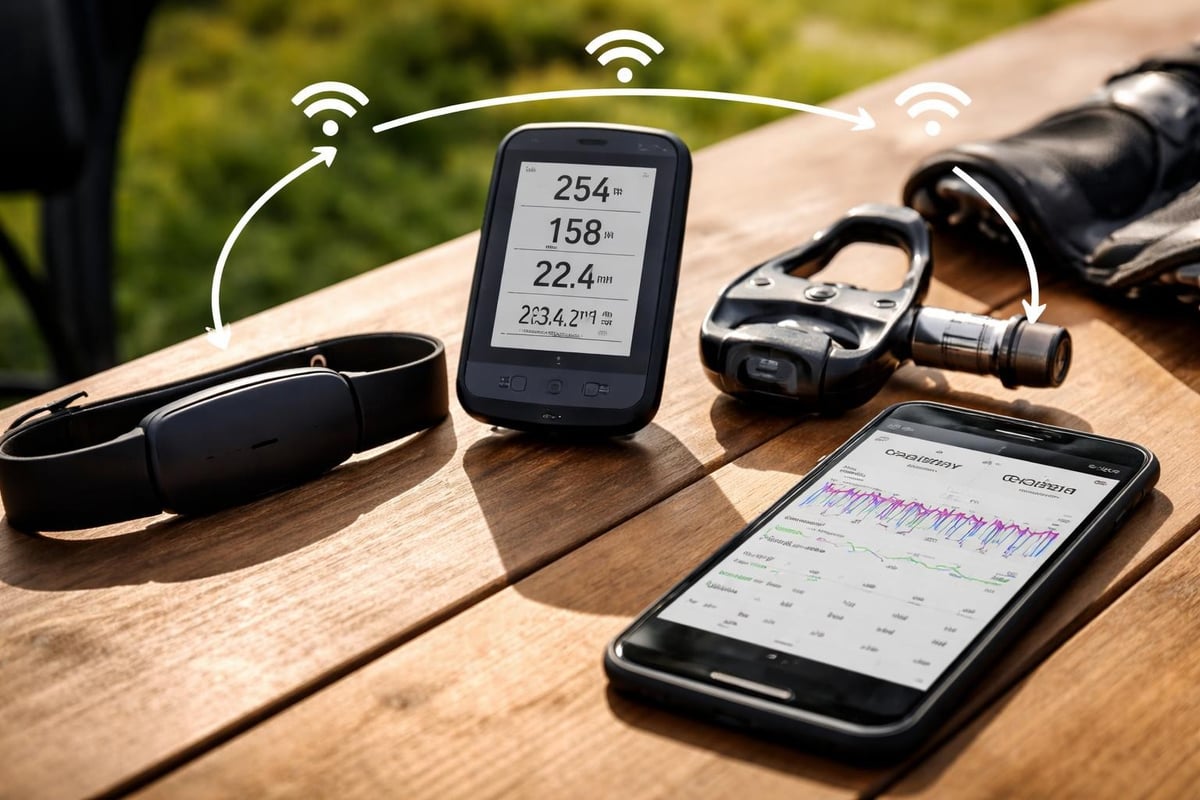
Modern biking gear increasingly incorporates electronic components enhancing navigation, performance tracking, and connectivity. Cycling computers range from basic speedometers to advanced GPS units displaying routes, elevation, power output, and physiological metrics. Smartphone mounts offer affordable navigation solutions using existing devices, though dedicated cycling computers provide superior battery life and visibility in bright sunlight.
| Device Type | Advantages | Limitations |
|---|---|---|
| Basic Computer | Affordable, simple operation, long battery life | Limited data, no navigation |
| GPS Computer | Route guidance, extensive metrics, training analysis | Higher cost, requires charging |
| Smartphone Mount | Uses existing device, versatile apps | Battery drain, weather vulnerability |
| Action Camera | Records rides, safety documentation | Additional weight, data management |
Heart rate monitors and power meters deliver objective training data helping cyclists optimize workout intensity and track fitness improvements. While professional athletes rely heavily on these metrics, recreational riders benefit from understanding effort levels and pacing strategies. The data collected informs training decisions and prevents overtraining or under-recovery.
Hydration and Nutrition Storage
Proper hydration maintains performance and prevents heat-related issues during rides. Standard bottle cages mounted to frame tubes provide easy access to fluids without dismounting. Insulated bottles keep beverages cool in hot weather, particularly valuable during Indian summer rides. Hydration packs offer higher capacity and hands-free drinking through tube systems, preferred by mountain bikers and ultra-distance riders.
Nutrition storage options within biking gear include jersey pockets, frame bags, and handlebar-mounted pouches. Energy gels, bars, and whole foods fuel extended efforts. Planning nutrition needs based on ride duration prevents bonking (glycogen depletion) that severely impacts performance and enjoyment.
Hydration guidelines for Indian conditions:
- Consume 500-750ml per hour in moderate temperatures
- Increase intake to 750-1000ml per hour in extreme heat
- Add electrolyte supplements during rides exceeding two hours
- Pre-hydrate before rides and continue rehydration afterward
- Monitor urine color as a simple hydration indicator
Specialized Gear for Different Cycling Disciplines
Various cycling disciplines require specific biking gear optimizations. Road cyclists prioritize aerodynamics and weight reduction. Mountain bikers need durable components withstanding impacts and challenging terrain. Commuters value versatility, cargo capacity, and weather protection. Understanding these distinctions guides appropriate equipment selection.
Road racing demands lightweight components, aerodynamic positioning aids like aero handlebars, and minimal accessories to reduce drag. Competitive cyclists invest in carbon fiber components, tubular tires, and integrated cable routing. Training rides use more durable equipment balancing performance with longevity.
Mountain biking requires robust frames, wider tires with aggressive tread, and suspension systems absorbing trail irregularities. Protective gear expands beyond basic helmets to include full-face options for downhill racing. Dropper seatposts enable quick saddle height adjustment between climbing and descending.
Urban Commuting Essentials
City riders benefit from practical additions to standard biking gear:
- Fenders/mudguards keeping clothing clean in wet conditions
- Cargo racks or panniers for transporting work items
- Locks securing bikes during stops
- Kickstands for convenient parking
- Chain guards protecting clothing from drivetrain contact
Commuters balance performance with practicality, often choosing hybrid bikes accommodating both speed and utility. Versatile flat handlebars provide upright positioning improving visibility in traffic while maintaining control.
Quality Considerations and Investment Strategy
Biking gear spans enormous price ranges, tempting budget-conscious cyclists toward minimum-cost options. However, quality equipment delivers better performance, enhanced safety, and longer service life justifying higher initial investments. Expert buying guides recommend balancing immediate budget constraints with long-term value when selecting components.
Critical safety items like helmets warrant premium investment regardless of budget limitations. Certified helmets meeting current safety standards protect against catastrophic injuries far exceeding their purchase price. Similarly, reliable lighting systems prevent accidents in low-visibility conditions. Health professionals emphasize must-have cycling accessories that protect riders from common injuries and hazards.
Performance components follow diminishing returns curves where entry-level upgrades deliver substantial improvements, while top-tier options offer marginal gains at exponential costs. Mid-range groupsets, wheels, and accessories satisfy most riders' needs without professional-level expenses. Experienced cyclists strategically allocate budgets toward components most impacting their specific riding priorities.
Fitting and Comfort Optimization
Even premium biking gear underperforms if improperly fitted to the rider. Professional bike fitting services analyze body geometry, flexibility, and riding style to optimize positioning. Proper saddle height, handlebar reach, and cleat positioning prevent discomfort and overuse injuries while maximizing power transfer efficiency.
Saddles require individual testing since personal anatomy and riding position determine comfort. Width, padding density, and cutout designs affect pressure distribution. Many shops offer demo programs allowing trial periods before commitment. Finding the right saddle often involves testing multiple options, but the improvement in comfort justifies the search effort.
Handlebar selection affects both comfort and control. Drop handlebars offer multiple hand positions reducing fatigue on long rides, while flat bars provide precise steering for technical terrain. Bar width should match shoulder width for optimal leverage and breathing capacity. Bar tape thickness and material composition adds another customization layer for vibration damping and grip security.
Cycling Gears Hub offers premium cycling gear and accessories designed specifically for Indian riding conditions, helping cyclists find equipment that balances performance, safety, and value. Their extensive selection includes certified helmets, technical apparel, reliable components, and essential accessories trusted by over 10,000 riders across the country.
Maintenance and Care Protocols
Regular maintenance preserves biking gear functionality and extends service life. Cleaning removes corrosive road grime and prevents premature wear. Lubrication reduces friction in moving parts. Inspection identifies developing issues before they cause failures during rides. Establishing consistent maintenance routines saves money on replacements while ensuring reliable performance.
Weekly maintenance tasks:
- Wipe down frame and components
- Check tire pressure and adjust to recommended levels
- Inspect brake pad wear and alignment
- Clean and lubricate chain
- Verify all bolts remain properly torqued
Monthly procedures include deeper cleaning of drivetrain components, cable tension verification, and wheel trueness checks. Annual servicing by professional mechanics addresses complex tasks like bearing replacement, hydraulic brake bleeding, and comprehensive safety inspections. Brake service kits contain specialized tools and replacement parts for maintaining stopping power.
Proper storage protects equipment from environmental damage. Indoor storage prevents rust and UV degradation. Bikes stored long-term benefit from tire pressure release, thorough cleaning, and component lubrication. Removing batteries from electronic accessories prevents corrosive leakage. Covering bikes shields them from dust accumulation in storage areas.
Building Your Complete Gear Collection
New cyclists face overwhelming choices when assembling complete biking gear collections. Prioritizing purchases based on immediate needs and available budget creates manageable acquisition paths. Essential safety items and basic maintenance tools constitute first-tier priorities. Performance upgrades and convenience accessories follow as experience grows and riding habits become clear.
Starting with quality fundamentals proves more effective than spreading limited budgets across numerous marginal items. A reliable bike, proper helmet, basic repair kit, and appropriate clothing enable safe, enjoyable riding immediately. Subsequent additions address specific needs revealed through experience rather than anticipated requirements that may never materialize.
Experienced riders continually refine gear selections as preferences evolve and technologies advance. Seasonal sales and year-end closeouts provide opportunities for budget-conscious upgrades. Community recommendations through local cycling clubs offer valuable insights into products performing well in regional conditions. Online reviews supplement personal research, though hands-on testing ultimately determines individual suitability.
Children's Cycling Equipment Considerations
Young riders require appropriately sized biking gear designed for developing bodies and skill levels. Parents selecting kids' bike helmets should prioritize proper fit, adequate ventilation, and appealing designs encouraging consistent use. Growing children outgrow equipment regularly, making durable hand-me-down options economically sensible for families with multiple young cyclists.
Safety consciousness begins with proper equipment and supportive supervision. Bright colors and reflective elements increase child visibility to motorists. Training wheels, balance bikes, and progressive skill development create confident riders prepared for independent cycling. Family rides on protected paths build experience before introducing road riding challenges.
Selecting appropriate biking gear requires balancing safety requirements, performance goals, comfort preferences, and budget realities while considering your specific riding conditions and discipline. Whether you're commuting through Indian cities, exploring mountain trails, or training for competitive events, the right equipment enhances every aspect of your cycling experience. Cycling Gears Hub provides comprehensive product selections, expert guidance, and convenient purchasing options including fast shipping, COD, and EMI plans, making quality cycling equipment accessible to riders throughout India.