

Choosing the right biking outfit transforms every ride from a basic exercise session into an exceptional cycling experience. Whether you're navigating urban streets, conquering mountain trails, or participating in competitive road races, your cycling apparel directly impacts comfort, performance, and safety. The right combination of cycling-specific clothing regulates body temperature, reduces wind resistance, prevents chafing, and enhances overall riding efficiency. Understanding how different components work together helps cyclists make informed decisions that match their riding style, local climate conditions, and personal preferences.
Understanding the Core Components of a Biking Outfit
A complete biking outfit consists of multiple specialized layers designed to work harmoniously. Each component serves specific functions that contribute to rider comfort and performance.
The Foundation: Base Layers
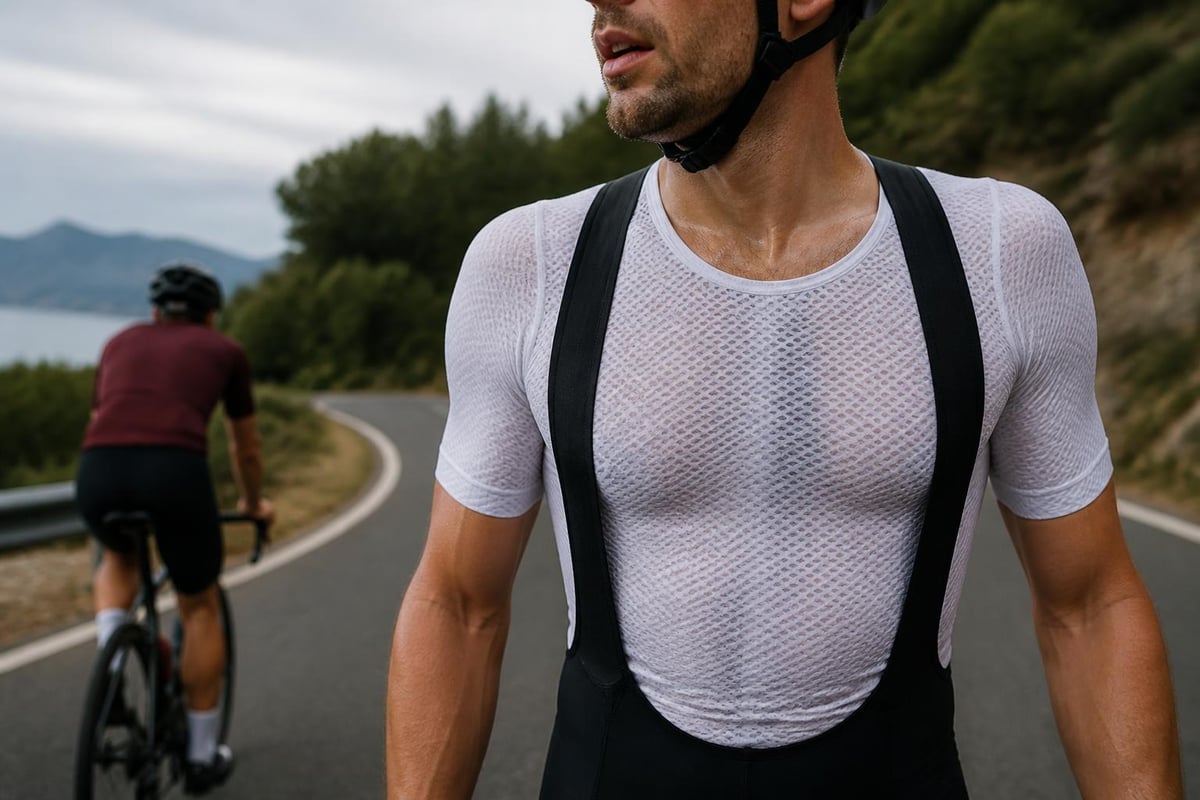
Base layers form the critical first layer against your skin, managing moisture and regulating temperature throughout your ride. Quality base layers wick perspiration away from your body, preventing the uncomfortable sensation of wet clothing during intense efforts. Choosing the right base layer depends on seasonal conditions and expected exertion levels.
Summer base layers prioritize breathability and moisture management:
- Lightweight, mesh-construction fabrics
- Maximum ventilation zones
- Quick-drying synthetic or merino wool blends
- Minimal coverage for heat dissipation
Winter base layers emphasize thermal retention:
- Thicker fabric construction
- Brushed inner surfaces for warmth
- Extended coverage at neck, wrists, and torso
- Moisture management without compromising insulation
Jerseys: The Visible Performance Layer
Cycling jerseys represent the most visible component of your biking outfit, combining aerodynamic efficiency with practical features. Modern jerseys incorporate technical fabrics that balance breathability, moisture management, and wind resistance.
Key jersey features include:
| Feature | Purpose | Benefit |
|---|---|---|
| Rear pockets | Storage for essentials | Keeps items accessible without backpack |
| Extended tail | Lower back coverage | Prevents exposure during riding position |
| Full-length zipper | Temperature regulation | Allows quick ventilation adjustment |
| Reflective elements | Visibility | Enhances safety in low-light conditions |
The fit of your jersey significantly affects comfort and performance. Race-cut jerseys offer aerodynamic advantages but require a lean riding position, while relaxed-fit options provide comfort for recreational rides. For transitional seasons, long-sleeve jersey options offer versatility without requiring multiple layers.
Bib Shorts and Padded Shorts
The lower half of your biking outfit deserves equal attention to ensure comfort during extended rides. Cycling shorts feature chamois padding strategically positioned to reduce pressure on sensitive areas while preventing friction and chafing.
Bib shorts versus waist shorts:
Bib shorts eliminate waistband pressure and provide superior comfort during long rides. The shoulder straps keep padding properly positioned without constricting your midsection. Quality bib shorts incorporate anatomically designed chamois with varying thickness zones that match pressure points.
Standard waist shorts offer convenience for quick stops and bathroom breaks. They work well for shorter rides where the additional comfort of bibs isn't essential.
Chamois care considerations:
- Never wear underwear beneath cycling shorts
- Wash shorts after every ride to prevent bacterial buildup
- Replace shorts when padding compresses or loses shape
- Apply chamois cream for rides exceeding two hours
Seasonal Adaptations for Your Biking Outfit
Indian climate diversity requires cyclists to adapt their biking outfit choices throughout the year. Regional temperature variations, humidity levels, and monsoon conditions all influence appropriate clothing selections.
Hot Weather Riding (March through September)
Summer months across most Indian regions demand maximum breathability and sun protection. Your warm-weather biking outfit should prioritize ventilation while shielding skin from harmful UV exposure.
Essential hot-weather components:
- Lightweight mesh jerseys with maximum ventilation panels
- Moisture-wicking base layers in light colors
- Arm and leg warmers that quickly roll down or remove
- Breathable gloves with minimal coverage
- Headwear or caps under helmets for sweat management
Lighter colors reflect solar radiation more effectively than dark fabrics, reducing heat absorption during midday rides. However, performance fabrics matter more than color alone, as advanced textiles incorporate UV protection ratings regardless of shade.
Monsoon Season Considerations (June through September)
Wet conditions require specific adjustments to maintain comfort and safety. While waterproof jackets seem logical, they often trap heat and moisture, creating uncomfortable conditions during active riding.
Rain-ready biking outfit modifications:
- Water-resistant rather than waterproof outer layers
- Quick-dry fabrics that perform when wet
- Additional visibility elements for reduced light conditions
- Protective eyewear to shield from rain and road spray
- Shoe covers or water-resistant cycling shoes
Accept that you'll get wet during monsoon rides, and focus instead on clothing that maintains comfort when saturated. For riders seeking guidance on comprehensive equipment choices, understanding essential cycling accessories complements proper outfit selection.
Cool Weather Riding (November through February)
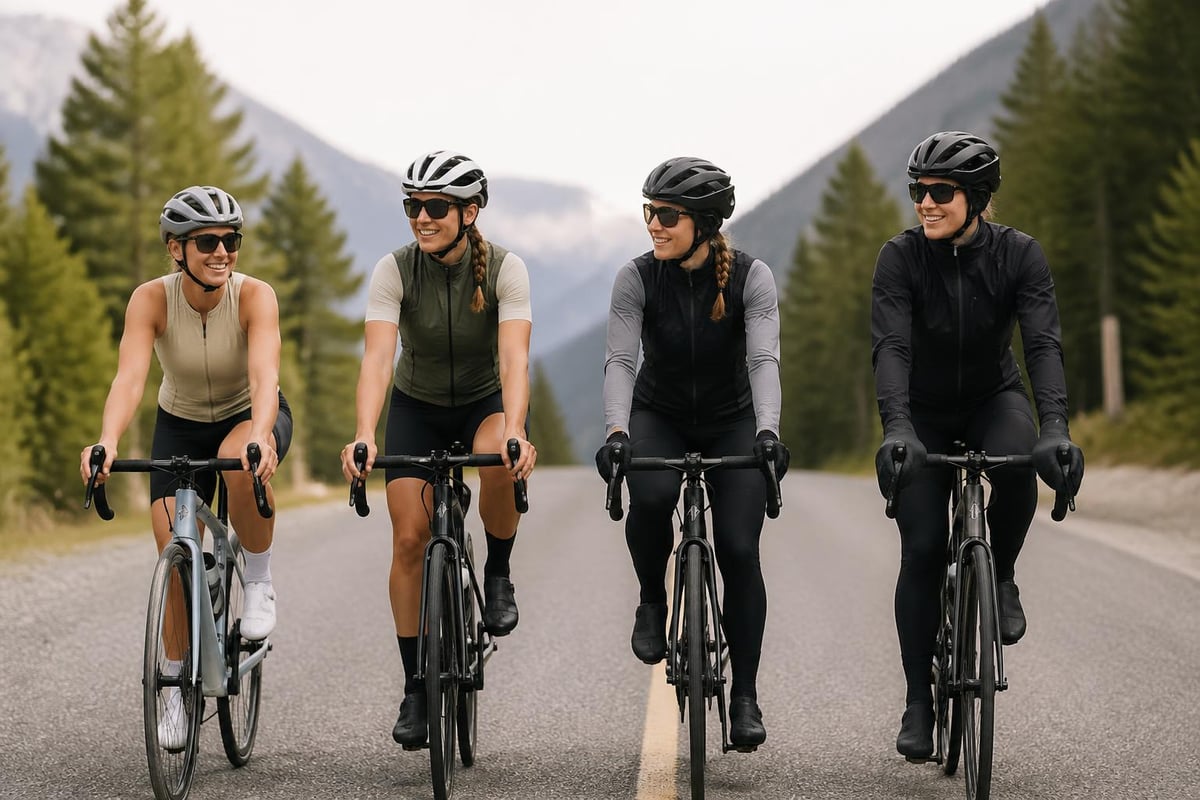
Northern Indian regions experience genuine cold weather requiring insulated layers, while southern areas need versatile pieces for morning chill and afternoon warmth.
Layering strategy for cool conditions:
- Thermal base layer against skin
- Insulated jersey or long-sleeve top
- Wind-resistant vest or jacket
- Thermal bib tights or leg warmers
- Full-finger insulated gloves
- Thermal skull cap or headband under helmet
- Shoe covers for extremity protection
The advantage of layering lies in adjustability. Removing a vest or arm warmers during mid-ride temperature increases prevents overheating while maintaining core warmth.
Technical Fabric Technologies in Modern Cycling Apparel
Understanding fabric technologies helps cyclists evaluate biking outfit quality and performance characteristics. Modern cycling apparel incorporates advanced materials engineered for specific performance attributes.
Moisture Management Systems
Technical fabrics transport perspiration through capillary action, moving moisture from skin surface to fabric exterior where evaporation occurs. This process maintains dry skin contact while preventing the cooling effect of saturated clothing.
Common moisture-wicking materials:
- Polyester blends with hydrophobic treatments
- Merino wool with natural moisture regulation
- Nylon combinations for durability and stretch
- Polypropylene for maximum moisture rejection
Compression Features
Graduated compression integrated into cycling shorts and arm sleeves enhances blood flow and reduces muscle fatigue during extended efforts. Compression garments support working muscles while minimizing vibration-induced stress.
Research indicates properly fitted compression elements may improve recovery time between rides, though individual responses vary. The key lies in selecting appropriate compression levels that support without restricting movement or circulation.
Fit and Sizing Considerations
An improperly fitted biking outfit undermines even the highest-quality fabrics and construction. Cycling-specific clothing should fit snugly without restricting movement or causing pressure points.
Critical Fit Points
Jersey fit assessment:
- Sleeves end mid-bicep without restricting arm movement
- Collar sits comfortably without gaps or tightness
- Rear pockets accessible without riding up
- Front hem covers waistband when in riding position
Shorts and bib fit evaluation:
- Leg grippers stay in place without cutting circulation
- Chamois aligns with sit bones without bunching
- Fabric provides compression without discomfort
- Bib straps rest flat without digging into shoulders
Cycling Gears Hub offers premium cycling gear designed specifically for Indian riders, with sizing considerations that account for regional body proportions and climate requirements. Cycling Gears Hub's premium apparel selection includes jerseys, shorts, and complete outfit systems tested by thousands of cyclists across diverse riding conditions.
Many cyclists size up for comfort, but cycling apparel performs optimally when fitted according to manufacturer specifications. Understanding cycling-specific clothing requirements helps riders distinguish between appropriate compression fit and restrictive sizing.
Accessories That Complete Your Biking Outfit
Beyond core clothing components, several accessories enhance comfort, safety, and performance as integral parts of your complete biking outfit.
Gloves for Control and Comfort
Cycling gloves provide padding that reduces hand fatigue while improving grip on handlebars. Summer gloves feature minimal coverage with maximum ventilation, while winter options incorporate insulation and wind protection.
Glove selection criteria:
- Palm padding thickness matches handlebar pressure
- Finger length suits climate and control preferences
- Wrist closure prevents debris entry
- Touch-screen compatibility for device operation
For comprehensive guidance on hand protection, exploring the best cycling gloves in India provides climate-specific recommendations.
Footwear Integration
While shoes aren't technically clothing, they integrate with your biking outfit through coordination with shorts and overall style. Clipless cycling shoes enhance power transfer and pedaling efficiency, while their sleek profiles complement fitted cycling apparel.
Shoe covers bridge footwear and outfit considerations by providing:
- Aerodynamic benefits for competitive riders
- Weather protection during rain or cold conditions
- Visibility enhancement through reflective elements
- Extended shoe life by protecting materials from road debris
Eyewear Protection
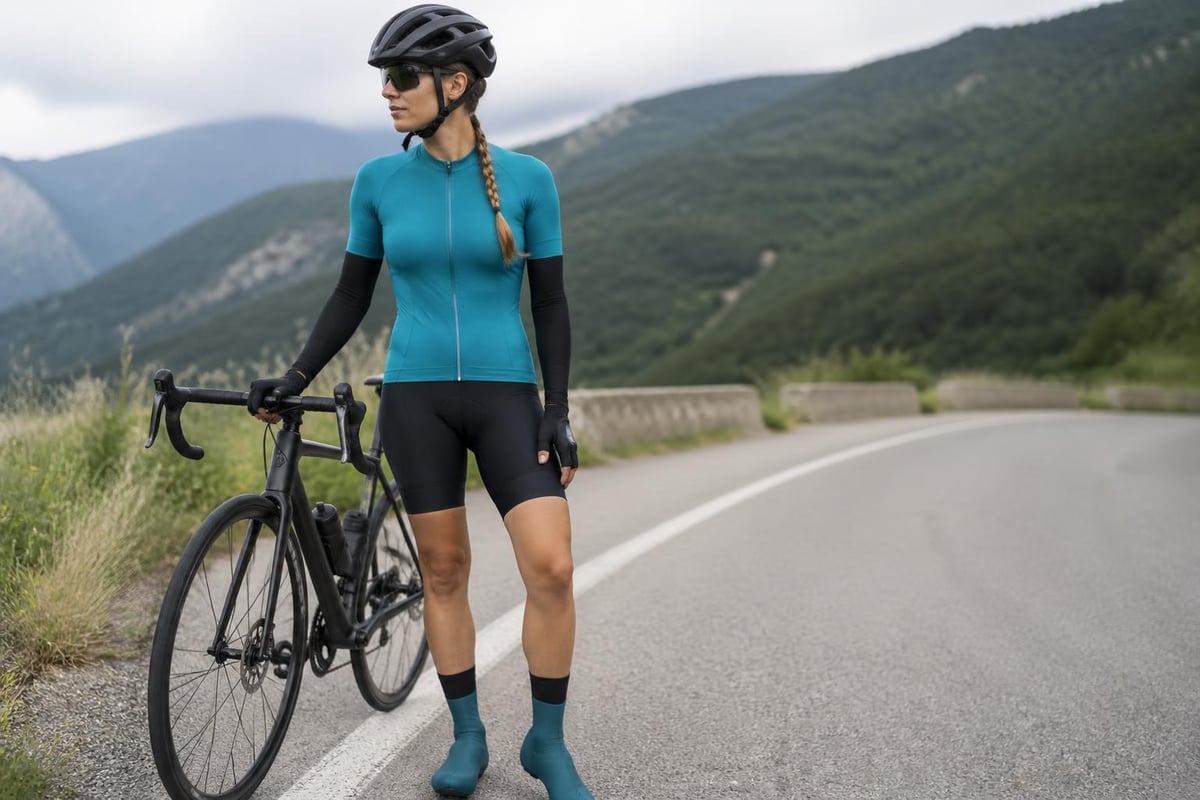
Quality cycling sunglasses protect eyes from UV radiation, wind, insects, and road debris. They form an essential component of your biking outfit by enhancing visual clarity and reducing eye fatigue during long rides.
Lens technology matters significantly, with photochromic options adapting to changing light conditions throughout your ride. For detailed selection guidance, reviewing cycling sunglasses options in India covers lens types, frame fits, and ventilation features.
Maintenance and Care for Cycling Apparel Longevity
Proper care extends the functional life of your biking outfit while maintaining performance characteristics. Cycling-specific fabrics require gentle treatment to preserve their technical properties.
Washing Best Practices
Essential washing guidelines:
- Wash cycling clothing after every ride to prevent bacterial growth
- Use cold water to preserve elastic fibers and prevent shrinkage
- Select gentle detergents without fabric softeners or bleach
- Turn garments inside out to protect exterior finishes
- Wash padded shorts separately to prevent pilling
- Air dry all cycling apparel away from direct heat
Fabric softeners coat technical fibers, reducing their moisture-wicking capabilities. Similarly, high heat damages elastic components in shorts, arm warmers, and jersey hems.
Storage Considerations
Proper storage between rides prevents damage and maintains garment shape:
- Hang jerseys and jackets on wide hangers to prevent shoulder distortion
- Store padded shorts flat or loosely folded to preserve chamois shape
- Keep cycling clothing in cool, dry locations away from sunlight
- Avoid compression storage that permanently creases fabrics
- Separate heavily soiled items from clean gear
Budget Allocation Across Biking Outfit Components
Building a complete cycling wardrobe requires strategic investment across multiple components. Prioritizing spending where comfort and safety matter most yields the best value.
Investment Priority Ranking
| Priority Level | Component | Reasoning |
|---|---|---|
| Highest | Padded shorts/bibs | Direct comfort impact on every ride |
| High | Jersey (primary climate) | Most-used piece in your rotation |
| High | Quality gloves | Hand comfort affects control and enjoyment |
| Medium | Base layers | Seasonal necessity with long lifespan |
| Medium | Arm/leg warmers | Versatility across temperature ranges |
| Lower | Specialty items | Rain gear, extra jerseys, winter-specific pieces |
Quality padded shorts justify higher spending because chamois performance directly affects ride enjoyment and physical comfort. Conversely, jerseys offer more flexibility in budget allocation since even mid-range options perform adequately for recreational riders.
Building your biking outfit gradually allows you to identify personal preferences and actual usage patterns before investing in extensive wardrobes. Many cyclists discover they rotate through a core selection of favorite pieces rather than requiring numerous options.
Matching Your Biking Outfit to Riding Discipline
Different cycling disciplines emphasize varying performance characteristics in their outfit requirements. Aligning your clothing choices with your primary riding style optimizes both comfort and efficiency.
Road Cycling Outfits
Road cyclists prioritize aerodynamics and lightweight construction. Race-fit jerseys and bib shorts minimize wind resistance while maintaining comfort during extended rides. Bright colors and reflective elements enhance visibility when sharing roads with motor vehicles.
For riders focused on road cycling, exploring road cycling accessories and gear provides comprehensive equipment guidance beyond apparel alone.
Mountain Biking Apparel
Trail riders need durable fabrics that withstand brush contact and potential falls. Looser-fitting shorts with liner padding offer more freedom of movement for technical sections, while jerseys incorporate reinforced panels in high-wear areas.
MTB-specific outfit features:
- Reinforced seat and thigh panels
- Longer shorts lengths for added protection
- Secure pocket closures preventing item loss
- Subdued colors that hide trail dirt
Mountain bikers benefit from understanding MTB accessories and equipment that complement their riding style.
Commuter and Urban Cycling
City cyclists balance performance features with professional appearance requirements. Commuter-focused biking outfits incorporate:
- Styles that transition from bike to office
- Understated colors suitable for work environments
- Enhanced reflective elements for urban visibility
- Pockets sized for phones, wallets, and keys
Some urban cyclists prefer separate technical and casual wardrobes, changing upon arrival. Others invest in crossover pieces that perform on the bike while maintaining professional aesthetics.
Women's Specific Biking Outfit Considerations
Female cyclists require apparel designed for their specific anatomy and proportions. Women's cycling clothing differs significantly from unisex or men's options in critical fit areas.
Anatomical Design Differences
Women-specific features:
- Wider hip accommodation in shorts and bibs
- Shorter torso length in jerseys
- Adjusted shoulder width and strap placement
- Female-specific chamois design and positioning
- Bust accommodation in jersey and base layer cuts
Generic or unisex biking outfit components often fit poorly on female cyclists, causing discomfort that discourages riding. Investing in properly designed women's apparel eliminates these issues while enhancing overall ride quality.
For female cyclists seeking comprehensive outfit guidance, exploring women's cycling jersey options provides specific recommendations for tops designed around female anatomy.
Selecting the right biking outfit involves balancing performance requirements, climate considerations, riding discipline, and personal comfort preferences. By investing in quality core components and understanding how different pieces work together, cyclists create wardrobes that enhance every ride regardless of conditions or distance. Whether you're beginning your cycling journey or upgrading worn equipment, Cycling Gears Hub offers comprehensive apparel selections with fast shipping, flexible payment options, and hassle-free returns that make building your ideal biking outfit straightforward and risk-free.