

The right apparel can transform your cycling experience from uncomfortable to exceptional. Whether you're commuting through city streets, tackling mountain trails, or pushing limits on road rides, specialized cycle clothes serve purposes far beyond fashion. These technical garments address specific challenges cyclists face, from moisture management and temperature regulation to aerodynamic efficiency and protective padding. Understanding how different pieces work together helps riders make informed decisions that enhance both performance and enjoyment on every journey.
Understanding the Science Behind Cycle Clothes
Modern cycle clothes represent decades of materials science and biomechanical research. Unlike regular athletic wear, cycling-specific apparel addresses unique demands created by prolonged periods in the saddle, forward-leaning positions, and varying weather conditions.
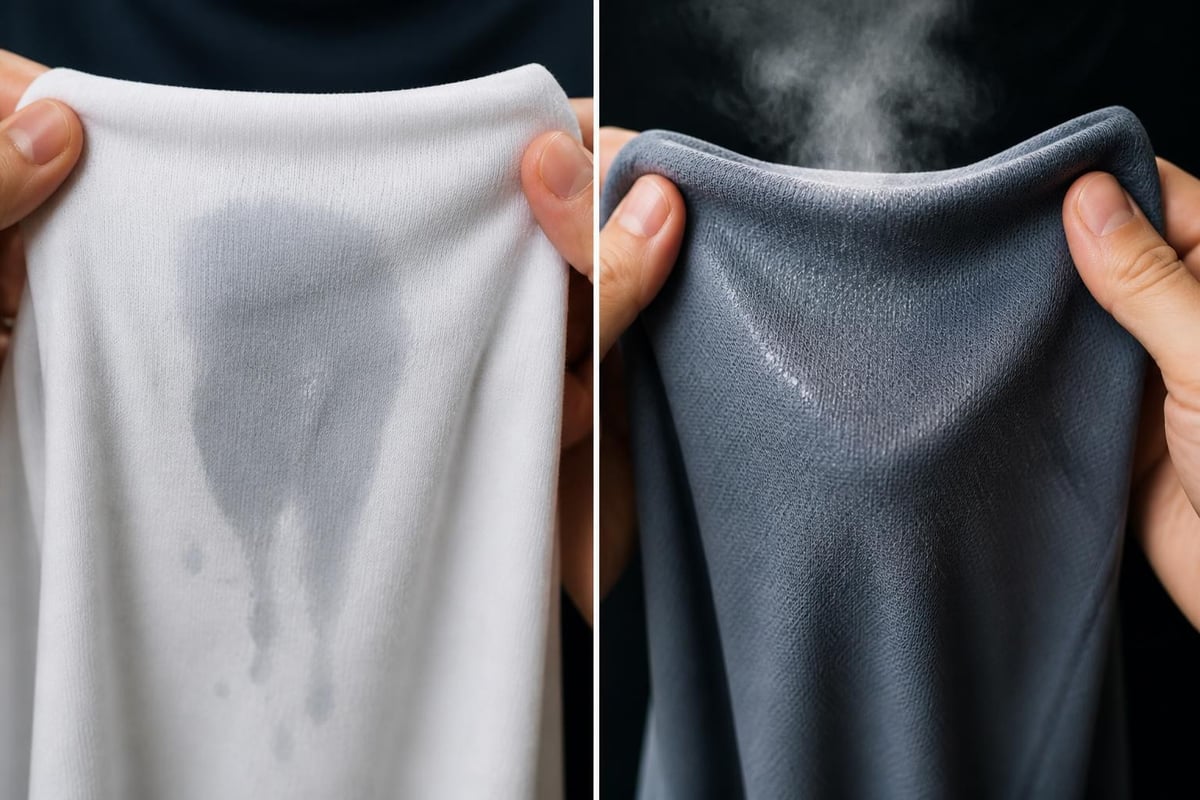
The foundation of performance cycling apparel lies in moisture-wicking fabrics. These materials pull perspiration away from skin, allowing it to evaporate quickly rather than saturating fabric and creating discomfort. This becomes critical during intense efforts when body temperature rises significantly.
Fabric Technology and Material Selection
Different materials serve distinct purposes in cycling wardrobes:
- Polyester blends offer durability and quick-drying properties
- Merino wool provides natural temperature regulation and odor resistance
- Lycra/Spandex ensures stretch and compression for muscle support
- Synthetic mesh panels maximize ventilation in high-heat zones
The comprehensive buyer's guide from Halfords explains how these materials function in different garment types, helping cyclists understand why dedicated cycling clothing outperforms general athletic wear.
Essential Cycle Clothes Components
Building a functional cycling wardrobe requires understanding how each piece contributes to overall comfort and performance. Strategic layering and appropriate selections for conditions separate enjoyable rides from miserable experiences.
Jerseys and Upper Body Wear
Cycling jerseys feature specific design elements that distinguish them from regular shirts. The elongated back accommodates forward riding positions, preventing fabric from riding up. Rear pockets provide accessible storage for nutrition, tools, and personal items without interfering with movement.
Key jersey features include:
- Longer back panel for coverage in riding position
- Zippered front for ventilation control
- Three rear pockets for essentials
- Silicone grippers at hem to prevent riding up
- Raglan or set-in sleeves for unrestricted arm movement
| Jersey Type | Best For | Temperature Range | Key Features |
|---|---|---|---|
| Short Sleeve | Warm weather riding | 20°C - 35°C | Maximum ventilation, lightweight |
| Long Sleeve | Cool conditions | 10°C - 20°C | Full arm coverage, thermal options |
| Sleeveless | Hot climates, indoor training | 25°C+ | Enhanced cooling, maximum breathability |
| Winter Base Layer | Cold weather foundation | Below 10°C | Thermal retention, moisture wicking |
Cycling Shorts and Lower Body Protection
Perhaps the most critical component of cycle clothes, padded cycling shorts dramatically improve saddle comfort. The chamois pad reduces friction and distributes pressure across sit bones, preventing chafing and discomfort during extended rides.
Quality shorts feature flatlock seams that minimize irritation points. Compression panels support major muscle groups, reducing fatigue during long efforts. The research on women's cycling clothing ergonomics demonstrates how proper fit and design specifically address anatomical differences and comfort requirements.
Layering Strategies for Variable Conditions
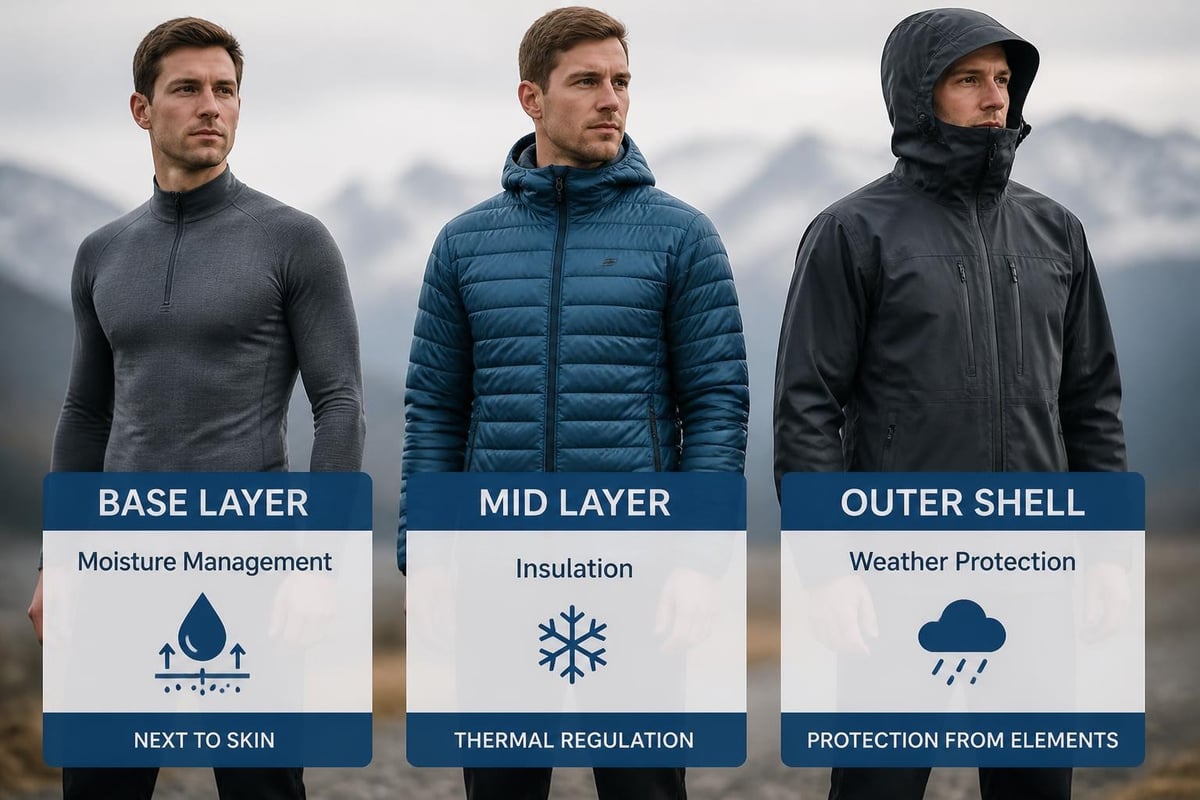
Successful cyclists master the art of layering, adapting their cycle clothes to changing weather and effort levels. The base layer, mid layer, and outer shell system provides flexibility across seasons.
Base Layer Foundation
Base layers sit against skin, managing moisture as the first defense against temperature extremes. In summer, lightweight, highly breathable options keep riders cool. Winter base layers trap warmth while still moving moisture away from the body.
Choose base layers that fit snugly without restriction. Loose fabric bunches under outer layers, creating discomfort and reducing effectiveness.
Mid Layers for Temperature Control
Mid layer options include:
- Thermal jerseys for moderate cold
- Gilets (vests) for core warmth with arm ventilation
- Light fleece for significant temperature drops
- Insulated jackets for extreme cold
The video guide to seasonal cycling clothing offers practical demonstrations of effective layering combinations for spring, summer, and fall conditions.
Weather Protection Outerwear
Shell jackets protect against wind and rain while maintaining breathability. Waterproof membranes like Gore-Tex or proprietary alternatives keep precipitation out while allowing sweat vapor to escape, preventing the clammy feeling of non-breathable rain gear.
| Feature | Benefit | When Most Important |
|---|---|---|
| Waterproof membrane | Keeps rain out | Wet conditions, long rides |
| Sealed seams | Prevents water entry | Heavy rain, extended exposure |
| Ventilation zippers | Regulates temperature | High-intensity efforts |
| Packability | Easy to carry | Uncertain weather, morning fog |
| Reflective elements | Visibility in low light | Dawn, dusk, overcast days |
Specialized Cycle Clothes for Different Disciplines
Road cycling, mountain biking, and commuting each demand specific apparel characteristics. Understanding these differences helps cyclists invest in appropriate gear for their primary riding style.
Road Cycling Apparel
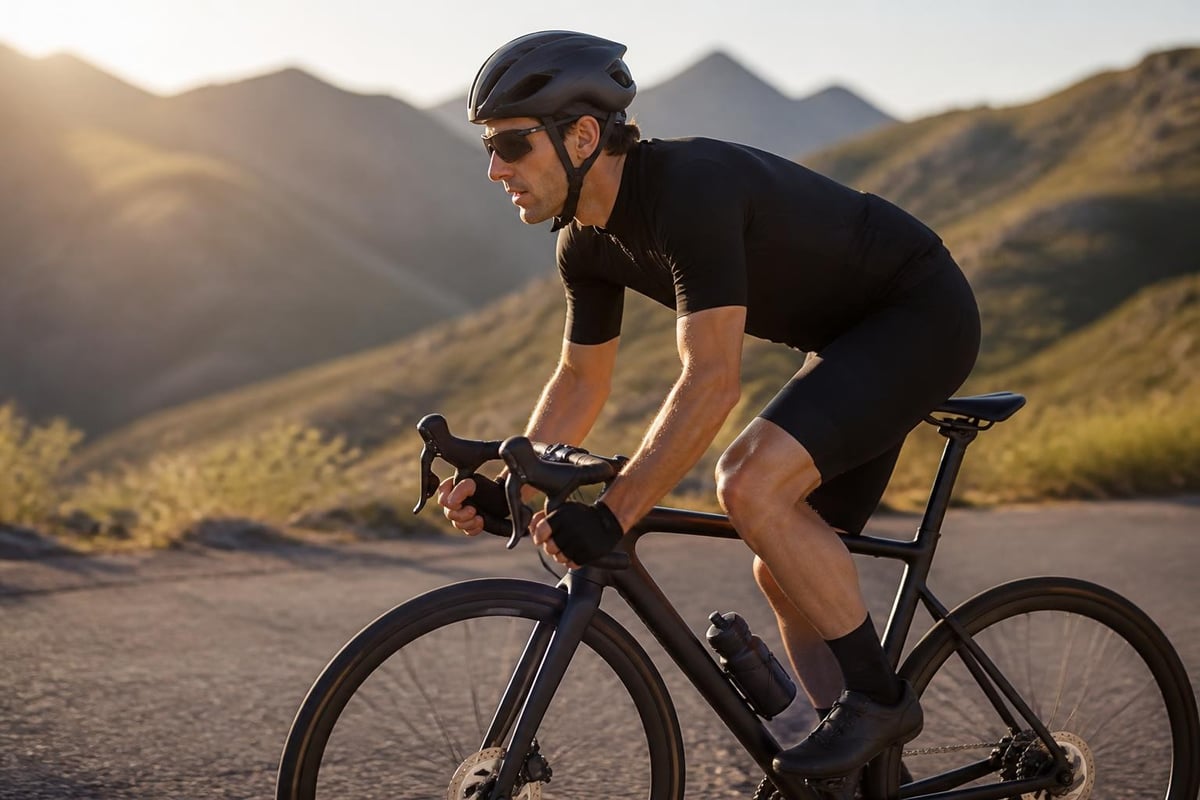
Road riders prioritize aerodynamics and weight reduction. Form-fitting jerseys and shorts minimize air resistance at higher speeds. Bright colors and reflective details enhance visibility on open roads shared with motor vehicles.
Premium road cycle clothes often incorporate aerodynamic fabrics with textured surfaces that manage airflow, reducing drag. These materials cost more but provide measurable performance benefits for competitive riders.
Mountain Biking Gear
Trail riders need durability and protection. Mountain bike-specific cycle clothes use tougher fabrics that resist tears from branches and crashes. Looser fits accommodate protective gear like knee and elbow pads.
Mountain bike clothing features:
- Reinforced panels in high-abrasion areas
- Larger pockets for tools and snacks
- Relaxed fit for protective equipment
- Earth tones that hide trail dirt
Many mountain bikers choose baggies (shorts that look like regular athletic shorts) with removable liner shorts containing the chamois pad. This provides padding benefits while maintaining a casual aesthetic.
Commuter Cycling Clothing
Daily commuters balance performance with practicality. Convertible garments that transition from bike to office environment serve dual purposes, eliminating the need for complete wardrobe changes.
Water-resistant fabrics protect clothing underneath during light rain. Reflective details become critical for urban riding in traffic. Some commuter-specific cycle clothes incorporate business-casual styling with technical performance features hidden within traditional appearances.
Cycling Gears Hub offers comprehensive selections across all cycling disciplines, ensuring riders find appropriate apparel whether they're racing, exploring trails, or navigating city streets. With options for every budget and riding style, selecting the right cycle clothes becomes straightforward.

Accessories That Complete Your Cycling Outfit
Beyond jerseys and shorts, several accessories significantly impact comfort and safety. These smaller items often make the difference between adequate and exceptional ride experiences.
Gloves for Control and Protection
Cycling gloves serve multiple functions. Padded palms reduce pressure on ulnar and median nerves, preventing numbness during long rides. In crashes, gloves protect hands from road rash. Fingerless summer gloves provide padding without overheating, while full-finger versions add warmth in cooler months.
Quality gloves feature:
- Strategic padding placement for nerve protection
- Breathable mesh panels across the back
- Absorbent terry cloth patches for wiping sweat
- Silicone or leather palms for grip
- Easy-off pull tabs between fingers
Footwear Fundamentals
Cycling-specific shoes transfer power efficiently through stiff soles that don't flex under pedaling forces. Clipless systems (which actually clip in, despite the name) connect shoes directly to pedals, improving pedaling efficiency and control.
Road cycling shoes prioritize stiffness and aerodynamics with smooth soles and three-bolt cleat systems. Mountain bike shoes use recessed two-bolt cleats that allow walking when off the bike. Commuters often choose touring shoes with moderate stiffness that function for both cycling and walking.
The beginner's guide to cycling clothing essentials covers these accessories in practical detail, demonstrating proper fit and usage for new cyclists.
Head and Eye Protection
Helmets remain the most critical safety accessory. Modern helmets balance protection, ventilation, and weight. Proper fit requires the helmet to sit level on the head, with straps forming a V beneath each ear.
Cycling-specific eyewear protects eyes from wind, debris, and UV radiation. Wraparound designs prevent peripheral light entry, reducing eye fatigue. Interchangeable lenses adapt to varying light conditions, with clear lenses for overcast days and dark tints for bright sunshine.
Caring for Your Cycle Clothes Investment
Quality cycling apparel represents significant investment that requires proper maintenance. Correct washing and storage extends garment life while maintaining performance characteristics.
Washing Best Practices
Technical fabrics demand gentle treatment. Wash cycle clothes after each use to remove salt, sweat, and bacteria that break down fibers and elastic. Cold water preserves elastic and prevents color fading.
Proper care steps:
- Turn garments inside out before washing
- Use technical sports detergent without fabric softener
- Wash in cold water on gentle cycle
- Air dry away from direct heat and sunlight
- Never use bleach or fabric softener
- Store in cool, dry location away from sunlight
Fabric softener coats fibers, reducing moisture-wicking capabilities. High heat damages elastic components, reducing compression and causing waistbands and leg grippers to lose tension.
When to Replace Worn Items
Even with excellent care, cycle clothes eventually wear out. Replace items when:
- Chamois padding compresses and loses thickness
- Seams begin separating or fraying
- Elastic loses grip, causing garments to sag
- Fabrics thin significantly or develop holes
- Moisture-wicking performance noticeably decreases
Budget-conscious cyclists should prioritize replacing shorts first, as worn chamois directly impacts ride comfort. Jerseys with cosmetic wear but intact technical properties can continue serving effectively.
Sizing and Fit Considerations
Proper fit determines whether cycle clothes deliver their intended benefits. Unlike casual clothing where loose fits dominate, cycling apparel performs best when snug against the body without restricting movement or circulation.
Understanding Cycling-Specific Sizing
Cycling brands often use European or Asian sizing that differs from standard American measurements. Always consult manufacturer size charts, taking measurements of chest, waist, and hips for comparison.
| Measurement Area | How to Measure | Why It Matters |
|---|---|---|
| Chest | Around fullest part | Jersey fit across shoulders |
| Waist | Natural waistline | Shorts placement and comfort |
| Hips | Widest part | Shorts leg opening fit |
| Inseam | Crotch to floor | Shorts and tights length |
Expect quality cycle clothes to feel tighter than street clothes when standing. The real test comes in riding position, where properly fitted garments move with your body without bunching, binding, or restricting blood flow.
Gender-Specific Design Differences
Men's and women's cycle clothes differ significantly beyond simple sizing adjustments. Women's shorts feature chamois designed for female anatomy, with different padding shapes and placement. Women's jerseys accommodate chest dimensions while maintaining aerodynamic fits.
Unisex items rarely serve either gender optimally. Investing in gender-specific cycle clothes ensures proper fit and maximum comfort, particularly for items like shorts where anatomical differences significantly impact comfort.
Climate-Specific Wardrobe Planning
Building an effective cycling wardrobe requires considering your local climate and typical riding conditions. Riders in temperate regions need different selections than those facing extreme heat or cold.
Hot Weather Essentials
In temperatures exceeding 25°C, moisture management becomes paramount. Lightweight jerseys with maximum ventilation keep core temperature manageable. Some riders in extreme heat choose sleeveless jerseys or even run shirtless on certain routes.
Light-colored fabrics reflect solar radiation better than dark colors. Mesh panels strategically placed across the back and sides enhance airflow. Caps or headbands worn under helmets absorb forehead sweat before it reaches eyes.
Cold Weather Layering
Winter cycling demands careful layering to maintain warmth without overheating. Start with thermal base layers in merino wool or synthetic thermal fabrics. Add insulated jerseys or jackets, then finish with windproof, water-resistant shells.
Cold weather must-haves:
- Thermal tights or leg warmers
- Winter gloves or pogies (handlebar mitts)
- Thermal caps or balaclavas under helmets
- Shoe covers to block wind and moisture
- Neck gaiters or buffs for face protection
Don't overdress. You should feel slightly cool for the first 10 minutes of riding. Body heat from exercise quickly warms properly layered cyclists. Starting warm leads to overheating and excessive sweating, which then causes chilling when effort decreases.
Budget Approaches to Building Your Wardrobe
New cyclists often feel overwhelmed by the cost of quality cycle clothes. Strategic purchasing allows gradual wardrobe development without compromising essential comfort and safety.
Priority Purchases for Beginners
Start with one quality pair of padded shorts. This single item provides the most dramatic comfort improvement for new riders. A basic short-sleeve jersey follows as the second priority, offering better performance than cotton t-shirts.
Budget remainder allows adding:
- Cycling-specific gloves for hand comfort
- Moisture-wicking base layer for versatility
- Lightweight jacket for weather protection
- Cycling cap for sun and rain protection
As experience grows and riding frequency increases, expand the wardrobe gradually. Sales at season changes offer opportunities to acquire quality cycle clothes at reduced prices. Previous-year colors and designs often receive significant discounts when new collections arrive.
When Premium Investment Pays Off
Certain items justify premium investment. Shorts with high-quality chamois dramatically outperform budget alternatives during rides exceeding two hours. Weather-protective shells with good breathability prevent the misery of being caught in unexpected rain.
Conversely, summer jerseys from mid-range brands often perform nearly as well as premium options. For items replacing frequently due to crashes or heavy use, mid-tier choices make financial sense.
Selecting appropriate cycle clothes transforms cycling from an activity you endure to one you genuinely enjoy, regardless of distance or conditions. The right combination of materials, fit, and layering keeps you comfortable while enhancing performance and safety on every ride. Whether you're just beginning your cycling journey or looking to upgrade worn gear, Cycling Gears Hub provides the comprehensive selection, expert guidance, and convenient purchasing options that over 10,000 Indian cyclists trust for their apparel and equipment needs.