

Choosing the right cycle clothing transforms every ride, whether you're commuting through city traffic, conquering mountain trails, or logging miles on open highways. Unlike ordinary athletic wear, dedicated cycling apparel is engineered with specific features that address the unique demands of pedaling for extended periods. From moisture-wicking fabrics and aerodynamic cuts to strategic padding and reflective elements, proper cycle clothing delivers comfort, performance, and safety benefits that generic sportswear simply cannot match. For Indian cyclists facing diverse weather conditions and terrain challenges, understanding what makes quality cycling apparel essential can significantly enhance your riding experience.
Understanding the Foundation of Cycle Clothing Design
Cycle clothing represents a specialized category of performance apparel that addresses biomechanical requirements unique to cycling. The extended forward-leaning position creates pressure points that standard athletic wear fails to accommodate. Professional designers develop cycling-specific garments with anatomical considerations, ensuring fabric panels align with body movements during pedaling motion.
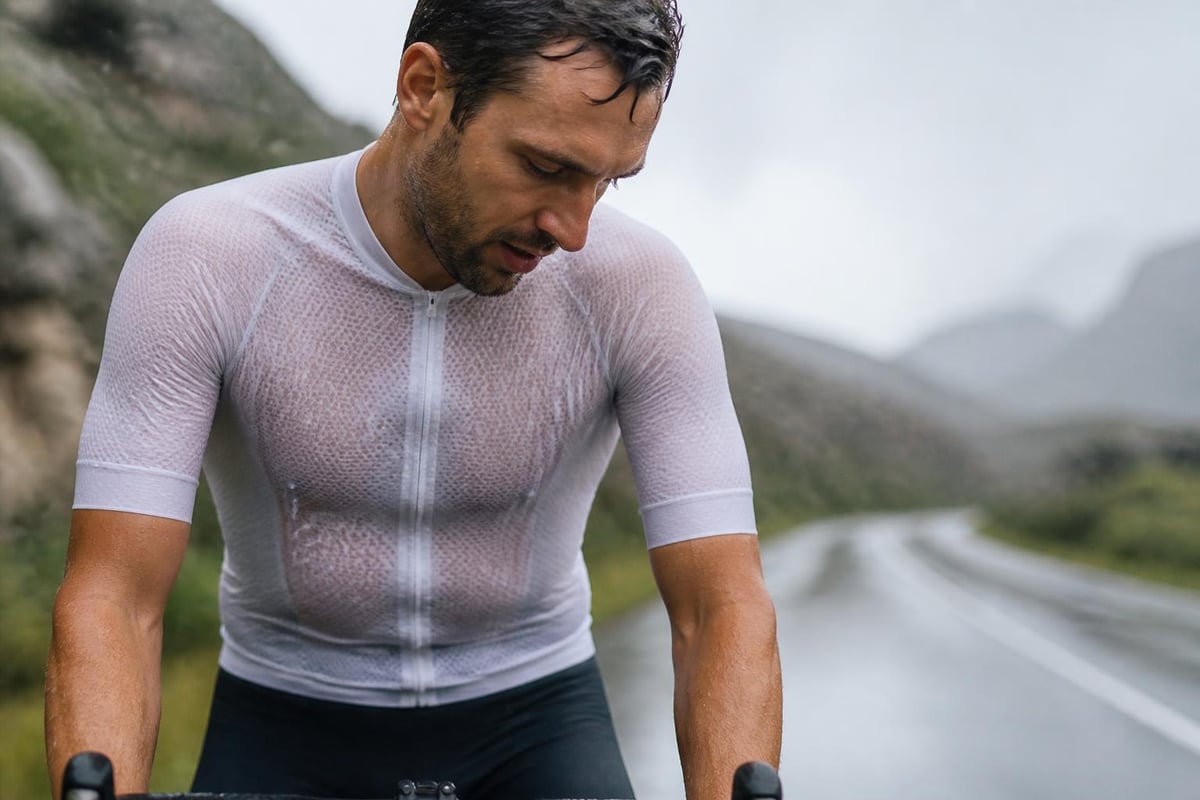
Modern cycle clothing incorporates advanced textile engineering that manages moisture, regulates temperature, and reduces wind resistance. These fabrics typically feature synthetic blends or merino wool compositions that wick perspiration away from skin while allowing air circulation. The difference becomes noticeable within the first kilometer, as proper cycling apparel keeps you dry while conventional cotton clothing retains moisture and creates discomfort.
Key Components That Define Quality Cycling Apparel
Several critical elements distinguish professional-grade cycle clothing from basic athletic wear:
- Anatomical construction with pre-curved sleeves and articulated panels
- Seamless or flat-seam technology to prevent chafing during repetitive motion
- Strategic ventilation panels positioned at high-heat zones
- Compression zones that support muscles without restricting movement
- Reflective elements integrated into design for visibility
The comprehensive cycling clothing guide from Halfords explains how each component contributes to overall performance. Understanding these features helps cyclists make informed purchasing decisions rather than relying solely on brand names or price points.
Jerseys: Your Upper Body Performance Layer
Cycling jerseys form the cornerstone of any cyclist's wardrobe, offering far more functionality than their simple appearance suggests. The distinctive design features a longer back panel that provides coverage when leaning forward, preventing exposure and keeping your lower back protected. Three rear pockets offer convenient storage for nutrition, tools, and personal items without requiring a backpack that would trap heat and create discomfort.
Fabric Selection and Seasonal Considerations
Different riding conditions demand varied fabric weights and constructions. Summer jerseys utilize ultra-lightweight materials with aggressive ventilation, while winter options incorporate thermal fabrics and wind-blocking panels. Cycling Weekly's review of the Attaquer OrbKnit jersey demonstrates how innovative knitting techniques create jerseys that adapt across temperature ranges.
| Jersey Type | Weight (g/m²) | Best Temperature Range | Key Features |
|---|---|---|---|
| Summer Race | 100-120 | 25°C+ | Maximum ventilation, lightweight |
| All-Season | 140-180 | 15-28°C | Balanced breathability, moderate insulation |
| Winter Base | 200-250 | 5-15°C | Thermal retention, wind protection |
| Extreme Cold | 280-350 | Below 5°C | Heavy insulation, weatherproof panels |
For Indian cyclists, selecting jerseys appropriate for regional climate variations ensures comfort across riding seasons. Coastal riders face humidity challenges requiring maximum breathability, while mountain cyclists need versatile options handling temperature fluctuations during elevation changes.
Shorts and Bibs: The Foundation of Riding Comfort
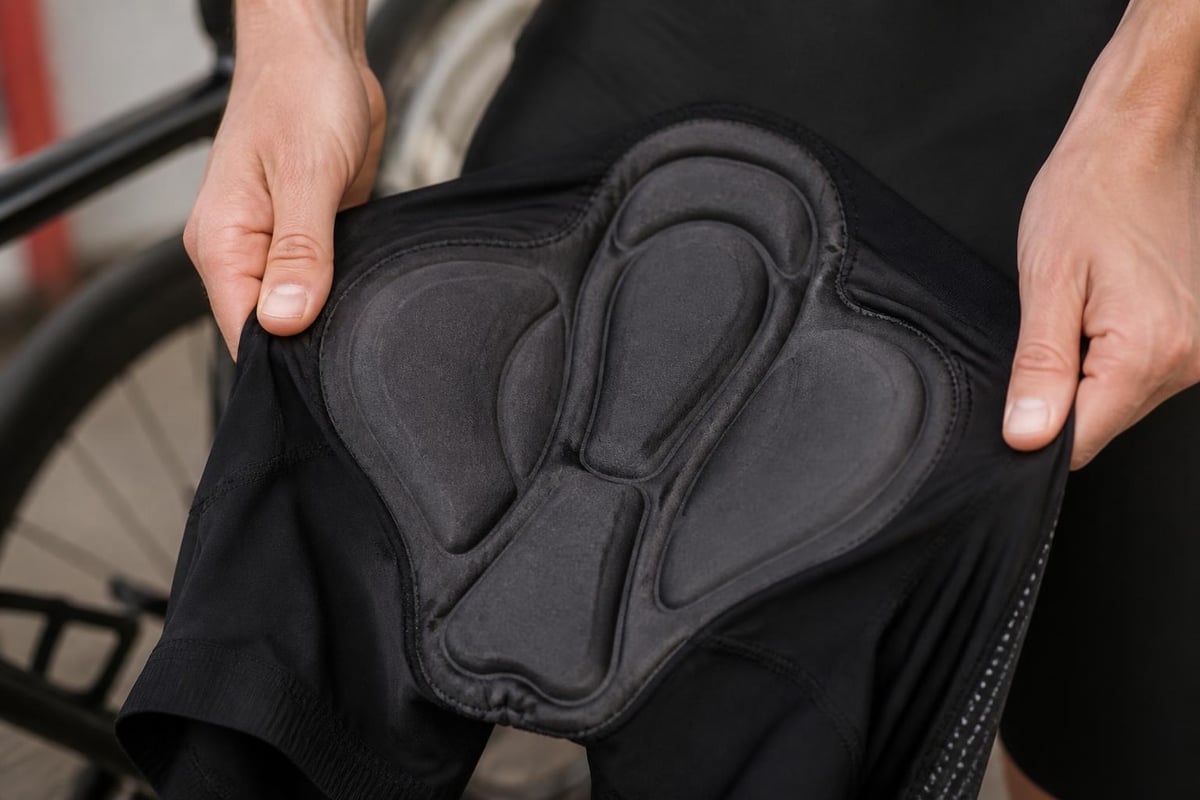
Nothing impacts ride quality more dramatically than proper lower-body cycle clothing. Cycling shorts and bib shorts feature chamois padding strategically positioned to cushion contact points between body and saddle. This specialized padding differs fundamentally from gel seat covers, as it moves with your body rather than shifting under pressure.
Bib shorts have gained popularity among serious cyclists because shoulder straps eliminate waistband pressure and prevent the garment from sliding down during rides. The continuous construction ensures consistent chamois positioning regardless of body movement. CyclingNews's evaluation of POC Women's Cadence Cycling Bib Shorts highlights how gender-specific designs address anatomical differences for optimal comfort.
Chamois Technology and Maintenance
Quality chamois construction uses multi-density foam that provides targeted cushioning without excessive bulk. Different thicknesses address various pressure zones, with denser padding at sit bones and softer material in areas requiring flexibility. Anti-bacterial treatments prevent odor development and maintain hygiene during extended rides.
Proper care extends chamois lifespan significantly. Always wash cycle clothing immediately after rides using mild detergent, never fabric softener which degrades padding materials. Air drying preserves elastic properties and prevents heat damage from dryers.
Layering Systems for Variable Conditions
Successful cycle clothing strategies employ layering principles that allow temperature regulation throughout rides. The three-layer system consists of base layers managing moisture, mid-layers providing insulation, and outer layers blocking wind and rain. This modular approach proves especially valuable for Indian cyclists encountering morning chill followed by midday heat.
Base layers should fit snugly without compression, creating a wicking surface that pulls moisture from skin. Merino wool excels in this role, offering natural temperature regulation and odor resistance across multiple wears. Synthetic options dry faster but may retain odors more readily.
Adapting to India's Diverse Climate Zones
India's geographic diversity creates unique challenges for cyclists assembling appropriate wardrobes:
- Coastal regions require lightweight, highly breathable fabrics with quick-dry properties
- Mountain areas demand versatile layering options handling rapid temperature changes
- Plains and urban centers benefit from UV-protective materials and ventilated designs
- Monsoon preparation necessitates waterproof shells and water-resistant base layers
The Rapha Pro Team Shadow range updates showcase how premium brands continuously refine fabric technology to address varying conditions. While high-end options offer cutting-edge features, mid-range cycle clothing from reputable sources provides excellent performance for most riders.
Essential Accessories That Complete Your Kit
Beyond jerseys and shorts, several smaller cycle clothing items significantly impact comfort and safety. Each piece addresses specific challenges cyclists encounter during rides.
Gloves protect hands from road vibration, prevent blisters, and provide padding for ulnar and median nerve areas. Fingerless summer gloves offer ventilation while maintaining palm protection, whereas full-finger winter gloves add warmth and weather protection. Many designs incorporate touchscreen-compatible fingertips for device operation without removal.
Arm and leg warmers create versatility without requiring multiple complete outfits. These tube-style accessories slide on or off easily, allowing temperature adaptation during rides. Gripper elastic at openings prevents slippage without uncomfortable constriction.
Cycling-specific socks feature compression zones, moisture management, and cuff heights optimized for shoe and cleat clearance. While seemingly minor, appropriate socks prevent blisters and hot spots that can derail long rides.
For riders seeking quality options, Cycling Gears Hub offers comprehensive selections of cycling apparel designed for Indian conditions, ensuring you find gear matching your specific riding requirements.

Fit and Sizing Considerations
Proper fit separates functional cycle clothing from uncomfortable garments that bunch, bind, or create aerodynamic drag. Cycling apparel typically runs smaller than casual clothing, designed to fit snugly without excess fabric. This close fit serves aerodynamic purposes and ensures features like chamois padding remain properly positioned.
Finding Your Correct Size
Most manufacturers provide detailed size charts correlating body measurements with garment sizes. Key measurements include:
- Chest circumference at the widest point
- Waist measurement at natural waistline
- Hip circumference around the fullest part
- Inseam length for bib and short sizing
When measurements fall between sizes, consider riding style and personal preference. Racers typically size down for maximum aerodynamic benefit, while recreational riders often prefer slightly looser fits prioritizing comfort over marginal speed gains. Research from studies on physiological responses to cycling clothing suggests that overly tight garments can impact thermoregulation and performance.
Visibility and Safety Features
Cycle clothing increasingly incorporates reflective elements and high-visibility colors that enhance rider safety during low-light conditions. Reflective strips positioned at moving body parts (ankles, arms) create attention-grabbing motion patterns more effective than static reflectors.
Fluorescent yellows, oranges, and bright whites maximize daytime visibility, helping motorists identify cyclists from greater distances. For commuters and those riding during dawn or dusk hours, prioritizing visibility features in cycle clothing selection provides crucial safety benefits beyond comfort or performance considerations.
Understanding essential cycling accessories for safety helps new riders build comprehensive gear collections addressing multiple protection aspects.

Caring for Your Investment
Quality cycle clothing represents a significant investment that proper maintenance protects. Following care guidelines extends garment lifespan while maintaining performance properties.
Washing and Storage Best Practices
- Wash after every ride using cold or warm water, never hot
- Use sport-specific or mild liquid detergents without additives
- Avoid fabric softeners that coat fibers and reduce wicking performance
- Turn garments inside-out to protect outer surfaces
- Air dry away from direct sunlight and heat sources
- Store in cool, dry locations avoiding prolonged compression
Chamois cream residue requires thorough rinsing to prevent bacterial growth. Pre-treating heavily soiled areas with gentle soap before machine washing improves cleaning effectiveness without harsh scrubbing that damages fabrics.
Budget Strategies for Building Your Wardrobe
Assembling a complete cycle clothing collection need not require massive expenditure. Strategic purchasing prioritizes essential items while gradually adding specialized pieces as budget allows.
Start with quality shorts or bibs, as comfort directly impacts ride enjoyment and duration. A versatile jersey suitable for your primary riding conditions forms the second priority. From this foundation, add pieces addressing your specific needs and riding frequency.
| Priority Level | Essential Items | Estimated Investment |
|---|---|---|
| Core Basics | 2 bib shorts, 2 jerseys, 1 pair gloves | ₹8,000-15,000 |
| Complete Season | Add 1 jacket, arm/leg warmers, winter gloves | ₹12,000-20,000 |
| Full Year Coverage | Summer and winter kits, rain gear, accessories | ₹20,000-35,000 |
Sales periods, previous season closeouts, and bundle offerings provide opportunities to acquire quality cycle clothing at reduced prices. Exploring cycling equipment options available in India reveals various price points accommodating different budgets without sacrificing essential performance features.
Specialized Clothing for Different Disciplines
Mountain biking, road cycling, and gravel riding each present unique requirements influencing optimal cycle clothing choices. Mountain bikers prioritize durability and protection, often selecting looser-fitting shorts with additional hip and thigh coverage. Road cyclists emphasize aerodynamics and lightweight construction, while gravel riders seek versatile options balancing performance with practical features.
Understanding your primary riding discipline helps focus purchasing decisions on garments delivering maximum benefit for your specific activities. Multi-discipline riders benefit from versatile mid-weight options rather than highly specialized pieces with limited applications.
Women-specific designs address anatomical differences through altered panel shapes, adjusted padding positions, and modified proportions. The growing availability of quality women's cycle clothing ensures female riders access properly fitting options rather than settling for adapted men's designs. Resources like women's cycling jerseys guide selection appropriate for female cyclists.
Making Informed Purchase Decisions
Research before purchasing cycle clothing prevents costly mistakes and ensures satisfaction with selected items. Reading detailed reviews, understanding fabric specifications, and considering intended use patterns leads to better choices than impulse buying based solely on appearance or discounts.
Consider total cost of ownership rather than just initial price. Durable, well-constructed garments justify higher upfront costs through extended service life and superior performance. Conversely, budget options requiring frequent replacement ultimately prove more expensive while delivering inferior comfort.
Evaluating return policies and trying garments during actual rides (when permitted) provides realistic assessment opportunities. How cycle clothing performs during 50-kilometer rides differs substantially from how it feels during brief fitting room evaluations.
Selecting appropriate cycle clothing significantly enhances every aspect of your cycling experience, from basic comfort to overall performance and safety. Understanding fabric technologies, fit requirements, and care practices empowers you to build a functional wardrobe matching your riding style and local conditions. Whether you're just beginning your cycling journey or looking to upgrade existing gear, Cycling Gears Hub provides the quality apparel and accessories trusted by over 10,000 Indian cyclists, with fast shipping, flexible payment options, and hassle-free returns ensuring your complete satisfaction.