

Understanding cycle price dynamics has become increasingly important for Indian cyclists as the market experiences significant shifts in 2026. Whether you're a professional rider seeking high-performance equipment or a beginner exploring your first purchase, comprehending the factors that influence bicycle pricing helps you make informed decisions and maximize your investment. The Indian cycling market presents unique challenges and opportunities, with prices varying dramatically across categories, brands, and quality tiers.
Market Dynamics Influencing Bicycle Pricing
The cycle price landscape in India reflects a complex interplay of global and local factors. Manufacturing costs, import duties, currency fluctuations, and supply chain logistics all contribute to the final retail price consumers encounter. Recent global events have reshaped how bicycles reach Indian markets, with major bike brands facing profitability challenges due to oversupply and economic instability.
Global Manufacturing Trends
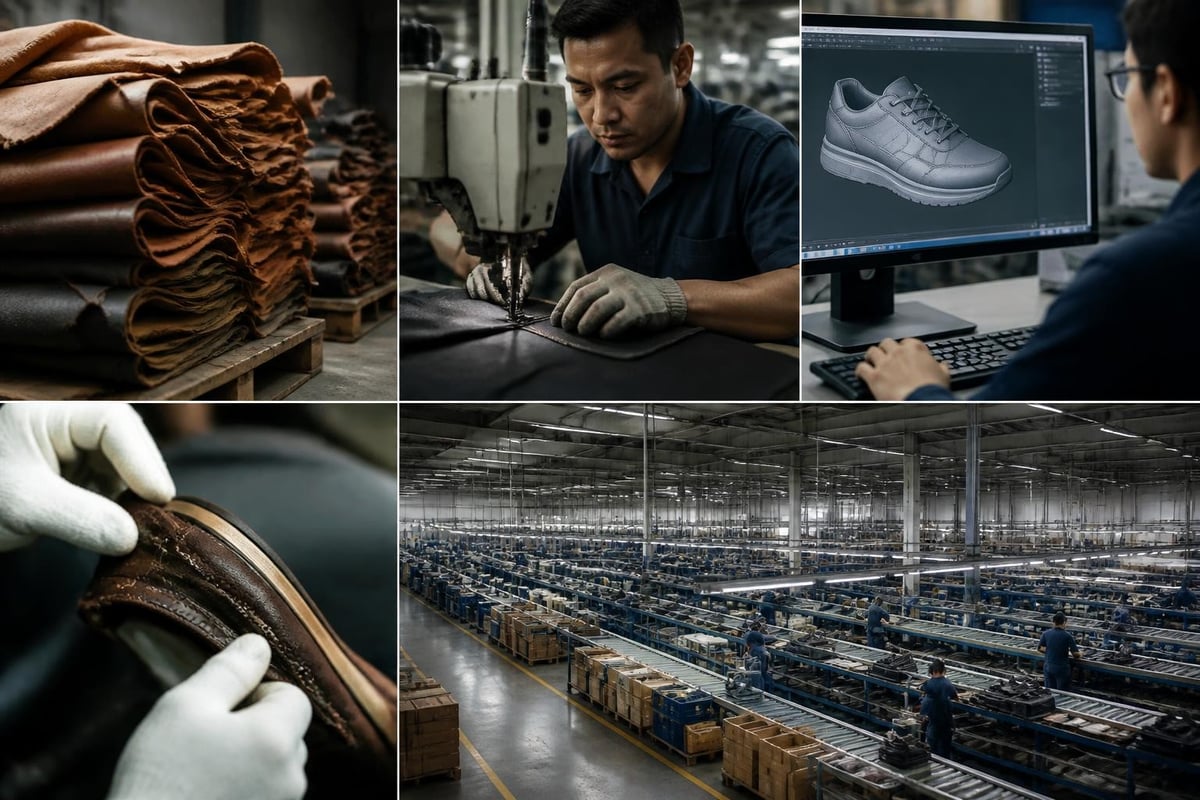
International manufacturing trends significantly impact domestic cycle price points. The emergence of Chinese factories launching their own high-end bike brands has introduced new competitive pressures across all market segments. These manufacturers, previously focused on OEM production, now compete directly with established brands, often offering comparable quality at lower price points.
Key manufacturing factors affecting prices:
- Raw material costs (aluminum, carbon fiber, steel)
- Labor expenses in production facilities
- Technology integration and R&D investments
- Quality control and testing standards
- Economies of scale in production volumes
Economic Pressures and Market Corrections
The bicycle industry experienced unprecedented demand during the pandemic years, leading to inventory buildups that now affect pricing strategies. Retailers and manufacturers are adjusting their approaches to clear existing stock while managing new production. This correction phase creates opportunities for consumers seeking value, but also uncertainty in predicting future price movements.
Market data shows interesting patterns. Bicycle sales in France declined significantly in 2025, with an 8.4% decrease in market value, illustrating broader trends that ripple across international markets. These global shifts influence how manufacturers price products for different regions, including India.
Understanding Price Segments in the Indian Market
The Indian bicycle market segments into distinct price categories, each serving different rider needs and expectations. Understanding these tiers helps you align your budget with realistic performance expectations and quality standards.
| Price Range | Typical Features | Best For | Expected Lifespan |
|---|---|---|---|
| Under ₹10,000 | Basic components, steel frames, limited gears | Casual riders, short commutes | 2-3 years |
| ₹10,000-₹25,000 | Aluminum frames, branded components, 18-21 gears | Regular commuters, fitness riders | 3-5 years |
| ₹25,000-₹50,000 | Performance components, lightweight materials | Enthusiasts, weekend riders | 5-7 years |
| ₹50,000-₹1,00,000 | Premium builds, specialized designs | Serious cyclists, competitive riders | 7-10 years |
| Above ₹1,00,000 | Professional-grade, carbon fiber, cutting-edge tech | Professional athletes, collectors | 10+ years |
Entry-Level Segment Analysis
Entry-level bicycles represent the most price-sensitive segment, where small variations in manufacturing costs significantly impact retail pricing. These bikes typically use standardized components and simpler manufacturing processes to maintain affordability. For beginners exploring cycling, understanding what drives pricing in this segment helps set appropriate expectations.
The 21-gear cycle price range varies considerably based on frame material, component quality, and brand positioning. Entry-level multi-gear bikes balance functionality with cost-effectiveness, making them accessible to wider audiences.
Mid-Range Market Positioning
Mid-range bicycles offer the best value proposition for most Indian cyclists. This segment benefits from economies of scale while incorporating quality components that enhance riding experience and durability. Prices in this range reflect investments in better materials, improved component groups, and more refined manufacturing processes.
Value drivers in mid-range cycles:
- Aluminum alloy frames offering strength-to-weight balance
- Shimano or SRAM entry-level to mid-tier components
- Improved braking systems (mechanical disc or v-brakes)
- Better wheel quality and tire specifications
- Basic suspension for mountain bike variants
Seasonal Variations and Timing Your Purchase
Cycle price fluctuations follow predictable seasonal patterns in India. Understanding these cycles helps you optimize purchase timing for maximum value. The market typically sees peak demand during cooler months (October through February) and reduced activity during monsoon and extreme summer periods.
Festival Season Pricing
Major Indian festivals drive significant promotional activity in the cycling market. Diwali, New Year, and regional celebrations often bring substantial discounts as retailers compete for consumer attention. However, cycle price reductions during these periods may apply selectively to specific models or older inventory rather than latest releases.
Strategic shoppers monitor pre-festival announcements and compare offerings across multiple retailers. The participation surge in cycling creates competitive pressure among sellers, potentially benefiting consumers through better pricing and financing options.
End-of-Season Clearances
Model year transitions present exceptional opportunities for value-conscious buyers. As manufacturers introduce new models, typically around August-September, previous year inventory requires clearance. Discounts during these periods can reach 20-30% off regular prices, though selection may be limited to available stock.
These clearance cycles affect different bicycle categories at varying times. Road bikes often see updates annually, while mountain bike model refreshes may follow different schedules. Tracking these patterns across categories you're interested in maximizes your chances of securing favorable pricing.
Component Quality and Price Relationships
The cycle price you pay directly correlates with component quality across all bicycle systems. Understanding this relationship helps you evaluate whether a bicycle offers genuine value or merely appears attractively priced.
Drivetrain Components
Drivetrain quality represents one of the most significant cost differentiators. Entry-level Shimano Tourney components might add ₹2,000-₹3,000 to bicycle cost, while mid-tier Shimano Deore components could contribute ₹8,000-₹12,000. Premium groupsets from Shimano XT, XTR, or SRAM Eagle systems can exceed ₹30,000 alone.
Drivetrain component hierarchy:
- Budget tier: Shimano Tourney, Altus (basic functionality)
- Entry performance: Shimano Acera, Alivio (improved durability)
- Mid-range: Shimano Deore, SLX (enthusiast grade)
- Premium: Shimano XT, XTR, SRAM GX, X01 (professional quality)
Frame Material Impact
Frame material choices fundamentally influence cycle price positioning. Steel frames offer durability and affordability but add weight. Aluminum provides excellent strength-to-weight ratios at moderate costs. Carbon fiber delivers premium performance with corresponding premium pricing.
| Material | Price Impact | Weight | Durability | Ride Quality |
|---|---|---|---|---|
| High-tensile steel | Lowest | Heavy | Good | Comfortable |
| Chromoly steel | Low-moderate | Moderate-heavy | Excellent | Very comfortable |
| Aluminum alloy | Moderate | Light | Good | Responsive |
| Carbon fiber | High | Very light | Moderate | Excellent |
| Titanium | Highest | Light | Excellent | Superior |
Smart Shopping Strategies for Indian Cyclists
Maximizing value requires strategic approaches beyond simply finding the lowest cycle price. Comprehensive evaluation of total ownership costs, resale value, and performance requirements guides better purchasing decisions.
Total Cost of Ownership
Smart buyers calculate beyond initial purchase price to understand complete ownership costs. Maintenance requirements, replacement parts availability, and upgrade potential all factor into long-term value. A bicycle priced ₹5,000 lower but requiring frequent repairs may ultimately cost more than a slightly pricier, better-built alternative.
Consider these ongoing costs when evaluating cycle price:
- Annual maintenance and tune-ups (₹2,000-₹5,000)
- Tire replacements (₹800-₹3,000 per set)
- Brake pad replacements (₹300-₹1,500)
- Chain and cassette replacement (₹1,500-₹8,000)
- Accessory investments for safety and comfort
For riders seeking quality cycling equipment in India, understanding these recurring expenses helps set realistic budgets that account for complete cycling needs beyond the bicycle itself.
Resale Value Considerations
Premium bicycles from established brands typically maintain better resale value than budget alternatives. This factor becomes particularly relevant for riders who upgrade regularly or purchase bicycles for growing children. Some brands command strong secondary market pricing, effectively reducing total ownership costs through higher recovery rates.
Research shows that certain high-quality children's bikes can recover substantial portions of purchase price upon resale. While this example focuses on a specific segment, the principle applies across categories where quality construction and brand reputation support secondary market demand.
Financing Options and Payment Flexibility
Modern retail practices have transformed how Indian consumers approach cycle price affordability. Multiple payment options reduce immediate financial burden while making quality bicycles accessible to broader audiences.
EMI and Zero-Cost Financing
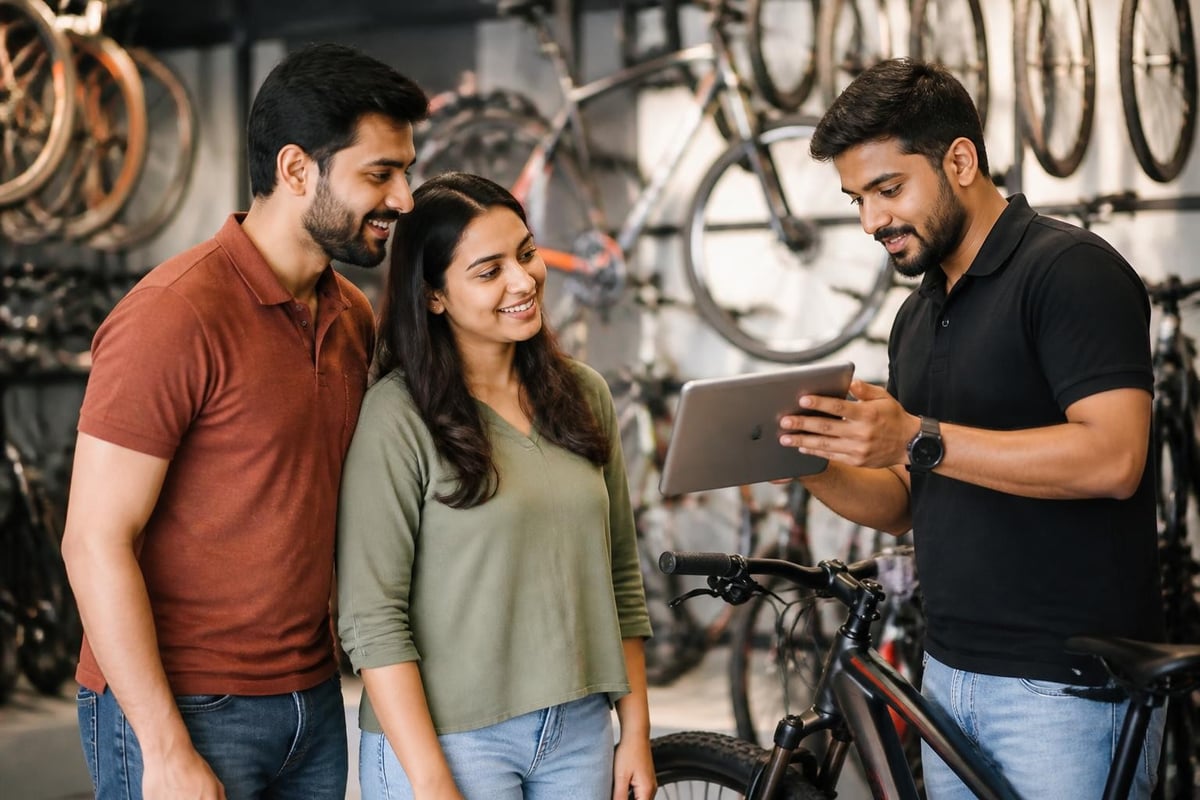
Equated monthly installments (EMI) spread cycle price across manageable periods, typically ranging from 3 to 12 months. Many retailers offer zero-cost EMI on purchases above certain thresholds, effectively providing interest-free financing. This option particularly benefits those seeking mid-range to premium bicycles where upfront costs might otherwise prove prohibitive.
EMI considerations for bicycle purchases:
- Compare processing fees across providers
- Verify zero-cost claims (some include hidden charges)
- Assess whether EMI term aligns with bicycle use plans
- Check prepayment options and penalties
- Confirm credit impact and documentation requirements
Cash on Delivery Benefits
Cash on Delivery (COD) remains popular among Indian consumers, offering payment security and purchase confidence. This option allows buyers to inspect bicycles before completing payment, reducing concerns about product quality or shipping damage. While COD may not reduce cycle price directly, it provides transaction security that many value highly.
For those exploring comprehensive options, Cycling Gears Hub - Premium Cycling Gear & Accessories offers flexible payment solutions including COD and EMI options, making quality cycling products accessible across different financial preferences.

Online Versus Offline Purchasing Dynamics
The channel through which you purchase significantly affects cycle price, service availability, and overall buying experience. Both online and offline retail present distinct advantages and limitations that influence value perception.
Online Marketplace Advantages
E-commerce platforms often present lower cycle price points due to reduced overhead costs and direct manufacturer relationships. Broader selection, easy price comparison, and detailed specifications help informed decision-making. Customer reviews provide insights into real-world performance and quality issues.
However, online purchases eliminate pre-purchase test rides and immediate expert guidance. Assembly requirements and potential shipping damage create additional considerations. Warranty servicing may also prove more complex compared to local dealer purchases.
Physical Store Benefits
Brick-and-mortar retailers offer hands-on evaluation, professional fitting, and immediate expert advice. Test rides confirm comfort and handling characteristics before commitment. Established relationships with local shops facilitate ongoing maintenance, warranty claims, and future upgrade consultations.
Physical stores may show higher cycle price compared to online alternatives, reflecting overhead costs and value-added services. Many cyclists find this premium worthwhile for personalized attention and convenient ongoing support.
Future Price Trends and Market Predictions
Looking ahead through 2026 and beyond, several factors will shape cycle price trajectories in India. Understanding these emerging trends helps with purchase timing and budget planning.
Technology Integration Costs
E-bike adoption continues accelerating globally, with pricing gradually becoming more accessible. Current e-bike prices in India range from ₹40,000 to over ₹3,00,000, with the segment expected to grow substantially. As battery technology improves and production scales increase, expect gradual price reductions in entry-level electric bicycles while premium models incorporate more sophisticated systems.
Smart bicycle features, including GPS tracking, performance monitoring, and connectivity systems, increasingly appear across price segments. These technologies add ₹3,000-₹15,000 to cycle price depending on sophistication and integration levels.
Supply Chain Evolution
Global supply chain restructuring following recent disruptions will continue influencing prices. Manufacturers diversifying production beyond traditional hubs may experience temporary cost increases before achieving new efficiencies. Currency fluctuations between the rupee and manufacturing countries' currencies will create ongoing price volatility.
Domestic manufacturing initiatives in India may gradually shift some cycle price dynamics as local production expands. Government policies supporting cycling infrastructure and domestic industry could influence both pricing and product availability positively.
Sustainability Premium
Environmental consciousness increasingly influences purchasing decisions, with sustainable manufacturing practices commanding premium positioning. Bicycles utilizing recycled materials, environmentally responsible production processes, and ethical labor practices often carry 10-15% higher prices compared to conventional alternatives.
This trend appears particularly strong among urban cyclists and younger demographics who prioritize environmental impact alongside performance. Expect this segment to expand with corresponding price positioning as sustainability becomes more mainstream in bicycle manufacturing.
Maximizing Value Beyond Initial Price
The smartest cycle price evaluation extends beyond the initial purchase to encompass complete cycling experience value. Strategic accessory investments, proper maintenance, and informed upgrade decisions contribute significantly to long-term satisfaction and cost-effectiveness.
Essential Accessory Budgeting
A complete cycling setup requires more than just the bicycle itself. Budget an additional 15-25% of cycle price for essential accessories ensuring safety and basic functionality. These include helmets, lights, locks, basic tools, and appropriate clothing for your riding conditions.
For comprehensive guidance, explore essential cycling accessories for beginners to understand which investments provide the best value for new cyclists building their gear collection.
Maintenance Investment Returns
Regular professional maintenance extends bicycle lifespan and preserves performance. Annual service costs typically run 5-8% of original cycle price but prevent expensive repairs and premature component replacement. Establishing relationships with quality service providers creates long-term value that far exceeds routine maintenance expenses.
Progressive Upgrade Strategies
Rather than purchasing the most expensive bicycle immediately, many experienced cyclists recommend starting mid-range and upgrading strategically based on actual needs and preferences discovered through regular riding. This approach often delivers better overall value than buying beyond current skill level or commitment.
Smart upgrade progression:
- Start with quality mid-range complete bicycle
- Ride regularly to identify specific needs and preferences
- Upgrade contact points first (saddle, grips, pedals)
- Enhance performance through wheel or drivetrain improvements
- Consider frame upgrade only when current limitations clearly identified
For those managing tighter budgets, exploring discount bike shop options and seasonal sales creates opportunities to access quality equipment at reduced prices without compromising safety or basic performance.
Understanding cycle price dynamics empowers Indian cyclists to make informed purchasing decisions that align budget with performance needs and quality expectations. Market factors, seasonal patterns, component quality, and total ownership costs all contribute to determining true value beyond initial price tags. Whether you're entering cycling for fitness, commuting, or competitive pursuits, Cycling Gears Hub provides access to quality bicycles, accessories, and expert guidance backed by flexible payment options and reliable service. Explore their comprehensive selection to find equipment that matches your cycling goals and budget requirements perfectly.