

The cycling bike has evolved dramatically over the past century, transforming from a simple mechanical device into a sophisticated piece of engineering designed for specific purposes and terrains. Whether you're commuting through urban streets, tackling mountain trails, or pursuing competitive racing, understanding the nuances of different cycling bikes is essential for making an informed purchase decision. With the Indian cycling market expanding rapidly and more riders embracing two-wheeled transportation for fitness, recreation, and sport, choosing the right cycling bike has never been more important. This comprehensive guide will walk you through everything you need to know about selecting, maintaining, and maximizing your cycling bike experience in 2026.
Understanding Different Types of Cycling Bikes
The modern cycling bike market offers an impressive variety of specialized designs, each engineered to excel in specific conditions and riding styles. Road bikes feature lightweight frames, drop handlebars, and narrow tires optimized for speed on paved surfaces. Mountain bikes incorporate robust frames, suspension systems, and knobby tires designed to handle rough terrain and technical trails.
Hybrid bikes bridge the gap between road and mountain designs, offering versatility for riders who encounter mixed terrain during their commutes or recreational rides. Gravel bikes have emerged as a popular category in recent years, combining the speed of road bikes with the durability needed for unpaved surfaces. According to Britannica's comprehensive overview of cycling, the sport has continuously evolved to meet diverse rider needs across various disciplines.
Road Bikes for Speed and Efficiency
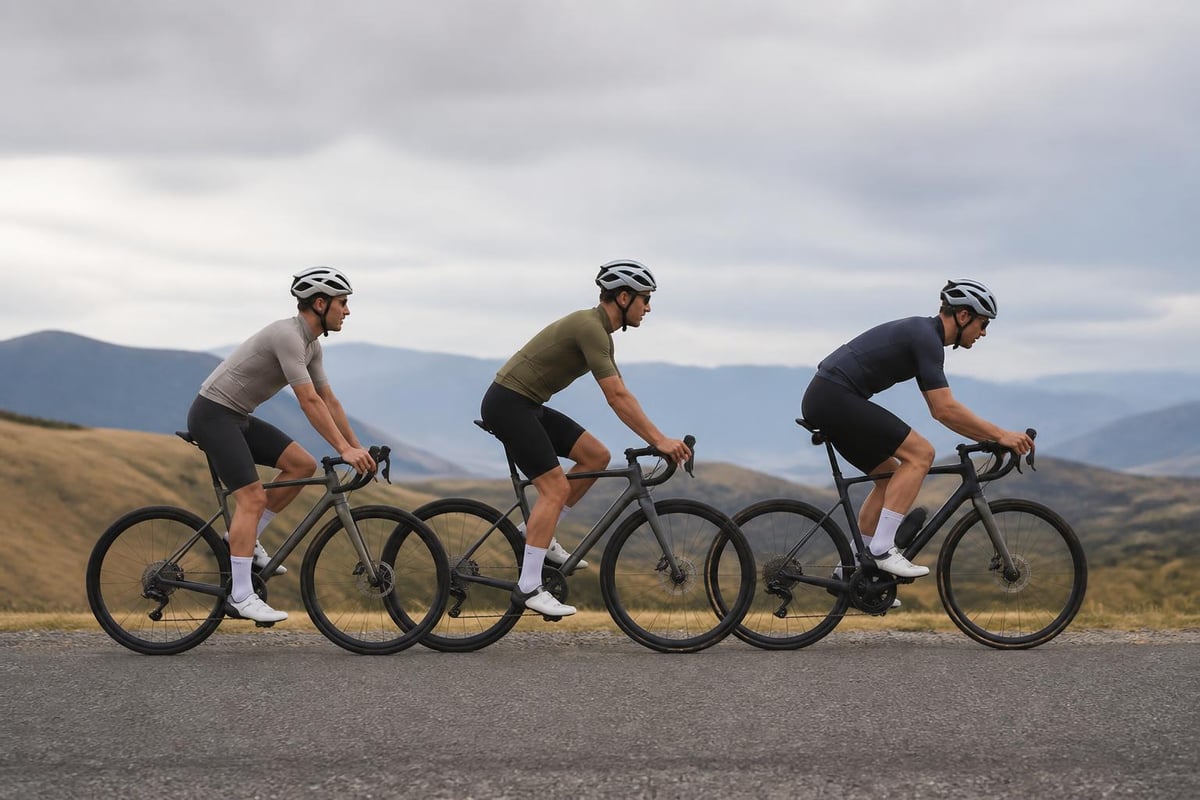
The road cycling bike remains the preferred choice for riders prioritizing speed, efficiency, and long-distance performance on paved roads. These machines feature aerodynamic frame geometry, lightweight materials like carbon fiber or aluminum, and components designed to minimize drag and maximize power transfer.
Key characteristics of road bikes include:
- Drop handlebars allowing multiple hand positions
- Narrow tires (23-28mm) reducing rolling resistance
- Lightweight frames typically weighing 7-9 kg
- Higher gear ratios optimized for flat and rolling terrain
Road bikes excel in group rides, competitive events, and fitness-focused training sessions. Indian cyclists looking for performance-oriented options should explore quality road bikes that balance weight, aerodynamics, and comfort.
Mountain Bikes for Off-Road Adventures
Mountain biking represents one of the fastest-growing segments in the cycling bike category, attracting riders who crave adventure and technical challenges. These bikes feature reinforced frames, powerful disc brakes, and suspension systems that absorb impacts from rocks, roots, and rough terrain.
Mountain bikes come in several configurations based on suspension design. Hardtail models feature front suspension only, offering efficiency for climbing and cross-country riding. Full-suspension bikes incorporate both front and rear shock absorption, providing superior control on aggressive descents and technical trails.
| Mountain Bike Type | Suspension Travel | Best Use Case | Weight Range |
|---|---|---|---|
| Cross-Country | 80-120mm | Racing, climbing | 10-13 kg |
| Trail | 120-150mm | All-mountain riding | 12-15 kg |
| Enduro | 150-180mm | Aggressive descents | 13-16 kg |
| Downhill | 180-220mm | Lift-accessed parks | 15-18 kg |
The Union Cycliste Internationale governs mountain biking competitions worldwide, establishing standards and promoting the discipline's growth across different categories.
Selecting the Right Cycling Bike for Your Needs
Choosing the appropriate cycling bike requires careful consideration of your riding goals, budget, physical characteristics, and local terrain. The wrong bike can lead to discomfort, inefficiency, and decreased enjoyment, while the right match enhances every aspect of your cycling experience.
Assessing Your Riding Style and Goals
Begin by honestly evaluating how you plan to use your cycling bike. Daily commuters need reliability, weather resistance, and practical features like fender mounts and rack compatibility. Weekend warriors prioritizing fitness may prefer lightweight road bikes that facilitate interval training and long endurance rides.
Recreational riders seeking versatility often find hybrid or gravel bikes ideal for mixed-terrain exploration. Competitive cyclists require specialized racing machines engineered for maximum performance within their chosen discipline. Consider documenting your riding patterns for one month to identify trends in distance, terrain, and frequency.
Questions to guide your selection:
- What percentage of riding occurs on paved versus unpaved surfaces?
- What are your primary cycling goals (fitness, competition, transportation, recreation)?
- How much time do you have for bike maintenance?
- What is your realistic budget including essential accessories?
- Do you plan to transport the bike frequently?
Bike Fit and Frame Sizing
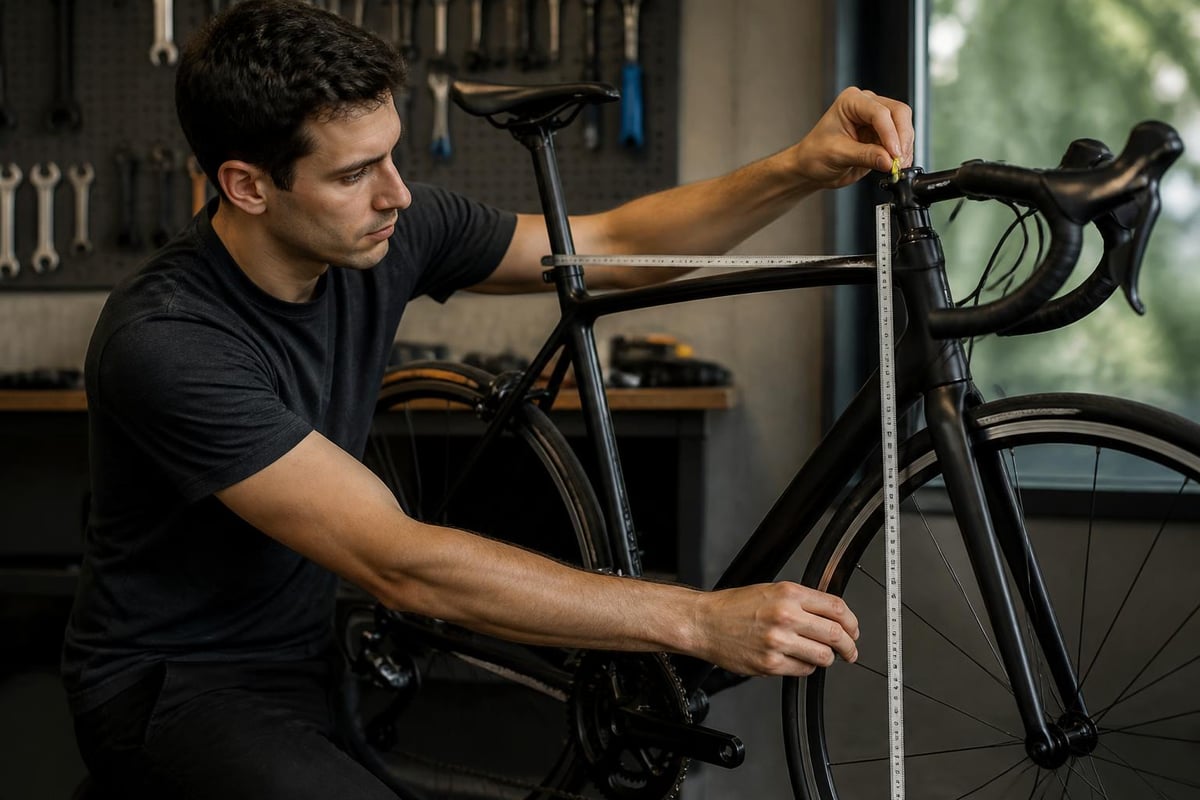
Proper fit represents the most critical factor in cycling bike selection, directly affecting comfort, efficiency, and injury prevention. An incorrectly sized frame can cause knee pain, back discomfort, neck strain, and reduced power output regardless of component quality.
Frame size depends on your height, inseam length, and riding style preferences. Road bikes typically use centimeter measurements (48cm, 52cm, 56cm) corresponding to seat tube length, while mountain bikes often employ small, medium, large sizing conventions. Professional bike fitting services analyze multiple measurements and adjust contact points to optimize your position.
The Redbud cycling training guide emphasizes proper bike fit as foundational to injury prevention and performance development. Key measurements include saddle height, saddle setback, handlebar reach, and handlebar drop.
Essential Components and Technologies
Modern cycling bikes incorporate sophisticated components and technologies that significantly impact performance, reliability, and maintenance requirements. Understanding these systems helps riders make informed decisions when purchasing or upgrading their bikes.
Drivetrain Systems
The drivetrain transfers power from your legs to the rear wheel through the pedals, crankset, chain, cassette, and derailleurs. Contemporary cycling bikes feature groupsets with 8 to 12 rear cogs, providing gear ratios suitable for various terrain profiles.
Electronic shifting systems offer precise, effortless gear changes at the push of a button, though they require battery charging and represent a higher initial investment. Mechanical drivetrains remain popular for their simplicity, reliability, and ease of maintenance. Quality drivetrains improve efficiency, reduce wear, and enhance the overall riding experience.
Brake Technologies
Braking systems have evolved considerably, with disc brakes becoming standard on most cycling bike categories by 2026. Disc brakes provide superior stopping power in all weather conditions, consistent performance during long descents, and reduced wheel wear compared to traditional rim brakes.
Hydraulic disc brakes offer exceptional modulation and require less hand force than mechanical systems, while cable-actuated disc brakes maintain easier field serviceability. Rim brakes remain viable for weight-conscious road cyclists riding primarily in dry conditions. Understanding brake compatibility with your frame and wheels is essential when considering upgrades or replacements.
| Brake Type | Stopping Power | Weather Performance | Maintenance | Weight |
|---|---|---|---|---|
| Rim (Caliper) | Good | Fair | Easy | Lightest |
| Mechanical Disc | Very Good | Excellent | Moderate | Medium |
| Hydraulic Disc | Excellent | Excellent | Specialized | Heavier |
Bicycling magazine's gear section provides detailed reviews comparing brake systems across different cycling bike categories and price points.
Maintaining Your Cycling Bike
Regular maintenance extends your cycling bike's lifespan, ensures reliable performance, and prevents costly repairs. Establishing a systematic maintenance routine appropriate to your riding frequency and conditions protects your investment and enhances safety.
Routine Cleaning and Lubrication
Chain lubrication represents the most frequent maintenance task, required every 100-200 kilometers depending on conditions. Clean chains operate more efficiently, shift more smoothly, and last significantly longer than neglected ones. Use degreaser to remove old lubricant and accumulated grime before applying fresh chain lube appropriate to your riding conditions.
Wet lubricants resist water washout during rainy rides but attract more dirt, while dry lubricants stay cleaner in dusty conditions but require more frequent application. Frame cleaning prevents corrosion and allows early detection of cracks or damage. Inspect brake pads, tire tread, and cable condition during each cleaning session.
Essential maintenance schedule:
- After every ride: Quick visual inspection, wipe down frame
- Weekly: Chain lubrication, tire pressure check
- Monthly: Detailed cleaning, bolt torque verification
- Quarterly: Brake pad inspection, cable housing assessment
- Annually: Professional service including bearing inspection and complete drivetrain evaluation
Component Replacement and Upgrades
Even well-maintained cycling bikes require component replacement as parts experience normal wear. Chains typically need replacement every 3,000-5,000 kilometers to prevent accelerated cassette and chainring wear. Brake pads wear based on riding conditions, with mountainous terrain and wet weather accelerating consumption.
Tires require replacement when tread indicators appear or sidewalls show cracking. Consider upgrading components strategically to improve performance without replacing your entire cycling bike. High-quality bartapes enhance comfort on long rides, while upgraded saddles can eliminate discomfort issues.
Training and Performance Optimization
Maximizing your cycling bike's potential requires developing fitness, technique, and tactical knowledge appropriate to your cycling discipline. Structured training programs produce measurable improvements in endurance, power, and speed.
Building a Training Foundation
New cyclists should focus on consistency rather than intensity, gradually increasing ride duration and frequency over several months. Base training develops aerobic capacity and muscular endurance supporting more intense efforts later. Include rest days allowing physical adaptation and recovery between training sessions.
Experienced riders benefit from periodized training plans incorporating base building, intensity development, and tapering phases aligned with event goals. Power meters provide objective feedback quantifying training load and improvements over time. Heart rate monitors offer affordable alternatives for monitoring effort levels and ensuring adequate recovery.
Nutrition and Hydration Strategies
Proper fueling significantly impacts cycling bike performance during training and events. Consume easily digestible carbohydrates before rides lasting over 90 minutes, targeting 30-60 grams per hour during extended efforts. Hydration requirements vary based on temperature, humidity, and individual sweat rates.
Cyclists typically need 500-750ml of fluid per hour in moderate conditions, increasing substantially in hot weather. Electrolyte replacement becomes critical during rides exceeding two hours or in high-temperature environments. Post-ride nutrition within 30 minutes accelerates recovery and prepares your body for subsequent training sessions.
Safety Considerations and Best Practices
Cycling bike safety encompasses equipment choices, riding techniques, and awareness practices that reduce accident risk and severity. Prioritizing safety allows you to enjoy cycling's benefits while minimizing exposure to preventable incidents.
Essential Safety Equipment
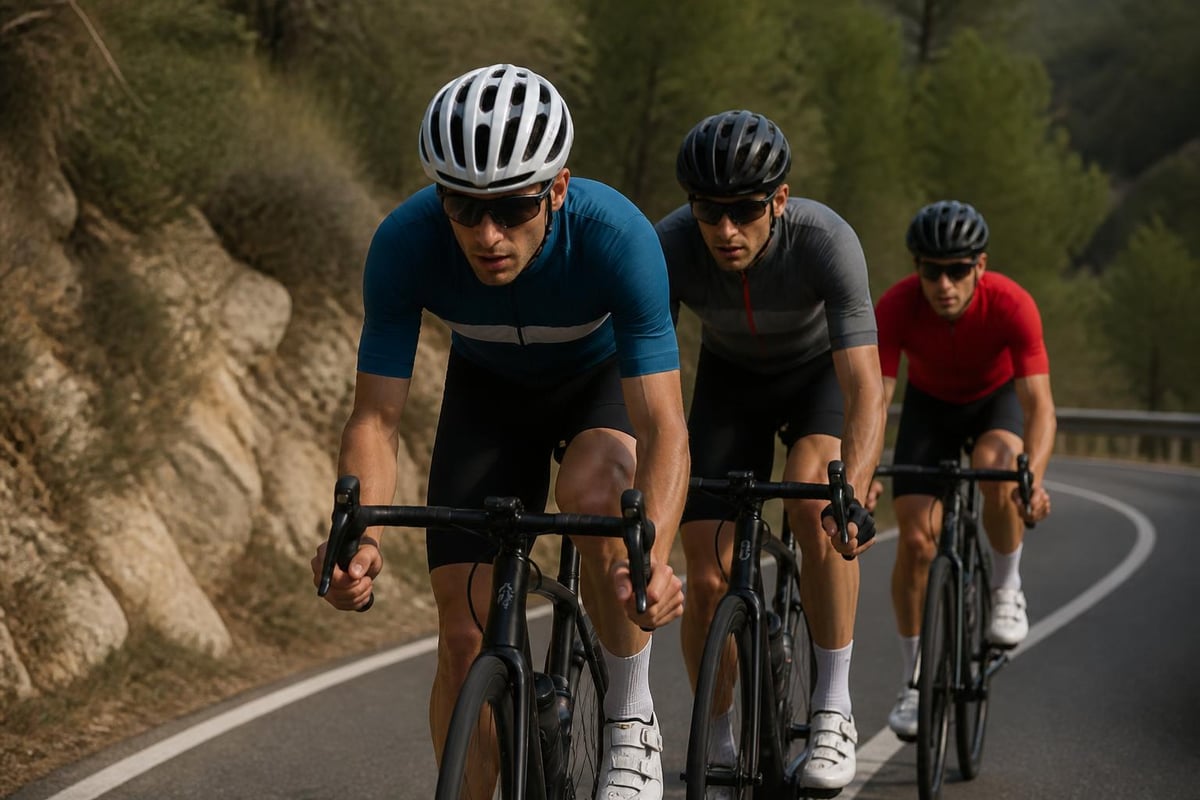
Helmets represent non-negotiable safety equipment, reducing head injury risk by approximately 70 percent during crashes. Replace helmets after any impact or every five years as materials degrade over time. High-visibility clothing increases conspicuity to motorists, particularly during dawn, dusk, and nighttime riding.
Front and rear lights have transitioned from optional accessories to essential safety equipment even for daytime riding. Research from CyclingNet's deep learning study demonstrates how technology can detect cycling near misses, emphasizing the importance of visibility in urban environments.
Required safety equipment:
- Properly fitted helmet meeting current safety standards
- Front white light (minimum 200 lumens for urban riding)
- Rear red light with flashing mode
- Reflective elements on bike and clothing
- Bell or horn for alerting pedestrians
Road Positioning and Awareness
Effective road positioning balances visibility, predictability, and safety margin from traffic. Ride approximately one meter from the curb to avoid debris, drainage grates, and opening car doors while remaining visible to motorists. Take the lane when necessary to prevent unsafe passing in narrow sections.
Scan ahead constantly, identifying potential hazards including potholes, gravel, pedestrians, and turning vehicles. Make eye contact with drivers at intersections to confirm they've seen you before proceeding. Signal intentions clearly using hand signals for turns and lane changes.
The Cycling Community and Resources
Joining the cycling community enhances enjoyment, provides learning opportunities, and creates accountability supporting consistent riding habits. India's growing cycling culture offers numerous opportunities for connection and development.
Group Rides and Clubs
Local cycling clubs organize regular group rides accommodating various skill levels and distances. Group riding develops bike handling skills, drafting techniques, and social connections with fellow enthusiasts. Many clubs offer mentorship programs pairing experienced cyclists with newcomers learning proper etiquette and techniques.
Virtual riding platforms have emerged as popular alternatives, allowing structured workouts and social interaction from home. These platforms simulate real-world cycling physics and enable riding with cyclists worldwide regardless of weather or time constraints. For those seeking premium equipment to enhance their cycling experience, Cycling Gears Hub - Premium Cycling Gear & Accessories provides comprehensive solutions trusted by over 10,000 Indian cyclists.

Educational Resources and Planning Tools
Numerous online resources provide cycling education covering mechanics, training, nutrition, and route planning. Velopedia serves as a comprehensive encyclopedia explaining modern cycling technologies and components. Academic research like the Propensity to Cycle Tool informs infrastructure development and route planning supporting safer cycling environments.
Mobile applications track rides, analyze performance metrics, and facilitate route discovery. Many apps incorporate social features allowing riders to share achievements, compare efforts on specific segments, and participate in virtual challenges. Educational content helps cyclists make informed decisions about equipment purchases, training methodologies, and safety practices.
Economic and Environmental Benefits
Investing in a quality cycling bike delivers substantial economic and environmental returns beyond the initial purchase price. Transportation cost savings, health improvements, and environmental benefits compound over years of regular riding.
Cost Analysis and Savings
Cycling bikes require minimal operating costs compared to motorized transportation. After the initial equipment investment, ongoing expenses include periodic maintenance, component replacement, and accessory purchases. Commuters eliminating car trips save on fuel, parking, insurance, and vehicle depreciation.
Calculate potential savings by tracking eliminated car trips and multiplying by your per-kilometer driving cost. Many Indian cities have implemented cycling infrastructure improvements and incentive programs supporting bike commuting. Factor long-term health cost savings from regular cardiovascular exercise when evaluating cycling's economic impact.
Environmental Impact Reduction
Every kilometer traveled by cycling bike rather than automobile prevents approximately 200 grams of carbon dioxide emissions. Annual commuters replacing short car trips with cycling can eliminate over one ton of CO₂ emissions while reducing traffic congestion, noise pollution, and parking demand.
Cycling infrastructure investments generate positive returns through reduced road maintenance costs, improved public health outcomes, and enhanced urban livability. Supporting cycling-friendly policies and infrastructure development creates sustainable transportation networks benefiting entire communities. Organizations like Cycling Gears Hub contribute by making quality cycling equipment accessible to riders across India, supporting the growth of sustainable transportation adoption.
Customization and Personalization
Transforming a stock cycling bike into a personalized machine tailored to your preferences enhances comfort, performance, and aesthetic satisfaction. Strategic upgrades and customization choices reflect individual priorities and riding styles.
Performance Upgrades
Wheels represent the most impactful upgrade for most cycling bikes, affecting acceleration, climbing efficiency, and overall ride quality. Lighter wheelsets reduce rotational mass, improving responsiveness and reducing effort during accelerations. Aerodynamic wheel profiles benefit riders maintaining higher sustained speeds on flat terrain.
Contact points including saddles, handlebars, and pedals significantly influence comfort and efficiency. Experiment with different saddle widths, padding densities, and shapes to identify optimal support for your anatomy. Handlebar width and shape affect aerodynamics, control, and comfort during extended rides.
Aesthetic Customization
Personal expression through cycling bike aesthetics creates emotional connection and pride of ownership. Custom paint schemes, decals, and color-coordinated components transform functional machines into artistic expressions. Handlebar tape, bottle cages, and saddle choices offer opportunities for coordinating colors and materials.
Functional accessories including computers, lights, and storage solutions should complement your bike's aesthetic while serving practical purposes. Balance visual appeal with performance requirements, ensuring modifications support rather than compromise your cycling goals. Many riders photograph their customized bikes documenting evolution through various upgrade stages.
Selecting and maintaining the right cycling bike requires understanding your specific needs, investing in proper equipment, and committing to ongoing learning and skill development. Whether you're pursuing competitive racing, fitness improvement, daily commuting, or recreational exploration, the perfect cycling bike awaits with appropriate research and consideration. Cycling Gears Hub supports your cycling journey with premium gear, accessories, and expert guidance backed by fast shipping, flexible payment options, and hassle-free returns designed specifically for the Indian cycling community.