

Mountain biking has evolved into one of the most exhilarating outdoor activities, combining physical fitness, technical skill, and an intimate connection with nature. For cycling enthusiasts in India and around the world, cycling mtb represents not just a sport but a lifestyle that challenges both body and mind. Whether you're navigating rocky terrain in the Western Ghats or exploring forest trails in the Himalayas, understanding the fundamentals of mountain biking will transform your riding experience from basic trail exploration to confident adventure seeking.
Understanding the Fundamentals of Cycling MTB
Mountain biking differs significantly from road cycling in nearly every aspect. The terrain demands constant adjustments, split-second decisions, and a unique set of physical and mental capabilities. Unlike smooth pavement riding, cycling mtb requires you to read the trail ahead, anticipate obstacles, and maintain control over constantly changing surfaces.
The sport encompasses several disciplines, each with distinct characteristics and requirements. Cross-country (XC) focuses on endurance and climbing efficiency, trail riding balances versatility with fun, enduro combines timed downhill sections with untimed climbs, and downhill racing emphasizes speed and technical prowess on steep descents. Understanding these categories helps riders identify their interests and choose appropriate equipment.
Key factors that define mountain biking include:
- Varied terrain including rocks, roots, mud, sand, and steep gradients
- Technical features such as drops, jumps, berms, and switchbacks
- Environmental challenges like weather conditions and altitude changes
- Equipment designed for durability, suspension, and traction
- Skills development focused on balance, timing, and bike handling
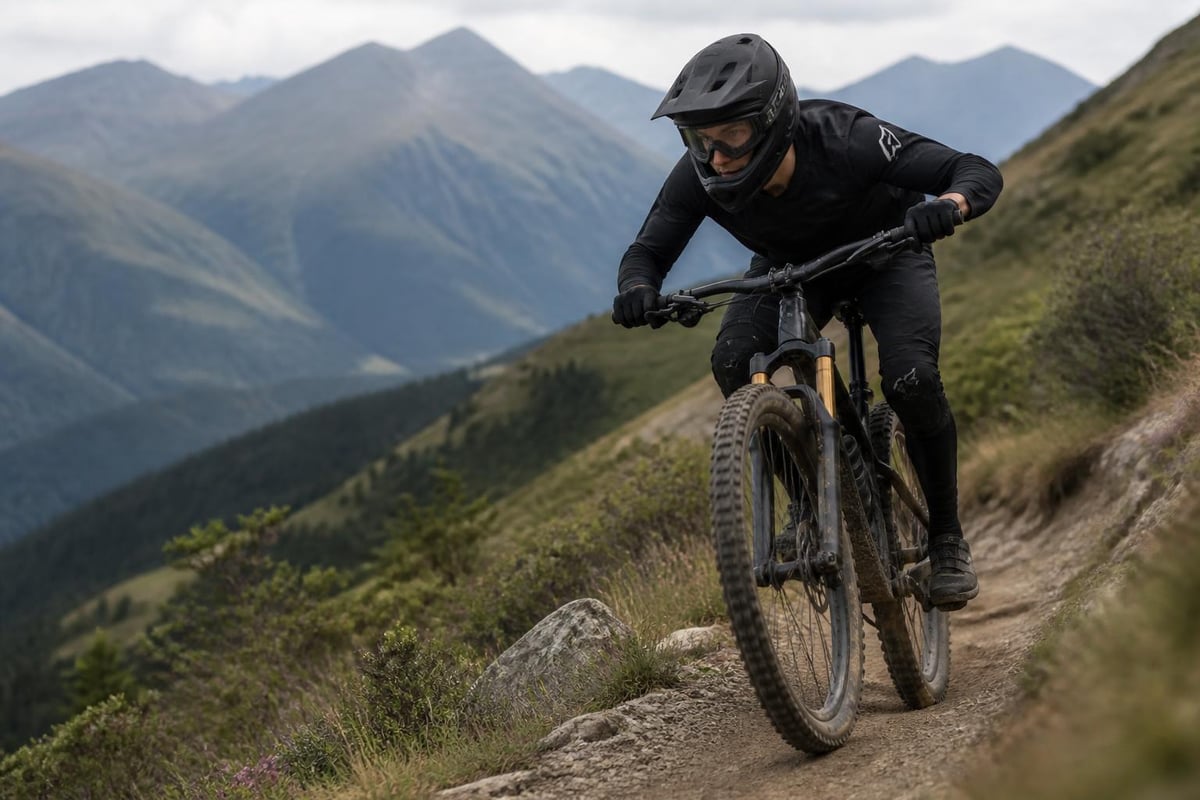
Choosing the Right Mountain Bike for Your Riding Style
Selecting an appropriate mountain bike represents one of the most important decisions for anyone entering the cycling mtb world. The market offers numerous options, each designed for specific riding styles and terrain types. Your choice should reflect your skill level, preferred trails, and long-term goals in the sport.
Frame Material and Geometry Considerations
Modern mountain bikes utilize several frame materials, each offering unique characteristics. Aluminum frames provide excellent durability and value, making them popular among beginners and intermediate riders. Carbon fiber offers superior strength-to-weight ratios but comes at a premium price point. Steel frames deliver classic ride quality with natural flex and durability, while titanium combines the best properties of steel and aluminum for those with larger budgets.
Geometry significantly impacts how a bike handles on different terrain. Slack head angles improve stability at high speeds and on steep descents, while steeper angles enhance climbing efficiency and quick handling. Reach and stack measurements determine rider positioning, affecting comfort and control during extended rides.
| Bike Type | Suspension Travel | Best Terrain | Skill Level |
|---|---|---|---|
| Cross-Country | 80-120mm | Smooth trails, climbs | Beginner to Advanced |
| Trail | 120-150mm | Mixed terrain | Intermediate to Advanced |
| Enduro | 150-180mm | Technical descents | Advanced |
| Downhill | 180-200mm+ | Steep, rough descents | Expert |
Suspension Systems and Their Impact
Suspension technology has revolutionized cycling mtb, transforming how bikes absorb impacts and maintain traction. Hardtail bikes feature front suspension only, offering efficiency for climbing and smoother trails while requiring more technical skill on rough descents. Full-suspension bikes include both front and rear shock absorption, providing superior comfort and control on challenging terrain.
Understanding suspension setup proves critical for optimal performance. Air shocks allow precise pressure adjustments based on rider weight and preference, while coil shocks deliver consistent performance across varying temperatures. Rebound and compression damping settings control how quickly suspension extends and compresses, directly affecting traction and stability.
Essential Gear and Components for Mountain Biking Success
Beyond the bike itself, cycling mtb requires specific equipment to ensure safety, comfort, and performance. Quality gear protects riders from injuries while enhancing the overall experience on challenging trails. Cycling Gears Hub offers comprehensive selections of mountain biking essentials, from protective equipment to performance-enhancing accessories, trusted by thousands of riders across India.

Protection and Safety Equipment
Helmet selection remains paramount in mountain biking safety. Full-face helmets provide maximum protection for downhill and enduro riding, covering the entire head and jaw area. Half-shell helmets offer adequate protection for cross-country and trail riding while maintaining ventilation and reduced weight. Modern helmets incorporate MIPS (Multi-directional Impact Protection System) technology, reducing rotational forces during impacts.
Additional protective gear includes:
- Gloves with padding and grip enhancement for better control
- Knee and elbow pads that absorb impacts without restricting movement
- Eye protection through quality sunglasses or goggles
- Body armor for aggressive riding or bike park sessions
- Proper footwear with stiff soles and adequate grip
The U.S. Forest Service provides comprehensive safety guidelines for mountain bikers, emphasizing the importance of proper equipment and responsible riding practices.
Critical Components and Maintenance
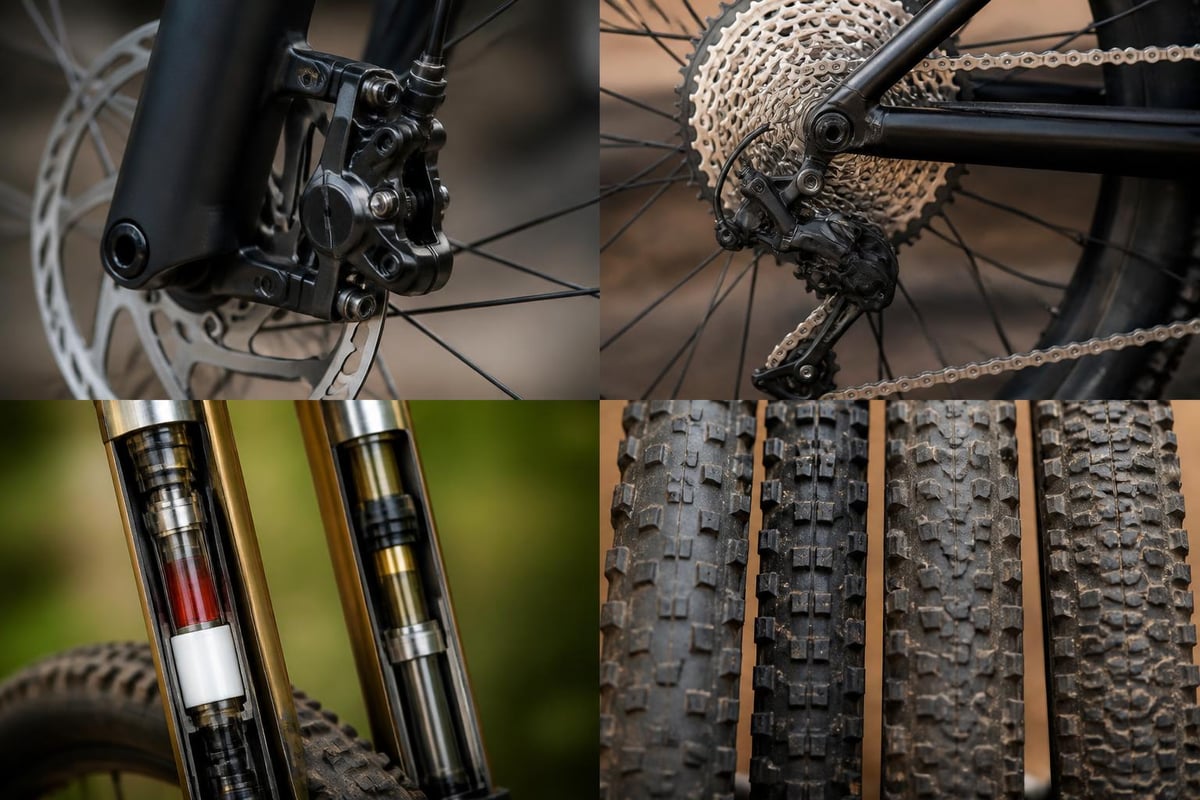
Reliable components ensure consistent performance on demanding trails. Brake systems require particular attention, with hydraulic disc brakes offering superior stopping power and modulation compared to mechanical systems. Regular inspection of brake pads and rotors prevents performance degradation and potential safety issues.
Drivetrain components endure significant stress during cycling mtb. Modern 1x (single chainring) systems simplify shifting while reducing weight and maintenance requirements. Quality chains and cassettes ensure smooth gear transitions across varied terrain, particularly important when climbing steep gradients or accelerating out of technical sections.
Mastering Technical Skills and Riding Techniques
Developing proper technique separates confident riders from those who struggle on technical terrain. Cycling mtb demands continuous skill refinement, from basic balance to advanced maneuvers. Even experienced riders benefit from revisiting fundamentals and incorporating new techniques into their repertoire.
Body Positioning and Weight Distribution
Correct body position forms the foundation of effective mountain biking. The attack position-knees and elbows bent, weight centered over the bike, eyes focused ahead-provides stability and readiness for immediate adjustments. This neutral stance allows quick weight shifts in any direction, essential for navigating obstacles and maintaining traction.
Weight distribution changes based on terrain:
- Climbing: Shift weight forward to maintain front wheel traction while preventing rear wheel slippage
- Descending: Move weight backward to prevent going over the handlebars on steep sections
- Cornering: Lean the bike while keeping body upright, weighting the outside pedal
- Technical sections: Lower center of gravity and remain flexible to absorb impacts
Expert demonstrations of downhill techniques showcase how professional riders maintain control through proper weight distribution and timing during challenging descents.
Braking Strategies for Different Terrain
Effective braking separates smooth riders from jerky, unstable ones. The front brake provides approximately 70% of stopping power but requires careful modulation to prevent going over the handlebars. The rear brake controls speed and helps maintain stability, particularly useful in loose or slippery conditions where front wheel traction proves limited.
Progressive braking-gradually increasing pressure rather than grabbing-maintains traction and control. On technical descents, brake before corners and obstacles rather than during them, allowing full focus on line selection and bike positioning. Understanding these principles reduces fatigue and increases confidence on challenging trails.
Trail Selection and Progression Strategies
Choosing appropriate trails accelerates skill development while maintaining safety and enjoyment. Cycling mtb offers trails ranging from gentle forest paths to extreme technical challenges. Research into trail difficulty classification demonstrates the importance of accurate grading systems for rider preparedness and safety.
Understanding Trail Rating Systems
Most trail systems use color-coded or difficulty-rated systems similar to ski slopes. Green circles indicate beginner-friendly trails with minimal technical features and gentle gradients. Blue squares represent intermediate trails featuring moderate climbs, descents, and obstacles requiring basic technical skills. Black diamonds designate advanced trails with steep sections, significant obstacles, and demanding technical features.
Double black diamonds or expert-only designations warn of extreme challenges including large drops, severe exposure, and features requiring advanced skills. Honest self-assessment prevents riders from attempting trails beyond their current capabilities, reducing injury risk while building confidence through appropriate progression.
Building Skills Through Progressive Challenges
Systematic skill development follows a logical progression. Begin with smooth, flowing trails that build confidence and basic bike handling. Gradually introduce technical features like small rocks, roots, and gentle climbs. As comfort increases, tackle steeper terrain, larger obstacles, and more complex trail features.
| Skill Level | Trail Features | Focus Areas | Practice Duration |
|---|---|---|---|
| Beginner | Smooth surfaces, gentle slopes | Basic balance, braking | 2-3 months |
| Intermediate | Rocks, roots, moderate climbs | Cornering, obstacles | 4-6 months |
| Advanced | Technical sections, steep descents | Drops, jumps, line choice | 6-12 months |
| Expert | Extreme terrain, significant exposure | All advanced techniques | Ongoing |
Fundamental mountain biking skills often overlooked by new riders can accelerate progression when properly understood and practiced.
Fitness and Training for Mountain Biking Performance
Physical conditioning significantly impacts cycling mtb enjoyment and capability. The sport demands cardiovascular endurance, muscular strength, power, and flexibility. A well-rounded training program addresses all these components while preventing overuse injuries common among mountain bikers.
Cardiovascular Conditioning
Aerobic fitness enables sustained efforts during long rides and extended climbs. Building cardiovascular capacity requires consistent training at various intensities. Zone 2 training-comfortable pace allowing conversation-develops aerobic base essential for endurance. Higher intensity intervals improve VO2 max and climbing power, critical for attacking steep sections and maintaining competitive speeds.
Cross-training activities complement on-bike work. Running builds leg strength and cardiovascular fitness with different movement patterns. Swimming provides low-impact cardiovascular training while developing upper body strength. Hiking with elevation gain mimics climbing demands while allowing active recovery.
Strength and Stability Work
Core strength proves fundamental for maintaining proper position and transferring power efficiently. Planks, side planks, and rotational exercises build the stability needed for technical riding. Leg strength through squats, lunges, and single-leg exercises improves power output during climbs and sprints.
Upper body strength often receives insufficient attention despite its importance in cycling mtb. Arms and shoulders absorb trail impacts, control steering inputs, and support body weight during descents. Push-ups, pull-ups, and rows develop the necessary strength and endurance for extended technical riding.
Bike Setup and Adjustment for Optimal Performance
Proper bike setup transforms riding experience by enhancing comfort, efficiency, and control. Cycling mtb bikes offer numerous adjustment points, each affecting different aspects of performance. Taking time to dial in these settings pays dividends through improved capability and reduced fatigue.
Suspension Tuning Fundamentals
Suspension setup begins with proper sag-the amount the suspension compresses under rider weight. Front suspension typically runs 20-30% sag for trail and enduro riding, while rear suspension uses 25-35% depending on riding style. Too little sag creates harsh ride quality and poor traction, while excessive sag reduces available travel and causes bottoming on larger impacts.
Rebound damping controls how quickly suspension extends after compression. Too fast creates a pogo effect, bouncing the bike and reducing control. Too slow prevents the suspension from extending before the next impact, progressively using more travel until bottoming occurs. Proper rebound allows smooth extension while maintaining tire contact with the ground.
Cockpit Configuration and Tire Pressure
Handlebar width, stem length, and grip positioning affect control and comfort significantly. Wider handlebars provide increased leverage for technical sections but may feel unwieldy on tight trails. Shorter stems quicken steering response while longer options improve stability at speed. Finding the optimal combination requires experimentation based on personal preference and riding style.
Tire pressure represents one of the most impactful yet frequently overlooked adjustments. Lower pressures increase traction and comfort but risk pinch flats and sluggish handling. Higher pressures reduce rolling resistance but sacrifice grip and ride quality. Optimal pressure depends on rider weight, tire volume, terrain conditions, and tubeless versus tubed setups. Quality tires designed for specific conditions further enhance performance when properly inflated.
Maintenance and Care for Mountain Bikes
Regular maintenance keeps cycling mtb equipment performing reliably while extending component lifespan. The harsh conditions encountered on trails accelerate wear, making systematic care essential. Understanding basic maintenance tasks empowers riders to handle common issues and recognize when professional service becomes necessary.
Cleaning and Lubrication Protocols
Post-ride cleaning prevents dirt and grime from accelerating component wear. Rinse the bike with low-pressure water, avoiding direct spray into bearings or suspension seals. Use bike-specific cleaners and brushes to remove stubborn dirt, paying particular attention to the drivetrain. Dry thoroughly and inspect for damage or unusual wear.
Lubrication schedule should include:
- Chain cleaning and lube application every 100-150 kilometers
- Pivot points on full-suspension bikes monthly
- Brake system inspection for fluid condition and pad wear
- Cables and housing checking for fraying or binding
- Suspension service according to manufacturer intervals
Component Inspection and Replacement
Regular inspection catches problems before they cause failures or safety issues. Check tire tread depth and sidewall condition, replacing when wear indicators appear or damage compromises integrity. Inspect brake pads for remaining material, considering replacement when less than 1-2mm remains. Examine the chain for elongation using a chain checker tool, replacing before excessive wear damages cassette and chainring teeth.
Halfords provides comprehensive safety guidance covering equipment inspection and maintenance best practices for mountain bikers.
Environmental Responsibility and Trail Etiquette
Sustainable cycling mtb practices preserve trail access and natural environments for future generations. Responsible riding demonstrates respect for landowners, other trail users, and ecosystems. Understanding and following established guidelines ensures the sport's continued growth and acceptance.
Leave No Trace Principles
Mountain bikers should minimize environmental impact through conscious choices. Stay on designated trails to prevent erosion and habitat damage. Pack out all trash including energy gel wrappers and broken equipment. Avoid riding on wet trails when conditions create ruts and lasting damage. Respect wildlife by maintaining distance and avoiding sensitive areas during breeding seasons.
Trail work and advocacy strengthen mountain biking communities. Volunteer for trail maintenance days organized by local clubs or land management agencies. Support organizations working to maintain existing trails and create new riding opportunities. Positive engagement with other user groups builds relationships that benefit all stakeholders.
Sharing Trails Safely and Courteously
Multi-use trails require awareness and consideration from all users. Yield to hikers and horseback riders, announcing your presence early and slowing to safe passing speeds. When approaching other riders, communicate clearly about passing intentions. Descending riders typically yield to climbing riders who have limited momentum and more difficulty restarting.
Control speed in areas with limited visibility or high user traffic. Excessive speed creates dangerous situations and negative impressions of mountain bikers. Demonstrate the courtesy and responsibility that maintains positive relationships between different trail user groups.
Nutrition and Hydration for Extended Rides
Proper fueling and hydration directly impact performance and enjoyment during cycling mtb adventures. The physical demands of mountain biking deplete energy stores and fluids rapidly, particularly during long rides or hot conditions. Strategic nutrition prevents bonking and maintains mental sharpness needed for technical riding.
Pre-Ride Nutrition Strategy
Consume a balanced meal 2-3 hours before riding, emphasizing complex carbohydrates for sustained energy release. Include moderate protein and minimal fat to avoid digestive discomfort. Oatmeal with fruit and nuts, whole grain toast with eggs, or rice with lean protein provide excellent pre-ride options. Avoid excessive fiber immediately before riding to minimize gastrointestinal issues.
Hydration begins well before the ride starts. Drink 500-750ml of water in the hours leading up to your ride, ensuring adequate baseline hydration. Add electrolytes to morning hydration if riding in hot conditions or for extended duration. Monitor urine color as a simple hydration indicator-pale yellow indicates proper hydration.
During-Ride Fueling Tactics
For rides exceeding 90 minutes, consume 30-60 grams of carbohydrates per hour to maintain energy levels. Options include energy gels, bars, dried fruit, or real food like sandwiches. Practice nutrition during training rides to identify what works best for your digestive system and preferences. Some riders tolerate solid food well while others prefer liquid or gel-based nutrition.
Hydration requirements vary based on intensity, temperature, and individual sweat rates. Aim for 500-750ml per hour as a baseline, adjusting based on conditions. Include electrolytes during rides longer than two hours or in hot weather to replace sodium and other minerals lost through sweat. Waiting until thirsty indicates dehydration has already begun.
Mountain biking offers unparalleled adventure, fitness benefits, and connection with nature through cycling mtb experiences that challenge and inspire riders of all levels. Success in this dynamic sport comes from understanding proper equipment selection, developing technical skills progressively, maintaining your bike diligently, and respecting the trails and environments we're privileged to explore. Whether you're just beginning your mountain biking journey or looking to upgrade your current setup, Cycling Gears Hub provides the quality gear, expert guidance, and reliable service that over 10,000 Indian cyclists trust for their riding adventures-with fast shipping, flexible payment options, and hassle-free returns to support your progression every pedal stroke of the way.