

The cycling industry continues to evolve rapidly in 2026, with cycling shops adapting to meet the demands of an increasingly sophisticated customer base. Whether you're a professional racer seeking high-performance components or a weekend enthusiast looking for your first quality bike, understanding what makes a cycling shop exceptional can transform your riding experience. The modern cycling shop represents far more than a retail space-it serves as a community hub, technical resource center, and trusted partner in your cycling journey.
What Defines a Successful Cycling Shop in 2026
A successful cycling shop balances product expertise with customer service excellence. The landscape has shifted dramatically over the past few years, with brick-and-mortar bike shops redefining success by focusing on personalized experiences that online retailers cannot replicate.
Key characteristics of thriving cycling shops include:
- Knowledgeable staff with hands-on riding experience
- Comprehensive product selection across multiple categories
- Professional fitting and consultation services
- In-house maintenance and repair capabilities
- Community engagement through group rides and events
The most successful cycling shops recognize that customers seek expertise alongside products. This means investing in staff training, maintaining current knowledge of industry trends, and creating an environment where cyclists feel comfortable asking questions regardless of their experience level.
Product Range and Inventory Management
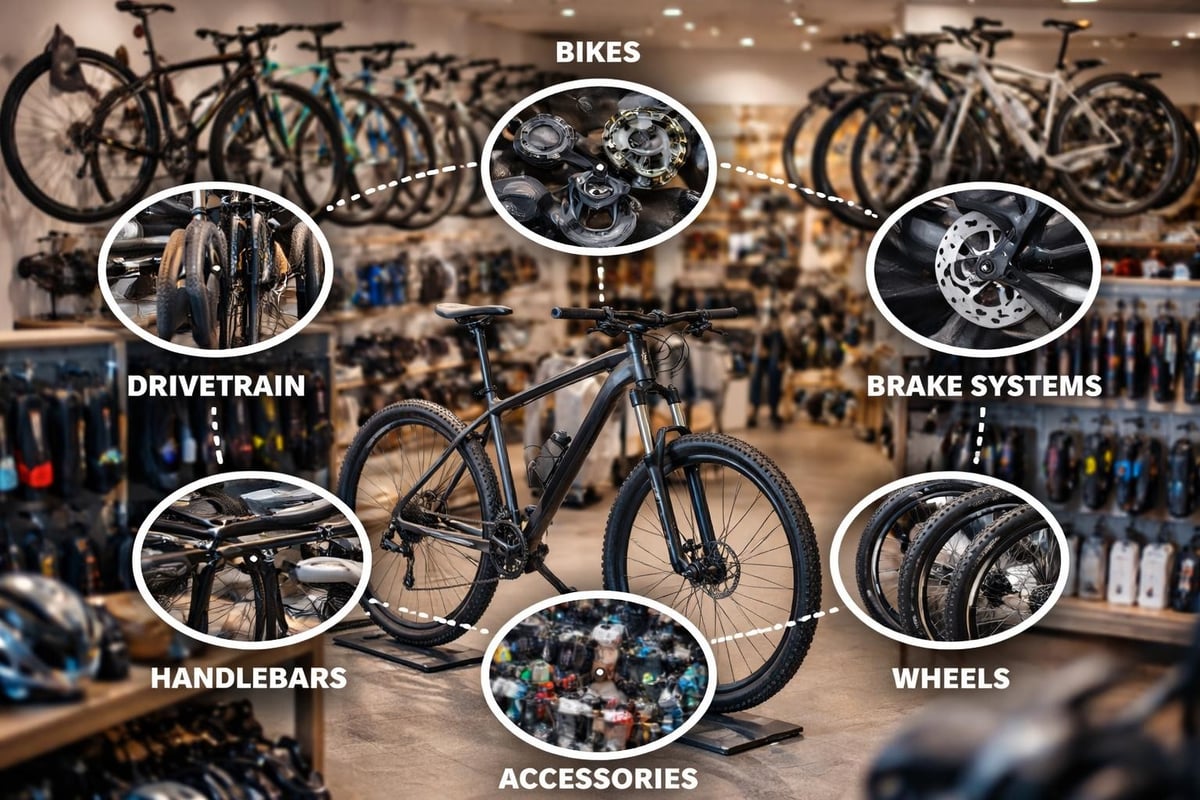
Modern cycling shops must carefully curate their inventory to serve diverse customer needs. Industry statistics reveal that shops with strategic product mixes consistently outperform competitors focused solely on bikes.
| Product Category | Inventory Priority | Customer Demand Level |
|---|---|---|
| Complete Bikes | High | Very High |
| Components & Parts | Very High | High |
| Accessories | High | Very High |
| Apparel | Medium | High |
| Maintenance Products | Medium | Medium |
A well-stocked cycling shop maintains depth in critical categories while offering breadth across complementary product lines. This includes essential components like brake pads and brake rotors, which represent regular replacement items that drive repeat business.
Customer Service Excellence in Retail Cycling
The cycling shop experience extends far beyond transactions. Customers increasingly value relationships with shops that understand their individual needs and riding goals. Personal consultation has become a competitive differentiator in an era where basic product information is readily available online.
Personalized Fitting Services
Professional bike fitting represents one of the highest-value services a cycling shop can offer. This technical expertise cannot be replicated through online shopping and creates lasting customer loyalty.
Comprehensive fitting services include:
- Body measurement and flexibility assessment
- Bike geometry analysis and recommendations
- Saddle positioning and selection
- Handlebar reach and drop adjustments
- Pedal and cleat alignment
- Test ride evaluation and fine-tuning
Shops offering these services often see customers return for component upgrades, knowing the staff understands their specific setup requirements. Quality saddles and seatposts become natural upgrade paths once customers experience proper fitting.
Technical Service and Repair
A cycling shop's service department can generate significant revenue while building customer trust. The complexity of modern drivetrain systems, hydraulic brakes, and electronic shifting means most cyclists need professional maintenance support.
Effective service departments maintain clear communication about repair timelines, provide accurate estimates, and stock common replacement parts. This includes maintaining inventory of frequently needed items like chains, cassettes, and brake cables.
Building Community Through Your Cycling Shop
The most impactful cycling shops function as community gathering spaces. This social dimension creates emotional connections that transcend typical retail relationships and fosters long-term customer retention.
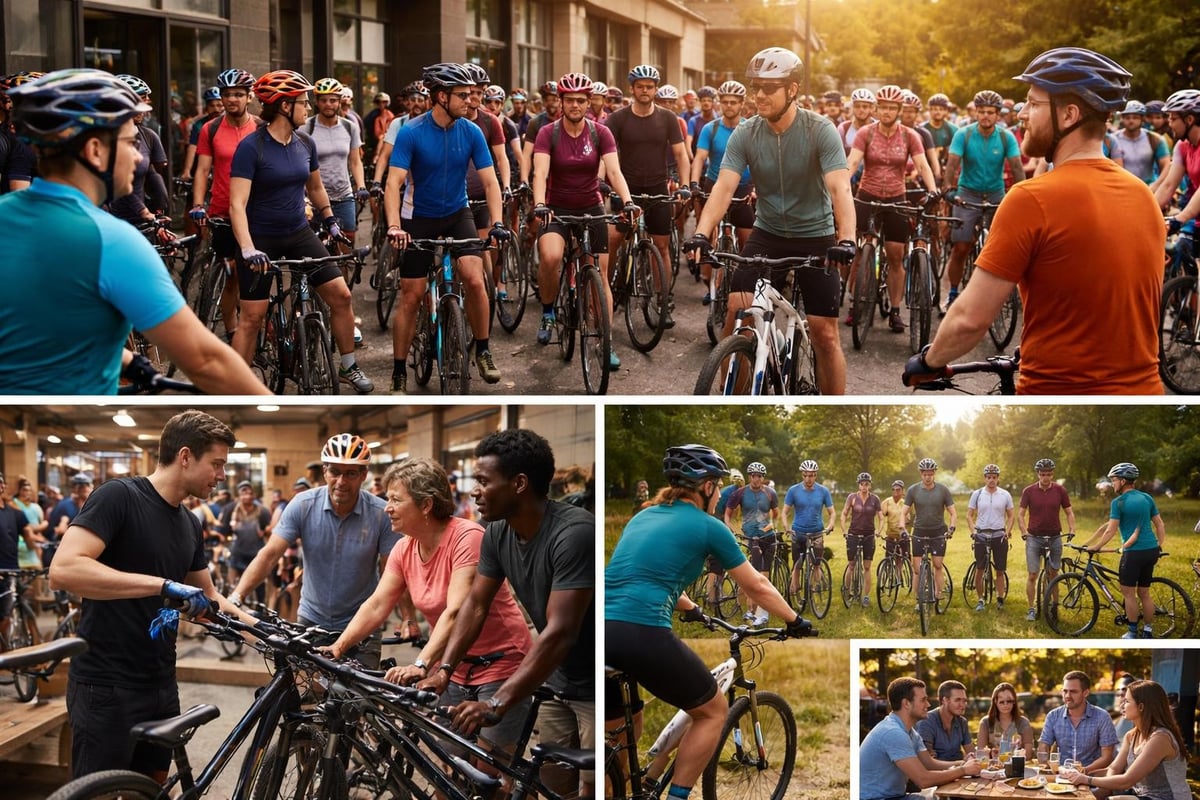
Group rides organized by a cycling shop serve multiple purposes: they introduce customers to local routes, create networking opportunities among riders of similar abilities, and demonstrate products in real-world conditions. New customers often discover their preferred cycling shop through friend recommendations following group ride experiences.
Educational Workshops and Clinics
Forward-thinking cycling shops host regular educational events covering topics from basic maintenance to advanced riding techniques. These workshops position the shop as an authority while providing tangible value to customers.
Popular workshop topics include:
- Flat tire repair and tube replacement
- Brake adjustment and maintenance
- Drivetrain cleaning and lubrication
- Wheel truing basics
- Seasonal bike preparation
Participants in these workshops become more knowledgeable cyclists who appreciate quality components and understand when professional service is necessary. They also develop deeper relationships with shop staff, increasing likelihood of future purchases.
Product Expertise and Brand Relationships
A cycling shop's reputation often rests on its ability to guide customers toward appropriate product choices. This requires deep knowledge of brand differences, component compatibility, and performance characteristics across price points.
Premium Components and Complete Bikes
Stocking complete bikes from respected manufacturers like Merida demonstrates a cycling shop's commitment to quality. However, the real value emerges in explaining differences between models and helping customers understand how frame geometry, component selection, and intended use intersect.
Staff expertise in component groups allows shops to recommend upgrades that deliver meaningful performance improvements. Understanding when to suggest a groupset upgrade versus individual component replacement requires both technical knowledge and honest assessment of customer needs.
| Component Level | Price Range | Target Customer | Performance Benefit |
|---|---|---|---|
| Entry | ₹15,000-30,000 | Beginners | Reliable, durable, easy maintenance |
| Mid-Range | ₹30,000-75,000 | Enthusiasts | Weight reduction, smoother operation |
| Performance | ₹75,000-150,000 | Serious Riders | Precision, efficiency, competitive edge |
| Professional | ₹150,000+ | Racers | Marginal gains, latest technology |
Accessory Knowledge and Safety Equipment
Many cycling shops underestimate the importance of accessory expertise. Customers rely on shop staff to recommend appropriate gear for their riding conditions and safety needs. This includes everything from proper tire selection to visibility equipment for commuters.
For riders looking to enhance their cycling experience with quality accessories and safety gear, Cycling Gears Hub - Premium Cycling Gear & Accessories offers a comprehensive selection of helmets, gloves, jerseys, lights, and sunglasses designed to improve comfort and performance across all riding conditions.
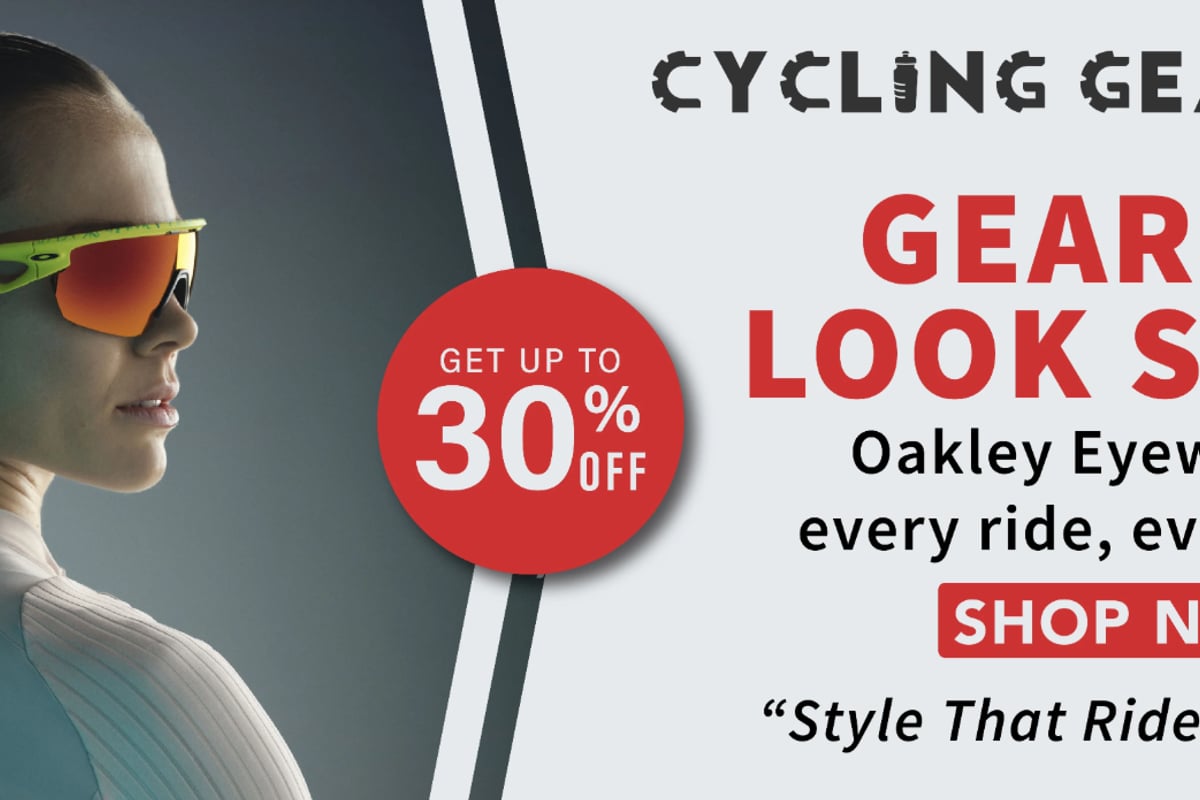
The cycling shop that excels in accessory recommendations creates multiple touchpoints with customers throughout the season, as needs change with weather conditions and riding goals.
Navigating Industry Challenges and Opportunities
The cycling retail landscape has experienced significant turbulence in recent years. Post-pandemic challenges including supply chain disruptions and shifting consumer demand patterns have forced cycling shops to adapt their business models.
Direct-to-Consumer Competition
Online retailers and direct-to-consumer brands have fundamentally altered the cycling shop competitive environment. However, the most successful shops recognize this as an opportunity to emphasize their unique value propositions rather than competing primarily on price.
Physical cycling shops offer tangible advantages that digital channels cannot replicate:
- Immediate product availability and instant gratification
- Hands-on evaluation before purchase
- Professional assembly and setup included
- Ongoing service relationships and warranty support
- Local expertise about riding conditions and routes
Smart cycling shops highlight these benefits while maintaining competitive pricing on key items that customers research online before purchasing.
Market Trends and Consumer Behavior
Understanding broader market dynamics helps cycling shops position themselves strategically. Global bike market analysis indicates continued growth across multiple segments, with particular strength in electric bikes, gravel bikes, and performance road bikes.
Emerging trends shaping cycling retail:
- Increased demand for versatile bikes suitable for multiple terrain types
- Growing interest in bike packing and adventure cycling
- Rising popularity of indoor training equipment and smart trainers
- Emphasis on sustainability and environmentally conscious brands
- Integration of technology for performance tracking and navigation
Cycling shops that anticipate these trends and adjust inventory accordingly position themselves as forward-thinking destinations rather than reactive retailers.
Inventory Strategy and Supplier Relationships
Effective inventory management separates profitable cycling shops from struggling ones. This requires balancing sufficient stock to meet customer needs with avoiding excess capital tied up in slow-moving products.
Strategic Stocking Decisions
High-performing cycling shops analyze sales data to identify fast-moving items that deserve deeper inventory. Components like pedals, bar tape, and tires typically generate consistent sales across seasons.
Seasonal variations require planning ahead. A cycling shop in regions with distinct seasons must anticipate spring demand spikes and ensure adequate inventory arrives before peak season begins. This becomes particularly critical for complete bikes, where manufacturing lead times can extend several months.
Specialized components deserve careful consideration. Items like aero handlebars or bottom brackets may not sell frequently but are essential for serving serious cyclists who expect comprehensive selection.
Digital Presence and Omnichannel Strategy
The modern cycling shop requires robust digital infrastructure complementing physical operations. Customers expect to research products online, check inventory availability, and potentially complete purchases before visiting the store.
E-commerce Integration
Successful cycling shops maintain user-friendly websites showcasing inventory with detailed specifications, multiple product images, and customer reviews. This digital presence serves both as a sales channel and an educational resource for customers researching purchases.
The most effective approach combines online convenience with in-store expertise. Offering options like online ordering with in-store pickup, virtual consultations, and digital service appointment booking creates flexibility customers appreciate.
Content Marketing and Education
Cycling shops that invest in content creation establish authority and improve search visibility. Blog posts covering topics like component selection, maintenance tips, and local riding routes attract potential customers while providing value to existing ones.
Analyzing cycling keyword trends helps shops understand what information customers seek and create targeted content addressing those questions. This positions the cycling shop as a trusted information source beyond product sales.
Financial Considerations and Payment Flexibility
Modern consumers expect payment flexibility that extends beyond traditional credit cards. Cycling shops that offer diverse payment options remove barriers to purchase, particularly for higher-value items like complete bikes or wheelsets.
Payment options customers increasingly expect:
- Cash on delivery for online orders
- EMI (Equalized Monthly Installment) plans for expensive purchases
- Multiple credit and debit card acceptance
- Digital wallet integration
- Trade-in programs for used equipment
These options prove particularly valuable in markets like India, where purchasing preferences vary significantly across customer segments. Shops that accommodate these preferences capture sales that competitors with rigid payment structures miss.
Staff Development and Expertise
A cycling shop's greatest asset is knowledgeable, passionate staff who can translate technical specifications into meaningful customer benefits. Investment in ongoing training ensures staff remain current with evolving technology and product innovations.
Regular manufacturer training sessions, attendance at industry events, and hands-on product testing create staff who can speak confidently about product differences. This expertise becomes apparent in customer interactions and builds trust that drives sales and referrals.
Cross-training staff across sales, service, and fitting functions creates operational flexibility while deepening individual employee knowledge. A salesperson who understands common repair issues can better explain maintenance requirements, while a mechanic familiar with product inventory can recommend appropriate replacement parts.
Adapting to Industry Advocacy and Policy Changes
The cycling industry has demonstrated remarkable unity in addressing challenges affecting retail operations. Recent industry advocacy efforts successfully protected bicycle retailers from proposed tariffs, illustrating the power of coordinated action.
Cycling shops benefit from staying informed about policy developments affecting import costs, safety regulations, and infrastructure investments. Active participation in industry associations provides networking opportunities, advocacy representation, and access to resources that individual shops cannot develop independently.
Understanding regulatory requirements for different product categories ensures compliance while avoiding costly mistakes. This includes proper labeling, safety certifications, and warranty documentation that protect both the shop and customers.
Running a successful cycling shop in 2026 requires balancing traditional retail fundamentals with modern digital capabilities, community engagement, and unwavering commitment to customer service. By focusing on expertise, building genuine relationships, and maintaining diverse product selection, cycling shops create value that transcends simple transactions. Whether you're seeking road bikes or specialized components, Cycling Gears Hub delivers the quality products, expert guidance, and customer-first approach that define exceptional cycling retail experiences across India.