

The cycling world has witnessed a remarkable resurgence of interest in minimalist, mechanically pure bicycles over the past two decades. Among these, the fixed gear bicycle stands out as both a cultural phenomenon and a practical riding option. Originally designed for track racing, these bikes have evolved into urban transportation staples, training tools, and lifestyle statements. Understanding what makes a fixed gear bicycle unique, how it functions, and whether it suits your riding style requires exploring its mechanics, benefits, challenges, and the vibrant culture surrounding it.
Understanding Fixed Gear Bicycle Mechanics
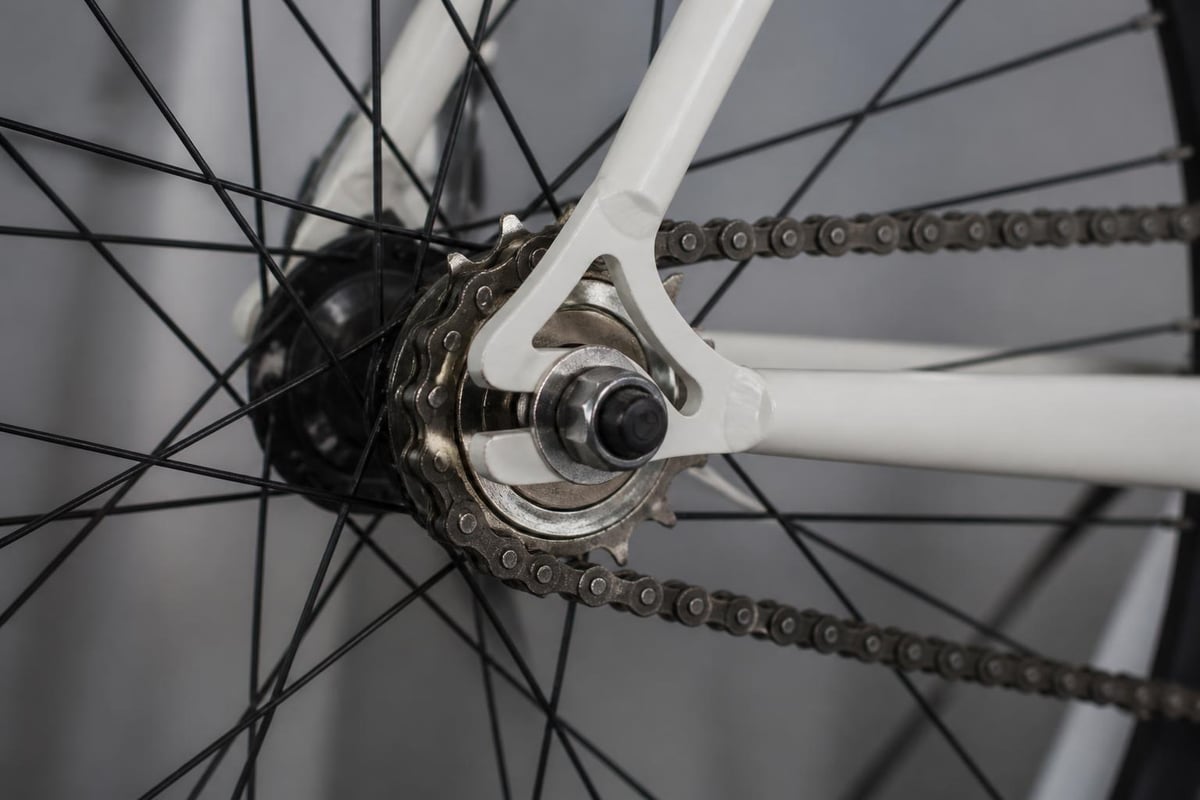
A fixed gear bicycle operates on a fundamentally different principle than traditional freewheel bikes. The rear cog is threaded or bolted directly to the hub, creating a fixed relationship between the pedals and rear wheel. When the wheel turns, the pedals must turn proportionally, eliminating the ability to coast.
This direct drive system means riders maintain constant control over their cadence and speed through pedal pressure alone. Unlike bikes with multiple gears or freewheels, every rotation of the rear wheel corresponds to a specific pedal rotation determined by the gear ratio. This mechanical simplicity appeals to riders seeking a pure, unmediated connection with their bicycle.
The Drivetrain Components
The essential components of a fixed gear drivetrain include:
- Fixed cog: Threads onto the rear hub without a freewheel mechanism
- Lockring: Secures the cog and prevents it from loosening during backpedaling
- Chain: Connects the front chainring to the rear cog
- Chainring: Mounted to the crankset, determines front gear size
- Track hub: Designed specifically for fixed gear riding with appropriate threading
Most fixed gear bicycles use a flip-flop hub, featuring threading on both sides of the rear wheel. One side accepts a fixed cog while the other accommodates a freewheel, allowing riders to experiment with both configurations by simply flipping the wheel.
Benefits of Riding a Fixed Gear Bicycle
The appeal of fixed gear bicycles extends beyond their mechanical elegance. Riders across different disciplines have discovered tangible advantages that make these bikes valuable additions to their cycling repertoire.
Enhanced bike handling tops the list of benefits. The constant connection between pedals and wheels provides immediate feedback about traction, allowing riders to sense road conditions through their legs. This heightened awareness translates to improved control, especially in challenging weather or on technical urban routes.
Fixed gear bicycles also serve as exceptional training tools for cyclists seeking to develop smoother pedaling technique. The inability to coast forces riders to maintain consistent circular pedal strokes, strengthening the pulling phase of the pedal cycle and eliminating dead spots. Professional cyclists frequently incorporate fixed gear training during off-season periods to refine their pedaling efficiency.
Maintenance and Reliability
| Aspect | Fixed Gear | Multi-Speed |
|---|---|---|
| Component count | Minimal | Extensive |
| Maintenance frequency | Low | Moderate to high |
| Mechanical failure points | Few | Many |
| Cost of replacement parts | Lower | Higher |
The simplified drivetrain dramatically reduces maintenance requirements. Without derailleurs, shifters, cables, or multiple cogs to adjust and replace, fixed gear bicycles demand less frequent servicing. This reliability makes them particularly attractive for daily commuting in Indian cities where consistent performance matters more than gear range.
Riding Techniques and Skills Development
Mastering a fixed gear bicycle requires developing specific skills that differ from conventional cycling. The most fundamental adjustment involves learning to modulate speed without relying on coasting or traditional braking methods.
Speed Control Methods
Riders control their speed through several techniques:
- Backpressure: Resisting the pedal motion to slow down gradually
- Skidding: Applying sudden backward force while shifting weight forward
- Brake modulation: Using the front brake in combination with leg pressure
- Cadence management: Selecting appropriate gear ratios for terrain
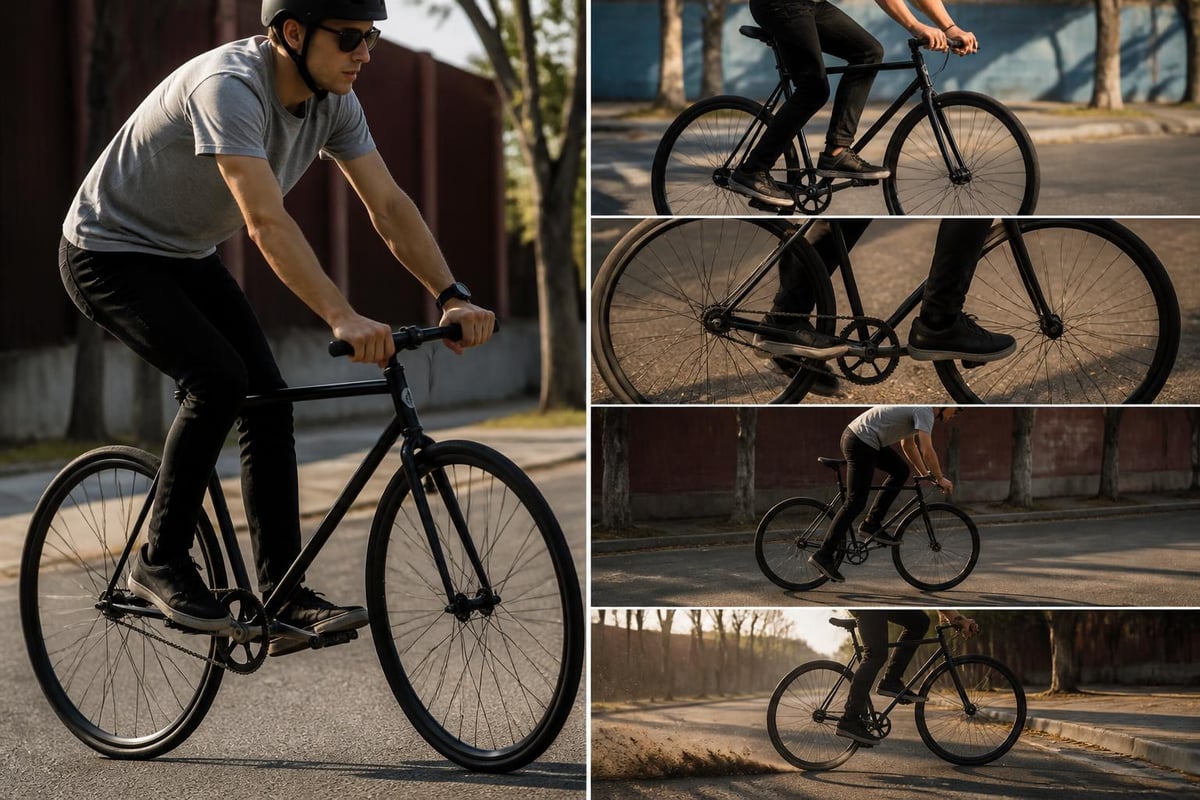
New riders should begin on flat, traffic-free areas to develop confidence with these techniques. Starting and stopping presents initial challenges since pedals never remain stationary. Experienced fixed gear riders develop the ability to "track stand," balancing motionless by making micro-adjustments through pedal pressure.
Urban riding on a fixed gear bicycle demands heightened situational awareness. Unlike freewheel bikes where riders can coast through intersections, fixed gear cyclists must maintain pedal rotation. Planning stops and starts becomes crucial, especially in dense traffic conditions common in metropolitan areas across India.
Choosing the Right Fixed Gear Setup
Selecting an appropriate fixed gear bicycle involves considering frame geometry, gear ratios, and component quality. These choices significantly impact riding experience and suitability for different applications.
Frame geometry influences handling characteristics and comfort. Track-specific frames feature aggressive geometry with steep angles optimized for velodrome racing. Conversely, street-oriented fixed gear frames incorporate relaxed angles providing stable handling for urban environments. According to the Merriam-Webster definition, the term encompasses both pure track bikes and converted road frames.
Gear Ratio Selection
Choosing the right gear ratio balances acceleration, top speed, and sustainable cadence. The ratio is calculated by dividing the front chainring teeth by the rear cog teeth.
Common gear ratios for different applications:
- Flat city riding: 2.7 to 3.0 (e.g., 46/17 or 48/16)
- Hilly terrain: 2.3 to 2.6 (e.g., 42/18 or 44/17)
- Track racing: 3.2 to 4.0+ (e.g., 48/15 or 52/13)
- Beginner-friendly: 2.5 to 2.7 (e.g., 44/18 or 46/17)
Indian cyclists should consider local terrain when selecting ratios. Cities with moderate elevation changes benefit from ratios around 2.7, providing reasonable climbing ability while maintaining efficient cruising speeds on flats.
Safety Considerations and Equipment
Operating a fixed gear bicycle safely requires specific equipment choices and awareness of unique risk factors. The inability to coast through hazardous situations demands proactive hazard identification and route planning.
Braking systems represent a critical safety consideration. While some purist riders operate brakeless, this practice increases risk substantially. Most jurisdictions require at least one functional brake, and responsible fixed gear riding incorporates a front brake as primary stopping power. The Bike Collectives Wiki provides detailed guidance on proper brake setup and maintenance.
Whether you're building your first fixed gear bicycle or upgrading components, having access to quality brake pads and reliable stopping systems ensures you can ride confidently in varying traffic conditions. Professional-grade braking components make the difference between controlled stops and emergency situations.

Essential Safety Equipment
- Helmet: Non-negotiable for any cycling discipline
- Front brake: Provides primary stopping power
- Foot retention: Toe clips or clipless pedals prevent foot slippage
- Lights: Critical for visibility in urban environments
- Reflective elements: Enhance visibility during low-light conditions
Foot retention deserves special attention on fixed gear bicycles. The constant pedal motion can cause feet to slip during hard efforts or rough roads. Straps, cages, or clipless pedal systems keep feet securely connected, enabling effective backpressure and preventing dangerous situations where feet become separated from pedals.
The Fixed Gear Culture and Community
Beyond mechanical specifications and riding techniques, fixed gear bicycles have cultivated a distinctive cultural identity. This community emerged from messenger culture in major cities during the 1990s, where bike messengers valued the reliability and low maintenance of track bikes for daily work.
The aesthetic minimalism of fixed gear bicycles has inspired global design movements documented in works like "Fixed: Global Fixed-Gear Bike Culture". Custom builds emphasize clean lines, vibrant colors, and component coordination that blur the boundary between functional transportation and artistic expression.
Community Events and Activities
Fixed gear riders organize various social and competitive events:
- Alleycat races: Checkpoint-based urban races mimicking messenger work
- Group rides: Social rides emphasizing community building
- Trick competitions: Showcasing technical skills and bike control
- Track sessions: Velodrome riding for training and competition
Indian cities have seen growing fixed gear communities, particularly in metropolitan areas where cycling infrastructure and enthusiast groups support alternative cycling styles. These communities provide knowledge sharing, social connection, and organized riding opportunities for both experienced and novice riders.
Fixed Gear Applications Across Disciplines
The versatility of fixed gear bicycles extends across multiple cycling disciplines, each leveraging the unique characteristics of the direct drive system for specific advantages.
Track racing represents the original application, where fixed gear bicycles dominate velodrome competition. Research on bicycle power modeling for velodrome racing demonstrates how the mechanical efficiency of fixed gear drivetrains contributes to optimal performance in controlled track environments. The elimination of shifting mechanisms reduces weight and mechanical losses while ensuring perfect power transfer.
Training and Fitness Applications
Professional and amateur cyclists incorporate fixed gear riding into training programs for developing specific physiological and technical adaptations. The enforced continuous pedaling develops:
- Smooth, circular pedal strokes
- Improved cadence control across varying speeds
- Enhanced muscular endurance through constant engagement
- Superior bike handling and balance skills
Winter training on fixed gear bicycles particularly benefits road racers preparing for competitive seasons. The reduced maintenance requirements in harsh weather conditions combined with technique refinement make fixed gear bikes practical training tools during challenging months.
Building or Converting to Fixed Gear
Cyclists can acquire fixed gear bicycles through complete builds, conversions of existing bikes, or purchasing dedicated fixed gear frames. Each approach offers distinct advantages depending on budget, mechanical skills, and desired specifications.
Conversion Considerations
| Factor | Requirements | Considerations |
|---|---|---|
| Frame compatibility | Horizontal dropouts or track ends | Vertical dropouts require tensioners |
| Hub spacing | 120mm track or 130mm road | Determines hub selection options |
| Chainline | Straight alignment from chainring to cog | Critical for smooth operation |
| Brake mounts | At least front brake mounting | Safety requirement |
Converting an existing frame requires compatible geometry and dropout design. Horizontal dropouts allow proper chain tension adjustment without additional components. Frames with vertical dropouts can use fixed gear conversions, but require chain tensioners or eccentric bottom brackets to maintain appropriate tension.
Quality components matter significantly for fixed gear builds. While the drivetrain is simple, choosing durable chains, properly threaded hubs, and secure lockrings prevents mechanical failures. The constant load on fixed gear components without shifting to distribute wear demands robust construction and regular inspection.
Common Misconceptions and Realities
Several persistent misconceptions surround fixed gear bicycles, often discouraging potential riders from exploring this cycling style. Addressing these myths with accurate information helps cyclists make informed decisions about whether fixed gear riding suits their needs.
"Fixed gear bikes are only for experienced riders" represents a common but inaccurate belief. While advanced skills like brakeless riding and trick execution require experience, basic fixed gear riding is accessible to any cyclist willing to practice fundamental techniques. Starting with moderate gear ratios, front brakes, and controlled environments allows safe skill development.
The notion that fixed gear bicycles are impractical for hilly terrain also deserves examination. While challenging compared to multi-speed bikes, appropriate gear ratio selection makes climbing feasible. Many riders in varied topography successfully use fixed gear bicycles by choosing ratios around 2.5 or lower and developing the strength to manage sustained climbs.
Reality vs. Perception
-
Myth: Fixed gear riding is dangerous
-
Reality: Proper equipment and technique make it as safe as any cycling discipline
-
Myth: You need a track bike for fixed gear riding
-
Reality: Many road frames convert successfully to fixed gear use
-
Myth: Fixed gear bikes can't be ridden in traffic
-
Reality: Enhanced control and awareness can improve urban riding safety
Understanding these realities helps potential riders approach fixed gear cycling with realistic expectations and appropriate preparation rather than being deterred by exaggerated concerns.
Integration with Modern Cycling Infrastructure
As urban cycling infrastructure evolves, fixed gear bicycles continue finding relevant applications within contemporary transportation systems. Research on detecting missing links in bicycle networks highlights how different bicycle types integrate with planned infrastructure, and fixed gear bikes excel in environments emphasizing reliability and minimal maintenance.
The mechanical simplicity that defined fixed gear appeal decades ago remains relevant in 2026. Shared bicycle programs, bike-share systems, and fleet applications benefit from reduced complexity. Some urban transportation planners specifically consider fixed gear designs for institutional and rental applications where minimizing mechanical issues proves cost-effective.
For individual riders navigating Indian cities, fixed gear bicycles offer practical advantages in environments where bike parking security concerns exist. The unique riding feel and appearance of customized fixed gear bikes make them less attractive theft targets compared to expensive multi-speed road bikes, while still providing efficient transportation.
Maintenance Best Practices
Despite their reduced maintenance requirements, fixed gear bicycles still demand regular attention to ensure safe, reliable operation. The constant tension and load on drivetrain components necessitates specific maintenance routines different from freewheel bikes.
Regular Maintenance Schedule
- Weekly: Check chain tension, inspect lockring tightness, verify brake function
- Monthly: Clean and lubricate chain, inspect tire condition, check wheel trueness
- Quarterly: Inspect cog and chainring wear, service bearings, examine frame for cracks
- Annually: Complete drivetrain replacement if necessary, professional safety inspection
Chain tension requires particular attention on fixed gear bicycles. Excessive tension increases wear on bearings and components while insufficient tension causes chain skip or derailment. Proper tension allows approximately half an inch of vertical movement at the midpoint between cog and chainring.
The lockring preventing the fixed cog from unscrewing must remain tight. Backpedaling forces can loosen improperly secured lockrings, creating dangerous situations. Using a lockring tool to verify proper tightness should be part of regular pre-ride checks, especially after wheel removal or cog changes.
Quality components from reliable suppliers ensure longevity and performance. Whether you're maintaining a daily commuter or a custom build, sourcing dependable parts like bottom brackets and cranksets from established cycling retailers guarantees compatibility and durability for the unique demands of fixed gear riding.
The fixed gear bicycle represents more than a cycling trend; it offers a distinct riding experience combining mechanical simplicity, enhanced bike control, and cultural significance. Whether you're seeking an efficient urban commuter, a winter training tool, or an entry into fixed gear culture, understanding the mechanics, techniques, and practical considerations enables informed choices about this compelling cycling style. Cycling Gears Hub supports Indian cyclists with comprehensive product selections including components, accessories, and expert guidance to help you build, maintain, or upgrade your fixed gear bicycle with confidence. Explore our collection and join the thousands of riders who trust us for quality cycling solutions.