

The fixed gear bike has experienced a remarkable resurgence in recent years, transitioning from track racing origins to becoming a favorite among urban cyclists and enthusiasts worldwide. With its minimalist design, direct connection between rider and machine, and unique riding experience, the fixed gear bike offers something distinctly different from conventional bicycles. Whether you're considering your first fixie or looking to understand what makes these bikes special, this comprehensive guide explores everything you need to know about fixed gear cycling in 2026.
Understanding the Fixed Gear Bike Mechanism
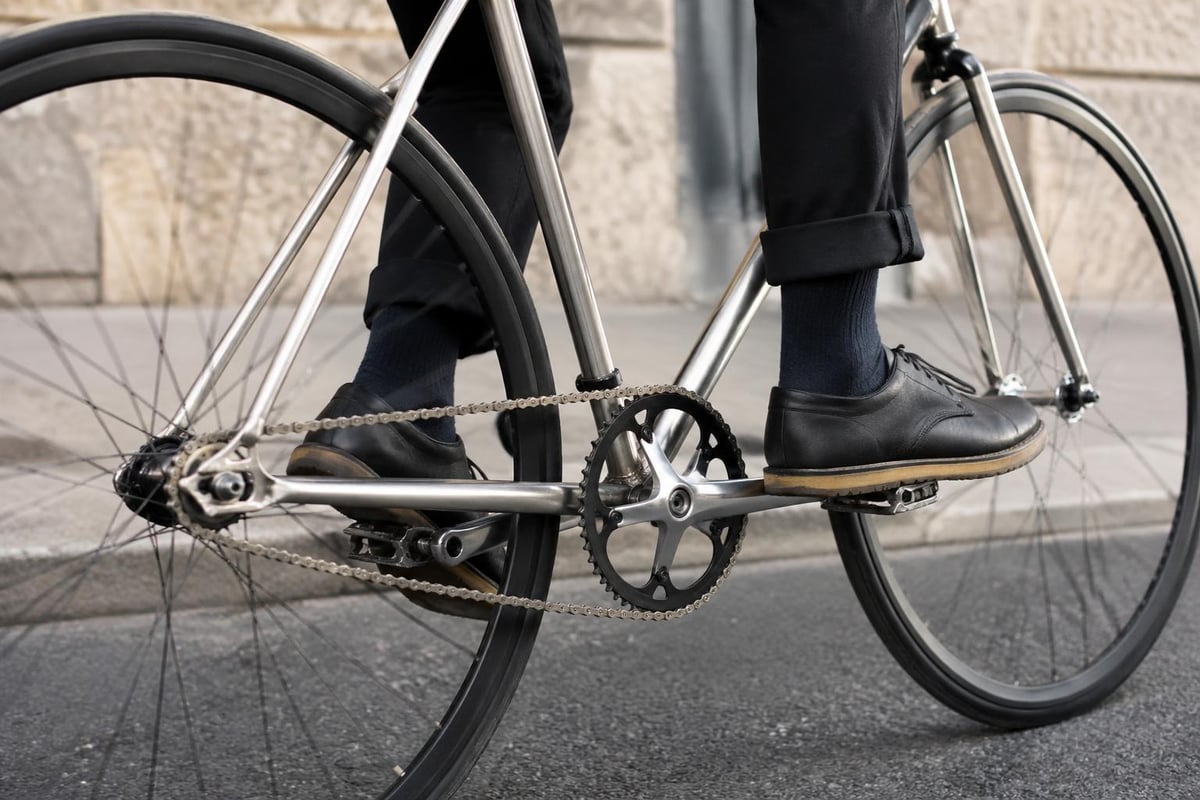
A fixed gear bike operates on a beautifully simple principle: the rear cog is directly fixed to the hub, meaning the pedals move whenever the wheels turn. Unlike traditional freewheel bikes where you can coast without pedaling, a fixed gear bike creates a constant connection between your legs and the road.
This direct drivetrain relationship fundamentally changes how you interact with your bicycle. When the bike moves forward, your pedals rotate. When you slow the pedals, the bike slows down. This continuous motion creates what many riders describe as a more intimate and engaging cycling experience.
Core Components and Design
The mechanical simplicity of a fixed gear bike is one of its greatest advantages. Here are the essential components:
- Fixed cog: Threads directly onto the rear hub without a freewheel mechanism
- Track-style frame: Often features horizontal dropouts for proper chain tension
- Minimal braking system: Some riders use front brakes, while purists rely solely on leg braking
- Straightforward drivetrain: Single chainring and cog eliminate derailleurs and shifters
- Flip-flop hub option: Allows switching between fixed and freewheel configurations
The absence of complex gearing systems means fewer parts to maintain, adjust, or replace. This mechanical purity appeals to riders who appreciate both the aesthetic and functional benefits of simplification.
Benefits of Riding a Fixed Gear Bike
Choosing a fixed gear bike delivers multiple advantages that extend beyond the initial appeal of minimalist design. Riding fixed gear improves pedaling technique and efficiency, as supported by insights from professional cyclists who use fixies for training.
Enhanced Pedaling Efficiency
The constant pedal rotation forces you to develop a smooth, circular pedaling motion. You cannot rely on momentum during the recovery phase of your pedal stroke, which naturally trains better form. This biomechanical benefit translates to improved performance when riding any type of bicycle.
Professional track cyclists and road racers often incorporate fixed gear training into their routines specifically for this reason. The fixed drivetrain reveals any inefficiencies in your pedaling style, making you a more complete rider.
Low Maintenance Requirements
With fewer components comes dramatically reduced maintenance needs:
| Maintenance Task | Fixed Gear | Traditional Bike |
|---|---|---|
| Cable adjustments | None | Regular (shifters, derailleurs) |
| Derailleur tuning | Not applicable | Seasonal or more |
| Chain maintenance | Standard cleaning | Standard cleaning plus derailleur consideration |
| Overall complexity | Minimal | Moderate to high |
This simplicity particularly benefits riders in India's varied climate conditions, where dust, humidity, and monsoon rains can complicate mechanical systems. The robust nature of fixed gear bikes makes them ideal for cyclists seeking reliable performance.
Superior Urban Maneuverability
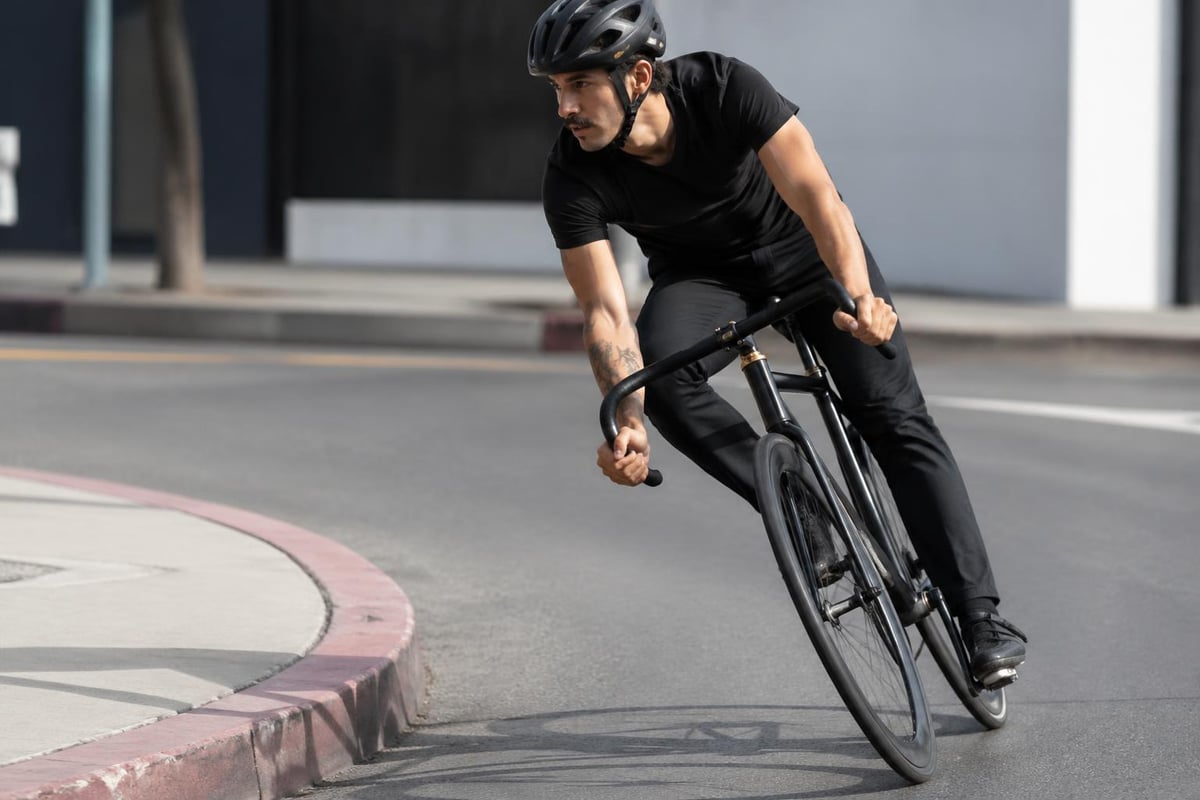
Fixed gear bikes excel in city environments where constant speed changes and tight navigation are required. The direct control enables precise movements through traffic, quick acceleration from stops, and confident handling in congested areas.
Mastering Fixed Gear Riding Techniques
Transitioning to a fixed gear bike requires developing new skills and unlearning some habits from freewheel riding. Mastering fixed gear techniques involves practice, patience, and proper preparation.
Getting Started Safely
Before hitting busy streets, practice in a controlled environment:
- Find an empty parking lot or quiet street where you can safely experiment
- Start with slow, controlled riding to get accustomed to constant pedaling
- Practice gradual stops using leg resistance to slow the bike
- Learn to resist backward pedaling when descending hills
- Build confidence with track stands for better balance and control
The initial adjustment period typically takes several rides. Most cyclists report feeling comfortable within a week of regular practice, though true mastery develops over months.
Braking Techniques
Stopping on a fixed gear bike involves methods quite different from conventional bicycles. You can brake using three approaches:
- Leg resistance: Apply backward pressure on the pedals to slow momentum
- Skid stopping: Lock the rear wheel through aggressive backward pressure (advanced technique)
- Front brake: Install a front brake for additional stopping power and safety
Many experienced riders combine leg braking with a front brake, offering maximum control while maintaining the fixed gear aesthetic. This approach provides safety benefits while preserving the direct feel that makes fixies special.
Fixed Gear Bike Advantages and Considerations
Understanding both the strengths and challenges helps you make an informed decision about whether a fixed gear bike suits your cycling needs. The pros and cons of fixed gear riding deserve honest evaluation.
Key Advantages
Workout intensity: Every ride becomes a more comprehensive workout since you cannot coast. Your legs remain active throughout the entire journey, building strength and endurance naturally.
Cost effectiveness: Lower initial purchase prices and reduced maintenance expenses make fixed gear bikes budget-friendly. Replacement parts are generally inexpensive and widely available.
Theft deterrent: The specialized riding requirements of a fixed gear bike can deter opportunistic thieves who may struggle to ride it effectively.
Weather capability: Fewer exposed components means better performance in rain, snow, and challenging conditions where complex drivetrains might falter.
Important Considerations
However, fixed gear bikes are not ideal for every situation or rider:
| Scenario | Suitability | Notes |
|---|---|---|
| Flat urban commuting | Excellent | Ideal environment for fixed gear advantages |
| Hilly terrain | Challenging | Requires strong legs and careful gear ratio selection |
| Long-distance touring | Limited | Single gear ratio limits versatility |
| Mixed-surface riding | Moderate | Works best on paved roads |
Steep descents require particular caution as the pedals will spin rapidly, potentially exceeding comfortable cadence. Learning proper techniques becomes essential for safe riding in varied topography.
Choosing the Right Gear Ratio
Selecting an appropriate gear ratio dramatically affects your fixed gear bike experience. This choice balances acceleration, top speed, and hill-climbing ability.
Understanding Gear Ratios
Gear ratio equals the number of teeth on your front chainring divided by teeth on your rear cog. A 46/16 setup (2.875 ratio) provides different characteristics than a 48/18 configuration (2.667 ratio).
Higher ratios (larger numbers) deliver:
- Faster top speeds
- Harder acceleration
- More difficult hill climbing
- Greater strain on knees and muscles
Lower ratios offer:
- Easier acceleration
- Better hill climbing
- Lower maximum speed
- More manageable cadence on descents
Recommended Starting Ratios
For riders new to fixed gear cycling in urban Indian conditions:
- Flat cities: 46/17 or 48/18 (approximately 2.6-2.7 ratio)
- Moderately hilly areas: 44/17 or 46/18 (approximately 2.4-2.6 ratio)
- Very hilly terrain: 42/17 or 44/18 (approximately 2.4-2.5 ratio)
Experimentation helps identify your ideal ratio based on fitness level, local terrain, and riding style. Many riders maintain multiple cogs to swap for different conditions.
Essential Maintenance and Care
While fixed gear bikes require less maintenance than geared bicycles, proper care ensures longevity and optimal performance. Essential bike maintenance checks apply equally to fixed gear setups.
Regular Maintenance Schedule
Weekly checks should include:
- Chain tension verification
- Tire pressure inspection
- Brake function testing (if equipped)
- Quick visual inspection for loose components
Monthly maintenance involves:
- Thorough chain cleaning and lubrication
- Brake pad inspection and adjustment
- Wheel trueness check
- Bolt tightening across all major components
Seasonal servicing requires:
- Complete drivetrain cleaning
- Bearing inspection and regreasing
- Cable replacement (brake cables)
- Comprehensive safety check
The proper maintenance techniques for fixed gear bikes ensure your ride remains smooth and reliable throughout years of use.
Chain Tension Management
Proper chain tension is critical for fixed gear bikes. Too loose, and the chain may skip or fall off. Too tight, and you create excessive wear on bearings and drivetrain components.
The correct tension allows approximately half an inch of vertical movement at the chain's midpoint between chainring and cog. Horizontal dropouts enable easy tension adjustment by moving the rear wheel forward or backward within the frame.
Building Your Fixed Gear Setup
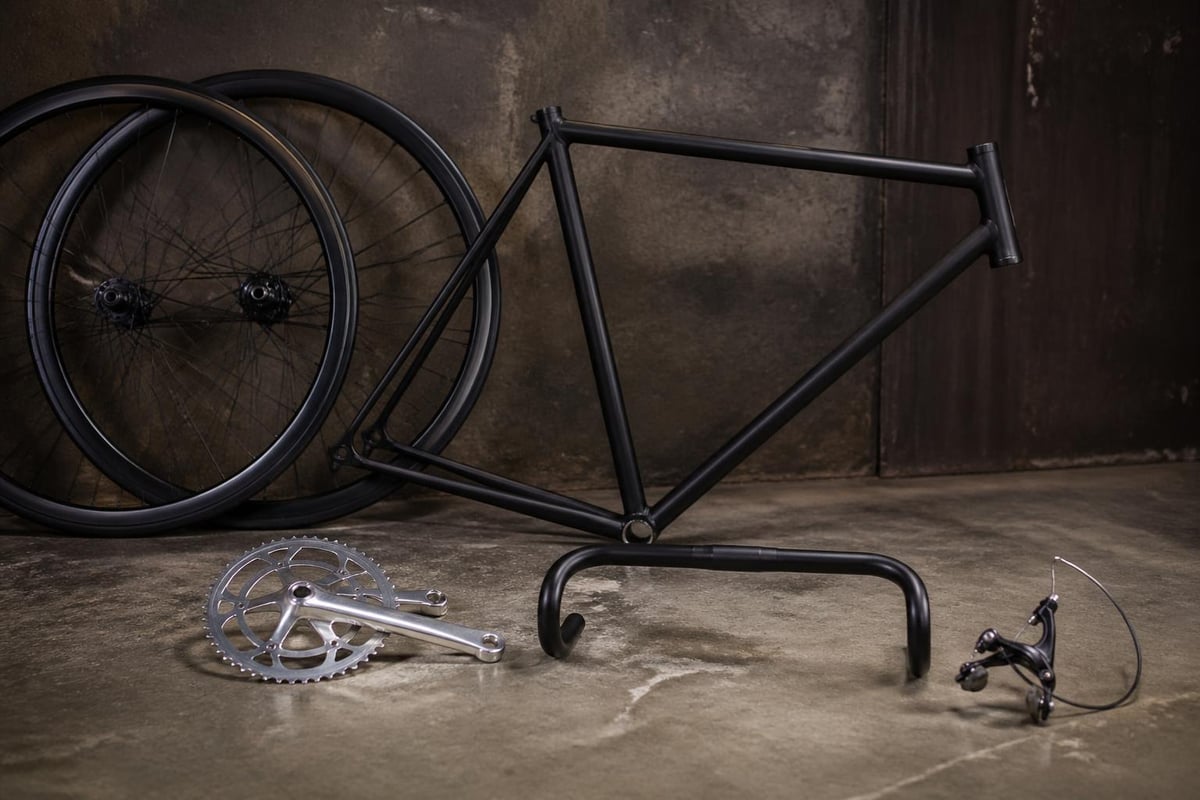
Creating the ideal fixed gear bike involves selecting components that match your riding style, local conditions, and personal preferences. Fixed gear bikes appeal to urban cyclists seeking customizable, efficient transportation.
Frame Selection
Choose a frame geometry appropriate for your intended use:
- Track geometry: Aggressive position, steep angles, pure performance
- Street/urban geometry: Relaxed angles, comfortable position, versatile use
- Conversion frames: Older road frames adapted for fixed gear use
Frame material affects ride quality, weight, and price. Steel offers durability and comfortable compliance. Aluminum provides stiffness and light weight. Carbon fiber delivers premium performance at higher cost.
Wheelset Considerations
Your wheels significantly impact ride quality and reliability. Key factors include:
- Hub type: True fixed hubs versus flip-flop hubs with freewheel options
- Rim width: Wider rims accommodate larger tires for comfort and puncture resistance
- Build quality: Hand-built wheels with proper spoke tension outlast factory wheels
- Weight: Lighter wheels improve acceleration and climbing
Quality wheels represent one of the best upgrades for any fixed gear bike, improving responsiveness and overall ride experience.

Whether you're building a new fixed gear bike or upgrading an existing setup, having access to quality components makes all the difference. Cycling Gears Hub offers premium cycling gear and accessories designed for riders who demand performance and reliability.
Fixed Gear Riding in Indian Conditions
India's diverse cycling environments present unique opportunities and challenges for fixed gear riders. Understanding how to adapt your setup and technique ensures enjoyable riding across varied conditions.
Climate Adaptations
Monsoon season: The simple drivetrain of a fixed gear bike performs well in wet conditions, but consider these adjustments:
- Install fenders to protect from road spray
- Use a front brake for reliable wet-weather stopping
- Apply quality chain lubricant designed for wet conditions
- Inspect and clean components more frequently
Summer heat: High temperatures and dusty conditions require:
- Regular drivetrain cleaning to prevent grit accumulation
- Proper hydration strategies for the increased workout intensity
- Consideration of appropriate cycling accessories for sun protection
Winter months: Cooler temperatures make fixed gear riding particularly enjoyable, as the constant pedaling keeps you warm while avoiding overheating common with geared bikes.
Urban Indian Cycling
Fixed gear bikes excel in Indian city environments for several reasons. The simple mechanics resist the harsh effects of pollution and dust. The direct control enables confident navigation through dense traffic. The low maintenance requirements suit riders without regular access to comprehensive bike shops.
However, selecting appropriate gear ratios becomes crucial. Many Indian cities feature unexpected elevation changes, requiring ratios that balance speed with climbing ability. Conservative ratios (lower numbers) help newer riders manage these challenges while building strength.
Why Cyclists Choose Fixed Gear
Personal experiences reveal why riders develop strong loyalty to fixed gear bikes. Individual perspectives on fixed gear riding highlight the emotional and practical connections these bikes create.
The Engagement Factor
Fixed gear cycling demands full attention and continuous engagement. You cannot zone out or ride passively. This complete involvement creates a meditative quality many riders find addictive. Every pedal stroke connects directly to forward motion, building an awareness of cycling mechanics impossible on freewheel bikes.
Community and Culture
The fixed gear community shares knowledge, organizes group rides, and celebrates the unique aspects of fixie culture. This supportive environment welcomes new riders while challenging experienced cyclists to develop advanced skills.
Practical Transportation
Beyond the romantic notions, fixed gear bikes simply work well as daily transportation. The reliability, low cost, and minimal fuss make them practical choices for commuters who view cycling as transportation first, recreation second.
Safety Equipment and Accessories
While the minimalist fixed gear aesthetic appeals to many riders, safety should never be compromised. Essential protective equipment enhances your riding experience while reducing injury risk.
Critical Safety Gear
Invest in quality protective equipment:
- Helmet: Non-negotiable for any cycling, choose well-ventilated models for Indian heat
- Lights: Front white and rear red lights for visibility in low-light conditions
- Reflective elements: Clothing or accessories that increase visibility to motorists
- Gloves: Protect hands and improve grip, especially during intense leg braking
For riders interested in building a complete safety setup, exploring essential cycling accessories for beginners provides valuable guidance on selecting appropriate gear.
Optional But Recommended
Additional accessories enhance comfort and utility:
| Accessory | Benefit | Priority |
|---|---|---|
| Toe clips or straps | Better pedaling efficiency and control | High |
| Lock | Security for urban parking | High |
| Bottle cage | Hydration during rides | Medium |
| Bag or rack | Cargo carrying capability | Medium |
| Bell | Pedestrian warning in crowded areas | Medium |
Advanced Fixed Gear Techniques
Once basic riding becomes comfortable, developing advanced skills unlocks the full potential of your fixed gear bike. These techniques require practice but dramatically improve your capabilities.
Track Stands
Balancing motionless on your bike improves control and eliminates the need to unclip at stops. Practice involves:
- Approach a gentle incline at very low speed
- Turn your front wheel slightly toward your dominant side
- Apply subtle pressure against the pedals while feathering your brake
- Make micro-adjustments to maintain balance
- Gradually extend your balance time through repeated practice
Skid Stopping
This advanced braking technique allows rapid stops without hand brakes:
- Shift weight forward over the handlebars
- Lock your legs to prevent pedal rotation
- Lift slightly on the bars to unweight the rear wheel
- Allow the rear wheel to skid while maintaining control
Note that skid stopping significantly wears tires and requires considerable practice in safe environments before attempting in traffic.
Backward Riding
Some advanced riders develop the ability to pedal backward and ride in reverse, demonstrating complete control over their fixed gear bike. While not practical for everyday riding, this skill builds extraordinary bike handling abilities.
Fixed Gear for Fitness and Training
Professional and amateur cyclists alike recognize the training benefits of fixed gear riding. The constant engagement builds specific physiological adaptations valuable for all cycling disciplines.
Cardiovascular Benefits
The inability to coast means your heart rate remains elevated throughout rides. This sustained effort improves cardiovascular endurance more efficiently than traditional cycling where coasting provides recovery periods. Even casual fixed gear commutes become effective cardio workouts.
Leg Strength Development
Pushing a fixed gear up hills and resisting it on descents builds leg strength comprehensively. The circular pedaling motion required engages muscles throughout the complete revolution, developing balanced power output.
Cadence Smoothness
Perhaps the greatest training benefit comes from improved pedaling efficiency. The fixed drivetrain immediately reveals any dead spots or inefficiencies in your pedal stroke, forcing you to develop smoother, more effective technique that transfers to all your cycling.
The fixed gear bike offers a distinctly engaging cycling experience that combines mechanical simplicity with enhanced rider connection and comprehensive fitness benefits. Whether you choose a fixie for urban commuting, fitness training, or pure riding enjoyment, understanding proper techniques and maintenance ensures safe, satisfying rides. For Indian cyclists ready to explore fixed gear riding or upgrade their current setup with quality components and accessories, Cycling Gears Hub provides the gear you need backed by reliable service, fast shipping, and hassle-free returns trusted by over 10,000 cyclists nationwide.