

Fixed-gear bicycles have surged in popularity across Indian cities over the past decade, appealing to both commuters and cycling enthusiasts who appreciate minimalist design and direct mechanical connection. Understanding fixie gear is essential for anyone considering this unique riding style, whether you're navigating Mumbai's streets or exploring Bangalore's cycling routes. This comprehensive guide explores the core components, maintenance requirements, gear ratios, and customization options that make fixed-gear cycling a distinct and rewarding experience for riders of all skill levels.
Understanding Fixed-Gear Bicycle Components
The foundation of any fixed-gear bicycle lies in its drivetrain simplicity. Unlike traditional multi-speed bikes, fixie gear systems eliminate derailleurs, shifters, and multiple cogs, creating a direct mechanical connection between pedals and rear wheel.
The Essential Drivetrain Elements
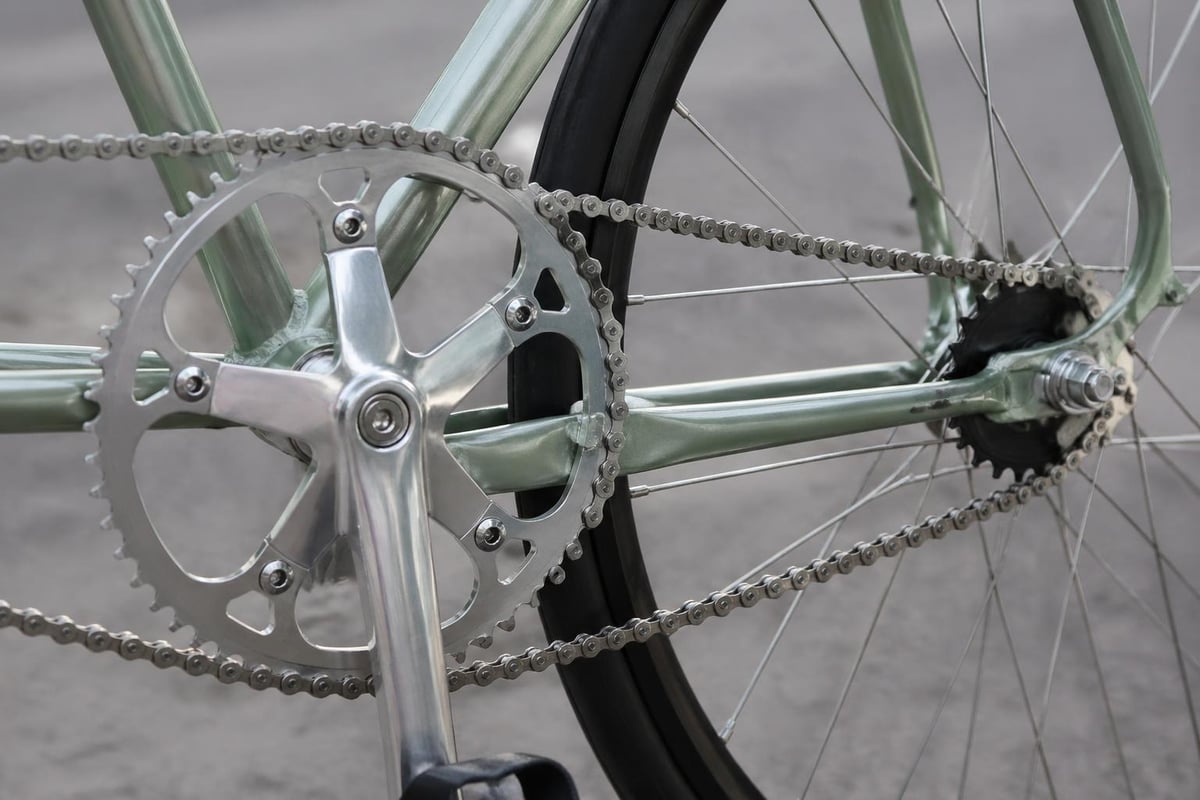
A fixed-gear drivetrain consists of several critical components that work in harmony:
- Fixed cog: Threaded directly onto the rear hub, preventing backward coasting
- Chainring: The front gear attached to the crankset
- Chain: Connects the chainring to the fixed cog
- Lockring: Secures the cog to prevent loosening during backpedaling
- Track hub: Specially designed hub with fixed threading
The buyer's guide to fixies and singlespeed bikes provides detailed insights into how these components differ from traditional bicycle systems. Each element plays a crucial role in creating the characteristic fixed-gear riding experience.
Hub Construction and Threading Standards
Fixed-gear hubs require specific threading to accommodate both the cog and lockring. Most hubs follow either English (1.375" x 24 TPI) or Italian (35mm x 24 TPI) threading standards. Choosing the best fixie hubs requires attention to threading compatibility, flange spacing, and spoke hole count.
| Hub Feature | Standard Specification | Purpose |
|---|---|---|
| Threading | 1.375" x 24 TPI (English) | Cog and lockring attachment |
| Flange Width | 120mm track / 130mm road | Wheel strength and spacing |
| Axle Type | Solid or bolt-through | Frame compatibility |
| Spoke Holes | 32h or 36h typical | Wheel building options |
The hub's flange integrity determines overall wheel strength and longevity. High-quality hubs distribute spoke tension evenly, reducing the risk of component failure during aggressive riding or skid stops.
Selecting the Right Gear Ratio
Gear ratio selection fundamentally shapes your riding experience on a fixed-gear bicycle. This decision impacts acceleration, top speed, climbing ability, and overall pedaling cadence across different terrains.
Calculating Your Ideal Ratio
The gear ratio is determined by dividing the number of chainring teeth by the number of cog teeth. A 46-tooth chainring paired with a 16-tooth cog yields a 2.875 ratio (46÷16=2.875). Lower ratios (2.5-2.8) provide easier acceleration and climbing, while higher ratios (3.0+) favor speed on flat terrain.
Common gear ratios for Indian cycling conditions:
- Urban commuting: 2.6-2.8 (44/17, 46/17, 48/17)
- Mixed terrain: 2.75-2.9 (44/16, 46/16)
- Flat speed riding: 2.9-3.2 (48/16, 50/16)
- Track cycling: 3.0-3.5 (48/15, 50/15)
Consider your local terrain when selecting fixie gear ratios. Cities with varied elevation like Pune or Shimla benefit from lower ratios, while flat coastal routes in Chennai or Kochi accommodate higher ratios for sustained speed.
Adjusting Ratios for Different Riding Styles
Many riders maintain multiple cogs to swap based on riding conditions. A flip-flop hub with different cogs on each side offers quick ratio changes without tools. This flexibility proves valuable when transitioning between training rides, commutes, and recreational cycling.
Experimenting with different combinations helps identify your optimal setup. Start with a moderate ratio around 2.75 and adjust based on your average cadence comfort and route characteristics.
Maintenance Requirements for Fixie Gear Systems
The mechanical simplicity of fixed-gear bicycles translates to straightforward maintenance, but certain components require regular attention to ensure safe and efficient operation. Proper care extends component lifespan and maintains the direct power transfer that defines fixie gear performance.
Chain Tension and Alignment
Maintaining proper chain tension is critical for fixed-gear bicycles. Unlike derailleur systems with spring tension, fixie gear relies on precise horizontal dropout positioning. The chain should have minimal vertical play-approximately 10-15mm of total movement when pressed at the midpoint between chainring and cog.
Essential maintenance tips for fixie bikes emphasize regular tension checks, especially after the first few rides on a new chain. As chains wear and stretch, periodic adjustment prevents slippage during hard acceleration or resistance pedaling.
Lubrication and Cleaning Protocols
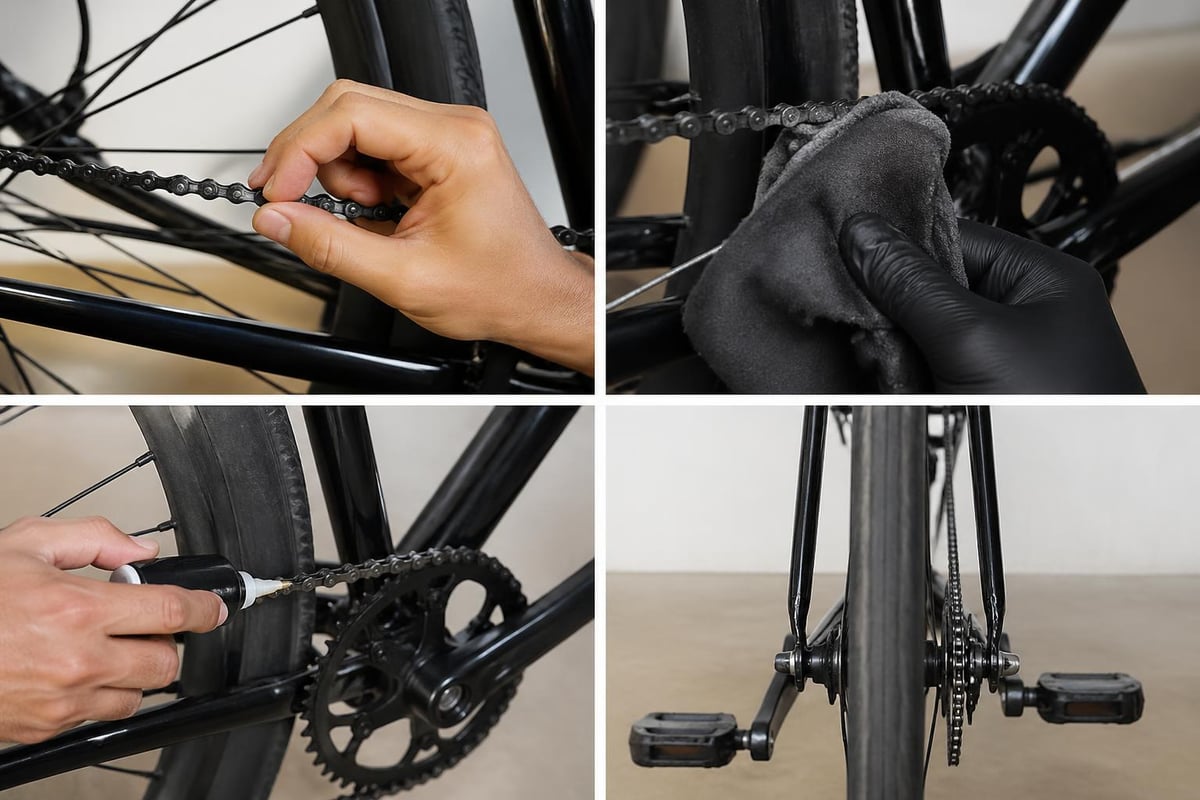
Chain lubrication directly impacts drivetrain efficiency and component wear. Apply lubricant to the chain's inner plates while rotating the cranks backward (if using a flip-flop hub on the freewheel side) or while walking the bike forward.
- Clean the chain every 200-300 kilometers in dry conditions
- Increase cleaning frequency to 100-150 kilometers in wet or dusty environments
- Use degreaser and a chain cleaning tool for thorough maintenance
- Apply lubricant sparingly to avoid attracting dirt and grime
The guide to maintaining and cleaning fixed gear bikes demonstrates practical techniques for keeping your drivetrain running smoothly. Regular maintenance prevents premature wear on chainrings, cogs, and chains-components that experience higher stress in fixed-gear applications.
Lockring Security and Cog Inspection
The lockring prevents the fixed cog from unthreading during backpedaling or skid stops. Check lockring tightness weekly, especially during the break-in period for new components. Use a lockring spanner or chain whip to ensure proper torque-typically 35-40 Newton-meters for most hubs.
Inspect the cog teeth for wear patterns that indicate chain compatibility issues or misalignment. Uneven wear on one side of the teeth suggests the chainline requires adjustment. Preventing chain slip on fixies requires attention to both chain condition and cog wear patterns.
Component Selection and Customization
Building or upgrading a fixed-gear bicycle allows extensive customization to match your riding preferences, aesthetic vision, and performance requirements. Component selection impacts weight, durability, ride quality, and maintenance frequency.
Crankset and Chainring Options
Cranksets for fixed-gear applications range from affordable single-speed specific models to high-end track racing components. Key considerations include:
| Crankset Type | Weight Range | Price Point | Best Use |
|---|---|---|---|
| Steel track | 700-900g | Budget-friendly | Commuting, learning |
| Aluminum alloy | 500-700g | Mid-range | All-purpose riding |
| Carbon composite | 400-600g | Premium | Performance, racing |
| Integrated spindle | 450-650g | Varies | Modern aesthetics |
Chainring bolt circle diameter (BCD) determines compatible chainring sizes. Common standards include 144mm (track), 130mm (road), and 110mm (compact). Indian cyclists benefit from versatile 130mm BCD cranksets that accommodate chainrings from 38 to 53 teeth, providing extensive ratio options. You can find quality cranksets and compatible components at specialized retailers.
Wheel and Tire Combinations
Wheel selection balances weight, aerodynamics, and durability. Track-specific wheels feature deep-section rims and high spoke counts, while urban riders often prefer lighter, more impact-resistant builds.
Tire width affects comfort, grip, and rolling resistance. Narrow tires (23-25mm) reduce weight and improve aerodynamics, while wider options (28-32mm) provide better shock absorption on rough Indian road surfaces. Consider your typical riding environment when selecting tire specifications.
Handlebar and Cockpit Configuration
Handlebar choice significantly influences riding position and control. Drop bars offer multiple hand positions and aerodynamic advantages, while flat or riser bars provide upright positioning suitable for urban navigation.
- Track drops: Aggressive position, aerodynamic efficiency
- Compact drops: Comfortable reach, versatile positioning
- Bullhorn bars: Pursuit-style position, unique aesthetic
- Flat bars: Upright posture, maneuverability
- Riser bars: Relaxed position, urban styling
Stem length and angle complement handlebar selection, creating your complete cockpit setup. Shorter stems (70-90mm) provide quick steering response, while longer options (100-120mm) offer stability at higher speeds. Explore different handlebar options to find the configuration that matches your riding style.
Safety Considerations and Riding Techniques
Transitioning to fixed-gear cycling requires developing new skills and understanding unique safety considerations. The inability to coast fundamentally changes how you approach descents, intersections, and traffic situations.
Braking Systems and Stopping Power
While purist track cyclists ride without brakes, Indian traffic conditions and safety regulations make front brakes essential for street riding. Most fixie gear enthusiasts install at least a front caliper brake for emergency stopping power.
Braking options for fixed-gear bicycles:
- Front caliper brake only (most common)
- Front and rear caliper brakes (maximum safety)
- No brakes (track or velodrome only)
- Coaster brake hub (alternative to fixed)
Leg braking through resistance pedaling works effectively for speed modulation but requires significant leg strength and practice. Skid stopping-locking the rear wheel through pedal resistance-provides additional stopping power but accelerates tire wear and requires dry conditions for reliability. Quality brake pads and properly maintained braking systems ensure safe riding in all conditions.

Cadence Management and Pedal Strike Awareness
Fixed-gear cycling demands constant pedaling awareness. Your pedal position determines ground clearance during cornering, requiring attention to crank orientation before entering turns.
High-cadence descents challenge new riders as gravity forces rapid pedaling. Practice controlling cadence on moderate downhills before attempting steep grades. Some riders use higher gear ratios for hilly areas to reduce maximum cadence on descents, trading climbing ease for downhill control.
Traffic Navigation and Predictability
Fixed-gear bicycles excel in stop-and-go traffic due to instant power delivery and simple mechanics. However, the constant pedaling requirement affects how you approach traffic lights, intersections, and congestion.
Plan your approach to stopped traffic earlier than you would on a freewheel bike. Without coasting ability, you'll either need to track stand (balance while stationary) or dismount. Track standing becomes a valuable skill for maintaining momentum and avoiding repeated stops during urban riding.
Building Your Fixed-Gear Setup
Creating an optimal fixie gear setup involves balancing component quality, budget constraints, and intended use. Whether building from a frame or converting an existing bicycle, thoughtful component selection ensures long-term satisfaction.
Frame Selection and Geometry
Dedicated track frames feature horizontal or track-style dropouts that simplify chain tension adjustment. Road frame conversions require careful measurement to ensure adequate dropout adjustment range for proper chain tension.
Frame geometry affects handling characteristics and riding comfort. Track-specific geometry positions the rider aggressively forward, while road-conversion frames offer more relaxed positioning suitable for longer rides and varied terrain. The fixie bicycle buyer's guide details frame considerations for different cycling applications.
Budget Allocation Strategies
Prioritize investment in contact points and drivetrain components that directly impact performance and safety. A basic fixed-gear build can start around ₹15,000-20,000 for entry-level components, with premium builds exceeding ₹60,000-80,000.
| Component Category | Budget Range | Mid-Range | Premium |
|---|---|---|---|
| Frame and fork | ₹8,000-12,000 | ₹15,000-25,000 | ₹30,000+ |
| Wheelset | ₹5,000-8,000 | ₹12,000-20,000 | ₹25,000+ |
| Drivetrain | ₹3,000-5,000 | ₹8,000-12,000 | ₹15,000+ |
| Cockpit and saddle | ₹4,000-6,000 | ₹8,000-12,000 | ₹15,000+ |
Investing in quality hubs, chains, and cogs pays dividends through reduced maintenance and longer component lifespan. Consider upgrading components incrementally as your skills develop and riding demands evolve.
Assembly and Professional Setup
While mechanically inclined riders can assemble fixed-gear bicycles with basic tools, proper setup requires precision. Chain tension, chainline alignment, and brake positioning significantly impact safety and performance.
Professional assembly ensures correct torque specifications, proper cable routing, and accurate wheel truing. Many cyclists handle routine maintenance themselves while relying on professional mechanics for initial setup and complex adjustments. For those new to cycling or building bikes, consulting with experienced retailers ensures your fixie gear functions optimally from the first ride.
Advanced Fixie Gear Modifications
Experienced fixed-gear cyclists often pursue modifications that enhance performance, reduce weight, or improve aesthetics. These upgrades range from practical improvements to specialized racing components.
Drivetrain Efficiency Enhancements
Upgrading to higher-quality chains, cogs, and chainrings reduces friction and improves power transfer. Performance chains feature specialized coatings and tighter manufacturing tolerances that decrease drivetrain losses by 2-4 watts compared to basic chains.
Narrow-wide chainrings prevent chain drop without requiring chain tensioners, though they're less common in fixed-gear applications. Most riders stick with traditional chainrings paired with proper chain tension for reliability.
Weight Reduction Strategies
Competitive riders and weight-conscious cyclists pursue strategic component upgrades to reduce overall bicycle mass. High-impact weight savings come from wheels, tires, and rotating components that affect acceleration.
- Lightweight wheelsets: 200-400g savings
- Titanium or carbon seatposts: 100-200g savings
- Minimalist saddles: 50-150g savings
- Hollow-pin chains: 30-50g savings
- Aluminum or carbon bars: 50-100g savings
Remember that durability and reliability matter more than absolute weight for daily riding. Reserve the lightest components for racing or performance applications where every gram counts.
Aesthetic Customization Options
Fixed-gear culture embraces visual customization through color coordination, unique components, and personal styling. Colored chains, anodized parts, and matching cable housing allow creative expression while maintaining functionality.
Frame protection tape preserves paint finish in high-wear areas. Custom decals, specialty grips, and unique saddles transform standard builds into personalized machines. The overview of fixie bicycles highlights how customization has become integral to fixed-gear cycling culture.
Training and Skill Development
Maximizing your fixie gear experience requires developing specific skills that differ from traditional cycling. These techniques improve efficiency, safety, and overall enjoyment of fixed-gear riding.
Cadence Training Principles
Fixed-gear cycling naturally develops smooth, circular pedaling motion. Without the option to coast, riders learn to maintain consistent power throughout the entire pedal stroke. This constant engagement builds leg strength and improves pedaling efficiency.
Progressive cadence training approach:
- Start with moderate ratios (2.6-2.8) to develop smooth spinning
- Practice maintaining 80-90 RPM on flat terrain
- Gradually increase cadence ceiling to 100-110 RPM
- Experiment with higher ratios as leg strength improves
- Incorporate interval training at varied cadences
Monitoring cadence helps prevent overexertion on climbs and ensures efficient pedaling on flats. Many riders find that fixed-gear training improves their pedaling form on geared bicycles as well.
Skid Stopping Technique
Learning to skid stop requires practice in safe environments away from traffic. Start on flat, dry pavement with both hands on the handlebars and your dominant foot forward.
To initiate a skid, shift your weight forward while applying backward pressure to the forward pedal. The rear wheel locks, creating the characteristic skid. Mastering this technique provides additional braking control and satisfies the aesthetic appeal many riders associate with fixie gear culture.
Practice skid stopping regularly to maintain proficiency and understand your bicycle's stopping distances under various conditions.
Mastering fixie gear fundamentals-from component selection and maintenance to riding techniques and safety practices-transforms your cycling experience through simplicity, efficiency, and direct mechanical connection. Whether you're commuting through Indian city streets or pursuing track cycling goals, the right setup and knowledge base ensure reliable performance. Cycling Gears Hub provides the components, accessories, and expertise needed to build and maintain your ideal fixed-gear bicycle, backed by trusted service and convenient delivery options for cyclists across India.