

When exploring different bicycle types, many Indian cyclists ask the question "hybrid bike what is" before making their first purchase. A hybrid bicycle combines the best characteristics of road bikes and mountain bikes, creating a versatile machine ideal for commuting, fitness rides, and light recreational cycling. This unique combination makes hybrid bikes particularly suitable for Indian roads, where riders encounter everything from smooth city streets to uneven suburban paths. Understanding what defines a hybrid bike and how it differs from specialized bicycles helps you make an informed decision that matches your riding needs and local terrain conditions.
Understanding the Core Design of Hybrid Bicycles
A hybrid bike represents a deliberate engineering compromise between speed-focused road bikes and terrain-conquering mountain bikes. The anatomy of a hybrid bicycle includes features borrowed from both categories, creating a balanced platform for general-purpose cycling.
Frame Geometry and Construction
The frame geometry of hybrid bikes prioritizes comfort and stability over pure speed. Manufacturers position the handlebars higher than road bikes but lower than traditional mountain bikes, creating an upright riding position that reduces strain on your back and neck during longer rides.
Common frame materials include:
- Aluminum alloy for lightweight durability and affordability
- Steel for classic comfort and shock absorption
- Carbon fiber for premium models focused on weight reduction
- Chromoly steel for touring-focused hybrid variants
The wheelbase extends longer than racing bikes, providing enhanced stability when navigating through traffic or carrying cargo. This design philosophy makes hybrid bikes forgiving for newer riders while remaining capable enough for experienced cyclists who want one bike for multiple purposes.
Tire Specifications and Versatility
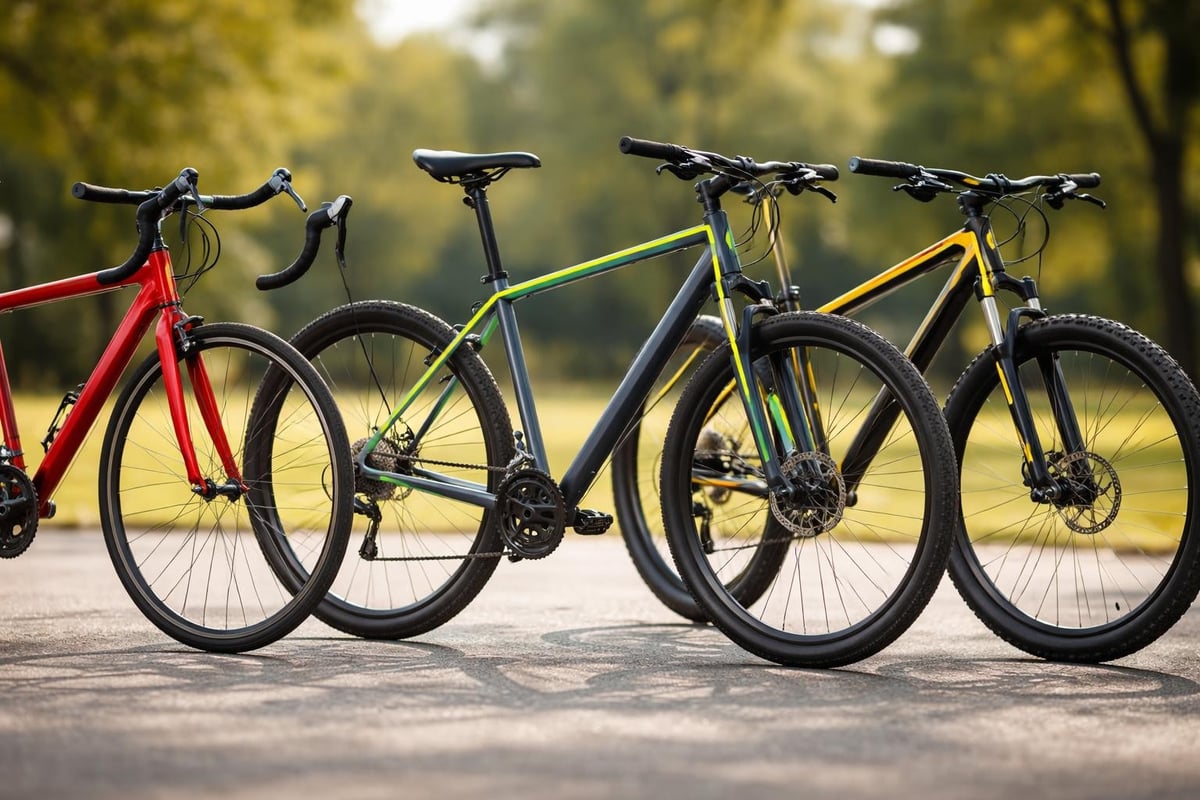
When cyclists research "hybrid bike what is," tire design frequently emerges as a defining characteristic. Hybrid bikes typically feature medium-width tires ranging from 28mm to 42mm, positioned between narrow road bike tires (23-28mm) and wide mountain bike tires (2.0-2.5 inches).
| Bike Type | Tire Width | Tread Pattern | Best Surface |
|---|---|---|---|
| Road Bike | 23-28mm | Slick | Paved roads |
| Hybrid Bike | 28-42mm | Semi-slick | Mixed terrain |
| Mountain Bike | 2.0-2.5 inches | Aggressive knobs | Off-road trails |
The tread pattern features minimal knobs or semi-slick designs that roll efficiently on pavement while providing adequate grip on packed dirt, gravel paths, or wet roads. This versatility proves invaluable for Indian cyclists who regularly encounter varying road conditions within a single commute.
Key Components That Define Hybrid Bikes
Understanding "hybrid bike what is" requires examining the specific components that manufacturers select for these versatile machines.
Gearing Systems
Hybrid bikes employ wide-range gearing systems that accommodate both flat urban environments and occasional climbs. Most models feature between 21 and 27 speeds, combining triple chainrings or double chainrings with 7-9 speed cassettes at the rear.
The gear ratios provide:
- Low gears for climbing hills without excessive strain
- Middle gears for efficient cruising at moderate speeds
- High gears for maintaining momentum on flat roads or descents
This range makes hybrid bikes practical for Indian cities with varying topography, from flat areas to regions with moderate elevation changes. According to comprehensive hybrid bike guides, modern gearing systems focus on simplicity and reliability rather than racing-level precision.
Braking Technology
Hybrid bikes utilize either rim brakes or disc brakes, with newer models increasingly adopting disc brake technology for superior stopping power in wet conditions.
Rim brakes offer:
- Lighter overall weight
- Simpler maintenance
- Lower initial cost
- Adequate performance in dry conditions
Disc brakes provide:
- Consistent stopping power in rain or mud
- Better modulation for controlled braking
- Less wheel wear over time
- Enhanced safety for heavier riders or cargo loads
For Indian monsoon conditions and urban traffic scenarios, disc brakes deliver confidence-inspiring performance that justifies their slightly higher maintenance requirements.
Hybrid Bike Categories and Specializations
The question "hybrid bike what is" becomes more nuanced when examining specialized hybrid categories designed for specific purposes. Hybrid bicycles have evolved into distinct subcategories since their introduction in the late 1980s.
Commuter-Focused Hybrids
Commuter hybrids prioritize practicality with integrated mounting points for fenders, racks, and lights. These bikes often include chain guards to protect clothing and sealed hubs that require minimal maintenance.
City-specific features include:
- Kickstands for convenient parking
- Reflectors for visibility in low-light conditions
- Puncture-resistant tires for reliability
- Internal hub gears requiring less frequent adjustment
Fitness-Oriented Hybrids
Fitness hybrids lean toward road bike characteristics with lighter frames, narrower tires, and more aggressive geometry. These bikes suit riders who want the efficiency of road bikes without the extreme riding position or delicate construction.
Performance characteristics include faster acceleration, reduced rolling resistance, and responsive handling that makes longer recreational rides more enjoyable. Many Indian cyclists building endurance or participating in casual group rides find fitness hybrids ideal for their progression.
Comfort and Cruising Hybrids
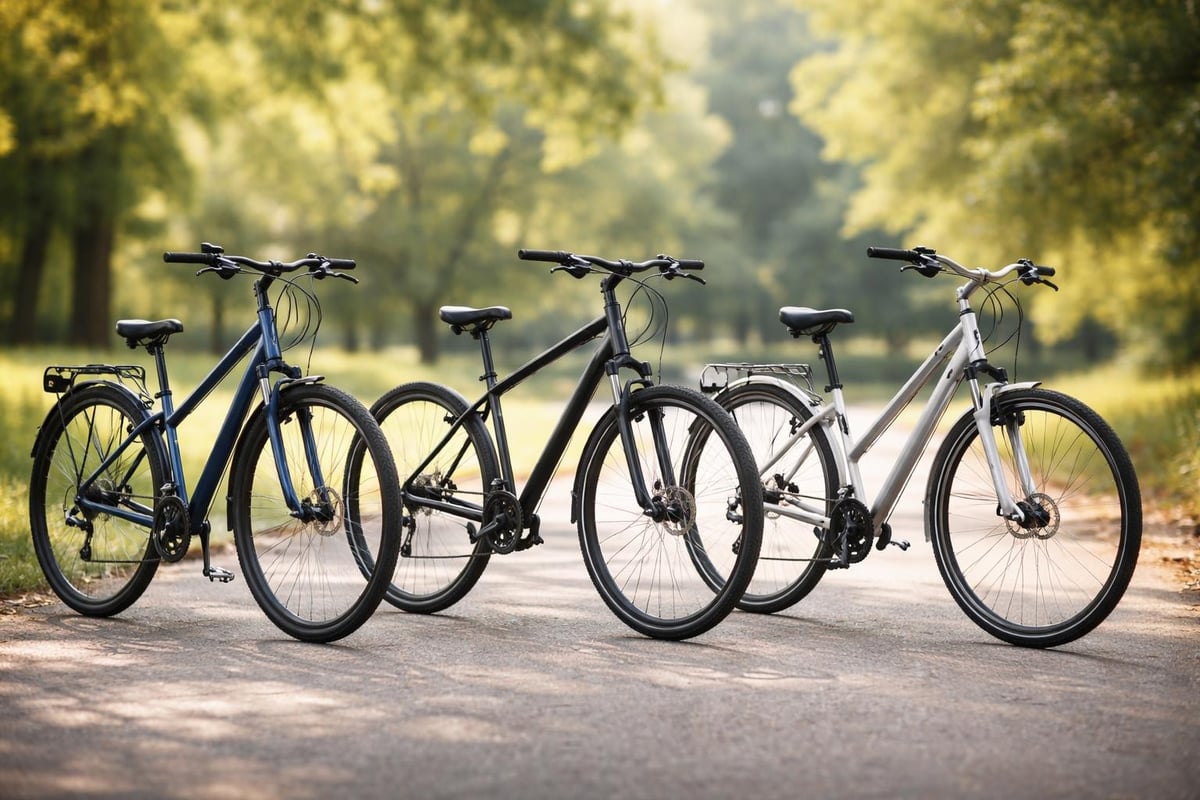
Comfort hybrids maximize rider ease with additional suspension elements, wider saddles, and relaxed geometry. Front suspension forks absorb road vibrations and small obstacles, while suspension seatposts add another layer of comfort.
These models suit riders prioritizing enjoyment over speed, particularly those returning to cycling after years away or managing physical limitations. The upright position and cushy components make every ride pleasant rather than athletic.
Comparing Hybrid Bikes to Alternative Bicycle Types
Understanding "hybrid bike what is" gains clarity through direct comparison with specialized bicycle categories.
Hybrid Bikes Versus Road Bikes
The differences between hybrid and road bikes extend beyond simple component choices to fundamental design philosophy. Road bikes optimize aerodynamics and weight for maximum speed on smooth pavement, while hybrids sacrifice some efficiency for versatility and comfort.
| Feature | Road Bike | Hybrid Bike |
|---|---|---|
| Riding Position | Aggressive, aerodynamic | Upright, comfortable |
| Tire Width | 23-28mm | 28-42mm |
| Average Weight | 7-9 kg | 11-14 kg |
| Terrain Capability | Paved roads only | Mixed surfaces |
| Handlebar Type | Drop bars | Flat or riser bars |
Road bikes excel on smooth Indian highways or dedicated cycling paths, but struggle with potholes, speed breakers, or unpaved shortcuts. Hybrids handle these obstacles confidently while remaining efficient enough for fitness riding and longer distances.
Hybrid Bikes Versus Mountain Bikes
Mountain bikes prioritize off-road capability with heavy-duty components, aggressive tire treads, and substantial suspension systems. While mountain bikes conquer technical trails, they prove inefficient for commuting or road riding due to increased weight and rolling resistance.
Hybrid bikes provide sufficient capability for canal paths, park trails, and light gravel roads without the penalties mountain bikes impose on pavement. For Indian cyclists who primarily ride on roads but occasionally explore easier trails, hybrids deliver better overall value.
The decision between these categories depends on your specific riding environment. Cyclists spending more than 30% of their time on genuine off-road trails benefit from mountain bike features, while those primarily commuting or exercising on mixed urban terrain find hybrids more practical.
Selecting the Right Hybrid Bike for Indian Conditions
When determining "hybrid bike what is" right for your needs, consider specific factors relevant to Indian cycling environments and infrastructure.
Frame Size and Fit
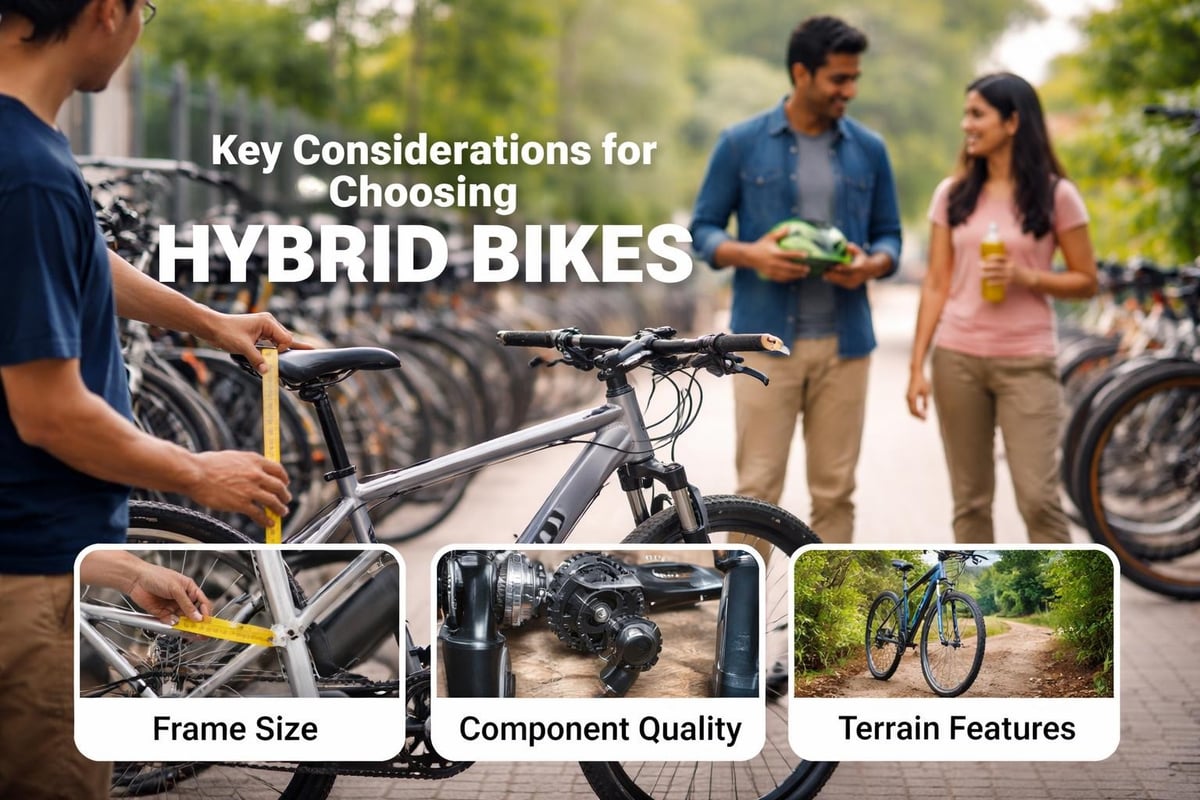
Proper frame sizing ensures comfort, efficiency, and injury prevention. Most manufacturers provide sizing charts based on height, but inseam measurement provides more accurate fitting guidance.
Sizing process:
- Measure your inseam from crotch to floor while wearing cycling shoes
- Multiply by 0.65 for road-style hybrids or 0.66 for upright models
- Compare result to manufacturer sizing charts (measured in centimeters)
- Test ride to verify comfort and reach to handlebars
Indian cyclists often find local bike shops provide limited sizing options, making careful measurement before online purchases particularly important. Essential cycling gear guides emphasize proper fit as foundational to enjoyable cycling experiences.
Component Quality Considerations
Entry-level hybrid bikes start around ₹15,000-₹20,000 with basic components, while mid-range models between ₹30,000-₹50,000 offer significantly improved durability and performance. Premium hybrids exceeding ₹60,000 feature lightweight materials and high-end component groups.
For Indian conditions, prioritize:
- Reliable braking systems (mechanical disc minimum)
- Corrosion-resistant components for coastal or high-humidity regions
- Puncture-resistant tire technology for debris-laden roads
- Sealed bearings in hubs and bottom brackets
Investing in quality components reduces long-term maintenance costs and frustration from frequent repairs. The humid monsoon season particularly challenges cheaper components prone to rust and deterioration.
Practical Applications for Hybrid Bikes in India
Understanding "hybrid bike what is" best suited for requires examining real-world usage scenarios common among Indian cyclists.
Daily Commuting and Transportation
Hybrid bikes excel as car alternatives for urban commutes between 5-20 kilometers. The upright position provides excellent visibility in traffic, while the comfortable geometry prevents fatigue during stop-and-go riding through congested areas.
Commuters should consider bikes with:
- Fender mounts for monsoon protection
- Rear rack compatibility for laptop bags or groceries
- Integrated lighting options or dynamo hubs
- Durable tires resistant to glass and debris
Many Indian companies now encourage cycling to work, with hybrid bikes representing the practical choice that balances professional appearance with athletic capability. The ability to carry work essentials while maintaining moderate speed makes hybrids ideal for this purpose.
Weekend Fitness and Recreation
Fitness-focused riders use hybrid bikes for structured exercise rides, covering 20-50 kilometers on mixed terrain. The efficient rolling characteristics support cardiovascular training without the extreme positions that might discourage casual athletes.
Group rides often welcome hybrid bikes on routes combining paved roads with packed dirt paths or canal roads. While pure road bikes prove faster on smooth sections, hybrids maintain comfortable pacing while offering security on rougher surfaces.
Touring and Multi-Day Adventures
Touring-specific hybrid bikes feature reinforced frames, multiple bottle cage mounts, and geometry optimized for carrying loaded panniers. These bikes enable multi-day journeys across varied terrain with camping gear or clothing.
Indian touring routes often combine paved highways, village roads, and occasional unpaved stretches where hybrid bikes' versatility proves invaluable. The stable handling and robust construction withstand loaded riding better than lightweight road bikes.
Maintaining Your Hybrid Bike
Answering "hybrid bike what is" properly maintained involves understanding routine care specific to these versatile machines.
Regular Maintenance Schedule
Hybrid bikes require consistent attention to maintain performance and safety. Cycling accessories and maintenance tools help keep your bike functioning optimally between professional services.
Weekly tasks:
- Check tire pressure (maintain manufacturer recommendations)
- Inspect brake pads for wear
- Clean chain and apply appropriate lubricant
- Verify all quick-release mechanisms are secure
Monthly tasks:
- Deep clean frame and components
- Check spoke tension and wheel trueness
- Inspect cables for fraying or rust
- Lubricate pivot points on derailleurs
Annual professional service:
- Complete drivetrain replacement if needed
- Bearing inspection and regreasing
- Brake system bleeding (hydraulic disc brakes)
- Frame inspection for cracks or damage
Indian conditions accelerate wear on certain components. Monsoon riding requires more frequent chain cleaning and lubrication, while dusty environments demand regular cleaning to prevent grit from damaging moving parts.
Upgrading Components Over Time
Many cyclists purchase entry-level hybrid bikes and gradually upgrade components as skills and preferences develop. This approach spreads costs while allowing experimentation with different setups.
Common upgrades include:
| Component | Upgrade Benefit | Approximate Cost |
|---|---|---|
| Tires | Better grip, puncture resistance | ₹2,000-₹4,000 |
| Saddle | Improved comfort | ₹1,500-₹5,000 |
| Pedals | Efficiency, foot retention | ₹1,000-₹8,000 |
| Grips/Bar Tape | Comfort, control | ₹500-₹2,000 |
| Lighting | Safety, visibility | ₹1,500-₹6,000 |
Upgrading contact points (saddle, grips, pedals) typically provides the most noticeable comfort improvements, while tire upgrades enhance performance and reliability.
Advanced Features in Modern Hybrid Bikes
Contemporary hybrid bikes incorporate technology previously reserved for specialized bicycles, blurring traditional category boundaries.
Electric Hybrid Bikes
Hybrid electric bikes combine traditional hybrid versatility with pedal-assist motors, extending range and reducing effort for longer commutes or challenging terrain. These e-bikes maintain hybrid characteristics while adding battery-powered assistance.
Motor systems provide:
- Assistance up to 25 km/h (Indian regulations)
- Extended range for older riders or those with physical limitations
- Hill-climbing capability without excessive effort
- Cargo-hauling capacity for shopping or delivery applications
E-hybrid prices start around ₹40,000 for basic models and exceed ₹1,50,000 for premium systems with long-range batteries and sophisticated motors. Indian urban environments with traffic congestion benefit particularly from e-hybrid capabilities.
Integrated Technology
Modern hybrid bikes increasingly feature integrated technology including GPS mounting systems, smartphone connectivity, and electronic shifting. While these additions raise costs, they enhance functionality for tech-oriented cyclists.
Premium models offer:
- Automatic gear shifting based on cadence and terrain
- Integrated power meters for training data
- Electronic locks with smartphone control
- Built-in navigation displays
For most Indian cyclists, these features remain optional luxuries rather than necessities, though commuters who track fitness data or navigate unfamiliar routes may find value in connectivity features.
Choosing Accessories for Your Hybrid Bike
Equipping your hybrid bike with appropriate accessories maximizes its versatility and your riding enjoyment. Whether you're commuting, exercising, or exploring, the right gear enhances safety and comfort throughout your cycling journey.
Quality helmets, lights, locks, and weather protection represent essential investments that protect both rider and bicycle. Cycling Gears Hub - Premium Cycling Gear & Accessories offers comprehensive selections of these critical items, helping riders outfit their hybrid bikes completely from a trusted source serving over 10,000 Indian cyclists.

Additional accessories worth considering include:
- Frame bags for carrying tools, snacks, and personal items
- Bottle cages to maintain hydration during rides
- Mirrors for enhanced visibility in traffic
- Phone mounts for navigation and communication access
- Fenders to protect from road spray during monsoons
The specific accessories you need depend on your primary riding purpose, but starting with safety essentials and expanding based on experience provides a practical approach.
Hybrid Bikes and Indian Cycling Culture
The question "hybrid bike what is" gaining popularity in India reflects changing transportation attitudes and growing health consciousness among urban populations.
Growing Adoption Rates
Indian cities increasingly recognize cycling as viable transportation, with dedicated infrastructure appearing in Bangalore, Pune, Delhi, and other metropolitan areas. Hybrid bikes suit this infrastructure perfectly, handling both protected bike lanes and mixed traffic scenarios.
Government initiatives promoting cycling for health and environmental benefits have expanded the cyclist community beyond traditional enthusiasts to include professionals, students, and families. Hybrid bikes' approachable nature welcomes these new riders without intimidating specialization.
Community and Group Riding
Cycling clubs across India organize regular group rides that welcome hybrid bikes alongside specialized machines. The social aspects of group cycling provide motivation and safety in numbers, particularly for newer riders building confidence.
Many clubs specifically organize "hybrid-friendly" routes that avoid extreme terrain or excessive distances, recognizing that versatile bikes suit versatile riders with varying fitness levels and experience.
Hybrid bikes represent the ideal starting point for most Indian cyclists, offering versatility that accommodates commuting, fitness, and recreational riding without specialized knowledge or extreme budgets. Understanding what defines these practical machines helps you select the right model for your specific needs and local conditions. Whether you're beginning your cycling journey or seeking one bike for multiple purposes, Cycling Gears Hub provides the bikes, accessories, and expert guidance to support your riding goals with fast shipping, flexible payment options, and hassle-free returns across India.