

The hybrid MTB represents a compelling middle ground for cyclists who refuse to be confined to a single riding style. These versatile machines blend the ruggedness of mountain bikes with the efficiency of road-oriented designs, creating a bicycle that adapts to diverse terrain and riding conditions. Whether you're commuting through urban landscapes, exploring gravel paths, or tackling moderate trails, understanding what makes a hybrid MTB unique can transform your cycling experience and help you make an informed purchase decision.
Understanding the Hybrid MTB Design Philosophy
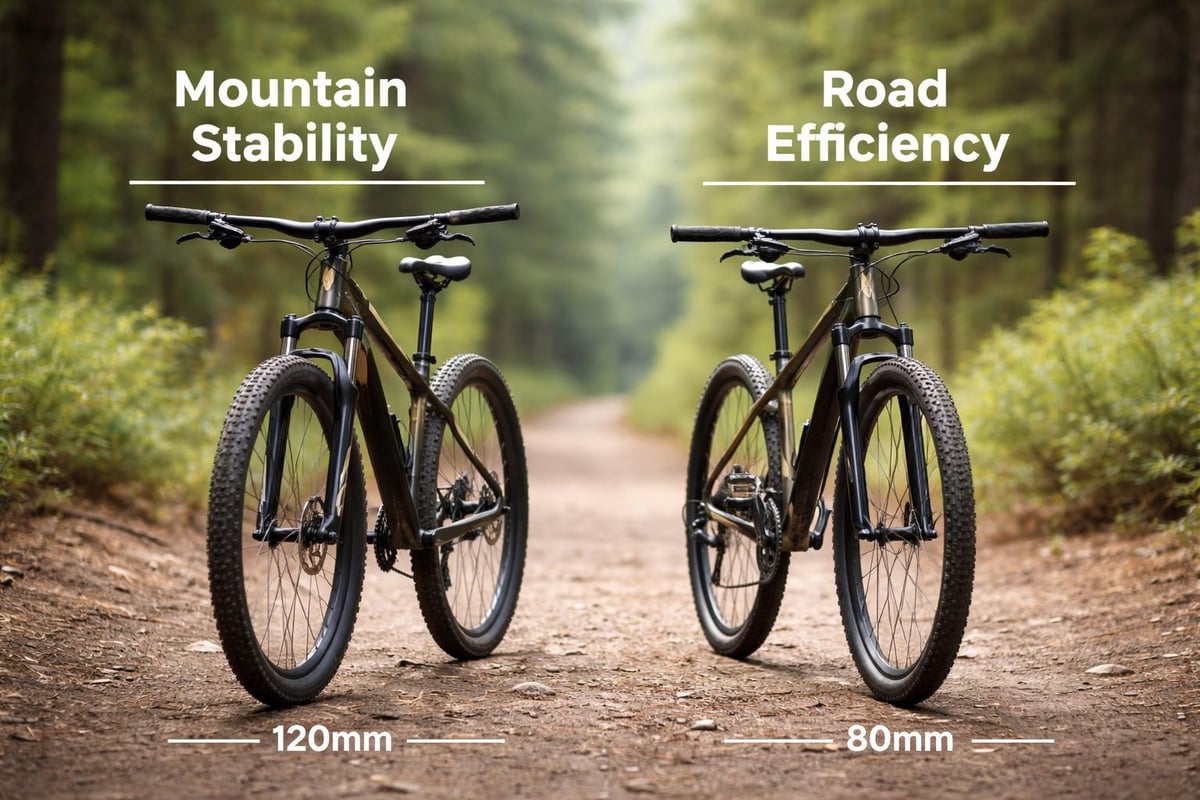
A hybrid MTB takes core elements from traditional mountain bikes while incorporating features that enhance versatility and comfort across multiple riding scenarios. The frame geometry strikes a balance between the upright, relaxed position of a mountain bike and the slightly forward-leaning stance of a road bike.
Key design characteristics include:
- Wider tires than road bikes but narrower than full mountain bike tires (typically 35-45mm)
- Front suspension forks with moderate travel (50-80mm)
- Flat or slightly raised handlebars for better control and visibility
- Robust frame construction that handles rough surfaces
- Mounting points for racks, fenders, and water bottles
The suspension system on a hybrid MTB deserves special attention. Unlike aggressive mountain bikes with 100-150mm of travel, these bikes feature limited suspension designed to absorb urban obstacles like potholes and curbs rather than large trail features. This approach reduces weight and maintains pedaling efficiency while still providing shock absorption where needed.
Frame Materials and Construction
Modern hybrid MTB frames utilize various materials, each offering distinct advantages. Aluminum dominates the market due to its favorable strength-to-weight ratio and affordability. Steel frames provide exceptional durability and a smooth ride quality, though they weigh more. Carbon fiber appears in premium models, delivering lightweight performance at a higher price point.
The frame geometry typically features a longer wheelbase than pure road bikes, enhancing stability on uneven surfaces. Head tube angles range between 68-72 degrees, creating responsive steering without the twitchiness of aggressive mountain bikes. Bottom bracket heights sit higher than road bikes to prevent pedal strikes on rough terrain.
Tire Selection and Terrain Capability
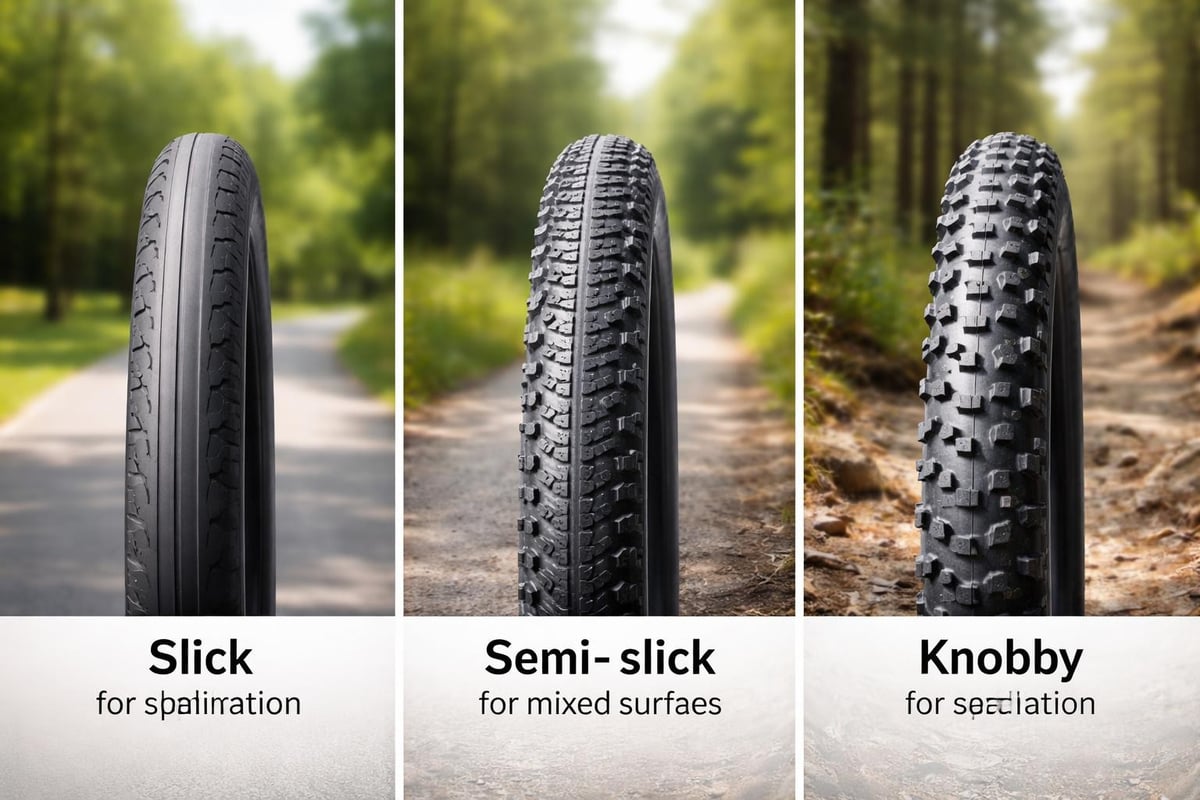
Tire choice dramatically influences how a hybrid MTB performs across different surfaces. The versatility of these bikes stems partly from their ability to accommodate various tire widths and tread patterns. Most hybrid MTB models accept tires ranging from 32mm to 50mm, allowing riders to customize based on their primary riding environment.
Tread pattern considerations:
| Tread Type | Best For | Speed | Grip |
|---|---|---|---|
| Slick/Semi-slick | Pavement, hard-packed paths | High | Low |
| Light knobs | Mixed surfaces, gravel | Medium | Medium |
| Aggressive knobs | Soft trails, mud | Low | High |
For riders splitting time between pavement and light trails, a semi-slick tire with minimal side knobs offers the best compromise. These tires roll efficiently on smooth surfaces while providing adequate grip when cornering on loose terrain. The Men's Health review of best hybrid bikes highlights several models that excel with this tire configuration.
Tire pressure also plays a crucial role in performance. Lower pressures (35-45 PSI) increase comfort and traction on rough surfaces but sacrifice speed. Higher pressures (55-65 PSI) improve rolling resistance on pavement but reduce shock absorption. Many hybrid MTB riders adjust pressure based on their planned route.
Component Specifications That Matter
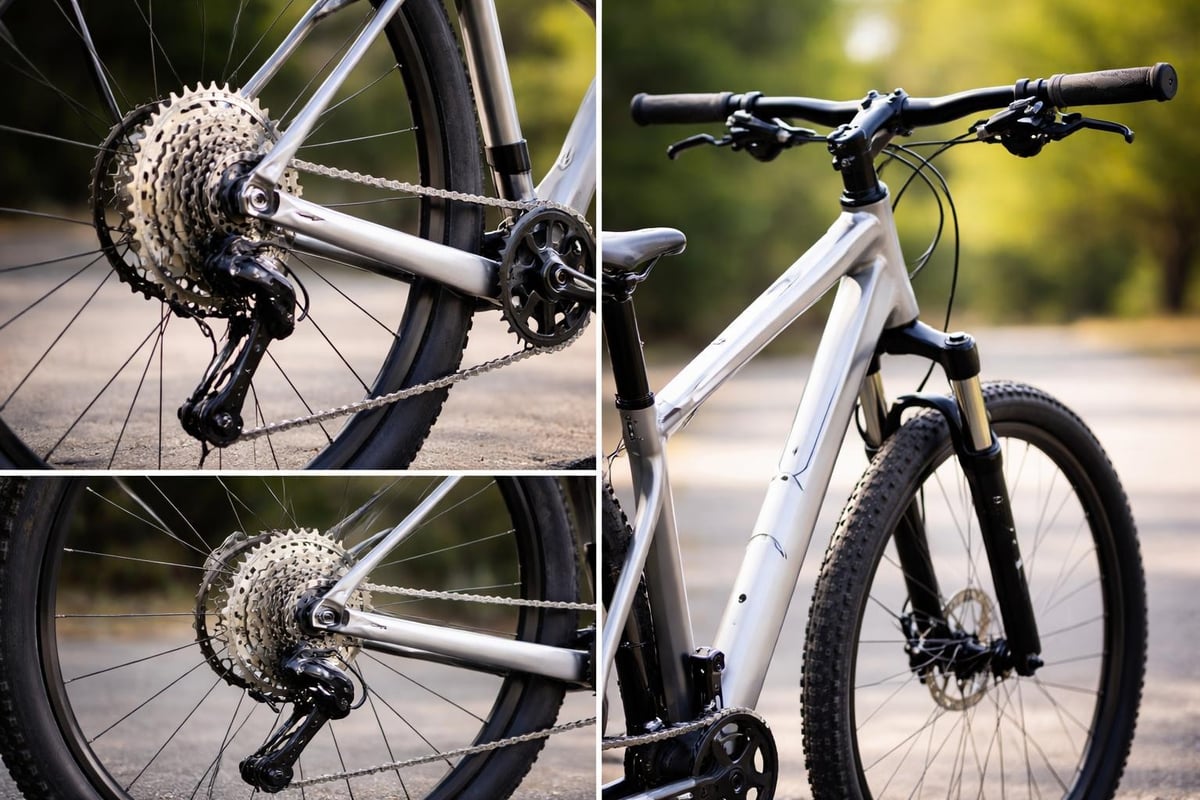
The drivetrain on a hybrid MTB typically features a wider gear range than road bikes but less extreme ratios than mountain bikes. Most modern hybrids use 1x or 2x setups, eliminating the complexity of triple chainrings while maintaining adequate gearing for varied terrain.
Gearing Systems
A 1x11 or 1x12 drivetrain with a single front chainring (typically 38-42 teeth) paired with an 11-42 or 11-50 tooth cassette provides sufficient range for most riding. This configuration simplifies shifting and reduces maintenance while keeping the bike lightweight. For riders tackling steep climbs with loaded panniers, a 2x system offers additional low gears.
Brake systems have evolved significantly:
- Mechanical disc brakes offer reliable stopping power at moderate cost
- Hydraulic disc brakes provide superior modulation and power
- Rim brakes appear only on budget models due to performance limitations
When it comes to equipping your hybrid MTB with quality components, Cycling Gears Hub offers premium cycling gear and accessories designed for riders of all levels, including brake systems, drivetrain components, and performance essentials that enhance comfort and safety for every ride.

The handlebars and stem configuration directly impacts comfort and control. Flat bars with a slight rise (15-30mm) provide an upright position reducing strain on the back and neck during long rides. Grips should offer adequate cushioning to absorb vibration from rough surfaces. Quality grips and bartapes make substantial differences in ride comfort.
Comparing Hybrid MTB to Traditional Categories
Understanding where a hybrid MTB fits within the broader bicycle spectrum helps clarify whether this category suits your needs. The Cycling Weekly comparison between mountain and hybrid bikes provides detailed testing data showing performance differences across various metrics.
Performance comparison across bike types:
| Feature | Road Bike | Hybrid MTB | Mountain Bike |
|---|---|---|---|
| Speed on pavement | Excellent | Good | Fair |
| Trail capability | Poor | Moderate | Excellent |
| Comfort | Fair | Excellent | Good |
| Versatility | Low | High | Medium |
| Weight | Light | Medium | Heavy |
The hybrid MTB sacrifices some specialized performance in exchange for broader capability. You won't match a road bike's speed on smooth pavement, nor will you tackle technical singletrack like a full-suspension mountain bike. However, this compromise creates a single bicycle that handles 80% of riding situations competently.
The Debate on Hybrid Mountain Bikes
Not everyone embraces the hybrid MTB concept. The Singletracks article on hybrid mountain bikes presents a critical viewpoint, arguing these bikes lack the specialized features that make dedicated mountain bikes excel on trails. This perspective deserves consideration, particularly for riders who primarily ride aggressive terrain.
The criticism centers on suspension quality, geometry compromises, and component specifications that prioritize versatility over peak performance. For serious trail riders, these limitations matter. However, for cyclists seeking one bike for commuting, fitness rides, and weekend adventures, the hybrid MTB delivers exceptional value.
Practical Applications and Use Cases
The true strength of a hybrid MTB emerges when examining real-world applications. These bikes thrive in mixed-use scenarios where switching between multiple specialized bikes proves impractical.
Commuting and Urban Riding
For daily commuters facing varied route conditions, a hybrid MTB handles potholed city streets, bike path transitions, and occasional shortcut trails with equal competence. The upright position enhances visibility in traffic, while wider tires absorb road imperfections that would rattle a road bike. Mounting points accommodate racks for carrying work essentials or grocery runs.
The Bicycle Warehouse guide on hybrid versus mountain bikes emphasizes how hybrids excel in urban environments where obstacles and surface changes occur frequently. The moderate weight makes them manageable for carrying up stairs or loading onto bike racks.
Fitness and Recreational Riding
Fitness-focused riders appreciate how hybrid MTBs accommodate longer rides across varied terrain. The comfortable geometry allows sustained efforts without the aggressive position that causes discomfort for casual riders. Routes can mix paved paths, gravel trails, and light singletrack without requiring bike changes.
Weekend warriors find hybrid MTBs ideal for exploring mixed-surface routes. The capability to transition from pavement to dirt paths opens up route options unavailable to road bikes. Combined with the efficiency that makes 50-kilometer rides realistic, these bikes suit riders building endurance and exploring new areas.
Selecting Components for Your Riding Style
Customizing a hybrid MTB to match your specific needs involves thoughtful component selection. While complete bikes offer good value, understanding which parts impact performance helps you make informed choices whether buying new or upgrading existing equipment.
Wheelset and Tire Considerations
Wheels significantly influence ride quality and performance. Most hybrid MTBs ship with durable wheelsets designed to withstand mixed-terrain abuse rather than minimize weight. Upgrading to lighter wheels improves acceleration and climbing efficiency, though sacrificing some durability.
Tire selection priorities:
- Primary surface type (pavement percentage versus trail percentage)
- Seasonal conditions (wet weather requires better tread)
- Load carrying (touring setups need robust construction)
- Comfort preferences (wider tires at lower pressure increase cushioning)
The 700c tires collection offers various options suitable for hybrid MTB applications, allowing riders to fine-tune performance characteristics. Experimenting with different tread patterns and widths helps identify the optimal setup for your typical routes.
Saddle and Contact Point Optimization
Comfort during extended rides depends heavily on contact points: saddle, grips, and pedals. The stock saddle on most hybrid MTBs prioritizes cushioning over performance, which suits casual riders but may cause issues during longer efforts. Upgrading to a quality saddle matched to your sit bone width dramatically improves comfort.
Pedal choice depends on riding style. Platform pedals with good grip suit casual riders and those frequently stopping. Clipless pedals improve pedaling efficiency and control on rougher terrain, though requiring special shoes and adaptation time. Many hybrid MTB riders start with platforms and transition to clipless systems as their skills develop.
Maintenance and Long-Term Ownership
Hybrid MTBs require regular maintenance to maintain performance and reliability. The exposure to varied conditions accelerates wear on drivetrain components and requires more frequent cleaning than road bikes used exclusively on pavement.
Essential maintenance schedule:
- Weekly: Clean frame and drivetrain after muddy rides, check tire pressure
- Monthly: Deep clean drivetrain, inspect brake pads, check wheel true
- Quarterly: Replace chain, service suspension, comprehensive safety check
- Annually: Full drivetrain replacement, brake system service, bearing inspection
The chains collection provides replacement options when drivetrain wear reaches replacement intervals. Regular chain replacement extends cassette and chainring life, reducing long-term ownership costs despite requiring more frequent chain purchases.
Suspension forks need periodic service to maintain performance. Most hybrid MTB forks use basic spring or coil systems requiring minimal maintenance beyond keeping stanchions clean. Higher-end air forks benefit from annual lower leg service and occasional full rebuilds to prevent seal degradation and maintain smooth operation.
Sizing and Fit Considerations
Proper sizing ensures comfort, efficiency, and control. Hybrid MTB sizing typically follows mountain bike standards, with frame sizes designated as small, medium, large, or by seat tube measurement in centimeters. Most manufacturers provide sizing charts based on height and inseam length.
The relaxed geometry of hybrid MTBs offers more sizing flexibility than aggressive mountain bikes or road bikes. Riders between sizes often prefer smaller frames for easier handling and standover clearance, while larger frames provide more stable handling and better fit for longer torsos.
Adjustability and Fine-Tuning
Once you've selected the appropriate frame size, several adjustments optimize fit. Stem length and angle significantly impact reach and handlebar height. Shorter stems (60-80mm) create more upright positions and quicker handling, while longer stems (90-110mm) stretch the rider forward for improved efficiency.
Seatpost height follows standard fitting protocols: set saddle height so your leg extends fully at the bottom of the pedal stroke with a slight knee bend. Fore-aft position should place your knee over the pedal spindle when the cranks are horizontal. These adjustments prevent knee pain and maximize power transfer.
Weather and Seasonal Performance
Hybrid MTBs handle seasonal variations better than specialized bikes due to their versatile design. Winter riding benefits from wider tires that accommodate studded models for ice and snow traction. The upright position and stable handling provide confidence on slippery surfaces.
Wet weather performance depends largely on tire choice and brake type. Disc brakes maintain consistent stopping power in rain, while rim brakes lose effectiveness on wet rims. Fenders prevent road spray from soaking riders and damaging components, though they add weight and reduce ground clearance slightly.
Summer riding allows experimenting with lighter, faster tire setups since traction concerns decrease on dry surfaces. The suspension can be stiffened or locked out entirely on smooth routes to maximize efficiency. Many riders maintain two wheelsets with different tire configurations, swapping based on seasonal conditions or specific ride plans.
The hybrid MTB delivers remarkable versatility for cyclists who value a single bike capable of handling diverse terrain and riding conditions. Whether commuting through variable urban landscapes or exploring mixed-surface recreational routes, these bikes provide the adaptability modern riders demand. Cycling Gears Hub supports your cycling journey with quality components, accessories, and expert guidance, backed by fast shipping across India and hassle-free returns that make upgrading or building your ideal hybrid MTB straightforward and reliable.