

The mountain bike cycle has revolutionized how riders experience off-road adventures across India's diverse terrain. From the rugged trails of the Himalayas to the challenging paths of the Western Ghats, these specialized bicycles combine durability, performance, and versatility to tackle everything nature throws their way. Whether you're a beginner exploring local trails or an experienced rider pushing your limits on technical descents, understanding the nuances of mountain bike cycles can transform your riding experience and help you make informed decisions about equipment, maintenance, and safety.
Understanding Mountain Bike Cycle Types and Their Applications
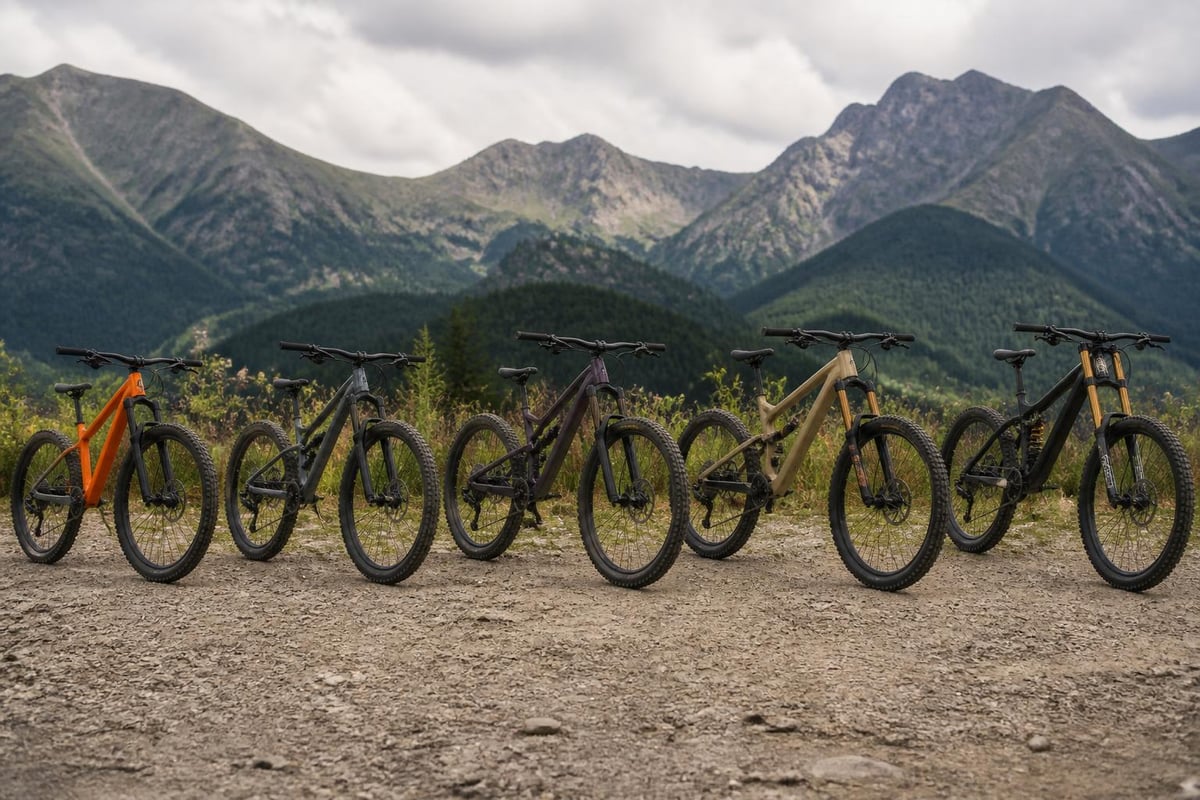
The world of mountain bike cycles offers several distinct categories, each designed for specific riding styles and terrain types. Hardtail mountain bikes feature front suspension only, making them lighter and more efficient for cross-country riding and climbing. These models excel on smoother trails and offer excellent value for beginners building their skills.
Full-suspension mountain bike cycles incorporate both front and rear shock absorption systems. This design provides superior control and comfort on technical terrain, absorbing impacts from rocks, roots, and drops. While heavier and more expensive than hardtails, full-suspension bikes enable riders to maintain speed and confidence on challenging descents.
Cross-Country and Trail Riding Options
Cross-country mountain bike cycles prioritize lightweight construction and pedaling efficiency. These bikes typically feature:
- 100-120mm of suspension travel
- Steeper geometry for climbing efficiency
- Narrower tires (2.0-2.3 inches) for reduced rolling resistance
- Weight-conscious component selection
Trail bikes represent the most versatile category, balancing climbing capability with descending performance. With 120-150mm of suspension travel, these mountain bike cycles handle diverse terrain confidently while remaining manageable for all-day rides.
Key Components That Define Mountain Bike Cycle Performance
The drivetrain system determines how efficiently you transfer power to the wheels. Modern mountain bike cycles increasingly feature 1x (single chainring) drivetrains, which simplify shifting and reduce maintenance compared to traditional 2x or 3x systems. These setups typically offer 11 or 12 rear cogs, providing adequate gear range for most terrain.
Wheel size significantly impacts ride characteristics and handling. The 29-inch wheel diameter has become the dominant standard for mountain bike cycles, offering improved rollover capability and maintaining momentum more effectively than smaller wheels. However, 27.5-inch wheels remain popular among riders who prioritize maneuverability on tight, technical trails.
| Component | Entry Level | Mid-Range | High Performance |
|---|---|---|---|
| Frame Material | Aluminum alloy | Aluminum or carbon | Carbon fiber |
| Suspension | Basic coil spring | Air spring with adjustability | Advanced air spring with compression/rebound tuning |
| Brakes | Mechanical disc | Hydraulic disc (2-piston) | Hydraulic disc (4-piston) |
| Drivetrain | 8-9 speed | 10-11 speed 1x | 12 speed 1x |
Suspension Technology and Setup Considerations
Proper suspension setup transforms how your mountain bike cycle performs on the trail. Air-sprung forks and shocks allow precise tuning to match your weight and riding style. Setting appropriate sag-the amount the suspension compresses under your weight-ensures the bike uses its full travel range effectively.
Rebound damping controls how quickly the suspension extends after compression. Too fast, and the bike feels harsh and bouncy; too slow, and the suspension packs down on consecutive hits. The Adventure Junkies offer a beginner's guide to mountain bike maintenance that covers suspension care alongside other critical maintenance tasks.
Selecting the Right Mountain Bike Cycle for Indian Conditions
India's climate presents unique challenges for mountain bike cycles. High humidity in coastal regions and monsoon seasons demands corrosion-resistant components and diligent maintenance. Stainless steel hardware, sealed bearings, and quality frame coatings extend equipment lifespan in these conditions.
Terrain diversity across Indian states requires careful consideration when choosing a mountain bike cycle. Riders in flatter regions like parts of Tamil Nadu or West Bengal may prioritize efficiency and speed with cross-country models, while those near mountainous areas benefit from the additional capability of trail or enduro bikes.
Budget considerations matter significantly in the Indian market. Quality entry-level mountain bike cycles start around ₹30,000-40,000, offering reliable performance for beginners. Mid-range options between ₹60,000-1,20,000 provide noticeable improvements in components and ride quality. Premium models exceeding ₹1,50,000 deliver cutting-edge technology and minimal weight for competitive riders.
Sizing and Fit Fundamentals
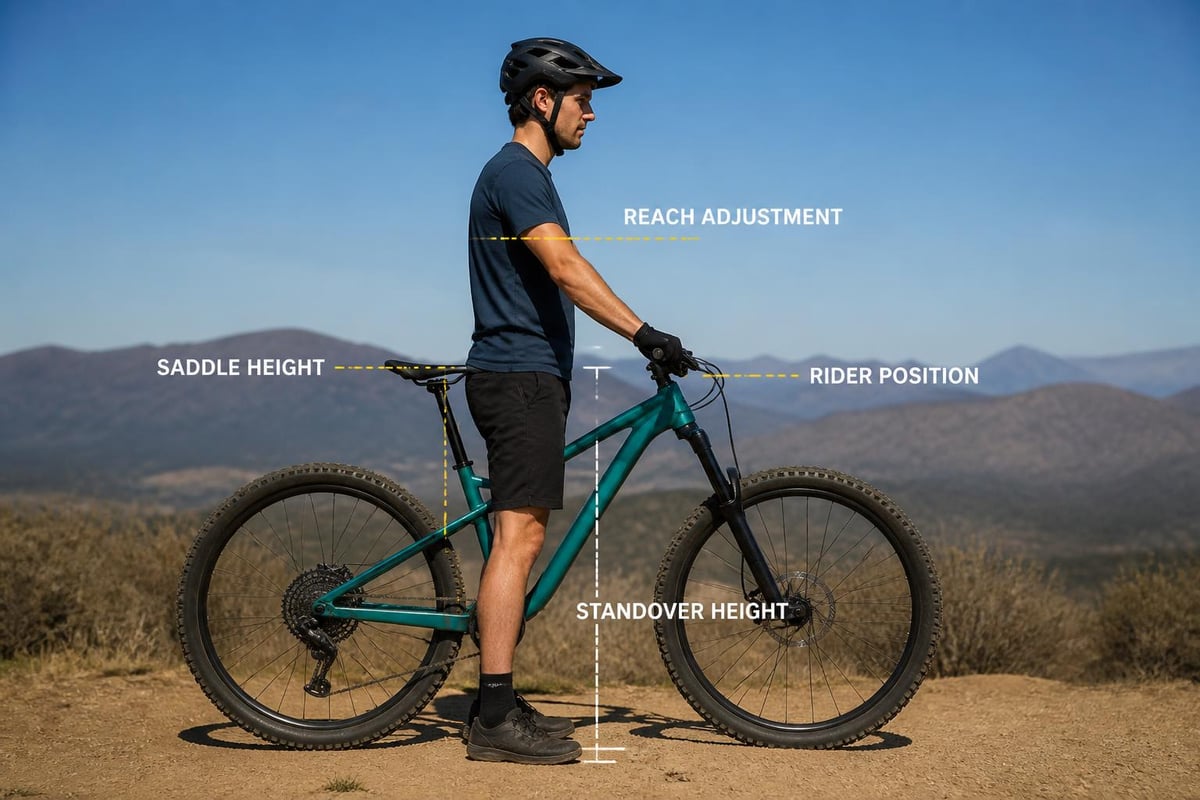
Proper sizing ensures comfort, control, and injury prevention. Mountain bike cycle frames are measured by reach (horizontal distance from bottom bracket to head tube) and stack (vertical distance). Most manufacturers provide size charts based on rider height, but individual proportions-particularly leg and torso length-influence optimal fit.
Test riding remains the gold standard for sizing verification. When standing over the frame, you should have 2-3 inches of clearance. While pedaling, your leg should extend to approximately 80-90% at the bottom of the stroke, preventing knee strain during long rides.
Essential Safety Gear and Pre-Ride Preparations
Helmet selection represents the most critical safety decision for mountain bike cycle riders. Modern mountain bike helmets feature extended rear coverage, improved ventilation, and MIPS (Multi-directional Impact Protection System) technology that reduces rotational forces during impacts. University of Utah Health discusses mountain biking safety across different trails, emphasizing comprehensive gear preparation.
Beyond helmets, protective equipment scales with riding intensity:
- Gloves provide grip, protect hands during falls, and prevent blisters
- Eyewear shields eyes from debris, insects, and UV radiation
- Knee and elbow pads absorb impact on technical terrain
- Body armor offers torso protection for aggressive riding
Pre-ride mechanical checks prevent trail-side failures and dangerous equipment malfunctions. Tom's Guide outlines six essential checks to prepare your bike for summer cycling, covering critical systems that apply equally to mountain bike cycles.
Trail Etiquette and Riding Within Your Limits
Understanding trail right-of-way rules promotes safety and positive relationships between trail user groups. On shared paths, mountain bike cycle riders yield to hikers and equestrians. When encountering other cyclists, the uphill rider typically has right-of-way, though communication and courtesy supersede strict rules.
The Michigan Scholastic Cycling Association provides riding tips focused on recognizing and respecting personal skill limits. Progressing gradually through trail difficulty ratings-from green (beginner) through blue (intermediate) to black (advanced)-builds skills systematically while minimizing injury risk.
Maintenance Protocols for Mountain Bike Cycle Longevity
Regular cleaning prevents premature wear and maintains performance. After muddy or wet rides, rinse your mountain bike cycle with low-pressure water, avoiding direct spray on bearings and suspension seals. Apply degreaser to the drivetrain, scrub with brushes, rinse thoroughly, and dry completely before lubrication.
Chain maintenance directly impacts shifting quality and component lifespan. Clean and lubricate your chain every 100-150 kilometers or after wet rides. Choose wet lubricant for rainy conditions and dry lubricant for dusty environments common across much of India during dry seasons.
| Maintenance Task | Frequency | Key Steps |
|---|---|---|
| Chain cleaning & lubrication | Every 100-150 km | Degrease, rinse, dry, apply appropriate lube |
| Brake pad inspection | Monthly | Check thickness, look for contamination |
| Tire pressure check | Before each ride | Match terrain (lower for traction, higher for efficiency) |
| Suspension service | Annually or per manufacturer | Oil bath, seal replacement, air can service |
| Bearing inspection | Every 6 months | Check for play, clean and regrease if needed |
Addressing Common Mechanical Issues
Brake performance directly affects safety on descents and technical sections. Squealing brakes often indicate contamination on pads or rotors-clean with isopropyl alcohol and lightly sand pads if necessary. Spongy brake feel suggests air in hydraulic lines, requiring bleeding to restore firm lever action.
Shifting problems typically stem from cable tension, derailleur alignment, or worn components. For mountain bike cycles with cable-actuated systems, barrel adjusters allow fine-tuning without tools. This YouTube tutorial provides a comprehensive overview of routine mountain bike maintenance, including troubleshooting shifting and addressing common creaking issues.
Advanced Riding Techniques for Mountain Bike Cycle Mastery
Body positioning fundamentally influences control and efficiency. The "attack position"-elbows bent, knees flexed, weight centered over the pedals-provides stability and readiness to respond to terrain changes. On climbs, shift weight forward to maintain front wheel traction while preventing rear wheel spin. Descents require moving weight back and lowering your center of gravity.
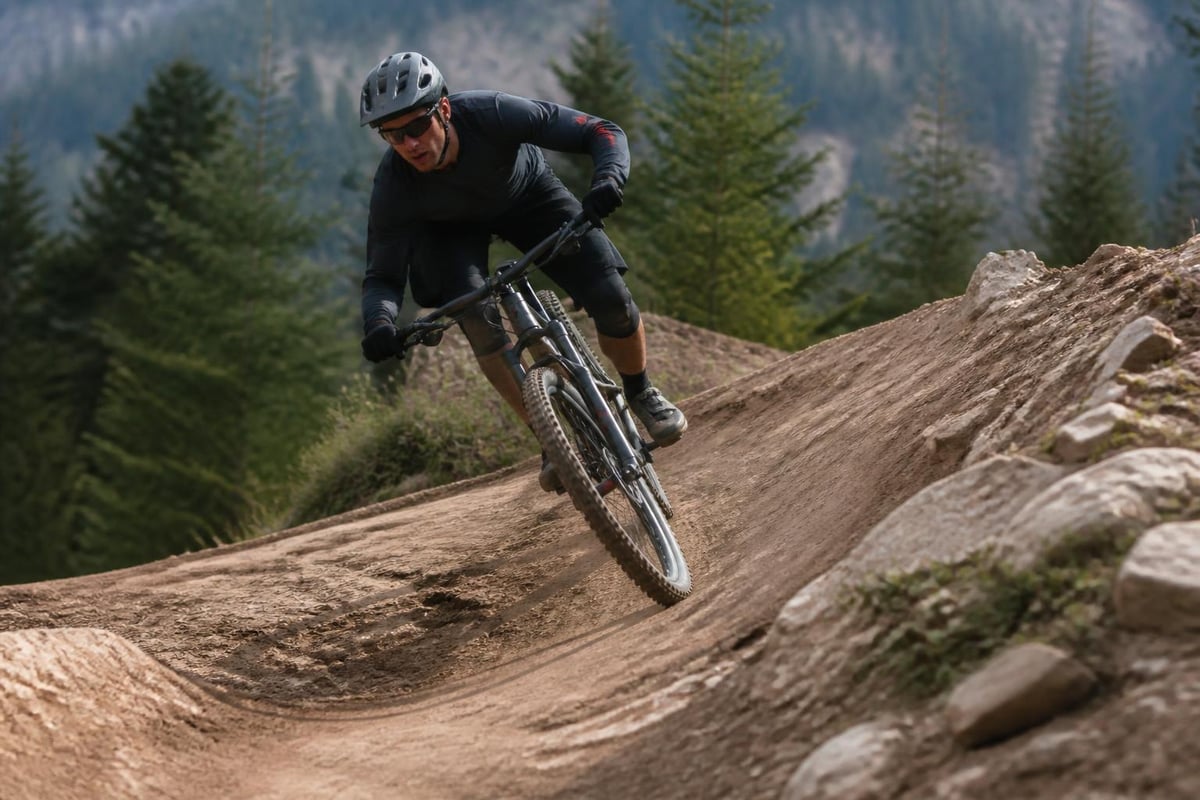
Cornering technique separates confident riders from those who brake through every turn. Look through the corner toward your exit point, lean the bike while keeping your body relatively upright, and weight the outside pedal. Practice on gentle corners before attempting technical bermed turns or off-camber sections.
Navigating Technical Trail Features
Rock gardens demand momentum management and line selection. Scan ahead to identify the smoothest path, maintain steady speed to let suspension work effectively, and keep weight neutral to allow the bike to move beneath you. Heavy braking in rock gardens causes loss of control and increases impact severity.
Roots present similar challenges but require different timing. Approach roots with sufficient speed to clear rather than getting hung up. Lift the front wheel slightly just before contact, allowing it to roll over smoothly, then shift weight forward as the rear wheel follows.
The right equipment makes these techniques more accessible and enjoyable. Cycling Gears Hub offers premium cycling accessories designed to enhance your mountain bike cycle experience, from protective gear that inspires confidence on challenging trails to maintenance tools that keep your bike performing optimally between rides.

Building Skills Through Progressive Trail Selection
Trail difficulty ratings provide guidance but vary between trail systems. Green circle trails feature wide paths, gentle grades, and minimal obstacles-ideal for developing basic mountain bike cycle handling skills. Blue square trails introduce moderate climbing, tighter turns, and occasional technical features like small rock sections or roots.
Black diamond trails demand advanced skills and fitness. Expect steep grades, exposed sections, large obstacles, and sustained technical challenges. Double black diamond ratings indicate extreme difficulty with significant consequences for mistakes. Research on trail difficulty classification explores data-driven approaches to assess mountain bike downhill trails, offering insights into objective difficulty metrics.
Skill Development Progression Framework
- Foundation phase: Master braking, shifting, and basic body positioning on green trails
- Intermediate development: Practice cornering, climbing technique, and simple obstacles on blue trails
- Advanced skills: Tackle steeper terrain, larger features, and technical sections on black trails
- Expert refinement: Push limits on double black terrain and develop race-specific skills
Joining local riding groups accelerates skill development through observation and mentorship. Many Indian cities host mountain bike cycle communities that organize group rides, skills clinics, and trail advocacy efforts. These connections provide valuable knowledge about regional trails, weather patterns, and equipment recommendations specific to local conditions.
Understanding Mountain Bike Cycle Regulations and Trail Access
Trail access varies significantly across India. Some areas welcome mountain bike cycles on all trails, while others restrict bikes to designated routes. National parks and wildlife sanctuaries typically prohibit cycling to protect ecosystems and wildlife. Understanding and respecting these regulations ensures continued access for all riders.
Urban cycling infrastructure continues expanding in Indian cities, though most caters to commuters rather than mountain bike cycle enthusiasts. Dedicated mountain bike parks and trail networks remain relatively rare compared to Western countries, making relationships with land managers and conservation groups essential for developing new riding areas.
Safety Considerations in Remote Areas
Remote trail riding presents unique risks requiring additional preparation. Carry sufficient water-minimum one liter per hour of riding in hot conditions-along with basic first aid supplies, multi-tool, spare tube, pump, and emergency contact information. Consider GPS devices or smartphone apps that work offline for navigation.
Riding with partners enhances safety significantly. If riding solo becomes necessary, inform someone of your planned route and expected return time. Data-driven approaches to biking safety analyze accident patterns and risk factors, providing evidence-based strategies for reducing injury likelihood.
Training and Fitness Development for Mountain Bike Cycle Performance
Cardiovascular endurance forms the foundation of mountain bike cycle performance. Regular rides of 60-90 minutes at moderate intensity build aerobic capacity, while interval training develops the high-intensity efforts required for climbs and technical sections. Off-bike cardio activities like running or swimming complement cycling-specific fitness.
Strength training addresses muscular demands unique to mountain biking:
- Core exercises stabilize the body during rough terrain
- Leg strength powers climbs and maintains control through technical sections
- Upper body conditioning prevents arm fatigue on long descents
- Balance work improves bike handling and prevents falls
Recovery practices prevent overtraining and reduce injury risk. Quality sleep, proper nutrition, and strategic rest days allow adaptation to training stress. Stretching and foam rolling address muscular tightness common after intense mountain bike cycle sessions.
Nutrition Strategies for Trail Performance
Pre-ride nutrition should emphasize easily digestible carbohydrates consumed 1-2 hours before riding. During rides exceeding 90 minutes, consume 30-60 grams of carbohydrates per hour through sports drinks, energy gels, or whole foods like bananas or energy bars. Post-ride recovery windows within 30 minutes benefit from protein and carbohydrate combinations that facilitate muscle repair and glycogen replenishment.
Hydration needs vary with temperature, humidity, and effort level. In India's hot climate, electrolyte replacement becomes crucial during extended rides. Monitor urine color as a simple hydration indicator-pale yellow suggests adequate hydration, while dark yellow indicates insufficient fluid intake.
Emerging Trends in Mountain Bike Cycle Technology
Electronic shifting systems eliminate cables and provide precise, effortless gear changes. While currently limited to premium mountain bike cycles due to cost, electronic drivetrains require minimal maintenance and offer programmable shifting characteristics. Battery life exceeds most riders' needs, with charges lasting weeks or months depending on usage.
Wireless electronic suspension systems adjust damping characteristics automatically based on terrain. Sensors detect impacts and climbing versus descending, optimizing suspension behavior in real-time. These systems represent significant investments but demonstrate where mountain bike cycle technology continues evolving.
Tire technology advances focus on balancing traction, rolling resistance, and puncture protection. Tubeless tire systems have become standard on quality mountain bike cycles, allowing lower pressures for improved grip while reducing flat tire frequency. Tire inserts provide additional rim protection during hard impacts without significant weight penalties.
Sustainability and Environmental Considerations
The mountain bike cycle industry increasingly prioritizes environmental responsibility. Manufacturers adopt recycled materials, reduce packaging waste, and implement carbon-neutral shipping programs. Riders contribute through trail maintenance participation, Leave No Trace principles, and supporting brands committed to sustainability.
Trail erosion remains a significant environmental concern. Riding wet trails accelerates damage, creating ruts that worsen with each subsequent rain. Respecting trail closure signs during wet conditions preserves trail quality and demonstrates responsible stewardship. Building proper drainage features and volunteering for trail maintenance days directly improve riding conditions while protecting natural areas.
Understanding recent regulatory discussions helps riders stay informed about access issues. The ban on drop handlebars in major U.S. mountain bike races highlights how safety considerations shape competitive mountain biking rules, though traditional mountain bike cycles with flat or riser bars remain standard for off-road riding.
Regional Riding Destinations Across India
The Himalayas offer world-class mountain bike cycle experiences, from gentle valley rides to extreme high-altitude expeditions. Manali, Leh, and Shimla provide established trail networks with varying difficulty levels. Altitude acclimatization becomes essential above 3,000 meters, requiring gradual ascent and recognition of altitude sickness symptoms.
Western Ghats trails wind through lush forests and tea plantations. Coorg, Munnar, and areas around Pune offer excellent riding during cooler months. Monsoon seasons transform these regions, making trails muddy and potentially dangerous-timing visits for dry periods ensures better conditions and safer riding.
Desert riding in Rajasthan provides unique challenges and scenery. Sandy terrain demands tire pressure adjustments and different handling techniques compared to forest trails. The stark landscapes and cultural attractions combine adventure riding with tourism opportunities.
Mastering the mountain bike cycle requires understanding equipment, developing skills progressively, and maintaining your bike properly for the diverse conditions found across India. Whether you're exploring local trails or planning epic mountain adventures, having the right gear makes every ride safer and more enjoyable. Cycling Gears Hub supports your mountain biking journey with premium accessories, protective equipment, and maintenance essentials-all backed by reliable shipping, flexible payment options, and hassle-free returns trusted by over 10,000 Indian cyclists.