

Choosing the right mountain bike helmet represents one of the most critical decisions any cyclist can make. Whether you're navigating technical trails in the Western Ghats or exploring rugged mountain paths, your helmet serves as the primary line of defense against head injuries. With technological advancements continuously reshaping helmet design and safety features evolving beyond basic impact protection, understanding what makes a quality mountain bike helmet becomes essential for every rider.
Understanding Mountain Bike Helmet Safety Standards
Safety certifications form the foundation of any reliable mountain bike helmet. These standards ensure helmets meet minimum requirements for impact protection and structural integrity.
Global Certification Requirements
Different regions maintain distinct testing protocols for helmet safety. The CPSC (Consumer Product Safety Commission) standard remains mandatory in the United States, while CE EN 1078 governs European markets. Indian cyclists should look for ISI certification alongside international standards when purchasing protective gear.
Key certification bodies include:
- CPSC (United States)
- CE EN 1078 (European Union)
- AS/NZS 2063 (Australia/New Zealand)
- ISI (Bureau of Indian Standards)
The Bicycle Helmet Safety Institute provides comprehensive summaries of these standards, explaining how each certification tests for different impact scenarios and performance thresholds. Understanding these certifications helps riders make informed decisions based on where and how they ride.
Advanced Safety Technologies
Modern mountain bike helmets incorporate technologies that address both linear and rotational impact forces. MIPS (Multi-directional Impact Protection System) has become increasingly common, featuring a low-friction layer that allows the helmet to rotate slightly during angled impacts.
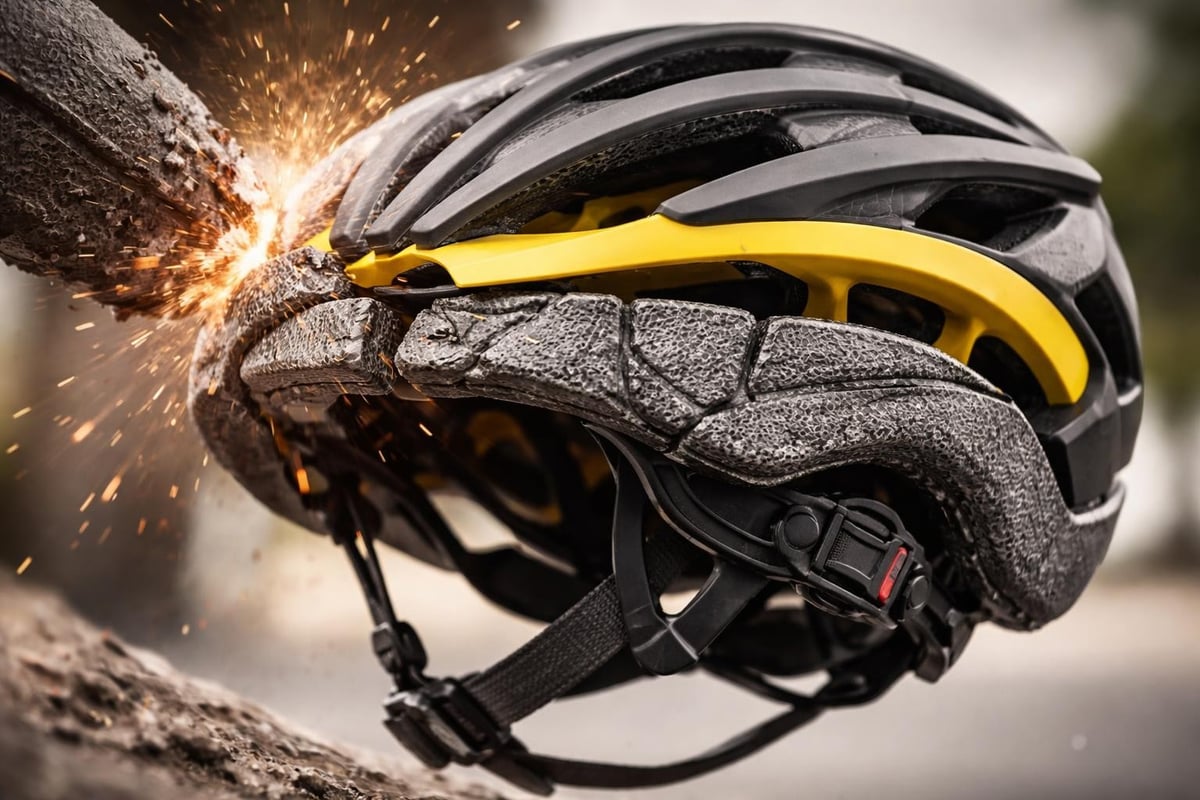
Recent innovations like the Release Layer System show promising results in reducing concussion risk. According to independent testing reported by Cycling Weekly, these newer technologies demonstrate measurable improvements over conventional designs when addressing rotational forces.
| Safety Technology | Primary Function | Impact Type Addressed |
|---|---|---|
| MIPS | Rotational force reduction | Angled impacts |
| WaveCel | Energy absorption through crumpling | Multiple directions |
| Koroyd | Controlled crumple zones | Linear impacts |
| EPS Foam | Impact energy distribution | Direct impacts |
Mountain Bike Helmet Types and Their Applications
Different riding disciplines demand specific helmet designs optimized for their unique challenges and risk profiles.
Trail and All-Mountain Helmets
Trail helmets balance ventilation, coverage, and weight for general mountain biking. These versatile designs typically extend further down the back of the head than road helmets and often include visors for sun and debris protection.
Most trail riders find these helmets ideal for rides lasting two to four hours across varied terrain. The extended rear coverage provides additional protection during backward falls, a common occurrence on technical descents.
Enduro and Full-Face Options
Enduro helmets offer more comprehensive coverage without the bulk of full downhill designs. They feature deeper side protection and reinforced chin bars while maintaining reasonable ventilation for climbing sections.
Full-face helmets provide:
- Complete jaw and face protection
- Enhanced impact resistance
- Maximum coverage for high-speed descents
- Reduced ventilation compared to open-face designs
Riders tackling bike parks, downhill courses, or particularly aggressive trail networks benefit from this additional protection. The trade-off involves increased weight and reduced airflow during climbs.
Convertible and Modular Designs
Convertible helmets feature removable chin bars, allowing riders to switch between full-face and open-face configurations. This versatility suits riders who climb with minimal coverage and add protection for descents.
These designs appeal to enduro racers and adventure riders who encounter diverse terrain throughout single rides. Weight considerations and structural integrity at connection points require careful evaluation when selecting convertible options.
Achieving the Perfect Helmet Fit
Proper fit determines both safety effectiveness and riding comfort. A poorly fitted helmet compromises protection regardless of its safety ratings or advanced technologies.
Measuring and Sizing Guidelines
Begin by measuring head circumference approximately one inch above your eyebrows. Wrap a flexible tape measure around the widest part of your head, keeping the tape level.
Most manufacturers provide size charts correlating measurements to small, medium, large, and extra-large categories. Sizes typically overlap by one to two centimeters, allowing riders near size boundaries to choose based on head shape preferences.
- Measure head circumference accurately
- Consult manufacturer-specific size charts
- Consider head shape (round vs. oval)
- Account for hair thickness if applicable
- Try multiple sizes when possible
Adjustment and Retention Systems
Modern retention systems use dial mechanisms, ratchet straps, or BOA systems to achieve precise fit adjustments. The helmet should sit level on your head, approximately two finger-widths above your eyebrows.
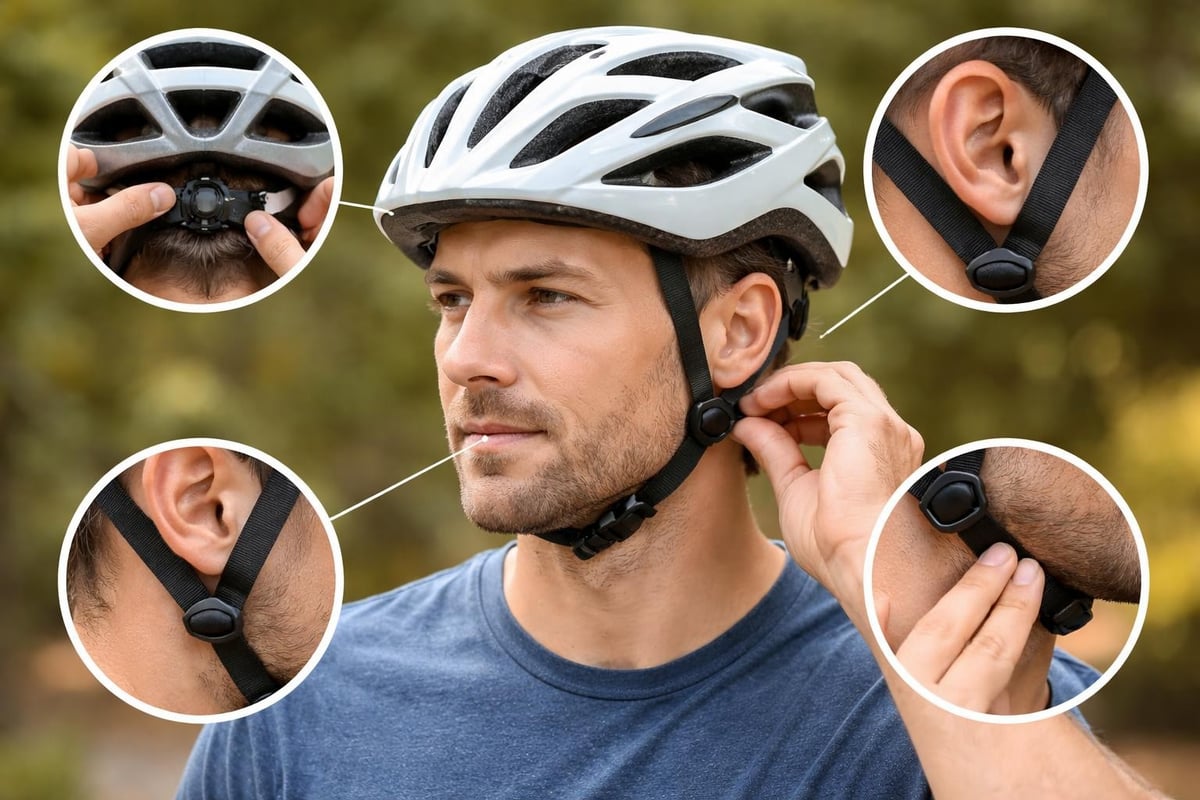
Side straps should form a "V" shape just below each ear. Tighten the chin strap until you can fit only one or two fingers between the strap and your chin. When properly fitted, the helmet should not move more than one inch in any direction when you shake your head vigorously.
The comprehensive podcast by Singletracks covers fitting techniques in detail, offering audio guidance for achieving optimal helmet positioning and retention system adjustment.
Ventilation and Climate Considerations
Ventilation significantly impacts comfort during extended rides, particularly in India's varied climate zones. Inadequate airflow leads to overheating and excessive sweating, reducing focus and enjoyment.
Airflow Design Principles
Manufacturers engineer vent placement to maximize airflow while maintaining structural integrity. Larger vents provide better cooling but potentially reduce impact protection in specific zones.
Internal channeling directs air across the scalp, while exhaust ports at the rear facilitate airflow exit. This creates a continuous circulation pattern that removes heat and moisture throughout the ride.
Ventilation considerations for Indian conditions:
- Coastal regions require maximum airflow for humidity management
- High-altitude areas benefit from adjustable vent covers
- Urban riders need balanced ventilation for varied pace riding
- Monsoon season demands effective water drainage systems
Balancing Protection and Cooling
Premium helmets achieve optimal balance between ventilation and safety through strategic vent sizing and placement. Some designs incorporate removable vent covers allowing riders to adjust airflow based on temperature and riding intensity.
Winter riding or early morning sessions in cooler regions might benefit from reduced ventilation. Conversely, summer rides in Rajasthan or Maharashtra demand maximum cooling capacity to prevent heat-related discomfort.
Material Construction and Durability
Understanding helmet construction helps riders evaluate quality and expected lifespan. Materials directly influence weight, protection levels, and replacement intervals.
Shell and Liner Composition
Most mountain bike helmets use in-mold construction, fusing the outer polycarbonate shell with expanded polystyrene (EPS) foam liner. This manufacturing method creates lighter helmets with better impact distribution compared to older hard-shell designs.
Premium models may incorporate carbon fiber reinforcement in high-stress areas or use multi-density foam layers optimizing protection across different impact velocities. These advanced materials increase cost but provide measurable safety benefits.
| Construction Type | Weight Range | Durability | Price Point |
|---|---|---|---|
| In-mold | 250-350g | Moderate | Mid-range |
| Hard-shell | 400-500g | High | Budget |
| Carbon-reinforced | 220-280g | Moderate-High | Premium |
| Multi-density | 260-340g | Moderate | Mid-Premium |
Expected Lifespan and Replacement Guidelines
Helmet manufacturers recommend replacement every three to five years, even without visible damage. UV exposure, temperature fluctuations, and material degradation gradually reduce protective capabilities over time.
Any helmet involved in a significant impact requires immediate replacement regardless of age. The EPS foam compresses during impacts and cannot provide equivalent protection in subsequent crashes, even if external damage appears minimal.
Essential Features for Trail Performance
Beyond basic safety requirements, specific features enhance the mountain biking experience and address trail-specific challenges.
Visor Integration and Adjustment
Visors protect eyes from sun, rain, and trail debris while reducing glare during varied light conditions. Adjustable visors allow riders to optimize positioning based on sun angle and riding position.
Some riders remove visors entirely for maximum ventilation or when using goggles. Quality helmets provide tool-free visor adjustment and secure attachment preventing movement during rough terrain.
MIPS and Rotational Protection Systems
Rotational impact protection has transitioned from premium feature to standard expectation. MIPS technology adds minimal weight while significantly reducing rotational forces transmitted to the brain during angled impacts.
Alternative systems like WaveCel or Koroyd offer similar protection through different mechanical approaches. Research continues demonstrating the importance of addressing rotational forces, making these technologies essential rather than optional for serious riders.
Camera and Accessory Mounting
Many modern helmets include mounting points for action cameras, lights, or other accessories. Integrated mounts maintain aerodynamics better than aftermarket solutions and distribute accessory weight across the helmet structure.
Consider mounting requirements when selecting a helmet if you plan to document rides or require additional lighting for night riding. Some designs accommodate multiple accessories simultaneously without compromising ventilation or comfort.
Specialized Considerations for Indian Riders
India's diverse geography, climate variations, and infrastructure present unique considerations for helmet selection and maintenance.
Climate Adaptation Strategies
Tropical humidity in coastal regions demands maximum ventilation and moisture-wicking padding. Look for antimicrobial treatments in padding materials preventing odor development during monsoon season.
High-altitude regions like Ladakh or Himachal Pradesh require helmets performing effectively in temperature extremes. Some riders prefer helmets with removable winter liners or vent covers for cold-weather riding.
Regional helmet priorities:
- South India: Maximum ventilation, moisture management
- North India: Temperature versatility, dust resistance
- Coastal areas: Corrosion-resistant hardware, quick-dry padding
- Mountain regions: Extended coverage, cold-weather adaptability
Availability and Service Considerations
When purchasing premium helmets in India, verify warranty coverage and replacement part availability. International brands should offer local service centers or authorized dealers supporting product maintenance and repairs.
Cycling Gears Hub provides access to quality cycling safety equipment backed by reliable customer service, helping riders find appropriate protective gear matching their specific needs and riding conditions. Their commitment to genuine products ensures riders receive helmets meeting stated safety standards.

Budget Optimization Without Safety Compromise
Quality mountain bike helmets remain accessible across various price points. Entry-level options meeting basic safety certifications provide adequate protection for recreational riders, while advanced features justify premium pricing for aggressive trail riders.
Avoid compromising on certified safety standards regardless of budget constraints. A properly certified budget helmet provides better protection than an uncertified expensive model. Focus spending on proper fit, adequate ventilation for your climate, and verified safety certifications.
Maintenance and Care Protocols
Proper maintenance extends helmet lifespan and ensures continued protective performance throughout its service life.
Cleaning and Storage Best Practices
Clean helmets regularly using mild soap and warm water. Avoid harsh chemicals, petroleum-based cleaners, or high-pressure washing that might degrade foam or adhesives. Remove padding when possible for thorough cleaning and complete drying.
Store helmets in cool, dry locations away from direct sunlight. Excessive heat accelerates material degradation, while UV exposure weakens polycarbonate shells. Never leave helmets in vehicles during hot weather or store them in direct sunlight.
- Rinse after every muddy ride
- Deep clean monthly during active seasons
- Air-dry completely before storage
- Inspect for cracks or deformation regularly
- Replace padding when permanently compressed
Impact Assessment and Damage Recognition
Inspect helmets carefully after any fall or impact. Visible cracks, dents, or delamination between shell and foam require immediate replacement. Internal damage may not appear externally, making replacement prudent after significant impacts.
Compressed or crushed foam areas indicate the helmet absorbed impact energy and compromised its protective capability. Even minor visible damage suggests internal structural compromise warranting replacement.
Technology Integration and Smart Features
Emerging technologies integrate connectivity and additional safety features into modern mountain bike helmet designs.
Communication and Audio Systems
Some helmets incorporate Bluetooth connectivity for music, phone calls, or rider communication. These systems typically use bone conduction technology avoiding ear canal obstruction and maintaining trail awareness.
Consider whether integrated audio enhances or distracts from your riding experience. Many riders prefer maintaining full environmental awareness, while others value communication capabilities for group rides or coaching situations.
Crash Detection and Emergency Response
Advanced helmets now include accelerometers detecting significant impacts and automatically notifying emergency contacts. These systems provide valuable safety nets for solo riders in remote areas.
Battery life, subscription costs, and false-positive rates require evaluation. The technology continues improving, with 2026 models showing better accuracy and longer battery performance than earlier generations.
Comparing Helmet Options Across Riding Disciplines
Different cycling disciplines benefit from specific helmet characteristics optimized for their unique demands and risk profiles.
Mountain Bike vs. Road Cycling Helmets
Mountain bike helmets provide extended rear coverage, visors, and often more robust construction compared to road helmets. Road designs prioritize aerodynamics and ventilation over comprehensive coverage.
The best gravel bike helmets reviewed by Cyclingnews demonstrate how gravel-specific designs blend mountain bike coverage with road helmet aerodynamics, creating versatile options for mixed-surface riding.
Cross-discipline riders might maintain separate helmets for specific activities or select versatile trail helmets suitable for varied riding conditions. Dedicated equipment optimizes performance and safety for specific riding styles.
E-Bike Specific Requirements
Electric mountain bikes achieve higher sustained speeds, creating different impact scenarios than traditional mountain bikes. Some regions require e-bike specific helmets meeting enhanced safety standards for speeds exceeding 25 kilometers per hour.
These helmets often feature additional coverage, reflective elements, and integrated lighting. Indian e-bike riders should verify whether local regulations mandate specific helmet standards for electric-assist bicycles.
Environmental and Sustainability Considerations
Growing environmental awareness influences helmet manufacturing and disposal practices across the cycling industry.
Sustainable Materials and Production
Several manufacturers now incorporate recycled materials, bio-based foams, or sustainably sourced components. These initiatives reduce environmental impact while maintaining safety performance standards.
Packaging reduction and recyclable shipping materials further minimize ecological footprints. When choosing between comparable helmets, environmental credentials provide meaningful differentiation criteria for conscious consumers.
Responsible Disposal and Recycling
Traditional helmet materials challenge standard recycling processes due to bonded foam and plastic components. Some manufacturers now offer take-back programs accepting old helmets for proper recycling or material recovery.
Research local recycling capabilities before discarding old helmets. When recycling proves unavailable, ensure proper disposal preventing environmental contamination from degrading materials.
Fit Verification and Professional Consultation
Professional fitting services ensure optimal helmet selection and adjustment, particularly valuable for first-time buyers or those transitioning between helmet types.
Specialty Shop Advantages
Visiting cycling specialty shops provides access to knowledgeable staff, multiple brands, and professional fitting services. Staff can identify proper size, adjust retention systems, and verify correct positioning before purchase.
Many shops maintain relationships with manufacturers enabling special orders, warranty support, and access to replacement parts. Building relationships with local shops creates valuable resources for ongoing cycling needs and expert advice.
Online Purchase Considerations
Online shopping offers broader selection and competitive pricing but eliminates hands-on evaluation. When purchasing online, carefully review return policies, measure accurately, and research manufacturer-specific fit characteristics.
Video fitting guides and detailed size charts help remote buyers achieve proper fit. Order from retailers offering hassle-free returns, allowing in-home trial with easy exchange if sizing proves incorrect. Platforms like Cycling Gears Hub combine online convenience with customer service supporting informed purchase decisions and post-sale support.
Helmet Accessories and Complementary Products
Accessories enhance helmet functionality, comfort, and versatility across different riding conditions and preferences.
Padding and Comfort Upgrades
Aftermarket padding systems improve fit precision and comfort for riders between standard sizes. Gel inserts, memory foam options, or thicker padding sets accommodate individual preferences and head shapes.
Seasonal padding swaps optimize comfort across temperature ranges. Thinner summer padding maximizes ventilation, while thicker winter options provide insulation during cold-weather riding.
Protection Enhancements
Goggle compatibility, integrated sun shields, or magnetic attachment systems expand helmet utility. Ensure accessories maintain proper helmet positioning and don't interfere with retention system effectiveness.
Some riders add helmet covers for rain protection or additional visibility. Verify that covers don't obstruct ventilation or create safety hazards through loose material potentially catching on trail obstacles.
Selecting and maintaining an appropriate mountain bike helmet protects your most valuable asset while enhancing confidence and enjoyment on every ride. Understanding safety standards, fit requirements, and feature benefits empowers informed decisions matching your specific riding style and conditions. Cycling Gears Hub supports Indian cyclists with quality protective equipment, expert guidance, and reliable service, ensuring you find the perfect helmet for your adventures. Explore their comprehensive selection today and ride with confidence knowing you're properly protected.