

Trek Bicycle Corporation continues to push boundaries in cycling innovation, and their latest lineup of new trek bicycles demonstrates why they remain a global leader in the industry. With five decades of engineering excellence behind them, Trek has unveiled multiple groundbreaking models in 2026 that combine aerodynamic efficiency, lightweight construction, and sustainable manufacturing practices. Whether you're a competitive racer seeking marginal gains or a recreational cyclist looking for reliable performance, understanding what makes these new trek bicycles exceptional will help you make informed decisions when upgrading your ride. From revolutionary carbon fiber technology to eco-conscious aluminum frames, Trek's 2026 collection represents the pinnacle of modern bicycle design.
Revolutionary Technology Behind New Trek Bicycles
Trek's commitment to innovation manifests in every aspect of their new bicycle lineup. The company has invested heavily in research and development to create frames that defy traditional compromises between weight, stiffness, and aerodynamics.
OCLV Carbon Evolution
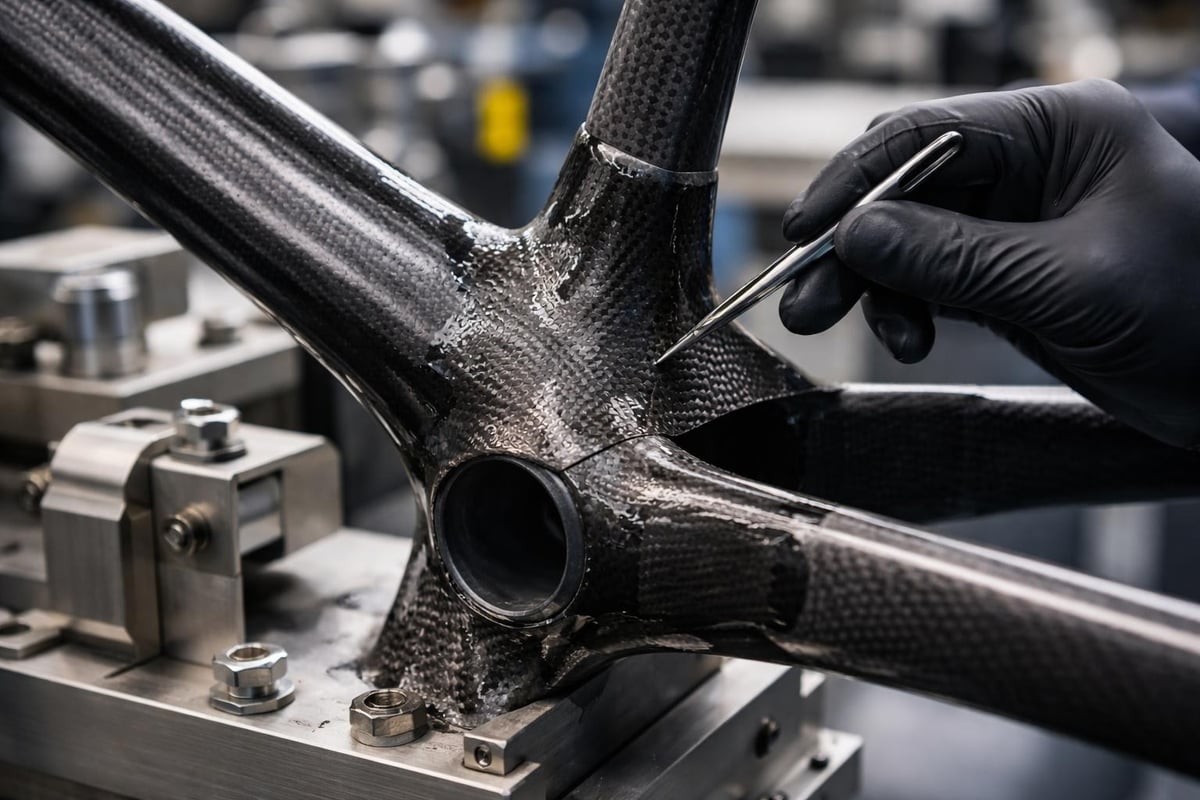
The latest generation of OCLV (Optimum Compaction Low Void) Carbon represents Trek's most advanced material science achievement to date. This proprietary carbon fiber technology delivers exceptional strength-to-weight ratios while maintaining precise ride characteristics. Engineers at Trek's Waterloo, Wisconsin facility have refined the layup process to create frames that are simultaneously lighter and more responsive than previous generations.
New trek bicycles featuring OCLV Carbon utilize computational fluid dynamics testing to optimize tube shapes at every junction. The result is measurable improvements in aerodynamic efficiency without sacrificing structural integrity. Trek's official technology page showcases how materials like OCLV Carbon and Alpha Aluminum have evolved through continuous testing and refinement.
IsoSpeed Decoupler Systems
Trek's IsoSpeed technology has been refined across their 2026 road bike lineup to provide vertical compliance without compromising lateral stiffness. This ingenious engineering solution allows the seat tube to flex independently from the top tube, absorbing road vibration while maintaining power transfer efficiency.
Key IsoSpeed benefits include:
- Reduced rider fatigue on long distances
- Improved traction on rough surfaces
- Adjustable compliance settings for personalized comfort
- No weight penalty compared to traditional frame designs
The system works through a carefully engineered decoupler that permits controlled vertical movement while resisting side-to-side flex. Professional riders have reported noticeable comfort improvements during multi-hour training sessions, making these new trek bicycles ideal for endurance events and gran fondos.
The Madone Gen 8: Trek's Flagship Road Racer
Trek's announcement of the Madone Gen 8 sent shockwaves through the professional cycling community. As highlighted in their official press release, this bike represents the ultimate race weapon, combining lightweight construction with class-leading aerodynamics.
Design Philosophy and Performance
The Madone Gen 8 abandons conventional wisdom about aerodynamic road bikes being heavy and uncomfortable. Trek's engineering team spent thousands of hours in wind tunnels and computational simulations to create tube profiles that slice through air with minimal drag. The front end features an integrated cockpit design that eliminates cable drag entirely while providing adjustable positioning for optimal aerodynamics.
According to a comprehensive first ride review, the SLR 7 model delivers exceptional responsiveness in sprints while maintaining stability at high speeds. The bike's bottom bracket area has been redesigned with oversized bearings and asymmetric chainstays that maximize power transfer during out-of-saddle efforts.
| Model Tier | Frame Material | Weight (Size 56cm) | Price Range |
|---|---|---|---|
| SLR 9 | OCLV 800 Carbon | 6.8 kg | Premium |
| SLR 7 | OCLV 600 Carbon | 7.2 kg | Mid-Premium |
| SL 6 | OCLV 500 Carbon | 7.6 kg | Performance |
| SL 5 | OCLV 500 Carbon | 7.9 kg | Entry-Performance |
Integration and Adjustability
One distinguishing feature of new trek bicycles like the Madone Gen 8 is the RSL integrated handlebar and stem system. This one-piece cockpit eliminates traditional stem interfaces, reducing weight and improving aerodynamics. However, Trek engineers recognized that professional fit requirements vary significantly, so they developed an adjustable system that accommodates different reach and stack preferences without compromising the integrated design.
The handlebar features internal cable routing that completely hides brake hoses and shift cables from the wind. Riders can adjust the handlebar height through a series of spacers while maintaining the aerodynamic profile. This flexibility makes these new trek bicycles suitable for a wider range of body types and riding positions than previous integrated designs.
Mountain Bike Innovations for 2026
Trek hasn't limited their innovations to road bikes. Their mountain bike division has introduced several groundbreaking models that redefine capability across trail, enduro, and cross-country categories.
Full Suspension Advancements
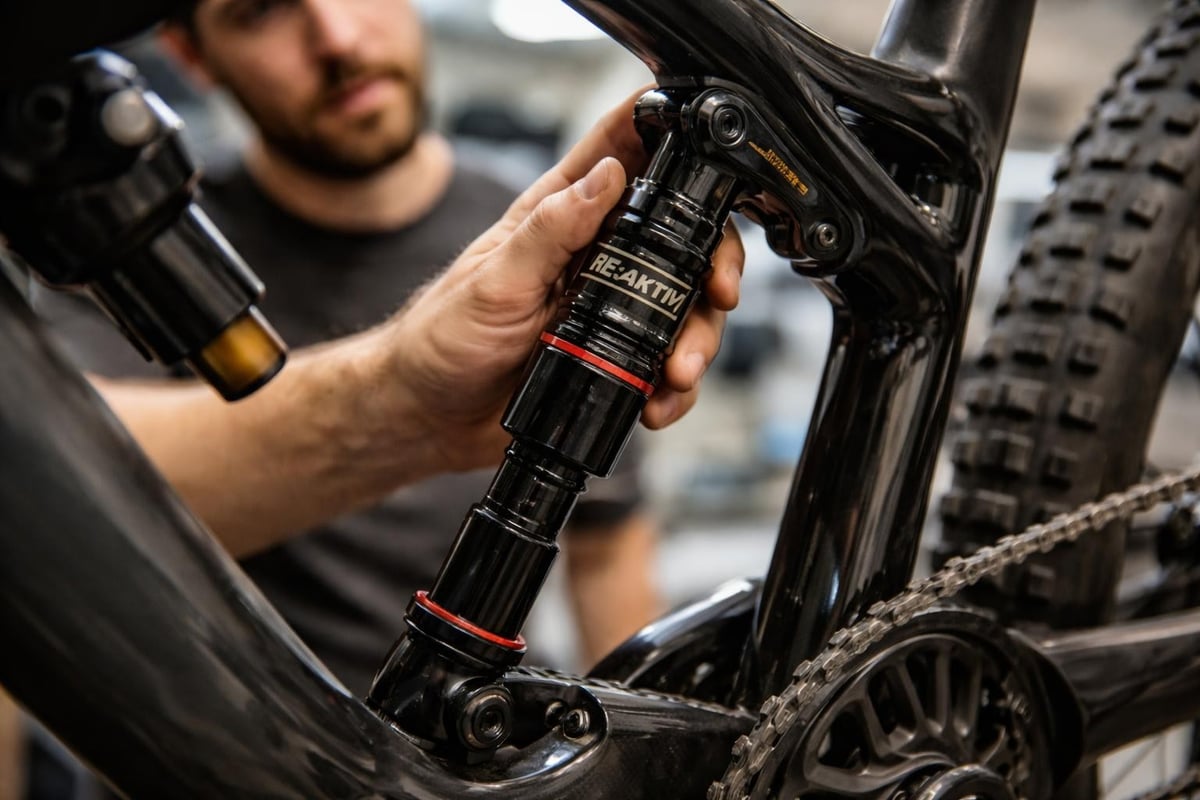
The RE:aktiv suspension system has been completely redesigned for 2026. This intelligent damping technology responds to terrain inputs in real-time, providing support during pedaling while opening up for bump absorption. New trek bicycles equipped with RE:aktiv feature a position-sensitive damper that distinguishes between rider-induced forces and ground impacts.
RE:aktiv system advantages:
- Instantaneous response to changing terrain
- Reduced pedal bob during climbing
- Maximum traction on technical descents
- Simplified setup with fewer adjustments needed
Trek has also experimented with alternative materials for mountain bike frames. An intriguing article about a potential steel full-suspension bike suggests the company is exploring how classic materials can benefit from modern manufacturing techniques.
Cross-Country Race Machines
The Supercaliber platform continues to dominate cross-country racing, and the 2026 updates make it even more competitive. Trek's IsoStrut rear suspension provides 60mm of travel while maintaining pedaling efficiency that rivals hardtail bikes. The system uses a leaf spring design that eliminates traditional pivots, reducing weight and maintenance requirements.
These new trek bicycles feature geometry that balances climbing efficiency with descending confidence. The steep seat tube angle positions riders directly over the pedals for maximum power output on technical climbs, while the slack head tube angle provides stability when speeds increase on descents.
Electric Bike Technology and Challenges
Trek's e-bike lineup has expanded significantly, offering electric assistance across multiple categories from urban commuters to mountain bikes. However, the complexity of e-bike systems has presented unique engineering challenges.
Battery Integration and Range
New trek bicycles with electric motors feature fully integrated batteries that maintain clean frame aesthetics while protecting cells from environmental exposure. The latest generation uses high-density lithium-ion cells that provide extended range without excessive weight penalties.
Trek offers multiple battery capacity options to match different riding styles. Commuters prioritizing range can select larger capacity packs, while performance-oriented riders might choose smaller batteries to minimize weight. The modular design allows riders to swap batteries mid-ride for extended adventures.
Quality Control and Safety Recalls
The cycling industry has faced increased scrutiny regarding component reliability, particularly with e-bikes. Trek has been proactive in addressing potential safety issues, though this has resulted in several recalls. One notable incident involved approximately 20,000 Trek e-bikes recalled due to rear wheel bolt concerns.
Additionally, Trek issued a significant recall of over 75,000 bikes due to a brake defect, demonstrating the company's commitment to customer safety even when it involves substantial logistical challenges. These proactive measures reflect Trek's dedication to maintaining the highest safety standards across all new trek bicycles.
Sustainability and Environmental Responsibility
Trek has made substantial commitments to reducing their environmental impact across manufacturing, materials sourcing, and product lifecycle management. The company's 2024 Sustainability Report outlines ambitious goals for carbon neutrality and waste reduction.
Low-Impact Aluminum Manufacturing
A groundbreaking development in Trek's sustainability efforts involves low-impact aluminum production that significantly reduces carbon emissions compared to traditional smelting processes. This aluminum, used in several new trek bicycles, maintains the same strength and ride characteristics as conventional alloys while cutting production emissions by up to 70 percent.
The company has partnered with suppliers who use renewable energy sources for aluminum production. Hydroelectric power replaces coal-based electricity in smelting facilities, dramatically reducing the carbon footprint of each frame. Trek's Alpha Aluminum frames now carry certifications verifying their low-impact production methods.
Recycled Materials and Circular Design
Trek's engineering teams are increasingly considering end-of-life recyclability when designing new trek bicycles. Components are selected not only for performance but also for their ability to be disassembled and recycled at the end of the bike's useful life. Paint formulations have been reformulated to reduce volatile organic compound emissions while maintaining durability.
The company has established take-back programs in select markets where old bikes can be returned for proper recycling. Aluminum frames are melted down and reprocessed into new frames, creating a closed-loop system that minimizes waste. Carbon fiber recycling remains more challenging, but Trek is investing in research to develop economically viable recycling processes for composite materials.
Choosing the Right New Trek Bicycle
With such a diverse lineup, selecting the appropriate model requires careful consideration of your riding style, performance goals, and budget constraints. Trek organizes their offerings across multiple categories to simplify this decision process.
Road Bike Selection Guide
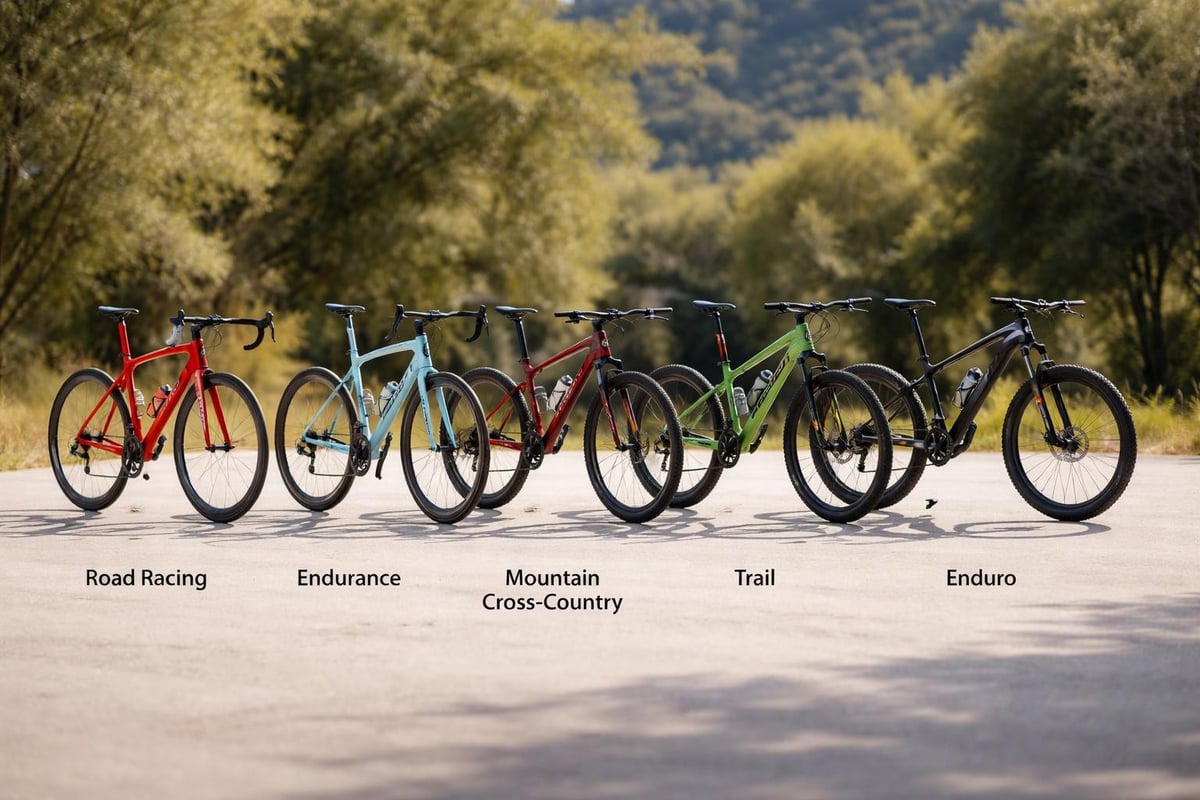
For road cyclists, Trek offers options ranging from endurance-focused models to pure racing machines. The Domane series prioritizes comfort for long-distance riding, featuring IsoSpeed technology and relaxed geometry. The Émonda focuses on lightweight climbing performance with minimal aerodynamic optimization. The Madone represents the aerodynamic flagship for competitive racing and fast group rides.
| Riding Style | Recommended Model | Key Features |
|---|---|---|
| Endurance/Gran Fondo | Domane | IsoSpeed, comfortable geometry, stability |
| Climbing/General Fitness | Émonda | Lightweight, responsive handling |
| Racing/Fast Group Rides | Madone | Aerodynamic, integrated cockpit, stiff |
| Gravel/Adventure | Checkpoint | Wide tire clearance, stable handling |
Mountain Bike Categories
Mountain bikers should consider terrain preferences and riding intensity when selecting among new trek bicycles. Cross-country racers benefit from lightweight, efficient designs like the Supercaliber or Top Fuel. Trail riders seeking versatility should examine the Fuel EX series, which balances climbing efficiency with descending capability.
Enduro and aggressive trail riders need the additional travel and durability of the Slash or Remedy platforms. These bikes sacrifice some climbing efficiency for downhill performance and component durability. Trek's Marlin and X-Caliber hardtails provide excellent entry points for riders new to mountain biking or those prioritizing budget considerations.
When upgrading components or maintaining your bike, having access to quality parts is essential. Cycling Gears Hub offers a comprehensive selection of brake components, drivetrain parts, and handlebar options that are compatible with new Trek bicycles, ensuring your ride stays in optimal condition.
Component Specification Trends
Trek's 2026 lineup showcases clear trends in component selection that reflect broader industry movements. Understanding these specifications helps riders evaluate whether new trek bicycles meet their performance expectations.
Drivetrain Evolution
Electronic shifting has become standard on mid-tier and premium models across Trek's range. Shimano Di2 and SRAM AXS wireless systems provide precise, reliable shifting with minimal maintenance requirements. These systems automatically trim front derailleurs and can be customized through smartphone apps to match rider preferences.
Electronic drivetrain benefits:
- Consistent shifting performance in all weather conditions
- Self-trimming front derailleurs eliminate chain rub
- Customizable shift programming via mobile apps
- Reduced cable maintenance and adjustments
Mechanical drivetrains remain available on entry-level models, offering proven reliability at lower price points. Trek specifies high-quality mechanical groups from Shimano's 105 and Tiagra lines, which provide excellent performance for recreational riders and those new to cycling.
Wheel and Tire Standards
Tubeless-ready wheels have become standard equipment on virtually all new trek bicycles. This technology reduces rolling resistance, improves puncture resistance, and allows riders to run lower tire pressures for better traction. Trek includes tubeless rim tape and valves on most models, though sealant must be added separately.
Tire clearances have expanded across all categories. Road bikes now accommodate 32mm tires or wider, providing options for rough pavement and light gravel riding. Mountain bikes feature clearances for increasingly wide tires, with some models accepting 29x2.6-inch rubber for maximum traction and cushioning.
Professional Racing Heritage and Development
Trek's involvement in professional cycling directly influences the development of new trek bicycles available to consumers. The feedback loop between WorldTour racing teams and Trek's engineering department ensures that innovations undergo rigorous real-world testing before reaching production models.
WorldTour Performance Validation
Trek sponsors multiple professional cycling teams across road racing and mountain biking disciplines. These partnerships provide invaluable data about component durability, aerodynamic performance, and handling characteristics under race conditions. When professional riders compete on prototypes that eventually become production bikes, consumers benefit from proven performance.
The Madone Gen 8 saw extensive testing during the 2025 season before its official 2026 release. Professional riders provided detailed feedback about handling characteristics at high speeds, crosswind stability, and comfort during multi-hour stages. This input led to geometry refinements and material adjustments that improved the production version.
Technology Transfer to Consumer Models
Innovations developed for professional racing eventually filter down to more affordable new trek bicycles. The IsoSpeed system originated in Trek's professional road bikes before being adapted for recreational models. Similarly, aerodynamic tube shaping first proved in wind tunnels and races now appears on mid-tier offerings.
Trek's philosophy of making professional-grade technology accessible to enthusiast cyclists means that many innovations debut at premium price points before becoming standard features across the lineup. This approach allows serious cyclists to access cutting-edge performance while ensuring broader availability as manufacturing costs decline.
Buying Considerations for Indian Cyclists
For cycling enthusiasts in India, several factors beyond basic specifications influence the new trek bicycles purchasing decision. Climate conditions, road infrastructure, and parts availability all merit consideration.
Climate Adaptations
India's diverse climate zones present unique challenges for bicycle performance and maintenance. Coastal regions with high humidity require corrosion-resistant components and frequent maintenance of bearings and moving parts. New trek bicycles with sealed bearing systems and corrosion-resistant hardware prove particularly valuable in these environments.
The monsoon season demands reliable braking performance on wet surfaces. Disc brakes, now standard on most new trek bicycles, provide consistent stopping power regardless of rim wetness. However, proper brake maintenance becomes critical, and riders should familiarize themselves with brake pad replacement procedures to maintain optimal performance.
Parts and Service Network
Trek maintains an established dealer network across major Indian cities, providing access to genuine parts and trained service technicians. When considering new trek bicycles, proximity to authorized service centers can significantly impact long-term ownership satisfaction. Regular maintenance ensures warranty coverage remains valid and preserves resale value.
For riders in areas without nearby Trek dealers, online retailers like Cycling Gears Hub provide access to compatible components and accessories. Understanding which parts are proprietary to Trek and which use industry-standard specifications helps riders plan for future maintenance and upgrades. Items like chains, cassettes, and handlebar tape follow universal standards and can be sourced from multiple suppliers.
Value Retention and Resale Considerations
Trek bicycles historically maintain strong resale values compared to lesser-known brands. This value retention stems from the company's reputation for quality, comprehensive dealer support, and continuous model updates that keep older bikes relevant.
Factors Affecting Resale Value
Several elements influence how well new trek bicycles retain value over time. Limited edition colorways and professional team replicas often command premium prices on the used market. Electronic drivetrains, while expensive initially, can actually improve resale value because they remain functional with minimal maintenance compared to worn mechanical systems.
Frame condition significantly impacts resale value. Trek's durable finishes resist chips and scratches better than many competitors, helping bikes maintain attractive appearances even after years of use. Owners who perform regular maintenance and keep service records typically achieve higher resale prices than those selling neglected bikes.
Upgrade Paths and Longevity
Purchasing new trek bicycles with quality frames but modest component specifications can provide excellent long-term value. As riders develop skills and increase performance demands, they can upgrade components incrementally while retaining the core frame investment. This approach spreads costs over time and allows customization to match evolving preferences.
Trek's commitment to backward compatibility means that older frames can often accept newer components. Bottom bracket standards, head tube dimensions, and dropout spacing remain consistent across multiple model years, facilitating upgrades without frame replacement. Riders should verify compatibility when planning major component changes, particularly with integrated cockpit systems that may limit handlebar and stem options.
Trek's Heritage and Innovation Timeline
Understanding Trek's history provides context for appreciating the innovation present in new trek bicycles. The company's 50 iconic bikes showcase demonstrates five decades of design evolution and technological advancement.
Foundational Innovations
Trek revolutionized bicycle manufacturing in the 1980s by introducing American-made, high-quality lugged steel frames at accessible prices. The company then pioneered bonded aluminum construction, creating lightweight frames without traditional welding that could introduce stress points. These innovations established Trek's reputation for questioning conventional manufacturing approaches.
The development of OCLV Carbon in the 1990s positioned Trek at the forefront of composite frame technology. This proprietary carbon fiber process delivered professional-grade performance to consumer bikes, democratizing materials previously reserved for racing. Trek's willingness to invest in material science research continues to differentiate the company from competitors focused primarily on frame geometry and component specifications.
Recent Developments
The past decade has seen Trek embrace electronic integration, suspension innovation, and sustainability initiatives. New trek bicycles reflect these priorities through features like wireless electronic drivetrains, intelligent suspension systems, and low-impact materials. The company balances tradition with progress, maintaining steel and aluminum offerings while pushing carbon fiber technology forward.
Trek's acquisition of smaller innovative brands has accelerated development in specific categories. These partnerships bring fresh perspectives and specialized expertise that influence mainstream Trek offerings. The result is a brand that remains dynamic despite its size and market dominance.
New Trek bicycles for 2026 represent the culmination of five decades of innovation, offering cyclists unprecedented performance, comfort, and sustainability. Whether you're drawn to the aerodynamic excellence of the Madone Gen 8, the trail-conquering capability of modern mountain bikes, or the practical versatility of electric models, Trek's lineup provides options for every riding style and budget. When you're ready to upgrade your ride or maintain your current bike with quality components, Cycling Gears Hub stands ready to support your cycling journey with an extensive selection of accessories, parts, and gear trusted by over 10,000 Indian cyclists, all backed by fast shipping, flexible payment options, and hassle-free returns.
Article written using RankPill.