

The cycling world has witnessed a remarkable resurgence of minimalist bike designs over the past few years, with the one gear bike standing at the forefront of this movement. Stripped of complex derailleur systems, multiple chainrings, and intricate shifting mechanisms, these bicycles represent a return to fundamental cycling principles. Whether you're navigating busy city streets, commuting to work, or seeking a low-maintenance fitness option, understanding the nuances of single-speed bicycles can help you make an informed decision about your next ride.
Understanding the One Gear Bike Design
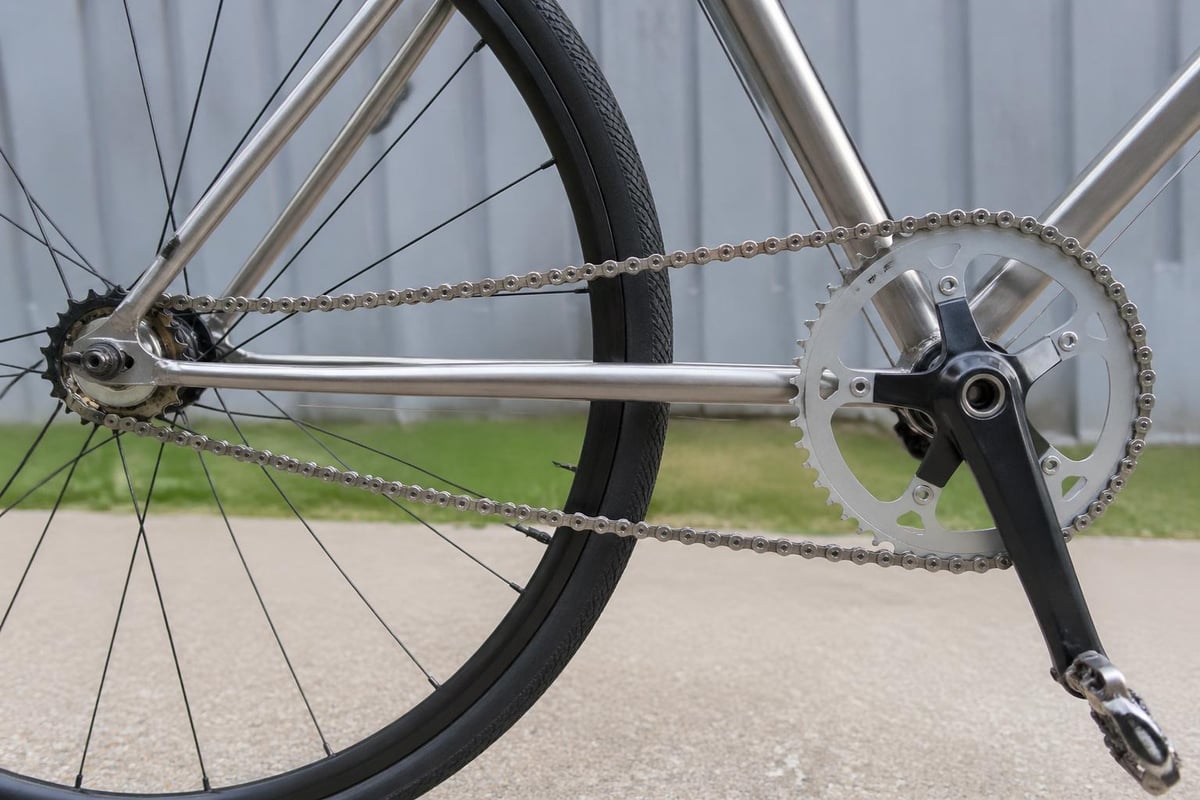
A one gear bike, also known as a single-speed bicycle, operates on an elegantly simple premise: one chainring in the front connects to one cog in the rear. This configuration eliminates the need for derailleurs, shifters, cables, and the multiple gear combinations found on traditional multi-speed bicycles.
The mechanical simplicity translates directly into practical benefits. Fewer components mean fewer parts that can malfunction, wear out, or require adjustment. The single-speed bike design has been around since the earliest days of cycling, proving its reliability across generations of riders.
Core Components
The drivetrain of a one gear bike consists of several essential elements that work together seamlessly:
- Chainring: The front gear attached to the cranks
- Chain: A standard bicycle chain connecting front to rear
- Rear cog: The single gear on the rear wheel hub
- Tensioners (optional): Some models use horizontal dropouts or chain tensioners to maintain proper chain tension
Modern single-speed bicycles often feature flip-flop hubs, which provide two cog options on either side of the rear wheel. This allows riders to choose between different gear ratios by simply flipping the wheel around.
Advantages of Riding a One Gear Bike
The benefits of choosing a single-speed bicycle extend beyond simple mechanics into practical everyday advantages that resonate with urban cyclists and fitness enthusiasts alike.
Maintenance and Cost Efficiency
Reduced maintenance requirements represent one of the most compelling reasons to consider a one gear bike. Without derailleurs to adjust, cables to replace, or multiple gears to clean and lubricate, your maintenance schedule becomes significantly simpler. A basic chain cleaning and occasional brake adjustment typically suffice for most riders.
Cost savings manifest in two ways. First, the initial purchase price of single-speed bikes generally runs lower than comparable multi-geared models. Second, long-term maintenance costs decrease substantially when you eliminate expensive derailleur replacements and cable system overhauls.
| Maintenance Task | One Gear Bike | Multi-Speed Bike |
|---|---|---|
| Chain cleaning | Monthly | Monthly |
| Gear adjustment | Never | Every 3-6 months |
| Cable replacement | Never | Annually |
| Derailleur service | Never | As needed |
| Average annual cost | ₹1,500-₹2,500 | ₹4,000-₹7,000 |
Weight and Performance Benefits
Removing the derailleur system, shifters, cables, and extra gears reduces overall bike weight by approximately 1-2 kilograms. This weight reduction becomes noticeable during acceleration, climbing, and when carrying your bike up stairs or onto public transportation.
The direct power transfer from pedals to rear wheel creates an immediate, responsive feel. Many riders appreciate this connection between effort and movement, finding it more engaging than the sometimes disconnected feel of complex gearing systems.
Ideal Riding Conditions for Single-Speed Bicycles
Understanding where a one gear bike excels helps riders determine if this style matches their cycling needs and local terrain.
Urban Commuting Excellence
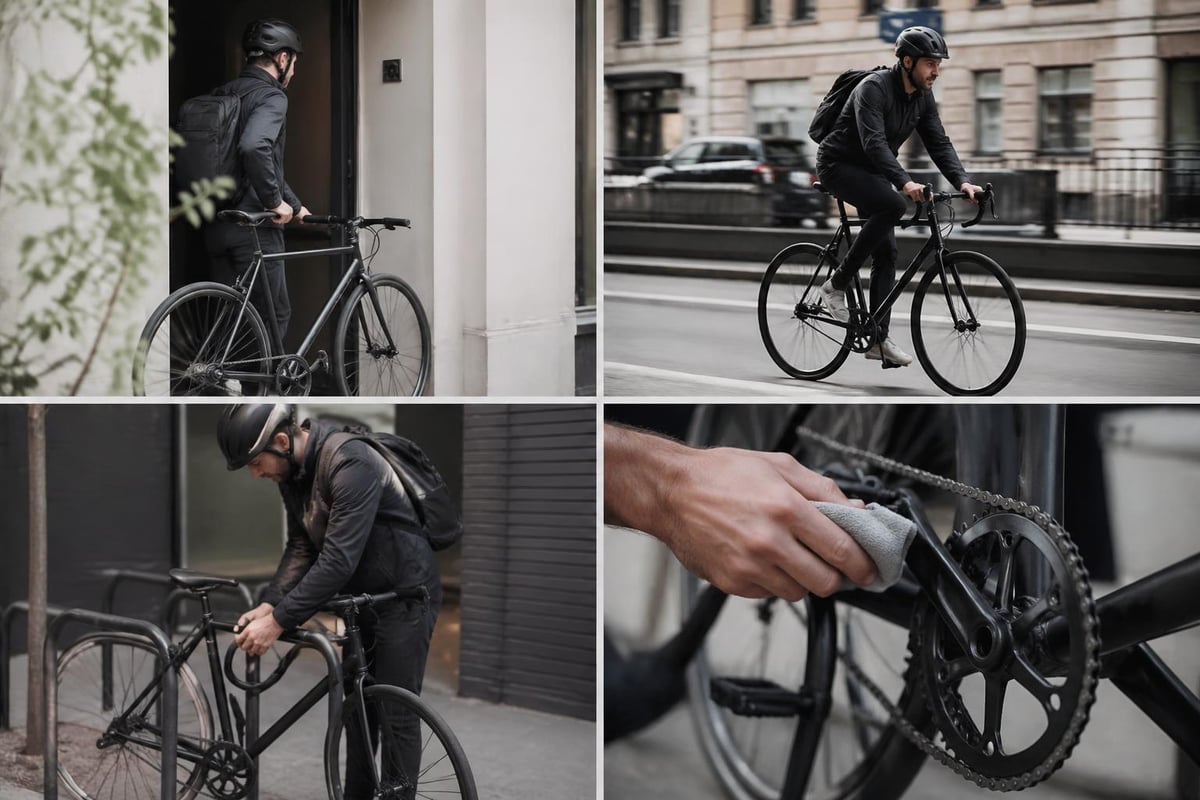
City riding represents the sweet spot for single-speed bicycles. Flat to gently rolling urban terrain doesn't require the gear range of mountainous regions. Traffic patterns often dictate speed more than gearing choices, and the simplicity of a one gear bike eliminates the distraction of shifting while navigating busy intersections.
Stop-and-go traffic actually favors single-speed designs. The consistent gear ratio helps riders develop a natural rhythm for accelerating from stops and maintaining steady speeds. Urban commuters find particular value in the reliability and minimal fuss of single-speed bikes.
Parking security improves slightly with a one gear bike. Thieves often target high-end components, and the absence of expensive derailleur systems makes single-speed bikes slightly less attractive targets.
Fitness and Training Applications
Serious cyclists increasingly incorporate single-speed riding into their training regimens. The fixed gear ratio forces consistent pedaling cadence and develops leg strength in ways that multi-speed bikes don't.
Building fundamental fitness becomes more straightforward without the option to shift into easier gears. Riders must push through challenging sections, developing both physical strength and mental resilience. This makes the one gear bike an excellent tool for off-season training or building base fitness.
Track cyclists and fixed-gear enthusiasts particularly appreciate how single-speed riding improves pedaling efficiency and smoothness. The inability to coast on some fixed-gear variations demands continuous, circular pedaling motion.
Limitations and Considerations
Honest assessment of a one gear bike's limitations helps set realistic expectations and guides appropriate use cases.
Terrain Challenges
Steep hills present the most obvious limitation. Without lower gears for climbing, riders must have sufficient fitness and leg strength to power up inclines in their single gear ratio. Similarly, high-speed descents lack the higher gears that would allow comfortable pedaling at maximum velocity.
The comparison between single-speed and geared bikes reveals that terrain variety directly impacts the practicality of one-gear systems. Riders in hilly regions may find single-speeds impractical for everyday use, while those in flat areas experience minimal disadvantages.
Gear Ratio Selection
Choosing the right gear ratio becomes critical since you're committed to living with that single choice. The ratio determines how easy or difficult pedaling feels across different speeds and inclines.
- Lower ratios (easier pedaling): Better for hilly terrain, slower average speeds, less fitness required
- Higher ratios (harder pedaling): Suitable for flat terrain, faster cruising speeds, demands greater fitness
- Standard urban ratio: Typically around 44/16 to 46/16 for balanced city riding
Experimentation may be necessary to find your ideal setup. Many riders purchase an extra cog or two to test different ratios before settling on their preferred configuration.
Selecting the Right One Gear Bike
The market offers various single-speed bicycle styles, each designed for specific riding preferences and conditions.
Frame Materials and Construction
Steel frames dominate the traditional single-speed market, offering durability, compliance, and classic aesthetics. Steel's natural flex provides comfortable rides over rough urban surfaces. Aluminum frames reduce weight and cost while maintaining stiffness for efficient power transfer. Carbon fiber appears in higher-end models, maximizing weight savings for performance-oriented riders.
Frame geometry significantly affects ride quality. Track-style geometry creates aggressive, aerodynamic positions suitable for speed. Relaxed urban geometries prioritize comfort and upright positioning for casual riding and commuting.
Fixed Gear versus Freewheel
This fundamental choice divides the one gear bike category into two distinct types:
Fixed-gear bicycles (fixies) lock the rear cog to the hub, preventing coasting. The pedals continue rotating whenever the wheels turn, allowing riders to control speed through pedal resistance. This setup demands more skill and attention but offers maximum control and connection to the bike.
Freewheel single-speeds allow coasting like traditional bicycles. The rear cog incorporates a freewheel mechanism that disengages when you stop pedaling. This more accessible option suits riders new to single-speed cycling or those seeking simplicity without the learning curve of fixed-gear riding.
When choosing your setup, consider that single-speed bikes offer distinct advantages based on these mechanical differences and how they align with your riding style.
Essential Accessories and Components
Equipping your one gear bike properly enhances safety, comfort, and functionality. While simplicity defines the bicycle itself, certain accessories prove invaluable for regular riders.
Safety Equipment
Quality lighting systems become non-negotiable for urban commuting. Front and rear lights ensure visibility during early morning and evening rides. Many Indian cities have inconsistent street lighting, making powerful bike lights essential safety equipment.
Helmets protect your most valuable asset regardless of bike type. The responsive handling and sometimes higher speeds of single-speed bikes make head protection particularly important. Investing in the right cycling accessories ensures you ride safely and comfortably.

Practical Additions
Lock systems deserve serious consideration. Urban environments require robust security solutions. U-locks or heavy-duty chain locks provide the best theft deterrence, though they add weight to your minimalist setup.
| Accessory Category | Essential Items | Optional Upgrades |
|---|---|---|
| Safety | Lights, helmet, bell | Reflective gear, mirrors |
| Security | U-lock or chain lock | GPS tracker, secondary lock |
| Comfort | Saddle, grips | Padded shorts, bar tape |
| Practical | Water bottle cage, pump | Fenders, rack, panniers |
Fenders prove especially valuable in monsoon-prone regions of India. The simple design of a one gear bike makes fender installation straightforward, protecting both rider and components from road spray.
Maintenance Best Practices
While single-speed bicycles require minimal maintenance, following proper care protocols extends component life and ensures reliable performance.
Regular Cleaning and Lubrication
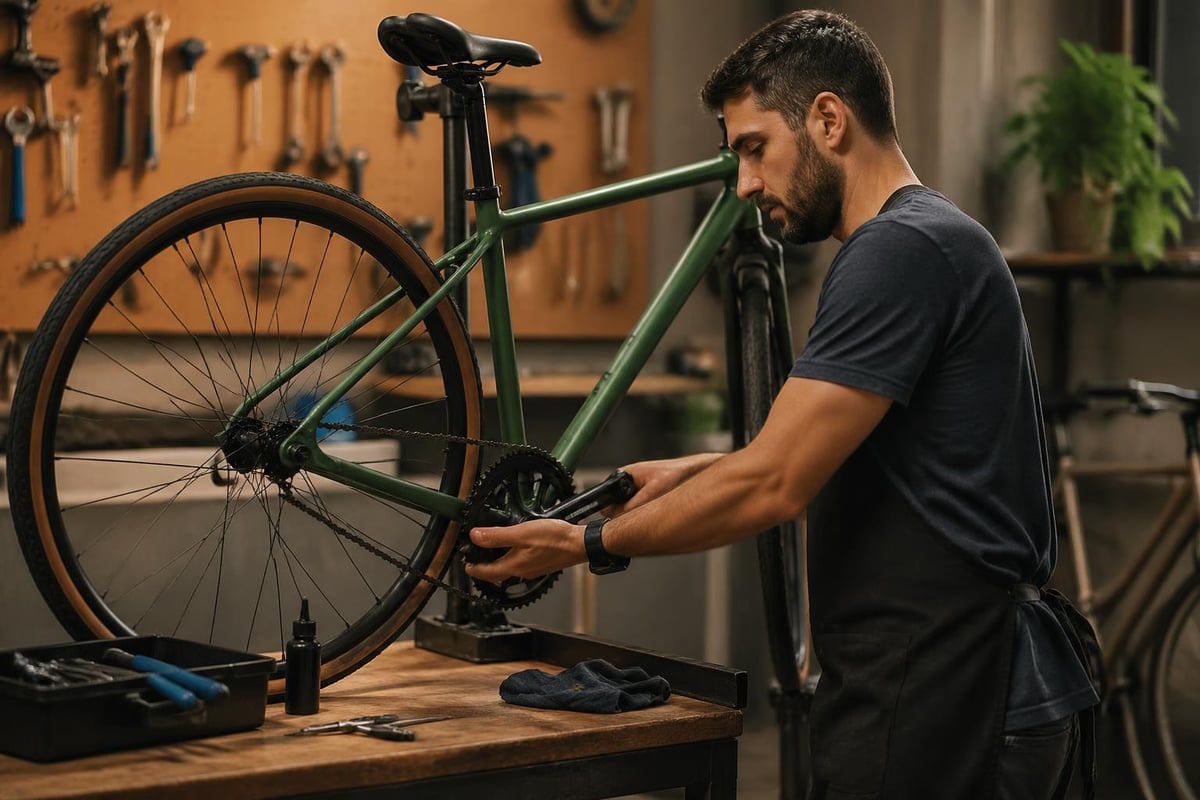
Chain maintenance represents the primary ongoing task. Cleaning and lubricating your chain every 200-300 kilometers prevents premature wear and maintains smooth, quiet operation. Use a quality bicycle-specific lubricant appropriate for your climate conditions.
The exposed chain on a one gear bike collects dirt more readily than protected derailleur systems. Regular wiping with a clean rag removes accumulated grime before it causes damage.
Brake System Care
Depending on your brake type, maintenance requirements vary:
- Rim brakes: Check pad wear monthly, adjust cable tension as needed, replace pads when wear indicators appear
- Disc brakes: Monitor pad thickness, check rotor condition, bleed hydraulic systems annually
- Coaster brakes: Minimal maintenance required, occasional hub service every few years
Most riders can handle basic brake adjustments with minimal tools. This self-sufficiency aligns perfectly with the independent spirit that attracts many people to the one gear bike lifestyle.
Tire and Wheel Care
Maintaining proper tire pressure optimizes rolling resistance and prevents flats. Check pressure weekly using a floor pump with an accurate gauge. Under-inflated tires increase rolling resistance and puncture risk, while over-inflation creates a harsh ride and reduces traction.
Wheel trueness affects ride quality and brake performance. Inspect wheels regularly for wobbles or hops. Most single-speed bikes use strong, simple wheel builds that stay true longer than lightweight performance wheels.
The Single-Speed Cycling Community
Beyond the mechanical simplicity, the one gear bike has fostered a vibrant global community of enthusiasts who celebrate minimalist cycling culture.
Cultural Significance
Single-speed and fixed-gear cycling developed strong cultural identities in urban centers worldwide. Bike messengers pioneered the modern fixed-gear movement, valuing reliability and simplicity in their demanding professional context. This practical foundation evolved into a broader lifestyle movement.
Track cycling heritage influences single-speed aesthetics and culture. The clean lines and purposeful design of velodrome racing bikes inspire street versions, creating connections between professional track racing and everyday urban cycling.
Community Resources
Finding local riding groups enhances the single-speed experience. Many cities host weekly social rides specifically for single-speed and fixed-gear cyclists. These gatherings provide opportunities to share maintenance tips, discover new routes, and connect with like-minded riders.
Online forums and social media groups offer valuable resources for troubleshooting, gear recommendations, and inspiration. The advantages and considerations of single-speed bikes are regularly discussed in these communities, helping new riders navigate choices and optimize their setups.
Cost Analysis and Value Proposition
Understanding the financial implications of choosing a one gear bike helps riders make informed purchasing decisions aligned with their budgets and priorities.
Initial Investment
Entry-level single-speed bicycles start around ₹15,000-₹25,000 in the Indian market. Mid-range models with quality components and better frame materials typically cost ₹30,000-₹50,000. Premium options featuring lightweight materials, track-inspired designs, and high-end components can exceed ₹75,000.
Comparing value across price points reveals that even budget single-speeds offer excellent reliability. The simple design means fewer corners to cut during manufacturing. A ₹20,000 single-speed often provides better long-term value than a ₹20,000 multi-speed bike with compromised components.
Long-Term Economics
Calculating total cost of ownership over five years demonstrates the economic advantage of single-speed bicycles:
- Purchase price: Generally 20-30% less than comparable geared bikes
- Annual maintenance: ₹1,500-₹2,500 versus ₹4,000-₹7,000 for multi-speed bikes
- Component replacement: Minimal beyond chains, brake pads, and tires
- Repair costs: Lower due to simpler systems and easier DIY maintenance
Over a five-year period, the average one gear bike saves ₹15,000-₹25,000 in maintenance and repair costs compared to multi-speed alternatives. These savings increase in urban environments with heavy daily use.
Environmental and Lifestyle Benefits
The choice to ride a one gear bike extends beyond personal preference into broader environmental and lifestyle considerations.
Sustainability Factors
Resource efficiency characterizes single-speed production. Fewer components mean reduced manufacturing energy, less raw material consumption, and simplified supply chains. The longevity of well-maintained single-speed bikes further reduces environmental impact through extended product lifecycles.
Maintenance sustainability also favors simple designs. Fewer replacement parts means less packaging waste, reduced shipping emissions, and lower overall resource consumption throughout the bike's life.
Commuting Lifestyle Integration
Incorporating a one gear bike into daily routines often proves easier than expected. The low maintenance requirements eliminate the excuse of "my bike needs service" that postpones rides. Knowing your bike will work reliably every morning encourages consistent use.
Time savings accumulate quickly. No time spent shifting through gears, less time in bike shops, and faster cleaning routines all contribute to a more streamlined cycling lifestyle. For those exploring essential gear for cycling in India, the simplicity of a one gear bike removes barriers to consistent riding.
The mental simplicity parallels the mechanical minimalism. Removing gear selection decisions creates a more meditative, focused riding experience. Many commuters report reduced stress levels when their ride doesn't require constant mechanical attention.
Making the Transition to Single-Speed Riding
Riders accustomed to multi-speed bicycles often wonder about the adjustment period when switching to a one gear bike. Understanding what to expect smooths this transition.
Physical Adaptation
Leg strength development occurs naturally over the first few weeks. Routes that previously relied on easy gears for hills now demand sustained power output. Most riders find their legs adapt within two to three weeks of regular riding.
Cadence awareness improves significantly. Without gears to compensate for cadence changes, riders develop better pedaling rhythm and efficiency. This skill transfers back to geared bikes, improving overall cycling ability.
Route Planning Adjustments
Strategic routing becomes more important with a fixed gear ratio. Experienced single-speed riders learn to choose flatter routes or accept slower speeds on hilly terrain. This awareness often leads to discovering new paths through familiar areas.
Many riders find these limitations refreshing rather than restrictive. The simplicity of accepting your single gear and working within its capabilities creates a different relationship with cycling-less about optimization, more about pure riding enjoyment.
For comprehensive guidance on cycling equipment and accessories in India, riders can explore resources that help optimize their single-speed setup.
Customization and Personalization Options
Despite their simplicity, one gear bikes offer substantial customization potential for riders seeking personalized setups.
Component Upgrades
Wheelset improvements provide noticeable performance gains. Lighter wheels reduce rotational weight, improving acceleration and climbing. Many riders upgrade to hand-built wheels with higher-quality hubs and spokes for enhanced durability and performance.
Handlebar and saddle choices dramatically affect comfort and riding position. Experimenting with different bar widths, shapes, and heights helps dial in the perfect fit. Similarly, finding the right saddle transforms ride quality, especially for longer commutes.
Aesthetic Customization
The clean lines of single-speed bikes provide excellent canvases for personalization. Custom paint jobs, decals, and color-coordinated components allow riders to express individual style. Many enthusiasts enjoy the creative process of building unique bikes that reflect their personalities.
Practical modifications can enhance functionality without compromising simplicity. Adding a front rack for cargo capacity, installing different gearing for changed terrain, or switching between fixed and freewheel configurations keeps the bike fresh and adapted to evolving needs.
The one gear bike represents a thoughtful return to cycling fundamentals, offering reliability, simplicity, and surprising versatility for urban riders and fitness enthusiasts alike. Whether you're drawn to reduced maintenance, cost savings, or the pure connection between rider and machine, single-speed cycling provides a refreshing alternative to complex modern bicycles. At Cycling Gears Hub, we support cyclists across India with quality components, accessories, and expert guidance to help you build and maintain your ideal single-speed setup. Explore our selection today and discover how minimalist cycling can maximize your riding enjoyment.