

Cycling apparel has evolved dramatically over the past decade, with riders increasingly seeking gear that reflects their personal style while delivering professional-grade performance. A personalized bike jersey represents the perfect intersection of individual expression and technical functionality, allowing cyclists to stand out on the road while enjoying the same advanced features found in professional racing kits. Whether you're part of a competitive cycling team, a weekend warrior exploring scenic routes, or a dedicated commuter navigating urban landscapes, custom cycling apparel offers benefits that extend far beyond aesthetics. The growing demand for personalized jerseys has transformed the cycling apparel industry, making high-quality custom designs more accessible to riders across all skill levels and budgets.
Understanding the Appeal of Custom Cycling Apparel
The shift toward personalized cycling gear reflects a broader trend in sports culture where individual identity and team belonging carry equal weight. Cyclists today want apparel that tells their story, celebrates their achievements, and connects them to their riding community. A personalized bike jersey serves as a mobile billboard for personal brand, team affiliation, or cycling club membership, creating instant recognition during group rides and events.
Beyond visual appeal, custom jerseys address the practical reality that every cyclist has unique preferences regarding fit, fabric, and design elements. Standard off-the-shelf jerseys may not accommodate specific body types, climate requirements, or functional needs that individual riders encounter. Personalization allows cyclists to select fabrics optimized for their riding conditions, choose cuts that match their physiology, and incorporate features that enhance their specific riding style.
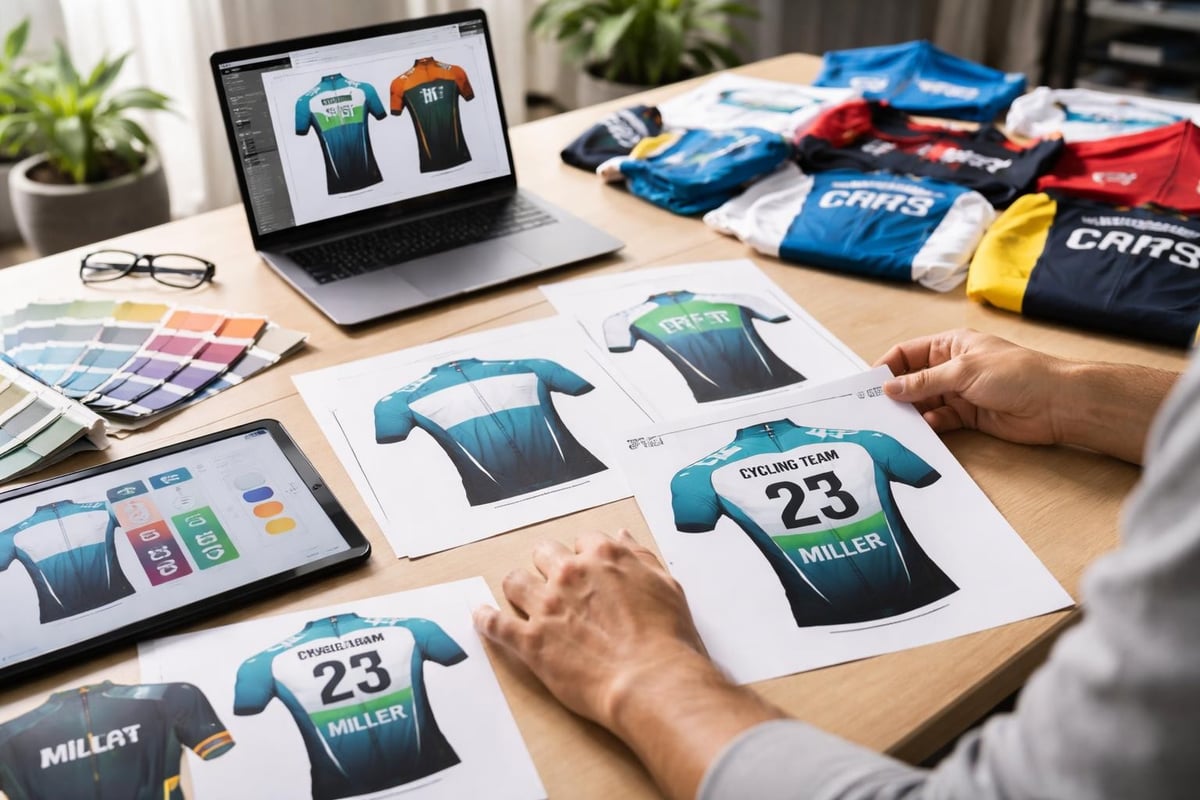
Performance Benefits That Matter
The technical advantages of quality cycling jerseys are well-documented, and functional benefits like moisture-wicking and aerodynamic design remain crucial regardless of customization. What distinguishes a personalized bike jersey is the ability to optimize these performance features for individual needs while maintaining custom aesthetics.
Key performance features include:
- Moisture management systems that pull sweat away from skin during intense efforts
- Aerodynamic fabrics that reduce drag and improve speed efficiency
- Strategic ventilation panels positioned based on rider preference and climate
- Compression zones tailored to support specific muscle groups
- UV protection rated for extended outdoor exposure
Modern manufacturing techniques allow these technical elements to integrate seamlessly with custom graphics and designs. Sublimation printing, for instance, ensures that personalized elements don't compromise fabric breathability or add weight, maintaining the jersey's performance characteristics while displaying vibrant, durable designs.
Design Elements That Define Your Jersey
Creating an effective personalized bike jersey requires balancing aesthetic vision with functional requirements. The design process begins with understanding how different elements work together to create a cohesive, professional appearance that performs under demanding conditions.
Color Psychology and Team Identity
Color selection extends beyond personal preference, influencing visibility, heat absorption, and psychological impact. Bright, high-contrast colors enhance road visibility, particularly important for safety-conscious riders. Dark colors may absorb more heat but often photograph better and hide road grime during long events. Team spirit and community engagement benefit significantly from coordinated color schemes that create instant visual cohesion during group rides.
| Design Element | Practical Consideration | Visual Impact |
|---|---|---|
| Base Color | Heat absorption, visibility | Brand recognition |
| Accent Colors | Contrast ratio, readability | Design complexity |
| Graphic Placement | Pocket access, ventilation | Visual balance |
| Text Size | Readability at distance | Professional appearance |
Logo and Graphic Integration
Professional designers recommend limiting graphic complexity to maintain visual clarity and printing quality. A personalized bike jersey works best when graphics complement rather than overwhelm the overall design. Strategic placement of logos, names, and numbers should consider how the jersey drapes on the body during riding position, ensuring key elements remain visible and proportionate.
- Primary logos should occupy prominent chest or shoulder positions
- Sponsor graphics integrate best along side panels or sleeves
- Individual names typically appear across the upper back
- Team numbers work well on lower back or side positions
- Subtle patterns can fill background areas without visual clutter
Technical Fabric Selection and Customization
The foundation of any quality personalized bike jersey lies in fabric selection. Modern cycling textiles combine multiple fiber types to achieve specific performance characteristics, with customization options allowing riders to prioritize features most relevant to their needs.
Climate-Specific Fabric Options
Riders in tropical climates like much of India require different fabric specifications than those cycling in temperate regions. Lightweight, highly breathable meshes excel in hot, humid conditions, while slightly heavier blends offer better versatility across seasonal temperature variations. Essential cycling gear considerations emphasize matching apparel to local riding conditions for optimal comfort.
Fabric weight categories:
- Ultra-light (80-100 gsm): Maximum breathability for extreme heat
- Standard weight (120-140 gsm): Versatile performance across conditions
- Mid-weight (160-180 gsm): Enhanced durability with good breathability
- Thermal weight (200+ gsm): Insulation for cooler weather riding
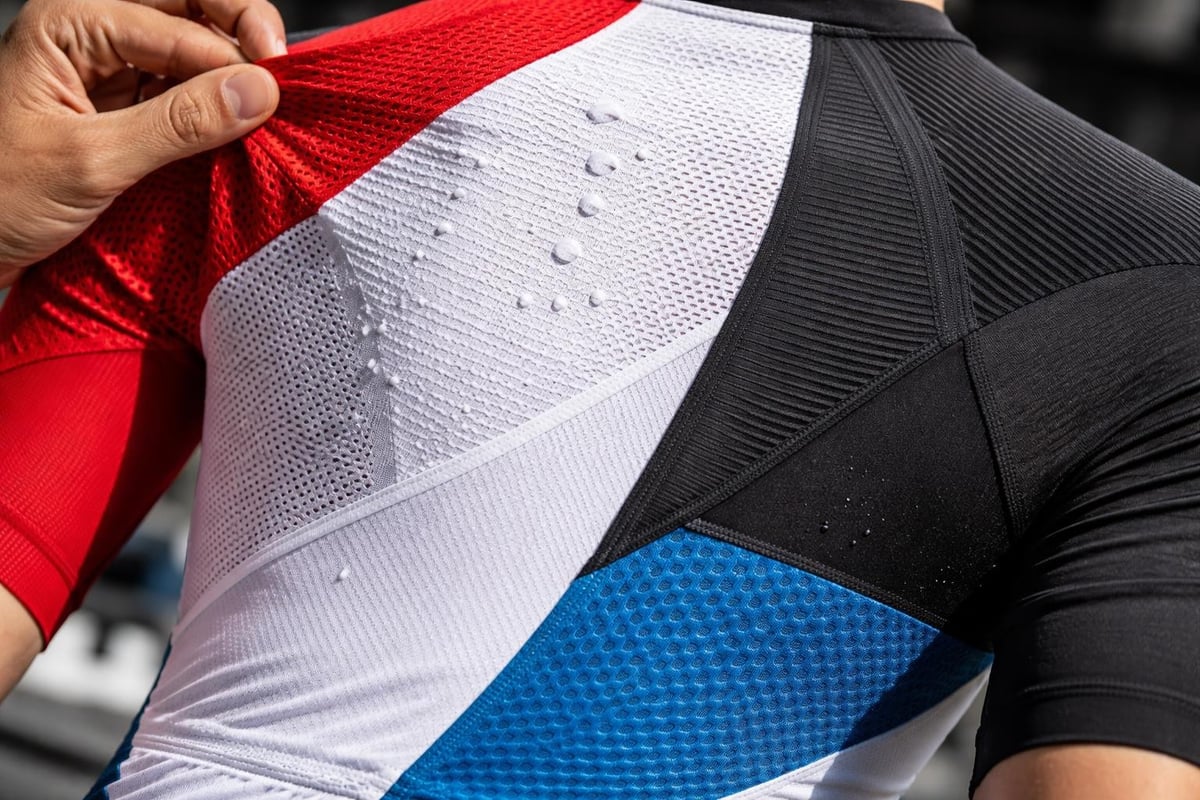
Custom jersey orders allow mixing fabric weights across different panels, creating zoned construction that optimizes thermal regulation. Back panels might use ultra-light mesh for maximum ventilation while front panels employ slightly heavier fabric for wind resistance and durability.
The Customization Process Explained
Ordering a personalized bike jersey has become increasingly streamlined, with many suppliers offering intuitive online design tools and expert consultation services. Understanding the process helps ensure final products meet expectations while avoiding common pitfalls that can compromise quality or delay delivery.
From Concept to Finished Product
Modern design platforms provide templates that simplify the creation process while allowing extensive customization. Step-by-step design guidance helps riders navigate technical requirements like color profiles, resolution standards, and printing specifications that affect final output quality.
The typical workflow involves:
- Selecting base jersey style (race fit, club fit, or relaxed cut)
- Choosing primary and accent colors from available palettes
- Uploading logos, graphics, or custom artwork
- Positioning design elements using drag-and-drop interfaces
- Adding text elements (names, numbers, slogans)
- Reviewing digital mockups from multiple angles
- Confirming sizing specifications for team orders
- Approving final proof before production begins
Quality Control and Production Timelines
Professional manufacturers typically require 3-4 weeks for custom jersey production, including design finalization, fabric sourcing, printing, and quality inspection. Rush services may reduce timelines but often increase costs or limit customization options. Planning ahead for team events or cycling tours ensures adequate time for revisions and proper sizing verification.
Fit Considerations for Maximum Comfort
A brilliantly designed personalized bike jersey loses value if fit doesn't support long-distance comfort and performance. Custom orders should account for body measurements, riding position, and individual preferences regarding compression level and freedom of movement.
Race Fit Versus Club Fit Options
Race fit jerseys prioritize aerodynamics with tight, streamlined cuts that eliminate fabric flapping. These work best for competitive cyclists maintaining aggressive riding positions during extended efforts. The snug fit reduces drag while ensuring pockets stay secure and graphics remain properly positioned.
Club fit designs offer slightly more relaxed cuts that accommodate varied body types and casual riding positions. Cycling accessories and apparel choices should reflect actual riding style rather than aspirational positioning, ensuring comfort during typical rides.
| Fit Type | Best For | Key Features |
|---|---|---|
| Race Fit | Competitive riders, road racing | Maximum aerodynamics, minimal fabric |
| Club Fit | Recreational cyclists, touring | Comfortable cut, versatile positioning |
| Relaxed Fit | Casual riders, commuters | Unrestricted movement, layering space |
Sizing for Team Orders
Group orders require careful coordination to ensure each rider receives properly fitting apparel. Providing detailed size charts with multiple measurement points reduces return rates and rider dissatisfaction. Many suppliers offer sample jerseys in various sizes for team fitting sessions before placing bulk orders.
Branding and Sponsorship Integration
For cycling clubs and competitive teams, a personalized bike jersey serves as valuable real estate for sponsor recognition and brand building. Strategic logo placement maximizes visibility while maintaining professional aesthetics that reflect well on all parties involved.
Sponsor Hierarchy and Placement Strategy
Effective sponsor integration follows established conventions that respect both sponsor investment levels and design balance. Primary sponsors typically receive prominent chest or upper back placement, while supporting sponsors occupy sleeve, side panel, or lower back positions. Custom road bike jersey design decisions can significantly impact rider confidence and team professionalism.
Clear sponsor agreements should specify:
- Logo size minimums and maximums
- Acceptable placement zones
- Color modification permissions
- Co-branding requirements
- Exclusivity considerations
Cost Factors and Budget Planning
Personalized bike jersey pricing varies significantly based on quantity, customization complexity, fabric selection, and production method. Understanding cost drivers helps teams and individuals make informed decisions that balance quality with budget constraints.
Economies of Scale in Team Orders
Individual custom jerseys typically cost substantially more per unit than team orders due to setup costs, minimum production runs, and shipping efficiencies. Bulk ordering reduces per-jersey costs while creating visual team unity that enhances group ride experiences.
Price range factors:
- Order quantity (single units versus team batches)
- Fabric quality and technical features
- Number of colors in design
- Graphic complexity and custom artwork
- Production timeline (standard versus rush)
- Additional features (pockets, zippers, reflective elements)
Budget-conscious teams might consider simplified designs with fewer colors or standardized templates that reduce setup costs while maintaining customization through names and numbers.
For cyclists seeking quality apparel without the commitment of full customization, Cycling Gears Hub offers premium cycling gear and accessories that deliver professional performance at accessible price points.
Care and Maintenance for Longevity
Investment in quality personalized bike jerseys deserves proper care to maintain appearance and performance characteristics throughout multiple seasons. Custom graphics and technical fabrics require specific washing and storage practices that differ from standard athletic wear.
Washing Best Practices
Recommended care routine:
- Turn jerseys inside out before washing
- Use cold water and gentle cycle settings
- Select detergents without fabric softeners or bleach
- Avoid washing with items featuring hooks or rough textures
- Air dry rather than using machine dryers
- Store in cool, dry locations away from direct sunlight
Sublimation-printed graphics bond with fabric fibers during manufacturing, making them highly resistant to fading and cracking when properly maintained. However, excessive heat from dryers or irons can damage both prints and technical fabric properties, reducing moisture-wicking efficiency and material elasticity.
Psychological Benefits of Custom Apparel
Beyond practical advantages, wearing a personalized bike jersey impacts rider psychology in meaningful ways. The confidence boost from looking professional and feeling part of a coordinated team enhances performance through improved mental focus and motivation.
Identity and Belonging
Cyclists report increased commitment to training and event participation when wearing custom team apparel. The public nature of personalized jerseys creates accountability while fostering stronger connections within cycling communities. Understanding why cyclists need the right jersey extends beyond comfort to encompass these psychological dimensions.
Visual unity during group rides strengthens team cohesion and creates memorable experiences that transcend individual performances. Riders wearing coordinated custom jerseys signal professionalism and dedication, earning respect from other cyclists and enhancing overall riding culture.
Future Trends in Custom Cycling Apparel
The personalized bike jersey market continues evolving with emerging technologies and changing rider preferences. Staying informed about industry developments helps cyclists make forward-thinking decisions when investing in custom apparel.
Sustainable Materials and Production
Environmental consciousness increasingly influences purchasing decisions, with riders seeking custom jerseys made from recycled fabrics, organic materials, or sustainably sourced fibers. Manufacturers respond by offering eco-friendly customization options that maintain performance standards while reducing environmental impact.
Emerging sustainability features:
- Recycled polyester from post-consumer plastic bottles
- Organic cotton blends for casual cycling jerseys
- Water-based printing processes with reduced chemical use
- Local production to minimize shipping emissions
- Durable construction reducing replacement frequency
Smart Fabric Integration
Technology integration represents the cutting edge of cycling apparel innovation. Future personalized bike jerseys may incorporate sensors monitoring heart rate, body temperature, or muscle fatigue, transmitting data to cycling computers or smartphones. While currently expensive and limited to professional applications, these advanced features may become accessible for custom consumer jerseys within the next few years.
Selecting the Right Customization Partner
Success with personalized bike jerseys depends heavily on choosing manufacturers or suppliers who understand cycling-specific requirements and deliver consistent quality. Evaluating potential partners requires examining multiple factors beyond simple price comparison.
Essential Supplier Qualifications
Quality customization partners demonstrate:
- Cycling-specific expertise in fit, fabric, and functionality
- Portfolio examples showing diverse design capabilities
- Clear communication throughout the design and production process
- Size sample programs for team fitting verification
- Reliable timelines with realistic production estimates
- Revision policies allowing design adjustments before production
- Quality guarantees addressing manufacturing defects
Resources detailing custom jersey creation processes help set realistic expectations while identifying red flags in supplier proposals.
Maximizing Value From Your Investment
A personalized bike jersey represents significant investment, whether for individual riders or team orders. Maximizing return on that investment requires strategic thinking about design longevity, versatility, and proper utilization.
Design for Timeless Appeal
While trendy graphics and current color schemes hold appeal, classic design approaches ensure jerseys remain relevant across multiple seasons. Avoiding dated visual elements or overly specific references creates custom apparel that maintains professional appearance year after year.
Timeless design principles:
- Clean, uncluttered layouts with balanced composition
- Classic color combinations with proven visual appeal
- Quality typography in readable, professional fonts
- Scalable graphics that work across different jersey sizes
- Versatile designs appropriate for various riding contexts
Multiple Use Scenarios
Well-designed personalized bike jerseys function effectively across training rides, competitive events, and casual cycling activities. Considering diverse use cases during design prevents limiting jerseys to narrow applications that reduce wearing frequency. Benefits that cycling jerseys provide apply universally when designs maintain appropriate versatility.
Personalized bike jerseys represent the perfect fusion of performance, identity, and cycling culture, offering riders custom apparel that enhances both function and self-expression. As India's cycling community continues growing, access to quality custom gear has never been more important for riders seeking to elevate their experience. Whether you're building a team kit or exploring individual customization options, Cycling Gears Hub provides the premium cycling gear, expert guidance, and customer service that over 10,000 Indian cyclists trust for all their riding needs.