

Understanding the price for bikes can feel overwhelming when you're ready to make a purchase, whether you're a beginner exploring cycling or an experienced rider seeking an upgrade. The Indian cycling market has evolved dramatically, with options ranging from budget-friendly commuter bikes to premium racing machines. This comprehensive guide breaks down bicycle pricing across categories, explains the factors that determine costs, and helps you make an informed decision that aligns with your riding goals and budget.
Understanding Bicycle Price Categories
The price for bikes varies significantly based on type, intended use, and quality level. The Indian market offers exceptional diversity, with entry-level options starting around ₹5,000 and professional-grade machines exceeding ₹5,00,000.
Entry-Level Bikes (₹5,000 - ₹15,000)
Entry-level bicycles serve commuters, casual riders, and beginners exploring cycling as a hobby or transportation method. These bikes typically feature:
- Basic steel or aluminum frames
- Simple gear systems (single-speed or 6-7 gears)
- Standard braking systems (rim brakes or basic disc brakes)
- Comfortable geometry for upright riding positions
This category includes city bikes, basic mountain bikes, and simple hybrids perfect for neighborhood rides, short commutes, or light recreational cycling. While they won't compete in races, these bikes provide reliable transportation and introduce riders to cycling fundamentals.
Mid-Range Bikes (₹15,000 - ₹50,000)
Mid-range bicycles represent the sweet spot for serious hobbyists and regular commuters who demand better performance and durability. According to average bicycle cost breakdowns, this segment offers the best value proposition for most cyclists.
Key features include:
- Lightweight aluminum or entry-level carbon frames
- Quality drivetrain components (18-24 gears)
- Hydraulic disc brakes or high-performance rim brakes
- Improved suspension systems on mountain bikes
- Better wheels and tire combinations
This price range accommodates dedicated road bikes, capable mountain bikes, touring bicycles, and quality hybrids. Riders investing in this category typically cycle multiple times weekly and appreciate noticeable performance improvements over entry-level models.
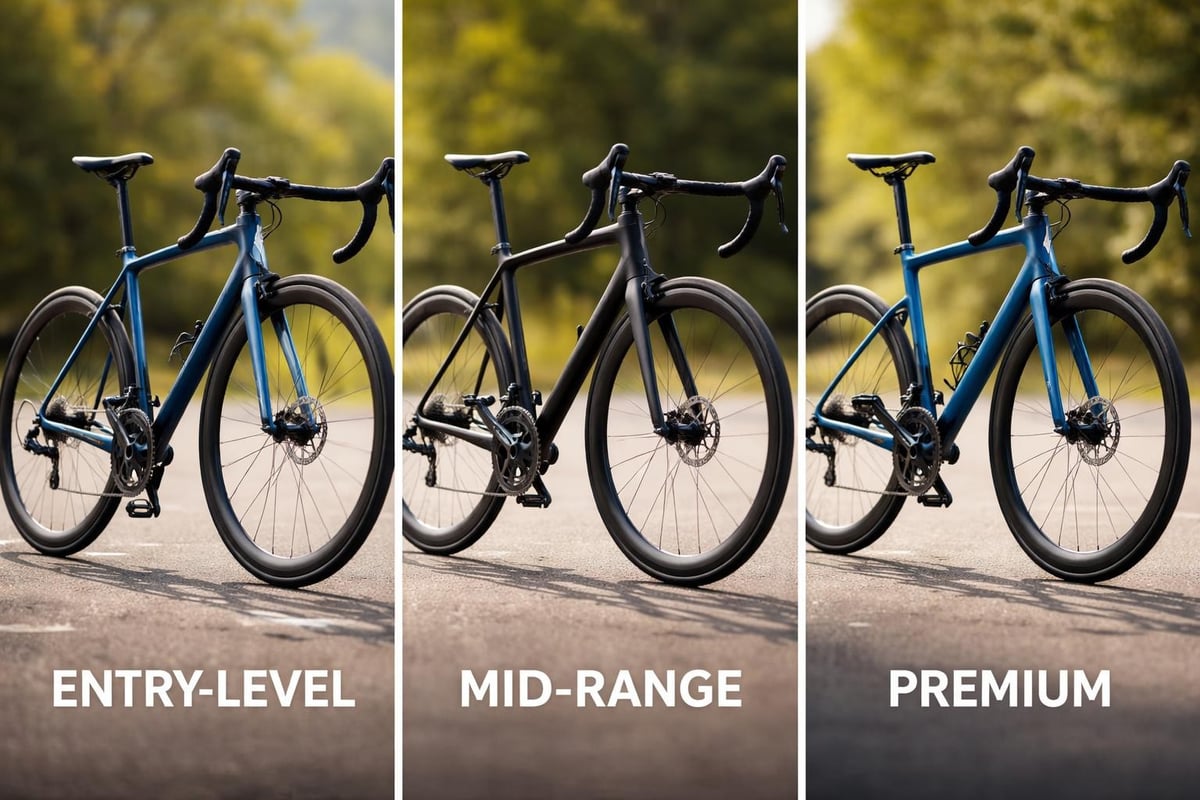
Premium Bikes (₹50,000 - ₹2,00,000)
Premium bicycles cater to enthusiasts, competitive riders, and those who view cycling as a primary fitness activity or sport. The price for bikes in this segment reflects significant technology investments and performance optimization.
| Component | Entry-Level | Mid-Range | Premium |
|---|---|---|---|
| Frame Material | Steel/Basic Aluminum | Quality Aluminum/Carbon | High-Grade Carbon/Titanium |
| Drivetrain | 6-7 Speed | 18-24 Speed | 20-30 Speed Electronic |
| Brakes | Rim/Mechanical Disc | Hydraulic Disc | Premium Hydraulic Disc |
| Weight | 12-15 kg | 10-12 kg | 7-10 kg |
| Warranty | 1 Year | 2-5 Years | Lifetime Frame Warranty |
These bikes feature cutting-edge materials, professional-grade components from brands like Shimano or SRAM, aerodynamic designs, and meticulous engineering. Competitive cyclists, long-distance touring enthusiasts, and serious mountain bikers typically operate in this range.
Ultra-Premium and Professional Bikes (₹2,00,000+)
The highest tier represents professional racing machines, specialized bikes for extreme disciplines, and custom-built frames. These bicycles incorporate aerospace-grade materials, electronic shifting systems, proprietary technologies, and often come from prestigious international brands with racing heritage. While representing a tiny market segment, they demonstrate cycling technology's cutting edge.
Factors That Influence the Price for Bikes
Multiple variables contribute to final bicycle pricing, and understanding these factors helps you evaluate whether a specific bike offers good value for your investment.
Frame Material and Construction
Frame material represents one of the most significant cost determinants. Factors affecting bicycle prices show that material choice impacts not only the initial price but also long-term performance and durability.
Steel frames remain the most affordable option, offering durability and a smooth ride quality but adding weight. Aluminum frames dominate the mid-range market, providing excellent strength-to-weight ratios at reasonable costs. Carbon fiber commands premium pricing due to manufacturing complexity but delivers superior lightness and vibration dampening. Titanium represents the ultra-premium choice, combining lightness, strength, and corrosion resistance with exceptional longevity.
Beyond material, construction methods matter. Hand-welded frames, advanced butting techniques, and proprietary manufacturing processes add cost but improve performance and durability.
Component Quality and Brand
Components significantly impact the price for bikes, often representing 40-60% of total costs on mid-range and premium models. The drivetrain (gears, derailleurs, shifters), brakes, wheels, and suspension systems vary enormously in quality and price.
Entry-level bikes use basic component groups, while premium models feature top-tier systems. A professional Shimano Dura-Ace groupset alone costs more than many complete entry-level bikes. Similarly, high-performance wheels, lightweight saddles, and premium tires substantially increase costs.
Bike Type and Specialization
Different cycling disciplines demand specific features that affect pricing:
- Road bikes prioritize lightweight construction and aerodynamics
- Mountain bikes require robust frames and sophisticated suspension
- Hybrid bikes balance features from multiple categories
- Electric bikes incorporate motors and batteries significantly increasing costs
- Touring bikes need durability and load-carrying capability
Specialized bikes addressing niche markets often command premium pricing due to lower production volumes and specific engineering requirements.
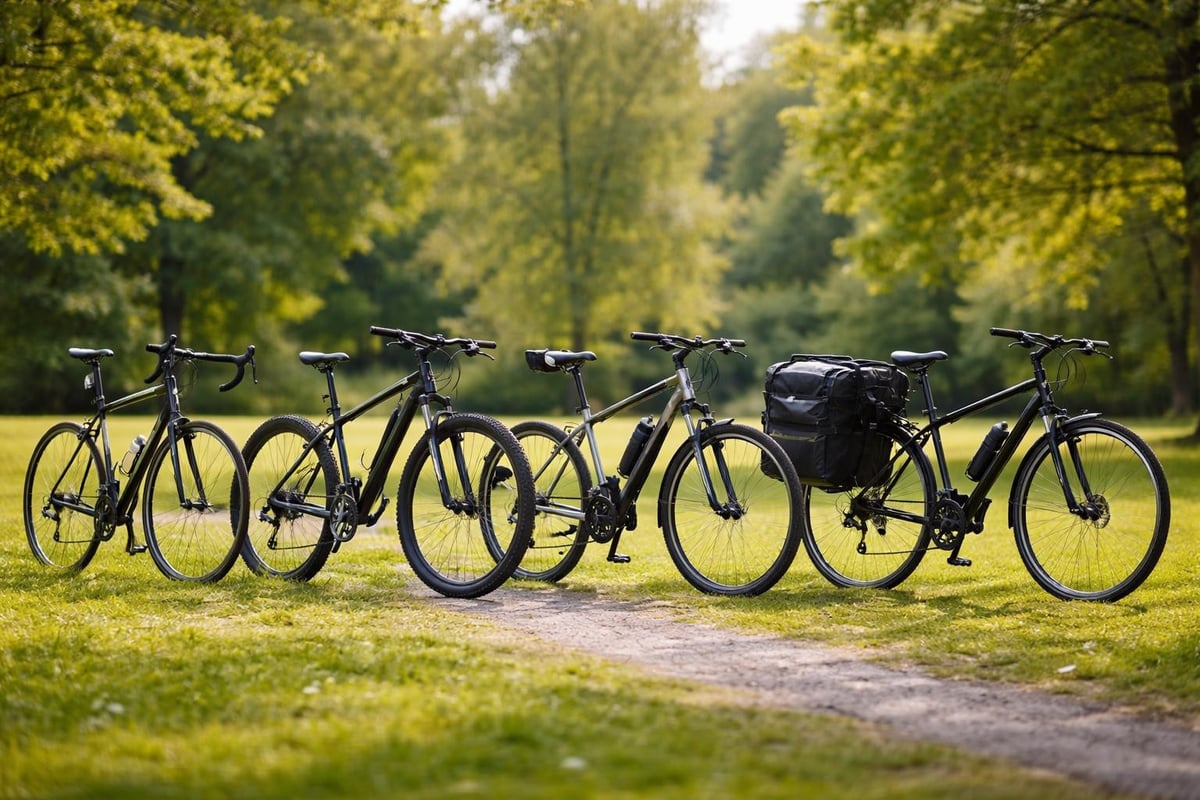
Electric Bike Pricing Considerations
Electric bicycles deserve special attention as they've transformed urban cycling in India. The price for bikes with electric assist starts around ₹30,000 and extends beyond ₹2,00,000 for premium models.
E-Bike Cost Factors
Electric bike price factors highlight several unique considerations beyond traditional bicycles. Motor power directly correlates with cost, with entry-level 250W motors being most affordable and powerful 750W+ motors commanding premium prices.
Battery capacity represents another major expense. Higher watt-hour (Wh) ratings provide longer ranges but increase costs substantially. Quality lithium-ion batteries from reputable manufacturers ensure longevity but cost more than generic alternatives.
Electronics and integration also affect pricing. Sophisticated display systems, integrated lighting, pedal-assist sensors, and smartphone connectivity add value and cost. Premium e-bikes feature seamless integration where electrical components appear factory-designed rather than aftermarket additions.
According to detailed e-bike pricing analysis, regional market conditions, import duties, and local assembly versus imported complete bikes significantly impact final pricing in India.
E-Bike Value Propositions
Despite higher initial costs, e-bikes offer compelling value for specific use cases:
- Commuters save on fuel and parking costs
- Fitness enthusiasts extend ride distances and reduce fatigue
- Older riders maintain cycling activity despite physical limitations
- Cargo riders transport goods or children more easily
When evaluating e-bike pricing, consider total cost of ownership including electricity costs (minimal), battery replacement (typically after 3-5 years), and reduced vehicle expenses if replacing car trips.
How to Determine Your Optimal Price for Bikes
Selecting the right bicycle involves balancing budget constraints with your actual cycling needs and future growth potential.
Assess Your Riding Frequency and Intensity
Casual riders (1-2 times weekly, short distances) typically find excellent value in the ₹10,000-₹25,000 range. Spending significantly more won't substantially improve your riding experience if you're cycling occasionally on paved paths or neighborhood streets.
Regular riders (3-5 times weekly, moderate distances) benefit from investing ₹25,000-₹70,000. Quality components, better frames, and improved performance become noticeable and appreciated when you're spending several hours weekly on the bike.
Serious enthusiasts (daily riders, long distances, competitive interest) should consider ₹70,000+ investments. The performance gains, weight savings, and durability improvements justify higher spending when cycling represents a primary activity.
Consider Long-Term Value
The price for bikes shouldn't focus solely on initial purchase costs. Quality bicycles from reputable brands offer:
- Better resale value when you eventually upgrade
- Lower maintenance costs through superior component durability
- Warranty coverage protecting your investment
- Upgrade potential allowing component improvements over time
A ₹40,000 bike that lasts ten years with minimal issues provides better value than a ₹15,000 bike requiring replacement after three years and constant repairs.
Budget for Essential Accessories
First-time buyers often overlook essential accessories when budgeting. Allocate additional funds for:
- Quality helmet (₹1,000-₹5,000)
- Lock and security (₹800-₹3,000)
- Lights for visibility (₹500-₹3,000)
- Repair tools and spare tubes (₹1,000-₹2,500)
- Cycling-specific clothing (₹2,000-₹10,000)
For cyclists seeking comprehensive gear solutions beyond just bikes, Cycling Gears Hub - Premium Cycling Gear & Accessories provides everything from helmets and gloves to training equipment, ensuring you're fully prepared for every ride with quality products trusted by thousands of Indian cyclists.

These accessories significantly enhance safety, comfort, and enjoyment, representing worthwhile investments alongside your bicycle purchase.
Market Trends Affecting Bike Prices in 2026
Understanding current market dynamics helps contextualize why certain price for bikes levels exist and whether they represent good value.
Supply Chain Stabilization
After several years of disruptions, global bicycle supply chains have largely stabilized in 2026. This normalization has moderated price increases seen during 2020-2023, though prices haven't returned to pre-pandemic levels. Economic factors affecting bike costs explain how supply-demand imbalances historically influenced pricing.
Manufacturing has diversified beyond traditional hubs, with increased production in Southeast Asia and India reducing dependence on single sources. This diversification creates more competitive pricing in certain categories while potentially increasing costs in others due to developing manufacturing learning curves.
Technology Integration
Modern bicycles increasingly incorporate technology previously reserved for premium models. Electronic shifting, power meters, integrated GPS, and advanced materials have become more accessible. While this raises baseline prices across categories, it also delivers significantly more value at each price point compared to five years ago.
Growing Domestic Manufacturing
India's expanding domestic bicycle manufacturing sector increasingly offers competitive alternatives to imported bikes. Local brands leverage lower labor costs, reduced import duties, and shorter supply chains to provide excellent value in the ₹15,000-₹50,000 range. However, premium components and specialized bikes still predominantly come from international manufacturers.
Comparing New vs. Used Bike Prices
The used bicycle market offers alternatives for budget-conscious buyers, though it requires careful evaluation.
Used Bike Advantages
Significant savings represent the primary appeal, with well-maintained used bikes often costing 40-60% of original retail prices. This allows access to higher-quality bikes than you could afford new. A ₹80,000 bike from two years ago might sell for ₹35,000-₹45,000, delivering mid-range pricing with premium performance.
Reduced depreciation benefits buyers planning to resell eventually. New bikes lose 20-30% of value immediately, while used bikes depreciate more gradually.
Used Bike Considerations
Evaluating condition requires expertise. Frame damage, worn components, and hidden issues can create expensive problems. Detailed cost breakdowns help assess whether asking prices reflect actual value considering age and condition.
Limited warranty coverage means you assume all repair costs and risks. Sizing challenges arise when you can't test ride or when selection is limited to available inventory rather than ideal specifications.
For buyers comfortable with mechanical assessment or having knowledgeable friends, used bikes offer genuine value. First-time buyers might prefer new bikes with warranty coverage and professional sizing assistance.
Where to Find the Best Price for Bikes
Purchasing channels significantly affect final costs and overall value.
Specialized Bike Shops
Local bike shops typically charge full retail prices but provide invaluable services including professional fitting, test rides, assembly, warranty support, and ongoing maintenance advice. The relationship you build with your local shop often justifies slightly higher prices, especially for beginners needing guidance. Many shops offer accessories and complementary guidance on essential cycling gear for Indian riders.
Online Retailers
E-commerce platforms often offer competitive pricing through lower overhead costs, though you sacrifice personalized service and test rides. Reputable online sellers like Cycling Gears Hub combine competitive pricing with quality assurance, return policies, and comprehensive product information, making them attractive options for informed buyers.
Direct-to-Consumer Brands
Several manufacturers now sell directly to consumers, eliminating retailer markups. This model typically delivers 15-25% savings on comparable bikes from traditional brands. However, you'll need confidence in sizing and specifications without extensive test riding opportunities.
Seasonal Sales and Promotions
Timing purchases around major sales events (festive seasons, end-of-season clearances, new model releases) can yield substantial savings. Previous-year models often see 20-35% discounts when new versions arrive, despite minimal actual differences.
Evaluating Whether a Bike Price Represents Good Value
Beyond absolute cost, assessing value requires considering what you receive for your investment.
Component Hierarchy Assessment
Research the specific components included. A ₹50,000 bike with Shimano 105 groupset offers better long-term value than a ₹55,000 bike with prettier paint but lower-quality components. Understanding component pricing factors helps identify where manufacturers invested your money.
| Price Range | Expected Groupset | Brake Type | Frame Material |
|---|---|---|---|
| ₹15,000-₹25,000 | Shimano Tourney/Altus | Mechanical Disc/Rim | Aluminum |
| ₹25,000-₹50,000 | Shimano Acera/Deore | Hydraulic Disc | Quality Aluminum |
| ₹50,000-₹1,00,000 | Shimano 105/SLX | Premium Hydraulic | Aluminum/Carbon |
| ₹1,00,000+ | Shimano Ultegra/XT+ | Top-Tier Hydraulic | High-Grade Carbon |
Brand Reputation and Support
Established brands charge premiums but offer better warranty support, parts availability, and resale value. Lesser-known brands might offer impressive specifications at lower prices but could create challenges finding replacement parts or accessing service support years later.
Intended Use Alignment
The best price for bikes aligns with how you'll actually use them. An aggressive racing geometry road bike at ₹60,000 represents poor value if you primarily ride leisurely on weekends. Conversely, a comfortable hybrid at ₹25,000 might limit a rider planning to join group rides and increase intensity.
Making Your Final Decision
After researching options and understanding pricing factors, several practical steps help finalize your purchase decision.
Test Ride Multiple Options
Nothing replaces actual riding experience. Test several bikes within your price range and adjacent categories. A slightly more expensive bike that fits perfectly and feels comfortable provides better value than a cheaper option causing discomfort or requiring immediate modifications.
Negotiate Thoughtfully
While bike shops have limited pricing flexibility on bikes themselves, bundling purchases creates opportunities. Negotiating included accessories, discounted maintenance packages, or complimentary fitting services adds value without reducing the bike's sale price.
Consider Timing Your Purchase
If your timeline is flexible, waiting for optimal purchasing periods can substantially improve value. New model releases typically occur in late summer/early fall, making spring an excellent time for deals on current inventory.
Verify Return and Warranty Policies
Understanding protection for your investment provides peace of mind. Quality retailers offer reasonable return windows for sizing issues and honor manufacturer warranties. Return policy transparency indicates seller confidence in their products and commitment to customer satisfaction.
Plan for Accessories and Maintenance
Remember that the bicycle purchase represents just the beginning. Budgeting for ongoing maintenance, eventual component replacements, and quality accessories ensures your cycling experience remains positive long-term. Many experienced cyclists suggest allocating 10-15% of bike cost annually for maintenance and upgrades.
Understanding the price for bikes across categories, knowing what factors drive costs, and aligning your purchase with actual riding needs ensures you invest wisely in a bicycle that delivers years of enjoyment and reliable performance. Whether you're seeking an affordable commuter, a capable weekend adventurer, or a high-performance racing machine, the 2026 market offers exceptional options at every price point. Cycling Gears Hub supports your cycling journey with quality gear, accessories, and equipment backed by hassle-free returns, flexible payment options, and the trust of over 10,000 Indian cyclists who rely on us for all their cycling needs.