

Learning to ride a bike opens up a world of freedom, fitness, and adventure that transforms how you experience your surroundings. Whether you are rediscovering cycling after years away or teaching someone their first pedal strokes, understanding the fundamentals and benefits makes every journey more rewarding. With over 10,000 cyclists across India already embracing this activity, 2026 marks an exciting time to join the growing community of riders who have discovered that cycling offers far more than simple transportation.
The Health Benefits That Make Cycling Extraordinary
When you ride a bike regularly, your body undergoes remarkable transformations that extend well beyond basic cardiovascular improvements. Research from the Cleveland Clinic confirms that cycling strengthens your heart, lungs, and circulatory system while reducing your risk of serious health conditions. The beauty of cycling lies in its accessibility for people at virtually every fitness level.
Cardiovascular and Muscular Improvements
Your heart becomes more efficient with each ride, pumping blood more effectively throughout your body. This low-impact exercise protects your joints while simultaneously building strength in your legs, core, and lower back. Unlike high-impact activities that stress your bones and connective tissues, cycling provides a smooth, repetitive motion that builds endurance without excessive wear.
Key physical benefits include:
- Enhanced cardiovascular endurance and heart health
- Increased muscle strength in quadriceps, hamstrings, and calves
- Improved joint mobility without excessive impact stress
- Better coordination and balance skills
- Reduced body fat percentage through consistent calorie burning

Mental Wellness and Cognitive Function
The mental health advantages of cycling deserve equal attention to the physical benefits. When you ride a bike through your neighborhood or on dedicated trails, your brain releases endorphins that naturally elevate your mood and reduce stress levels. Northwestern Medicine highlights how this activity improves mental clarity and cognitive function, making it an excellent choice for managing daily stress.
Regular cycling sessions help combat anxiety and depression while improving sleep quality. The rhythmic nature of pedaling creates a meditative state that allows your mind to process thoughts and emotions more effectively than sedentary activities.
Essential Safety Practices for Every Cyclist
Safety forms the foundation of enjoyable cycling experiences. Whether you ride a bike on busy urban streets or quiet country roads, following established safety protocols protects you and others sharing the roadway. Stanford University emphasizes that proper safety habits should become second nature before you tackle challenging routes.
Protective Equipment and Visibility
Your helmet represents your most critical piece of safety equipment. A properly fitted helmet reduces head injury risk by up to 85% during accidents. Beyond head protection, visibility gear ensures other road users can see you in various lighting conditions.
| Safety Item | Purpose | When to Use |
|---|---|---|
| Helmet | Head protection from impacts | Every single ride |
| Front light | Illuminate path ahead | Low light and nighttime |
| Rear light | Make you visible from behind | Dawn, dusk, and night |
| Reflective vest | Enhance visibility to drivers | All conditions |
| Gloves | Protect hands and improve grip | All rides |
Investing in quality protective equipment from Cycling Gears Hub ensures you have reliable gear that meets international safety standards. The right equipment makes every ride safer and more comfortable, allowing you to focus on enjoying the journey rather than worrying about potential hazards.

Traffic Rules and Road Awareness
Understanding and following traffic laws keeps you safe and builds positive relationships between cyclists and motorists. Harvard's BIKES program provides urban-specific guidance that applies to Indian cycling conditions. Always ride in the same direction as traffic, use hand signals to indicate turns, and obey all traffic signals just as vehicle drivers must.
Critical road safety practices:
- Position yourself visibly in the traffic lane when necessary
- Make eye contact with drivers at intersections
- Avoid riding too close to parked cars to prevent dooring incidents
- Stay alert to road surface conditions and potential hazards
- Never assume drivers have seen you, even with lights and reflective gear
Selecting the Right Bicycle for Your Needs
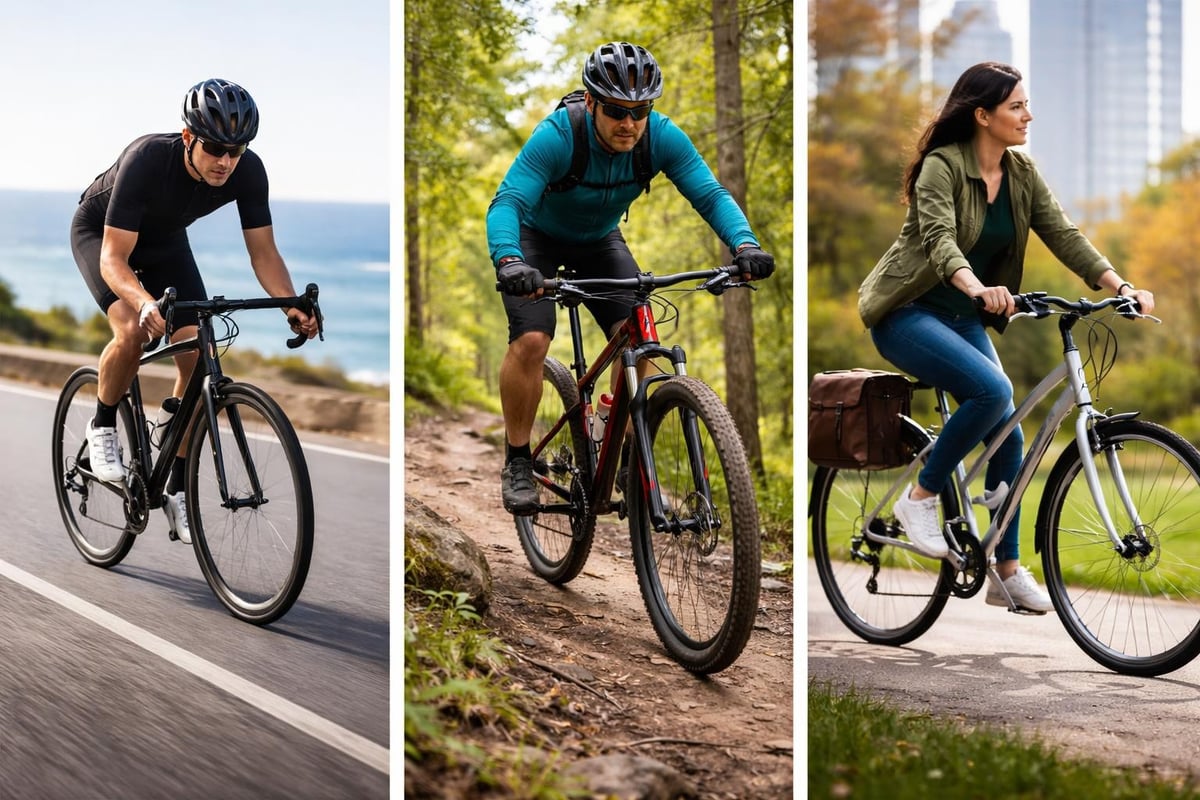
The bicycle you choose dramatically impacts your riding experience and determines which cycling activities you can pursue comfortably. Different bike types serve distinct purposes, from leisurely neighborhood rides to serious road training or rugged mountain trails. Understanding these differences helps you make informed decisions that match your goals and budget.
Road Bikes for Speed and Distance
Road bikes feature lightweight frames, narrow tires, and drop handlebars designed for efficient riding on paved surfaces. These bikes excel at covering long distances quickly, making them ideal for fitness-focused riders and those who participate in group rides or cycling events. The aerodynamic position reduces wind resistance while the gearing systems allow you to tackle various terrain efficiently.
Mountain Bikes for Trail Adventures
Mountain bikes offer sturdy construction, wide tires with aggressive tread patterns, and suspension systems that absorb impacts from rough terrain. If you ride a bike primarily on unpaved trails, forest paths, or mountainous regions, a mountain bike provides the durability and control necessary for safe navigation through challenging conditions.
Hybrid and Commuter Options
Hybrid bikes blend characteristics from road and mountain bikes, creating versatile machines suitable for mixed-surface riding. These bikes work exceptionally well for daily commuting, recreational riding, and errands around town. The upright riding position offers comfort and visibility, while moderate tire width handles both pavement and light trails competently.
Maintenance Fundamentals That Extend Bicycle Lifespan
Proper maintenance ensures your bicycle remains safe, reliable, and enjoyable to ride for years. Regular inspections catch small issues before they become expensive repairs or safety hazards. Tom's Guide recommends six essential checks that should become routine before every significant ride.
Pre-Ride Safety Inspection
Before you ride a bike on any journey, spend three minutes performing a systematic check. Start at the front wheel and work methodically toward the rear, examining each component for proper function and potential problems.
Quick pre-ride checklist:
- Tire pressure and tread condition
- Brake responsiveness and pad wear
- Chain lubrication and tension
- Quick-release levers properly secured
- Handlebar and stem tightness
- Seat height and security
Regular Cleaning and Lubrication
Dirt, dust, and grime accumulate on your bicycle during every ride, accelerating wear on moving parts and reducing performance. Clean your bike after muddy or wet rides, paying special attention to the drivetrain components. Quality chains and drivetrain parts last significantly longer when kept clean and properly lubricated.
Apply appropriate lubricant to your chain after cleaning, wiping away excess to prevent attracting more dirt. Your brake pads and brake rotors require regular inspection to ensure consistent stopping power in all conditions.
Building Skills and Confidence on Two Wheels
Whether you are just learning to ride a bike or refining advanced techniques, skill development follows predictable progressions. Beginners should focus on balance and basic control in safe, traffic-free environments before graduating to more challenging situations. Experienced riders can always improve efficiency, handling, and tactical awareness.
Fundamental Techniques for New Riders
Balance forms the cornerstone of cycling ability. New riders benefit from starting on slight downhill grades that provide momentum without requiring immediate pedaling. This approach allows you to focus entirely on steering and balance before adding the complexity of coordinated pedaling.
- Find a gentle slope with smooth pavement
- Practice gliding with feet off the ground
- Add pedaling once balance feels natural
- Learn gradual turning before attempting sharp corners
- Practice emergency stops in controlled conditions
Advanced Skills for Experienced Cyclists
Experienced riders who want to ride a bike more efficiently should focus on cadence optimization, cornering techniques, and group riding etiquette. Maintaining a consistent pedaling rhythm between 80-100 revolutions per minute improves cardiovascular efficiency and reduces muscle fatigue on long rides.
Corner entry speed, apex positioning, and exit acceleration determine how quickly and safely you navigate turns. Weight distribution shifts throughout the corner, with your inside pedal up and outside leg applying downward pressure for maximum traction and control.
Adapting to Weather Conditions and Seasonal Changes
Indian cyclists experience diverse weather conditions throughout the year, from scorching summer heat to monsoon rains and occasional winter cold. Cycling Weekly provides guidance on managing extreme heat, which remains particularly relevant for riders across most Indian regions during April through June.
Hot Weather Riding Strategies
When temperatures soar above 35°C, your body faces significant challenges maintaining proper core temperature. Hydration becomes critical, with most riders requiring 500-750ml of fluid per hour during intense heat. Start your ride well-hydrated and continue drinking before you feel thirsty.
| Temperature Range | Hydration Need | Clothing Strategy |
|---|---|---|
| Below 25°C | 400-500ml/hour | Standard cycling apparel |
| 25-32°C | 500-650ml/hour | Light-colored, breathable fabrics |
| 32-38°C | 650-800ml/hour | Minimal, moisture-wicking clothing |
| Above 38°C | 800ml+/hour | Consider avoiding midday rides |
Protective bartapes and quality grips help manage perspiration and maintain control during sweaty summer rides. Light-colored clothing reflects solar radiation more effectively than dark fabrics, reducing heat absorption.
Monsoon and Wet Conditions
When you ride a bike during rainy periods, visibility and traction decrease significantly. Reduce your speed, increase following distances, and avoid sudden movements that could cause skidding. Quality tires with appropriate tread patterns improve wet-weather grip and reduce hydroplaning risk.
Setting Goals and Tracking Progress
Measurable goals transform casual cycling into a structured activity that delivers consistent fitness improvements. Whether your objective involves weight loss, endurance building, or simply riding more frequently, specific targets keep you motivated through challenging periods.
Distance and Frequency Targets
Begin with achievable weekly mileage goals that match your current fitness level. New cyclists might target 30-50 kilometers weekly, gradually increasing by 10% each week as fitness improves. Experienced riders often maintain base mileage between 150-300 kilometers weekly, depending on training objectives and available time.
Progressive goal-setting approach:
- Establish baseline current weekly distance
- Set specific monthly distance or frequency targets
- Track actual rides completed versus planned sessions
- Adjust goals based on progress and life circumstances
- Celebrate milestones to maintain motivation
Performance Metrics Worth Monitoring
Average speed, heart rate zones, and power output provide quantifiable data that reveals fitness improvements over time. When you ride a bike with awareness of these metrics, you can train more strategically and avoid overtraining that leads to burnout or injury.
Joining the Cycling Community
Cycling offers rich social opportunities that enhance enjoyment and provide support networks for riders at every level. Group rides introduce you to experienced cyclists who share knowledge about local routes, maintenance techniques, and equipment recommendations. Understanding how cyclists perceive safety in different environments helps communities create better infrastructure and riding conditions.
Benefits of Group Riding
Riding with others provides motivation on days when solo rides feel unappealing. The social accountability of scheduled group sessions helps maintain consistent training throughout the year. More experienced riders offer real-time feedback on your technique, positioning, and equipment setup.
Group dynamics also teach important skills like drafting, paceline rotation, and communication signals that improve efficiency and safety. The collective knowledge within cycling clubs represents an invaluable resource for solving mechanical issues and discovering the best cycling routes in your area.
Local Events and Challenges
Participating in organized rides and events adds structure and excitement to your cycling journey. India hosts numerous cycling events throughout the year, from charity rides to competitive races and multi-day tours. These experiences push you beyond typical comfort zones while connecting you with the broader cycling community.
Registration for events creates specific training targets that give your daily rides greater purpose. The sense of accomplishment after completing a challenging event often motivates riders to set even more ambitious goals for future seasons.
Equipment Upgrades That Enhance Performance
As your cycling commitment deepens, strategic equipment upgrades deliver noticeable improvements in comfort, efficiency, and enjoyment. Rather than replacing your entire bicycle, targeted component upgrades often provide better value while addressing specific limitations you have identified through experience.
Contact Points and Comfort
The three places your body contacts the bicycle-saddles, pedals, and handlebars-deserve priority attention for upgrades. A properly fitted saddle eliminates discomfort during long rides, while quality pedals improve power transfer efficiency. Drop handlebars or flat handlebars in your preferred width and reach dramatically affect riding posture and control.
Drivetrain and Braking Systems
Modern groupsets offer smoother shifting and wider gear ranges than older systems, making it easier to maintain optimal cadence across varied terrain. Electronic shifting eliminates cable stretch and provides instantaneous, precise gear changes. Upgraded braking systems with better modulation and stopping power increase confidence when descending or riding in traffic.
Mastering how to ride a bike transforms transportation, fitness, and recreation while connecting you with a supportive global community of enthusiasts. The skills, knowledge, and confidence you build through regular cycling create lifelong benefits that extend far beyond physical health improvements. Whether you need premium cycling equipment, expert guidance on component selection, or simply want to upgrade your current setup, Cycling Gears Hub provides everything Indian cyclists need to ride with confidence, comfort, and performance. Explore our comprehensive range of bikes, parts, accessories, and gear backed by fast shipping, flexible payment options, and hassle-free returns that make upgrading your cycling experience simple and stress-free.