

When someone rides a bike regularly, they're not just choosing a mode of transportation-they're embracing a lifestyle that transforms physical health, mental clarity, and environmental consciousness. Whether commuting through congested urban streets, exploring mountain trails, or enjoying weekend leisure rides, cycling has become one of the most accessible and rewarding activities in modern India. The simple act of pedaling offers profound benefits that extend far beyond the immediate journey, creating ripple effects throughout communities and ecosystems.
The Health Revolution When You Ride a Bike
The health benefits of cycling have been extensively documented by researchers worldwide. Cycling and walking can help reduce physical inactivity and air pollution, making it a powerful tool for both personal wellness and public health improvement. Regular cycling strengthens cardiovascular systems, builds muscle endurance, and improves joint mobility without the high-impact stress of running or other intensive exercises.
Cardiovascular and Metabolic Benefits
Someone who rides a bike for just 30 minutes daily experiences measurable improvements in heart health within weeks. The aerobic nature of cycling increases heart rate, improves circulation, and reduces blood pressure over time. This consistent cardiovascular workout helps regulate cholesterol levels, particularly increasing beneficial HDL cholesterol while reducing harmful LDL variants.
Key cardiovascular improvements include:
- Enhanced oxygen uptake and lung capacity
- Reduced risk of heart disease by up to 50%
- Improved blood sugar regulation and insulin sensitivity
- Lower resting heart rate indicating stronger cardiac efficiency
- Better circulation reducing risk of peripheral artery disease
Beyond heart health, cycling serves as an exceptional weight management tool. A moderate-intensity ride burns between 400-600 calories per hour, making it highly effective for creating the caloric deficit necessary for sustainable weight loss. Unlike restrictive diets, cycling allows practitioners to enjoy food while maintaining fitness through consistent activity.

Mental Health and Cognitive Function
The psychological benefits of cycling extend far beyond physical fitness. Each time someone rides a bike, their brain receives increased blood flow carrying oxygen and nutrients essential for optimal function. This enhanced circulation stimulates neuroplasticity, promotes new neural connections, and may reduce cognitive decline associated with aging.
Research demonstrates that regular cyclists experience:
- Reduced anxiety and depression symptoms
- Improved sleep quality and duration
- Enhanced creativity and problem-solving abilities
- Better stress management through endorphin release
- Increased self-confidence and sense of accomplishment
The rhythmic, meditative nature of pedaling creates a moving meditation that many cyclists describe as therapeutic. Urban riders particularly benefit from this mental reset during commutes, transforming potentially stressful travel time into restorative movement.
Environmental Impact When Everyone Rides a Bike
Transportation accounts for a significant portion of urban air pollution and greenhouse gas emissions in Indian cities. When individuals choose to ride bikes instead of driving cars, they contribute directly to cleaner air and reduced carbon footprints. Making walking and cycling safe unlocks huge health, life, and green gains for entire communities.
Carbon Reduction and Air Quality
A single person who rides a bike for their daily 10-kilometer commute instead of driving prevents approximately 1,500 kilograms of CO2 emissions annually. Multiplied across thousands of commuters, this shift represents substantial environmental improvement. Cities with high cycling rates consistently demonstrate better air quality metrics and lower respiratory disease incidence.
| Transport Mode | CO2 per Kilometer | Annual Emissions (10km/day) |
|---|---|---|
| Car (petrol) | 120g | 1,460 kg |
| Motorcycle | 80g | 974 kg |
| Bicycle | 0g | 0 kg |
| E-bike | 5g | 61 kg |
The environmental benefits extend beyond carbon emissions. Bicycles require minimal manufacturing resources compared to motorized vehicles, produce no noise pollution, and demand significantly less urban infrastructure. Parking a bike requires one-tenth the space of a car, freeing urban land for parks, pedestrian zones, and community spaces.
Essential Gear for Those Who Ride Bikes
Proper equipment transforms cycling from a casual activity into a safe, comfortable, and enjoyable experience. Whether someone rides a bike for commuting, fitness, or recreation, investing in quality gear enhances performance and reduces injury risk. Understanding the essential components helps riders make informed decisions aligned with their specific needs.
Safety Equipment and Protective Gear
Safety should never be compromised when cycling, especially in mixed-traffic environments common throughout Indian cities. The right protective equipment can prevent serious injuries and increase visibility to other road users.
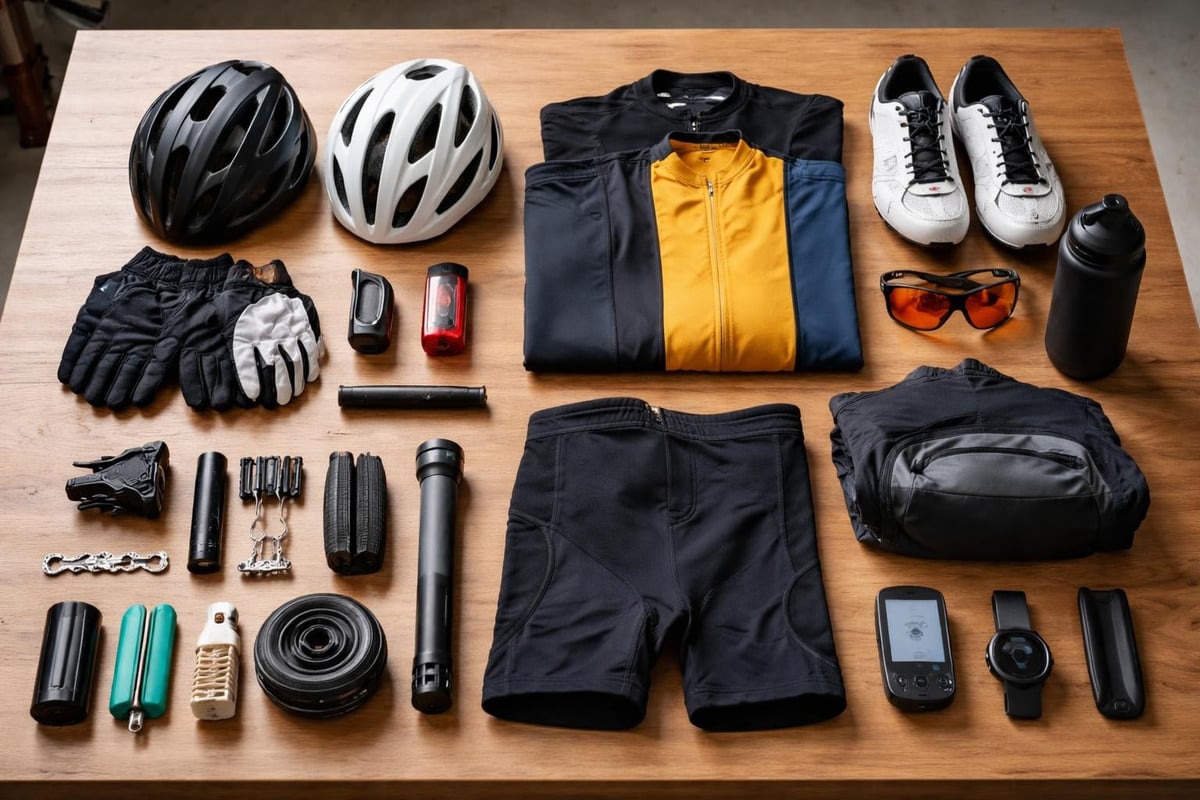
Critical safety items include:
- Helmets: ISI-certified helmets with proper fit and ventilation
- Lights: Front white lights and rear red lights for low-light conditions
- Reflective clothing: High-visibility jerseys and vests
- Gloves: Padded cycling gloves for grip and impact protection
- Eye protection: Quality sunglasses blocking UV rays and debris
For cyclists seeking comprehensive protection and comfort, Cycling Gears Hub provides a complete range of safety equipment designed for Indian riding conditions. Their curated selection ensures riders find appropriate gear whether tackling mountain trails or navigating city streets.

Performance-Enhancing Accessories
Beyond basic safety, performance accessories optimize the riding experience. These items improve comfort during long rides, enhance bike functionality, and support training progression for serious cyclists.
| Accessory Category | Purpose | Key Features |
|---|---|---|
| Cycling Shoes | Power transfer, efficiency | Stiff soles, cleat compatibility |
| Padded Shorts | Comfort, chafe prevention | Moisture-wicking, seamless design |
| Water Bottles | Hydration | Insulated, easy-mount systems |
| Bike Computers | Performance tracking | GPS, speed, cadence, heart rate |
| Repair Kits | Emergency fixes | Multi-tools, spare tubes, patches |
Riders who invest in quality accessories notice immediate improvements in ride quality and endurance. The difference between a uncomfortable 20-kilometer ride and an enjoyable 50-kilometer journey often comes down to proper gear selection.
Different Cycling Styles and Approaches
Not everyone who rides a bike does so for the same reasons or in the same manner. Understanding various cycling disciplines helps riders identify their preferences and choose appropriate equipment and training methods.
Commuting and Urban Cycling
Urban commuters represent the fastest-growing segment of cyclists in Indian cities. These riders prioritize practicality, efficiency, and reliability. Someone who rides a bike to work typically covers 5-15 kilometers each direction, navigating mixed traffic and varying road conditions.
Successful urban cycling requires:
- Route planning to identify safer, less congested paths
- Weather preparedness with rain gear and storage solutions
- Security measures including quality locks and parking strategies
- Maintenance routines ensuring reliability during critical commutes
- Professional attire solutions balancing cycling comfort with workplace dress codes
Many urban cyclists discover that cycling accessories designed for Indian conditions significantly improve their commuting experience, making the transition from car to bike sustainable long-term.
Recreational and Fitness Riding
Recreational cyclists ride primarily for enjoyment, fitness, or social connection. These riders often participate in weekend group rides, explore scenic routes, or set personal fitness challenges. The pace tends to be moderate, focusing on sustainable effort rather than competitive performance.
Benefits of recreational cycling include:
- Social connections through cycling clubs and group rides
- Mental health improvements from outdoor exposure and exercise
- Flexibility to adjust intensity based on daily energy levels
- Progressive fitness development without extreme training demands
- Opportunities to explore new areas and communities
Competitive and Performance Cycling
Athletes who ride bikes competitively engage in structured training, performance optimization, and regular racing. This approach requires significant time commitment, specialized equipment, and often professional coaching. Competitive disciplines include road racing, criteriums, time trials, mountain biking, and track cycling.
Performance cyclists focus intensely on metrics like power output, heart rate zones, cadence, and recovery protocols. Their training typically follows periodized plans building toward specific competitive events.
Building a Sustainable Cycling Habit
Starting to ride a bike regularly requires more than initial enthusiasm-it demands strategic planning, gradual progression, and habit formation techniques. Understanding the psychological and practical aspects of habit development increases success rates dramatically.
Starting Gradually and Setting Realistic Goals
New cyclists often make the mistake of riding too far or too intensely initially, leading to soreness, fatigue, and discouragement. A sustainable approach begins with modest distances and gradually increases over weeks and months.
Effective progression strategy:
- Week 1-2: 15-minute rides, 3-4 times weekly
- Week 3-4: 25-minute rides, 4 times weekly
- Week 5-8: 35-45 minute rides, 4-5 times weekly
- Week 9-12: 45-60 minute rides, introducing longer weekend sessions
- Month 4+: Varying distances and intensities based on goals
This gradual approach allows cardiovascular systems, muscles, and connective tissues to adapt safely. Someone who rides a bike following this progression significantly reduces injury risk while building genuine fitness.
Overcoming Common Barriers
Despite cycling's accessibility, potential riders encounter obstacles that prevent them from starting or maintaining regular practice. Identifying and addressing these barriers proactively increases long-term adherence.
| Barrier | Solution Strategy |
|---|---|
| Time constraints | Integrate cycling into existing routines (commuting, errands) |
| Weather concerns | Invest in appropriate all-weather gear and clothing |
| Safety worries | Choose lower-traffic routes, ride during daylight, use visibility gear |
| Physical discomfort | Ensure proper bike fit, quality saddle, padded shorts |
| Lack of knowledge | Join beginner groups, watch instructional content, visit local shops |
Addressing concerns about essential cycling gear for beginners helps newcomers feel confident and prepared for their cycling journey.
The Social Dimension of Cycling
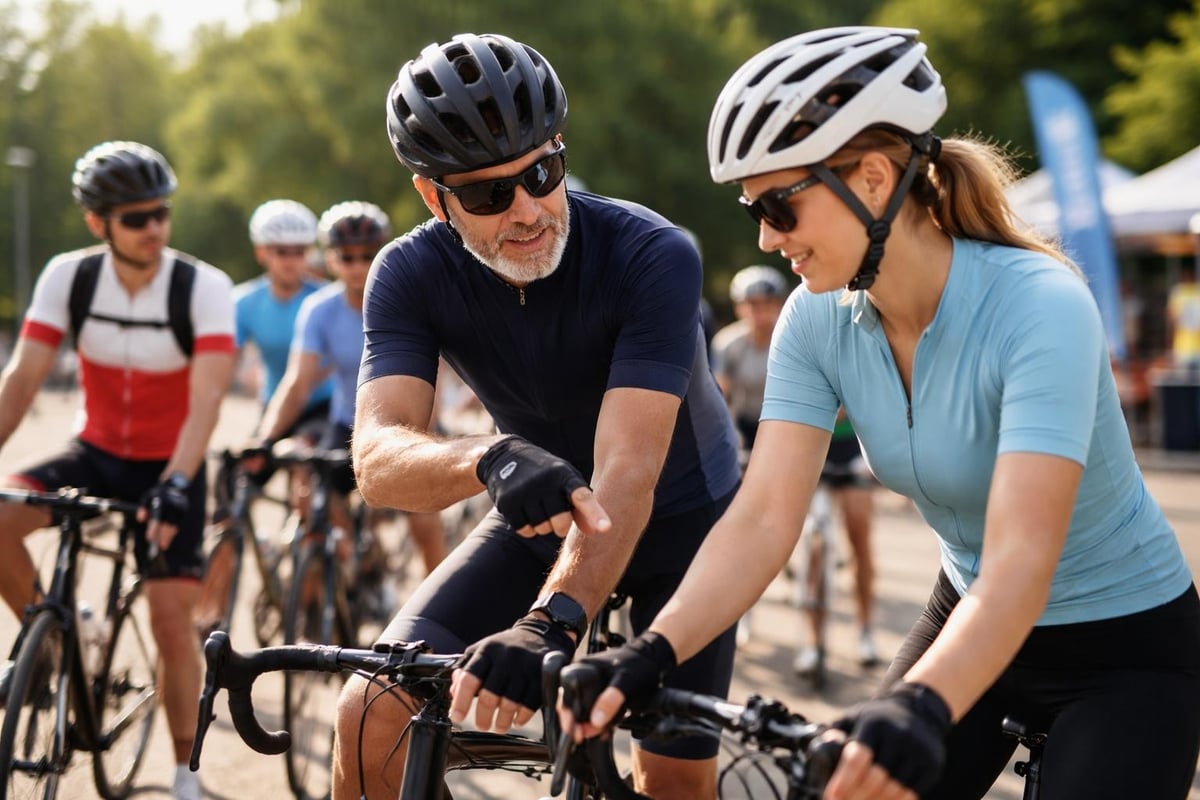
While someone can certainly ride a bike alone and enjoy solitary experiences, cycling also offers rich social opportunities. Group rides, cycling clubs, and online communities create connections among people who share passion for two-wheeled adventure.
Group Riding Benefits and Etiquette
Group rides provide motivation, safety in numbers, skill development, and social enjoyment. However, riding with others requires understanding specific etiquette and communication protocols.
Group ride essentials include:
- Maintaining consistent pace and line
- Communicating hazards verbally and with hand signals
- Taking turns at the front to share wind-breaking duties
- Respecting traffic laws and other road users
- Matching the advertised pace and distance
New riders benefit tremendously from joining local cycling communities where experienced cyclists mentor beginners, share route knowledge, and provide encouragement during challenging moments.
Virtual Cycling Communities
Digital platforms have revolutionized how cyclists connect, train, and compete. Apps like Strava, Komoot, and various training platforms allow riders worldwide to share routes, compare performances, and participate in virtual challenges. Someone who rides a bike can now compete with cyclists globally without leaving their local roads.
These platforms offer:
- Route discovery and navigation assistance
- Performance tracking and analysis
- Virtual competitions and challenges
- Training plan integration
- Social features connecting riders with similar interests
Cycling Across Different Life Stages
The beauty of cycling lies in its accessibility across age groups and fitness levels. From children learning balance to seniors maintaining mobility, bikes serve different purposes throughout life's journey.
Youth and Skill Development
Children who learn to ride bikes develop physical coordination, spatial awareness, and confidence. Beyond the basic skill acquisition, cycling provides young people with independence, outdoor activity, and healthy habits that often persist throughout life.
Youth cycling benefits include:
- Motor skill development and balance improvement
- Cardiovascular fitness foundation
- Independence and responsibility building
- Social opportunities through school and community programs
- Alternative to sedentary screen-based entertainment
Adult Fitness and Lifestyle Integration
Adults who ride bikes typically do so for fitness, transportation, stress relief, or recreation. This demographic faces unique challenges balancing cycling with work demands, family responsibilities, and other commitments. However, cycling's efficiency as both transportation and exercise makes it particularly valuable for busy adults.
Senior Cycling and Mobility Maintenance
Older adults benefit tremendously from cycling's low-impact nature. The activity maintains cardiovascular health, preserves joint mobility, and supports independence without the injury risk associated with high-impact exercises. Research on health benefits of e-cycling demonstrates that electric bikes particularly enable seniors to continue cycling despite reduced strength or endurance.
Nutrition and Hydration for Cyclists
Someone who rides a bike regularly must fuel their body appropriately to support performance, recovery, and overall health. Understanding basic sports nutrition principles enhances energy levels, prevents bonking, and accelerates adaptation to training stress.
Pre-Ride Fueling Strategies
The timing and composition of pre-ride meals significantly impact performance and comfort. Rides under 60 minutes generally require minimal special fueling if overall nutrition is adequate. Longer rides demand strategic carbohydrate intake.
Optimal pre-ride timing:
- 2-3 hours before: Balanced meal with complex carbohydrates, moderate protein, low fat
- 30-60 minutes before: Light snack emphasizing easily digestible carbohydrates
- Just before: Only if needed, simple carbohydrates like fruit or energy gels
During-Ride Nutrition and Hydration
Rides exceeding 90 minutes require ongoing fueling to maintain blood glucose levels and prevent glycogen depletion. The general guideline suggests consuming 30-60 grams of carbohydrates per hour during moderate to intense efforts.
| Ride Duration | Hydration Needs | Carbohydrate Needs |
|---|---|---|
| Under 60 min | 400-600ml water | Minimal (if well-fueled) |
| 60-90 min | 600-800ml | 30g/hour optional |
| 90-180 min | 800-1200ml | 30-60g/hour |
| Over 180 min | 1000ml+/hour | 60-90g/hour |
Proper hydration prevents performance decrements and reduces cramping risk. Someone who rides a bike in hot Indian climates should increase fluid intake significantly, potentially adding electrolyte replacement.
Post-Ride Recovery Nutrition
The 30-60 minutes following a ride represents a critical recovery window. Consuming a combination of carbohydrates and protein during this period accelerates glycogen replenishment and muscle repair.
Effective recovery meals include:
- Chocolate milk providing ideal carb-to-protein ratio
- Smoothies with fruit, protein powder, and greens
- Rice with lean protein and vegetables
- Whole grain toast with nut butter and banana
- Traditional Indian meals like dal-chawal with vegetables
Technology and Cycling Performance
Modern cycling increasingly integrates technology for navigation, performance tracking, safety, and entertainment. Understanding available tools helps riders leverage technology effectively without becoming overly dependent or distracted.
GPS and Navigation Systems
Dedicated cycling computers and smartphone apps provide real-time navigation, eliminating the frustration of getting lost on unfamiliar routes. These systems offer turn-by-turn directions, elevation profiles, and distance tracking.
Popular navigation features include:
- Pre-loaded route following with alerts
- Live route creation and modification
- Points of interest identification
- Segment tracking for popular climbs and sprints
- Offline map functionality for areas without data coverage
Performance Metrics and Training Analysis
Athletes who ride bikes competitively rely heavily on data to optimize training and track progress. Power meters, heart rate monitors, and cadence sensors provide objective measurements replacing subjective effort perception.
Key performance metrics include:
- Power output measured in watts, indicating exact effort
- Heart rate showing cardiovascular response to effort
- Cadence tracking pedaling efficiency (typically 80-100 rpm)
- Speed and distance for training volume monitoring
- Elevation gain quantifying climbing difficulty
These metrics enable sophisticated training approaches like interval work, threshold development, and periodized planning that significantly enhance performance outcomes.
Maintenance Fundamentals for Regular Riders
A cyclist who rides a bike frequently must develop basic maintenance skills to ensure safety, reliability, and equipment longevity. While professional servicing remains important for complex repairs, routine maintenance can be performed at home with minimal tools.
Weekly Maintenance Checklist
Regular inspection prevents minor issues from becoming ride-ending failures. A quick weekly check takes just 10-15 minutes but dramatically reduces mechanical problems.
Essential weekly checks:
- Tire pressure and tread condition
- Brake pad wear and brake function
- Chain lubrication and wear
- Bolt tightness on critical components
- Light functionality and battery charge
- Frame inspection for cracks or damage
Basic Repairs Every Cyclist Should Master
Certain mechanical failures occur frequently enough that all regular riders should learn to address them independently. These skills prevent being stranded far from home or missing important rides.
Critical repair skills include:
- Fixing flat tires and replacing tubes
- Adjusting brake pads and cable tension
- Reattaching dropped chains
- True-ing minor wheel wobbles
- Adjusting saddle and handlebar positions
Many cyclists find online tutorials and local workshops invaluable for developing these competencies, building confidence to handle roadside emergencies.
Weather Adaptations for Year-Round Cycling
Indian weather varies dramatically by region and season, presenting unique challenges for those who ride bikes regularly. Successful year-round cyclists adapt clothing, equipment, and strategies to maintain comfort and safety across conditions.
Hot Weather Cycling Strategies
Summer heat and humidity create significant challenges, particularly during midday hours. Smart planning and appropriate gear enable safe riding even in high temperatures.
Heat management techniques:
- Schedule rides during early morning or evening hours
- Wear light-colored, moisture-wicking fabrics
- Increase hydration significantly (8-10 bottles for long rides)
- Apply sunscreen liberally and reapply during long rides
- Recognize early heat exhaustion symptoms (dizziness, nausea, confusion)
Monsoon Season Considerations
Riding during monsoon requires specific precautions to maintain traction, visibility, and component longevity. While some cyclists avoid wet conditions entirely, others embrace rainy rides with proper preparation.
Wet weather essentials include waterproof jackets, fenders to deflect spray, and lights for visibility. Someone who rides a bike through monsoons should also clean and lubricate the drivetrain more frequently to prevent rust and premature wear.
Urban Planning and Cycling Infrastructure
The ease and safety of cycling depends heavily on infrastructure quality. Cities investing in dedicated cycling lanes, secure parking, and bike-sharing programs see dramatic increases in cycling rates. Understanding infrastructure needs helps cyclists advocate effectively for improvements in their communities.
The Impact of Protected Bike Lanes
Research consistently demonstrates that protected cycling infrastructure increases ridership across all demographic groups. Separated lanes reduce collision risk, increase rider comfort, and encourage children and older adults to cycle. Research on motives for active transport shows that safety infrastructure significantly influences whether people choose cycling over driving.
Protected infrastructure benefits include:
- Reduced collision rates by 40-90% compared to mixed traffic
- Increased cycling rates by 50-200% on routes with new lanes
- Improved air quality from modal shift away from cars
- Economic benefits to local businesses from slower-moving traffic
- Social equity through affordable transportation access
Riding a bike offers transformative benefits spanning personal health, environmental impact, and community connection. Whether someone rides for fitness, transportation, recreation, or competition, the journey begins with a single pedal stroke and grows through consistent practice and proper equipment. Cycling Gears Hub supports cyclists at every level with quality gear, expert advice, and a commitment to making cycling accessible throughout India. Explore their comprehensive selection today to find the perfect equipment for your cycling goals.