

Bicycle theft remains a persistent concern for cyclists across India, with thousands of bikes stolen each year from urban centers to small towns. As cycling continues to grow in popularity among fitness enthusiasts and daily commuters alike, protecting your investment becomes increasingly important. Tracking bikes through modern technology offers peace of mind and significantly improves recovery rates when theft occurs. Whether you ride a premium road bike or a reliable commuter, understanding the available tracking solutions empowers you to make informed decisions about securing your bicycle.
Understanding the Need for Tracking Bikes
The cycling community in India has expanded dramatically over recent years, with more riders investing in quality bicycles worth substantial amounts. Professional cyclists, weekend warriors, and daily commuters all share a common vulnerability: the risk of theft. Traditional security measures like locks and chains provide physical barriers, but they cannot help locate a stolen bicycle once it disappears.
Tracking bikes addresses several critical needs:
- Real-time location monitoring during rides and storage
- Theft recovery assistance through GPS coordinates
- Route recording for training and performance analysis
- Emergency location sharing with friends or family
- Proof of ownership in disputed situations
The City of Annapolis provides comprehensive tips on preventing bike theft, emphasizing that combining physical security with tracking technology creates the most effective defense strategy. Modern tracking solutions have become more affordable and accessible, making them practical for cyclists at every level.
Types of Bike Tracking Solutions
Dedicated GPS Trackers
Dedicated GPS trackers designed specifically for bicycles offer the most robust tracking capabilities. These devices use satellite positioning and cellular networks to provide accurate, real-time location data. They typically install discreetly within the bike frame, seatpost, or handlebars, making them difficult for thieves to detect and remove.
Key advantages of dedicated GPS trackers include:
- Precise location accuracy within meters
- Long battery life ranging from weeks to months
- Geofencing alerts when your bike moves unexpectedly
- Historical route tracking and ride statistics
- Subscription-based cellular connectivity
The investment in dedicated GPS devices ranges from affordable basic models to premium options with advanced features. Many devices now integrate with smartphone apps, providing instant notifications if your bike moves without authorization.
Smartphone-Based Tracking Apps
Modern smartphones contain powerful GPS capabilities that cyclists can leverage for tracking purposes. Various apps transform your phone into a tracking device, recording routes, speeds, distances, and locations. While these solutions work excellently during rides, they require your phone to remain with the bicycle.
| Feature | Dedicated GPS | Smartphone App | Bluetooth Tag |
|---|---|---|---|
| Real-time tracking | Yes | Yes (phone present) | Limited range |
| Battery life | Weeks to months | Hours (active use) | Months |
| Cellular connectivity | Built-in | Phone-dependent | None |
| Monthly fees | Usually yes | Often free | No |
| Theft recovery | Excellent | Limited | Moderate |
For cyclists seeking comprehensive ride data and navigation, Tom's Guide evaluates the best GPS bike computers that combine tracking with performance metrics. These devices mount to handlebars and provide valuable insights beyond basic location services.
Bluetooth Tracking Tags
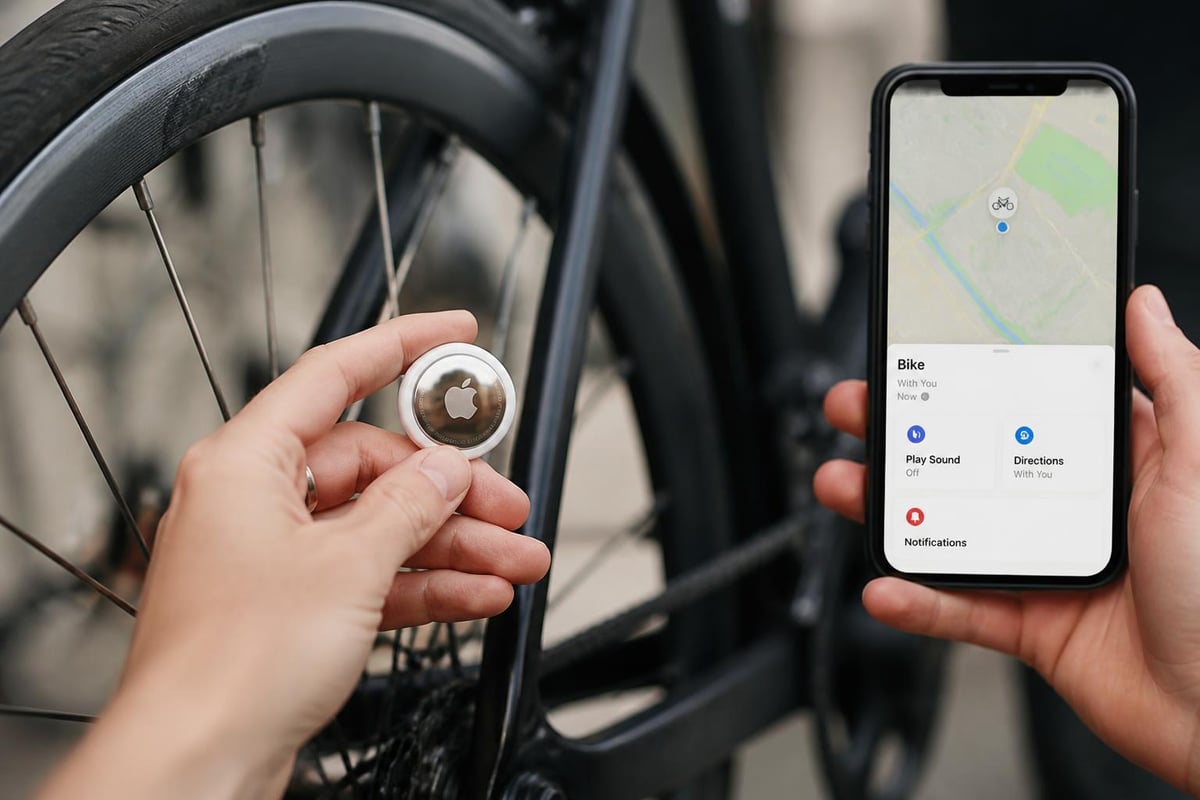
Bluetooth tracking tags like Apple AirTags have emerged as popular, budget-friendly options for tracking bikes. These small devices leverage crowd-sourced networks of nearby smartphones to report location data. Cycling Weekly discusses the use of Apple AirTags and the Muc-Off Stealth AirTag Holder as discreet solutions for theft prevention.
Bluetooth tags offer several benefits:
- Low upfront cost with no subscription fees
- Extended battery life (up to one year)
- Compact size for hidden installation
- Integration with smartphone ecosystems
- Passive tracking through crowd-sourced networks
The limitation lies in their reliance on other devices nearby. In densely populated urban areas, Bluetooth tags perform remarkably well. Rural locations with fewer smartphones may experience gaps in coverage.
Installation and Setup Strategies
Concealment Techniques
Effective tracking bikes requires strategic device placement. Thieves familiar with tracking technology often search common locations, so creativity in installation improves long-term security. Consider these concealment options:
- Inside the seatpost: Hollow seatposts accommodate small trackers perfectly
- Within bottle cage mounts: Fake bolts or modified cages hide devices
- Under the saddle: Trackers fit between rails and padding
- In handlebar ends: Bar-end caps can conceal compact units
- Frame integration: Some bikes have compartments designed for trackers
Proper installation ensures the device remains secure during normal riding while staying invisible to potential thieves. Waterproofing becomes essential for devices exposed to weather conditions. Use protective cases or silicone sealant to guard against moisture damage.
Activation and Configuration
Once installed, proper configuration maximizes the effectiveness of tracking bikes systems. Most devices require initial setup through companion smartphone applications. Follow manufacturer guidelines carefully to ensure full functionality.
Essential configuration steps include:
- Creating secure account credentials
- Enabling push notifications for movement alerts
- Setting up geofencing boundaries around home or work
- Configuring battery-saving modes for extended life
- Testing the system before relying on it
Regular testing confirms your tracker functions correctly. Simulate theft scenarios by moving your bike unexpectedly and verifying that alerts trigger appropriately. Update firmware when manufacturers release improvements to maintain optimal performance.
Integrating Tracking with Security Measures
Complementary Physical Security
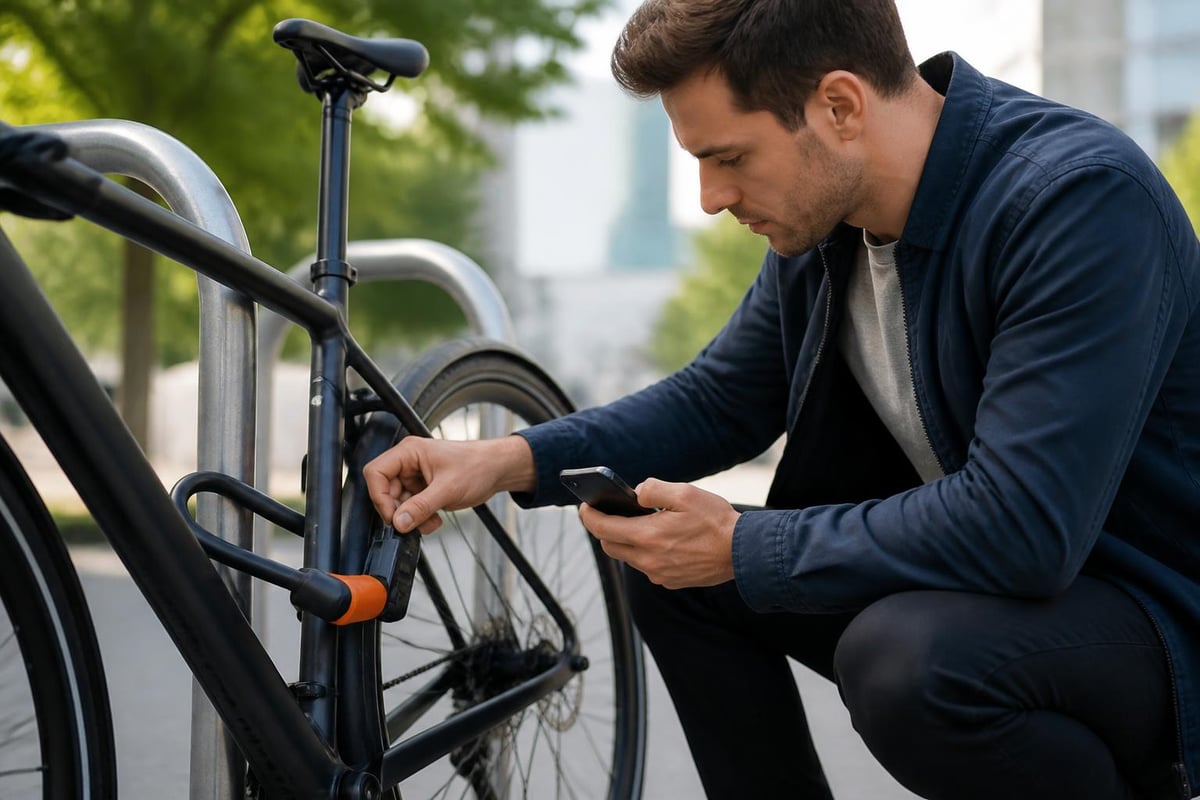
Tracking bikes works best as part of a comprehensive security strategy. Physical deterrents remain your first line of defense, preventing opportunistic theft and slowing down determined criminals. The Seattle Police Department offers guidelines on bicycle theft prevention, emphasizing quality locks and smart parking choices.
Combine tracking technology with these security measures:
- Heavy-duty U-locks: Secure frame and wheels to immovable objects
- Secondary cable locks: Protect components like saddles and wheels
- Strategic parking: Choose well-lit, high-traffic locations
- Indoor storage: Keep bikes inside whenever possible
- Bike registration: Document serial numbers and unique features
Many cyclists at Cycling Gears Hub invest in quality security accessories alongside performance equipment. The combination of visible deterrents and hidden tracking creates multiple barriers for thieves.
Insurance and Documentation
Proper documentation supports both theft prevention and recovery efforts. Photograph your bicycle from multiple angles, recording distinguishing features, serial numbers, and component specifications. Store receipts and warranty information in secure locations.
Insurance policies vary in their coverage of bicycle theft. Review your homeowner's or renter's insurance for bicycle protection, or consider specialized cycling insurance. Tracking bikes significantly strengthens insurance claims by providing location data and evidence of theft.
Recovery Procedures When Theft Occurs
Immediate Response Actions
Discovering your bike has been stolen triggers stress and frustration. Quick, methodical action improves recovery chances significantly. CyclingNews outlines steps to take if your bike is stolen, including checking GPS trackers and reporting to authorities.
Follow this immediate response protocol:
- Check your tracking app for current location
- Document the last known position with screenshots
- File a police report with location data
- Share information on social media and cycling groups
- Monitor online marketplaces for resale attempts
- Contact local bike shops about suspicious sales
Time sensitivity matters when tracking bikes after theft. Thieves often move stolen bicycles quickly to different locations or disassemble them for parts. Early intervention while the bike remains intact and trackable increases recovery probability.
Working with Authorities
Law enforcement agencies increasingly recognize the value of GPS tracking data in bicycle theft cases. When filing reports, provide officers with tracking information, serial numbers, and photographic evidence. Some jurisdictions prioritize cases with active tracking data.
The Bicycle Alliance of Minnesota provides a handbook on theft prevention covering strategies to deter bike thieves and improve recovery outcomes. Understand your local police department's procedures for handling bicycle theft and what information they require.
Advanced Features and Emerging Technology
Modern tracking bikes systems continue evolving with innovative features that enhance security and usability. Integration with smart home systems allows automated alerts when bikes leave designated safe zones. Some trackers now include accelerometers that detect tampering or unusual movement patterns.
Emerging capabilities include:
- Solar charging for extended battery life
- Integration with bike alarm systems
- Sharing location with riding groups automatically
- Historical analysis of common routes and patterns
- Machine learning theft prediction algorithms
Premium tracking solutions offer professional monitoring services similar to home security systems. When theft occurs, dedicated teams assist with recovery coordination and police communication. These services add monthly costs but provide comprehensive support.
For riders interested in complete visibility and safety, advanced radar systems complement tracking technology. While primarily focused on collision avoidance, these devices add another layer of technological protection for serious cyclists.

Maintenance and Long-Term Reliability
Battery Management
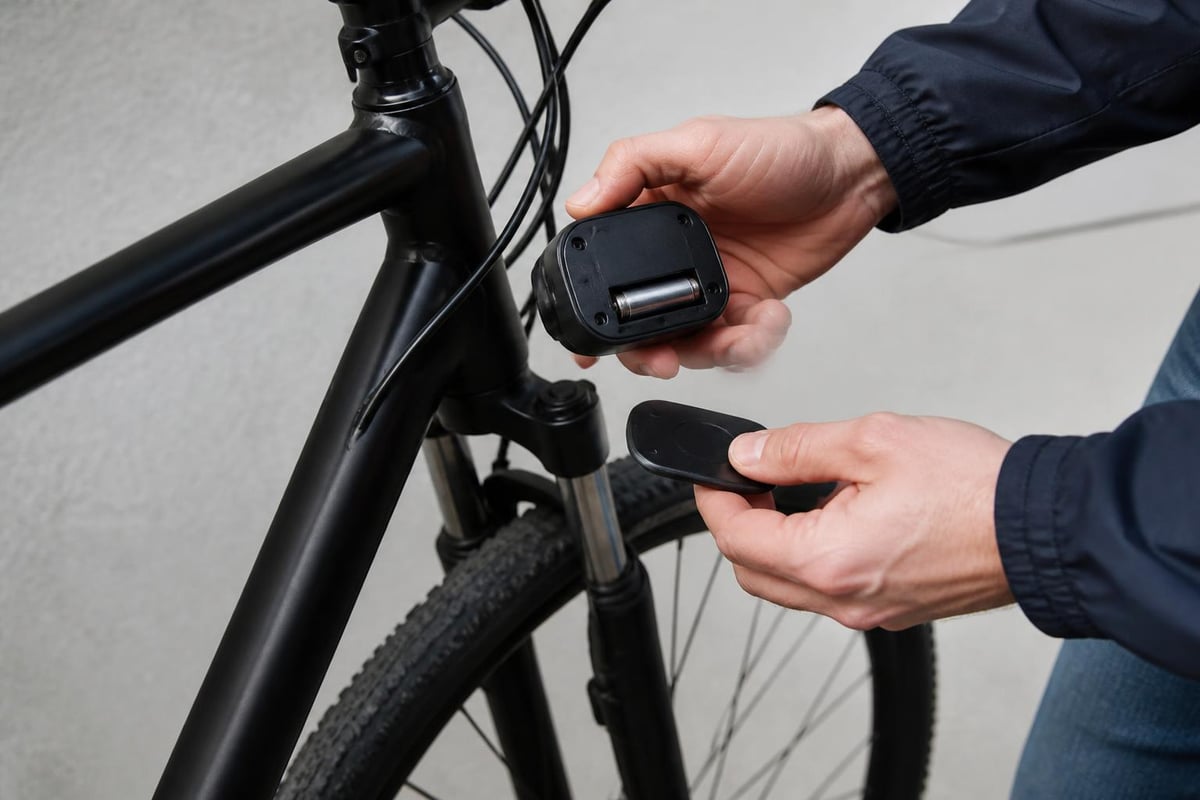
Consistent performance from tracking bikes devices requires attention to battery health. Different technologies have varying power requirements and replacement schedules. GPS trackers with cellular connectivity consume more power than passive Bluetooth tags.
| Tracker Type | Typical Battery Life | Replacement Cost | Maintenance Frequency |
|---|---|---|---|
| Cellular GPS | 2-8 weeks | ₹500-₹2000 | Monthly charging |
| Bluetooth Tag | 6-12 months | ₹200-₹500 | Annual replacement |
| Smartphone App | Daily charging | N/A | Daily |
| Solar GPS | Indefinite | N/A | Minimal |
Monitor battery levels through companion apps and establish charging routines. Consider backup power solutions for long tours or extended periods without access to electricity. Some cyclists carry portable battery banks specifically for tracker maintenance.
Software Updates and Subscription Management
Manufacturers regularly release software updates that improve accuracy, add features, or patch security vulnerabilities. Enable automatic updates when available, or schedule regular manual checks. Expired subscriptions render many cellular-based trackers useless, so set calendar reminders for renewal dates.
Review subscription costs annually to ensure they remain competitive. The tracking device market evolves rapidly, with new providers offering better value or enhanced capabilities. Switching systems requires reinstallation but may provide significant improvements in tracking bikes effectiveness.
Choosing the Right Solution for Your Needs
Assessing Your Risk Profile
Different cyclists face varying theft risks based on location, bike value, and usage patterns. Urban commuters parking in public areas daily face higher exposure than recreational riders storing bikes indoors. Evaluate your specific circumstances before investing in tracking technology.
Consider these factors when selecting tracking bikes solutions:
- Bike value and replacement cost
- Typical parking locations and duration
- Local theft rates and recovery statistics
- Budget for initial purchase and ongoing fees
- Technical comfort level with device installation
- Desired features beyond basic tracking
High-value bicycles justify premium tracking systems with professional monitoring. Budget-conscious riders might combine affordable Bluetooth tags with strong physical security. Many Indian cyclists find that mid-range GPS trackers offer the best balance of cost and capability. For comprehensive gear protection and quality accessories that complement your tracking setup, explore the selection at Cycling Gears Hub - Premium Cycling Gear & Accessories.
Comparing Popular Options in India
The Indian market offers various tracking bikes solutions at different price points. International brands compete with local manufacturers, providing options suitable for diverse budgets and requirements. Research customer reviews from Indian users to understand real-world performance in local conditions.
Popular categories include:
- Entry-level Bluetooth tags (₹2,000-₹5,000)
- Mid-range GPS trackers (₹5,000-₹15,000)
- Premium cellular systems (₹15,000-₹30,000)
- Professional monitoring services (₹500-₹2,000 monthly)
Availability of cellular networks affects GPS tracker performance. Ensure chosen devices support Indian network frequencies and have reliable service coverage in your typical riding areas. Some international trackers lack proper India support, resulting in connectivity issues.
Privacy and Legal Considerations
Data Protection and Ownership
Tracking bikes generates substantial location data about your movements and routines. Understand how tracking service providers store, use, and protect this information. Review privacy policies carefully, particularly regarding data sharing with third parties or government agencies.
Key privacy questions to address:
- Where are location data stored and for how long?
- Who has access to your tracking information?
- Can you export or delete historical data?
- How is data encrypted during transmission?
- What happens to data if the service closes?
Reputable providers implement strong encryption and allow users to control data retention. Avoid services with unclear privacy policies or those requiring excessive permissions unrelated to tracking functionality.
Legal Rights and Restrictions
Indian law permits tracking your own property for security purposes. However, using tracking devices to monitor other individuals without consent may violate privacy regulations. Ensure any tracking bikes system complies with local laws and regulations.
When recovering stolen bicycles, never confront thieves directly. Provide tracking data to police and allow authorities to handle recovery. Personal intervention risks injury and may complicate legal proceedings. Documentation from tracking systems serves as evidence in theft cases and insurance claims.
Maximizing Return on Investment
Quality tracking bikes systems represent an investment in bicycle security and peace of mind. Calculate potential return by considering replacement costs for your bicycle versus tracking expenses. A ₹50,000 bike justifies a ₹10,000 tracking system if it prevents total loss.
Beyond theft prevention, tracking provides value through:
- Performance data for training improvement
- Route discovery and navigation assistance
- Fitness tracking and health monitoring
- Social sharing of rides and achievements
- Safety through emergency location services
Many cyclists discover that tracking benefits extend well beyond security. The insights gained from route analysis, distance tracking, and performance metrics enhance the overall cycling experience. Integration with training apps and social platforms creates additional value from the same device.
For riders seeking comprehensive protection, combining tracking technology with quality gear from trusted retailers ensures complete preparedness. Whether you need essential cycling accessories for beginners or advanced performance equipment, proper preparation protects both rider and machine.
Protecting your bicycle through modern tracking bikes technology provides security, peace of mind, and valuable ride data that enhances your cycling experience. By combining GPS devices or Bluetooth tags with strong physical security measures, proper documentation, and smart parking choices, you create multiple layers of defense against theft while gaining insights into your riding patterns. At Cycling Gears Hub, we understand the importance of protecting your cycling investment and offer a comprehensive range of security accessories, performance gear, and equipment to support every aspect of your riding journey, backed by fast shipping, flexible payment options, and our commitment to serving India's cycling community.