

Understanding how to properly wear cycling apparel transforms your riding experience from uncomfortable to exceptional. Whether you're navigating India's diverse climate conditions or tackling competitive rides, the right approach to cycling clothing creates a foundation for better performance, enhanced comfort, and improved safety. As cycling continues to grow in popularity across urban and rural landscapes, riders are discovering that what they wear directly impacts their ability to ride longer, faster, and more comfortably throughout the year.
Understanding the Fundamentals of Cycling Apparel
The science behind what cyclists wear goes far beyond simple fashion choices. Every piece of cycling-specific clothing serves a distinct purpose, engineered to address the unique challenges riders face during their activities. When you wear cycling gear correctly, you benefit from advanced fabric technologies, ergonomic designs, and features specifically developed for the demands of two-wheeled motion.
Modern cycling apparel addresses four critical needs:
- Moisture management to keep skin dry and prevent chafing
- Aerodynamic efficiency to reduce drag and conserve energy
- Temperature regulation across varying weather conditions
- Strategic padding and support in high-pressure areas
The foundation of proper cycling attire starts with understanding how each layer functions. Unlike casual athletic wear, cycling clothing follows the principle of form-fitting design. This close fit isn't about aesthetics; it prevents fabric from flapping in the wind, reduces friction, and ensures that technical features work as intended.
The Base Layer Foundation
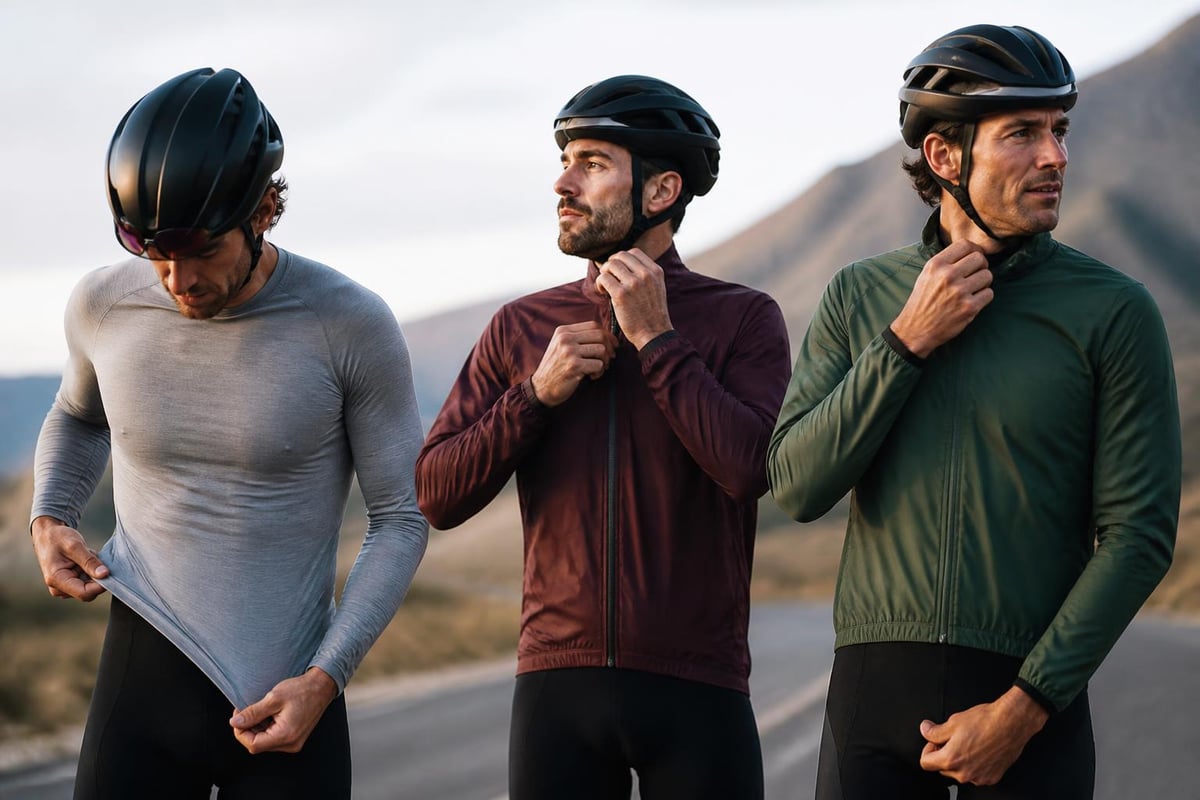
When you wear cycling base layers, you establish the most critical element of your comfort system. These garments sit directly against your skin and manage perspiration through advanced wicking technologies. During intense rides, your body generates significant heat and moisture. Without proper base layers, this sweat accumulates, leading to discomfort and potential temperature regulation issues.
For Indian cyclists, choosing appropriate base layers means considering both summer heat and winter chill. Best cycling base layers in 2026 feature improved synthetic blends and merino wool options that adapt to varying conditions. Summer base layers prioritize maximum breathability and rapid moisture transfer, while winter versions add thermal properties without bulk.
| Season | Base Layer Type | Key Features | Temperature Range |
|---|---|---|---|
| Summer | Lightweight mesh | Maximum ventilation, quick-dry | 25°C - 40°C |
| Monsoon | Hydrophobic synthetic | Water-resistant, fast-drying | 20°C - 30°C |
| Winter | Thermal merino blend | Insulation, moisture control | 10°C - 20°C |
| Transition | Mid-weight versatile | Balanced performance | 15°C - 25°C |
Mastering Jersey and Shorts Selection
The visible layer of cycling apparel demands careful consideration. When you wear cycling jerseys and bibs, you're investing in garments that directly influence your riding efficiency and comfort over extended periods. Quality jerseys feature rear pockets for nutrition and essentials, full-length zippers for ventilation control, and extended back panels for coverage in the riding position.
Bib shorts represent perhaps the most important investment for serious cyclists. Unlike traditional shorts with elastic waistbands, bibs use shoulder straps to hold the chamois pad in perfect position without creating pressure points. High-quality bib shorts like the Castelli Espresso demonstrate how premium construction delivers measurable comfort benefits during long rides.
Understanding Chamois Technology
The chamois pad in cycling shorts serves as your interface with the saddle. Modern chamois designs use multi-density foam strategically placed to cushion sit bones while minimizing bulk in other areas. When you wear cycling shorts properly, the chamois sits flush against your skin without any underwear layer. This direct contact allows the pad's antibacterial and moisture-wicking properties to function effectively.
Chamois care and selection considerations:
- Choose pad thickness based on riding duration and saddle type
- Replace shorts when chamois loses elasticity or develops thin spots
- Always hand wash or use gentle cycle to preserve padding integrity
- Consider gender-specific designs for optimal anatomical fit
For riders exploring equipment options, understanding how apparel complements your bike setup enhances overall performance. The right combination of road bikes and properly fitted clothing creates a complete performance system.
Seasonal Adaptations and Weather-Specific Strategies
India's climate diversity demands flexible approaches to cycling apparel. When you wear cycling gear across different seasons, you need strategies that address temperature extremes, monsoon conditions, and variable daily weather patterns. The cycling clothing guide for different seasons provides practical frameworks for adapting your wardrobe throughout the year.
Summer Riding Considerations
Hot weather cycling requires counterintuitive approaches. While instinct suggests wearing less, strategic coverage actually improves comfort. Lightweight, UV-protective jerseys shield skin from sun damage while allowing maximum airflow. Arm sleeves and leg warmers provide removable protection for early morning starts that warm up quickly.
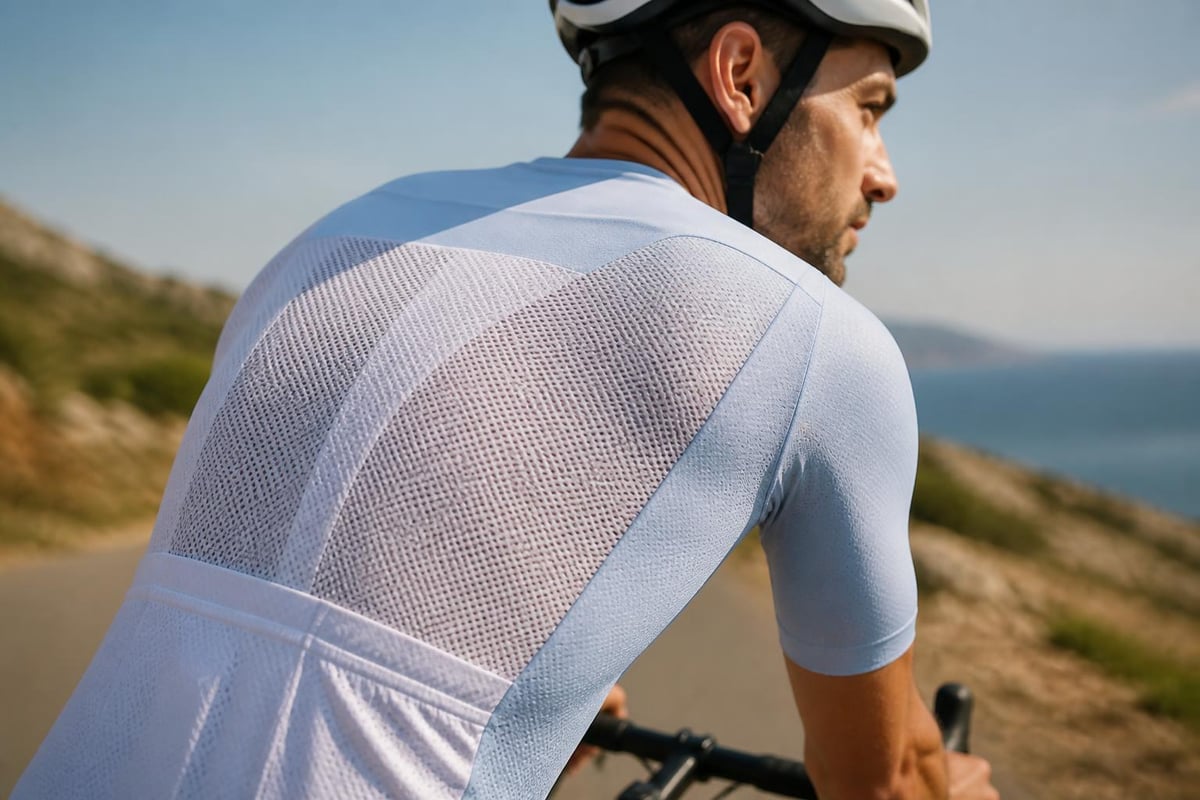
Heat management techniques for summer wear cycling:
- Choose light colors that reflect rather than absorb solar radiation
- Prioritize jerseys with mesh panels across high-sweat zones
- Wear moisture-wicking caps under helmets to manage head perspiration
- Select shorts with ventilated chamois designs for improved airflow
- Consider cooling vests or ice-filled accessories for extreme heat
Winter and Monsoon Protection
Colder months and rainy seasons present different challenges. Layering becomes essential when you wear cycling clothing in variable conditions. The key is creating versatile combinations that adapt to changing weather without requiring complete outfit changes.
| Layer Type | Winter Function | Monsoon Function | Example Garments |
|---|---|---|---|
| Base | Thermal insulation + wicking | Rapid moisture evacuation | Merino wool long sleeve, synthetic thermal |
| Mid | Primary warmth retention | Optional light insulation | Fleece jersey, thermal vest |
| Outer | Wind blocking, water resistance | Waterproof protection | Softshell jacket, rain cape |
| Extremities | Thermal protection | Water barrier | Neoprene gloves, waterproof overshoes |
Investing in quality outer layers pays dividends across multiple seasons. A good cycling jacket with adjustable ventilation serves duty from winter chill through spring showers. Features like underarm zippers, adjustable cuffs, and extended back panels ensure versatility across conditions.
Accessory Integration for Complete Performance
Beyond core clothing, the accessories you wear cycling significantly impact overall comfort and safety. Gloves, eyewear, headwear, and footwear each address specific needs while integrating with your primary apparel system.
Hand and Foot Protection
Cycling gloves prevent numbness from handlebar pressure while protecting palms during falls. Summer gloves feature minimal padding and maximum ventilation, while winter versions add insulation and wind protection. When selecting gloves, ensure they work with your handlebar grip tape to maintain secure control.
Footwear represents another critical interface point. Cycling shoes designed for clipless pedals improve power transfer while securing feet in optimal positions. Proper cycling socks complement shoes with targeted cushioning and compression zones. During monsoon season, waterproof shoe covers transform regular cycling shoes into weather-resistant options.
Eye Protection and Visibility
When you wear cycling eyewear, you protect against insects, debris, wind, and UV radiation. Modern cycling glasses feature interchangeable lenses for varying light conditions, from clear for night riding to dark tint for bright sun. Photochromic lenses that automatically adjust to light levels offer convenient versatility for riders facing changing conditions.
Visibility accessories become essential for safety, especially in urban environments. Reflective elements integrated into jerseys and accessories combine with dedicated lights for comprehensive visibility strategies. Research on urban cycling environments demonstrates how infrastructure and rider visibility work together to create safer cycling experiences.
Fitting and Sizing Principles
Proper fit transforms cycling apparel from adequate to exceptional. When you wear cycling clothing in the correct size, you maximize every technical feature while avoiding common discomfort issues. Unlike casual clothing, cycling gear should feel snug without restriction.
Key fitting checkpoints for cycling apparel:
- Jerseys should be close-fitting without pulling or bunching
- Sleeves should end mid-bicep without constricting arm movement
- Hem should cover lower back while in riding position
- Bib straps should provide gentle tension without shoulder pressure
- Shorts should feel secure without creating visible pressure lines
Many riders size up unnecessarily, defeating the aerodynamic and technical benefits of cycling-specific designs. Quality manufacturers provide detailed sizing charts based on body measurements rather than standard S/M/L categories. Taking accurate measurements of chest, waist, hips, and inseam ensures proper sizing across different brands.
Gender-Specific Considerations
Modern cycling apparel recognizes physiological differences between riders. Women's-specific cycling clothing features adjusted torso proportions, different chamois designs, and modified shoulder geometry in bibs. These aren't merely cosmetic adjustments but fundamental design changes that improve comfort and performance.
For those building their cycling wardrobe, understanding quality markers helps distinguish premium options from budget alternatives. Cycling Gears Hub - Premium Cycling Gear & Accessories offers carefully curated selections that balance performance, durability, and value for Indian cyclists at all experience levels.

Care and Maintenance for Longevity
How you care for cycling apparel directly impacts its lifespan and performance. Technical fabrics and specialized constructions require specific maintenance approaches that differ from regular laundry routines. When you properly maintain what you wear cycling, you preserve moisture-wicking properties, elasticity, and protective features.
Washing and Storage Best Practices
Cycling clothing should be washed after every ride to remove salt, bacteria, and body oils that degrade fabrics and cause odors. However, aggressive washing damages technical features. Cold water gentle cycles with sport-specific detergents clean effectively without compromising performance.
Essential care guidelines:
- Turn garments inside out to protect outer surfaces and graphics
- Avoid fabric softeners that clog moisture-wicking fiber structures
- Air dry whenever possible to prevent heat damage to elastics
- Store in cool, dry locations away from direct sunlight
- Check and repair small issues before they become major problems
Chamois pads require particular attention. After washing, ensure padding dries completely to prevent bacterial growth. Some riders apply chamois cream not just during rides but also as a preservation treatment during storage. This keeps padding supple and prevents deterioration during off-season periods.
Building a Complete Cycling Wardrobe
Strategic wardrobe development ensures you have appropriate options for every riding situation without excessive redundancy. When planning what to wear cycling across different scenarios, consider ride duration, intensity, weather, and specific event requirements.
| Ride Type | Essential Apparel | Optional Additions | Priority Level |
|---|---|---|---|
| Daily commute | Basic jersey, bib shorts, helmet | Backpack, visibility vest | High |
| Weekend social | Quality jersey, premium bibs, gloves | Arm/leg warmers, rain jacket | High |
| Long distance | Multiple jerseys, 2+ bibs, base layers | Compression gear, recovery clothing | Medium |
| Competitive | Race-specific kit, aerodynamic choices | Specialized equipment for conditions | Medium |
| Training rides | Durable everyday options, weather layers | Heart rate monitor compatible garments | High |
For beginners, this comprehensive guide to essential cycling clothing provides practical starting points without overwhelming options. Focus first on quality bibs and jerseys, then expand into specialized items as experience reveals specific needs.
Budget-Conscious Wardrobe Building
Building a complete cycling wardrobe requires investment, but strategic purchasing maximizes value. Prioritize items that directly contact your body, the bike, or impact safety. Premium bibs and gloves deliver measurable comfort improvements, while mid-range jerseys often perform nearly as well as expensive alternatives.
Look for end-of-season sales on current-year colors, but avoid chasing the cheapest options. Poor quality cycling clothing costs more long-term through rapid replacement needs and inferior comfort. Components like quality pedals and appropriate cleats work together with proper footwear to create efficient power transfer systems.
Social and Cultural Aspects of Cycling Apparel
What you wear cycling communicates identity, experience level, and group affiliations within cycling communities. While performance remains primary, understanding the social dimensions of cycling clothing helps new riders navigate group dynamics and established cyclists appreciate evolving norms.
Research examining cycling perceptions across different regions reveals how clothing choices influence public attitudes toward cycling. In Indian contexts, balancing traditional modesty norms with technical cycling apparel requirements creates unique considerations for some riders.
Cultural adaptations in cycling wear:
- Longer cut jerseys and higher-waisted shorts for increased coverage
- Layering strategies that accommodate both performance and cultural norms
- Gender-specific privacy considerations in group riding situations
- Climate-appropriate choices that respect local sensibilities
The growing cycling community in India increasingly embraces technical cycling clothing as performance benefits become evident. Group rides and cycling clubs help normalize proper cycling attire while creating supportive environments for riders transitioning from casual to performance-oriented gear.
Team Kits and Group Identity
Many cycling clubs and groups adopt unified kits that create visual cohesion and team identity. When you wear cycling team clothing, you signal membership and commitment while benefiting from group purchasing discounts. Custom team kits require advance planning and minimum order quantities, but create lasting community bonds.
For solo riders, wearing recognizable brand kits or club colors facilitates social connections during rides. Other cyclists can identify your potential riding level, preferred discipline, and whether you might be open to group riding opportunities based on your apparel choices.
Technology Integration in Modern Cycling Wear
The latest innovations in cycling apparel incorporate electronic elements and smart fabrics. When you wear cycling clothing in 2026, you access features that were science fiction just years ago. Integrated sensor pockets, conductive fabrics for heart rate monitoring, and garments that communicate with cycling computers represent the cutting edge of cycling technology.
Temperature-regulating fabrics using phase-change materials automatically adjust insulation properties based on body heat. Some premium jerseys now include subtle LED elements for enhanced visibility without external accessories. These innovations filter down from professional racing into consumer products over time.
Sustainability in Cycling Apparel
Environmental consciousness increasingly influences what cyclists wear. Brands now offer options made from recycled materials, biodegradable fabrics, and production processes with reduced environmental impact. When choosing cycling clothing, consider longevity as an environmental factor. One quality garment lasting five years has far less impact than multiple cheap replacements.
Proper maintenance extends this sustainability further. Following care instructions, repairing minor damage, and utilizing garments across multiple seasons reduces both financial and environmental costs. Some manufacturers now offer repair services or recycling programs for worn-out cycling clothing.
Mastering what to wear cycling elevates every aspect of your riding experience, from daily comfort to performance potential. The right apparel choices, proper fit, and strategic layering create foundations for enjoyable rides regardless of conditions or distance. Whether you're just beginning your cycling journey or refining your competitive edge, Cycling Gears Hub provides the complete range of premium cycling gear, accessories, and expert guidance trusted by over 10,000 Indian cyclists. Explore our carefully selected collections with fast shipping, flexible payment options, and hassle-free returns to build your ideal cycling wardrobe today.