

Finding the right womens helmet for bike riding is more than a safety requirement-it's a crucial decision that impacts comfort, performance, and protection during every ride. Women cyclists across India face unique challenges when selecting helmets, from anatomical differences in head shape to hairstyle accommodations that many manufacturers overlook. With cycling gaining tremendous popularity among Indian women, understanding the nuances of helmet selection has become essential for both casual riders and serious athletes. This comprehensive guide explores everything you need to know about choosing a womens helmet for bike activities in 2026, ensuring you ride with confidence and security.
Understanding the Importance of Women-Specific Bike Helmets
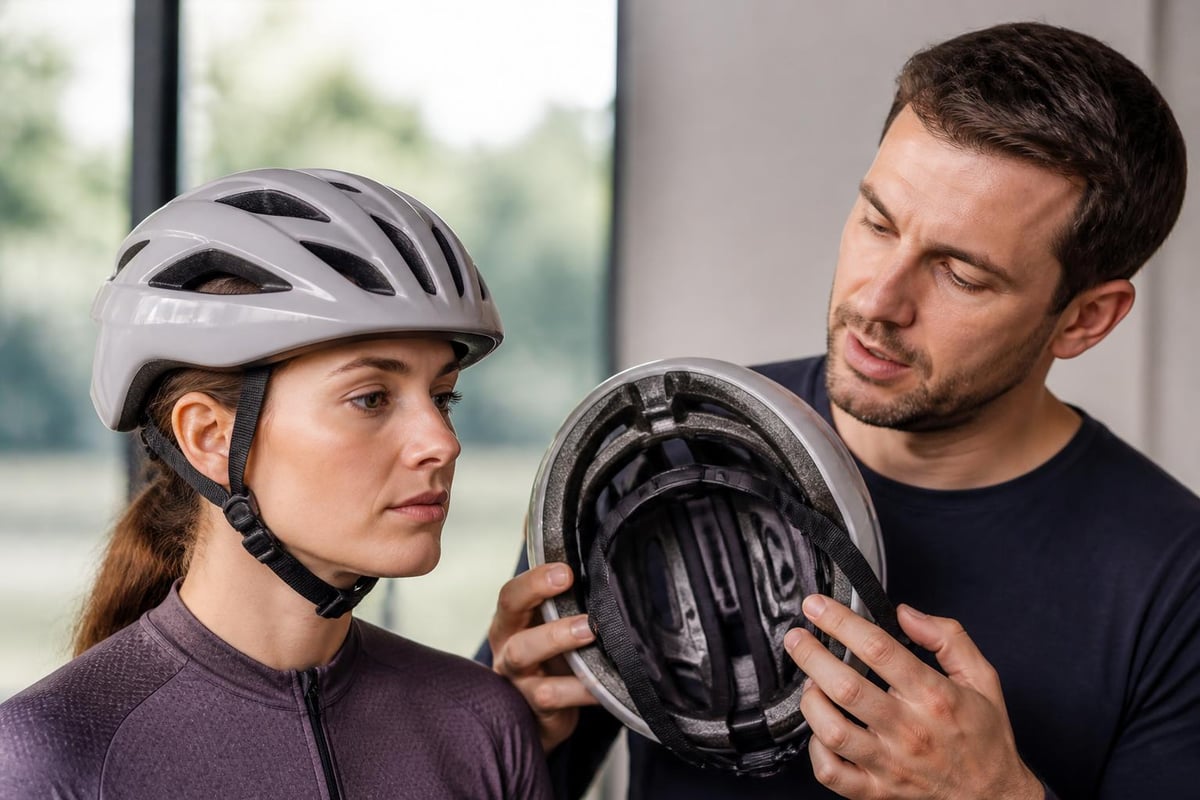
The cycling industry has evolved significantly over the past decade, recognizing that women require helmets designed specifically for their anatomy. A womens helmet for bike riding addresses several key differences that generic helmets often miss.
Women typically have smaller head circumferences and different head shapes compared to men. The average female head tends to be narrower from front to back but wider from side to side. This dimensional variation means that unisex helmets frequently fail to provide optimal protection or comfort for female cyclists.
Key anatomical considerations include:
- Lower center of gravity requiring different weight distribution
- Narrower occipital area at the back of the skull
- Different pressure point distribution across the scalp
- Varied hair volume and styling needs
Modern manufacturers now incorporate these factors into their design processes. Liv Cycling's comprehensive guide provides detailed insights into how women-specific helmets accommodate these anatomical differences through adjusted internal padding, retention systems, and shell shapes.
Safety Standards and Certifications
Every womens helmet for bike use sold in India must meet specific safety certifications to ensure adequate protection. Understanding these standards helps you make informed purchasing decisions.
| Certification | Region | Key Testing Areas | Minimum Requirements |
|---|---|---|---|
| ISI (BIS) | India | Impact absorption, strap strength | Mandatory for Indian market |
| CPSC | USA | Impact, positional stability, retention | High-velocity impact tests |
| EN 1078 | Europe | Shock absorption, fastening system | Comprehensive field coverage |
| AS/NZS 2063 | Australia/NZ | Impact energy, effectiveness of retention | Extended coverage area |
The Bureau of Indian Standards (BIS) certification is mandatory for helmets sold in India, but many premium womens helmet for bike options carry multiple international certifications. Cycling Weekly's 2026 guide emphasizes that helmets meeting multiple standards often provide superior protection, though certification alone doesn't guarantee the best fit for your specific needs.
Measuring Your Head for the Perfect Fit
Proper fit is the single most critical factor when selecting a womens helmet for bike riding. An incorrectly fitted helmet can shift during impact, reducing protection effectiveness by up to 70%.
Step-by-Step Measurement Process
Follow this systematic approach to determine your exact helmet size:
- Use a flexible fabric measuring tape (avoid metal or rigid materials)
- Position the tape approximately one inch above your eyebrows
- Wrap the tape around the widest part of your head, typically just above the ears
- Ensure the tape sits level all around, parallel to the ground
- Note the measurement in centimeters for most accurate sizing
- Measure three times and use the average for consistency
Most adult women fall between 52-58 cm in circumference. BikeRadar's sizing guide provides conversion charts that translate these measurements into standard small, medium, and large designations, though specific sizing varies between manufacturers.
Hairstyle Considerations
Unlike generic helmets, a quality womens helmet for bike use accounts for various hairstyle preferences. Women with long hair face particular challenges in achieving comfortable, secure fits.
Accommodation features to look for:
- Ponytail ports or channels in the retention system
- Adjustable dial placement that doesn't interfere with hair
- Wider spacing between internal padding sections
- Flexible retention bands that distribute pressure evenly
Professional cyclist Chloe Hosking's comprehensive helmet selection guide highlights that ponytail compatibility shouldn't compromise safety. The retention system should still maintain four-point contact with your skull regardless of hairstyle choice.
Essential Features for Different Riding Styles
The ideal womens helmet for bike riding varies significantly based on your primary cycling discipline. Each style demands specific features that prioritize different performance aspects.

Road Cycling Helmets
Road cyclists prioritize aerodynamics, ventilation, and lightweight construction. A womens helmet for bike racing or long-distance road rides typically features:
- 20-30 ventilation channels for maximum airflow
- Aerodynamic profiles reducing drag at speeds above 25 km/h
- Weights between 200-280 grams for reduced neck strain
- Minimal visor or no visor for unobstructed vision
- Integration points for cycling sunglasses
The latest 2026 models incorporate rotational impact protection systems like MIPS (Multi-directional Impact Protection System) or WaveCel, which reduce rotational forces during angled impacts. Cycling News reviews demonstrate that these technologies can reduce rotational acceleration by up to 40% compared to traditional designs.
Mountain Biking and Off-Road Helmets
Trail riders need different protection profiles in their womens helmet for bike adventures. Mountain biking helmets emphasize:
- Extended rear coverage protecting the occipital region
- Integrated or removable visors blocking sun and debris
- Enhanced side and temporal protection
- Goggle compatibility and retention systems
- More robust construction accepting occasional impacts
Many mountain bike-specific helmets now feature adjustable ventilation systems, allowing riders to balance cooling with protection based on terrain difficulty and weather conditions.
Urban Commuting Helmets
Daily commuters require practical features in their womens helmet for bike transportation. Urban-focused designs prioritize:
| Feature | Purpose | Benefit |
|---|---|---|
| Integrated lights | Visibility in traffic | 360-degree awareness |
| Reflective elements | Passive safety at night | Increased motorist detection |
| Weather shielding | Rain and sun protection | Year-round comfort |
| Carrying loops | Easy transport | Convenience when off-bike |
| Casual aesthetics | Professional appearance | Workplace compatibility |
Urban helmets often sacrifice extreme ventilation for features like integrated rain channels and magnetic mounting systems for accessories.
E-Bike Specific Helmets
The growing e-bike market has created demand for specialized helmets addressing higher average speeds. Cycling News' e-bike helmet guide explains that a womens helmet for bike-assisted riding should include:
- NTA 8776 certification for speeds up to 45 km/h
- Enhanced impact absorption materials
- Expanded coverage area including temples and ears
- Improved retention system strength
- Heavier construction (300-500 grams) for additional protection
Ventilation and Climate Considerations
Indian cyclists face unique climate challenges requiring careful ventilation evaluation in any womens helmet for bike use. Temperature ranges across regions demand different airflow strategies.
Ventilation system types:
- Passive ventilation: Fixed vents allowing constant airflow, ideal for consistently hot climates
- Active ventilation: Adjustable vents enabling riders to regulate cooling based on conditions
- Channel ventilation: Internal air pathways directing airflow across the scalp for maximum cooling
- Hybrid systems: Combining multiple approaches for versatile performance
Riders in northern India experience temperatures ranging from near-freezing winters to 40°C+ summers, while southern and coastal regions maintain year-round heat and humidity. Your primary riding season should influence your ventilation preference.
Testing conducted in 2026 shows that helmet internal temperatures can exceed ambient air by 8-12°C in poorly ventilated models. Adequate airflow isn't just comfort-it prevents heat-related performance decline and maintains focus during rides.
Padding and Moisture Management
Quality padding systems in a womens helmet for bike riding serve dual purposes: comfort and safety. Modern helmets utilize several padding technologies:
- Antimicrobial fabrics: Preventing odor buildup during repeated use
- Moisture-wicking materials: Drawing sweat away from skin
- Quick-dry foam: Reducing weight gain from perspiration absorption
- Removable padding: Enabling regular washing for hygiene
- Variable thickness: Customizing fit and pressure distribution
Premium models now incorporate silver-ion treatments and merino wool blends that naturally resist bacterial growth while managing moisture more effectively than synthetic alternatives.
Retention Systems and Adjustment Mechanisms
The retention system determines how securely your womens helmet for bike activities stays positioned during rides and potential impacts. Modern adjustment mechanisms have evolved considerably beyond basic strap systems.
Dial Adjustment Systems
Rear-mounted dials offer micro-adjustments enabling precise fit customization. Fox Racing's fit guide recommends systems that allow single-handed operation, crucial for quick adjustments during rides.
Dial system advantages:
- Infinite adjustability within size range
- Even pressure distribution around circumference
- Quick release for easy removal
- Durability through thousands of adjustment cycles
- Compatibility with various hairstyles
Higher-end womens helmet for bike models feature vertical and horizontal adjustment capabilities, addressing both circumference and height positioning for truly customized fits.
Strap Configuration
Proper strap adjustment is as critical as shell sizing. The ideal configuration creates a Y-junction just below and slightly forward of each ear, with the chin strap sitting comfortably without excessive pressure.
Testing proper strap fit:
- Open your mouth wide-the helmet should pull down slightly
- Shake your head vigorously side-to-side-minimal helmet movement
- Tilt your head forward-helmet should stay in place
- Push upward from the front-less than one inch of movement
Many manufacturers now include anti-slip buckles and divided strap systems preventing the common problem of straps sliding through adjustment points during rides.
Budget Considerations and Value Assessment
A womens helmet for bike use represents an investment in safety that shouldn't be compromised by price alone, yet excellent options exist across all budget ranges in 2026.
| Price Range (INR) | Expected Features | Ideal For |
|---|---|---|
| 1,500-3,000 | Basic safety certification, standard ventilation, simple adjustment | Casual riders, short commutes |
| 3,000-6,000 | Enhanced ventilation, lighter weight, better padding, multiple certifications | Regular recreational riders |
| 6,000-12,000 | Advanced materials, MIPS technology, optimized aerodynamics, premium comfort | Serious enthusiasts, long-distance riders |
| 12,000+ | Professional-grade construction, maximum protection, minimal weight, advanced features | Competitive cyclists, daily high-mileage riders |
Cycling News' budget helmet roundup demonstrates that safety performance doesn't strictly correlate with price-many affordable womens helmet for bike options meet identical safety standards as premium models. The price difference typically reflects weight reduction, advanced materials, aerodynamic optimization, and comfort features rather than basic protection levels.
For riders investing in quality equipment, Cycling Gears Hub - Premium Cycling Gear & Accessories offers a curated selection of helmets specifically chosen for Indian cycling conditions, ensuring you get optimal value regardless of budget. Their range includes options from entry-level commuter helmets to professional racing models, all backed by expert guidance and hassle-free returns.

Maintenance and Replacement Guidelines
Even the highest-quality womens helmet for bike use requires proper maintenance and timely replacement to ensure continued protection.
Regular Maintenance Schedule
Weekly tasks for frequent riders:
- Wipe down exterior shell removing dirt and debris
- Hand-wash removable padding in cold water with mild detergent
- Check retention system for smooth operation
- Inspect straps for fraying or wear
- Verify buckle functionality and security
Monthly inspections:
- Examine shell for cracks or deformation
- Check padding attachment points
- Test adjustment mechanism through full range
- Inspect ventilation channels for blockages
- Review manufacturer's safety notices for your specific model
Avoid harsh chemicals, petroleum-based cleaners, and high heat when maintaining your helmet. These can degrade the EPS foam and compromise protective capabilities without visible damage.
Replacement Criteria
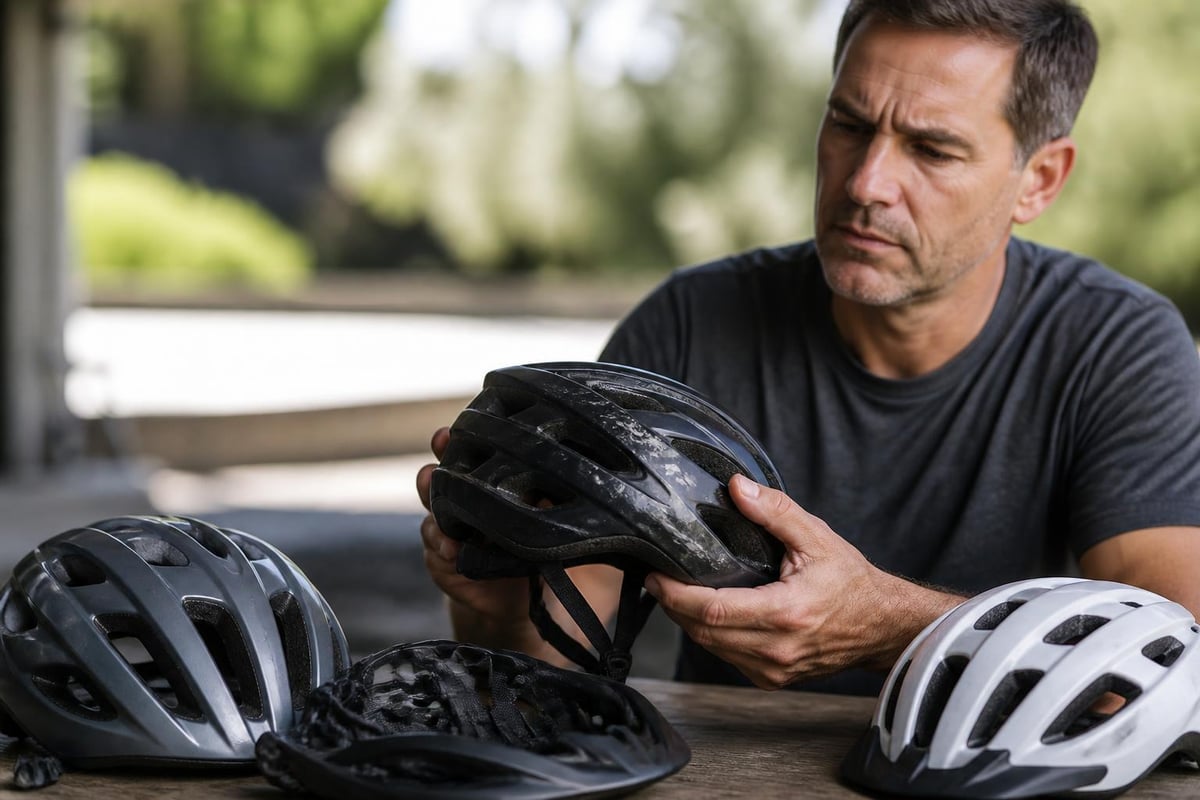
Most manufacturers recommend replacing any womens helmet for bike use every 3-5 years regardless of visible condition. The protective foam degrades through UV exposure, temperature cycling, and material aging even without impacts.
Immediate replacement situations:
- Any crash involving head contact, regardless of visible damage
- Cracks in the outer shell, no matter how minor
- Deformed or compressed foam visible through vents
- Retention system failure or unreliable adjustment
- Strap damage beyond superficial wear
- Helmet predating current safety standards
The protective capabilities of modern helmets depend on controlled foam compression during impacts. Once compressed, the foam cannot recover its protective properties, even if external appearance seems normal. Never assume a helmet remains safe after an impact-replace it immediately.
Additional Safety Technologies for 2026
The womens helmet for bike market in 2026 includes several advanced protection technologies beyond basic impact absorption.
Rotational Impact Protection
MIPS and similar systems address rotational forces that traditional helmets don't effectively manage. During angled impacts-the most common crash scenario-rotational acceleration can cause significant brain injury even when linear forces remain within safe parameters.
These systems typically add 500-800 grams to helmet weight and ₹2,000-4,000 to retail price, but research indicates they reduce strain on brain tissue by 30-50% during oblique impacts.
Smart Helmet Features
Connected helmets represent the cutting edge of cycling safety technology:
- Crash detection: Automatic emergency contact notification after severe impacts
- Navigation integration: Turn-by-turn directions via built-in speakers or bone conduction
- Ride tracking: GPS-enabled performance monitoring and route recording
- Communication systems: Integrated intercoms for group rides
- Adaptive lighting: Brake lights responding to deceleration
While these features enhance the riding experience, ensure they don't compromise the primary function-impact protection. A womens helmet for bike use should never sacrifice safety for technology.
Fit Testing and Final Selection
Before committing to a womens helmet for bike purchase, conduct thorough fit testing beyond basic sizing measurements.
In-store testing protocol:
- Wear the helmet for at least 10-15 minutes to identify pressure points
- Perform the shake test-aggressive head movements in all directions
- Test with your typical hairstyle (bring a hair tie if applicable)
- Evaluate comfort with eyewear if you wear glasses or sunglasses
- Assess weight distribution during simulated riding positions
- Verify easy operation of all adjustment mechanisms
- Check ventilation airflow perception
Many retailers in India now offer fit guarantee programs, allowing exchanges if the helmet proves uncomfortable during initial rides. Take advantage of these policies to ensure optimal selection.
When shopping online, carefully review sizing charts specific to each manufacturer-sizes vary considerably between brands. Platforms like Cycling Gears Hub provide detailed measurement guides and customer service support to help you select the correct size before ordering.
Common Fit Problems and Solutions
Pressure points on forehead: Indicates front padding too thick or shell shape incompatible with head shape-try different model or size up with additional rear padding
Helmet sliding backward: Retention system too loose or positioned incorrectly-tighten dial and ensure strap Y-junction sits below ears
Gap between helmet and head sides: Head narrower than helmet design accommodates-add supplementary padding or select women-specific model
Chin strap discomfort: Buckle positioned incorrectly or strap twisted-adjust strap length and ensure flat positioning against skin
Remember that a womens helmet for bike riding should feel secure yet comfortable without creating pressure points or gaps. You shouldn't actively notice the helmet during normal riding-if you do, the fit requires adjustment.
Color and Visibility Considerations
While aesthetics matter, visibility should influence color selection for your womens helmet for bike commuting or training. Bright colors and reflective elements significantly improve motorist detection, particularly in low-light conditions common during early morning or evening rides.
High-visibility color options:
- Fluorescent yellow or lime green (most visible in daylight)
- White with reflective accents (effective across lighting conditions)
- Bright orange (strong contrast in urban environments)
- Multi-color designs incorporating reflective patterns
Studies conducted in 2026 show that cyclists wearing bright-colored helmets are detected by motorists 1.5-2 seconds earlier than those wearing dark colors-a critical difference at intersection approaches. While black, navy, or muted helmets may match your bike or kit aesthetically, prioritize visibility for rides involving traffic interaction.
Selecting the right womens helmet for bike riding requires balancing safety, fit, features, and budget while considering your specific riding style and conditions. The Indian cycling community continues growing, and with it, access to quality protective equipment designed specifically for women cyclists has never been better. Whether you're commuting through city traffic, training for competitive events, or enjoying recreational weekend rides, investing in a properly fitted, certified helmet is the single most important safety decision you'll make. Explore the comprehensive selection at Cycling Gears Hub, where expert guidance, flexible payment options including COD and EMI, and hassle-free returns make finding your perfect helmet simple and stress-free.