

Riding through monsoon showers or unexpected downpours doesn't have to mean cutting your cycling session short. With the right protective gear, you can maintain your training schedule and enjoy your rides regardless of weather conditions. Finding the best rain gear for biking means balancing waterproof protection, breathability, visibility, and comfort while pedaling through wet conditions. Whether you're commuting through Indian monsoons or tackling weekend rides in unpredictable weather, investing in quality rain gear transforms challenging conditions into manageable ones.
Understanding What Makes Quality Cycling Rain Gear
Quality cycling rain gear differs significantly from general outdoor rain clothing. The unique demands of pedaling require specific design features that accommodate movement, manage heat buildup, and maintain visibility in low-light conditions.
Key Performance Features to Prioritize
Waterproof ratings measure how well fabric resists water penetration. Look for materials with minimum 10,000mm waterproof ratings for reliable protection during moderate rain. Premium options offer 20,000mm or higher ratings for heavy downpours and extended exposure.
Breathability matters equally because cycling generates substantial body heat. Fabrics with high breathability ratings (measured in grams of water vapor transmitted per square meter per 24 hours) prevent internal condensation that leaves you damp from sweat rather than rain.
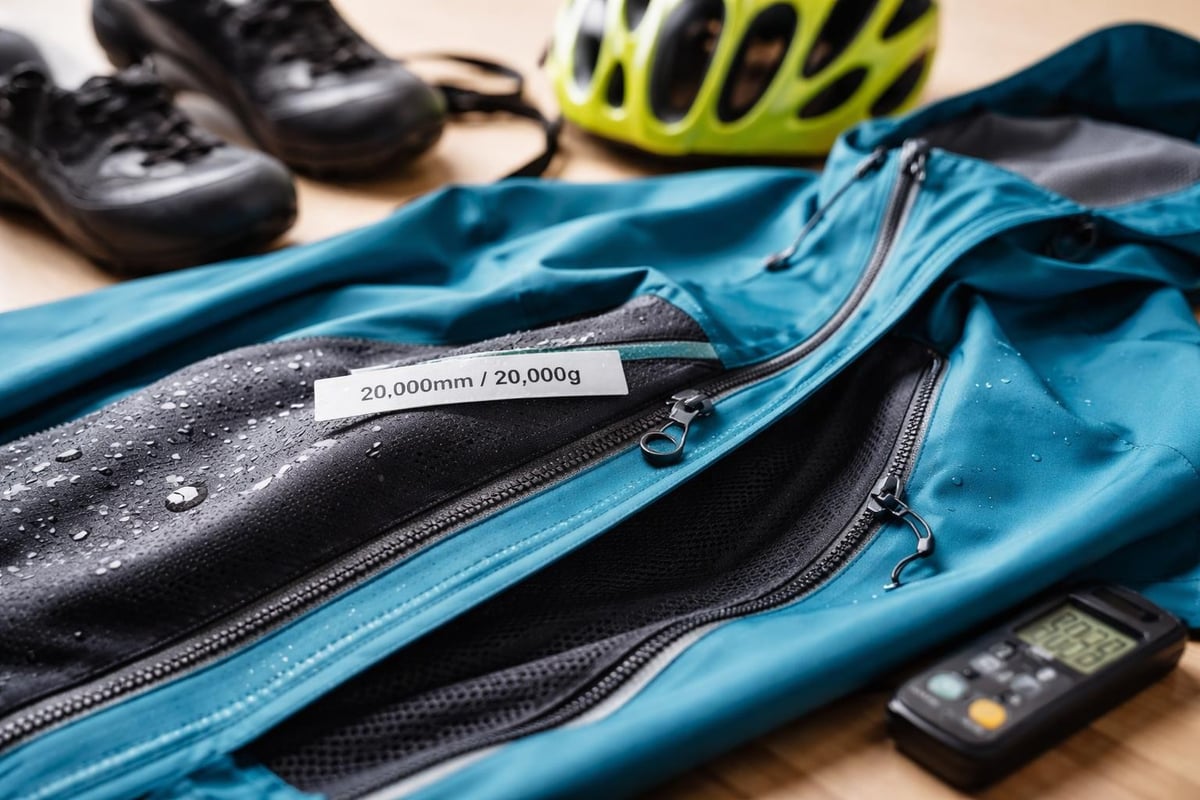
- Sealed seams prevent water from seeping through stitching holes
- Articulated cuts allow natural pedaling motion without restriction
- Adjustable cuffs and hems keep water from running inside sleeves and jacket bottoms
- Reflective elements enhance visibility for safety during low-light conditions
- Ventilation zippers under arms or along sides release excess heat
The packable rain jackets tested by Cycling Weekly demonstrate how weight, packability, and performance balance in real-world conditions. These factors become crucial when you need to carry gear in jersey pockets or saddlebags.
Essential Rain Jacket Selection
Your rain jacket serves as the foundation of wet weather protection. This single piece of gear protects your core temperature while allowing sufficient ventilation to prevent overheating during intense efforts.
Race-Cut Versus Commuter-Fit Jackets
Race-oriented jackets feature aerodynamic cuts that reduce wind resistance and eliminate excess fabric. These designs sit close to the body, often requiring sizing up if you plan to layer underneath. The Castelli Gabba R represents this category, offering race-specific features for high-intensity rides.
Commuter-fit jackets provide more relaxed cuts that accommodate everyday clothing underneath. These designs prioritize practicality with features like larger pockets, longer back coverage, and easier on-off capability.
| Jacket Type | Best For | Key Features | Typical Price Range |
|---|---|---|---|
| Race-Cut | Competitive riders, fast-paced training | Aerodynamic, minimal weight, close fit | ₹8,000 - ₹25,000 |
| All-Round | Recreational riding, varied conditions | Balanced fit, good ventilation, versatile | ₹4,000 - ₹12,000 |
| Commuter | Daily transportation, casual rides | Relaxed fit, visibility features, durability | ₹2,500 - ₹8,000 |
| Packable | Long rides, uncertain weather | Lightweight, compressible, emergency backup | ₹3,500 - ₹10,000 |
Length considerations matter significantly. Road cyclists typically prefer shorter cuts that don't interfere with saddle positioning, while mountain bikers and commuters benefit from longer backs that provide additional coverage when leaning forward.
Color and Visibility Considerations
Bright colors and reflective details aren't merely aesthetic choices-they're safety requirements during rain when visibility drops dramatically. Yellow, orange, and bright red stand out effectively against gray, overcast skies common during rainy conditions.
Quality rain jackets incorporate 360-degree reflective elements that catch headlights from all angles. Look for reflective logos, strips along arms and back, and strategically placed accents that remain visible when arms extend forward on handlebars.
Protecting Your Lower Body
While upper body protection receives most attention, keeping legs and feet dry significantly impacts comfort during extended wet rides. The best rain gear for biking includes comprehensive lower body coverage that doesn't compromise pedaling efficiency.
Rain Pants and Tights Options
Full-length rain pants offer complete protection but require careful selection to avoid restricting movement. Look for pants with articulated knees, ankle zippers for easy on-off over cycling shoes, and reinforced seat areas for durability.
Three-quarter length tights provide excellent compromise solutions. These designs protect thighs and knees (areas most exposed to road spray) while eliminating fabric bunching around ankles. Many cyclists in warmer climates, including much of India, prefer this option for better temperature regulation.
The comprehensive comparison of cycling-specific rain pants at Bikepacking.com evaluates packability and dependability factors crucial for serious riders. These technical pants incorporate features like waterproof zippers, reflective details, and ergonomic cuts.
- Bib-style rain pants eliminate waistband gaps that allow water entry
- Side zippers enable putting pants on over cycling shoes
- Reinforced cuffs prevent wear from chain contact
- Mesh-lined pockets prevent water pooling
Shoe Covers and Waterproof Footwear
Wet feet become cold feet rapidly, especially during longer rides. Neoprene shoe covers provide excellent waterproofing while insulating against temperature drops. These stretchy covers fit over cycling shoes, with cutouts for cleats on clipless pedal systems.
For commuters using flat pedals, waterproof cycling shoes or boots eliminate the need for covers entirely. Modern designs incorporate sealed construction, waterproof membranes, and treated materials that shed water while maintaining breathability.
Hand Protection and Grip Maintenance
Cold, wet hands compromise bike control and braking ability. Waterproof gloves specifically designed for cycling maintain dexterity while protecting against rain, wind, and temperature drops.
Full-Finger Waterproof Glove Features
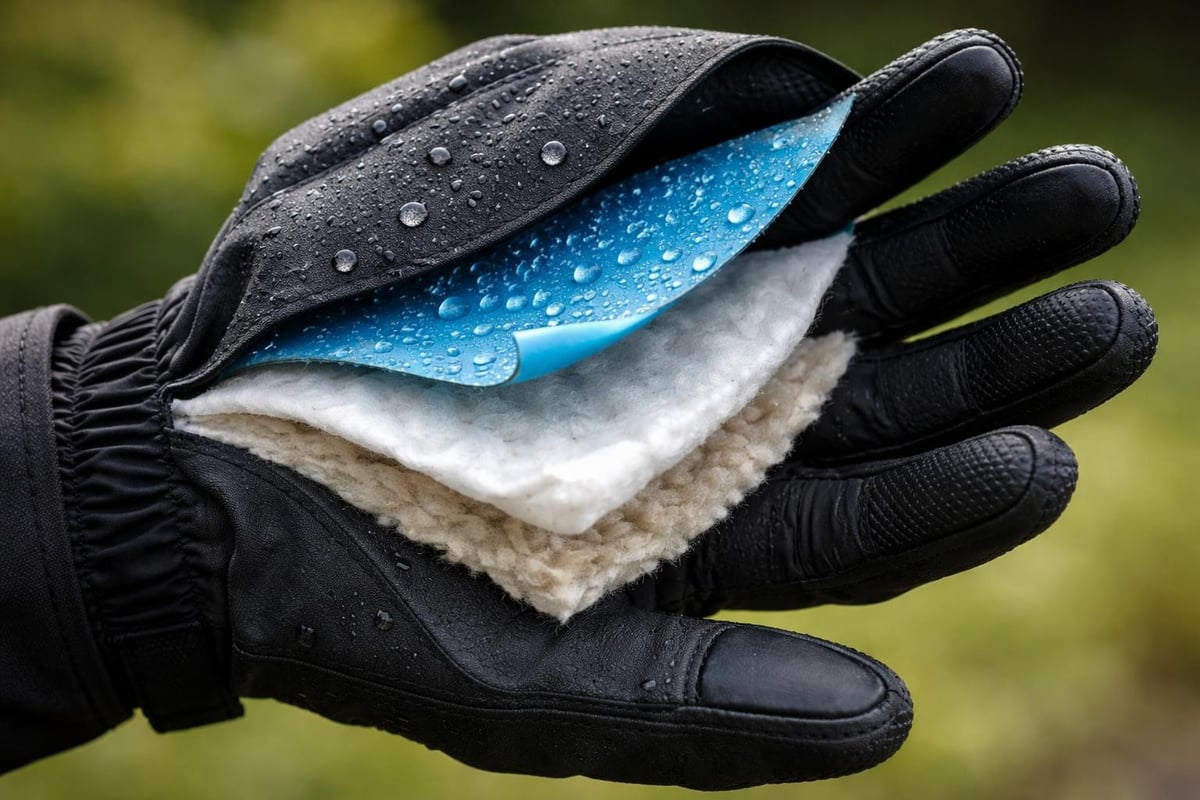
Quality cycling rain gloves balance waterproofing with tactile feedback necessary for operating brake levers, shifters, and touchscreen devices. Look for gloves with waterproof-breathable membranes, pre-curved fingers matching handlebar grip positions, and silicone palm patterns for secure contact with wet bars.
Lobster-claw designs pair fingers together (index with middle, ring with pinky) to share warmth while maintaining better dexterity than traditional mittens. This configuration works exceptionally well in cold, wet conditions common during winter monsoons.
Temperature ratings help select appropriate gloves for your local conditions. Lightweight waterproof gloves suit temperatures above 15°C, while insulated versions handle colder conditions below 10°C effectively.
Accessory Gear for Complete Protection
Beyond core clothing items, several accessories complete comprehensive rain protection systems. These pieces address specific vulnerability points that standard rain gear doesn't fully cover.
Caps, Helmet Covers, and Eye Protection
Cycling caps worn under helmets feature small brims that divert rain from running into eyes. Waterproof or water-resistant fabrics keep heads warm while managing moisture. These simple accessories significantly improve visibility and comfort during rainy rides.
Helmet covers serve dual purposes: keeping rain out of helmet vents (preventing water from dripping onto your head) and adding visibility through bright colors and reflective elements. Some designs incorporate clear visors that shield faces from direct rain exposure.
Clear or lightly tinted cycling glasses prevent rain from hitting eyes directly while maintaining visibility. Look for lenses with hydrophobic coatings that encourage water beading and running off rather than obscuring vision. Proper cycling eyewear also keeps road spray from affecting your eyes. For guidance on selecting appropriate eyewear for various conditions, explore resources on choosing cycling sunglasses that address visibility needs.
Mudguards and Fenders
While not worn items, mudguards dramatically reduce water spray hitting you from below. Full-coverage fenders protect both front and rear, keeping water from shooting up from wheels onto your body, bike components, and riding partners behind you.
Quality fenders attach securely without rattling, feature adjustable mounting systems for various frame geometries, and provide wrap-around coverage that channels water away effectively. For serious rain riding, fenders transform comfort levels substantially.
Layering Strategies for Variable Conditions
The best rain gear for biking works as part of complete layering systems that adapt to changing weather. Understanding how to combine pieces optimizes both protection and comfort across varying intensities and temperatures.
Base Layer Selection
Technical base layers wick moisture away from skin, preventing the clammy feeling that develops when sweat can't evaporate. Merino wool excels in cool, wet conditions, providing natural odor resistance and maintaining warmth even when damp. Synthetic materials dry faster and work better in warmer temperatures.
Avoid cotton base layers entirely-they absorb and retain moisture, leading to rapid heat loss and discomfort.
Mid-Layer Options
Between base layers and rain shells, insulating mid-layers trap warm air while continuing moisture management. Cycling gilets offer versatile wind and water resistance without full sleeve coverage, making them ideal for transitional conditions.
Lightweight fleece or synthetic insulation jackets work well for truly cold, wet conditions. These pieces should fit beneath your rain shell without excessive compression that eliminates insulating air pockets.
Material Technology and Fabric Options
Modern rain gear utilizes various waterproofing technologies, each with distinct advantages and limitations. Understanding these differences helps you select appropriate gear for your specific riding conditions and budget.
Membrane-Based Waterproofing
Gore-Tex and similar membranes create microscopic pore structures that block water droplets while allowing water vapor molecules to pass through. These sophisticated materials deliver excellent waterproofing with good breathability but command premium prices.
Proprietary membranes from various manufacturers offer comparable performance at different price points. eVent, NeoShell, and Futurelight represent alternatives worth considering when evaluating options.
Coated and Laminated Fabrics
Polyurethane (PU) and silicone coatings applied to fabric surfaces provide waterproofing at lower costs than membrane systems. These treatments work effectively for moderate rain but typically offer less breathability than membrane alternatives.
Durable water repellent (DWR) finishes applied to outer fabric surfaces cause water to bead and roll off rather than soaking in. DWR treatments wear off over time and require reapplication to maintain effectiveness.
| Technology Type | Waterproofing | Breathability | Durability | Price Point |
|---|---|---|---|---|
| Premium Membrane (Gore-Tex) | Excellent | Excellent | Very Good | High |
| Mid-Range Membrane | Very Good | Good | Good | Medium-High |
| Coated Fabrics | Good | Moderate | Good | Medium |
| DWR-Treated Shell | Moderate | Excellent | Fair | Low-Medium |
Maintenance and Care for Longevity
Proper care extends the functional life of rain gear significantly. Waterproof materials require specific maintenance procedures that differ from washing regular cycling clothing.
Washing and Storage Guidelines
Most technical rain gear tolerates machine washing on gentle cycles with specialized technical detergents. Avoid regular detergents and fabric softeners-they leave residues that compromise waterproofing and breathability.
Tumble drying on low heat actually benefits many waterproof garments by reactivating DWR treatments. Always check manufacturer instructions, as some items require line drying instead.
Storage practices matter equally. Hang rain gear in well-ventilated areas rather than stuffing items into compression sacks long-term. Folding along different lines each time prevents permanent creases that can compromise waterproof coatings.
Restoring Water Repellency
When water stops beading on outer surfaces and instead soaks in (called "wetting out"), DWR treatments need refreshing. Spray-on or wash-in DWR products restore water-shedding properties effectively.
Clean garments thoroughly before applying new DWR treatments. Dirt and body oils prevent treatments from bonding properly with fabric surfaces, reducing effectiveness.
Budget Considerations and Value Assessment
Quality rain gear represents significant investment, but proper selection ensures you purchase once rather than repeatedly replacing inadequate equipment. Understanding where to allocate budget maximizes value.
Investment Priorities
Start with a quality rain jacket-this single piece provides the most significant protection improvement. A jacket priced between ₹6,000 and ₹12,000 typically offers excellent performance without premium pricing for marginal gains.
Waterproof gloves should be your second priority, especially for year-round riding. Good gloves cost ₹2,000 to ₹4,000 and dramatically improve comfort and control.
Lower body protection can start with more budget-friendly options if necessary. Three-quarter tights or basic shoe covers provide substantial improvement over nothing while costing less than premium full rain pants.
For complete rain protection systems and performance-focused gear, Cycling Gears Hub offers extensive selections covering all price ranges. Their inventory includes specialized rain gear designed specifically for Indian weather patterns and riding conditions.

Cost-Per-Use Analysis
High-quality rain gear used regularly for multiple years costs less per ride than cheaper alternatives requiring frequent replacement. Calculate cost-per-use by dividing purchase price by expected number of uses over the item's lifespan.
A ₹12,000 jacket used 50 times annually for five years costs just ₹48 per ride. A ₹4,000 jacket requiring replacement after two years and 40 annual uses costs ₹50 per ride despite the lower initial price.
Fit and Sizing Considerations
Proper fit determines whether expensive rain gear performs as designed or creates new problems. Cycling-specific rain gear should accommodate riding positions without riding up, restricting movement, or creating gaps that allow water entry.
Trying Before Buying
Whenever possible, try rain gear while positioned on a bike in riding posture. Stand-up fitting doesn't reveal how garments behave when leaning forward with arms extended.
Sleeve length should reach wrists when hands grip handlebars in typical riding position. Backs should extend several inches below your waistband when bent forward to prevent water from entering above shorts or tights.
Check that jackets don't ride up when reaching for drops or aerobars. Silicone gripper elastic at hem edges helps garments stay in place during movement.
Size Variations Between Brands
Sizing consistency varies significantly between manufacturers and regional markets. European brands often run smaller than Asian-market sizing, requiring attention to specific measurements rather than letter sizes.
Measure chest, waist, arm length, and inseam, then compare against manufacturer size charts. When between sizes, consider:
- Size up for layering capability and comfort-oriented riding
- Size down for aerodynamic racing fits and minimal layering
- Check return policies before purchasing to enable size exchanges
Region-Specific Considerations for Indian Cyclists
Indian monsoon conditions present unique challenges that influence optimal rain gear selection. Heavy rainfall, high humidity, and warm temperatures require different approaches than temperate climate rain riding.
Monsoon-Appropriate Features
Enhanced breathability takes priority during warm, humid monsoon riding when temperatures remain above 20°C. Look for jackets with large ventilation zippers, mesh-backed panels, and maximum breathability ratings to prevent internal moisture buildup.
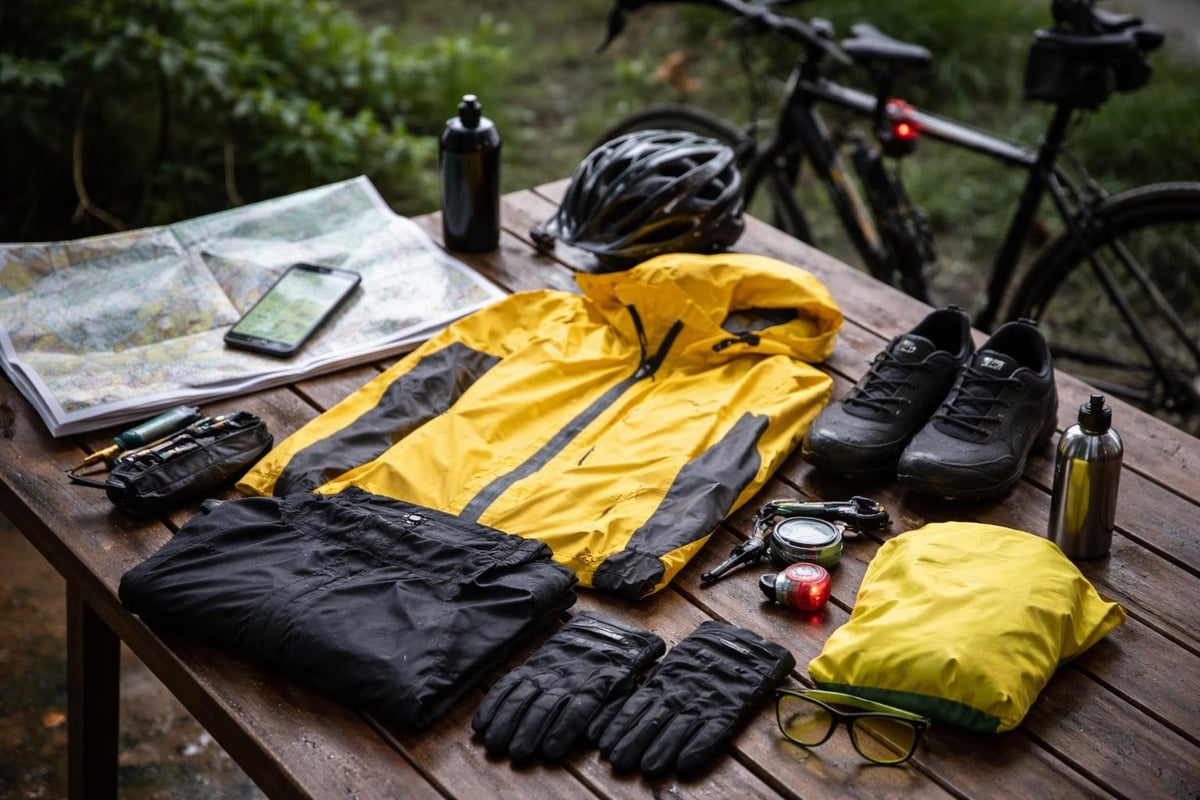
Visibility features become critical during heavy monsoon downpours that reduce sight distances dramatically. Bright colors combined with comprehensive reflective elements help other road users spot you in challenging conditions. Understanding essential gear selections helps, particularly for those exploring cycling accessories needed for smooth rides throughout the year.
Quick-drying materials matter more in multi-day monsoon conditions when gear may not dry completely between rides. Synthetic fabrics dry faster than natural materials, making them preferable for consecutive wet riding days.
Urban Commuting Requirements
City cyclists navigating traffic during rain need maximum visibility combined with durability for daily use. Commuter-focused rain gear emphasizes reflective coverage, reinforced high-wear areas, and features like attachment points for lights.
Consider rain gear that accommodates carrying bags or wearing backpacks without compromising water protection. Some jackets incorporate pass-through slits for messenger bag straps or compatible designs for pack systems.
Seasonal Versatility and Multi-Use Applications
The best rain gear for biking often serves purposes beyond cycling, maximizing value through expanded utility. Selecting designs with broader applications improves cost-effectiveness for occasional riders.
Cross-Sport Functionality
Many cycling rain jackets work excellently for running, hiking, or general outdoor activities. Look for designs without excessively long back cuts or cycling-specific features if you want multi-sport utility.
Conversely, dedicated cyclists benefit from specialized features even if they limit other uses. Long back coverage, dropped front hems, and cycling-specific pocket placement optimize on-bike performance.
Touring and Bikepacking Applications
Extended trips require rain gear that packs efficiently, withstands daily use, and performs reliably across varying conditions. Touring-specific options often emphasize durability and pack size over minimal weight.
For riders interested in extended trips and specialized equipment needs, resources on bikepacking equipment essentials provide comprehensive guidance on complete gear systems for multi-day adventures.
Testing and Breaking In New Rain Gear
New rain gear performs best after proper break-in and testing under controlled conditions. Avoid discovering fit issues or functional problems during important rides or races.
Initial Testing Protocol
Test new rain gear during short rides in actual rain before depending on it for longer outings. This reveals any unexpected issues with fit, breathability, or waterproofing while you're close to home.
Pay attention to:
- Water entry points around cuffs, collar, and hem
- Excess heat buildup indicating insufficient ventilation
- Restriction points that limit comfortable movement
- Noise from fabric flapping in wind
Make necessary adjustments or exchanges before committing to the gear for serious use.
Adjustment and Customization
Most quality rain jackets include adjustment points at cuffs, collar, and hem. Spend time optimizing these for your specific body dimensions and riding style.
Tighten cuffs enough to prevent water running down arms but not so much that circulation suffers. Adjust hem draws to eliminate excess fabric without restricting breathing or creating uncomfortable pressure points.
Selecting appropriate rain protection transforms cycling from a fair-weather activity into year-round training and transportation. Quality waterproof jackets, effective lower body coverage, proper accessories, and thoughtful layering systems enable comfortable riding through challenging conditions. Whether you're training through monsoon season or commuting daily regardless of weather, investing in the best rain gear for biking pays dividends through improved comfort, safety, and riding consistency. Cycling Gears Hub stocks comprehensive rain gear selections backed by expertise serving over 10,000 Indian cyclists, offering fast shipping, flexible payment options, and hassle-free returns to ensure you find perfect protection for your riding needs.