

Understanding bicycle price can be challenging when you're faced with options ranging from a few thousand rupees to several lakhs. The cycling market in India has expanded significantly, offering everything from basic commuter bikes to high-performance racing machines. Whether you're a first-time buyer or looking to upgrade, knowing what influences bicycle price helps you make informed decisions and find the best value for your investment. This comprehensive guide breaks down the key factors affecting bicycle costs, compares different price segments, and provides practical insights for selecting a bike that matches both your budget and riding needs.
What Determines Bicycle Price
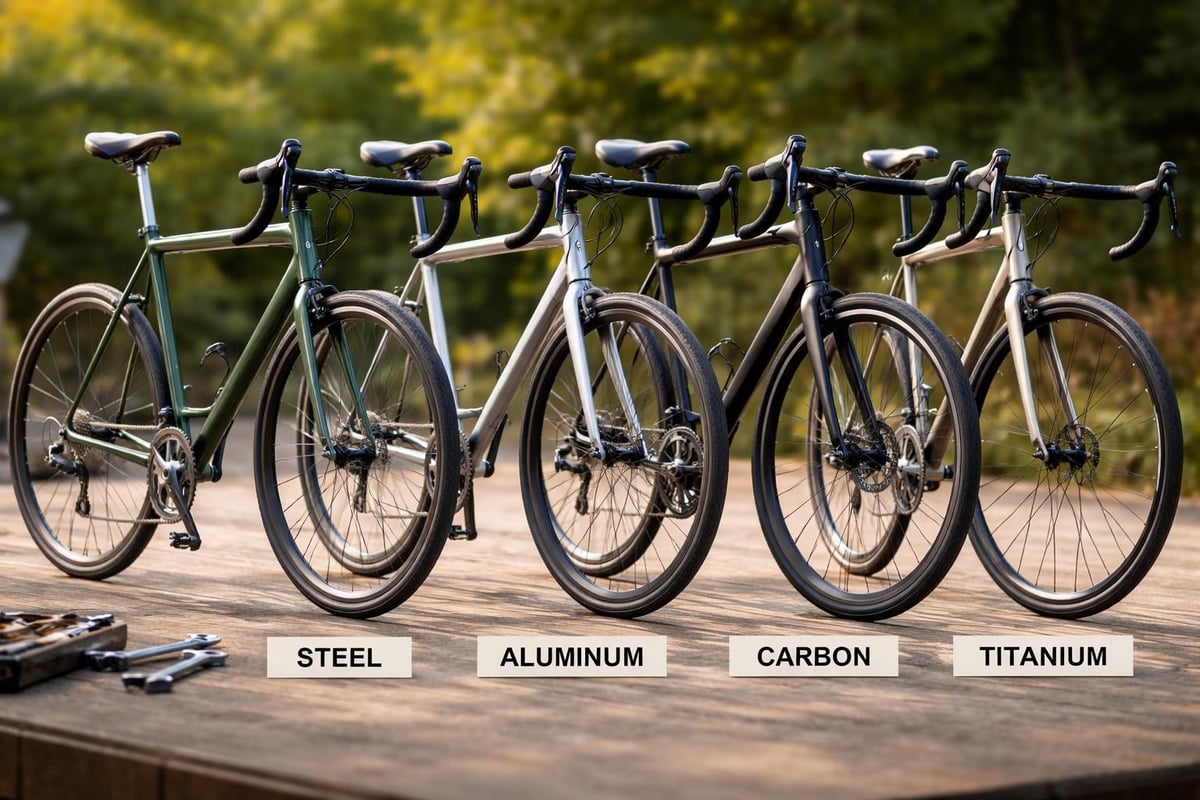
The bicycle price you pay reflects a complex combination of materials, manufacturing quality, and technological features. Frame material stands as one of the most significant cost drivers, with steel frames typically being the most affordable, aluminum offering a mid-range option, and carbon fiber commanding premium prices due to its lightweight properties and manufacturing complexity.
Component quality directly impacts both price and performance. Entry-level bikes use basic drivetrain systems, while higher-priced models feature precision-engineered components from manufacturers like Shimano, SRAM, or Campagnolo. These premium components offer smoother shifting, better durability, and lighter weight.
Frame Material Impact on Cost
Different frame materials create distinct price points across the market. Steel frames, while heavier, provide durability and a smooth ride at accessible price points. Aluminum frames dominate the mid-range market, offering an excellent strength-to-weight ratio. Carbon fiber represents the premium tier, delivering exceptional lightness and vibration dampening but at significantly higher costs.
Frame Material Comparison:
| Material | Price Range | Weight | Durability | Ride Quality |
|---|---|---|---|---|
| Steel | Low | Heavy | Very High | Comfortable |
| Aluminum | Medium | Light | High | Responsive |
| Carbon Fiber | High | Very Light | Moderate | Excellent |
| Titanium | Very High | Light | Exceptional | Superior |
Manufacturing processes also affect bicycle price substantially. Hand-built frames from boutique manufacturers cost more than mass-produced models, reflecting the skilled labor and attention to detail involved. Brand reputation plays a role too, with established manufacturers commanding premium prices based on their track record of quality and innovation.
Bicycle Price Ranges by Category
The Indian cycling market offers distinct price segments, each catering to different rider needs and budgets. Entry-level bicycles typically range from ₹8,000 to ₹20,000, providing basic functionality for casual riders and commuters. These bikes feature steel or basic aluminum frames with entry-level components.
Mid-range bicycles, priced between ₹20,000 and ₹60,000, represent the sweet spot for serious recreational riders. These models incorporate better aluminum frames, reliable component groups, and improved features like disc brakes and suspension systems. According to factors affecting bicycle costs, this segment has grown significantly as more Indians embrace cycling as both transportation and recreation.
Premium and Professional Segments
Premium bicycles ranging from ₹60,000 to ₹1,50,000 deliver advanced features, lighter materials, and professional-grade components. These bikes suit competitive riders and enthusiasts who demand top performance. Ultra-premium models exceeding ₹1,50,000 feature cutting-edge carbon fiber construction, electronic shifting, and aerospace-grade materials.
Price Segments by Bike Type:
- Basic Commuter: ₹8,000 - ₹15,000
- Recreational MTB: ₹15,000 - ₹35,000
- Performance Road Bike: ₹40,000 - ₹1,00,000
- Professional Racing Bike: ₹1,00,000 - ₹5,00,000+
- Entry Electric Bike: ₹35,000 - ₹60,000
- Premium Electric Bike: ₹60,000 - ₹2,00,000+
The bicycle price you encounter also varies by intended use. Mountain bikes generally cost more than road bikes at equivalent quality levels due to suspension systems and reinforced frames. Gravel bikes occupy a middle ground, while specialty bikes like time trial or track racing machines command premium prices.
Component Groups and Price Differences
Component quality creates substantial bicycle price variations even within the same frame category. The drivetrain, consisting of shifters, derailleurs, cassette, and crankset, represents one of the most significant cost variables. Entry-level Shimano Tourney groupsets add minimal cost, while top-tier Shimano Dura-Ace or SRAM Red eTap systems can add ₹1,00,000 or more to bicycle price.
Wheel quality significantly affects both price and performance. Basic machine-built wheels with heavy rims serve budget bikes adequately. Hand-built wheels with lightweight rims and high-quality hubs improve performance but increase costs substantially. Carbon fiber wheels, prized for their aerodynamics and weight savings, can cost ₹50,000 to ₹2,00,000 per set.
Brake Systems and Pricing
Brake technology has evolved rapidly, affecting bicycle price across all segments. Traditional rim brakes remain the most affordable option. Mechanical disc brakes add moderate cost while providing superior stopping power. Hydraulic disc brakes, now standard on premium bikes, offer excellent modulation and power but increase bicycle price by ₹8,000 to ₹25,000 depending on quality.
Suspension systems on mountain bikes create another price tier. Rigid forks keep costs down, while basic suspension forks add ₹5,000 to ₹15,000. High-performance air suspension systems from Fox or RockShox can add ₹30,000 to ₹80,000 to bicycle price. Full-suspension mountain bikes include rear suspension, typically doubling the cost compared to hardtail equivalents.
If you're building your cycling setup, understanding how components affect overall value helps maximize your investment. Cycling Gears Hub offers premium accessories and parts that enhance any bicycle, from entry-level to professional-grade models.

Electric Bicycle Price Considerations
Electric bicycles introduce additional cost factors beyond traditional bikes. The motor system, battery capacity, and control electronics significantly impact e-bike pricing. Entry-level electric bikes start around ₹35,000, while premium models exceed ₹2,00,000.
Battery capacity directly correlates with bicycle price and range. A 250Wh battery provides basic assistance for short commutes, while 500Wh to 750Wh batteries support longer rides but increase costs proportionally. Battery chemistry and brand reputation also affect pricing, with premium lithium-ion cells from established manufacturers commanding higher prices.
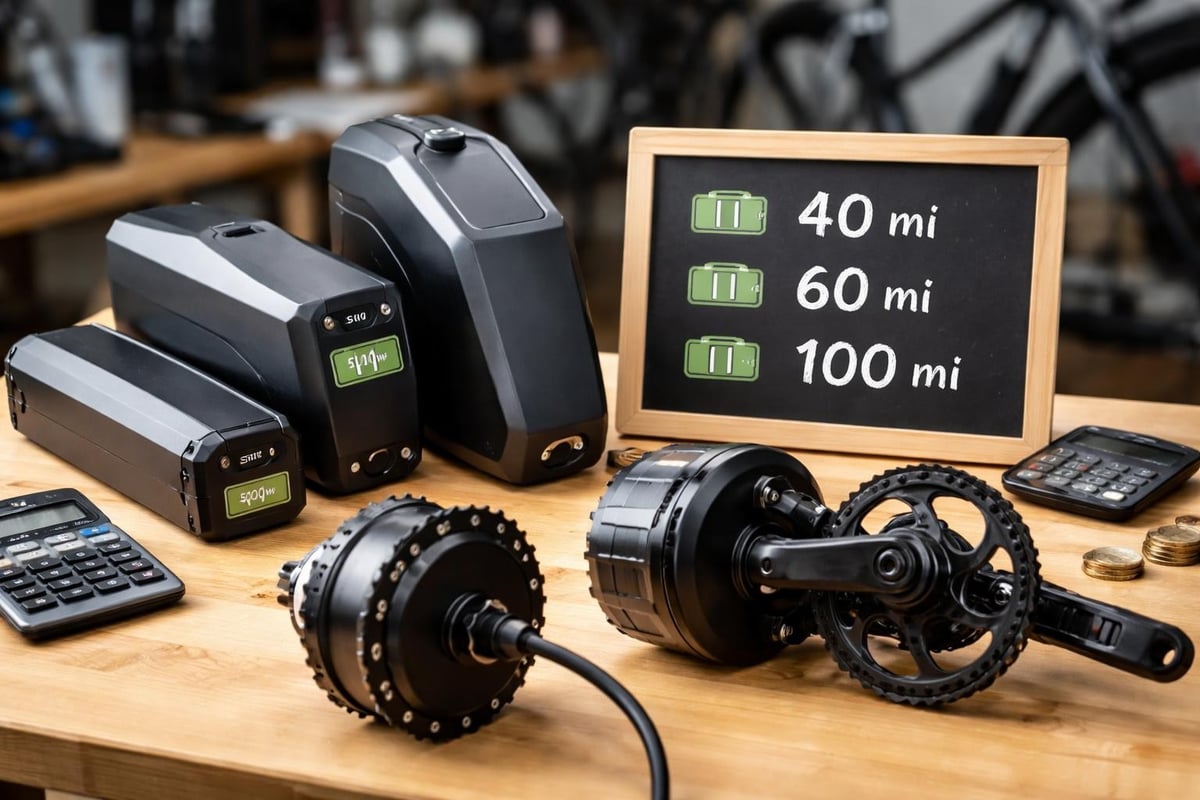
Motor placement and power influence both performance and price. Hub motors represent the most affordable e-bike option, while mid-drive motors from Bosch, Yamaha, or Shimano provide superior performance at premium prices. As detailed in factors affecting electric bike prices, motor power ratings from 250W to 750W create distinct price tiers.
E-Bike Technology and Value
Modern e-bikes incorporate sophisticated control systems, torque sensors, and smartphone connectivity. These features enhance riding experience but add to bicycle price. Basic pedal-assist systems with simple cadence sensors keep costs manageable, while advanced torque-sensing systems with multiple assistance modes increase prices substantially.
Understanding e-bike price dynamics helps buyers identify genuine value versus marketing hype. Battery warranty length, motor reliability, and manufacturer support justify higher prices for established brands compared to unknown manufacturers.
Market Dynamics Affecting Bicycle Price
Global supply chain factors significantly influence bicycle price in India. The pandemic-era cycling boom created shortages that elevated prices across all segments. While the UK cycling industry shows recovery, similar patterns affect Indian markets with gradual price stabilization in 2026.
Import duties, currency fluctuations, and shipping costs affect bicycle price for international brands. Domestic manufacturing has grown in India, offering competitive alternatives to imported bikes. Government initiatives promoting cycling infrastructure and clean transportation may influence future bicycle price trends through subsidies or tax incentives.
Seasonal and Promotional Pricing
Bicycle price often fluctuates based on seasonal demand and manufacturer promotions. Pre-monsoon sales in February and March offer significant discounts as retailers clear inventory. End-of-year sales in December provide another opportunity for savvy buyers to reduce bicycle price by 10% to 30%.
New model releases typically occur in late summer or early fall, prompting retailers to discount previous year's models. These bikes offer identical performance at reduced prices, providing excellent value for budget-conscious buyers. Understanding these cycles helps time your purchase for maximum savings.
Best Times to Buy:
- January-February: Post-holiday clearance sales
- March-April: Pre-summer promotional pricing
- August-September: Previous model year discounts
- November-December: Year-end clearance events
- Festival Seasons: Special promotional offers
Comparing Bicycle Price Across Segments
Different cycling disciplines create distinct price structures. Road bikes emphasize lightweight construction and aerodynamics, with competitive models ranging from ₹50,000 to ₹3,00,000. Mountain bikes require robust frames and suspension, typically commanding higher prices than equivalent road bikes due to additional components.
Hybrid bikes bridge the gap between road and mountain bikes, offering versatility at moderate prices typically between ₹20,000 and ₹60,000. These bikes suit Indian road conditions well, handling both paved streets and moderate off-road trails. For those exploring hybrid bike options, understanding their value proposition helps justify the bicycle price.
Specialized Bike Categories
Gravel bikes have emerged as a popular category, combining road bike efficiency with off-road capability. Bicycle price for quality gravel bikes ranges from ₹45,000 to ₹2,00,000, reflecting their specialized geometry and component requirements. These bikes offer excellent versatility for Indian riders facing varied road conditions.
Track bikes, designed for velodrome racing, feature fixed gears and minimalist construction. While specialized, track bike prices remain moderate due to simpler components, typically ranging from ₹30,000 to ₹1,50,000. Time trial bikes, conversely, command premium prices due to aerodynamic frames and specialized components.
| Bike Type | Entry Price | Mid-Range | Premium | Key Features |
|---|---|---|---|---|
| Road | ₹25,000 | ₹60,000 | ₹2,00,000+ | Lightweight, efficient |
| Mountain | ₹18,000 | ₹50,000 | ₹1,80,000+ | Suspension, durability |
| Hybrid | ₹15,000 | ₹35,000 | ₹80,000 | Versatility, comfort |
| Gravel | ₹40,000 | ₹75,000 | ₹1,60,000+ | All-terrain capability |
| Electric | ₹35,000 | ₹65,000 | ₹1,50,000+ | Motor assistance |
Hidden Costs Beyond Initial Bicycle Price
The sticker price represents just the starting point for total ownership costs. Essential accessories add ₹5,000 to ₹20,000 depending on quality choices. Helmets, lights, locks, and basic tools constitute minimum investments for safe cycling.
Maintenance costs vary based on riding frequency and conditions. Annual service costs range from ₹2,000 for basic bikes to ₹8,000 for high-end models. Component replacement over time adds to long-term bicycle price considerations. Chains, cassettes, brake pads, and tires wear regularly, requiring periodic replacement.
Long-Term Investment Analysis
Calculating cost per kilometer provides perspective on bicycle price value. A ₹50,000 bike ridden 5,000 kilometers annually costs just ₹10 per kilometer in the first year, decreasing with continued use. This analysis helps justify higher initial bicycle price for frequently used bikes.
Insurance, while optional, protects your investment against theft and damage. Premium bicycle insurance costs 2% to 4% of bicycle price annually, providing peace of mind for expensive models. Storage solutions, whether home racks or secure parking facilities, add one-time or recurring costs.
For comprehensive information about ownership expenses beyond purchase price, consider all factors when budgeting for your cycling investment.
Smart Shopping Strategies for Bicycle Price
Researching thoroughly before purchasing maximizes value regardless of budget. Test riding multiple models reveals comfort and fit differences that specifications alone cannot convey. Many retailers offer seasonal test ride events, providing opportunities to compare bikes across different bicycle price points.
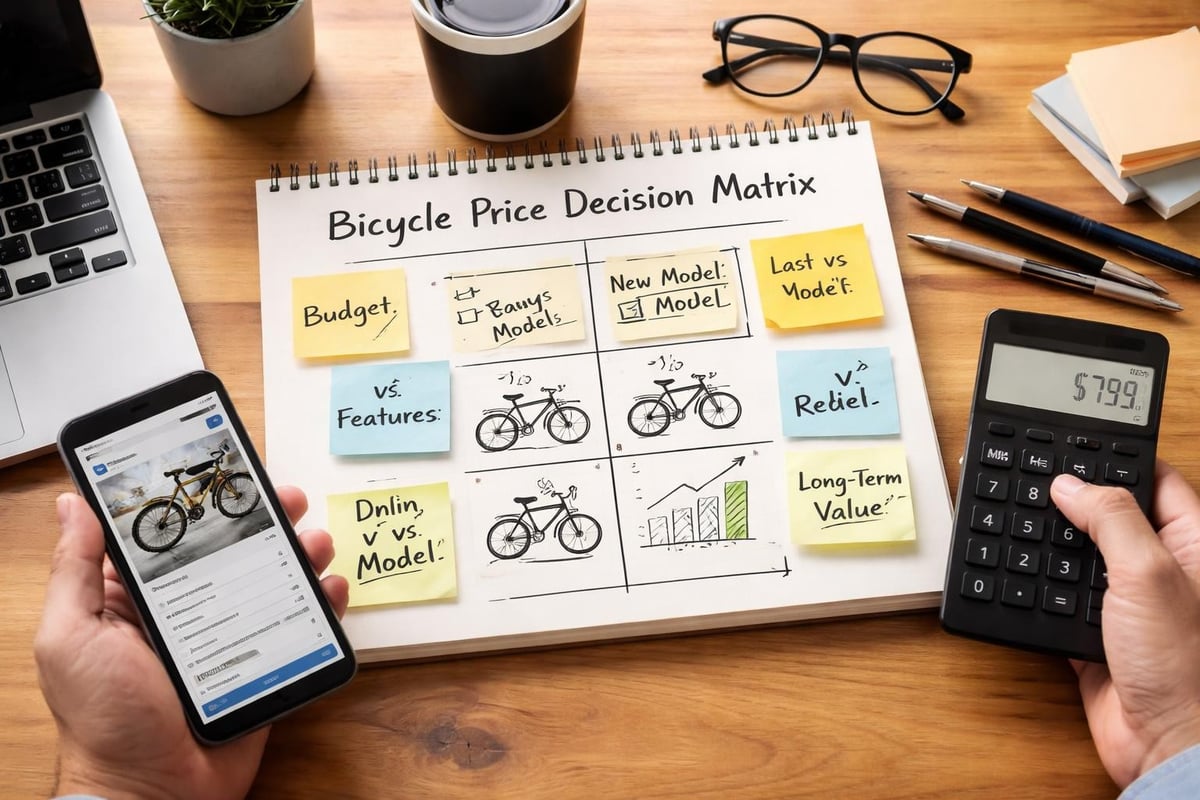
Previous model year bikes offer identical performance at 15% to 30% lower bicycle price. Manufacturers refresh model lines annually with minor updates, making last year's bikes excellent value propositions. Clearance sales clear inventory for new models, benefiting price-conscious buyers.
Online Versus Retail Shopping
Online retailers often advertise lower bicycle price compared to physical stores, but consider total costs including assembly, warranty support, and fitting services. Local bike shops provide expertise, professional fitting, and ongoing support that justify moderate price premiums. Building relationships with local shops creates long-term value through maintenance discounts and expert advice.
Financing options make higher bicycle price more accessible through EMI plans. Interest-free EMI promotions reduce financial barriers to premium bikes, though buyers should calculate total costs including any processing fees. Cash on delivery options provide flexibility for those preferring traditional payment methods.
If you're seeking quality gear to complement your bicycle purchase, exploring essential cycling accessories ensures your complete setup meets your needs without overspending.
Regional Price Variations in India
Bicycle price varies across Indian cities based on local market dynamics, logistics costs, and dealer competition. Metropolitan areas typically offer more competitive pricing due to higher sales volumes and greater dealer concentration. Tier-2 and tier-3 cities may face limited selection and higher prices due to transportation costs and lower competition.
Import-dependent regions experience higher bicycle price volatility based on currency fluctuations and shipping delays. Coastal cities with major ports sometimes access better pricing on international brands. Domestic manufacturers provide more consistent pricing across regions, though local dealer markups still create variations.
Building Your Ideal Cycling Setup
Beyond the bicycle itself, creating a complete cycling setup requires thoughtful accessory selection. Quality helmets, appropriate clothing, maintenance tools, and safety equipment complement your bicycle investment. Prioritizing essential items first, then gradually adding upgrades, spreads costs over time while building a comprehensive cycling kit.
Understanding how accessories affect your overall investment helps budget effectively. Starting with essential beginner gear establishes a solid foundation before adding specialized equipment as your cycling evolves.
Future Trends in Bicycle Price
Emerging technologies continue reshaping bicycle price dynamics. E-bike adoption accelerates globally, with manufacturing scale gradually reducing costs. Battery technology improvements promise longer ranges at lower prices within three to five years, making electric bicycles increasingly accessible to budget-conscious buyers.
Material science advances may introduce new frame materials offering carbon fiber performance at aluminum prices. Manufacturing innovations like 3D printing could enable custom geometry at mass-production prices, though widespread adoption remains years away. These developments suggest bicycle price for performance may gradually decrease despite inflation.
Market maturation in India brings increased domestic manufacturing, reducing import dependency and stabilizing bicycle price across segments. Local brands gain sophistication, challenging international manufacturers with competitive pricing and India-specific designs suited to local road conditions and rider preferences.
Sustainability concerns increasingly influence purchasing decisions beyond bicycle price alone. Buyers consider durability, repairability, and manufacturer environmental practices when evaluating value. Bikes built for longevity justify higher initial bicycle price through reduced replacement frequency and lower lifetime environmental impact.
Understanding the factors that drive bicycle price empowers you to make confident purchasing decisions aligned with your budget and riding goals. From frame materials and components to hidden ownership costs and market dynamics, comprehensive knowledge ensures you find the perfect balance between cost and performance. Whether you're seeking an entry-level commuter or a high-performance machine, Cycling Gears Hub supports your cycling journey with premium gear, accessories, and equipment backed by expert service and hassle-free purchasing options including COD and EMI plans trusted by over 10,000 Indian cyclists.