

Finding affordable cycling options doesn't mean you have to compromise on quality or performance. The market for cheap bikes has expanded significantly in 2026, offering Indian cyclists more choices than ever before. Whether you're a beginner looking for your first ride, a commuter seeking reliable transportation, or a fitness enthusiast on a budget, understanding what to look for in budget-friendly bicycles helps you make informed decisions. This guide explores the key considerations, common pitfalls, and smart strategies for selecting cheap bikes that deliver genuine value for your investment.
Understanding the Budget Bike Market in India
The Indian cycling industry has witnessed remarkable growth, with manufacturers recognizing the demand for affordable yet reliable bicycles. Cheap bikes now range from ₹8,000 to ₹25,000, offering various styles including mountain bikes, hybrid bikes, and road bikes.
This price segment has become increasingly competitive, pushing brands to improve quality while maintaining affordability. However, not all budget options deliver equal value. The key is understanding which compromises are acceptable and which features remain non-negotiable for safety and longevity.
Price Categories and What They Offer
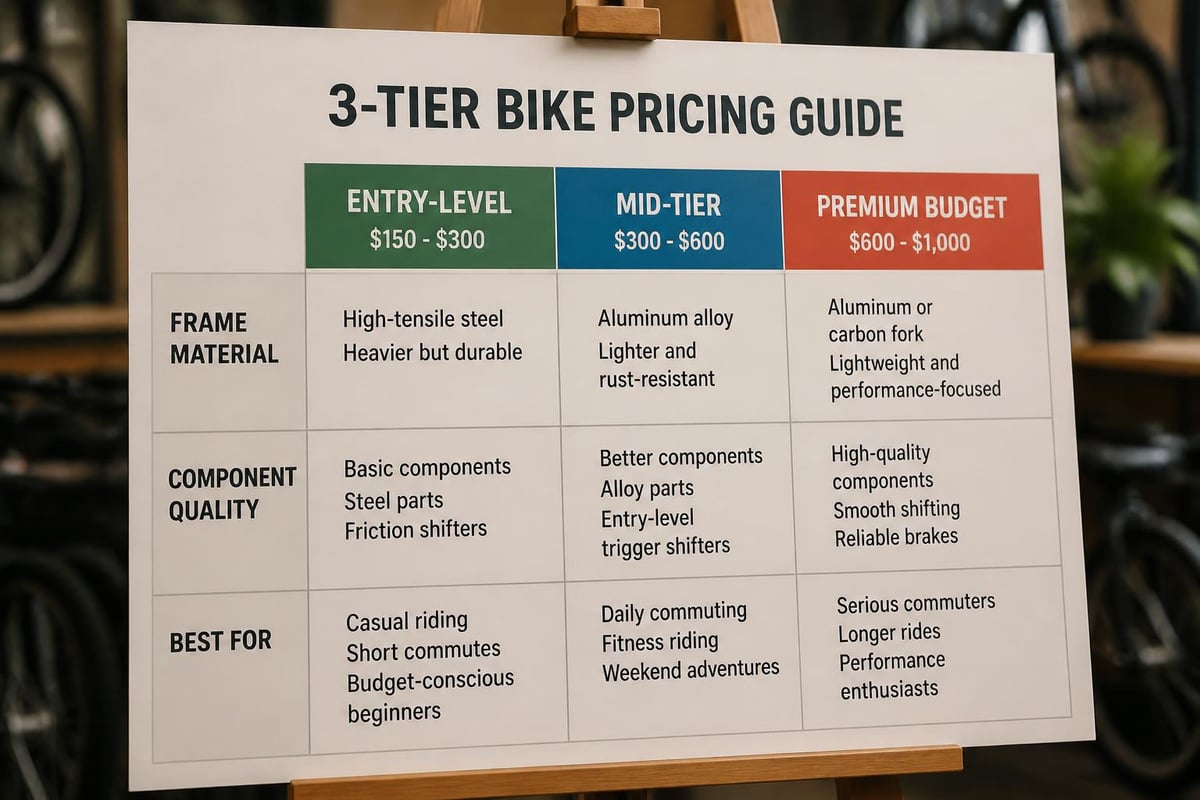
Budget bicycles typically fall into three distinct tiers:
- Entry-level (₹8,000-₹12,000): Basic steel frames, minimal components, suitable for casual riding
- Mid-budget (₹12,000-₹18,000): Alloy frames, better components, appropriate for regular commuting
- Premium budget (₹18,000-₹25,000): Quality frames, reliable component groups, suitable for enthusiasts
| Price Range | Frame Material | Gears | Ideal Use |
|---|---|---|---|
| ₹8,000-₹12,000 | Steel | Single speed or 6-7 speed | Casual rides, short commutes |
| ₹12,000-₹18,000 | Aluminum alloy | 14-18 speed | Daily commuting, fitness |
| ₹18,000-₹25,000 | Quality alloy | 21-24 speed | Weekend rides, longer distances |
Frame Material: The Foundation of Value
The frame represents the most critical investment in any bicycle. Understanding what to look for in cheap bikes starts with evaluating frame materials and construction quality.
Steel frames remain the most affordable option, offering durability and a comfortable ride quality. High-tensile steel, while heavy, provides excellent longevity for casual riders. Chromoly steel represents a step up, delivering lighter weight with superior strength.
Aluminum alloy frames dominate the mid-budget segment. They resist rust, weigh significantly less than steel, and provide responsive handling. Quality varies widely, so examining weld quality and tube thickness becomes essential.
Frame Geometry Considerations
Proper frame geometry impacts comfort, efficiency, and handling. Budget manufacturers sometimes use generic geometries that don't optimize performance for specific riding styles.
Check these key measurements:
- Standover height for safe mounting and dismounting
- Reach and stack for comfortable riding position
- Wheelbase for stability versus maneuverability
- Head tube angle for steering responsiveness
A well-designed frame in the budget category outperforms a poorly designed premium frame for most riders' needs.
Component Groups: Where to Compromise
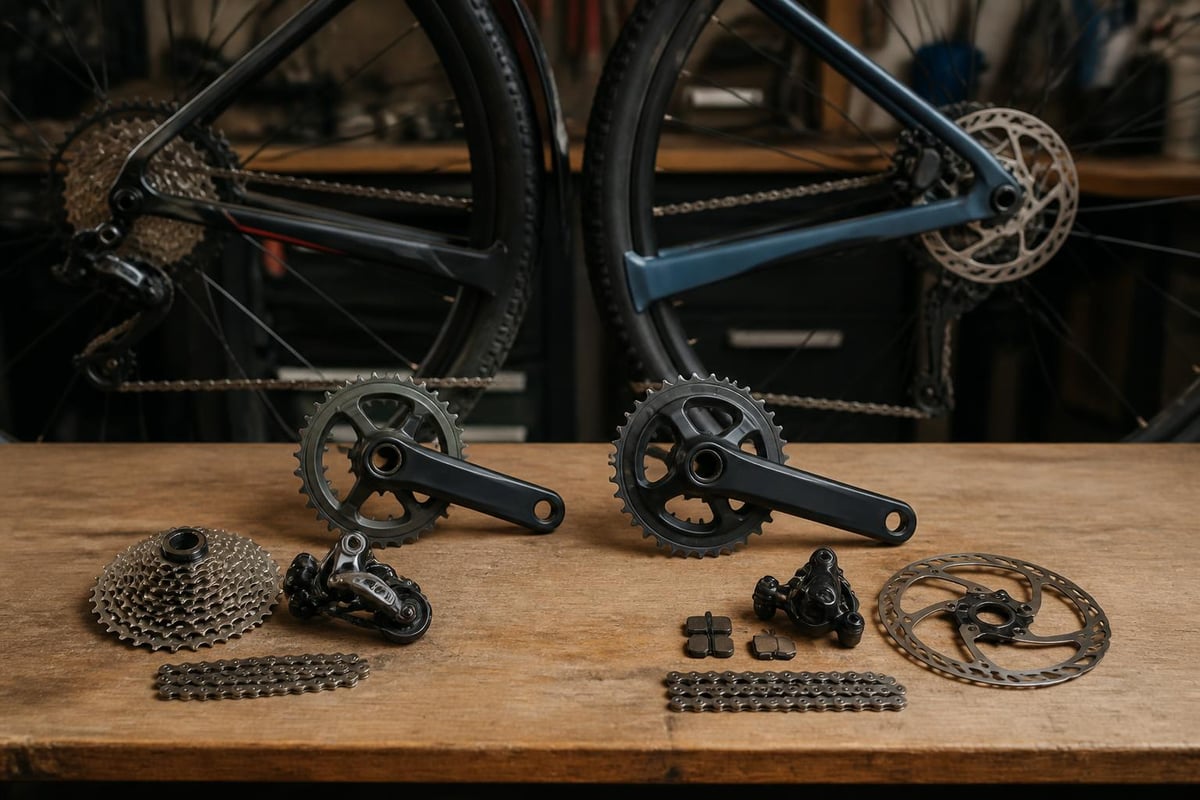
Component selection significantly impacts both price and performance. Cheap bikes typically feature entry-level drivetrains, brakes, and wheels. Understanding which components matter most helps you prioritize your budget effectively.
Drivetrain Quality
The drivetrain includes your gears, chain, derailleurs, and shifters. Entry-level options from established manufacturers like Shimano Tourney or microSHIFT provide reliable performance for recreational riding.
Avoid unbranded components that appear on the cheapest bicycles. These often fail prematurely, requiring expensive replacements that negate initial savings. Choosing cheap bikes without sacrificing quality means investing in recognized component brands.
Braking Systems
Braking technology represents a critical safety consideration:
- Rim brakes (V-brakes or caliper brakes): Affordable, easy to maintain, adequate for most conditions
- Mechanical disc brakes: Better wet-weather performance, more stopping power, slightly higher maintenance
- Hydraulic disc brakes: Rarely found on cheap bikes, superior performance but complex servicing
For Indian conditions with varying weather and road quality, mechanical disc brakes offer the best value in the budget segment. They provide reliable stopping power during monsoon season without the premium cost of hydraulic systems.
Wheel and Tire Specifications
Wheels endure constant stress from road conditions, rider weight, and braking forces. Budget wheels often use lower spoke counts and basic hubs, which function adequately for moderate use.
Double-walled rims represent the minimum standard for durability. Single-wall rims, common on the cheapest bikes, dent easily and require frequent truing. This specification alone can determine whether a cheap bike lasts one year or five.
Tire Quality and Versatility
Tires directly affect ride comfort, grip, and puncture resistance. Many cheap bikes ship with basic tires that wear quickly or puncture easily on Indian roads.
Budget approximately ₹1,500-₹2,500 for quality tire upgrades if the included tires prove inadequate. This investment dramatically improves the riding experience and reduces maintenance frustrations.
| Component | Budget Option | Better Choice | Investment |
|---|---|---|---|
| Tires | Basic rubber, thin tread | Puncture-resistant, quality tread | ₹1,500-₹2,500 |
| Tubes | Standard butyl | Self-sealing or thicker butyl | ₹400-₹800 |
| Rim tape | Plastic strip | Proper cloth tape | ₹200-₹400 |
Electric Bike Considerations
The budget e-bike segment has expanded rapidly, with options now available under ₹40,000. Understanding whether budget e-bikes are worth the investment requires evaluating battery capacity, motor quality, and overall build.
Cheap electric bikes make compromises in battery range, motor power, or frame quality. Some models like the Engwe Zip demonstrate that affordable e-bikes can deliver value for specific use cases, particularly urban commuting over short distances.
Battery and Motor Specifications
Entry-level e-bikes typically feature:
- 250W hub motors (adequate for flat terrain)
- 7-10Ah batteries (20-30km range)
- Basic controllers (limited power management)
These specifications work for city commuting but struggle on hills or longer rides. Consider your actual usage patterns before choosing an electric option over a quality traditional bicycle at the same price.
New Versus Used: Maximizing Your Budget
The used bicycle market offers another avenue for accessing quality bikes at budget prices. Well-maintained bikes from reputable brands often outperform new cheap bikes in the same price range.
When evaluating used options:
- Inspect frame for cracks, dents, or signs of crashes
- Check component wear, especially chain, cassette, and brake pads
- Test ride to identify mechanical issues
- Verify the bike hasn't been stolen
- Budget for immediate servicing and minor repairs
Assessing used mountain bikes requires additional attention to suspension components and wheel condition, as these experience greater stress than road bikes.
Essential Accessories for Budget Bikes
Cheap bikes rarely include necessary accessories, which can add ₹3,000-₹7,000 to your total investment. Planning for these expenses from the beginning prevents budget surprises.
Safety Equipment:
- Quality helmet (₹1,500-₹3,500)
- Front and rear lights (₹800-₹2,000)
- Reflectors and visibility gear (₹300-₹800)
For riders just starting their cycling journey, exploring essential cycling accessories for beginners provides comprehensive guidance on must-have items. These accessories enhance both safety and comfort, making every ride more enjoyable regardless of your bike's price point.
Maintenance Tools:
- Basic multi-tool (₹400-₹1,000)
- Pump with pressure gauge (₹500-₹1,200)
- Spare tubes and tire levers (₹400-₹800)
- Chain lubricant (₹200-₹400)
Red Flags When Shopping for Cheap Bikes
Certain warning signs indicate a bicycle won't provide satisfactory performance or longevity, regardless of price. Recognizing these red flags protects you from poor investments.
Manufacturing and Assembly Issues
Examine these critical areas:
- Weld quality: Look for smooth, consistent welds without gaps or excessive material
- Paint finish: Professional painting suggests quality control; poor finishing often indicates rushed production
- Component alignment: Wheels should spin true, brakes should align properly, and gears should shift smoothly
- Assembly quality: Check that all bolts are properly tightened and components correctly installed
Many cheap bikes arrive partially assembled. Poor assembly causes immediate problems and potential safety hazards. If purchasing online, budget for professional assembly at a local bike shop (₹500-₹1,500).
Unrealistic Marketing Claims
Marketing language sometimes promises performance that budget components cannot deliver. Claims about "professional racing quality" or "advanced technology" on bikes under ₹15,000 typically indicate exaggerated advertising.
Focus on concrete specifications rather than marketing superlatives. Compare component groups, frame materials, and weight specifications across multiple models.
Sizing and Fit: The Most Important Factor
The perfect cheap bike in the wrong size becomes an uncomfortable, inefficient machine. Proper sizing impacts everything from comfort to power transfer to injury prevention.
How to Determine Correct Size
Most manufacturers provide size charts based on rider height, but individual proportions vary. For the most accurate fit:
- Measure your inseam (floor to crotch)
- Use manufacturer-specific geometry charts
- Test ride when possible
- Ensure comfortable standover clearance (2-3 inches for road bikes, 3-4 inches for mountain bikes)
- Verify reach to handlebars feels natural
Bikes with adjustable components (seat height, handlebar position) offer greater fit flexibility, particularly valuable if multiple family members will use the bicycle.
| Rider Height | Frame Size (MTB) | Frame Size (Road) | Standover Clearance |
|---|---|---|---|
| 4'10"-5'2" | 13"-15" (XS-S) | 47-50cm | 2-3" |
| 5'2"-5'6" | 15"-17" (S-M) | 50-54cm | 2-3" |
| 5'6"-5'10" | 17"-19" (M-L) | 54-57cm | 2-3" |
| 5'10"-6'1" | 19"-21" (L-XL) | 57-60cm | 2-3" |
| 6'1"-6'4" | 21"-23" (XL-XXL) | 60-63cm | 2-3" |
Maintenance Requirements and Long-Term Costs
Cheap bikes often require more frequent maintenance than premium bicycles. Understanding these ongoing costs helps you budget realistically and maintain your investment properly.
Regular Maintenance Schedule
Establish a maintenance routine based on usage frequency:
Monthly (for regular riders):
- Clean and lubricate chain
- Check tire pressure and condition
- Inspect brake pads and adjustment
- Verify all bolts remain tight
Quarterly:
- Deep clean entire bike
- Check wheel trueness
- Inspect cables and housing
- Clean and adjust derailleurs
Annually:
- Replace chain (before it damages cassette)
- Service or replace brake pads
- Check bearing condition in hubs and bottom bracket
- Professional tune-up (₹1,000-₹2,500)
Budget approximately ₹3,000-₹5,000 annually for maintenance on cheap bikes ridden regularly. Preventive maintenance costs far less than replacing worn components or repairing damage from neglect.
Where to Buy Budget Bikes in India
Purchase location significantly impacts both initial cost and long-term support. Each channel offers distinct advantages and disadvantages.
Local Bike Shops
Independent bicycle retailers provide personalized service, professional assembly, and ongoing support. Prices may run 10-15% higher than online options, but the included services often justify the premium.
Benefits include:
- Expert fitting and sizing assistance
- Professional assembly and initial tune-up
- Warranty support and future servicing
- Relationship building for maintenance needs
Online Retailers
E-commerce platforms offer competitive pricing and wider selection. However, assembly becomes your responsibility, and warranty support may prove challenging.
For riders exploring bicycle purchasing options, online shopping provides price transparency and extensive comparison opportunities. Just factor in assembly costs and potential return complications.
Direct-to-Consumer Brands
Some manufacturers sell directly to consumers, eliminating distributor markups. These brands often deliver better value at specific price points but require careful research into reliability and support.
Making the Final Decision
After researching specifications, comparing models, and establishing your budget, the final decision combines objective criteria with subjective preferences.
Decision-Making Framework
Prioritize factors based on your primary use case:
For commuting:
- Durability and low maintenance
- Comfortable geometry
- Fender and rack compatibility
- Reliable braking in wet conditions
For fitness and recreation:
- Lightweight frame
- Efficient drivetrain
- Comfortable saddle and grips
- Responsive handling
For mixed use:
- Versatile tire clearance
- Multiple mounting points
- Balanced geometry
- Upgradeable components
Test rides reveal information that specifications cannot convey. Even comparing cheap bikes from the same manufacturer shows noticeable differences in ride quality and handling.
Brand Reputation and Warranty Support
Established bicycle brands typically offer better warranty coverage and component quality than unknown manufacturers. While generic brands sometimes provide adequate performance, support becomes problematic when issues arise.
Research brand reputation through:
- Online reviews from verified purchasers
- Cycling community forums and groups
- Local bike shop recommendations
- Warranty terms and claim processes
A comprehensive warranty covering frame defects for 2-5 years and components for 6-12 months indicates manufacturer confidence in their product. Limited or unclear warranty terms suggest potential quality concerns.
Understanding your complete cycling needs extends beyond just the bicycle itself. Comprehensive guides on cycling equipment in India help you plan for apparel, safety gear, and accessories that complement your new bike.
Purchasing cheap bikes successfully requires balancing price constraints with quality requirements, understanding which compromises prove acceptable, and recognizing which features remain essential for safety and enjoyment. By focusing on frame quality, reputable components, proper sizing, and realistic expectations, you can find budget-friendly bicycles that deliver years of reliable service. Whether you're starting your cycling journey or seeking affordable transportation, Cycling Gears Hub supports Indian cyclists with quality products, expert guidance, and the accessories you need to maximize your riding experience.