

Commuting cycling has transformed from a niche transportation choice into a mainstream movement across Indian cities in 2026. With urban traffic congestion reaching unprecedented levels and environmental consciousness growing among professionals, more people are discovering that cycling to work offers a practical solution to multiple challenges. Whether you're considering your first bike commute or looking to optimize your existing routine, understanding the essential aspects of commuting cycling can make the difference between a stressful journey and an energizing start to your day.
Why Commuting Cycling Makes Sense in 2026
The decision to cycle to work brings immediate and long-term advantages that extend beyond simple transportation. Research consistently shows that bike commuters experience significant health benefits including reduced risk of chronic diseases, improved cardiovascular fitness, and enhanced mental well-being.
Financial savings represent one of the most compelling reasons to start commuting cycling. Consider these numbers:
- Zero fuel costs throughout the year
- Minimal maintenance expenses compared to vehicles
- No parking fees in most locations
- Reduced insurance and registration costs
- Lower overall transportation budget by 60-80%
Time efficiency often surprises new bike commuters. In congested urban areas, cycling frequently proves faster than driving, especially during peak hours when traffic crawls at a snail's pace. You bypass gridlock, avoid parking searches, and arrive at predictable times regardless of road conditions.

Environmental Impact and Urban Mobility
Beyond personal benefits, commuting cycling contributes to cleaner air and reduced carbon emissions. Each bike commute eliminates approximately 2-3 kilograms of CO2 emissions compared to driving the same distance. Over a year, that impact compounds significantly.
Indian cities are increasingly recognizing this potential. Dedicated cycling infrastructure, bike-sharing programs, and workplace facilities for cyclists have expanded dramatically. Nine compelling reasons make bike commuting surprisingly brilliant for both individuals and communities.
Choosing the Right Bike for Your Commute
Your bike selection fundamentally shapes your commuting cycling experience. The ideal commute bike balances comfort, durability, and practicality for your specific route and conditions.
Types of Commuter Bikes
| Bike Type | Best For | Key Features | Price Range (INR) |
|---|---|---|---|
| Hybrid | Mixed terrain, versatile riding | Upright position, moderate tires | 15,000-40,000 |
| Road | Paved routes, speed priority | Lightweight, narrow tires | 25,000-80,000 |
| Mountain | Rough roads, off-road sections | Suspension, wide tires | 18,000-60,000 |
| Folding | Multi-modal commutes, storage | Compact, portable | 12,000-45,000 |
Hybrid bikes dominate the commuting cycling market because they handle Indian road conditions exceptionally well. Their upright riding position reduces strain during longer commutes, while their tire width provides stability on uneven surfaces.
Essential bike features for daily commuting include:
- Fenders to protect against road spray
- Rack mounts for carrying cargo
- Reliable braking system (disc brakes preferred)
- Puncture-resistant tires
- Multiple gears for varied terrain
- Reflective elements for visibility
Comprehensive guides on commuting by bike emphasize that your bike should match your route characteristics, storage options, and personal comfort preferences.
Essential Gear and Accessories
Successful commuting cycling requires more than just a quality bike. The right accessories enhance safety, comfort, and convenience throughout your journey.
Safety Equipment
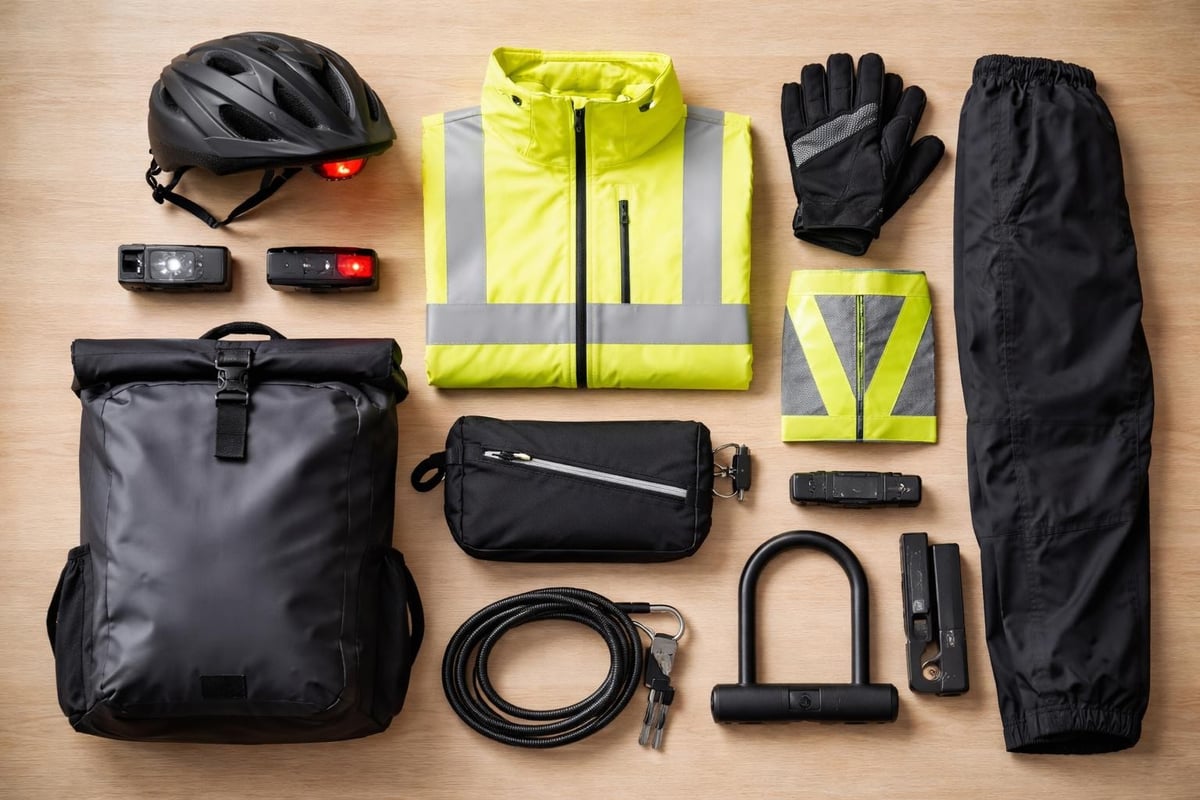
Helmet selection deserves careful attention. Look for models with CPSC or EN 1078 certification, adequate ventilation, and adjustable fit systems. Whether you're exploring options for the best helmet for bike riders or comparing features, prioritize safety over aesthetics.
Lighting systems are non-negotiable for commuting cycling. Front lights should produce at least 200 lumens for visibility, while rear lights need brightness and multiple flashing modes. Many cyclists invest in rechargeable USB lights that eliminate battery replacement hassles.
Reflective gear multiplies your visibility in low-light conditions:
- Reflective vests or straps
- Ankle bands that move with pedaling
- Bike frame reflective tape
- Reflective elements on bags and clothing
Carrying Solutions
Most commuters need to transport items daily. Selecting appropriate cycling backpacks involves evaluating waterproofing, weight distribution, and capacity. Panniers offer an alternative that keeps weight off your back, improving comfort on longer rides.
Consider these carrying options:
- Backpacks: 15-25 liter capacity, ergonomic straps, laptop compartment
- Panniers: Waterproof, 20-40 liter total, quick-release mounting
- Frame bags: Small items, tools, snacks within easy reach
- Handlebar bags: Maps, phone, immediate access items
Weather Protection
Indian weather presents unique challenges for commuting cycling. Monsoon seasons demand waterproof solutions, while summer heat requires breathable fabrics and sun protection.
Weather-resistant commuter cycling jackets combine waterproofing with breathability, preventing both rain penetration and sweat buildup. Look for jackets with:
- Sealed seams and waterproof zippers
- Ventilation panels under arms
- Reflective details for visibility
- Packable design for storage when not needed
Cycling Gears Hub understands these diverse needs, which is why they offer Cycling Gears Hub - Premium Cycling Gear & Accessories designed specifically for Indian riding conditions, from protective helmets and high-visibility lights to weather-resistant apparel and practical carrying solutions that make every commute safer and more comfortable.

Route Planning and Navigation
Strategic route selection transforms commuting cycling from stressful to enjoyable. The shortest route rarely provides the best cycling experience when it involves heavy traffic or poor road surfaces.
Finding Your Ideal Route
Planning your bike route to work requires balancing distance, safety, and pleasantness. Modern mapping tools offer cycling-specific routes that prioritize bike lanes and quieter streets.
Route evaluation criteria include:
- Traffic volume and speed
- Road surface quality
- Availability of bike lanes or wide shoulders
- Number of intersections and traffic signals
- Elevation changes and steep grades
- Lighting conditions for early/late rides
Test potential routes on weekends before committing to them during rush hour. What seems perfect on paper might reveal challenges in practice.
Navigation Tools and Apps
Digital navigation has revolutionized commuting cycling. GPS-enabled smartphone apps provide turn-by-turn directions while tracking your rides, progress, and fitness metrics. Popular options include Google Maps (cycling mode), Strava, and Komoot.
Mount your phone securely on handlebars using a weatherproof case. Alternatively, basic bike computers offer navigation without draining your phone battery.
Weather Adaptation Strategies
Year-round commuting cycling demands adaptation to seasonal changes. Indian climate variations require different approaches across regions and months.
Monsoon Season Riding
Rainy commutes challenge even experienced cyclists, but proper preparation makes them manageable. Strategies to commute-proof your bike ensure reliability regardless of conditions.
Rain-ready modifications include:
- Full-coverage fenders front and rear
- Waterproof panniers or bag covers
- Chain lubrication suitable for wet conditions
- Brake pad inspection and replacement
- Tire tread depth verification
Visibility decreases dramatically in rain. Double your lighting power and wear bright, reflective clothing that stands out against gray skies.
Summer Heat Management
Hot weather commuting cycling requires hydration planning and strategic timing. Start rides early when temperatures remain moderate, or adjust work hours if possible to avoid peak heat.
Clothing choices matter significantly:
| Feature | Summer Requirement | Product Type |
|---|---|---|
| Fabric | Moisture-wicking, breathable | Technical cycling jerseys |
| Color | Light colors reflect heat | White, light gray, pale blue |
| Fit | Loose enough for airflow | Relaxed fit or club cut |
| Coverage | Sun protection on arms | Long sleeve with ventilation |
Carry more water than you think necessary. A 750ml bottle suffices for short commutes, but rides exceeding 30 minutes demand additional hydration.
Cold Weather Considerations
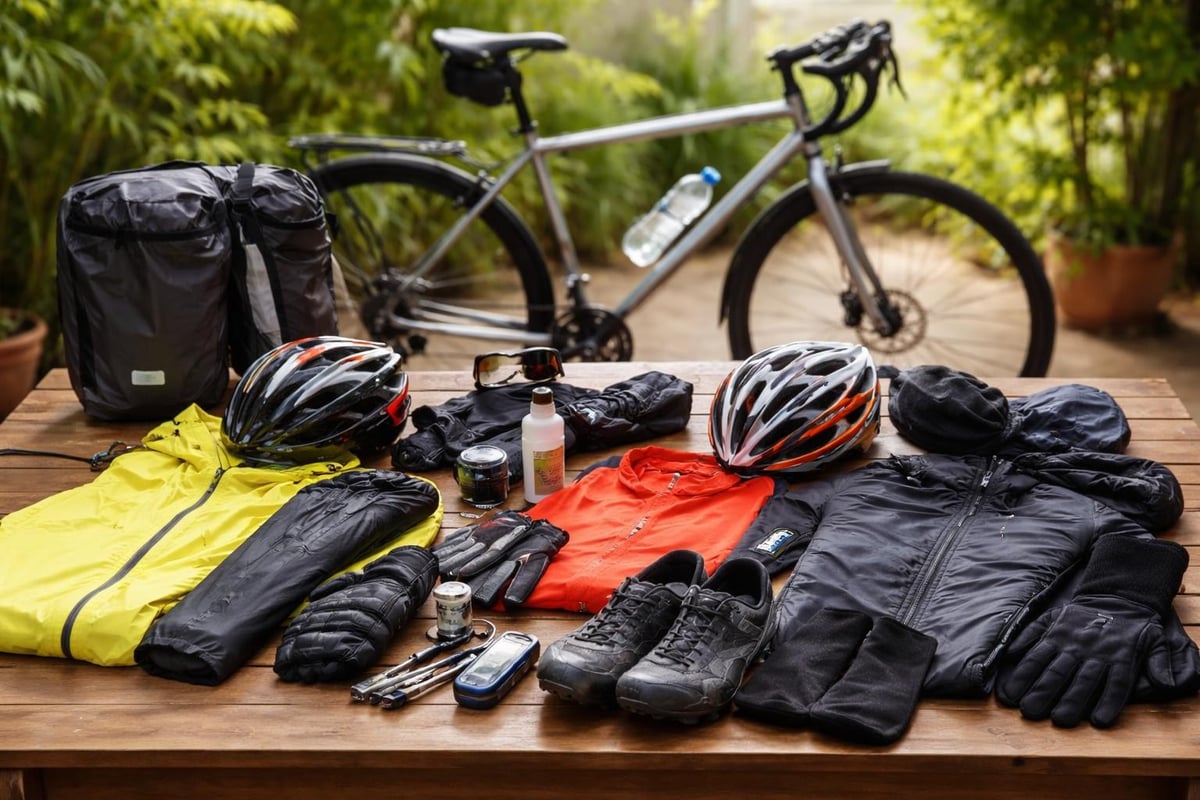
While most Indian regions experience mild winters, early morning rides can feel surprisingly cold. Layering provides temperature flexibility as your body warms during the ride.
The three-layer system works effectively:
- Base layer: Moisture-wicking material against skin
- Insulation layer: Thermal jersey or light fleece
- Outer layer: Wind-resistant, water-repellent jacket
Tips for enjoying cycling through gloomy months emphasize that appropriate gear transforms potentially miserable rides into pleasant experiences.
Maintenance and Mechanical Skills
Regular maintenance keeps your commuting cycling reliable and prevents inconvenient breakdowns. Developing basic mechanical skills saves time and money while building confidence.
Weekly Maintenance Checklist
Dedicate 15 minutes weekly to these essential checks:
- Tire pressure verification and inflation
- Brake pad wear inspection
- Chain cleaning and lubrication
- Bolt tightness on critical components
- Light functionality testing
- Gear shifting smoothness
Chain maintenance deserves special attention since chains accumulate road grime quickly. Clean chains every 200-300 kilometers using a degreaser, then apply appropriate lubricant for your riding conditions.
Essential Roadside Repairs
Even well-maintained bikes occasionally experience mechanical issues. Carrying basic tools and knowing fundamental repairs prevents minor problems from ending your commute.
Minimum tool kit contents:
- Multi-tool with hex keys and screwdrivers
- Spare inner tube (correct size)
- Tire levers (2-3 pieces)
- Portable pump or CO2 inflator
- Patch kit for emergencies
- Chain quick-link
Practice changing a flat tire at home before facing the situation on a busy roadside. The process becomes straightforward with familiarity but seems impossible during your first attempt under pressure.
Safety and Traffic Navigation
Commuting cycling in mixed traffic requires defensive riding techniques and heightened awareness. Understanding traffic patterns and driver behavior keeps you safe while maintaining efficient progress.
Defensive Riding Principles
Assume invisibility until proven otherwise. Many accidents occur because drivers simply don't see cyclists, even in plain view. Position yourself predictably, signal intentions clearly, and make eye contact when possible.
Lane positioning strategies vary by situation:
- Primary position (center of lane) when claiming space or preventing unsafe passing
- Secondary position (meter from curb) for normal riding on wide roads
- Taking the lane completely at intersections to prevent right-hook collisions
- Moving right only when safe and practical
Never ride in the door zone alongside parked cars. Maintain at least one meter clearance from parked vehicles to avoid sudden door openings.
Intersection Techniques
Intersections concentrate risk in commuting cycling. Slow down, assess all approaching vehicles, and proceed only when genuinely safe.
Right turns (in Indian left-hand traffic) require special caution. Position yourself clearly, signal early, and verify that vehicles behind recognize your intention before turning.
Building Your Commuting Cycling Routine
Transitioning to bike commuting succeeds when approached gradually. Practical tips for cycling to work recommend starting with one or two days weekly rather than immediately committing to daily rides.
Workplace Preparation
Investigate your workplace facilities before starting commuting cycling. Some offices provide secure bike parking, showers, and changing rooms, while others offer minimal support.
Solutions for limited facilities include:
- Portable hygiene wipes for quick freshening
- Keeping work clothes and shoes at office
- Arriving slightly early for cleanup time
- Choosing less intense pace to minimize sweating
- Using dry shampoo and deodorant
Transport bulky items separately rather than carrying everything daily. Monday car trips can deliver a week's worth of clothes, with the bike handling only daily essentials.
Motivation and Consistency
Weather fluctuations, fatigue, and competing priorities challenge your commuting cycling commitment. Establishing systems and setting realistic expectations helps maintain consistency.
Track your progress to visualize achievements. Apps record distance, frequency, calories burned, and money saved. Watching these numbers grow provides motivation during low-energy periods.
Connect with other bike commuters for encouragement and practical advice. Online forums, local cycling groups, and workplace cycling clubs offer community support and shared experiences.
Managing Sweat and Professional Appearance
Professional environments demand presentable appearances, which seems incompatible with physical exertion. Smart strategies bridge this gap, making commuting cycling viable for office professionals.
Pre-Planning Solutions
Choose clothing that tolerates minor wrinkling and packs efficiently. Merino wool shirts, wrinkle-resistant trousers, and quality synthetic blends maintain professional appearance despite being transported in bags.
The dress-at-work approach eliminates most concerns:
- Transport one week of outfits on Monday
- Keep toiletries and spare clothes at office
- Arrive 20-30 minutes early for transition
- Change and freshen in restroom or changing facility
- Start work fully prepared and professional
Some cyclists maintain complete duplicate toiletry sets at work, eliminating the need to pack these items daily.
Pace Management
Riding intensity directly correlates with perspiration. Slower commuting cycling at conversational pace generates minimal sweat, especially during cooler months or early mornings.
Calculate extra travel time and enjoy a leisurely ride rather than racing to arrive quickly. The stress reduction and pleasant start to your day outweigh any time saved through intense effort.
Cost Analysis and Financial Benefits
Commuting cycling delivers measurable financial advantages that compound over time. Calculating actual savings provides concrete justification for the initial equipment investment.
Initial Investment Breakdown
| Item Category | Budget Option (INR) | Premium Option (INR) |
|---|---|---|
| Commuter Bike | 15,000 | 45,000 |
| Helmet | 1,500 | 4,500 |
| Lights (front/rear) | 1,000 | 3,500 |
| Lock | 800 | 2,500 |
| Fenders/Rack | 1,200 | 3,000 |
| Bag/Panniers | 1,500 | 5,000 |
| Total | 21,000 | 63,500 |
Even premium setups cost less than six months of fuel for typical commutes. Budget-conscious cyclists achieve full functionality at lower price points by exploring essential cycling accessories for beginners.
Ongoing Savings Calculation
Consider a 10-kilometer round-trip commute, five days weekly:
Annual car costs: Fuel (₹52,000) + parking (₹18,000) + maintenance (₹15,000) = ₹85,000
Annual cycling costs: Maintenance (₹3,000) + occasional repairs (₹2,000) = ₹5,000
Net annual savings: ₹80,000
These numbers improve further when factoring avoided gym memberships, reduced healthcare costs from improved fitness, and extended vehicle lifespan.
Commuting cycling offers Indian professionals a practical path toward healthier lifestyles, reduced expenses, and environmental responsibility while navigating increasingly congested urban environments. Whether you need guidance on cycling equipment essentials or complete setup solutions, Cycling Gears Hub provides trusted products and expert advice backed by a community of over 10,000 cyclists, ensuring you start your commuting journey with confidence and continue riding comfortably for years ahead.