

Cycling has evolved from a simple mode of transportation into a powerful fitness tool and competitive sport that offers men unique physical and mental health benefits. Whether you're considering taking up cycling for cardiovascular fitness, weight management, muscle development, or stress relief, understanding the specific advantages and requirements of a cycle for men can help you maximize your investment in this rewarding activity. From selecting the right equipment to developing effective training strategies, men face specific considerations that can significantly impact their cycling experience and overall results.
Health Benefits of Cycling for Male Riders
The physiological advantages of cycling make it particularly effective for men's fitness goals. Cycling provides a low-impact cardiovascular workout that strengthens the heart while minimizing stress on joints, making it sustainable for long-term fitness.
Cardiovascular and Metabolic Improvements
Regular cycling sessions dramatically improve heart health and metabolic function. Studies show that men who cycle regularly experience reduced risks of cardiovascular disease and improved overall health markers, making it an excellent choice for preventative health care. The aerobic nature of cycling increases oxygen consumption, strengthens cardiac muscle, and improves circulation throughout the body.
Key cardiovascular benefits include:
- Enhanced heart efficiency and reduced resting heart rate
- Improved blood pressure regulation
- Better cholesterol profile with increased HDL levels
- Reduced risk of type 2 diabetes through improved insulin sensitivity
- Enhanced lung capacity and respiratory function
Muscle Development and Strength Building
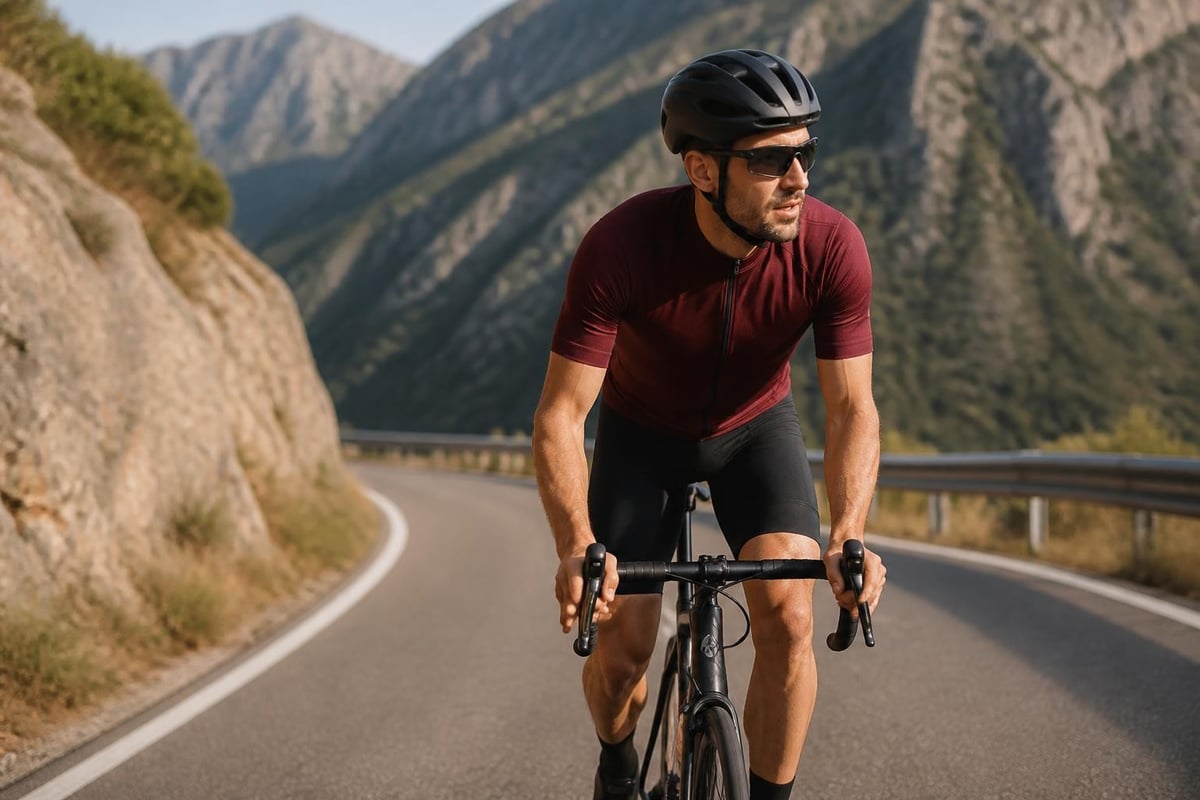
A cycle for men serves as an excellent tool for building lower body strength and muscular endurance. The repetitive pedaling motion engages multiple muscle groups simultaneously, creating a comprehensive lower-body workout that develops power and stamina.
The primary muscles engaged during cycling include the quadriceps, hamstrings, glutes, and calves. However, proper cycling form also activates core muscles for stability and upper body muscles for control and posture maintenance. This full-body engagement makes cycling more comprehensive than many realize.
| Muscle Group | Primary Function | Development Benefit |
|---|---|---|
| Quadriceps | Downward pedal stroke | Power and speed generation |
| Hamstrings | Upward pedal pull | Balance and injury prevention |
| Glutes | Hip extension | Climbing power and endurance |
| Calves | Ankle stabilization | Pedaling efficiency |
| Core | Torso stability | Power transfer and posture |
Training Strategies for Male Cyclists
Developing an effective training program requires understanding your fitness level, goals, and available time. Men often benefit from structured approaches that balance intensity, volume, and recovery.
Structured Training Plans
Customized training programs help male cyclists achieve specific performance goals, whether preparing for an event or simply improving general fitness. These plans typically incorporate varying intensities across different training days to optimize adaptation while preventing overtraining.
A well-designed cycle for men training program includes:
- Base building phase focusing on aerobic endurance through longer, moderate-intensity rides
- Intensity phase incorporating interval training and threshold work
- Peak phase combining high-intensity efforts with adequate recovery
- Recovery phase allowing physiological adaptation and preventing burnout
Indoor Cycling and Virtual Training
Indoor training has revolutionized how men approach cycling fitness, especially during inclement weather or time-constrained schedules. Modern indoor cycling platforms offer comprehensive training solutions that simulate outdoor conditions while providing structured workouts and performance tracking.
The advantages of indoor cycling for men include controlled environmental conditions, precise power measurement, and the ability to execute specific training protocols without interruption. Virtual training platforms like Zwift and TrainerRoad provide different approaches to indoor training, with some emphasizing gamification and social riding while others focus on structured intervals and performance analytics.
Indoor training benefits:
- Consistent training regardless of weather conditions
- Precise control over workout intensity and duration
- Real-time performance data and immediate feedback
- Reduced time commitment through elimination of transit to riding locations
- Enhanced safety compared to road cycling in traffic
Essential Gear and Equipment Considerations
Selecting appropriate equipment significantly impacts both performance and enjoyment when establishing a cycle for men routine. Quality gear enhances comfort, safety, and efficiency while reducing the risk of injury.
Bike Selection and Fit
The foundation of any cycling program starts with choosing the right bicycle type and ensuring proper fit. Men's anatomical considerations require specific attention to saddle selection, handlebar positioning, and frame geometry.
Road bikes offer speed and efficiency for pavement riding, mountain bikes provide versatility for off-road adventures, and hybrid bikes balance comfort with performance for mixed-use cycling. Each bike type serves different purposes and matches different riding styles and goals. When starting your cycling journey, investing in essential accessories enhances both safety and comfort.
Critical Accessories and Apparel
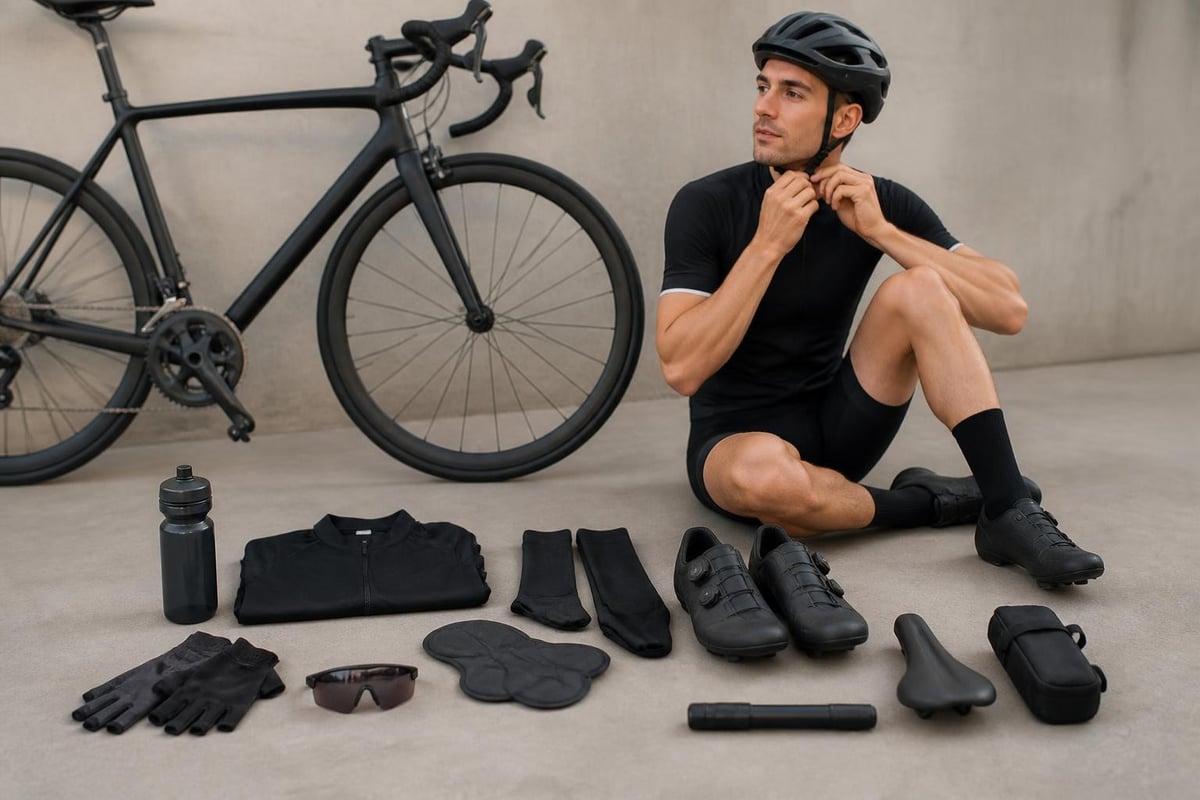
Beyond the bicycle itself, specific accessories dramatically improve the cycling experience for men. Cycling Gears Hub offers comprehensive solutions for cyclists at every level, from beginners seeking foundational equipment to experienced riders upgrading performance gear. Their selection includes helmets engineered for safety, gloves designed for grip and comfort, jerseys with moisture-wicking properties, and sunglasses providing UV protection and enhanced visibility.

Proper cycling apparel serves functional purposes beyond aesthetics:
- Padded shorts reduce friction and provide cushioning for extended rides
- Moisture-wicking jerseys regulate body temperature and prevent chafing
- Cycling-specific shoes improve power transfer and pedaling efficiency
- Quality gloves absorb vibration and protect hands during falls
- Performance sunglasses shield eyes from UV rays, wind, and debris
Health Considerations Specific to Male Cyclists
While cycling offers tremendous health benefits, men should be aware of specific health considerations related to prolonged time in the saddle. Understanding these factors enables proactive management and prevention.
Reproductive and Prostate Health
One concern frequently raised involves the potential impact of cycling on male sexual and reproductive health. Research indicates that proper bike fit and saddle selection significantly influence outcomes, with well-fitted equipment reducing risks associated with prolonged pressure on sensitive areas.
Men should prioritize saddles designed with cutouts or channels that reduce perineal pressure. Regular position changes during rides and standing periodically on the pedals also help maintain circulation. Additionally, prostate health awareness remains important for male cyclists, particularly those over 50, though research shows cycling itself does not inherently increase prostate cancer risk.
Nutrition and Hormonal Balance
Proper nutrition supports training adaptations and overall health for male cyclists. Energy availability particularly matters during high-volume training periods, as insufficient caloric intake can negatively impact testosterone levels and recovery capacity.
Men pursuing serious cycling training should consider nutritional factors that support hormonal health. Research on dietary fat intake and testosterone levels suggests maintaining adequate healthy fat consumption rather than extremely low-fat diets, which may compromise hormone production and athletic performance.
Optimizing Training Efficiency and Performance
Modern approaches to cycle for men training emphasize quality over quantity, recognizing that time-efficient workouts can produce significant results when properly structured.
High-Quality, Low-Volume Training
The traditional approach of maximizing training volume has given way to more nuanced strategies that prioritize consistent, high-quality sessions. This approach particularly benefits men with demanding professional and personal schedules who cannot dedicate extensive hours to training.
Focused interval sessions, threshold work, and strategic recovery periods can produce remarkable fitness gains in considerably less time than traditional high-volume approaches. Even short 10-minute daily sessions can significantly boost cardiovascular fitness and muscular endurance when performed consistently.
Performance Tracking and Metrics
Data-driven training allows male cyclists to optimize their efforts and track progress objectively. Modern cycling computers and power meters provide detailed insights into performance metrics that guide training decisions.
Key performance indicators for male cyclists:
| Metric | Purpose | Training Application |
|---|---|---|
| Power Output (watts) | Measures actual work performed | Ensures consistent training intensity |
| Heart Rate | Monitors cardiovascular response | Tracks fitness improvements over time |
| Cadence (RPM) | Pedaling speed measurement | Optimizes efficiency and reduces fatigue |
| Training Stress Score | Quantifies workout difficulty | Balances training load and recovery |
| Functional Threshold Power | Sustainable power baseline | Sets training zones and tracks progress |
Environmental and Infrastructure Considerations
The built environment significantly influences cycling experiences and safety for male riders. Understanding these factors helps optimize route selection and advocacy efforts. Research on how urban planning affects cycling demonstrates that infrastructure quality directly impacts rider safety, enjoyment, and participation rates.
Route Planning and Safety
Strategic route selection enhances both safety and enjoyment for men pursuing cycling fitness. Dedicated bike lanes, lower-traffic roads, and well-maintained surfaces reduce risk while making rides more pleasant and consistent.
Exploring various cycling accessories available in India can enhance safety through lights, reflective gear, and communication devices. Safety equipment becomes particularly critical when riding in mixed traffic or low-visibility conditions.
Building Long-Term Cycling Habits
Sustainable fitness results from consistency rather than sporadic intense efforts. Establishing a cycle for men routine that integrates seamlessly into daily life increases adherence and long-term success.
Goal Setting and Progression
Establishing clear, measurable goals provides direction and motivation for male cyclists. Whether targeting a specific event, distance milestone, or fitness metric, well-defined objectives guide training decisions and maintain engagement.
Progressive overload principles apply to cycling just as they do to other forms of exercise. Gradually increasing duration, intensity, or frequency allows physiological adaptations while minimizing injury risk. Men should plan training progression over weeks and months rather than expecting immediate dramatic changes.
Effective goal-setting framework:
- Define specific, measurable objectives with clear timeframes
- Break larger goals into manageable intermediate milestones
- Track progress regularly through performance metrics or training logs
- Adjust plans based on results, recovery capacity, and life circumstances
- Celebrate achievements to maintain motivation and commitment
Social and Community Aspects
Group riding and cycling communities provide motivation, knowledge sharing, and social connection that enhance the overall experience. Many men find that riding with others increases accountability, introduces new routes and challenges, and makes training more enjoyable.
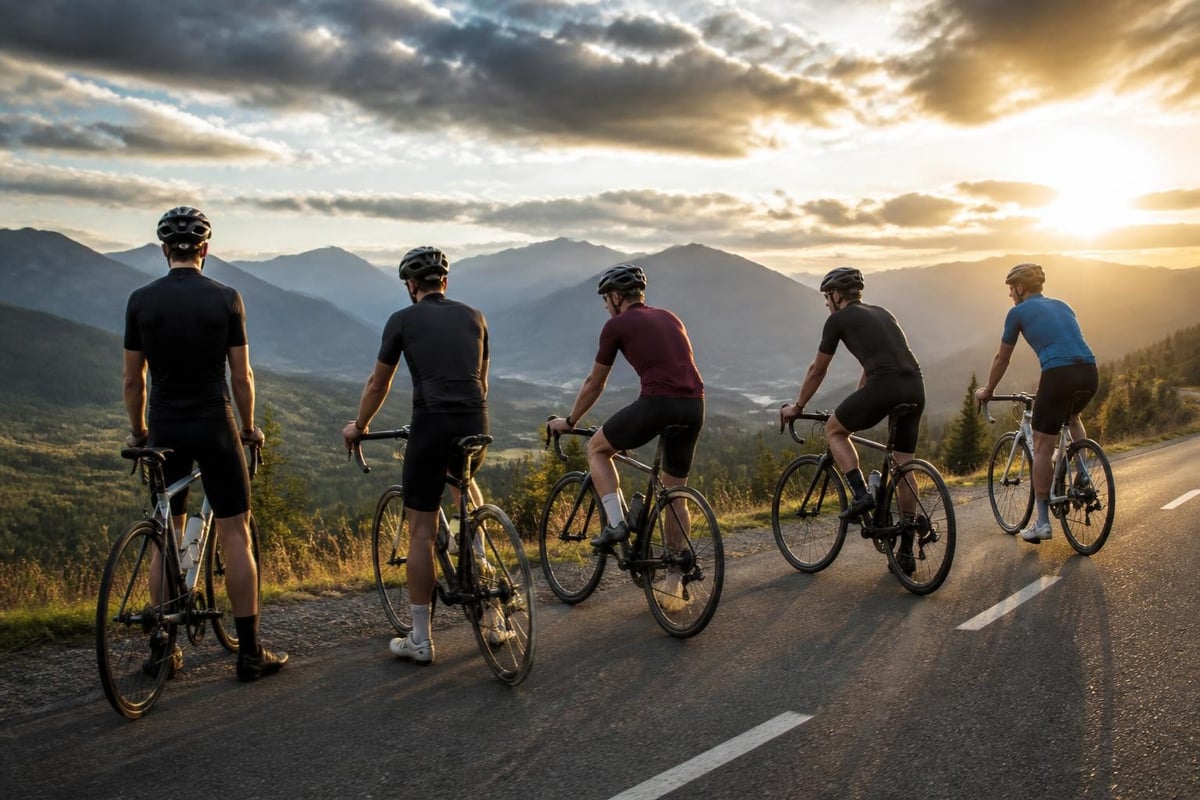
Local cycling clubs, online communities, and organized events create opportunities for men to connect with fellow riders, exchange tips, and participate in supported rides or races. These social elements often transform cycling from solitary exercise into a engaging lifestyle component.
Recovery and Injury Prevention
Adequate recovery distinguishes sustainable training programs from those leading to burnout or injury. Men should prioritize rest days, quality sleep, proper nutrition, and active recovery activities that support adaptation without excessive stress.
Common cycling injuries often result from overuse, poor bike fit, or inadequate strength in supporting muscle groups. Incorporating flexibility work, core strengthening, and addressing muscle imbalances reduces injury risk while improving overall performance. Understanding your body's signals and responding appropriately to fatigue or discomfort prevents minor issues from becoming serious problems.
Year-Round Training Considerations
Maintaining cycling fitness throughout the year requires adaptability to seasonal changes, varying weather conditions, and shifting personal schedules. Men committed to long-term cycling success benefit from planning annual training cycles that accommodate these variations.
During favorable weather months, outdoor riding takes priority with longer endurance rides, group events, and exploration of new routes. Winter or monsoon seasons may emphasize indoor training, strength development, and technique refinement. This periodized approach prevents monotony while ensuring continuous fitness development.
Cross-training activities complement cycling by addressing different movement patterns and muscle groups. Swimming, running, yoga, and strength training provide valuable variety while supporting cycling-specific fitness goals. Finding the right gear setup for different conditions and training phases optimizes comfort and performance year-round.
Establishing an effective cycle for men program requires attention to equipment selection, training structure, health considerations, and sustainable habits that support long-term participation. Whether pursuing competitive goals or simply seeking improved fitness and well-being, cycling offers men a versatile, engaging, and highly effective form of exercise. Cycling Gears Hub provides the comprehensive equipment, accessories, and expert guidance that Indian cyclists need to succeed, with fast shipping, flexible payment options, and hassle-free returns ensuring you have everything necessary to achieve your cycling goals.