

The cycling industry in India has experienced remarkable growth over the past few years, transforming from a niche market into a mainstream passion for millions of riders. Whether you're an established retailer or planning to open a cycle store, understanding the evolving landscape of cycling retail is essential for long-term success. From managing inventory efficiently to creating exceptional customer experiences, modern cycle stores must balance traditional retail values with innovative business strategies that meet the demands of today's informed consumers.
Understanding the Modern Cycle Store Landscape
The contemporary cycle store operates in a vastly different environment compared to shops from a decade ago. Today's customers arrive armed with research, specific requirements, and high expectations shaped by online shopping experiences. Independent bike shops are thriving by offering personalized services and community engagement, demonstrating that physical retail spaces still hold significant value when executed properly.
Market dynamics have shifted considerably, particularly following the pandemic-era cycling boom. While many retailers experienced unprecedented demand during 2020 and 2021, the subsequent market fluctuations have created new challenges that require adaptive strategies. Understanding these cycles helps store owners prepare for both peak seasons and slower periods.
Key Success Factors for Physical Retail
Operating a successful cycle store requires attention to multiple business dimensions simultaneously. Here are the critical elements that separate thriving shops from struggling ones:
- Expert staff knowledge across multiple cycling disciplines
- Strategic inventory management balancing variety with turnover
- Community engagement through events, rides, and workshops
- Service excellence including professional bike fitting and repairs
- Omnichannel presence integrating physical and digital touchpoints
Inventory Management Strategies for Cycle Stores
Effective inventory control represents one of the most challenging aspects of running a cycle store. Unlike many retail categories, cycling products span enormous price ranges, from budget accessories to premium performance equipment. Balancing stock levels requires sophisticated planning and ongoing adjustment.
Implementing cycle counting best practices helps maintain accurate inventory records without the disruption of complete physical counts. This approach divides inventory into categories, counting high-value or fast-moving items more frequently than slower products. For cycling retailers, this might mean counting bikes weekly while checking handlebar tape monthly.
Product Category Balance
Strategic cycle stores organize inventory across these essential categories:
| Category | Stock Depth | Turnover Priority | Margin Potential |
|---|---|---|---|
| Complete Bikes | Moderate | Medium | Low-Medium |
| Components & Parts | High | High | Medium-High |
| Apparel | High | Seasonal | High |
| Accessories | Very High | High | Very High |
| Safety Equipment | Moderate | Medium | Medium |
The accessories category deserves particular attention because these items often generate the highest margins while requiring less storage space than complete bicycles. Items covered in guides about essential cycling accessories for beginners typically include lights, locks, bottles, and basic maintenance tools that appeal to broad customer segments.
Seasonal planning proves crucial for cycle stores in India, where weather patterns significantly influence riding habits. Stocking lightweight, breathable apparel ahead of summer months and ensuring adequate inventory of rain gear before monsoon season demonstrates market awareness that customers appreciate.
Customer Service Excellence in Cycling Retail
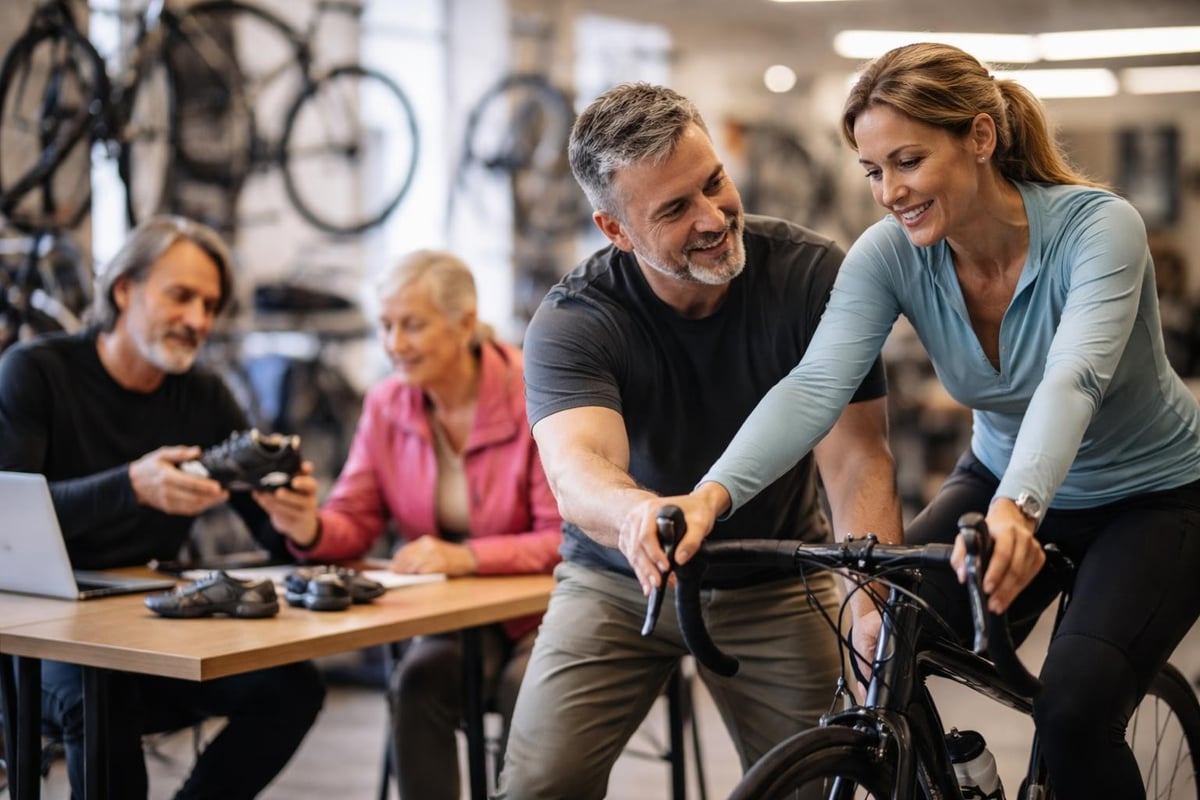
The human element separates exceptional cycle stores from mediocre ones. While online retailers compete primarily on price and convenience, physical stores win through expertise, personalization, and relationship building. Every customer interaction represents an opportunity to demonstrate value that cannot be replicated through a screen.
Professional bike fitting services exemplify this advantage. A properly fitted bicycle transforms the riding experience, reducing discomfort and improving efficiency. By investing in staff training and fitting equipment, cycle stores create memorable experiences that build loyalty far beyond a single transaction.
Building a Service-Oriented Culture
Developing a customer-first mentality requires intentional effort across all store operations:
- Initial greeting and needs assessment within 60 seconds of entry
- Active listening to understand riding style, goals, and constraints
- Educational approach explaining options without overwhelming
- Honest recommendations even when directing to lower-priced items
- Follow-up contact checking satisfaction after purchases
Many successful retailers also maintain detailed customer profiles tracking bike models owned, typical purchases, and preferences. This information enables personalized service during return visits, creating continuity that strengthens relationships over time.
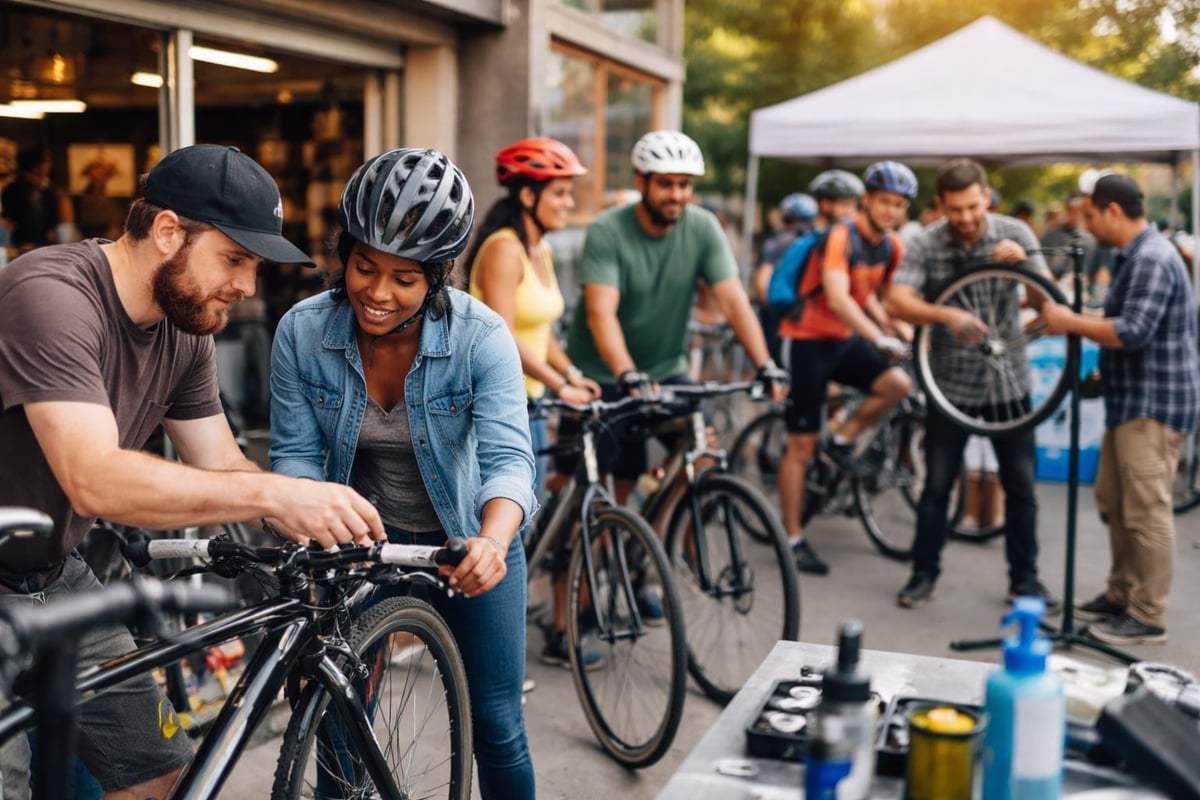
Technical service capabilities represent another differentiator. Offering comprehensive maintenance, repairs, and custom builds positions a cycle store as a complete cycling resource rather than merely a product distributor. When customers trust your mechanics with their expensive bikes, they're far more likely to purchase upgrades and accessories from you.
Competing in an Online-Dominated Market
The rise of e-commerce presents undeniable challenges for brick-and-mortar cycle stores. Major online platforms offer vast selections, competitive pricing, and convenient home delivery. However, despite profit challenges facing major bike brands, physical retailers maintain distinct advantages when leveraged effectively.
Price matching policies create one approach, though competing solely on price proves unsustainable for most independent shops. Instead, successful stores emphasize total value: immediate product availability, expert fitting, professional assembly, ongoing service relationships, and community connection. These elements combine to justify price differences for many customers.
Developing an Omnichannel Strategy
Modern cycle stores increasingly blend physical and digital presence:
- Website with online inventory showing real-time availability
- Click-and-collect options combining online research with immediate pickup
- Social media engagement showcasing products, events, and customer stories
- Email marketing announcing new arrivals, sales, and service reminders
- Digital loyalty programs tracking purchases and offering rewards
The Cycling Gears Hub - Premium Cycling Gear & Accessories demonstrates how cycling retailers can successfully operate with comprehensive product ranges that serve both online and local customers. Their commitment to fast shipping, flexible payment options, and hassle-free returns addresses customer concerns while maintaining the quality focus that cyclists demand.

Creating content that educates customers also drives traffic and builds authority. Blog posts covering topics like selecting appropriate cycling equipment in India or choosing road cycling accessories position your store as a knowledgeable resource beyond product sales.
Financial Management and Profitability
Running a profitable cycle store requires careful attention to financial metrics that many retailers overlook. Gross margin, inventory turnover, and customer acquisition costs all influence long-term viability. Understanding these numbers enables data-driven decisions rather than relying solely on intuition.
Inventory represents the largest capital investment for most cycle stores, making turnover rates particularly important. Products sitting on shelves for extended periods tie up capital that could fund new inventory or marketing initiatives. Regular analysis identifying slow-moving items allows for strategic discounting that frees resources.
Revenue Stream Diversification
Successful cycle stores typically generate income from multiple sources:
| Revenue Source | Typical Contribution | Margin Profile | Stability |
|---|---|---|---|
| New Bike Sales | 40-50% | Low | Seasonal |
| Parts & Accessories | 25-35% | Medium-High | Stable |
| Apparel | 10-15% | High | Seasonal |
| Service & Repairs | 10-20% | Very High | Very Stable |
| Rentals & Demos | 5-10% | Variable | Seasonal |
Service revenue deserves special attention because it generates recurring income from existing customers while requiring less inventory investment than product sales. Building a reputation for quality mechanical work creates steady cash flow that buffers against seasonal product sales fluctuations.
Manufacturer relationships also impact profitability significantly. Establishing yourself as a reliable dealer for key brands often unlocks better wholesale pricing, co-op advertising funds, and priority allocation of high-demand models. These advantages compound over time as your store grows.
Marketing and Community Building
Effective cycle store marketing extends far beyond traditional advertising. The most successful shops become community hubs where cyclists naturally gather, share experiences, and form connections. This organic marketing proves more powerful than any paid campaign.
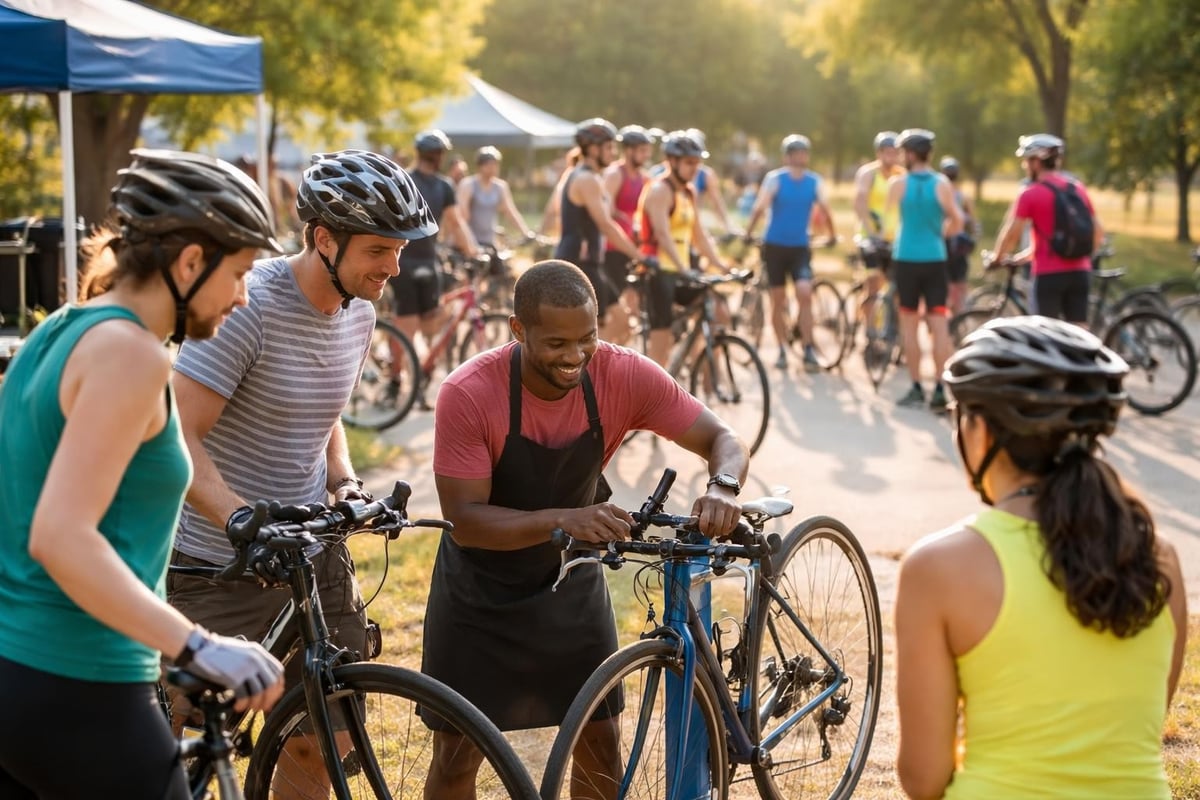
Hosting regular group rides creates multiple benefits simultaneously. Participants experience your brand in action, meet other cyclists who might become customers, and develop positive associations with your store. These events require minimal financial investment while generating substantial goodwill.
Content Marketing for Cyclists
Educational content attracts potential customers while demonstrating expertise:
- Maintenance tutorials addressing common mechanical issues
- Route recommendations for local cycling destinations
- Gear guides explaining product selection for different riding styles
- Safety information covering helmet selection, visibility, and road awareness
- Training tips helping riders improve performance
Resources covering topics like choosing the best cycling helmet in India or finding appropriate MTB accessories demonstrate knowledge that builds trust with potential customers researching purchases.
Social media platforms enable cycle stores to showcase personality and values beyond product listings. Sharing customer success stories, behind-the-scenes content, and cycling advocacy positions your shop as part of the broader cycling culture rather than merely a transaction point.
Staff Development and Training
Your team represents your most valuable asset in creating exceptional customer experiences. Investing in staff knowledge, product familiarity, and customer service skills directly impacts sales performance and customer satisfaction. Yet many cycle stores underinvest in this critical area.
Product training should extend beyond basic specifications to include real-world applications and comparative advantages. When staff can speak from personal experience about how different tire treads perform in monsoon conditions or which cycling jerseys offer the best ventilation, their recommendations carry authenticity that customers recognize.
Creating a Knowledge-Sharing Culture
Implement these practices to develop staff expertise continuously:
- Regular product demonstrations from brand representatives
- Staff test rides of new bike models and accessories
- Cross-training ensuring multiple employees understand each department
- Industry publication subscriptions keeping current with trends
- Conference attendance for key staff members annually
Encouraging staff to participate in local cycling events and clubs also builds knowledge while creating community connections. Employees who genuinely love cycling naturally communicate enthusiasm that influences customer perceptions and purchasing decisions.
Adapting to Industry Trends
The cycling industry continues evolving rapidly, with participation surging even as manufacturers face challenges. Successful cycle stores monitor trends carefully, adopting those aligned with their market while avoiding every fleeting fad.
Electric bikes represent one significant trend transforming the industry. E-bikes attract new customer segments including older riders, commuters, and those with physical limitations. Stocking quality e-bikes and developing service capabilities for these specialized systems positions stores for continued growth.
Growing interest in bikepacking and gravel riding creates opportunities for stores emphasizing adventure cycling equipment. Products covered in guides about bikepacking equipment appeal to experienced cyclists seeking new challenges and typically carry healthy margins.
Sustainability and Environmental Consciousness
Environmental awareness increasingly influences purchasing decisions across demographics. Cycle stores can align with these values through:
- Repair emphasis extending bike lifespans rather than encouraging replacement
- Used bike programs offering trade-ins and certified pre-owned options
- Sustainable product lines featuring environmentally conscious manufacturers
- Minimal packaging reducing waste in shipping and display
- Community advocacy supporting cycling infrastructure improvements
These initiatives attract environmentally conscious customers while contributing meaningfully to sustainability goals that benefit the entire cycling community.
Technology Integration in Retail Operations
Modern point-of-sale systems offer capabilities far beyond simple transaction processing. Integrated inventory management tracks stock levels in real-time, automatically generating reorder alerts when items fall below threshold quantities. This automation reduces stockouts while preventing excess inventory accumulation.
Customer relationship management features within retail software enable personalized marketing and service. Recording purchase history, bike specifications, and service intervals allows targeted communication that feels helpful rather than intrusive. Reminding customers about seasonal tune-ups or new products matching their interests drives repeat business.
Digital tools also streamline operations behind the scenes. Scheduling software optimizes service department workflow, ensuring efficient use of mechanic time while providing customers accurate completion estimates. Inventory reporting identifies trending products and slow movers, informing purchasing decisions with concrete data rather than assumptions.
Building and operating a successful cycle store in India's dynamic market requires balancing traditional retail fundamentals with modern innovations that meet evolving customer expectations. From strategic inventory management and exceptional service to community building and omnichannel integration, thriving shops excel across multiple dimensions simultaneously. Whether you're equipping your first ride or building a comprehensive cycling lifestyle, Cycling Gears Hub offers the premium gear, expert guidance, and customer-focused service that over 10,000 Indian cyclists trust for all their cycling needs.