

The fixie fixed gear bicycle has evolved from a niche track racing tool into a mainstream urban cycling phenomenon that continues to captivate riders across India and worldwide. This minimalist approach to cycling strips away complex gearing systems, freewheels, and often even brakes, creating a pure connection between rider and road. Understanding what makes these bikes unique, how they function mechanically, and why thousands of cyclists choose them requires diving into their history, benefits, and practical considerations for modern riders navigating city streets and beyond.
Understanding Fixie Fixed Gear Mechanics
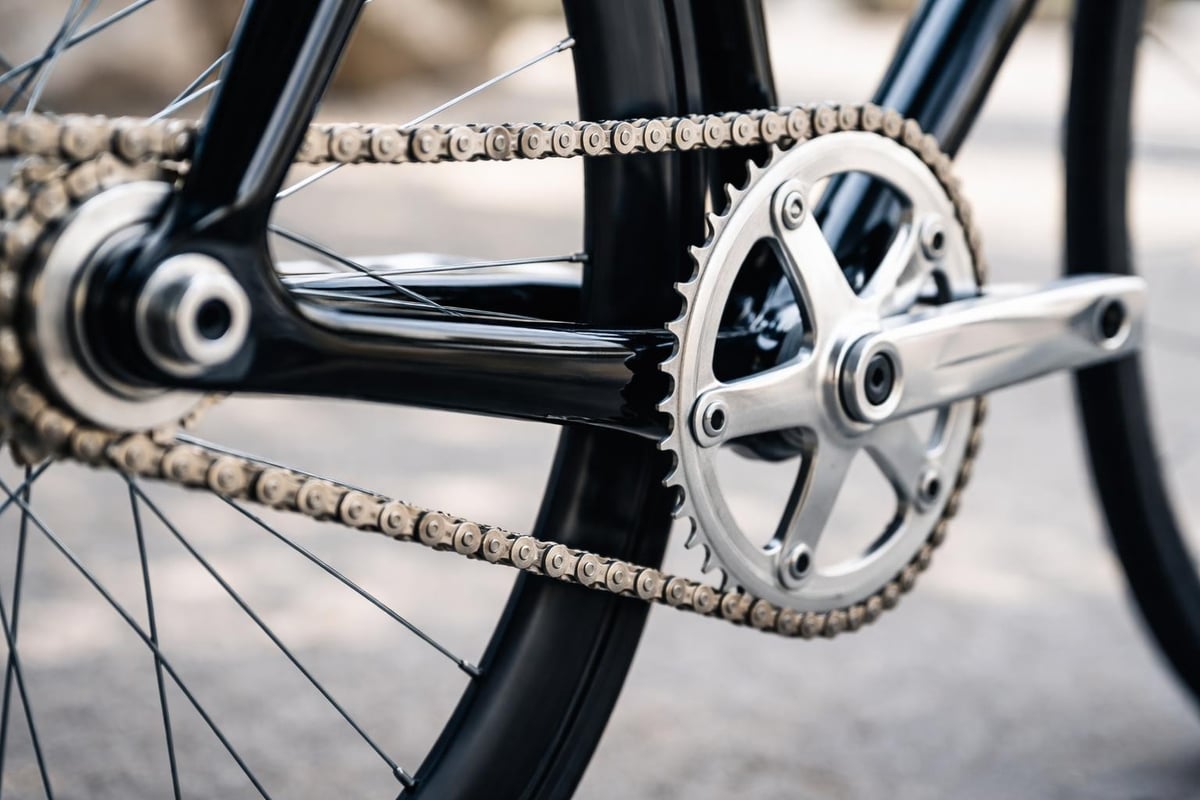
A fixie fixed gear bicycle operates on a brilliantly simple principle: the rear cog is threaded directly onto the hub, creating a fixed connection between the pedals and rear wheel. Unlike traditional bikes with freewheels that allow coasting, every movement of the wheel translates directly to pedal rotation. This mechanical relationship means when the bike moves forward, the pedals must rotate, and conversely, resisting pedal motion slows the bike down.
The drivetrain consists of three primary components working in perfect synchronization. The chainring attaches to the crankset, the chain transfers power, and the fixed cog threads onto the rear hub without any ratcheting mechanism. This direct drive system eliminates the mechanical complexity found in modern geared bicycles, offering unparalleled efficiency in power transfer.
The Physics of Fixed Gear Riding
Riding a fixie fixed gear bike fundamentally changes how cyclists interact with momentum and cadence. The constant pedal motion creates what many riders describe as a meditative rhythm, where maintaining smooth, circular pedal strokes becomes essential rather than optional. According to research on fixed-gear temporality, this creates a unique temporal experience that differs significantly from conventional cycling.
Key mechanical characteristics include:
- Constant pedal engagement regardless of terrain
- Direct feedback from road surface through the drivetrain
- Inability to coast requires continuous pedaling
- Backpedaling resistance provides braking force
- Simplified maintenance with fewer moving parts
The gear ratio becomes critically important on a fixie fixed gear setup. Calculated by dividing chainring teeth by cog teeth, this single ratio determines your pedaling speed at every velocity. A 46/16 ratio (2.88) offers versatility for mixed urban riding, while track racers might choose higher ratios like 48/15 (3.2) for speed.
Historical Evolution and Cultural Significance
The fixie fixed gear bicycle traces its origins to velodrome track racing, where the controlled environment and consistent surfaces made fixed gears the optimal choice. Track cyclists needed maximum power transfer and precise control during sprint finishes and paceline riding. The history of fixed-gear bikes shows they dominated competitive cycling before derailleur systems became prevalent in the mid-20th century.
Urban messengers in the 1980s and 1990s rediscovered fixed-gear bikes for city work, appreciating their low maintenance, durability, and maneuverability in dense traffic. These riders transformed surplus track bikes into stripped-down urban machines, creating a distinctive aesthetic and riding culture. The messenger community developed techniques like skidding for braking and trackstands for waiting at intersections.
By the mid-2000s, the fixie fixed gear movement exploded into mainstream cycling culture. Young riders embraced the minimalist philosophy, customization possibilities, and the challenge of mastering a more demanding riding style. As The Guardian reported, the simplicity and direct connection these bikes offer became their primary appeal for a new generation of urban cyclists.
Modern Fixed Gear Culture in India
Indian cities have witnessed growing fixie fixed gear adoption since 2015, particularly among younger cyclists in metropolitan areas like Mumbai, Delhi, Bangalore, and Pune. The relatively flat terrain in many urban centers, combined with shorter commute distances, makes fixed gears practical for daily transportation. Indian riders appreciate the minimal maintenance requirements, especially important where specialized bike shops may be limited.
| Aspect | Track Heritage | Urban Adaptation | Indian Context |
|---|---|---|---|
| Primary Use | Velodrome racing | City commuting | Mixed urban/recreational |
| Brake Setup | No brakes | Front brake common | Front brake recommended |
| Gear Ratio | High (3.0+) | Medium (2.5-3.0) | Lower (2.3-2.8) |
| Frame Geometry | Aggressive track | Relaxed street | Comfort-oriented |
Choosing Your Fixie Fixed Gear Setup
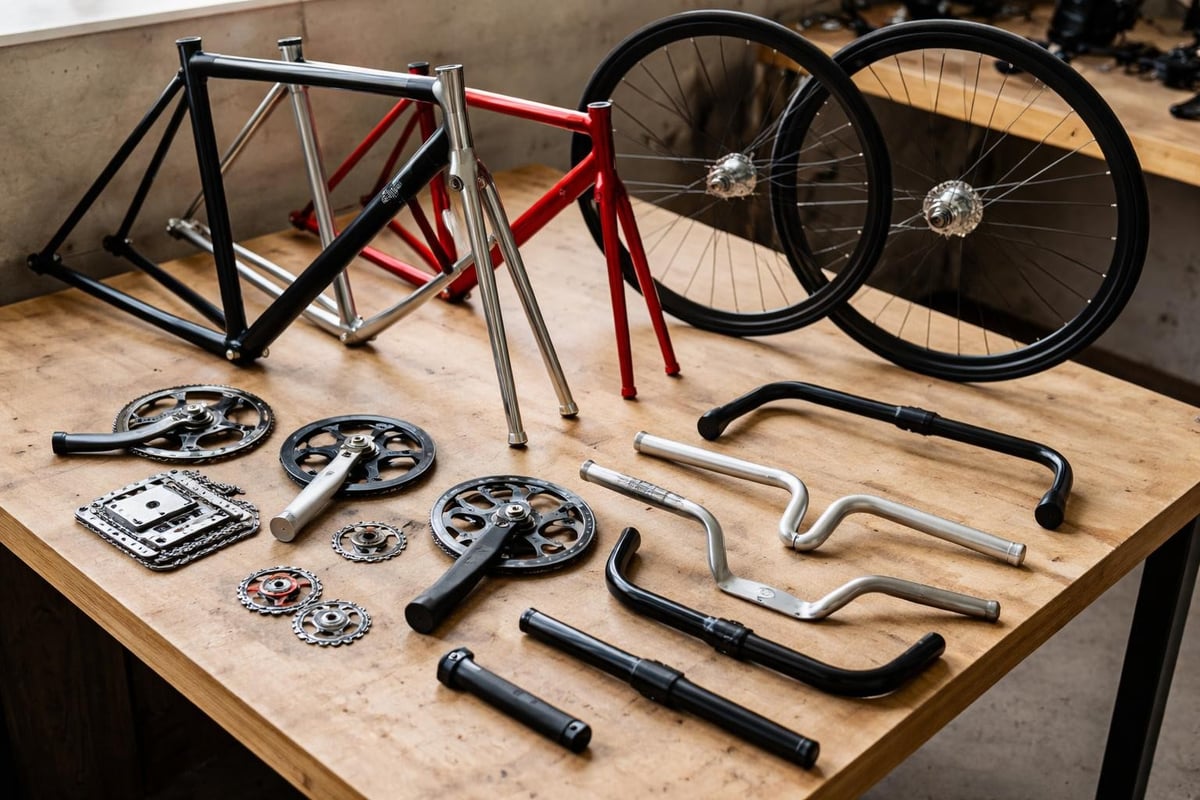
Selecting the right fixie fixed gear bike requires understanding your riding environment, experience level, and intended use. The frame forms the foundation of your build, with geometry significantly impacting handling characteristics and comfort. Track-specific frames feature steep angles and tight wheelbases for responsive handling, while street-oriented frames offer more relaxed geometry for comfortable urban riding.
Frame and Component Selection
Frame material affects ride quality, weight, and price point. Steel frames provide durability, compliance, and easier repair options, making them popular for daily riders. Aluminum offers lighter weight at lower cost but delivers a harsher ride. Carbon fiber provides the best performance characteristics but commands premium pricing and requires careful handling.
Critical component considerations:
- Wheelset quality determines acceleration and durability
- Crank length affects pedaling efficiency and ground clearance
- Handlebar width and style influence control and riding position
- Saddle selection impacts comfort during extended rides
- Tire width balances speed, comfort, and puncture resistance
The gear ratio selection process deserves careful attention for fixie fixed gear riders. Calculate your desired cadence at typical riding speeds to determine the optimal ratio. For Indian urban conditions with mixed traffic and moderate speeds, ratios between 2.4 and 2.9 work well for most riders. Consider starting with a moderate ratio like 44/16 (2.75) and adjusting based on experience.
When building your fixie fixed gear setup, quality matters more than quantity. Investing in reliable components pays dividends through reduced maintenance and improved riding experience. Cycling Gears Hub offers premium cycling gear and accessories designed for riders of all levels, providing the quality products needed to build and maintain your fixed-gear bike properly.

Safety and Riding Techniques
Mastering a fixie fixed gear bicycle requires developing new skills and muscle memory distinct from conventional cycling. The inability to coast means your legs never rest while moving, demanding better fitness and cadence control. New riders should practice in traffic-free environments before tackling busy streets, focusing on smooth pedal strokes and controlled stops.
Braking technique on a fixie fixed gear bike combines leg resistance with front brake application. Resisting pedal rotation creates gradual deceleration, while the front brake provides primary stopping power. Experienced riders develop skidding techniques for quick stops, though this wears tires rapidly and provides less controlled braking than proper front brake use. BikeRadar's comprehensive guide emphasizes the importance of maintaining at least one functional brake for safety.
Essential Safety Equipment
Proper safety equipment becomes even more critical when riding a fixie fixed gear bike. The increased attention and control required means any lapse in visibility or protection carries greater consequences. Essential gear includes:
- Quality helmet protecting against impacts during challenging maneuvers
- Front and rear lights ensuring visibility in all conditions
- Reflective elements on frame, wheels, and clothing
- Proper footwear with secure pedal connection
- Hand protection through quality cycling gloves
The trackstand technique allows fixie fixed gear riders to balance stationary without unclipping, useful at traffic signals and intersections. This skill develops naturally as riders become comfortable with the bike's balance point and the ability to make micro-adjustments through pedal pressure. Practice this technique in safe areas before attempting it in traffic situations.
For riders exploring essential cycling accessories, prioritize visibility and protection items first. Indian traffic conditions demand maximum awareness from all road users, making proper lighting and reflective gear non-negotiable safety investments.
Training and Fitness Benefits
Riding a fixie fixed gear bicycle provides unique fitness advantages through constant pedal engagement and enforced cadence discipline. The inability to coast on descents or during recovery periods creates continuous cardiovascular demand, building endurance more effectively than conventional cycling. Riders develop smoother pedal strokes as the fixed gear immediately reveals any dead spots or inefficiencies in their circular motion.
The constant resistance training strengthens leg muscles throughout the entire pedal revolution. Traditional bikes allow riders to push hard on downstrokes while virtually resting during upstrokes, but fixed gears require active pulling through the upstroke to maintain smooth rotation. This balanced muscle development improves overall cycling efficiency and power output.
Fitness advantages include:
- Improved cadence control and pedaling smoothness
- Enhanced cardiovascular endurance from continuous effort
- Better bike handling skills through constant connection
- Increased leg strength from full-revolution engagement
- Mental focus development through required attention
Many professional cyclists incorporate fixed-gear training into their winter preparation, using the enforced smooth pedaling to correct form issues and build base fitness. The philosophical aspects of fixed-gear riding extend beyond physical training, fostering a mindful approach to cycling that emphasizes present-moment awareness and technique refinement.
Maintenance and Longevity
The mechanical simplicity of fixie fixed gear bikes translates directly into reduced maintenance requirements and costs. With no derailleurs, shifters, cassettes, or cables to adjust and replace, the drivetrain demands minimal attention beyond basic chain care. Regular cleaning and lubrication keep the chain running smoothly, while periodic tension checks ensure proper engagement with the cog and chainring.
Routine Maintenance Schedule
| Interval | Maintenance Task | Purpose |
|---|---|---|
| Weekly | Chain cleaning and lubrication | Reduce wear, maintain efficiency |
| Monthly | Tire pressure check and adjustment | Optimize performance and comfort |
| Quarterly | Brake pad inspection and replacement | Ensure stopping power |
| Semi-annually | Bearing service (hubs, headset, bottom bracket) | Prevent premature wear |
| Annually | Complete drivetrain assessment | Identify replacement needs |
Chain tension requires particular attention on fixie fixed gear setups. Proper tension prevents chain drop while avoiding excessive wear on drivetrain components. The chain should have approximately half an inch of vertical play at the midpoint between chainring and cog. Horizontal dropouts or track ends allow precise tension adjustment by moving the rear wheel forward or backward.
Tire selection impacts both performance and maintenance frequency. Wider tires (28-32mm) provide better puncture resistance and comfort on rough Indian roads, though they sacrifice some speed. Narrower racing tires (23-25mm) roll faster but demand higher pressure and offer less protection against road debris. For riders seeking guidance on comprehensive cycling equipment, balancing durability with performance proves essential.
Urban Riding Strategies
Navigating city streets on a fixie fixed gear bicycle requires adaptation and awareness beyond conventional cycling. The inability to coast through intersections or quickly downshift on hills demands route planning and strategic speed management. Experienced urban fixed-gear riders develop efficient momentum conservation techniques, using gradual deceleration and acceleration to minimize the energy expenditure required at stops.
Traffic positioning becomes more critical when riding fixed gear. Maintaining consistent speed proves easier than constant stopping and starting, so choosing lanes that allow steady progress reduces fatigue. Anticipating traffic light timing, pedestrian movements, and vehicle behavior helps riders maintain flow rather than fighting against constant interruptions.
The fixed gear's responsiveness makes it excellent for navigating congested traffic, allowing quick direction changes and precise speed control. However, this same responsiveness demands full attention and both hands on the handlebars. According to The Spoken's overview, the appeal for urban riders centers on this heightened engagement and connection with the riding environment.
Hill Climbing and Descent Techniques
Indian cities feature varying topography that challenges fixie fixed gear riders differently than conventional bikes. Climbing hills without the option to shift into easier gears requires fitness, proper gear ratio selection, and efficient technique. Standing while climbing provides additional power but increases energy expenditure, while seated climbing conserves energy through smoother cadence maintenance.
Descending presents unique challenges as the pedals continue rotating at speed. Riders must either pedal extremely fast, resist the pedal motion to control speed, or carefully apply the front brake. Steep descents may require combination techniques: moderate resistance while feathering the brake to maintain safe speeds. Understanding the complete history helps riders appreciate why track cyclists never faced these challenges on controlled velodrome surfaces.
Customization and Aesthetics
The fixie fixed gear culture embraces personalization and aesthetic expression through carefully curated component selection and color coordination. Unlike mass-produced bikes with predetermined specifications, fixed-gear builds allow complete control over every component, from handlebar tape color to chainring bolt finishes. This customization capability attracts riders who view their bicycle as both transportation and personal statement.
Popular customization elements include unique paint schemes, contrasting wheel colors, custom graphics, and carefully matched component finishes. Some riders pursue minimalist all-black or all-silver builds, while others embrace bold color combinations and eye-catching patterns. The relatively simple parts count makes coordinating finishes more manageable than on complex multi-geared bikes.
Common customization approaches:
- Monochromatic builds using single color throughout
- Contrasting accent colors on small components
- Vintage-inspired classic steel aesthetics
- Modern carbon and anodized aluminum combinations
- Brand-focused builds using single manufacturer parts
Beyond aesthetics, functional customization optimizes the fixie fixed gear bike for specific uses. Track racing builds prioritize weight reduction and aerodynamics, while urban commuter setups add fenders, lights, and racks. Understanding your primary use case guides component selection toward practical improvements rather than purely visual modifications. For cyclists exploring various cycling accessories in India, balancing form and function creates the most satisfying builds.
Weather and Seasonal Considerations
Indian climate variations significantly impact fixie fixed gear riding throughout the year. Monsoon season presents particular challenges with reduced traction and visibility, demanding conservative riding approaches and enhanced safety equipment. The constant pedal engagement means riders cannot coast through puddles or rough patches, requiring careful line selection and speed management in wet conditions.
Summer heat creates endurance challenges during longer rides, as the inability to coast prevents recovery periods. Riders must manage effort levels more carefully, staying hydrated and choosing cooler times of day for extended rides. Winter offers ideal fixed-gear conditions in most Indian regions, with moderate temperatures making the continuous pedaling effort more comfortable.
Rain riding on a fixie fixed gear bike requires additional preparation. Fenders prevent wheel spray from soaking the rider, while proper tire tread ensures adequate grip on wet surfaces. Braking distances increase significantly in rain, making the front brake absolutely essential rather than optional. Chain maintenance becomes more frequent as water exposure accelerates corrosion and lubricant degradation.
Fixie fixed gear bicycles offer a pure, engaging cycling experience that combines mechanical simplicity with demanding technique and rewarding mastery. Whether you're drawn to the fitness benefits, urban maneuverability, or minimalist aesthetic, understanding the mechanics, safety requirements, and riding techniques ensures a positive experience with this unique cycling style. Cycling Gears Hub provides the quality accessories, safety equipment, and maintenance products Indian cyclists need to build and maintain their ideal fixie setup, backed by trusted service and convenient purchasing options including COD and hassle-free returns.