

Mountain biking pushes riders to explore challenging terrain, technical descents, and high-speed trails where protection becomes paramount. While traditional half-shell helmets offer adequate coverage for cross-country riding, gravity-oriented disciplines demand more comprehensive protection. A full face mtb helmet provides maximum coverage, protecting the entire head, face, and jaw from impacts that can occur during aggressive riding. Understanding the features, safety standards, and proper selection criteria ensures you choose the right helmet for your riding style and terrain preferences.
Understanding Full Face MTB Helmet Technology
Full face mountain bike helmets represent the pinnacle of protective cycling gear, engineered specifically for high-risk riding situations. These helmets feature a complete shell that wraps around the head and extends down to protect the chin and jaw, areas vulnerable during crashes on technical terrain.
The construction typically involves a hard outer shell made from polycarbonate or carbon fiber, combined with an impact-absorbing EPS foam liner. This dual-layer system disperses impact forces across a wider area, reducing the risk of traumatic brain injury and facial fractures. Modern designs integrate advanced materials that balance protection with weight considerations, making them more practical for various riding styles.
Key Components and Construction
The anatomy of a full face mtb helmet includes several critical elements working together:
- Outer shell: Provides structural integrity and abrasion resistance
- Impact liner: EPS foam that compresses during impact to absorb energy
- Chin bar: Extended protection for jaw and lower face
- Retention system: Adjustable straps and buckles for secure fit
- Ventilation ports: Strategic openings for airflow and cooling
- Interior padding: Comfort foam and moisture-wicking materials
Weight distribution plays a crucial role in helmet design. Manufacturers strategically place materials to minimize neck strain during extended rides while maintaining protective capabilities. Premium models incorporate carbon fiber components to reduce overall weight without compromising structural integrity.
MIPS and Rotational Impact Protection
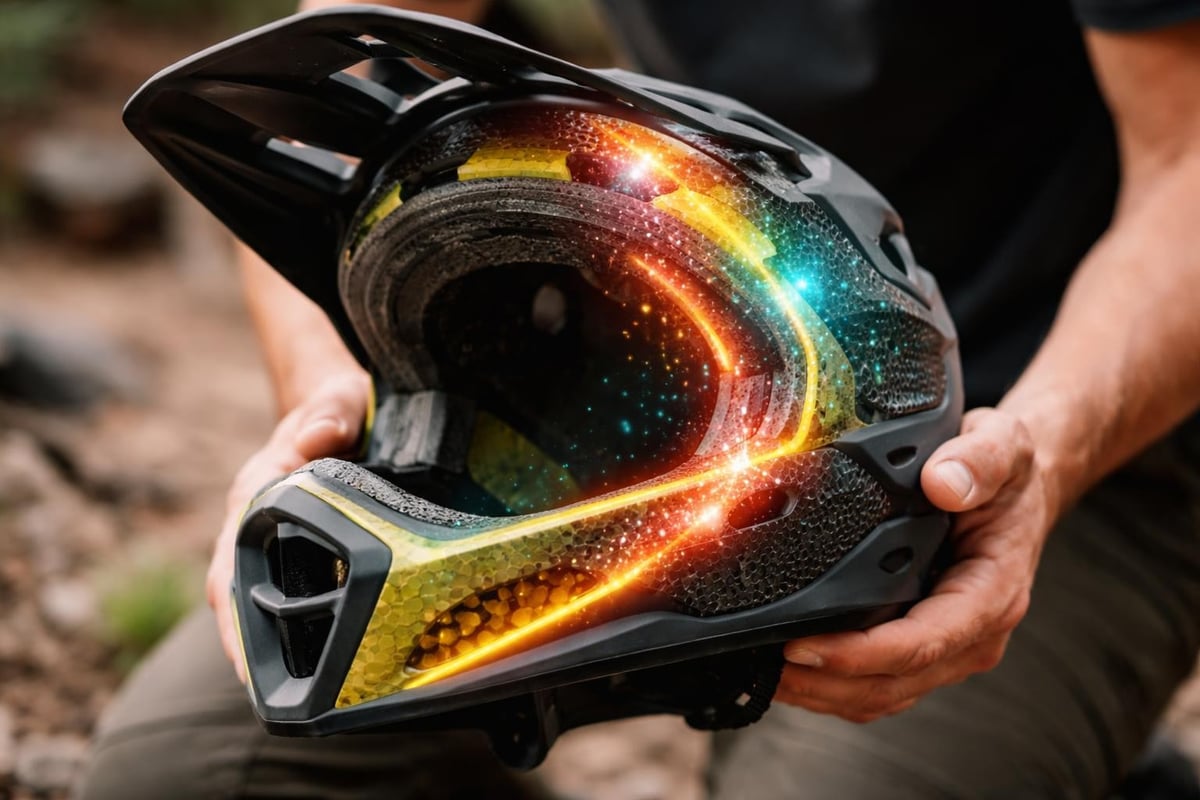
Multi-directional Impact Protection System (MIPS) technology has revolutionized helmet safety by addressing rotational forces during angled impacts. Traditional helmets primarily protect against linear impacts, but crashes rarely occur in perfectly straight lines. MIPS incorporates a low-friction layer between the helmet shell and liner, allowing the helmet to rotate slightly upon impact.
This rotation mimics the brain's natural protective mechanism, reducing the rotational forces transmitted to the head. Research demonstrates that MIPS-equipped helmets significantly decrease the risk of concussions and traumatic brain injuries. When evaluating options, consider whether MIPS or similar rotational protection systems are integrated into the design.
Safety Standards and Certifications
Helmet safety certifications ensure products meet minimum performance requirements through rigorous testing protocols. Understanding mountain bike helmet safety standards helps riders make informed decisions about protective gear.
| Certification | Region | Testing Focus | Application |
|---|---|---|---|
| CPSC | United States | Impact absorption, retention | All bicycle helmets |
| ASTM F1952 | International | Downhill-specific impacts | Gravity riding |
| EN 1078 | Europe | General cycling protection | Road and MTB |
| AS/NZS 2063 | Australia/NZ | Impact and penetration | All cycling |
The ASTM F1952 standard specifically addresses downhill mountain bike racing requirements, mandating more stringent impact testing than general cycling certifications. Helmets meeting this standard undergo testing at higher impact velocities and against harder surfaces, reflecting the realities of aggressive riding.
Certification Testing Procedures
Testing protocols involve dropping helmets onto various surfaces from specific heights while measuring the forces transmitted to a headform inside. Helmets must limit peak impact forces below dangerous thresholds to pass certification. Additional tests evaluate chin bar strength, ensuring this critical component withstands significant impacts without collapsing.
Penetration resistance testing uses weighted projectiles dropped onto the helmet surface, verifying the shell prevents sharp objects from reaching the skull. Retention system strength tests apply forces to straps and buckles, confirming they remain secure during crashes.
Choosing the Right Full Face MTB Helmet
Selecting the appropriate helmet requires balancing protection, comfort, weight, and ventilation based on your riding style. Reviews of the best downhill helmets provide valuable insights into how different models perform across various criteria.
Fit and Sizing Considerations
Proper fit is non-negotiable for helmet effectiveness. Achieving the correct full-face mountain bike helmet fit ensures maximum protection and comfort during rides. Measure your head circumference at the widest point, approximately one inch above your eyebrows, and compare this measurement to manufacturer sizing charts.
A properly fitted full face mtb helmet should feel snug without creating pressure points. The helmet should sit level on your head, not tilted back or forward. When you shake your head vigorously, the helmet should move with your head rather than sliding independently.
Fit checklist for proper helmet selection:
- Measure head circumference accurately
- Try multiple sizes within your measurement range
- Adjust retention system for secure fit
- Check chin bar clearance and comfort
- Verify cheek pad contact without excessive pressure
- Test with goggles to ensure compatibility
- Wear for 10-15 minutes to identify pressure points
Interior padding thickness affects both fit and comfort. Some helmets offer interchangeable padding in different thicknesses, allowing customization for optimal fit. Cheek pads should contact your face without squeezing uncomfortably, and the chin bar should clear your chin by a small margin.
Ventilation and Weight Balance
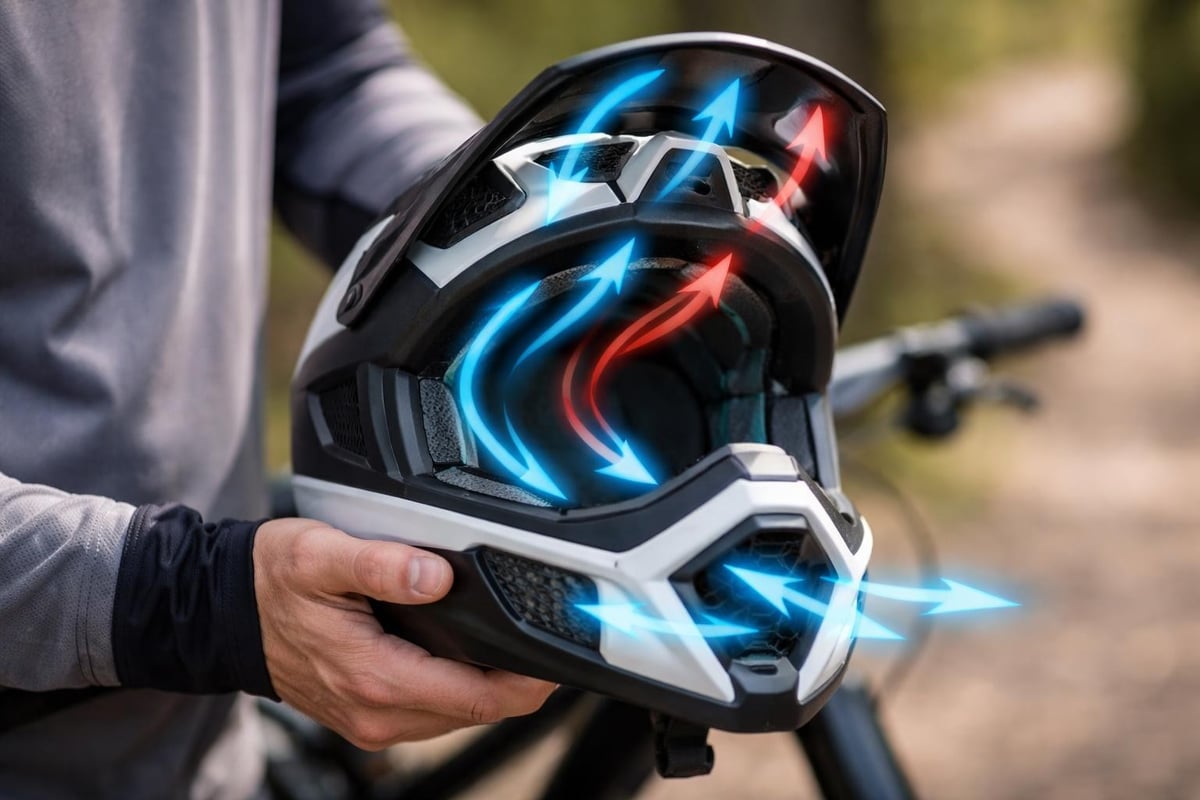
Downhill and enduro riding generate significant heat, making ventilation a critical consideration. Unlike motocross helmets, mountain bike full-face designs prioritize airflow through strategically placed intake and exhaust vents. Premium models feature channeled liners that direct air across the scalp, enhancing cooling efficiency.
Weight directly impacts neck fatigue and overall riding comfort. Modern carbon fiber helmets weigh between 900-1100 grams, while polycarbonate models range from 1100-1400 grams. Consider your typical ride duration and physical conditioning when evaluating weight trade-offs against budget constraints.
Convertible and Lightweight Designs
Convertible full-face helmets feature removable chin bars, transforming into half-shell helmets for climbing sections. Lightweight and convertible full-face helmet reviews examine nine models suited for all-mountain and enduro applications. These versatile designs appeal to riders who pedal uphill but want full-face protection for technical descents.
The trade-off involves slightly reduced protection compared to dedicated full-face models, as the chin bar attachment points create potential weak spots. However, technological advances have minimized these compromises, with many convertible helmets meeting the same safety standards as fixed chin bar designs.
When to Use a Full Face MTB Helmet
Determining when to use a full-face helmet depends on terrain difficulty, riding speed, and technical features. Bike parks, downhill courses, and enduro race stages typically warrant full-face protection due to increased crash risk and severity.
Riding scenarios requiring full-face protection:
- Lift-accessed downhill riding
- Bike park lap sessions
- Enduro racing and practice
- High-speed technical descents
- Jump lines and drop sequences
- Rocky terrain with crash consequences
- Learning new technical features
Trail riding on less technical terrain may not require full-face protection, though personal risk tolerance varies. Some riders prefer full coverage for any technical riding, while others reserve full-face helmets exclusively for gravity-focused sessions.
Assessing Terrain and Risk Factors
Evaluate trail characteristics to determine appropriate protection levels. Steep gradients, loose surfaces, exposed rocks, and tight trees increase crash likelihood and potential injury severity. Speed potential matters significantly-trails where you regularly exceed 25-30 mph warrant serious consideration of full-face protection.
Your skill level and experience also factor into the decision. Riders pushing personal limits or learning new techniques face higher crash risks than those comfortably within their ability range. Progressive riders often adopt full-face helmets earlier in their development, accepting the weight and heat trade-offs for enhanced safety margins.
Maintenance and Lifespan Management
Proper helmet care extends service life and maintains protective capabilities. Clean your full face mtb helmet regularly using mild soap and water, avoiding harsh chemicals that degrade foam and plastics. Remove interior padding when possible and wash separately, allowing thorough drying before reassembly.
| Maintenance Task | Frequency | Purpose |
|---|---|---|
| Visual inspection | After each ride | Identify damage |
| Interior cleaning | Weekly/Bi-weekly | Hygiene and comfort |
| Strap inspection | Monthly | Ensure retention integrity |
| Full replacement | 3-5 years or after impact | Maintain protection standards |
Replace your helmet immediately after any significant impact, even if no visible damage appears. The EPS foam compresses during impacts and cannot recover, compromising future protective capability. Additionally, replace helmets every three to five years regardless of impact history, as materials degrade over time from UV exposure, temperature cycling, and general wear.
Features and Technology Innovations
Advanced features enhance safety, comfort, and usability beyond basic protective functions. Breakaway visors prevent neck injuries during crashes by detaching under impact forces. Magnetic buckle systems simplify operation with gloved hands while maintaining security. Goggle integration channels ensure proper fit and prevent strap interference.
Emergency cheek pad removal systems allow medical personnel to safely remove helmets from injured riders without excessive head movement. This feature proves critical in serious crash scenarios where spinal injury is suspected. Look for red pull tabs inside the helmet that release cheek pads when pulled.
Communication and Camera Integration
Some premium models incorporate mounting points for action cameras and communication systems. Integrated mounts position cameras optimally while maintaining helmet structural integrity. Communication system compatibility allows integration of Bluetooth headsets for group riding coordination or phone connectivity.
For riders serious about protective gear, Cycling Gears Hub - Premium Cycling Gear & Accessories offers carefully curated helmet options that meet international safety standards. Their selection focuses on quality products that deliver reliable protection without compromising comfort or performance, backed by expert guidance to help you find the perfect fit.
Goggle Compatibility and Integration
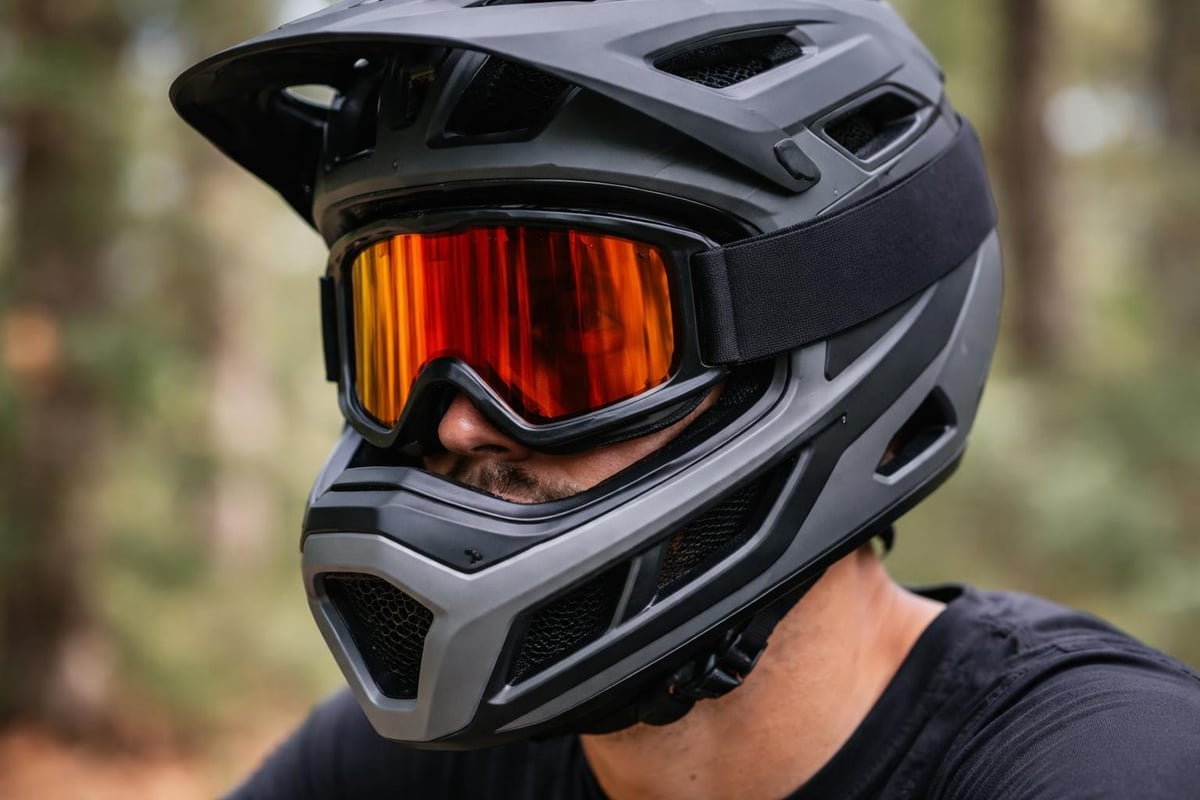
Full-face helmets require specific goggle compatibility to function effectively. The helmet's face opening, brow design, and retention system must accommodate goggle straps without creating gaps or pressure points. Best mountain bike helmet reviews often evaluate goggle integration as a critical factor.
Test helmets with your preferred goggles before purchasing. The goggle strap should sit in dedicated channels without lifting the helmet or creating pressure against your temples. The goggle frame should seal against your face without gaps that allow debris entry. Some helmets feature adjustable brow vents that adapt to different goggle models.
Lens and Ventilation Coordination
Goggle lens fogging undermines vision and safety, making ventilation coordination essential. Helmets with well-designed intake vents channel air across the goggle lens, reducing fog formation. Exhale vents in the chin bar prevent breath from rising into goggles, particularly important during climbs or sustained efforts.
Premium goggle and helmet combinations incorporate stack height optimization, ensuring proper alignment between helmet vents and goggle exhaust ports. This coordination maximizes airflow efficiency while maintaining protective coverage.
Price Ranges and Value Considerations
Full face mtb helmet prices span from budget-friendly options around $100 to premium carbon models exceeding $500. Entry-level helmets typically use polycarbonate shells and standard EPS foam, meeting basic safety certifications. Mid-range options ($200-$350) often incorporate MIPS technology, improved ventilation, and lighter materials.
Premium helmets justify higher costs through carbon construction, advanced rotational protection, superior ventilation, and refined fit systems. Consider your riding frequency, skill progression plans, and budget when selecting a price point. A well-fitting mid-range helmet with MIPS often provides better protection than an ill-fitting premium model.
Value factors beyond price:
- Safety certification levels
- Rotational impact protection inclusion
- Weight and ventilation efficiency
- Adjustability and fit customization
- Build quality and durability
- Warranty coverage and customer support
For riders exploring options, browsing through resources like helmet buying guides and checking out essential cycling accessories provides valuable context for making informed decisions.
Seasonal Considerations and Climate Adaptation
Temperature and weather conditions significantly impact helmet comfort and usability. Hot, humid climates demand maximum ventilation to prevent overheating, while cooler conditions allow less airflow-focused designs. Some riders maintain multiple helmets optimized for different seasonal conditions, though budget constraints may limit this approach.
Winter riding benefits from helmets with closeable vents that retain warmth while allowing moisture escape. Summer riding demands wide-open ventilation channels and moisture-wicking padding. Consider your local climate patterns and typical riding seasons when evaluating ventilation specifications.
Storage and Transport Solutions
Proper storage protects your investment between rides. Store helmets in cool, dry locations away from direct sunlight and extreme temperatures. Avoid leaving helmets in vehicles where temperature extremes accelerate material degradation. Helmet bags provide protection during transport, preventing scratches and impact damage.
When traveling to riding destinations, secure helmets to prevent shifting during transport. Loose helmets can sustain damage from repeated impacts against vehicle interiors or other equipment. Consider dedicated helmet compartments in gear bags or protective cases for air travel.
Understanding the breadth of protective options available helps riders make educated decisions about safety equipment. Resources like best helmet guides for bike riders and information about MTB accessories in India provide additional context for building comprehensive safety setups. Whether you're exploring BikeRadar's full-face mountain bike helmet guide or researching local options through cycling equipment resources, thorough research ensures you select protection that matches your riding ambitions and safety priorities.
Color and Visibility Options
While aesthetics matter, visibility enhances safety on shared trails and during shuttle operations. Bright colors and reflective elements increase conspicuity to other trail users, motorists during road transfers, and lift operators. Many manufacturers offer multiple colorways within the same model, allowing personal style expression without compromising specifications.
Matte finishes resist scratches better than glossy alternatives but may show dirt more readily. Graphics and design elements should complement rather than compromise ventilation effectiveness. Some riders prioritize subdued colors that don't show trail dust, while others prefer bold designs that stand out in riding photos and videos.
Selecting the right full face mtb helmet involves balancing protection, fit, ventilation, and features aligned with your riding style and terrain preferences. From understanding safety certifications to evaluating MIPS technology and proper fit, informed decisions enhance both safety and riding enjoyment. Whether you're tackling bike park features or pushing limits on technical enduro trails, Cycling Gears Hub provides the expertise and product selection to equip you with reliable protective gear. Explore their curated collection of premium helmets and accessories, backed by fast shipping, flexible payment options, and hassle-free returns that make finding your perfect fit simple and stress-free.