

Understanding how to properly use and maintain your bicycle's gear system is fundamental to cycling performance and enjoyment. Whether you're navigating steep climbs, cruising on flat roads, or tackling challenging descents, knowing when and how to shift gears transforms your riding experience. A well-maintained gears cycle system ensures smoother pedaling, reduced fatigue, and longer component life, making it an essential skill for cyclists of all levels across India's diverse terrain.
Understanding the Gears Cycle System
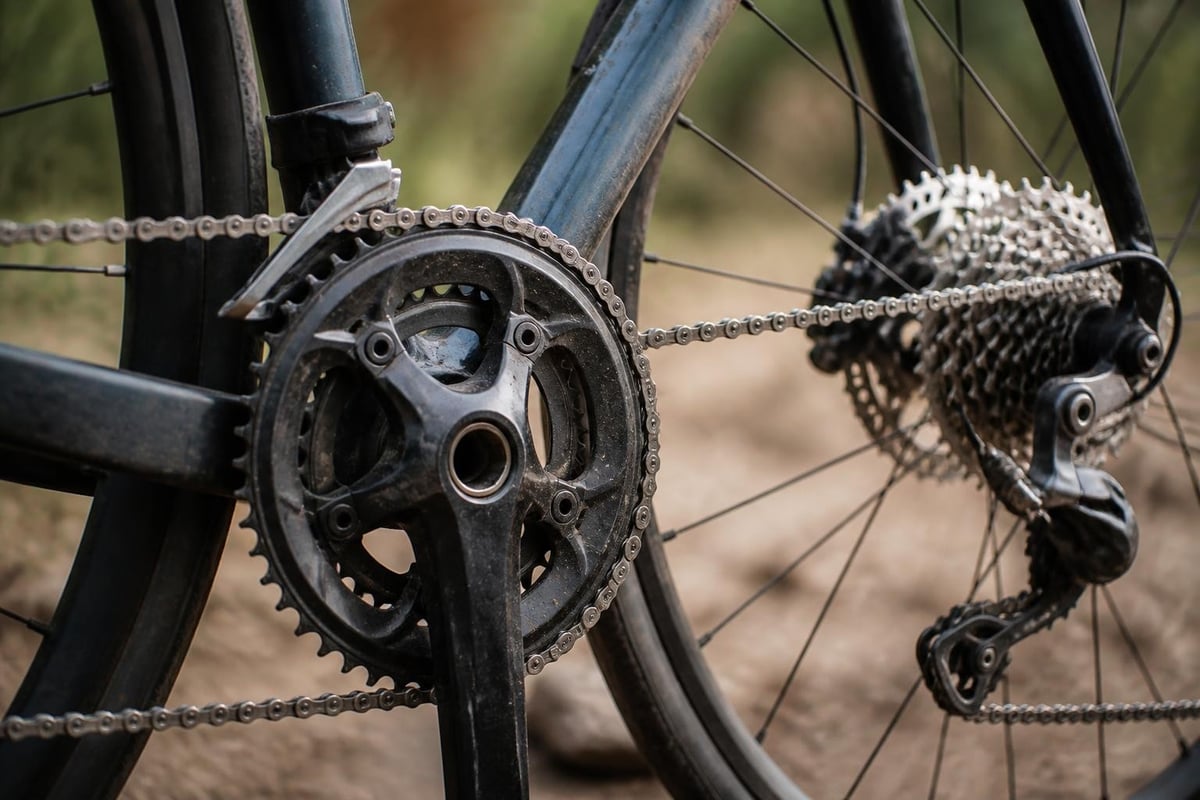
The gears cycle mechanism consists of several interconnected components that work together to modify your pedaling effort and bike speed. At its core, the system includes chainrings attached to your crankset, a cassette or freewheel on the rear wheel, a chain connecting these components, and derailleurs that move the chain between different gears.
Modern bicycles typically feature either a single-speed setup, multiple gears ranging from 7 to 12 speeds in the rear cassette, and one to three chainrings in the front. This combination creates multiple gear ratios, allowing riders to maintain an efficient pedaling cadence regardless of terrain or riding conditions.
Components of a Complete Gear System
The drivetrain includes these critical elements:
- Front chainrings (1-3 rings) that determine your primary gear range
- Rear cassette with multiple cogs providing fine-tuned gear selection
- Front and rear derailleurs that guide the chain between gears
- Shifters mounted on handlebars for easy gear changes
- Chain that transfers power from pedals to rear wheel
- Cables or electronic systems connecting shifters to derailleurs
The interaction between these components creates what cyclists call gear ratios. A lower gear ratio (small chainring, large rear cog) makes pedaling easier but reduces speed, perfect for climbing. A higher gear ratio (large chainring, small rear cog) requires more force but increases speed on flat terrain or descents.
Shifting Techniques for Optimal Performance
Mastering proper shifting technique separates efficient cyclists from those who struggle unnecessarily or damage their equipment. The key principle is anticipating terrain changes and shifting before you need the new gear, not during maximum effort. Learning how to shift bike gears correctly improves both performance and component longevity.
When approaching a hill, shift to an easier gear while still on flat ground. This allows smooth chain movement without excessive tension. Similarly, before accelerating or starting from a stop, select an appropriate middle gear that provides balanced resistance. Never shift under heavy pedaling load, as this stresses the chain and derailleur system.
The Art of Cadence Management
Maintaining consistent pedaling cadence is crucial for efficient cycling. Most experienced riders aim for 80-100 revolutions per minute (RPM) regardless of terrain. Your gears cycle system enables this consistency by allowing you to adjust resistance while keeping your leg speed relatively constant.
Understanding the relationship between bike shifting and cadence helps riders conserve energy on long rides. When your cadence drops below your comfortable range, shift to an easier gear. When you're spinning too fast without sufficient resistance, shift to a harder gear. This approach reduces muscle fatigue and joint stress while maximizing cardiovascular efficiency.
| Terrain Type | Recommended Gear | Cadence Target | Shifting Strategy |
|---|---|---|---|
| Steep Climb | Lowest available | 60-75 RPM | Shift early, maintain steady pressure |
| Moderate Hill | Low to middle | 75-85 RPM | Shift progressively as incline changes |
| Flat Road | Middle range | 85-95 RPM | Adjust for wind and speed variations |
| Descent | Higher gears | 95-110 RPM | Control speed with brakes, not just gears |
Maintenance Essentials for Your Gears Cycle
Regular maintenance keeps your gear system functioning smoothly and extends component lifespan significantly. Indian riding conditions, with varying weather, dust, and road quality, demand consistent attention to drivetrain care. Neglecting maintenance leads to poor shifting performance, excessive wear, and potentially expensive replacements.
The chain requires the most frequent attention. Clean and lubricate it every 150-200 kilometers, or more often in wet or dusty conditions. A dirty chain accelerates wear on both the cassette and chainrings, creating a cascade of replacement costs. Replacing your chain and cassette at appropriate intervals prevents this expensive scenario.
Essential maintenance tasks include:
- Chain cleaning and lubrication every 150-200 km
- Cable tension adjustment when shifting becomes imprecise
- Derailleur alignment checks monthly or after any bike fall
- Cassette and chainring inspection for wear every 1,000 km
- Complete drivetrain replacement every 3,000-5,000 km (depending on conditions)
For riders seeking quality components and accessories to maintain their gears cycle system, Cycling Gears Hub offers a comprehensive selection trusted by over 10,000 Indian cyclists. Their range includes everything from replacement chains and cassettes to professional-grade lubricants and cleaning tools.

Derailleur Adjustment and Alignment
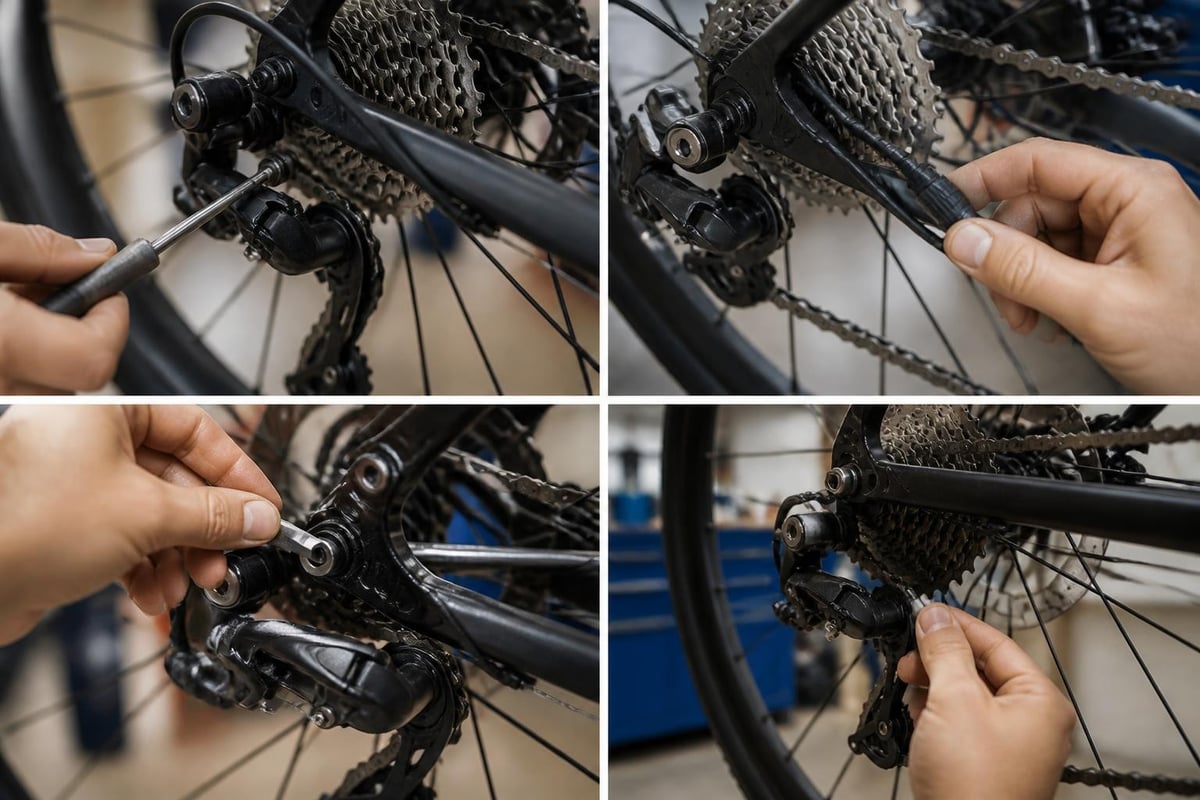
Properly adjusted derailleurs ensure crisp, reliable shifts across your entire gear range. The rear derailleur requires two limit screws that prevent the chain from shifting beyond the largest or smallest cog. The barrel adjuster fine-tunes cable tension for precise indexing between gears.
Front derailleur adjustment involves similar principles but also requires proper height and rotation relative to the chainrings. Many riders find front shifting more challenging, making correct setup particularly important. Before preparing your bike for summer cycling, verify both derailleurs shift smoothly through all gear combinations.
Common Gears Cycle Problems and Solutions
Even well-maintained systems occasionally develop issues. Recognizing symptoms and understanding solutions prevents minor problems from becoming major failures. Most gear-related issues stem from cable stretch, derailleur misalignment, or component wear.
Skipping gears during pedaling usually indicates a worn chain or cassette. When chain links wear, they no longer mesh perfectly with cassette teeth, causing the chain to jump under load. This problem worsens progressively and requires component replacement rather than adjustment.
Sluggish shifting typically results from cable friction or insufficient tension. Cables gradually stretch with use, requiring periodic adjustment via barrel adjusters. If adjustment doesn't resolve the issue, cables may need replacement, especially if they show corrosion or fraying.
| Problem | Likely Cause | Solution | Prevention |
|---|---|---|---|
| Chain skips under load | Worn chain/cassette | Replace worn components | Regular chain replacement |
| Slow or incomplete shifts | Cable stretch or dirt | Adjust tension, clean cables | Monthly cable inspection |
| Chain drops off gears | Limit screw misadjustment | Reset derailleur limits | Check after any impact |
| Grinding noise when shifting | Poor derailleur alignment | Realign derailleur hanger | Avoid laying bike on derailleur side |
Cross-Chaining and Its Effects
Cross-chaining occurs when using extreme gear combinations, such as the largest chainring with the largest rear cog, or smallest with smallest. This creates severe chain angle, increasing wear and reducing efficiency. While modern drivetrains tolerate some cross-chaining, avoiding these combinations extends component life.
The middle chainring (on triple-chainring setups) provides the most versatile range with minimal chain angle. On double-chainring systems, use the small ring for climbing and the large ring for flat or descending terrain, selecting rear cogs that keep the chain relatively straight.
Advanced Gear Selection Strategies
Experienced cyclists develop intuitive gear selection that anticipates terrain, wind, and energy management. This skill comes from understanding your gears cycle system deeply and practicing strategic shifting during various riding scenarios. You can explore more insights on gear optimization through resources at Cycling Gears Hub's blog.
Pre-emptive shifting means changing gears before you absolutely need the new ratio. Approaching an intersection where you'll need to stop and restart, shift to an easier gear while still moving. Before a hill, downshift while on flat ground. This technique reduces stress on drivetrain components and maintains momentum.
Power shifting should be avoided except in racing situations. This involves shifting while applying maximum pedaling force, which stresses the chain and derailleur. Instead, ease pedaling pressure momentarily during shifts, then resume full power once the chain settles into the new gear.
Terrain-Specific Gear Management
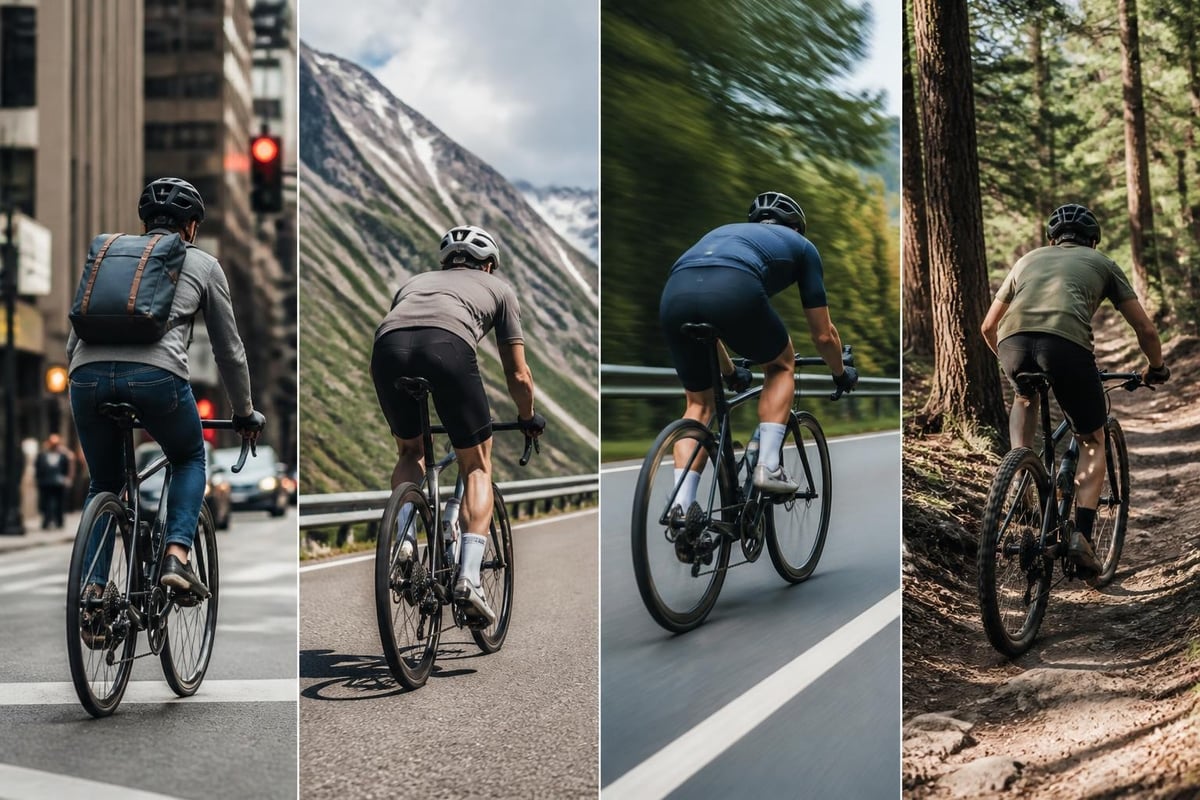
Different riding environments demand distinct approaches to gear usage. Urban cycling with frequent stops requires constant gear attention, while long rural rides might maintain relatively stable gearing for extended periods.
- Urban commuting: Use middle gears for quick acceleration, shift down before stops, anticipate traffic light changes
- Hill climbing: Shift to climbing gears early, maintain steady cadence, avoid shifting mid-climb under heavy load
- Flat road riding: Find sustainable cadence in higher gears, shift for wind changes, use draft positions to maintain speed
- Technical trails: Keep chain in secure middle gears, avoid extreme combinations on rough terrain, shift during smooth sections
Electronic vs. Mechanical Shifting Systems
Modern gears cycle technology includes both traditional mechanical cable-actuated systems and electronic shifting. Each approach offers distinct advantages, with mechanical systems providing simplicity and reliability while electronic systems deliver precision and convenience.
Mechanical shifting remains the standard for most cyclists due to lower cost and ease of maintenance. Cables and housing are universally available, and adjustments require only basic tools. However, cable systems require periodic maintenance and can develop friction that affects shifting quality.
Electronic shifting uses battery-powered motors to move derailleurs with button presses. These systems maintain perfect adjustment indefinitely, shift under heavy load more reliably, and offer programmable features. The trade-offs include higher initial cost, battery management, and specialized service requirements.
Comparison of shifting technologies:
- Cost: Mechanical significantly less expensive than electronic
- Maintenance: Mechanical requires regular cable adjustment; electronic needs battery charging
- Precision: Electronic provides consistently perfect shifts; mechanical varies with cable condition
- Reliability: Mechanical fails gradually with warning; electronic fails completely if battery dies
- Customization: Electronic offers programmable shift patterns; mechanical has fixed operation
Upgrading Your Gears Cycle Components
Strategic upgrades can dramatically improve shifting performance and overall riding experience. Not all upgrades provide equal value, so understanding which components deliver the most significant improvements helps prioritize investments.
Cassette upgrades affect both gear range and shifting quality. Modern cassettes with 11 or 12 speeds provide closer gear ratios, making it easier to maintain optimal cadence. Wider-range cassettes (like 11-42 or 10-50) offer climbing gears suitable for steep terrain while maintaining useful high gears.
Derailleur improvements enhance shift speed and precision. Higher-quality derailleurs use better materials and tighter tolerances, resulting in crisper shifts and longer service life. Many modern derailleurs also feature clutch mechanisms that reduce chain slap and improve chain retention on rough terrain.
Chain quality significantly impacts both shifting performance and drivetrain longevity. Premium chains use harder materials and tighter manufacturing tolerances, shifting more smoothly and lasting longer than budget alternatives. For riders seeking essential cycling accessories, quality chains represent one of the most cost-effective upgrades.
Compatibility Considerations
Before upgrading any gears cycle component, verify compatibility with your existing system. Drivetrain manufacturers use proprietary spacing and pull ratios, meaning Shimano, SRAM, and Campagnolo components generally don't interchange. Speed count must also match-a 10-speed shifter won't work properly with an 11-speed cassette.
Chain width varies by speed count, with 12-speed chains being narrower than 9-speed chains. Always match chain width to your cassette speed. Similarly, cassette mounting standards (freehub vs. freewheel, spline patterns) must match your wheel hub.
Seasonal Considerations for Gear Maintenance
India's diverse climate requires adapted maintenance approaches throughout the year. Monsoon season brings moisture that accelerates corrosion and washes away lubricant. Summer heat can cause lubricants to become too thin, while winter (in cooler regions) may thicken grease and reduce shifting responsiveness.
Monsoon preparation includes switching to wet-condition lubricants that resist water washing, more frequent cleaning to remove grit, and protective treatments for exposed metal components. After wet rides, dry and re-lubricate the chain immediately to prevent rust formation.
Summer maintenance focuses on using slightly thicker lubricants that won't drip off in heat, ensuring adequate cleaning to remove dust that accumulates in dry conditions, and protecting plastic components from UV degradation. Regular inspection becomes crucial as increased riding frequency accelerates wear.
For comprehensive guidance on maintaining your bike throughout the year, exploring detailed resources about gears cycling provides valuable insights specific to Indian conditions.
| Season | Primary Challenges | Recommended Actions | Lubrication Type |
|---|---|---|---|
| Monsoon | Water, mud, rust | Frequent cleaning, immediate drying | Wet-condition lube |
| Summer | Dust, heat, UV exposure | Regular dusting, component protection | Medium-weight lube |
| Winter | Cold (in some regions) | Standard maintenance, ensure free movement | All-weather lube |
| Post-monsoon | Residual moisture, settling dust | Thorough cleaning, complete re-lubrication | Transition to dry lube |
Training Your Muscle Memory for Intuitive Shifting
Developing automatic, appropriate gear selection requires conscious practice that eventually becomes subconscious habit. New cyclists often forget to shift or shift too late, while experienced riders seamlessly adjust gears without conscious thought. Building this muscle memory accelerates with deliberate practice.
Focused training rides dedicated to shifting practice help develop intuition. Choose varied terrain and consciously experiment with different gears in similar situations. Notice how your body feels in various gears at different cadences. This experiential learning creates the foundation for automatic gear selection.
Cadence awareness develops through paying attention to your pedaling speed and associated effort level. Many cyclists use bike computers with cadence sensors to see real-time RPM data, helping correlate feelings with actual numbers. Over time, you develop an internal sense of optimal cadence without needing to check the display.
Practice shifting smoothly without looking at the shifters or drivetrain. This develops the coordination needed for safe road riding where attention must stay on traffic and road conditions. Start with stationary practice, then progress to quiet roads before applying skills in complex traffic situations.
Mastering your gears cycle system transforms cycling from a struggle against resistance into an efficient, enjoyable experience across any terrain. Whether you're commuting through city traffic, conquering mountain passes, or enjoying weekend recreational rides, proper gear usage and maintenance ensures optimal performance and equipment longevity. If you're looking to upgrade components, maintain your drivetrain, or equip yourself with quality cycling accessories, Cycling Gears Hub provides everything Indian cyclists need with fast shipping, flexible payment options, and hassle-free returns to support your cycling journey.