

Gravel cycling has exploded in popularity across India and worldwide, blending the speed of road cycling with the adventure of off-road exploration. As riders tackle everything from smooth tarmac to rocky trails, the demand for specialized protective gear has grown significantly. A gravel bike helmet represents a unique category of cycling protection, engineered to handle the diverse challenges that come with mixed-terrain riding. Unlike traditional road helmets or mountain bike helmets, these specialized designs balance ventilation, coverage, and versatility to keep riders safe whether they're sprinting on pavement or navigating technical descents on loose gravel.
Understanding Gravel Bike Helmet Design Philosophy
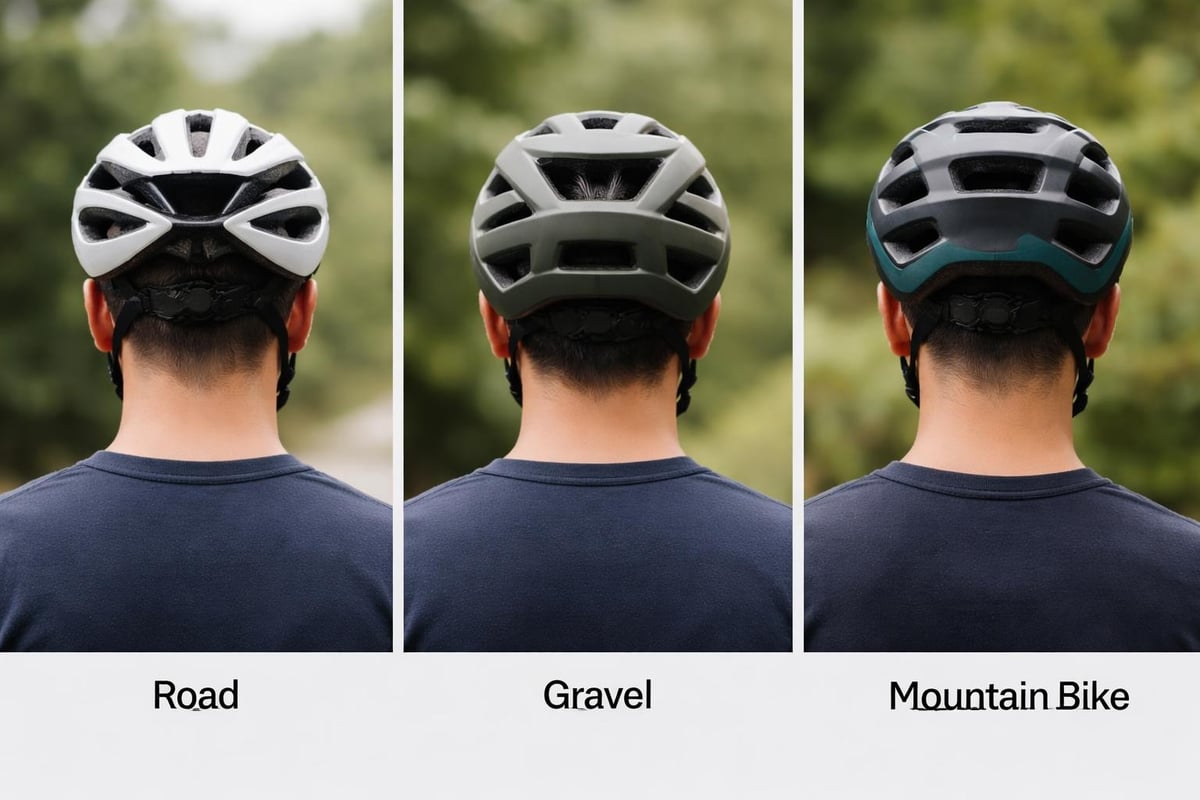
The gravel bike helmet emerged as manufacturers recognized that riders needed something different from conventional options. Traditional road helmets prioritize aerodynamics and lightweight construction, often sacrificing coverage for speed. Mountain bike helmets, conversely, offer extended rear coverage and visors but can feel overly bulky on paved sections.
Gravel helmets bridge this gap by incorporating elements from both disciplines. They typically feature:
- Extended rear coverage for added protection during unpredictable off-road situations
- Integrated or removable visors to shield eyes from sun and debris
- Robust ventilation systems that work across varying speeds
- Slightly more coverage around temples and lower skull regions
- Compatibility with lights, cameras, and other accessories
The Role of Extended Coverage
One distinguishing characteristic involves the extended coverage area. When exploring understanding what the heck is a gravel helmet means, the additional protection around the back and sides becomes immediately apparent. This design consideration acknowledges that gravel riders often encounter variable terrain where falls might occur at unexpected angles.
The coverage doesn't add excessive weight. Modern materials and engineering allow manufacturers to extend protection zones while maintaining the lightweight feel cyclists demand. This balance proves essential for riders who might spend eight hours covering 100 kilometers of mixed terrain.
Safety Standards and Certification Requirements
Safety certifications provide the foundation for any quality gravel bike helmet. In 2026, several key standards govern helmet manufacturing and testing protocols. Understanding these certifications helps riders make informed decisions about protection levels.
| Certification | Region | Impact Testing | Rotational Protection |
|---|---|---|---|
| CPSC | United States | Required | Optional |
| EN 1078 | Europe | Required | Optional |
| AS/NZS 2063 | Australia/NZ | Required | Optional |
| MIPS/WaveCel | Technology Add-on | Enhanced | Primary Focus |
The helmet safety standards for gravel biking have evolved significantly over recent years. Beyond basic impact protection, modern standards increasingly address rotational forces, which research suggests cause many serious head injuries.
MIPS and Rotational Impact Technology
MIPS (Multi-directional Impact Protection System) has become nearly standard in premium gravel bike helmet designs. This technology uses a low-friction layer inside the helmet that allows slight rotation during angled impacts, reducing rotational forces transmitted to the brain.
Alternative systems like WaveCel, Kineticore, and SPIN offer similar benefits through different engineering approaches. Each manufacturer employs proprietary methods, but the goal remains consistent: protecting against both linear and rotational impacts.
For Indian cyclists exploring remote areas or technical terrain, investing in a gravel bike helmet with rotational protection technology provides meaningful safety advantages. The additional cost typically ranges from ₹2,000 to ₹5,000 but delivers measurable protective benefits.
Ventilation Systems for Variable Conditions
Gravel riding presents unique thermal management challenges. Riders might climb steep mountain passes at slow speeds, descend rapidly through cool forests, then sprint across exposed plains under intense sun. A gravel bike helmet must regulate temperature across this spectrum.
Modern ventilation engineering employs computational fluid dynamics to optimize airflow. Strategic vent placement creates positive pressure at intake points and negative pressure at exhaust areas, generating continuous air movement even at lower speeds.
Adjustable Ventilation Features
Some premium models now incorporate adjustable ventilation systems. Riders can modify airflow by sliding panels or rotating mechanisms, adapting the helmet to current conditions. This versatility proves particularly valuable for:
- Early morning rides in cool temperatures
- Midday heat management
- High-altitude riding where temperatures fluctuate dramatically
- Transitioning between shaded forest trails and exposed roads
When selecting essential cycling accessories for beginners, understanding ventilation needs helps narrow options based on typical riding conditions.
Visor Integration and Functionality
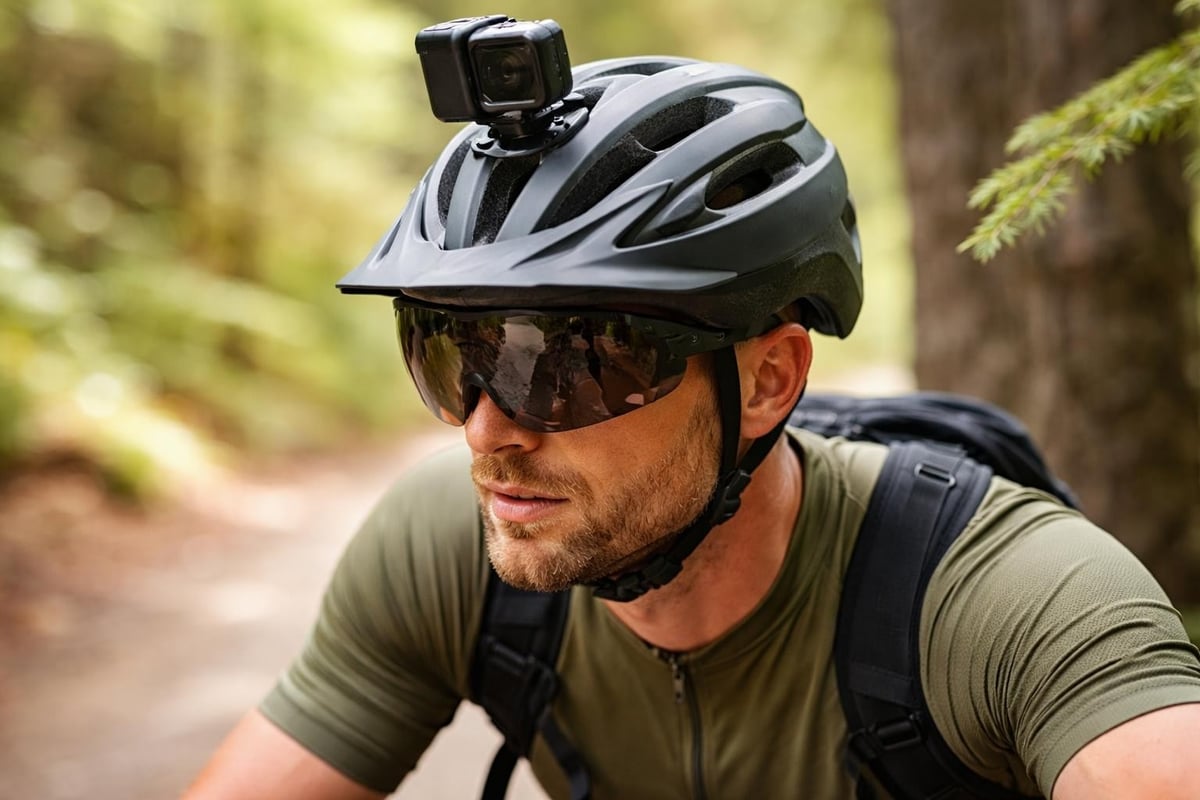
The visor distinguishes many gravel bike helmet designs from road-specific models. This seemingly simple addition serves multiple critical functions during mixed-terrain adventures.
Primary visor benefits include:
- Sun angle management during long rides spanning dawn to dusk
- Deflecting low-hanging branches on wooded trails
- Reducing glare from wet surfaces after rain
- Providing mounting points for action cameras or lights
Most modern designs offer removable visors, allowing riders to configure their helmet based on specific ride requirements. Some manufacturers provide multiple visor options, including different lengths and angles for various conditions.
Visor Position and Eyewear Compatibility
Quality gravel bike helmet designs ensure visor positioning doesn't interfere with eyewear. The visor should sit high enough to avoid blocking vision or creating pressure points against sunglasses, yet low enough to provide effective sun shielding.
Testing helmet and eyewear combinations before committing to a purchase prevents frustration. Many riders discover compatibility issues only after several hours on the trail, when pressure points or vision obstruction becomes problematic.
Fit Systems and Retention Mechanisms
Proper fit determines both comfort and safety performance. A gravel bike helmet that shifts during impact cannot provide optimal protection. Modern retention systems have evolved significantly, offering micro-adjustability and improved stability.
Leading retention technologies include:
- BOA dial systems for precise, on-the-fly adjustment
- Ratchet mechanisms with multiple position settings
- Cradle designs that wrap around the skull's occipital region
- Magnetic buckle systems for single-handed operation
The retention system should distribute pressure evenly across the head, avoiding concentrated stress points that create discomfort during long rides. Padding thickness and material composition significantly impact comfort during extended wear.
Sizing Considerations for Indian Riders
Helmet sizing varies between manufacturers, making it essential to measure head circumference accurately. For Indian cyclists, consulting the ultimate buying guide to the best cycling helmet provides valuable sizing insights specific to regional fit considerations.
Most quality gravel bike helmet models accommodate head circumferences from 52cm to 62cm through different size options. Some manufacturers offer Asian-fit versions with slightly different internal geometries to better match head shape variations common in Asian populations.
Weight Considerations and Structural Materials
Weight impacts both comfort and performance during all-day gravel adventures. While competitive road cyclists obsess over saving every gram, gravel riders typically accept slightly more weight in exchange for enhanced protection and features.
| Material | Weight Range | Durability | Cost |
|---|---|---|---|
| In-mold polycarbonate | 250-300g | Good | Moderate |
| Carbon fiber shell | 200-250g | Excellent | Premium |
| EPS foam core | Standard | Good | Standard |
| EPP foam core | +10-20g | Superior | Increased |
Most modern gravel bike helmet designs fall between 250 and 350 grams. This weight range provides adequate protection without creating neck fatigue during rides lasting six to ten hours.
Carbon fiber shells reduce weight while maintaining structural integrity, but significantly increase costs. For most recreational riders, well-engineered polycarbonate shells deliver excellent protection at more accessible price points.
Feature Integration and Accessory Compatibility
Contemporary gravel bike helmet designs increasingly accommodate the technology cyclists carry. Integrated mounting systems for lights, cameras, and GPS devices eliminate the need for additional attachments that compromise aerodynamics or helmet integrity.
Premium models offer:
- Recessed light clips that maintain clean aerodynamic profiles
- Camera mounts integrated into ventilation structures
- Eyewear storage channels along the front vents
- RECCO reflectors for emergency location in remote areas
For riders exploring bikepacking equipment options, helmet-integrated lighting proves especially valuable during multi-day adventures where reliable visibility matters critically.
Communication System Integration
As group gravel riding grows more popular, communication systems help riders stay connected during long adventures. Some gravel bike helmet models now include channels or pockets specifically designed to accommodate Bluetooth communication devices without compromising comfort or ventilation.
These integrated solutions typically position speakers and microphones optimally for audio clarity while minimizing interference with retention systems or padding. The integration eliminates the aftermarket modification challenges that often create pressure points or stability issues.
Temperature Regulation and Seasonal Adaptability
Indian cycling conditions range from Himalayan cold to Rajasthan heat, demanding versatile thermal management. A quality gravel bike helmet performs across this spectrum through intelligent design and optional accessories.
Thermal management strategies include:
- Removable padding systems with seasonal thickness options
- Vent covers for cold weather riding
- Moisture-wicking liner materials that prevent sweat accumulation
- Reflective interior coatings that reduce heat absorption
Riders in cooler regions might prioritize models accepting winter liner kits, while those in consistently warm climates benefit from maximum ventilation capacity. The versatility to adapt proves valuable for cyclists who travel across India's diverse climate zones.
Aerodynamic Considerations for Gravel Performance
While aerodynamics matter less in gravel cycling than road racing, efficiency still impacts performance during paved sections and long, flat gravel roads. Modern gravel bike helmet designs employ computational testing to minimize drag without sacrificing ventilation or coverage.
The 100% Altis Gravel Helmet review demonstrates how manufacturers balance these competing priorities. Tapered rear profiles reduce turbulence during higher-speed sections while maintaining the coverage gravel riders require.
Aerodynamic benefits become meaningful during:
- Long gravel fondo events with significant paved sections
- Gravel races where speed differentiation occurs on faster terrain
- Headwind conditions where drag reduction conserves energy
- Group riding scenarios where maintaining pace matters
For most recreational gravel riders, aerodynamic optimization ranks below ventilation, comfort, and protection in priority hierarchies. Competitive riders might weigh these factors differently.
Color and Visibility Safety Features
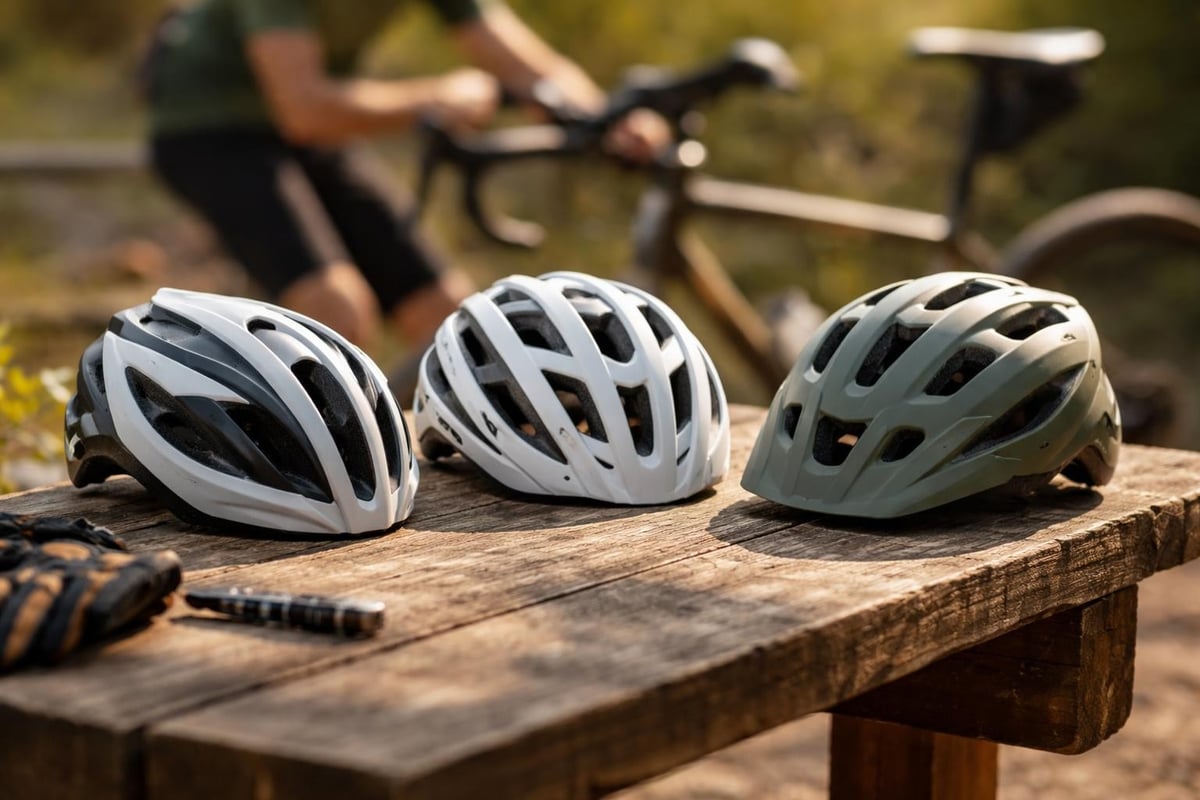
Visibility significantly impacts safety during gravel adventures, which often traverse remote roads with limited traffic awareness. Gravel bike helmet color choices and reflective elements enhance visibility to motorists sharing rural routes.
High-visibility features include:
- Fluorescent yellow, orange, or lime green shell colors
- Reflective decals or strips on rear and side surfaces
- Integrated LED lights or mounting provisions
- Contrasting color blocking that increases visual recognition
While personal aesthetic preferences matter, visibility considerations deserve weight in selection decisions. Many manufacturers now offer multiple colorways for popular models, allowing riders to balance style preferences with safety priorities.
For riders frequently cycling during dawn or dusk hours, investing in a gravel bike helmet with integrated lighting or excellent reflective properties provides meaningful safety advantages. This consideration proves especially important on India's rural roads where street lighting remains limited.
Price Ranges and Value Considerations
Gravel bike helmet pricing in 2026 spans from approximately ₹3,000 to ₹25,000, depending on materials, features, and brand positioning. Understanding where value exists at different price points helps riders make informed investments.
Entry-Level Options (₹3,000-₹7,000)
Entry-level models typically feature:
- Basic in-mold construction
- Standard retention systems
- Fixed visors or no visor inclusion
- Limited color options
- Basic certifications without rotational protection
These helmets serve recreational riders well for occasional gravel adventures and provide adequate protection for most scenarios.
Mid-Range Selection (₹7,000-₹15,000)
Mid-range gravel bike helmet options incorporate:
- MIPS or equivalent rotational protection
- Advanced retention systems with micro-adjustment
- Removable visors and better ventilation
- Multiple size options and colorways
- Enhanced padding and comfort features
This category represents the sweet spot for most enthusiastic gravel cyclists, delivering meaningful feature improvements without premium pricing.
Premium Models (₹15,000-₹25,000)
Premium offerings justify higher costs through:
- Carbon fiber shell construction
- Proprietary rotational protection systems
- Superior ventilation engineering
- Integrated technology mounting
- Extended warranty coverage and crash replacement programs
Competitive riders and those prioritizing absolute performance typically invest at this level. For riders seeking comprehensive protection, Cycling Gears Hub offers a carefully curated selection of premium cycling gear and accessories that meet the demanding standards of serious cyclists across India.

Maintenance and Longevity Best Practices
Proper maintenance extends gravel bike helmet lifespan and ensures continued protection. Unlike many cycling components, helmets have defined replacement intervals regardless of visible wear.
Maintenance protocols include:
- Regular cleaning with mild soap and water
- Thorough drying before storage to prevent mold
- Inspection for cracks or deformation after any impact
- Replacement of worn padding and retention components
- Storage away from extreme temperatures and direct sunlight
Most manufacturers recommend helmet replacement every three to five years, even without impact involvement. Foam materials degrade over time, reducing protective capacity. Any helmet involved in a crash should be replaced immediately, as internal damage may not be visible externally.
Cleaning and Care Specifics
The interior padding typically requires the most frequent attention, as sweat and oils accumulate during rides. Many modern gravel bike helmet designs feature removable, washable padding systems that simplify maintenance.
For non-removable padding, gentle hand washing with mild detergent maintains hygiene without degrading materials. Avoid harsh chemicals or machine washing, which can compromise foam integrity and padding adhesion.
Testing and Personal Fit Verification
No amount of research replaces personal testing when selecting a gravel bike helmet. Individual head shapes, comfort preferences, and riding styles create unique requirements that only hands-on evaluation can address.
Testing should evaluate:
- Stability during head movements in all directions
- Pressure point identification during extended wear
- Ventilation effectiveness at various speeds
- Visor positioning relative to eyewear and vision
- Retention system ease of adjustment and security
Many specialty cycling retailers offer test ride programs or generous return policies, recognizing that proper fit cannot be determined through brief in-store trials. Taking advantage of these programs prevents costly mistakes.
For Indian cyclists exploring comprehensive gear options, reviewing the best cycling accessories provides context for how a gravel bike helmet fits within a complete safety and performance system.
Impact of Riding Style on Helmet Selection
Different gravel riding approaches create distinct helmet requirements. A rider focused on racing gravel events prioritizes different features than someone exploring bikepacking adventures or casual mixed-terrain recreation.
Racing-focused riders prioritize:
- Aerodynamic efficiency for competitive advantage
- Minimal weight to reduce fatigue
- Aggressive ventilation for high-output efforts
- Streamlined profiles without excessive features
Adventure and bikepacking cyclists value:
- Maximum coverage for remote riding safety
- Accessory integration for lights and cameras
- Durability to withstand varied conditions
- Comfort during all-day wear
Understanding personal riding style priorities clarifies which gravel bike helmet features deserve emphasis during selection. This self-awareness prevents investing in capabilities that never get utilized while ensuring critical requirements receive adequate attention.
Regional Considerations for Indian Cyclists
Indian gravel cycling presents unique challenges that influence helmet selection. Climate extremes, road conditions, and typical ride durations create specific requirements worth considering.
India-specific factors include:
- Extended periods in intense heat requiring maximum ventilation
- Monsoon riding conditions where visors provide meaningful value
- Variable road quality creating increased crash risk
- Limited emergency services in remote areas elevating safety priorities
Riders frequently exploring road cycling accessories will recognize how environment influences equipment selection. The same principles apply to gravel bike helmet choices, where local conditions should inform decisions.
Altitude and Temperature Variation
For cyclists in northern regions or those riding in Himalayan areas, temperature regulation becomes particularly complex. Morning starts might occur in near-freezing conditions, while afternoon temperatures soar. Gravel bike helmet designs accommodating removable liners and vent covers provide essential adaptability.
Coastal riders face different challenges, with humidity creating ventilation demands that exceed hot, dry environments. Understanding regional climate patterns helps identify which helmet features deliver practical value versus theoretical benefits unlikely to be utilized.
Selecting the right gravel bike helmet involves balancing protection, comfort, features, and budget across your specific riding conditions and style. The investment in quality head protection proves invaluable when exploring India's diverse gravel routes, from Himalayan mountain passes to coastal backroads. Cycling Gears Hub provides Indian cyclists with access to premium helmets and comprehensive cycling gear backed by expert guidance, fast shipping, and hassle-free returns. Whether you're beginning your gravel journey or upgrading existing equipment, finding the perfect helmet ensures every adventure begins with confidence and security.