

Many cyclists wonder whether their mountain bikes can handle everyday road riding, commuting, or fitness rides on pavement. While mountain bikes are specifically designed for off-road terrain, they can absolutely be used on roads with the right understanding and adjustments. The question of whether mountain bikes good for road use depends on your riding goals, the modifications you're willing to make, and the trade-offs you're prepared to accept. This comprehensive guide explores the advantages, limitations, and optimization strategies for using mountain bikes on paved surfaces.
Understanding Mountain Bike Design for Road Use
Mountain bikes feature robust construction built to withstand rough trails, jumps, and technical descents. This durability translates well to road use, but certain design elements create challenges for pavement riding.
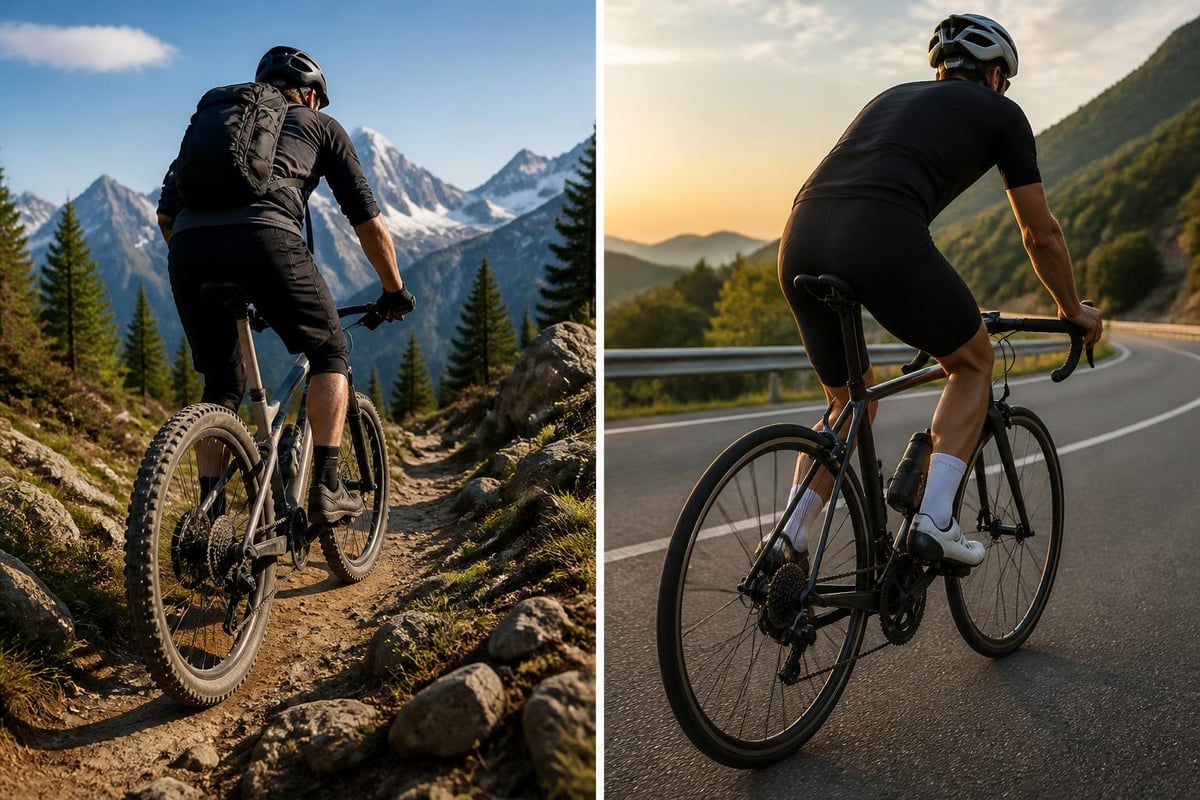
The geometry of mountain bikes emphasizes stability and control over speed and aerodynamics. Using mountain bikes on roads reveals that the upright riding position reduces strain on your back and neck during casual rides, making them comfortable for commuting and recreational cycling. However, this position creates more wind resistance compared to road bikes.
Frame Geometry and Riding Position
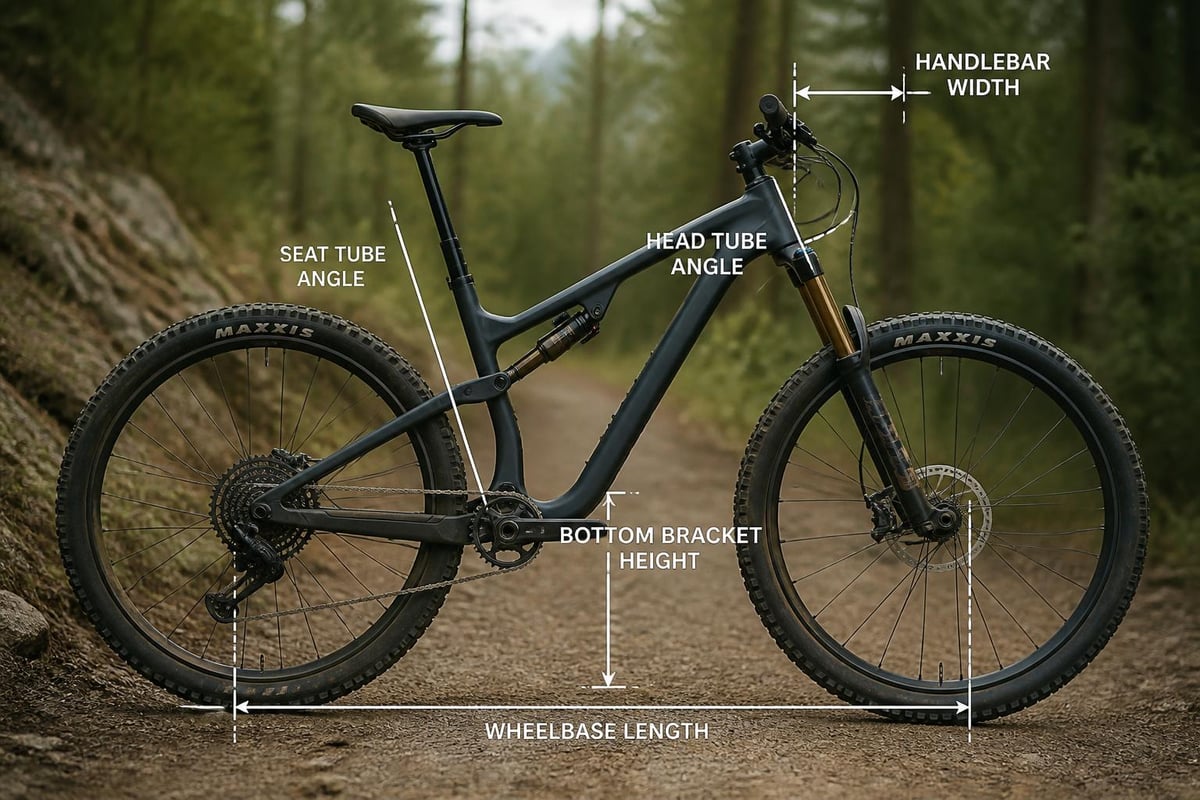
Mountain bike frames position riders in an upright stance that prioritizes visibility and maneuverability. This ergonomic advantage means less fatigue during short to medium rides on pavement. The longer wheelbase and slacker head tube angle provide excellent stability, especially when navigating potholes or uneven urban roads.
Key geometric features include:
- Relaxed seat tube angle for better climbing on trails
- Higher bottom bracket for obstacle clearance
- Shorter top tube for responsive handling
- Wider handlebar spacing for control
The relaxed geometry makes mountain bikes good for road riding when comfort matters more than pure speed. Commuters particularly appreciate the confidence-inspiring handling and ability to easily put a foot down at traffic stops.
Performance Characteristics on Pavement
When evaluating whether mountain bikes good for road conditions, performance metrics reveal both strengths and weaknesses compared to dedicated road bicycles.
Speed and Efficiency Considerations
Mountain bikes typically travel slower on pavement due to several factors. The wider, knobby tires create significantly more rolling resistance than smooth road tires. Suspension systems absorb pedaling energy that would otherwise propel you forward. The upright position increases aerodynamic drag, particularly at speeds above 15 mph.
| Performance Factor | Mountain Bike | Road Bike | Impact on Road Use |
|---|---|---|---|
| Rolling Resistance | High | Low | 15-30% slower speeds |
| Aerodynamics | Poor | Excellent | Significant at 20+ mph |
| Weight | 28-35 lbs | 18-22 lbs | More effort climbing |
| Comfort | Excellent | Moderate | Better on rough roads |
Despite these limitations, mountain bikes can be adapted for road use through strategic modifications. Many riders find the speed difference acceptable for commuting, fitness rides, or casual cycling where arriving refreshed matters more than achieving maximum velocity.
Terrain Versatility Benefits
One major advantage of using mountain bikes on roads is their ability to handle mixed terrain without hesitation. Curbs, gravel paths, dirt shortcuts, and deteriorating pavement pose no challenge to mountain bike construction. This versatility proves invaluable in urban environments where road conditions vary dramatically.
The robust wheels and tires resist damage from potholes and debris that would potentially puncture or damage road bike wheels. This durability reduces maintenance costs and provides peace of mind during daily commutes through unpredictable conditions.
Essential Modifications for Road Optimization
Transforming mountain bikes good for road performance requires targeted upgrades that address the primary efficiency limitations while preserving the bike's core strengths.
Tire Selection and Pressure Adjustments
The single most impactful modification is switching to road-appropriate tires. Replacing knobby mountain bike tires with slick or semi-slick options dramatically reduces rolling resistance. Look for tires with:
- Smooth center tread for minimal pavement friction
- Width between 1.5 to 2.0 inches for balanced speed and comfort
- Higher pressure ratings (60-80 PSI) compared to trail tires
- Puncture-resistant layers for urban debris protection
Increasing tire pressure to the maximum recommended level further improves efficiency. Every 10 PSI increase can yield noticeable speed gains on smooth pavement. Expert recommendations for mountain bike road optimization emphasize proper tire selection as the foundation of effective conversion.
Suspension Lockout and Adjustment
Mountain bike suspension absorbs significant pedaling energy on smooth roads. Modern suspension forks often include lockout mechanisms that firm up the suspension for climbing or road riding. Engaging this lockout eliminates the bobbing motion that wastes energy during hard pedaling efforts.
For bikes without lockout features, increasing air pressure or adjusting preload stiffens the suspension. Some riders choose to replace suspension forks entirely with rigid alternatives, saving weight and maximizing power transfer. This modification particularly benefits those using their mountain bike exclusively for road and commuting purposes.

Whether you're modifying your mountain bike for road use or looking to enhance your current setup, having access to quality cycling accessories makes all the difference. Cycling Gears Hub provides everything from performance tires and tubes to lights, locks, and maintenance tools that help optimize your mountain bike for pavement riding.
Gear Ratio Optimization Strategies
Mountain bikes feature gear ratios optimized for steep climbs and technical terrain rather than sustained high-speed riding. Understanding how to work with these ratios improves road performance significantly.
Chainring and Cassette Considerations
Most modern mountain bikes use a single front chainring with a wide-range rear cassette. This setup provides excellent climbing ability but lacks the tall gearing needed for efficient high-speed road riding. The largest rear cog might be 50 teeth, perfect for steep trails but unnecessary on flat roads.
Options for improving gear ratios include:
- Installing a larger front chainring (increase from 30T to 34T or 36T)
- Replacing the rear cassette with a tighter range (11-42 instead of 11-50)
- Adding a front derailleur and second chainring for more top-end options
- Upgrading to a road-specific drivetrain for dedicated pavement use
These modifications help mountain bikes good for road riding maintain higher cadences at speed without spinning out. The investment varies from moderate (chainring swap) to substantial (full drivetrain replacement), so consider your commitment to road riding before proceeding.
Comfort and Ergonomic Enhancements
Beyond speed, making mountain bikes good for road use involves addressing comfort during extended pavement rides. Small adjustments yield significant improvements in rider satisfaction.
Handlebar and Grip Modifications
Mountain bike flat or riser handlebars offer limited hand positions, leading to numbness and fatigue during long road rides. Several solutions address this limitation:
- Bar ends provide alternative hand positions for climbing and cruising
- Ergonomic grips with palm support reduce pressure points
- Drop bar conversions completely transform the bike's road character
- Different handlebar widths optimize aerodynamics and comfort
Changing to narrower handlebars reduces wind resistance and creates a more road-appropriate position. Many riders find that trimming their bars by one to two inches improves comfort without sacrificing control.
Saddle Selection for Extended Rides
Mountain bike saddles prioritize durability and freedom of movement for technical riding rather than long-distance comfort. Upgrading to a road-oriented saddle with appropriate padding and shape significantly improves comfort during commutes or fitness rides. Consider saddles designed for upright riding positions rather than aggressive road racing positions.
Safety Considerations and Equipment
Riding mountain bikes on roads requires attention to visibility and safety equipment appropriate for traffic conditions. The suitability of mountain bikes for street riding includes ensuring proper safety measures.
Lighting and Visibility Systems
Mountain bikes often lack the mounting points and equipment needed for safe road riding. Essential safety additions include:
- Front white light (minimum 200 lumens for urban areas, 500+ for unlit roads)
- Rear red light with steady and flashing modes
- Reflective tape on frame, wheels, and pedals
- Bright clothing or reflective vest for commuting
These additions transform a trail bike into a road-safe vehicle. Battery-powered lights offer convenience, while dynamo systems provide unlimited runtime for serious commuters.
Braking Performance Optimization
Mountain bike disc brakes provide excellent stopping power, often exceeding what road bikes offer. However, brake pads optimized for muddy trails may not perform ideally on dry pavement. Consider switching to road-specific brake pads that reduce noise and improve modulation during normal road riding conditions.
Maintenance Requirements for Road Use
Mountain bikes good for road riding require different maintenance attention compared to their trail-focused counterparts. Pavement riding is generally less demanding on components but introduces unique wear patterns.
Drivetrain Longevity and Care
Road riding accumulates miles quickly compared to trail riding, accelerating chain and cassette wear. The consistent pedaling on pavement creates steady wear patterns rather than the variable loads experienced off-road. Regular chain cleaning and lubrication extend component life significantly.
Maintenance schedule adjustments for road use:
| Component | Trail Frequency | Road Frequency | Reason |
|---|---|---|---|
| Chain Cleaning | Every 5 rides | Every 3 rides | More miles accumulated |
| Brake Adjustment | Monthly | Every 2 months | Less contamination |
| Suspension Service | 50 hours | 100+ hours | Reduced stress |
| Tire Inspection | Weekly | Bi-weekly | Less puncture risk |
The reduced impact stress on pavement means suspension components and frame bearings last longer, partially offsetting the increased drivetrain wear.
Practical Applications and Use Cases
Understanding specific scenarios where mountain bikes good for road use excel helps riders make informed decisions about their cycling needs.
Commuting and Urban Transportation
Mountain bikes serve excellently as commuter vehicles in cities with mixed infrastructure. The ability to hop curbs, navigate potholes, and take dirt path shortcuts provides routing flexibility unavailable to road bikes. The upright position offers superior visibility in traffic, while the durable construction withstands daily abuse from locks, racks, and variable storage conditions. For cyclists looking to upgrade their cycling accessories for better commuting, adding panniers, fenders, and practical storage solutions transforms a mountain bike into an ideal urban transport solution.
Fitness and Recreation Riding
Recreational riders seeking exercise without competitive ambitions find mountain bikes perfectly adequate for road use. The slightly slower pace encourages sustainable effort levels for building fitness gradually. The comfortable position reduces intimidation for new cyclists transitioning from casual riding to regular exercise routines.
Many fitness riders appreciate the option to explore both paved paths and light gravel trails during the same ride. This variety keeps training interesting while building different muscle groups and skills.
Budget-Conscious Multi-Purpose Cycling
Owning separate bikes for roads and trails represents a significant financial investment beyond many cyclists' budgets. A single mountain bike adapted for road use with strategic modifications provides 80-90% of the performance for both applications at half the cost and storage space. Riding mountain bikes on pavement makes economic sense for riders who want versatility without maintaining multiple bicycles.
Comparing Mountain Bikes to Alternative Options
While mountain bikes good for road use offer compelling advantages, understanding how they compare to purpose-built alternatives helps inform purchasing decisions.
Hybrid Bikes as Middle Ground
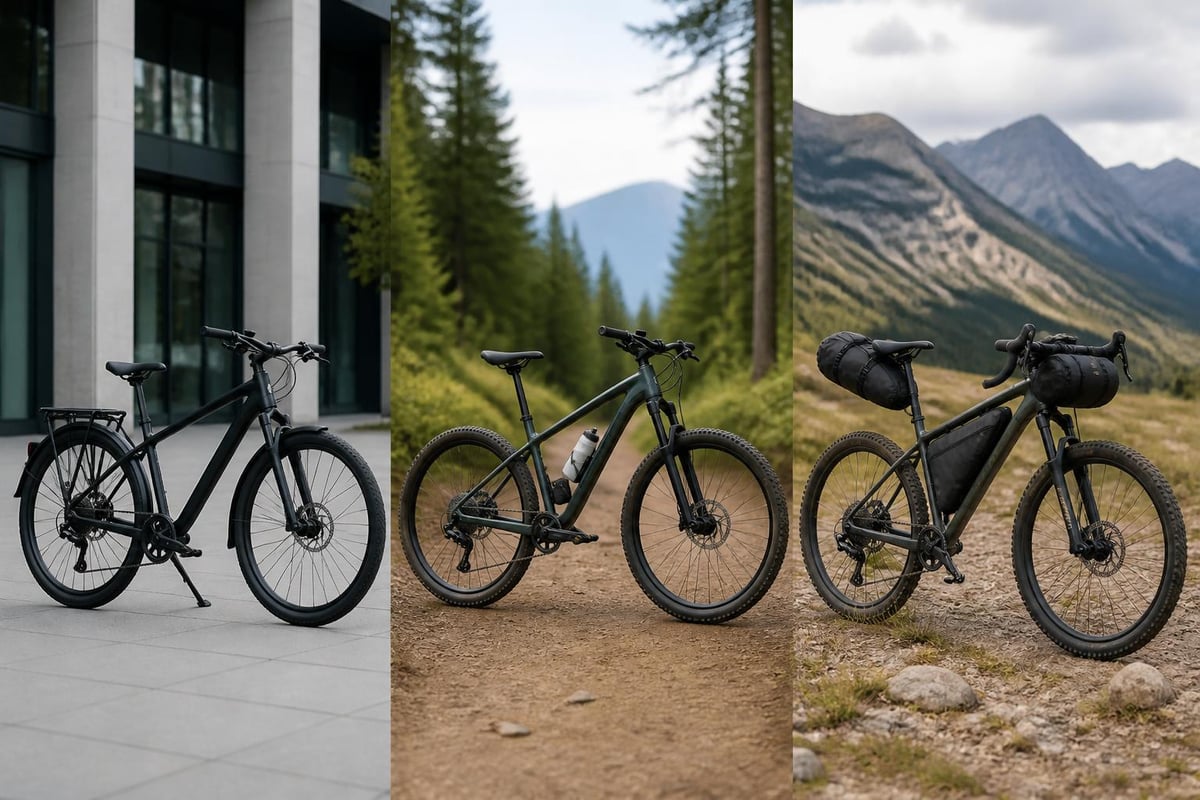
Hybrid bicycles blend mountain bike durability with road bike efficiency, often providing the ideal compromise for mixed-surface riding. They typically feature:
- Lighter frames than mountain bikes
- Thinner tires (32-40mm) for reduced rolling resistance
- Front suspension or rigid forks for comfort without excess weight
- Road-appropriate gear ratios for efficient pavement riding
For riders primarily on pavement with occasional gravel excursions, hybrid MTB options deserve serious consideration. However, they sacrifice mountain bike capability on technical trails.
Gravel Bikes for Versatility
Gravel bikes represent the newest category designed specifically for mixed-surface riding. With drop handlebars, wider tire clearance, and road-oriented geometry, they excel at fast pavement riding while handling moderate off-road conditions. They typically outperform mountain bikes on roads while remaining capable on gravel and light trails.
The trade-off is reduced capability on technical mountain bike terrain compared to true MTBs. Riders needing serious off-road performance alongside road riding may still prefer an adapted mountain bike.
Cost-Benefit Analysis of Modifications
Deciding how much to invest in making mountain bikes good for road performance requires careful consideration of costs versus benefits.
Budget Modification Approach
Low-cost improvements (under $150):
- Road-appropriate tires and tubes ($60-100)
- Saddle upgrade ($30-80)
- Bar ends or ergonomic grips ($15-40)
- Basic lighting system ($30-60)
These fundamental changes deliver the majority of performance improvement without significant investment. Most riders find this level of modification sufficient for commuting and recreational road use.
Comprehensive Conversion Investment
Higher-investment modifications (up to $500+):
- Complete drivetrain upgrade with appropriate gearing
- Rigid fork replacement to eliminate suspension
- Drop bar conversion with new shifters and brake levers
- Premium wheelset with road-specific rims
At this investment level, purchasing a dedicated road or hybrid bike often makes more economic sense. The exception is when you have a high-quality mountain bike frame that warrants preservation and conversion.
Regional Considerations for Indian Cyclists
Indian road conditions present unique challenges and opportunities for mountain bike road use. The diverse cycling landscape across India influences how well mountain bikes perform on pavement.
Infrastructure Variability
Many Indian cities feature inconsistent road quality with smooth sections interrupted by potholes, speed breakers, and unpaved stretches. Mountain bikes excel in these mixed conditions where dedicated road bikes would suffer constant damage. The robust construction and wider tires navigate these challenges effortlessly.
Rural areas often blend paved roads with dirt paths and trails. A mountain bike adapted for road use handles these transitions without requiring riders to avoid sections or slow dramatically for surface changes.
Climate and Weather Adaptations
Monsoon conditions create wet, slippery roads where mountain bike tire tread and disc brakes provide superior control compared to narrow road tires and rim brakes. The ability to fit fenders and larger tire clearances accommodates weather protection accessories easily.
Hot weather riding benefits from the upright mountain bike position, which allows better airflow compared to the hunched road bike posture. However, the increased wind resistance becomes more noticeable during India's intense summer heat.
Long-Term Performance and Durability
Mountain bikes good for road use often outlast purpose-built road bikes when used for commuting and utility cycling. The overbuilt construction handles daily abuse, carrying loads, and variable storage conditions better than lightweight road bike components.
Frame durability particularly stands out. Mountain bike frames engineered for jump impacts and rock strikes easily withstand years of pavement riding, pothole impacts, and general wear. The thicker tubing resists denting and damage from locks, racks, and minor accidents.
Component longevity varies. While drivetrains wear faster due to increased mileage, wheels, brakes, and frames often last significantly longer than their road bike equivalents. The total cost of ownership over five years frequently favors the adapted mountain bike despite higher initial modification costs. Understanding your bike's needs and having access to quality replacement parts through resources like Cycling Gears Hub ensures your adapted mountain bike remains road-ready for years.
Mountain bikes offer viable and often excellent performance for road riding when properly understood and optimized. While they won't match dedicated road bikes for pure speed, their versatility, comfort, and durability make them compelling choices for commuters, recreational riders, and budget-conscious cyclists. Whether you're adapting an existing mountain bike or considering one as your primary road vehicle, Cycling Gears Hub provides the accessories, parts, and expert guidance to optimize your setup with fast shipping across India, convenient payment options, and hassle-free returns.