

Understanding the price mtb market in India requires more than just looking at numbers on a tag. Mountain bike pricing reflects a complex interplay of materials, technology, brand positioning, and market dynamics that have evolved significantly over recent years. Whether you're a beginner exploring trail riding or an experienced cyclist seeking performance upgrades, knowing what drives mountain bike costs helps you make informed decisions and find genuine value in your investment.
What Determines Price MTB Across Different Categories
Mountain bike pricing follows a structured hierarchy based on components, materials, and intended use. Entry-level models typically range from ₹15,000 to ₹35,000, offering basic functionality for recreational riding and light trails. Mid-range bikes fall between ₹35,000 and ₹80,000, delivering improved components and frame quality suitable for regular trail riding and moderate technical terrain.
Premium mountain bikes exceed ₹80,000, with high-end models reaching ₹3,00,000 or more. These bikes feature advanced suspension systems, carbon fiber frames, and top-tier component groups designed for competitive racing and demanding terrain. The mountain bike market analysis reveals that component costs and supply chain dynamics significantly influence these price brackets.
Frame Material Impact on Pricing
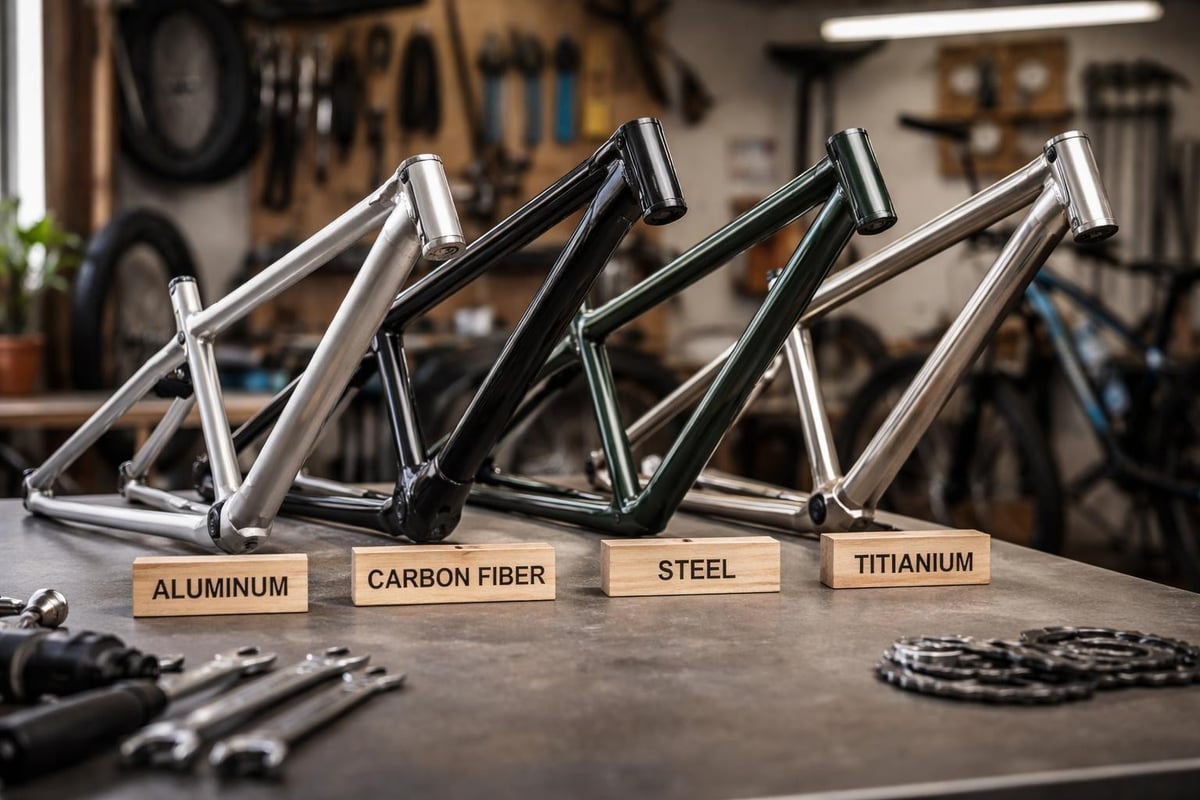
The frame represents the foundation of any mountain bike and significantly affects the overall price mtb. Steel frames offer durability and affordability, typically found in entry-level models. Aluminum alloy frames dominate the mid-range market, providing an excellent strength-to-weight ratio at reasonable costs.
Carbon fiber frames command premium prices due to manufacturing complexity and superior performance characteristics. A carbon frame alone can add ₹30,000 to ₹1,00,000 to the bike's cost compared to aluminum alternatives. Titanium frames, while rare in the Indian market, represent the highest price point with exceptional durability and ride quality.
Key frame material price impacts:
- Steel: Budget-friendly, adds minimal cost, ideal for beginners
- Aluminum: Moderate pricing, excellent value proposition
- Carbon fiber: Premium pricing, significant weight savings, enhanced performance
- Titanium: Luxury pricing, lifetime durability, boutique market
Component Quality and Price MTB Relationships
The drivetrain, brakes, suspension, and wheelset collectively determine a significant portion of mountain bike pricing. Entry-level bikes typically feature 7-9 speed drivetrains with basic derailleurs, while mid-range models offer 10-12 speed systems from recognized manufacturers like Shimano or SRAM.
High-end mountain bikes incorporate 12-speed electronic shifting systems that alone can cost ₹50,000 to ₹1,50,000. The progression from mechanical disc brakes to hydraulic systems adds ₹8,000 to ₹25,000, delivering superior stopping power and modulation essential for technical descents.
| Component Category | Entry-Level Cost | Mid-Range Cost | Premium Cost |
|---|---|---|---|
| Drivetrain | ₹3,000 - ₹8,000 | ₹15,000 - ₹35,000 | ₹50,000 - ₹1,50,000 |
| Brakes | ₹2,000 - ₹5,000 | ₹8,000 - ₹20,000 | ₹25,000 - ₹60,000 |
| Suspension Fork | ₹5,000 - ₹12,000 | ₹20,000 - ₹50,000 | ₹60,000 - ₹1,80,000 |
| Wheelset | ₹4,000 - ₹10,000 | ₹15,000 - ₹40,000 | ₹50,000 - ₹2,00,000 |
Suspension Technology and Cost
Suspension systems represent one of the most significant price differentiators in mountain bikes. Hardtail bikes with front suspension only cost considerably less than full-suspension models. A quality air-sprung fork with adjustable compression and rebound adds ₹20,000 to ₹50,000 compared to basic coil-sprung alternatives.
Full-suspension bikes require both front and rear shock systems, doubling suspension costs. Advanced features like lockout mechanisms, adjustable travel, and proprietary damping technologies further escalate the price mtb. Rear shocks alone range from ₹15,000 for basic models to ₹80,000 for premium air shocks with sophisticated tuning options.
Market Trends Affecting Price MTB in 2026
Recent analysis shows that mountain bike prices have stabilized when adjusted for inflation. Despite perception, today's bikes offer superior technology and performance compared to models from a decade ago at comparable inflation-adjusted prices. This trend benefits Indian consumers seeking better value propositions.
The rise of direct-to-consumer brands has disrupted traditional pricing models. These manufacturers eliminate dealer margins, offering comparable specifications at 20-30% lower prices than established brands. However, considerations around warranty support, service networks, and resale value remain important factors beyond initial purchase price.
- Supply chain stabilization reducing component shortages
- Increased competition from Chinese and domestic manufacturers
- Technology trickle-down bringing premium features to lower price points
- E-commerce growth enabling better price transparency and comparison
- Import duty fluctuations affecting international brand pricing
Currency Exchange and Import Considerations
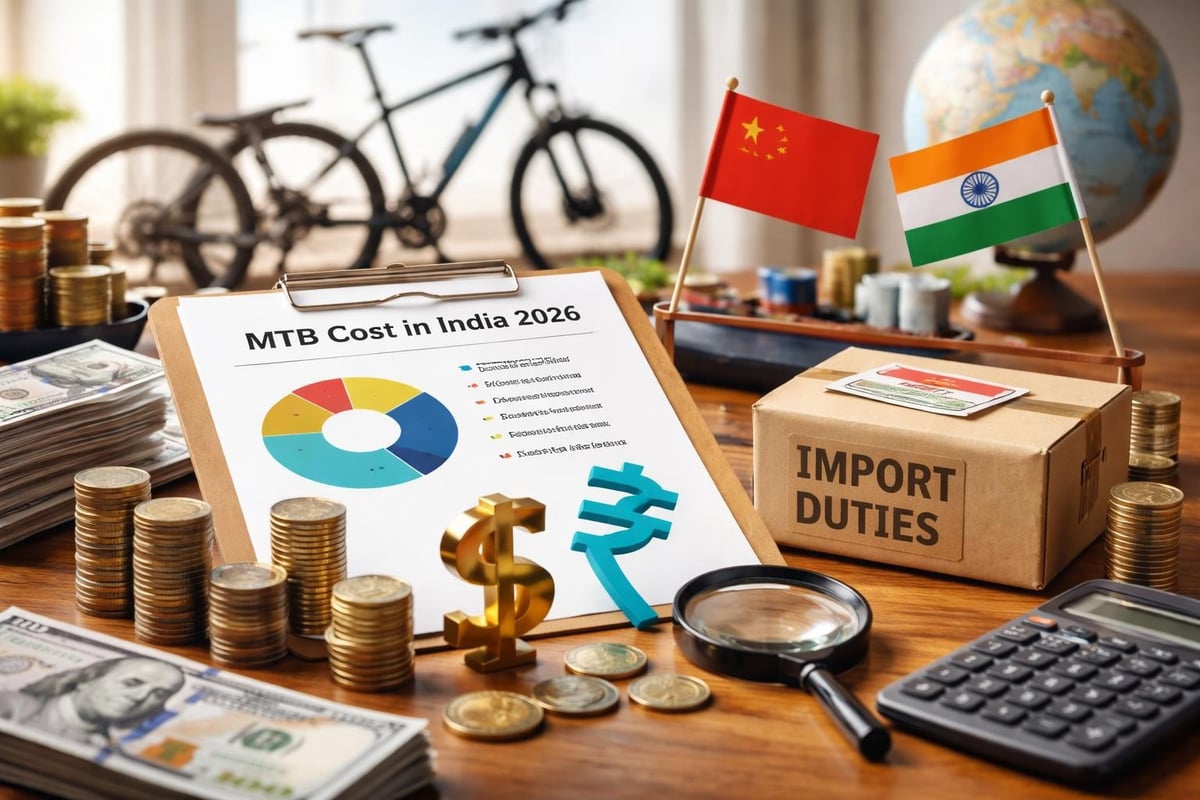
International brands dominate the Indian mountain bike market, making exchange rates crucial to pricing. Rupee fluctuations against the dollar and euro directly impact the price mtb for imported models. A 5% currency depreciation can translate to ₹3,000-₹15,000 price increases across different bike categories.
Import duties and GST add approximately 35-40% to landed costs. Recent industry challenges have prompted brands to reassess pricing strategies, sometimes absorbing costs to maintain market share. Understanding these factors helps consumers time purchases strategically.
Price MTB Value Assessment Strategies
Determining value requires looking beyond the sticker price to total cost of ownership. A bike priced at ₹45,000 with quality components may deliver better long-term value than a ₹35,000 model requiring frequent replacements. Calculate potential upgrade costs, maintenance requirements, and expected lifespan when comparing options.
Research indicates that bikes aren't getting more expensive relative to inflation, meaning budget-conscious buyers access better technology than ever before. Focus on component groups, warranty coverage, and brand reputation rather than purely chasing the lowest price.
Value assessment checklist:
- Compare component specifications across similar price points
- Research brand warranty terms and service network availability
- Consider upgrade path and component compatibility
- Evaluate frame quality and manufacturing standards
- Factor in included accessories and setup services
Budget Optimization Techniques
Strategic purchasing maximizes value within budget constraints. Previous-year models typically offer 15-25% discounts when new model years launch, providing identical performance at reduced prices. End-of-season sales in September through November present excellent opportunities for price-conscious buyers.
Consider purchasing frame and components separately for custom builds, potentially saving 10-20% compared to complete bikes. This approach requires technical knowledge but allows precise budget allocation to priority components. Many riders at Cycling Gears Hub optimize their setups by investing in quality essentials while deferring cosmetic upgrades.
The platform offers a comprehensive range of cycling products with transparent pricing, helping riders compare options and make informed decisions. With flexible payment options including COD and EMI, accessing quality mountain bikes becomes more manageable across budget categories.

Regional Price MTB Variations Within India
Metropolitan markets like Mumbai, Delhi, and Bangalore offer more competitive pricing due to higher dealer density and market competition. Tier-2 and tier-3 cities often see 5-15% price premiums due to limited dealer networks and higher logistics costs. Online purchasing through established retailers eliminates these regional disparities.
Seasonal demand affects pricing patterns. Pre-monsoon months see increased prices as riders prepare for optimal riding conditions, while post-monsoon periods offer better negotiation opportunities. Understanding these cycles helps timing purchases for maximum value.
| Region | Price Premium | Dealer Availability | Service Network |
|---|---|---|---|
| Metro Cities | Baseline | Excellent | Comprehensive |
| Tier-2 Cities | +5-10% | Good | Moderate |
| Tier-3 Cities | +10-15% | Limited | Basic |
| Rural Areas | +15-25% | Very Limited | Minimal |
New Versus Used Price MTB Considerations
The used mountain bike market offers significant savings, with 1-2 year old bikes typically priced 40-50% below retail. However, hidden costs like component wear, frame damage, and outdated technology require careful evaluation. Inspect suspension seals, drivetrain wear, and frame integrity before purchasing used bikes.
Warranty coverage represents a major advantage of new bikes, typically offering 2-5 years on frames and 1-2 years on components. This protection offsets higher initial costs through reduced maintenance expenses. For riders exploring best mountain bike accessories, investing in new bikes ensures compatibility with current standards.
Depreciation Patterns
Mountain bikes depreciate rapidly in the first year, losing 25-35% of retail value. Depreciation slows significantly after year two, with well-maintained bikes retaining 40-50% of original value after three years. Premium brands with strong reputations depreciate more slowly than budget alternatives.
Carbon fiber frames hold value better than aluminum equivalents due to durability perceptions, despite aluminum's proven longevity. Electronic drivetrains face steeper depreciation due to battery life concerns and technological advancement rates. Understanding these patterns helps both buyers and sellers negotiate fair prices.
Price MTB and Riding Style Matching
Cross-country bikes prioritize weight savings and climbing efficiency, with prices starting around ₹40,000 for quality models. Trail bikes offer versatility for varied terrain, representing the largest market segment with strong competition across ₹35,000-₹1,00,000 range. Enduro and downhill bikes command premium prices due to robust construction and advanced suspension requirements.
Matching bike category to actual riding needs prevents overspending on unnecessary capabilities. Weekend trail riders rarely need ₹2,00,000 downhill bikes designed for bike park abuse. Conversely, serious racers find long-term value in premium components that enhance performance and reliability.
Riding style price guidance:
- Casual recreational: ₹25,000-₹45,000 hardtail or basic trail bike
- Regular trail riding: ₹45,000-₹80,000 quality trail bike with full suspension
- Aggressive all-mountain: ₹80,000-₹1,50,000 enduro-focused models
- Competitive racing: ₹1,50,000+ specialized racing bikes
- Bike park/downhill: ₹1,80,000+ purpose-built gravity bikes
Component Upgrade Economics
Entry-level bikes with quality frames support future upgrades, spreading costs over time. Upgrading drivetrain, brakes, and wheels incrementally improves performance while managing budget constraints. However, upgrade costs can quickly approach new bike pricing, requiring strategic planning.
Research upgrade compatibility before purchasing base models. Proprietary suspension designs or non-standard frame specifications limit upgrade options and increase costs. Standard components and dimensions provide flexibility as skills and budgets grow. Resources like guides on MTB accessories in India help identify compatible upgrades.
Brand Premium and Value Proposition
Established international brands charge premiums of 20-40% compared to direct-to-consumer alternatives with similar specifications. This premium covers research and development, marketing, dealer networks, and brand reputation. For many riders, proven reliability and resale value justify these costs.
Emerging brands challenge established players through aggressive pricing and modern geometry. These manufacturers often source components from identical suppliers, delivering comparable performance at reduced prices. However, considerations around long-term support, parts availability, and warranty enforcement require careful evaluation beyond initial pricing.
Financing Options Impact on Price MTB Accessibility
EMI options make higher-priced mountain bikes accessible through monthly payments spreading costs over 3-24 months. While interest adds to total cost, improved immediate access allows riders to benefit from quality bikes sooner. Calculate total payment including interest when comparing financing to cash purchases.
Credit card offers and manufacturer financing promotions occasionally provide zero-interest EMI during promotional periods. These opportunities maximize value by avoiding interest charges while maintaining cash flow flexibility. Many riders exploring cycling equipment options leverage these financing tools strategically.
Price MTB Seasonal and Promotional Opportunities
End-of-year clearance sales in November-December offer 15-30% discounts as brands clear inventory for new models. Festival seasons like Diwali bring promotional offers combining discounts with accessory bundles. Monitoring multiple retailers helps identify genuine value versus superficial discounting.
Anniversary sales and new store openings create competitive pricing windows. Online-exclusive sales through platforms provide additional opportunities unavailable at physical retailers. Setting price alerts and following preferred brands on social media ensures awareness of limited-time offers.
Long-Term Cost Considerations
Annual maintenance costs typically range from 5-10% of initial bike price, including service, consumables, and minor replacements. Premium components often reduce maintenance frequency through superior durability, partially offsetting higher initial costs. Budget for chain replacement every 2,000-3,000 km, brake pads every 1,000-1,500 km, and tire replacement annually for regular riders.
Proper maintenance extends component life and preserves resale value. A well-maintained ₹60,000 bike retains more value than a neglected ₹80,000 model. Factor these ongoing costs into total ownership calculations when determining affordable price mtb ranges. Detailed information about essential cycling gear helps new riders budget comprehensively.
Insurance represents another consideration for premium bikes, typically costing 2-4% of bike value annually. While optional, coverage protects significant investments against theft and damage. Evaluate risk based on storage conditions, usage patterns, and replacement cost tolerance.
Understanding price mtb requires evaluating multiple factors from component quality to market dynamics, ensuring informed purchasing decisions that match your riding needs and budget. Whether you're seeking entry-level value or premium performance, the Indian cycling market in 2026 offers unprecedented options across all price ranges. Cycling Gears Hub provides the comprehensive product selection, transparent pricing, and flexible payment options that over 10,000 Indian cyclists trust for their mountain biking needs, backed by fast shipping and hassle-free returns that make upgrading your ride simple and secure.