

When cyclists and motorcyclists search for premium protective gear, the shark bike helmet consistently appears as a top choice among performance-focused riders. While Shark is renowned primarily as a motorcycle helmet manufacturer with a strong European heritage, the brand's innovative approach to head protection has influenced the broader cycling industry. Understanding what makes these helmets stand out-from their safety certifications to their distinctive design elements-helps riders make informed decisions about protecting themselves on every journey.
Understanding the Shark Helmet Brand and Its Impact
Shark Helmets has established itself as a French manufacturer with decades of experience in creating protective headgear for motorsports and motorcycling. Founded in 1986 in Marseille, France, the company has built a reputation for combining European design aesthetics with rigorous safety standards. While the shark bike helmet designation often refers to Shark-branded motorcycle helmets used by some cyclists, it also encompasses helmets with shark-themed graphics popular among younger riders.
Brand Heritage and Evolution
The company's commitment to research and development has resulted in numerous innovations that have trickled down to various cycling applications. Shark's engineering team focuses on impact absorption, ventilation systems, and aerodynamic profiles that benefit riders across different disciplines. Their testing protocols exceed minimum safety requirements, ensuring each helmet meets stringent European ECE standards.
Racing heritage plays a significant role in Shark's product development. The brand sponsors professional motorcycle racing teams, gathering real-world data that informs design improvements. This competitive edge translates into helmets that perform under extreme conditions, whether on racetracks or mountain trails.
Safety Features That Define Quality Protection
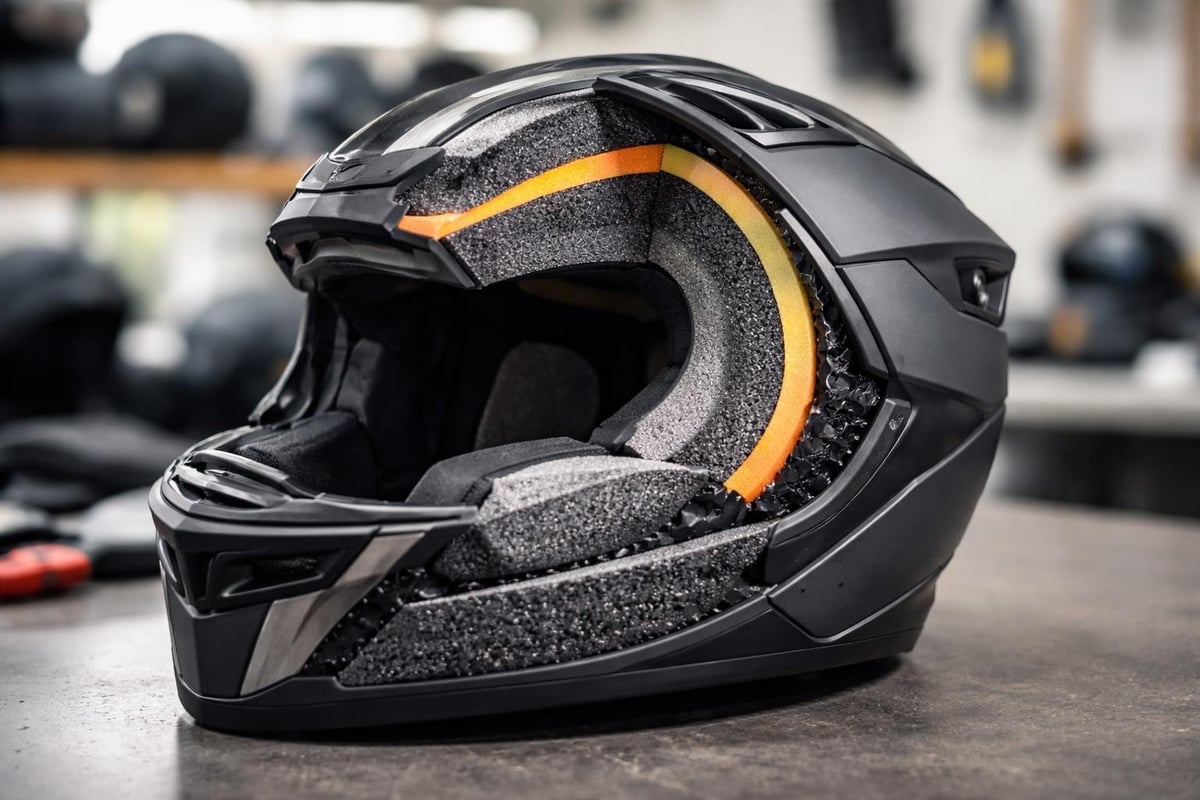
Safety remains the paramount concern when selecting any protective headgear. The shark bike helmet incorporates multiple layers of protection designed to absorb and disperse impact forces during accidents. Modern helmet construction utilizes expanded polystyrene (EPS) foam in varying densities, creating zones optimized for different impact scenarios.
Shell Construction and Materials
Premium helmets feature composite shells made from materials including:
- Fiberglass reinforced polymer for lightweight strength
- Carbon fiber weaving in high-end models for maximum protection with minimal weight
- Polycarbonate blends offering durability at accessible price points
- Multi-composite layering combining materials for optimized performance
The outer shell's primary function involves distributing impact forces across a larger surface area, preventing point-loading that could cause skull fractures. Meanwhile, the inner EPS liner compresses during impacts, converting kinetic energy into heat and reducing the g-forces transmitted to the brain.
Retention Systems and Fit Technology
A helmet only protects effectively when it stays properly positioned during an accident. Shark incorporates advanced retention systems featuring micro-adjustable straps, quick-release buckles, and emergency removal considerations. The shark bike helmet typically includes padding that molds to individual head shapes over time, creating a custom fit that enhances both comfort and safety.
| Safety Feature | Function | Benefit |
|---|---|---|
| Multi-density EPS | Absorbs varying impact forces | Better protection across accident scenarios |
| Reinforced chin bar | Protects facial area | Critical for full-face models |
| Emergency release system | Allows quick removal | Facilitates medical response |
| Reflective elements | Increases visibility | Prevents accidents in low light |
The detailed review of the Shark Evo-One 2 demonstrates how modular designs can offer versatility without compromising safety standards.
Design Variations Across Riding Disciplines
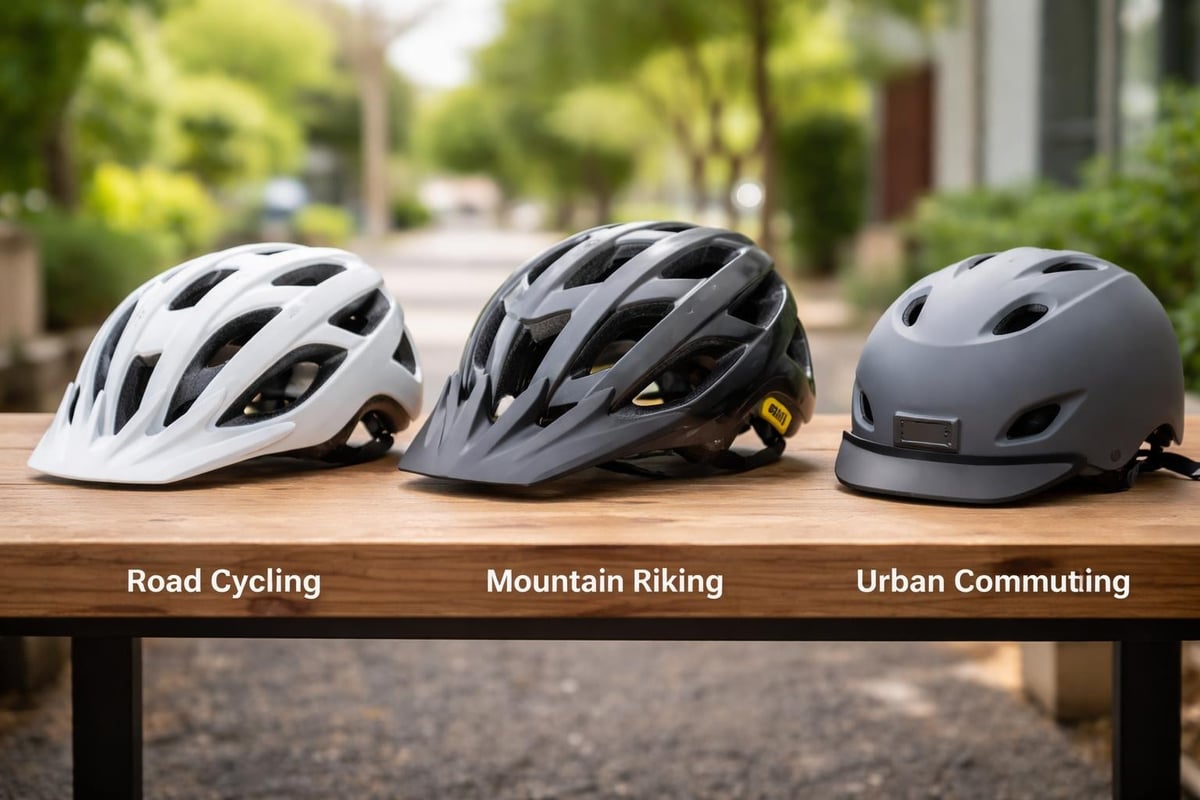
Different cycling and riding styles demand specific helmet characteristics. The shark bike helmet category spans multiple design philosophies, each optimized for particular use cases. Understanding these variations helps riders select appropriate protection for their primary activities.
Road Cycling and Aerodynamic Models
Road cyclists prioritize aerodynamics and ventilation. While Shark's primary focus remains motorcycling, their aerodynamic principles influence cycling helmet design industry-wide. Road-specific helmets feature elongated tail sections that smooth airflow, reducing drag at high speeds. Ventilation channels route air across the scalp, managing heat buildup during intense efforts.
Weight becomes crucial for competitive cyclists who measure equipment in grams. Advanced materials allow manufacturers to create helmets weighing under 250 grams while maintaining structural integrity. The shark bike helmet in road configurations balances these competing demands through computational fluid dynamics testing and wind tunnel validation.
Mountain Biking and Trail Protection
Off-road cycling presents different hazards requiring enhanced coverage. Mountain bike helmets extend further down the back of the head and include visors to deflect branches and manage sun angles on varied terrain. Some models incorporate MIPS (Multi-directional Impact Protection System) technology, adding a low-friction layer that allows slight rotation during angled impacts, reducing rotational forces on the brain.
The Shark Explore R helmet review showcases features particularly relevant to adventure riding, including enhanced face protection and robust construction suitable for demanding conditions.
Urban Commuting and Multi-Use Helmets
City cyclists need helmets that transition seamlessly between riding and daily activities. Urban designs emphasize style alongside safety, incorporating features like integrated lights, attachment points for accessories, and profiles that work with various hairstyles. The shark bike helmet for commuters often includes enhanced visibility features such as reflective strips and bright colorways that increase daytime conspicuity in traffic.
Selecting the Right Helmet for Your Needs
Choosing appropriate head protection involves assessing multiple factors beyond aesthetics. The shark bike helmet selection process should begin with understanding your primary riding style, frequency, and environmental conditions. Professional cyclists have different requirements than weekend recreational riders, and these distinctions should guide purchasing decisions.
Sizing and Fit Considerations
- Measure your head circumference at the widest point above your eyebrows
- Reference manufacturer sizing charts as dimensions vary between brands
- Try helmets with your typical cycling accessories like glasses or headbands
- Check for pressure points during a 10-15 minute wear test
- Verify retention system adjustability for future fine-tuning
A properly fitted helmet sits level on your head, approximately one inch above your eyebrows. The side straps should form a "V" shape under each ear, and the chin strap should be snug enough that only one or two fingers fit between the strap and your chin. When you shake your head vigorously, the helmet should move with your skin rather than sliding independently.
Ventilation and Climate Adaptation
Indian cyclists face diverse climate challenges, from Himalayan cold to coastal humidity and desert heat. Ventilation directly impacts comfort during extended rides. The shark bike helmet incorporates strategically positioned vents that channel air through internal passages, creating airflow across the scalp without compromising structural integrity.
Consider these ventilation factors:
- Vent quantity and size for your typical riding temperatures
- Internal channeling design that directs air strategically
- Adjustable vents for variable conditions
- Compatibility with headwear like skull caps in cold weather
Riders in hot, humid regions benefit from maximum ventilation, while those in cooler climates may prefer fewer, smaller vents that retain warmth. Some advanced helmets include closable vents, allowing riders to adapt to changing conditions during long rides.
Advanced Features and Technology Integration
Modern helmets extend beyond basic protection, incorporating technologies that enhance the riding experience. The shark bike helmet evolution reflects broader industry trends toward connected devices, improved materials, and rider-focused innovations that address real-world challenges cyclists face daily.
Smart Helmet Technologies
Connected helmets represent the cutting edge of cycling safety. Integrated features include:
- LED lighting systems with brake light functionality triggered by deceleration sensors
- Bluetooth communication enabling phone calls and navigation prompts
- Crash detection with automatic emergency contact notification
- Action camera mounts designed into the helmet structure
- Bone conduction speakers that maintain situational awareness
The Shark Skwal 2.2 review highlights integrated lighting systems that enhance visibility, a feature increasingly relevant for cyclists riding in mixed traffic conditions.
Material Science Advances
Helmet technology continues evolving through material innovations. Carbon fiber construction offers exceptional strength-to-weight ratios, while new foam formulations provide better energy absorption across multiple impacts. Some manufacturers now incorporate Koroyd technology, a honeycomb structure that crushes uniformly during impacts, absorbing energy more efficiently than traditional EPS foam.
Antimicrobial liners address hygiene concerns for riders who wear helmets frequently. These treatments inhibit bacteria growth, reducing odor development and extending the usable life of helmet padding. Removable, washable liner systems allow thorough cleaning, particularly important in India's varied climate conditions.
Maintenance and Longevity Best Practices
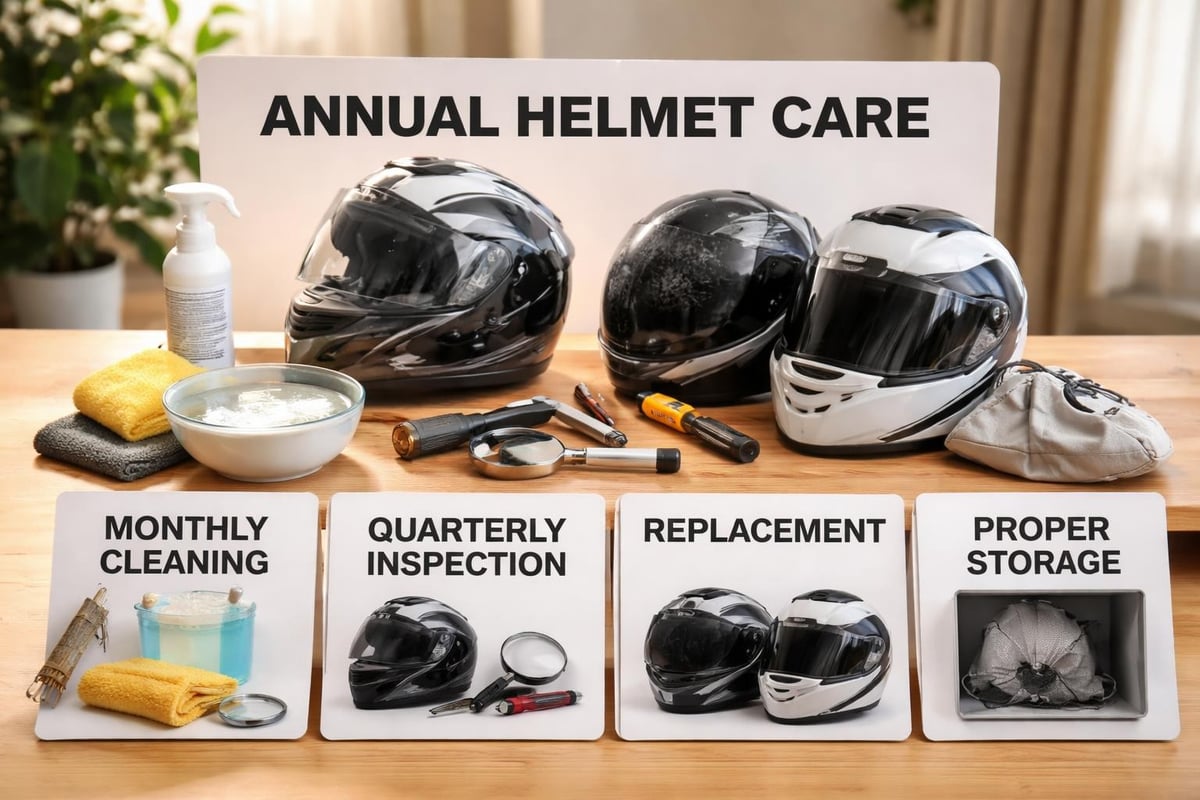
Proper helmet care extends protection lifespan and ensures continued safety performance. The shark bike helmet requires regular maintenance to preserve its protective qualities and comfort features. Most manufacturers recommend helmet replacement every three to five years, even without visible damage, as materials degrade over time from UV exposure, temperature fluctuations, and normal wear.
Cleaning and Storage Guidelines
Regular cleaning maintains hygiene and allows inspection for hidden damage. Remove padding when possible and hand wash with mild soap and warm water. Avoid harsh chemicals, including common household cleaners, that can degrade shell materials and compromise structural integrity. Allow components to air dry completely before reassembly, preventing mold growth in foam layers.
Storage location significantly impacts helmet longevity. Keep helmets in cool, dry environments away from direct sunlight and extreme temperatures. Avoid leaving helmets in vehicles where interior temperatures can exceed safe thresholds for materials. Use helmet bags or dedicated storage hooks that prevent compression or impact damage when not in use.
Inspection and Replacement Criteria
Conduct regular inspections examining:
- Shell surface for cracks, dents, or deformation
- Retention system for fraying, stretching, or buckle damage
- Padding condition including compression set or deterioration
- Vent structures for broken or missing components
Replace helmets immediately after any significant impact, even if damage isn't visible. The EPS foam compresses during crashes, permanently reducing its protective capacity. Many manufacturers offer crash replacement programs providing discounts on new helmets when damaged ones are returned for analysis.
Certification Standards and Regulatory Compliance
Understanding safety certifications helps riders evaluate helmet quality objectively. The shark bike helmet typically meets multiple international standards, demonstrating compliance with rigorous testing protocols. Different regions mandate specific certifications, and helmets sold globally often display multiple approval marks indicating they've passed various testing regimes.
International Safety Standards
| Standard | Region | Key Requirements |
|---|---|---|
| ECE 22.06 | Europe | Impact absorption, penetration resistance, retention system strength |
| DOT FMVSS 218 | United States | Impact attenuation, penetration, retention, peripheral vision |
| Snell M2020 | International | More stringent than DOT, multiple impact points, higher velocity testing |
| IS 4151 | India | Covers helmets for two-wheeler riders with specific Indian conditions |
The comprehensive buying guide provides detailed information about Shark's approach to meeting and exceeding these standards across their product range.
Testing Methodologies
Certification testing subjects helmets to controlled impact scenarios simulating real-world accidents. Testing includes dropping helmets from specific heights onto various anvil shapes representing different impact surfaces. Penetration tests drive pointed objects into helmet shells, verifying they resist puncture. Retention system tests apply sudden loads ensuring straps and buckles maintain helmet position during crashes.
Advanced testing beyond minimum standards includes oblique impact assessment, examining how helmets perform during angled collisions that generate rotational forces. This testing methodology better represents actual accident dynamics where impacts rarely occur perpendicular to the helmet surface.
Style Considerations and Personal Expression
While safety remains paramount, aesthetics influence helmet selection significantly. The shark bike helmet appeals to riders seeking distinctive designs that reflect personal style. Graphic options range from subtle matte finishes to bold racing liveries and custom artwork. For Indian cyclists building their riding identity, helmet choice becomes an extension of personal brand and community affiliation.
Color Psychology and Visibility
Helmet color affects both aesthetics and safety. Bright colors and high-contrast graphics increase visibility in traffic, helping drivers notice cyclists earlier. Research suggests fluorescent yellow, orange, and lime green provide maximum daytime conspicuity, while white and light colors perform well across varied lighting conditions.
Reflective elements integrated into graphics enhance nighttime visibility without compromising daytime aesthetics. Some manufacturers offer helmets with photoluminescent graphics that glow after dark, adding an additional safety layer for cyclists who frequently ride in low-light conditions.
Customization Options
Personalization extends beyond manufacturer offerings. Aftermarket accessories allow riders to add:
- Custom vinyl wraps with unique graphics
- Interchangeable visors in various tints and styles
- Helmet covers providing weather protection and style variation
- Action camera mounts positioned for optimal recording angles
- Communication system integrations maintaining clean aesthetics
When exploring essential cycling accessories, helmets consistently rank as the foundational safety investment that supports all other gear choices.
Price Ranges and Value Considerations
The shark bike helmet market spans significant price ranges, from entry-level options around ₹3,000 to premium models exceeding ₹30,000. Understanding what drives these price differences helps cyclists allocate budgets effectively. Higher prices typically reflect advanced materials, additional safety features, superior ventilation systems, and enhanced comfort technologies rather than just branding.
Budget Tier Analysis
Entry-Level (₹3,000-₹7,000): These helmets meet basic safety standards with polycarbonate shells and standard EPS foam. They provide adequate protection for recreational riders and beginners building their gear collection. Ventilation and weight optimization remain basic, but fundamental safety performance proves acceptable for casual use.
Mid-Range (₹7,000-₹15,000): This category introduces better materials, improved ventilation designs, and enhanced comfort features. In-mold construction reduces weight while maintaining strength. Additional padding, better retention systems, and more sophisticated vent patterns justify the price increase for regular riders.
Premium (₹15,000-₹30,000+): Top-tier helmets incorporate carbon fiber construction, MIPS technology, advanced aerodynamics, and smart features. These models target competitive cyclists and serious enthusiasts who demand maximum performance. The weight savings, superior ventilation, and cutting-edge safety technologies represent significant improvements over lower-priced options.
For those serious about cycling safety and performance, Cycling Gears Hub - Premium Cycling Gear & Accessories offers carefully curated helmet selections alongside other essential equipment, ensuring riders find protection that matches their specific needs and budget constraints.
Regional Considerations for Indian Cyclists
Indian cyclists face unique challenges requiring specific helmet features. Climate variability across regions demands versatile designs that perform in extreme heat, monsoon humidity, and high-altitude cold. Traffic conditions in urban centers necessitate enhanced visibility features, while rural riding introduces different hazard profiles.
Climate-Specific Features
Helmet selection should account for regional climate patterns:
Coastal regions benefit from helmets with maximum ventilation and moisture-wicking liners that manage high humidity levels. Antimicrobial treatments prove particularly valuable where constant moisture exposure accelerates bacteria growth.
Northern plains experiencing extreme summer heat require helmets with large vents and light-colored shells that reflect solar radiation. Internal air channels become crucial for managing heat buildup during midday rides.
Mountain regions need helmets offering vent closures or reduced ventilation to retain warmth during cold-weather riding. Compatibility with thermal skull caps and balaclavas extends usability across seasons.
Infrastructure and Traffic Adaptations
Indian road conditions influence helmet requirements. Mixed traffic scenarios with vehicles, pedestrians, and animals demand enhanced peripheral vision and integrated lighting for maximum visibility. The shark bike helmet designed for Indian conditions often includes features addressing these specific challenges, ensuring riders maintain awareness in complex traffic environments.
Dust and pollution exposure in urban areas makes removable, washable liners essential rather than optional. Frequent cleaning maintains comfort and hygiene without degrading helmet performance over time.
Compatibility With Other Cycling Gear
Helmets don't function in isolation. They must integrate seamlessly with other protective equipment and accessories cyclists use regularly. The shark bike helmet should accommodate eyewear, communication devices, and weather protection without compromising fit or safety performance.
Eyewear Integration
Cycling glasses serve multiple purposes, from sun protection to debris shielding. Helmet design must allow comfortable glasses usage without pressure points or interference. Key compatibility factors include:
- Temple clearance in helmet cutouts preventing pressure on sides of head
- Ventilation positioning that doesn't direct airflow directly onto lenses causing fogging
- Retention strap placement allowing glasses stems to pass underneath without lifting helmet
- Visor design that works with various glasses styles and shapes
Some helmets include dedicated eyewear docking systems, allowing riders to secure glasses to helmet vents during breaks rather than risking damage or loss.
Communication and Audio Systems
Bluetooth communication systems enhance safety by enabling navigation prompts and phone connectivity without handlebar-mounted devices. Helmet compatibility with these systems involves mounting provisions, speaker pockets, and cable routing channels. The shark bike helmet increasingly incorporates these features as standard, recognizing the growing demand for connected riding experiences.
When building a complete cycling kit, resources like the best helmet for bike riders guide provide valuable insights into how helmets interact with other essential equipment for optimal performance and protection.
Environmental Impact and Sustainability
Sustainability concerns increasingly influence purchasing decisions. Helmet manufacturing involves plastics, foams, and composite materials with environmental footprints extending from production through disposal. The shark bike helmet industry faces growing pressure to address these concerns through recycling programs, sustainable materials, and extended product lifecycles.
Material Sourcing and Production
Responsible manufacturers consider environmental impact throughout the supply chain. Recycled plastics in shell construction, water-based adhesives, and renewable energy in production facilities reduce environmental footprints. Some companies now publish sustainability reports detailing carbon emissions, waste reduction efforts, and progress toward environmental goals.
Bio-based foams derived from plant materials represent emerging alternatives to petroleum-based EPS. While still developing, these materials show promise for reducing helmet environmental impact without compromising safety performance.
End-of-Life Considerations
Helmet recycling remains challenging due to multi-material construction. However, programs accepting used helmets for material recovery are expanding. Some manufacturers offer take-back initiatives, properly separating and recycling components that would otherwise reach landfills.
Riders can extend helmet environmental responsibility by:
- Maximizing useful life through proper care and maintenance
- Participating in recycling programs when available
- Donating functional helmets that no longer fit or suit your needs
- Researching manufacturer sustainability commitments before purchasing
The shark bike helmet represents a sophisticated evolution in cycling protection, combining decades of safety research with modern materials and design thinking. From understanding certification standards and fit requirements to selecting features matching your riding style and environment, informed helmet choice significantly impacts both safety and riding enjoyment. Whether you're a competitive cyclist pursuing aerodynamic advantages or a daily commuter navigating urban traffic, the right helmet provides confidence and protection for every journey. At Cycling Gears Hub, we understand that quality protective gear forms the foundation of enjoyable, safe cycling experiences, which is why we offer carefully selected helmets and accessories backed by expert guidance and hassle-free service for over 10,000 Indian cyclists nationwide.