

Riding a trail bike on road has become increasingly common among Indian cyclists who want versatility from their bicycles. Whether you're commuting through city streets, connecting between trail systems, or simply exploring new routes, understanding how to safely and effectively use your trail bike on paved surfaces can transform your cycling experience. This comprehensive guide covers everything from legal considerations to equipment modifications, helping you make the most of your trail bike in road environments.
Understanding Trail Bikes in Road Contexts
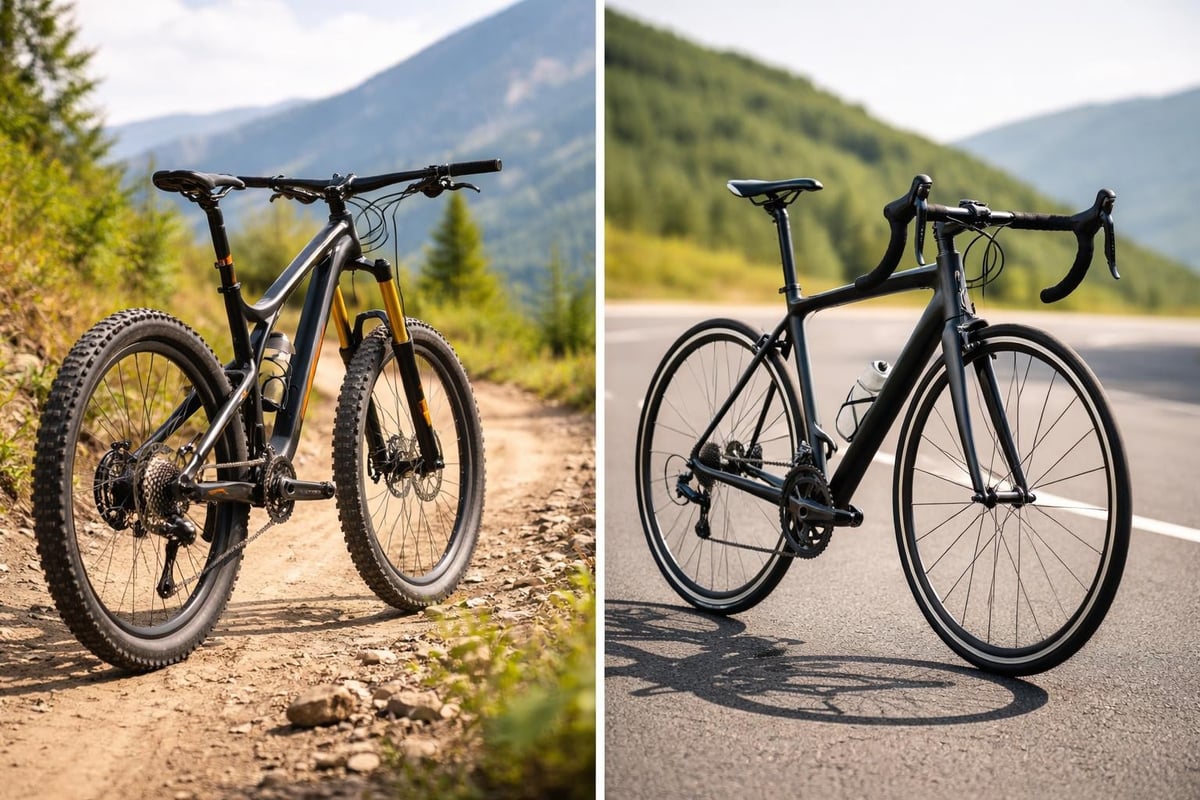
Trail bikes are specifically designed for off-road terrain, featuring robust frames, wide knobby tires, and suspension systems that absorb shock from roots, rocks, and uneven surfaces. When you take a trail bike on road, you're using equipment optimized for a different environment.
The geometry of trail bikes differs significantly from road bicycles. They typically have a more upright riding position, longer wheelbase, and slacker head tube angle. These characteristics provide stability and control on technical trails but can feel different on smooth pavement.
Key Differences Between Trail and Road Riding
| Feature | Trail Bike | Road Bike | Impact on Road Use |
|---|---|---|---|
| Tire Width | 2.0-2.6 inches | 23-28mm | Higher rolling resistance |
| Tire Tread | Aggressive knobs | Smooth or minimal | Reduced efficiency |
| Weight | 12-15 kg | 7-10 kg | Slower acceleration |
| Suspension | Full or front | Rigid | Energy loss |
| Gearing | Wide range, low gears | Tight ratios, high gears | Limited top speed |
Legal Considerations for Trail Bike Road Use in India
Before riding your trail bike on road regularly, understanding Indian traffic regulations is essential. Bicycles are classified as vehicles under the Motor Vehicles Act, and cyclists must follow specific rules when sharing roads with motorized traffic.
According to fundamental road cycling rules, cyclists must ride with traffic flow, obey all traffic signals, and use appropriate hand signals when turning. These principles apply whether you're on a road bike or using a trail bike on road surfaces.
Essential Legal Requirements
- Right-side riding: Always ride on the left side of the road in India, following traffic direction
- Traffic signal compliance: Stop at red lights and follow all road signs
- Lighting requirements: Use front white lights and rear red reflectors or lights during low visibility
- Reflective gear: Wear visible clothing, especially during dawn, dusk, or night riding
Many Indian cities have designated cycling lanes or shared pathways. When using a trail bike on road in urban areas, prioritize these designated spaces. Safety tips and trail etiquette emphasize yielding to pedestrians and controlling your speed, principles that translate directly to road riding situations.
Modifications for Optimal Road Performance
Making strategic modifications to your trail bike can dramatically improve its road performance without compromising its off-road capabilities. These adjustments help bridge the gap between trail-specific design and road riding demands.
Tire Selection and Pressure
The single most impactful modification involves tire choice. While aggressive knobby tires excel on dirt, they create excessive rolling resistance on pavement.
Tire modification options:
- Hybrid tires: Semi-slick center tread with side knobs for versatility
- Slick tires: Completely smooth for maximum road efficiency
- Increased pressure: Inflate to upper pressure range for reduced rolling resistance
- Narrower options: Install narrower tires if rim width allows (2.0-2.2 inches)
Many cyclists maintain two wheelsets: one with knobby tires for trails and another with slick tires for road riding. This approach provides optimal performance in both environments without constant tire changes.
Suspension Adjustments
Suspension systems absorb pedaling energy on smooth roads, reducing efficiency. When using a trail bike on road, consider these adjustments:
- Lock out front suspension: Most modern forks feature lockout mechanisms
- Increase compression damping: Stiffen suspension to minimize bobbing
- Add more air pressure: Firmer suspension reduces energy loss
- Consider rigid fork swap: For dedicated road use, replace suspension fork
| Modification | Cost | Difficulty | Performance Gain |
|---|---|---|---|
| Tire change | ₹2,000-₹6,000 | Easy | Very High |
| Suspension lockout | Included | Easy | High |
| Wheelset addition | ₹8,000-₹25,000 | Moderate | Very High |
| Fork replacement | ₹5,000-₹15,000 | Difficult | High |
Safety Equipment and Gear Essentials
Safety remains paramount when riding any trail bike on road. Road environments present unique hazards requiring specific protective equipment and visibility enhancements.
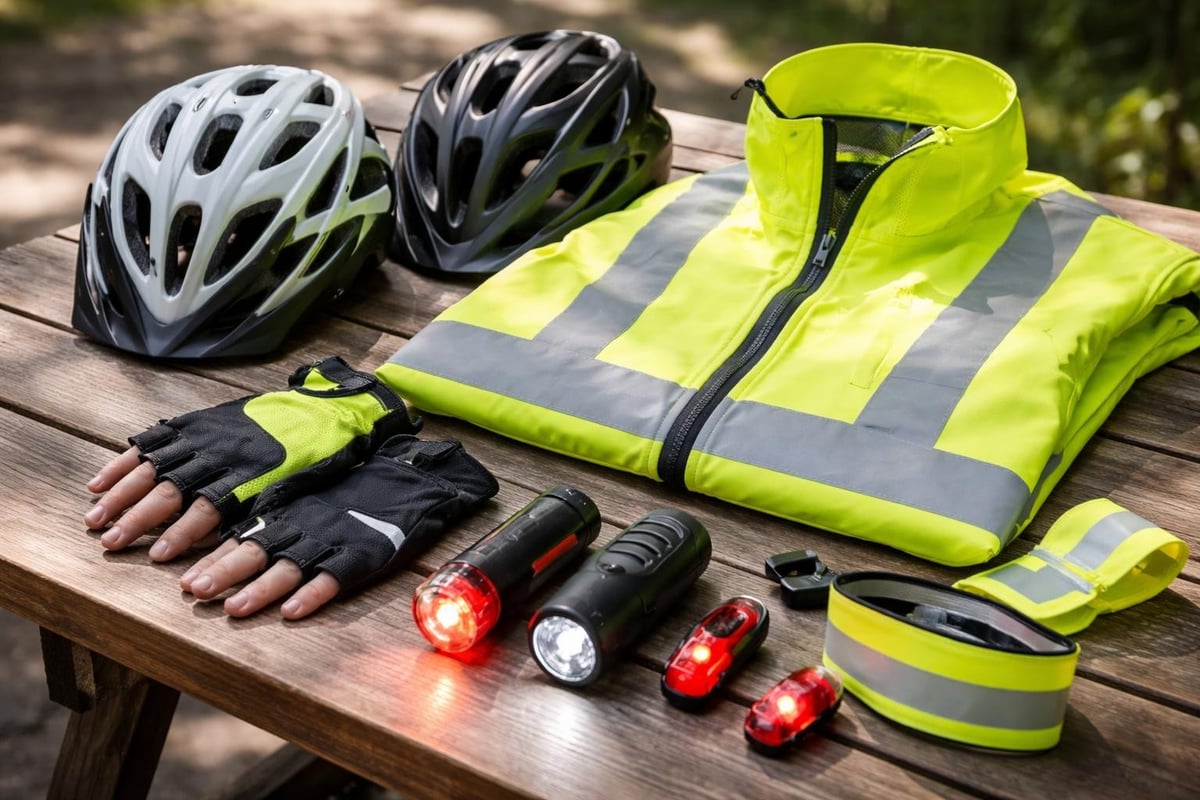
For comprehensive protection, start with essential cycling gear that addresses road-specific risks. Helmets designed for road cycling often feature better ventilation and aerodynamics compared to trail helmets.
When equipping yourself for road riding on a trail bike, ensure your gear meets these requirements:
- Certified helmet: ISI or international safety certification
- High-visibility clothing: Bright colors or reflective materials
- Cycling-specific gloves: Palm padding and grip for extended road riding
- Eye protection: Clear or tinted glasses for debris and UV protection
- Proper footwear: Cycling shoes or grippy athletic shoes
The National Park Service biking safety guidelines stress the importance of wearing properly fitted helmets and obeying traffic laws, crucial practices for trail bike riders navigating road environments.

Whether you need upgraded gloves for longer road rides or better lighting systems for visibility, Cycling Gears Hub offers premium cycling accessories designed for Indian riders. Their extensive collection includes helmets, gloves, lights, and visibility gear that help trail bike riders safely transition to road environments.
Riding Techniques for Road Environments
Adapting your riding technique when taking a trail bike on road improves efficiency, safety, and comfort. Trail riding skills don't always translate directly to pavement performance.
Pedaling Efficiency
Trail bikes typically have lower gear ratios optimized for steep climbs and technical terrain. On roads, you'll spend more time in higher gears, requiring smoother, more consistent pedaling cadence.
Technique improvements:
- Maintain steady cadence (70-90 RPM) rather than mashing heavy gears
- Shift proactively before grade changes
- Stay seated during climbs to conserve energy
- Use your core to stabilize upper body and reduce energy waste
Cornering and Handling
Trail bike geometry provides stability but requires adjustment for efficient road cornering. The wider handlebars and upright position change your center of gravity compared to road bikes.
Practice these cornering techniques:
- Look through the turn: Focus on exit point, not immediate path
- Outside pedal down: Weight outside pedal for stability
- Lean the bike: Tilt the bicycle more than your body
- Brake before corners: Complete braking before entering turn
Group Riding Awareness
When riding with others on roads, trail bike handling characteristics require extra awareness. Trail etiquette and safety practices emphasize communication and predictability, essential skills for road group rides.
Fitness and Training Considerations
Using a trail bike on road offers excellent training opportunities but demands different fitness approaches than pure trail riding. The increased resistance and sustained efforts build specific conditioning.
Cardiovascular Benefits
Road riding on a trail bike provides exceptional cardiovascular conditioning. The added resistance from wider tires, suspension, and upright position means your heart rate stays elevated longer than on a road bike at equivalent speeds.
Training advantages:
- Increased power output: Heavier bike builds strength
- Enhanced endurance: Sustained efforts improve aerobic capacity
- Leg strength development: Higher resistance strengthens muscles
- Cross-training benefits: Variety prevents overuse injuries
Structured Training Approaches
Design training sessions specifically for trail bike road use:
- Tempo rides: Maintain moderate-hard effort for 20-40 minutes
- Interval training: Alternate high-intensity bursts with recovery
- Long steady rides: Build endurance with 2-4 hour rides
- Hill repeats: Capitalize on low gearing for climbing strength
Understanding your bike's gearing system helps optimize training efficiency. Proper gear selection prevents excessive strain while maintaining productive training intensity.
Maintenance Requirements for Dual-Purpose Use
Riding a trail bike on road accelerates certain wear patterns while reducing others. Understanding these differences helps maintain your bicycle properly and prevent unexpected failures.
Component Wear Patterns
Road riding creates different stress on trail bike components compared to off-road use. Pavement is abrasive but consistent, while trails present impacts but less continuous friction.
| Component | Trail Wear | Road Wear | Maintenance Priority |
|---|---|---|---|
| Tires | Cuts, tears | Faster tread wear | High |
| Chain | Mud/dirt damage | Stretched links | Medium |
| Brake pads | Contamination | Consistent wear | High |
| Suspension seals | Dirt infiltration | Minimal | Low |
| Bottom bracket | Water exposure | Smooth operation | Low |
Regular Maintenance Schedule
Implement a maintenance routine tailored to road-trail combination use:
Weekly checks:
- Tire pressure and condition
- Brake function and pad wear
- Chain lubrication
- Quick visual inspection
Monthly maintenance:
- Thorough cleaning
- Drivetrain deep clean
- Suspension lockout function
- Brake system inspection
Quarterly service:
- Professional tune-up
- Bearing inspection
- Cable replacement if needed
- Suspension service
Community and Route Planning
Finding appropriate routes and connecting with fellow riders enhances the trail bike on road experience. Indian cycling communities have grown substantially, offering resources for dual-purpose riders.
Route Selection Strategies
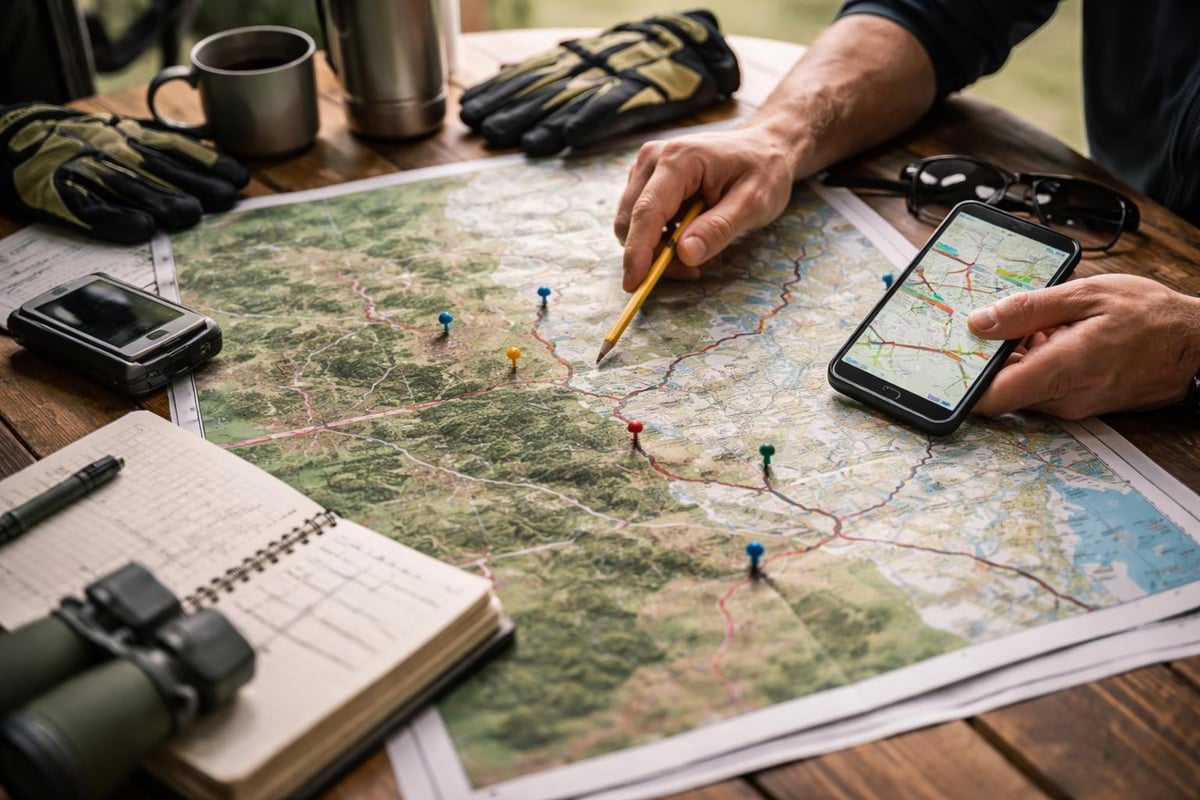
Choose roads that complement trail bike characteristics rather than fighting against them. Look for routes with these features:
- Moderate grades: Utilize low gearing advantages
- Scenic byways: Less traffic, better surfaces
- Connected trail systems: Mix road and off-road sections
- Cycling-friendly infrastructure: Designated lanes or wide shoulders
The Tahoe Area Mountain Biking Association's trail etiquette guidelines about riding open trails and controlling your bicycle apply equally when planning safe road routes.
Building Cycling Community Connections
Connect with local cycling groups through social media, cycling shops, and organized rides. Many communities host mixed-terrain events perfect for trail bikes.
Benefits of community riding include:
- Safety in numbers: Group visibility reduces accident risk
- Route discovery: Learn new roads from experienced cyclists
- Skill development: Observe and adopt better techniques
- Motivation: Regular group rides maintain training consistency
Exploring cycling accessories designed for Indian riders can help you prepare for group rides and community events with appropriate gear.
Weather Considerations and Seasonal Adaptations
Indian weather varies dramatically by region and season, affecting trail bike road use differently than trail riding. Planning for these conditions ensures year-round riding capability.
Monsoon Season Challenges
Wet roads present unique challenges for trail bikes with aggressive tread patterns. Knobby tires can hydroplane more easily than smooth road tires on wet pavement.
Monsoon riding tips:
- Reduce tire pressure slightly for better contact
- Increase following distance dramatically
- Brake earlier and more gently
- Avoid painted road markings and metal surfaces
- Install effective fenders to protect components
Hot Weather Riding
Summer temperatures across India can exceed 40°C, demanding specific preparation when using a trail bike on road for extended periods.
Protect yourself during hot weather with these strategies:
- Early morning rides: Start before peak temperature hours
- Hydration systems: Carry 1-1.5 liters per hour of riding
- Sun protection: Wear UV-protective clothing and sunscreen
- Route planning: Include shade breaks and water refill points
Understanding e-bike regulations can be helpful if you're considering electric assistance for hot weather commuting on your trail bike.
Performance Expectations and Realistic Goals
Setting appropriate expectations prevents frustration when riding a trail bike on road. These bikes will never match road bike speeds, but they offer unique advantages worth appreciating.
Speed Comparisons
On flat terrain, expect trail bikes to travel 2-5 km/h slower than road bikes at equivalent effort levels. This difference increases on climbs and decreases on descents where stability advantages emerge.
Typical speed ranges for trail bike road use:
- Casual pace: 15-20 km/h
- Moderate effort: 20-25 km/h
- Strong effort: 25-30 km/h
- Maximum sprint: 35-40 km/h
Maximizing Trail Bike Advantages
Rather than fighting your trail bike's characteristics, leverage its strengths on road rides:
- Comfort: Upright position reduces neck and back strain
- Versatility: Take shortcuts through parks or unpaved sections
- Durability: Handle rough road surfaces without concern
- Capability: Ride anywhere without surface limitations
For riders interested in optimizing their setup, exploring road bike options alongside your trail bike can provide comparison points and help you understand each bike's strengths.
Transitioning Between Terrain Types
One of the greatest advantages of owning a trail bike is the ability to seamlessly transition between road and off-road environments within a single ride.
Planning Mixed-Terrain Routes
Design routes that incorporate both paved and unpaved sections, maximizing your trail bike's versatility. This approach creates more engaging rides while utilizing appropriate terrain for your equipment.
Mixed-terrain route components:
- Start with road sections for warm-up
- Include trail segments for technical skill maintenance
- Use roads to connect distant trail systems
- Finish with roads for cool-down and easy return
Equipment Configuration for Versatility
Configure your trail bike to handle both environments effectively during single rides. This requires compromise between pure road and trail optimization.
Choose middle-ground settings:
- Semi-slick tires: Balance road efficiency with trail capability
- Moderate suspension: Partial lockout or medium damping
- Versatile gearing: Maintain full range for varied terrain
- Robust accessories: Lights and bags that handle both environments
Following health and safety guidelines about staying on designated paths becomes particularly important when transitioning between different riding environments.
Taking your trail bike on road opens new possibilities for training, commuting, and exploration while maximizing your bicycle investment. By making smart modifications, following safety protocols, and setting realistic expectations, you can safely and effectively enjoy road riding on equipment designed for trails. Whether you need specialized tires, visibility gear, or protective equipment for your road adventures, Cycling Gears Hub provides trusted products with fast shipping and hassle-free returns to support every aspect of your cycling journey.