

Hub cycling represents a revolutionary approach to bicycle gearing that has transformed how riders experience shifting and maintenance. Unlike traditional derailleur systems that expose gears to the elements, hub cycling utilizes internal mechanisms housed within the rear wheel hub, offering a cleaner, more reliable alternative for everyday cyclists. This technology has gained significant traction among commuters, touring cyclists, and urban riders who prioritize durability and minimal upkeep. As cycling continues to grow in popularity across India and globally, understanding the advantages and applications of hub cycling becomes essential for making informed gear choices that match your riding style and needs.
Understanding Hub Cycling Technology
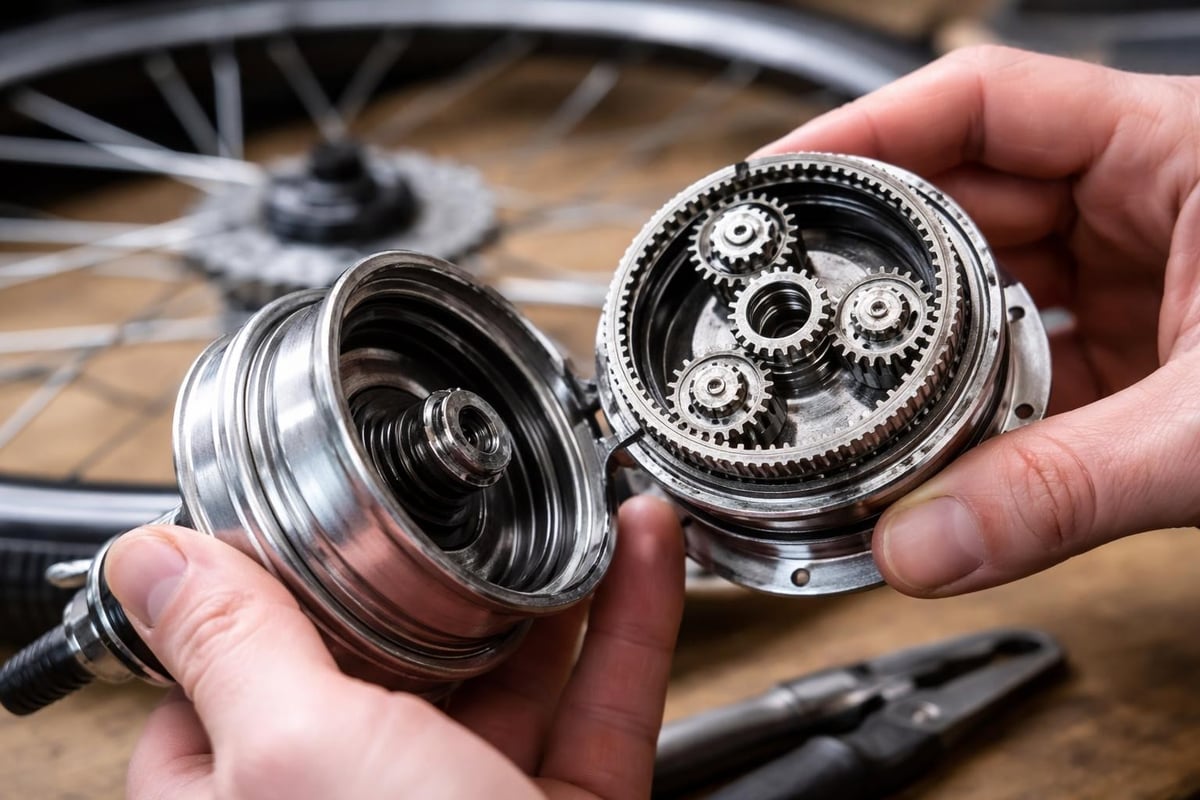
Hub cycling centers around internal hub gears that contain all shifting mechanisms within a sealed unit at the rear wheel's center. This design philosophy contrasts sharply with external derailleur systems, where chains move across multiple sprockets exposed to dirt, water, and debris.
The fundamental principle behind hub cycling involves planetary gear sets that change ratios internally. When you shift gears, small pins or pawls engage different gear combinations inside the hub shell. This mechanism remains protected from environmental contamination, significantly extending component lifespan and reducing maintenance intervals.
Key Components of Hub Cycling Systems
Modern hub cycling systems comprise several integrated elements that work together seamlessly:
- Hub shell: The outer casing that houses all internal components
- Planetary gear sets: Multiple gears arranged in epicyclic configurations
- Shift mechanism: Cable-activated or twist-grip controls that engage different gear ratios
- Axle assembly: The central shaft supporting the entire system
- Sealing system: Oil or grease seals protecting internal components
The sophistication of bicycle wheel construction plays a crucial role in hub cycling performance. The hub must maintain precise tolerances while withstanding pedaling forces, road vibrations, and weight loads. Quality hubs integrate advanced bearing systems that minimize friction while maximizing durability.
Advantages of Hub Cycling for Indian Riders
Hub cycling offers distinct benefits that align perfectly with Indian riding conditions and cyclist needs. The sealed design protects gears from monsoon rains, dusty roads, and heavy traffic environments common in Indian cities.
Low Maintenance Requirements
One of hub cycling's most compelling advantages is dramatically reduced maintenance. Internal gears remain sealed from contaminants that plague derailleur systems. Many hub gears require only annual oil changes, compared to frequent derailleur adjustments and chain cleanings.
Shifting Versatility
Hub cycling allows gear changes while stationary, a feature particularly valuable in stop-and-go traffic. Urban cyclists can shift to easier gears while stopped at signals, ensuring smooth starts without struggling in high gears.
| Feature | Hub Cycling | Derailleur System |
|---|---|---|
| Maintenance Frequency | Annual | Monthly |
| Weather Protection | Fully sealed | Exposed |
| Shifting at Standstill | Yes | No |
| Component Lifespan | 30,000+ km | 5,000-10,000 km |
| Chain Line | Straight | Angled |
Durability in Harsh Conditions
Indian cyclists face diverse challenges from coastal humidity to mountain terrain. Hub cycling systems excel in these environments because protective sealing prevents moisture intrusion and grit contamination. The straight chain line also reduces wear on chains and sprockets, extending their service life considerably.
Gear Range Options
Modern hub cycling systems offer impressive gear ranges suitable for various riding styles. The classic three-speed bicycle remains popular for flat urban commuting, providing adequate range for most city riding. For those seeking broader capabilities, systems like the Rohloff Speedhub deliver 14 speeds with a 526% gear range, rivaling many derailleur setups.
When selecting essential gear for your cycling setup, having quality cycling accessories enhances your overall riding experience regardless of the transmission system you choose.
Practical Applications of Hub Cycling
Hub cycling shines in specific use cases where reliability and convenience outweigh weight considerations. Commuters represent the largest user group, benefiting from hassle-free daily operation and minimal maintenance interruptions.
Urban Commuting Excellence
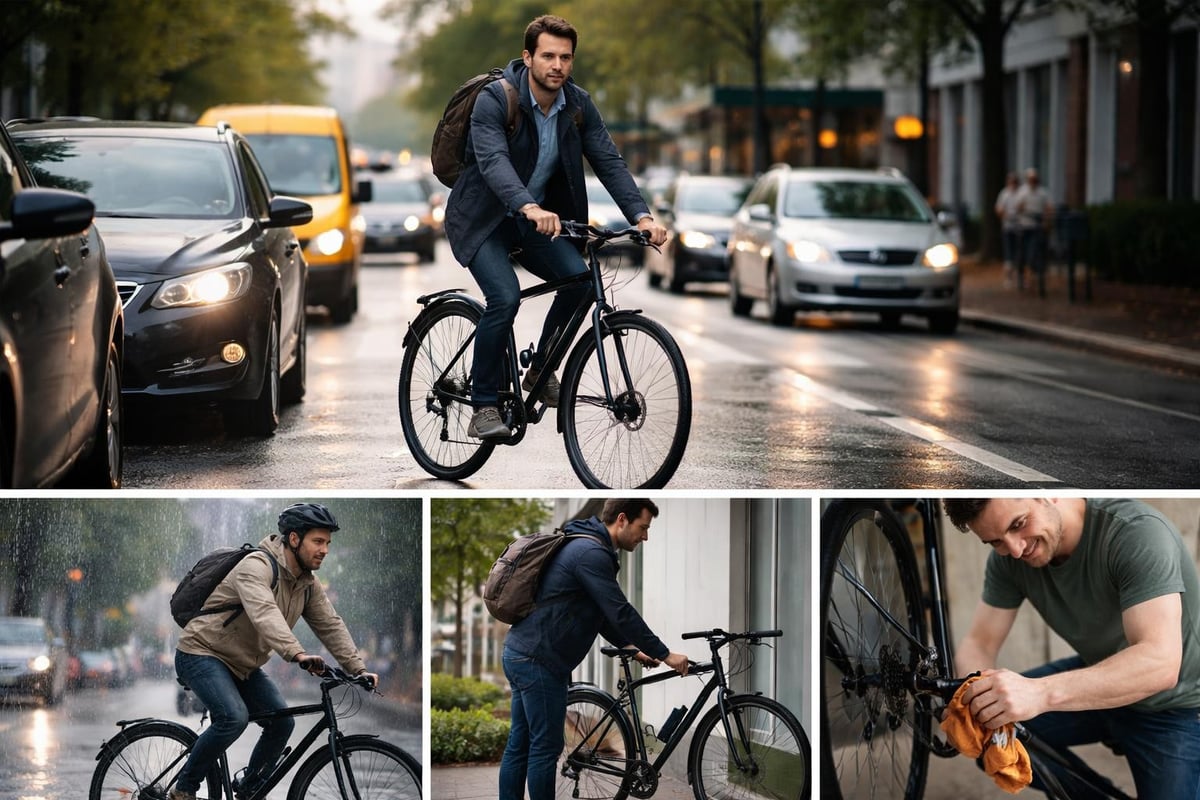
City cyclists face unique challenges that hub cycling addresses effectively:
- Traffic navigation: Quick gear changes at intersections without timing shifts
- Weather resilience: Performance unchanged in rain or dust storms
- Clothing protection: No exposed derailleurs means cleaner clothes and reduced chain accidents
- Security: Fewer external components reduce theft attractiveness and simplify bike storage
The sealed nature of hub cycling systems means riders can focus on navigation and safety rather than worrying about grinding gears or dropped chains during critical moments in traffic.
Touring and Bikepacking
Long-distance cyclists increasingly adopt hub cycling for extended journeys. The reliability factor becomes paramount when riding through remote areas where bicycle shops are scarce. Hub systems require minimal tools for basic maintenance, and catastrophic failures are extremely rare compared to derailleur systems.
For touring cyclists who also invest in proper bikepacking equipment, hub cycling provides the mechanical reliability needed for multi-week adventures. The ability to carry fewer spare parts and tools reduces overall weight, partially offsetting the hub's inherent weight penalty.
Hub Cycling vs. Traditional Gearing Systems
Choosing between hub cycling and derailleur systems requires understanding trade-offs specific to your riding priorities. Neither system is universally superior, each excels in different scenarios.
Weight Considerations
Hub cycling systems add significant weight compared to lightweight derailleur setups. A quality internal hub gear typically weighs 1,200-2,000 grams, while a complete derailleur drivetrain might weigh 600-900 grams. For competitive cyclists and weight-conscious riders, this difference matters considerably.
Efficiency Factors
Modern hub cycling systems have narrowed the efficiency gap with derailleur systems. Quality hubs now achieve 92-95% efficiency in direct gears, with slight losses in extreme ratios. Derailleur systems offer 95-98% efficiency when properly maintained, though this advantage diminishes rapidly with dirt accumulation and wear.
Cost Analysis
Initial investment in hub cycling typically exceeds derailleur systems:
- Entry-level hub gears: ₹8,000-₹15,000
- Mid-range systems: ₹15,000-₹30,000
- Premium systems (Rohloff): ₹80,000-₹1,00,000
However, total cost of ownership tells a different story. Reduced maintenance, longer component life, and fewer replacement parts often make hub cycling more economical over 5-10 years of regular use.
For cyclists exploring best gear bicycle options, understanding these long-term cost implications helps make financially sound decisions aligned with riding patterns.
Specialized Hub Cycling Configurations
Beyond standard internal gear hubs, specialized configurations serve niche applications. The flip-flop hub offers simplicity for fixed-gear enthusiasts, allowing riders to swap between fixed and freewheel modes by reversing the rear wheel.
Single-Speed and Fixed-Gear Applications
Hub cycling principles extend to single-speed setups where simplicity reaches its zenith. These configurations eliminate shifting complexity entirely while retaining the sealed bearing advantages of quality hubs. Urban riders appreciate the minimal maintenance and clean aesthetic of single-speed hub cycling setups.
Multi-Speed Integration
Advanced hub cycling systems integrate with other technologies for enhanced functionality:
- Electronic shifting: Push-button gear changes with precise electronic actuation
- Continuously variable transmission (CVT): Infinite gear ratios within a defined range
- Hybrid systems: Combining internal hubs with external cassettes for expanded range
These innovations demonstrate hub cycling's ongoing evolution, addressing historical limitations while preserving core advantages.
Maintenance and Care for Hub Cycling Systems
Proper maintenance extends hub cycling system lifespan and ensures optimal performance. While these systems require less frequent attention than derailleur setups, regular care remains essential.
Routine Maintenance Schedule
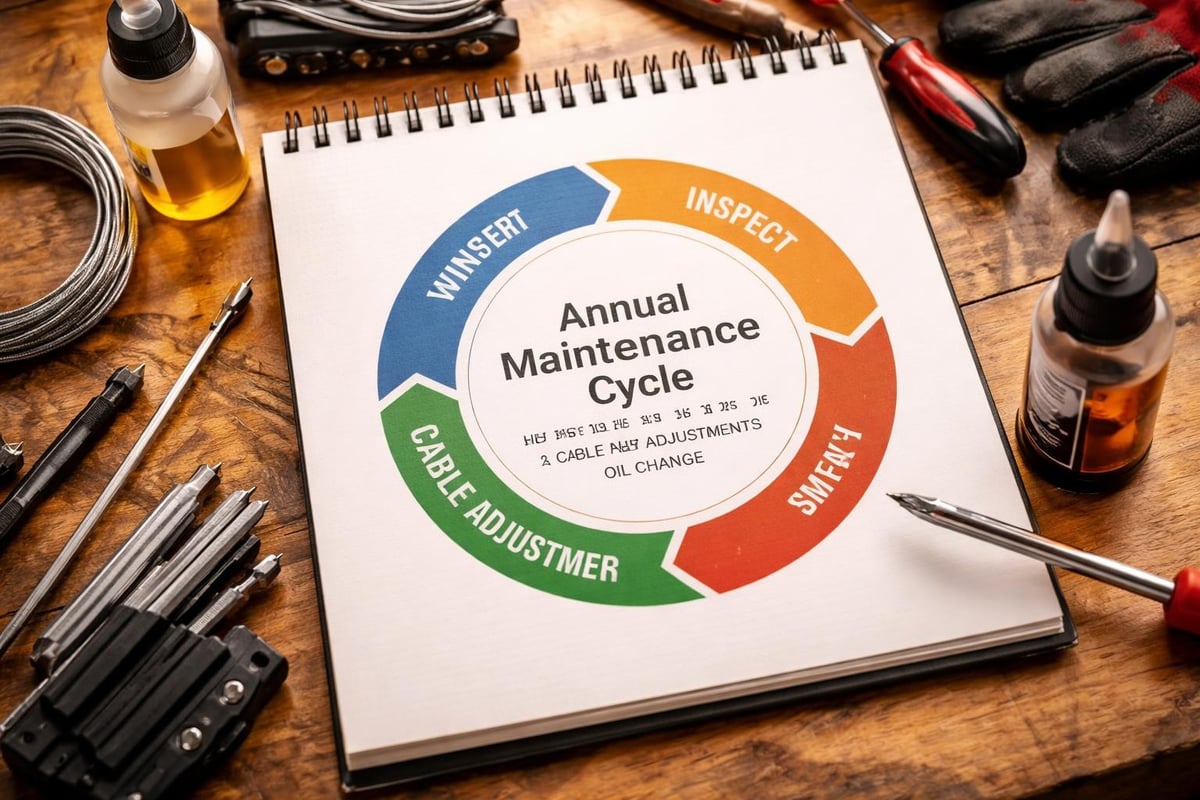
- Monthly: Check cable tension and adjust if shifting feels imprecise
- Quarterly: Inspect exterior for damage, clean hub shell, verify axle tightness
- Semi-annually: Lubricate shift mechanism, check spoke tension
- Annually: Complete oil change (oil-bath systems), full inspection by qualified technician
The sealed design means most riders can handle basic maintenance without specialized knowledge. However, internal repairs require specific tools and expertise, making professional service advisable for complex issues.
Common Issues and Solutions
Hub cycling systems generally operate trouble-free, but occasional problems arise:
| Issue | Cause | Solution |
|---|---|---|
| Skipping gears | Cable stretch | Adjust cable tension |
| Difficult shifting | Low lubrication | Add oil to shift mechanism |
| Noise during pedaling | Low internal oil | Perform oil change |
| Play in hub | Loose axle nuts | Tighten axle to specification |
Preventive maintenance prevents most problems before they affect riding. Unlike derailleur systems where components wear visibly, hub cycling requires trust in scheduled service intervals even when performance seems perfect.
Selecting the Right Hub Cycling System
Choosing appropriate hub cycling components depends on riding style, budget, terrain, and maintenance preferences. New cyclists benefit from understanding available options before committing to specific systems.
Entry-Level Options
Riders new to hub cycling should consider proven systems with widespread support:
- Shimano Nexus 3-speed: Reliable, affordable, perfect for flat terrain
- Shimano Nexus 7/8-speed: Broader range for varied terrain, moderate pricing
- SRAM i-Motion 3/9-speed: Alternative to Shimano with slightly different shift feel
These systems provide hub cycling benefits without overwhelming complexity or investment. They're ideal for beginners exploring essential cycling accessories and building foundational cycling habits.
Premium Performance Systems
Serious cyclists seeking ultimate reliability invest in high-end hub cycling systems:
- Rohloff Speedhub 500/14: Industry standard for touring, 14 speeds, legendary reliability
- Shimano Alfine 11-speed: Lighter than Rohloff, good range, lower cost
- Enviolo/NuVinci CVT: Stepless shifting, unique riding experience
Premium systems justify their cost through exceptional durability, precise shifting, and extensive gear ranges suitable for any terrain. Many touring cyclists consider Rohloff hubs essential equipment, running tens of thousands of kilometers without major service.
Hub Cycling Community and Resources
Hub cycling enthusiasts form dedicated communities sharing knowledge, maintenance tips, and riding experiences. Organizations like HUB Cycling promote cycling through education and advocacy, though their focus extends beyond just hub gears to overall cycling culture.
Finding Local Support
Indian cyclists benefit from growing local expertise in hub cycling systems. Major cities now have shops specializing in internal gear hubs, offering installation, service, and parts. Online communities provide troubleshooting assistance and modification advice for riders maintaining their own systems.
When building your cycling setup with proper gear and accessories, working with knowledgeable retailers ensures compatibility and optimal performance. Cycling Gears Hub provides comprehensive product ranges supporting various cycling disciplines and technical requirements.

Educational Resources
Learning about hub cycling continues beyond initial purchase. Manufacturers provide detailed technical manuals, while independent mechanics share service procedures online. Understanding your specific hub cycling system empowers informed maintenance decisions and helps identify when professional service becomes necessary.
Integration with Modern Bicycle Designs
Contemporary bicycle design increasingly accommodates hub cycling systems. Frame builders incorporate specific dropout designs, cable routing, and rear spacing to optimize hub performance. The result is purpose-built bicycles that maximize hub cycling advantages while minimizing compromises.
Frame Compatibility Considerations
Installing hub cycling systems requires attention to several technical specifications:
- Rear dropout spacing (typically 135mm or 142mm)
- Frame material and torque arm requirements
- Cable routing compatibility with shift mechanism
- Chain tensioning method (horizontal dropouts or eccentric bottom bracket)
Modern frames designed for hub cycling integrate these elements seamlessly. However, retrofitting older frames may require modifications or adapters, adding complexity and cost to conversions.
E-Bike Integration
Electric bicycles represent a growing hub cycling application. The sealed transmission resists motor torque without accelerated wear, while reduced maintenance aligns with e-bike convenience philosophy. Many manufacturers specify internal hub gears for e-bike models, recognizing superior durability under high-torque conditions.
The combination of hub cycling and electric assist creates ultimate low-maintenance transportation. Riders enjoy reliable shifting, minimal servicing, and weather-resistant operation throughout the year.
Future Developments in Hub Cycling
Hub cycling technology continues evolving with innovations addressing historical limitations. Manufacturers invest in lighter materials, improved efficiency, wireless shifting, and integrated electronics that enhance user experience.
Emerging Technologies
Recent developments signal exciting directions for hub cycling advancement:
- Carbon fiber hub shells reducing weight by 30-40%
- Improved gear tooth profiles increasing efficiency to 96-97%
- Smartphone integration for shift monitoring and maintenance reminders
- Automatic shifting systems adjusting gears based on cadence and power
These innovations make hub cycling increasingly competitive with traditional systems across all performance metrics. As technology matures, the weight penalty diminishes while reliability advantages remain constant.
Market Growth Trends
Global hub cycling adoption grows steadily, particularly in markets prioritizing practicality over racing performance. European cities with strong cycling cultures show 40-50% hub cycling penetration for commuter bikes. Indian markets lag behind but demonstrate accelerating interest as cycling infrastructure improves and maintenance awareness increases.
Urban bike-sharing programs like Bluebikes increasingly adopt hub cycling for their fleets, valuing reduced maintenance and vandal-resistant designs. This exposure introduces hub cycling to riders who might otherwise never experience internal gear systems.
Practical Tips for Hub Cycling Success
Maximizing hub cycling benefits requires adopting appropriate riding techniques and maintenance habits. New users often need time adjusting to different shift timing and feel compared to familiar derailleur systems.
Shifting Technique
- Ease pedal pressure slightly during shifts for smoother engagement
- Use the full gear range rather than staying in mid-range ratios
- Shift to appropriate gears before stopping to ensure easy starts
- Allow brief pause between multiple gear changes for mechanism engagement
These habits become second nature with experience. Hub cycling rewards deliberate shifting rather than the rapid-fire changes possible with derailleurs.
Optimization Strategies
Fine-tuning hub cycling setups enhances performance and longevity:
- Select appropriate chainring and sprocket sizes matching typical terrain
- Use quality chains designed for straight chainlines
- Maintain proper cable tension for crisp, reliable shifts
- Follow manufacturer oil change intervals precisely
- Store bikes indoors protecting seals from extreme temperature fluctuations
Attention to these details ensures years of trouble-free operation and maximum return on your hub cycling investment.
Hub cycling represents a mature, reliable alternative to traditional derailleur systems, offering distinct advantages for commuters, touring cyclists, and riders prioritizing low maintenance over minimal weight. Understanding the technology, benefits, and proper care enables informed decisions aligned with your cycling goals and riding conditions. Whether you're building your first commuter or upgrading a touring bike, Cycling Gears Hub provides the comprehensive selection of quality components and accessories needed to support your cycling journey with fast shipping, flexible payment options, and hassle-free returns trusted by thousands of Indian cyclists.