

Hybrid cycling has transformed the way Indian cyclists approach their rides, offering a perfect middle ground between specialized bike categories. Whether you're navigating Bangalore's bustling streets, exploring Pune's scenic routes, or commuting through Delhi's urban landscape, hybrid cycling provides the versatility and comfort that modern riders demand. This comprehensive guide explores everything you need to know about hybrid cycling, from understanding bike features to selecting the right gear for your adventures.
Understanding Hybrid Cycling and Its Growing Appeal
Hybrid cycling represents a riding style that leverages the unique capabilities of hybrid bicycles, bikes specifically designed to blend characteristics from road, mountain, and touring bicycles. These versatile machines have gained tremendous popularity among Indian cyclists who need one bike that performs well across multiple scenarios.
The beauty of hybrid cycling lies in its adaptability. Unlike specialized bikes that excel in narrow conditions, hybrid bikes handle diverse terrains with confidence. They feature upright riding positions that reduce strain on your back and neck, wider tires that provide stability on varied surfaces, and gearing systems that manage both flat city roads and moderate climbs effectively.
Key characteristics that define hybrid cycling include:
- Comfortable, upright geometry that reduces physical strain during longer rides
- Medium-width tires (28-42mm) that balance speed and traction
- Flat handlebars providing better control in traffic
- Versatile gearing suitable for urban commuting and recreational riding
- Mounting points for racks, fenders, and bottle cages
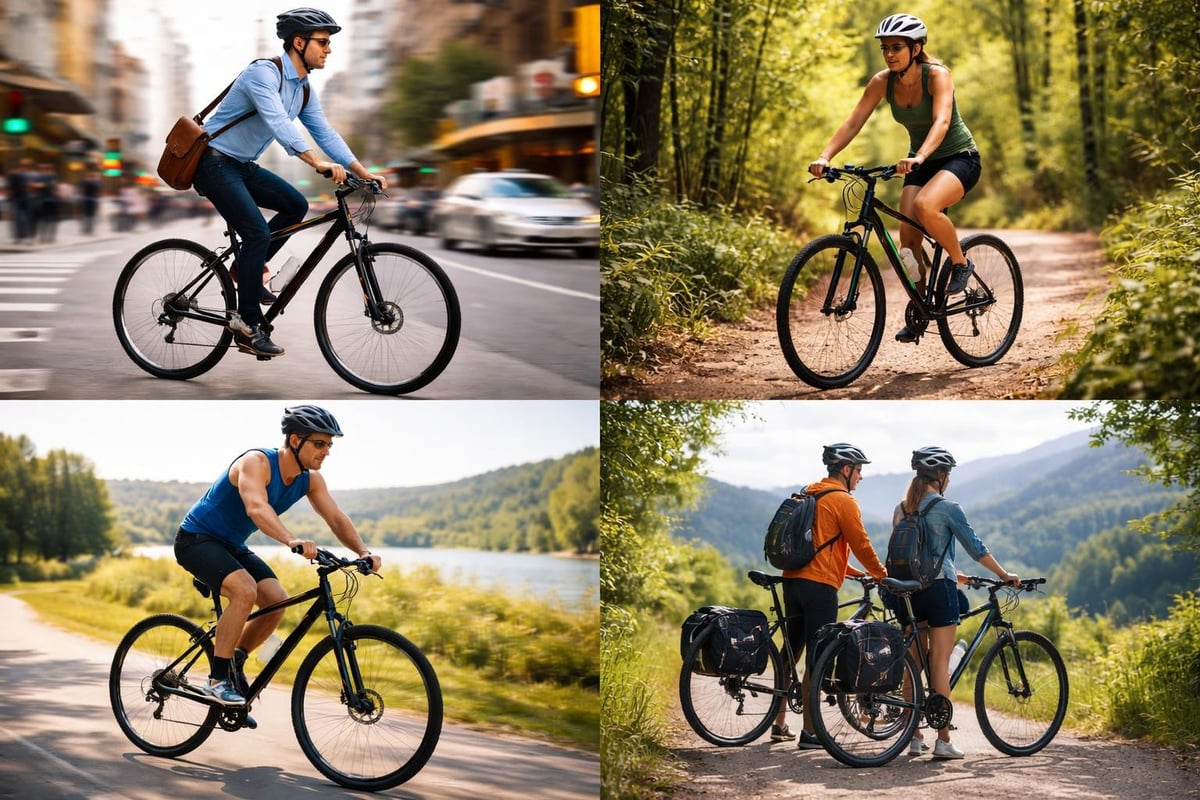
Indian cyclists particularly appreciate hybrid cycling because it addresses practical concerns. The monsoon season demands bikes that handle wet roads safely. Daily commutes require durability and low maintenance. Weekend rides call for comfort over extended distances. Hybrid cycling delivers on all these fronts without requiring multiple specialized bikes.
Choosing the Right Hybrid Bike for Your Needs
Selecting the perfect hybrid bike involves understanding how different models cater to specific riding preferences. The hybrid bicycle market has evolved significantly, with manufacturers now offering specialized variants for fitness, comfort, and performance-oriented riders.
Fitness-Oriented Hybrid Bikes
Fitness hybrids prioritize speed and efficiency. They feature lighter frames, narrower tires (closer to 28-32mm), and more aggressive geometry compared to standard hybrids. These bikes suit riders who want the versatility of hybrid cycling but prioritize workout intensity and pace.
Comfort-Focused Models
Comfort hybrids emphasize relaxed riding positions and shock absorption. They typically include suspension forks, wider saddles, and ergonomic grips. Indian riders who face poor road conditions or prefer leisurely rides find these models particularly appealing.
| Hybrid Type | Tire Width | Weight Range | Best For | Typical Price Range (INR) |
|---|---|---|---|---|
| Fitness Hybrid | 28-32mm | 10-12 kg | Speed, workouts, long rides | 25,000-50,000 |
| Comfort Hybrid | 35-42mm | 12-14 kg | Casual riding, commuting | 18,000-35,000 |
| Performance Hybrid | 28-35mm | 9-11 kg | Fast commuting, training | 35,000-70,000 |
| Electric Hybrid | 32-40mm | 18-22 kg | Extended range, hilly terrain | 50,000-1,50,000 |
Understanding these categories helps match your hybrid cycling goals with the right equipment. Consider your primary use case: Will you ride daily for fitness? Do you need a reliable commuter? Are weekend adventures your focus?
Essential Gear for Hybrid Cycling Success
Proper equipment enhances safety, comfort, and performance during hybrid cycling. Indian riders face unique challenges including variable weather, diverse road conditions, and heavy traffic that demand specific gear considerations.
Safety Equipment That Makes a Difference
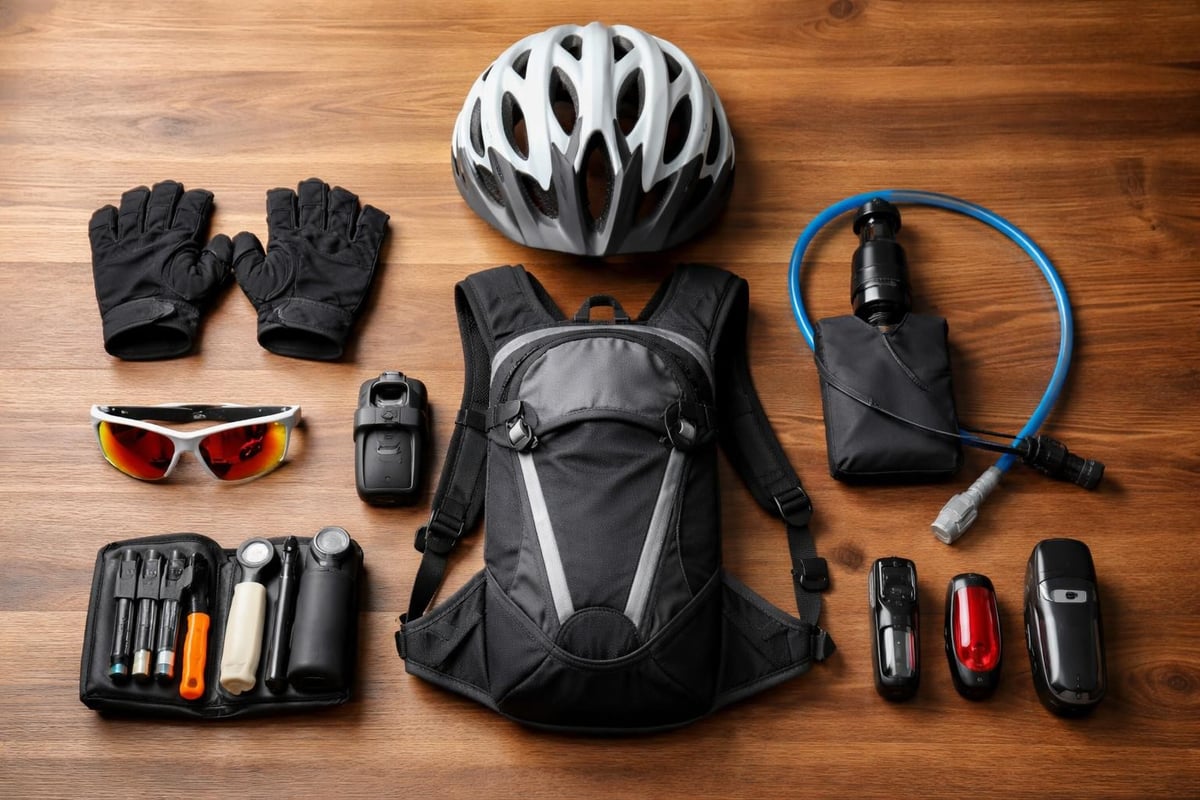
A quality helmet remains non-negotiable for hybrid cycling. Look for models with adequate ventilation for India's warm climate and MIPS technology for enhanced protection. For those exploring the best options available, checking out resources on selecting the best helmet can provide valuable insights.
Must-have safety items include:
- Certified cycling helmet with proper fit
- Front and rear LED lights for visibility
- Reflective vest or clothing for low-light conditions
- Bell or horn for alerting pedestrians
- Quality lock system for urban environments
Performance-Enhancing Accessories
Comfortable cycling apparel significantly impacts your hybrid cycling experience. Moisture-wicking jerseys, padded shorts, and proper gloves reduce fatigue during longer rides. Cycling Gears Hub provides comprehensive selections of helmets, gloves, jerseys, lights, and sunglasses specifically chosen to improve comfort, safety, and performance for riders tackling everything from daily commutes to weekend adventures across India's varied terrain.

Hydration systems deserve special attention. Whether using frame-mounted bottles or hydration packs, maintaining fluid intake during Indian summers proves essential for safe hybrid cycling.
Optimizing Your Hybrid Cycling Technique
Mastering hybrid cycling technique improves efficiency and reduces injury risk. Unlike specialized bikes that demand specific riding styles, hybrids offer flexibility while still benefiting from proper form and handling skills.
Body Positioning and Pedaling Efficiency
The upright position common in hybrid cycling naturally reduces aerodynamic efficiency compared to road bikes, but it provides significant comfort advantages. Position your weight centered over the bike, keeping elbows slightly bent and shoulders relaxed. This stance absorbs road vibrations while maintaining control.
Pedaling technique for hybrid cycling emphasizes smooth, circular motions rather than just pushing down. Engaging your hamstrings and hip flexors throughout the pedal stroke distributes effort more evenly, reducing fatigue on longer rides.
Gear Selection Strategies
Modern hybrid bikes typically feature 21 to 27 gears, providing extensive range for varied terrain. Understanding when to shift preserves energy and protects drivetrain components. For those interested in learning more about gear systems and their optimization, exploring detailed resources can enhance your technical knowledge.
Effective gear management follows these principles:
- Shift before you need the gear, anticipating climbs or speed changes
- Avoid cross-chaining (big-big or small-small gear combinations)
- Maintain a consistent cadence between 70-90 RPM for efficiency
- Use lower gears for climbs to preserve knee health
- Higher gears work best on descents and flat sections with tailwinds
Maintaining Your Hybrid Bike for Longevity
Regular maintenance extends your hybrid bike's lifespan and ensures safe, reliable performance. Indian riding conditions-dust, humidity, monsoon rains-demand more frequent attention than bikes in temperate climates might require.
Weekly Maintenance Tasks
Quick weekly checks prevent small issues from becoming major problems. Inspect tire pressure before each ride, as properly inflated tires (typically 50-70 PSI for hybrids) improve efficiency and reduce puncture risk. Clean your chain and apply appropriate lubricant, choosing wet lube during monsoon season and dry lube for dusty conditions.
| Maintenance Task | Frequency | Time Required | Skill Level |
|---|---|---|---|
| Tire pressure check | Before each ride | 2 minutes | Beginner |
| Chain cleaning and lubrication | Weekly | 10 minutes | Beginner |
| Brake inspection | Weekly | 5 minutes | Beginner |
| Gear adjustment | Monthly | 15 minutes | Intermediate |
| Complete drivetrain cleaning | Monthly | 30 minutes | Intermediate |
| Professional tune-up | Every 6 months | 1-2 hours | Professional |
Seasonal Deep Cleaning
Monsoon season particularly challenges hybrid cycling equipment. After riding in rain, thoroughly dry and clean your bike, paying special attention to brake surfaces, cables, and bearings. This prevents rust and corrosion that can compromise safety and performance.
Planning Routes for Hybrid Cycling Adventures
Route selection maximizes hybrid cycling enjoyment while respecting the bike's capabilities. While hybrids handle diverse terrain, understanding their strengths helps plan realistic, enjoyable rides across India's varied landscapes.
Urban Commuting Strategies
City riding demands awareness and strategic route planning. Hybrid cycling works exceptionally well for urban commutes because these bikes handle potholes, speed breakers, and occasional sidewalk transitions better than pure road bikes. Choose routes with dedicated cycling lanes when available, and explore resources about the versatility of hybrid bikes to understand how they adapt to city conditions.
Urban route optimization includes:
- Mapping quieter parallel streets to avoid heavy traffic
- Identifying shops and cafes along routes for rest stops
- Planning alternate routes for monsoon conditions
- Noting locations of bike shops for emergency repairs
- Using cycling apps to track popular routes
Recreational Trail Selection
Weekend rides on trails and park paths showcase hybrid cycling's recreational potential. Look for well-maintained paths, converted railway tracks, and dedicated cycling trails that avoid technical mountain bike terrain. India's growing cycling infrastructure includes numerous routes perfect for hybrid bikes.

Research indicates that hybrid cycling offers therapeutic benefits, particularly for building endurance and cardiovascular fitness without the intensity demands of competitive cycling. This makes proper route selection even more important for riders focused on health outcomes.
Building Fitness Through Hybrid Cycling
Hybrid cycling provides an accessible entry point for fitness development while offering sufficient challenge for experienced riders. The versatility of these bikes supports progressive training programs that build strength, endurance, and cardiovascular health.
Creating a Structured Training Plan
Begin with baseline rides of 30-45 minutes at comfortable pace, gradually increasing duration before adding intensity. Hybrid cycling's upright position makes it easier to maintain proper form during longer efforts, reducing injury risk common in aggressive road cycling positions.
Progressive training might look like this:
- Weeks 1-4: Establish consistency with 3-4 rides weekly, 30-45 minutes each
- Weeks 5-8: Increase one ride to 60 minutes, maintain others at 45 minutes
- Weeks 9-12: Add interval training to one weekly ride, extend long ride to 90 minutes
- Weeks 13+: Incorporate varied terrain, hill repeats, and tempo efforts
Tracking Progress and Setting Goals
Modern cycling computers and smartphone apps help monitor hybrid cycling progress. Track distance, average speed, elevation gain, and heart rate to quantify improvements. Setting specific, measurable goals-like completing a 50km ride or maintaining 20 km/h average speed-provides motivation and direction.
For riders looking to enhance their overall cycling experience with quality equipment, exploring essential cycling accessories can provide valuable guidance on building a complete gear setup.
The Future of Hybrid Cycling Technology
Hybrid cycling continues evolving with technological advances that enhance performance, comfort, and accessibility. Understanding emerging trends helps riders make informed decisions about upgrades and new bike purchases.
Electric Hybrid Bikes
E-hybrids represent the fastest-growing segment in hybrid cycling. These bikes add electric motors and batteries to traditional hybrid frames, extending range and making challenging terrain accessible to more riders. Indian manufacturers and importers increasingly offer e-hybrid options suited to local conditions and price points.
Battery technology improvements mean modern e-hybrids achieve ranges of 50-100 kilometers on single charges, sufficient for most daily commuting and recreational needs. Regenerative braking and improved motor efficiency continue extending these capabilities.
Smart Integration Features
Connectivity transforms hybrid cycling through integrated GPS, automatic gear shifting, and performance tracking. While premium features, these technologies are gradually appearing in mid-range models accessible to Indian consumers. Smart lights that adjust brightness based on ambient conditions, electronic shifting that optimizes gear selection, and theft-tracking systems represent the direction hybrid cycling technology continues moving.
Understanding current trends in hybrid bicycles helps riders anticipate which features will become standard and which remain niche options for specialized applications.
Common Hybrid Cycling Mistakes to Avoid
Even experienced cyclists sometimes overlook factors that specifically impact hybrid cycling. Recognizing and avoiding these common errors enhances safety, comfort, and bike longevity.
Overloading Your Hybrid Bike
While hybrids excel at carrying cargo compared to road bikes, they have limits. Most hybrid frames safely support 120-130 kg total weight (rider plus cargo). Exceeding this stresses frame joints, wheels, and components, risking failure. Distribute weight evenly using proper racks and panniers rather than overloading backpacks that affect balance.
Neglecting Tire Pressure
Incorrect tire pressure represents the most common maintenance oversight in hybrid cycling. Under-inflated tires increase rolling resistance, making rides harder and risking pinch flats. Over-inflation reduces traction and comfort. Check manufacturer recommendations (usually printed on tire sidewalls) and adjust based on rider weight and terrain.
Tire pressure guidelines for hybrid cycling:
| Rider Weight | Urban/Smooth Roads | Mixed Terrain | Loaded Touring |
|---|---|---|---|
| 50-65 kg | 55-60 PSI | 50-55 PSI | 60-65 PSI |
| 65-80 kg | 60-65 PSI | 55-60 PSI | 65-70 PSI |
| 80-95 kg | 65-70 PSI | 60-65 PSI | 70-75 PSI |
| 95+ kg | 70-75 PSI | 65-70 PSI | 75-80 PSI |
Ignoring Fit Adjustments
Proper bike fit prevents discomfort and injury. Many riders never adjust saddle height, handlebar position, or reach after purchase. Taking time to dial in these settings transforms hybrid cycling from tolerable to genuinely enjoyable. Professional bike fitting services, while costing extra, often prove worthwhile for riders experiencing persistent discomfort.
Joining the Hybrid Cycling Community
Cycling communities provide support, knowledge sharing, and motivation. India's growing cycling culture includes numerous clubs, online groups, and organized rides specifically welcoming hybrid cycling enthusiasts.
Finding Local Riding Groups
Most major Indian cities host regular group rides that accommodate various pace levels and bike types. Hybrid cycling groups often focus on social riding rather than competitive speed, making them ideal for beginners and recreational riders. Check social media platforms, cycling forums, and local bike shops for information about nearby groups.
Participating in Events and Charity Rides
Organized cycling events increasingly include hybrid-friendly categories and routes. Charity rides, gran fondos, and city cycling days welcome all bike types, providing opportunities to challenge yourself, support causes, and connect with fellow cycling enthusiasts. These events also expose you to different hybrid cycling styles and equipment choices.
Online communities dedicated to hybrid cycling offer year-round engagement, allowing riders to share route recommendations, maintenance tips, and gear reviews. Contributing to these communities helps build collective knowledge while keeping you motivated during off-season periods. For additional insights into hybrid cycling discussions and equipment choices, exploring detailed guides on hybrid bikes can provide valuable perspectives from experienced riders.
Adapting Hybrid Cycling to Indian Conditions
India presents unique challenges and opportunities for hybrid cycling. From extreme summer heat to monsoon deluges, from smooth urban roads to rural gravel paths, successful hybrid cycling requires adapting equipment and techniques to local realities.
Weather-Specific Considerations
Summer riding demands early morning or evening schedules to avoid peak heat. Carry extra water, wear light-colored moisture-wicking clothing, and recognize heat exhaustion symptoms. Monsoon season requires fenders, waterproof bags, and extra caution on painted road markings that become slippery when wet.
Winter riding in northern regions needs layered clothing you can adjust as you warm up. Start with three layers-base layer for moisture management, insulating middle layer, and windproof outer shell-removing layers as needed during rides.
Traffic Navigation Skills
Indian traffic conditions demand defensive riding and constant awareness. Hybrid cycling in dense urban areas requires anticipating vehicle movements, maintaining visibility, and using assertive but not aggressive positioning. Always assume drivers haven't seen you, and make eye contact when possible before crossing paths.
Essential traffic safety practices include:
- Riding predictably in straight lines rather than weaving
- Using hand signals for turns and stops
- Positioning yourself visibly in lane rather than hugging curbs
- Avoiding blind spots beside large vehicles
- Making noise (bell or voice) when passing pedestrians
Understanding these Indian-specific factors helps maximize hybrid cycling safety and enjoyment while building confidence for riders new to cycling in challenging environments.
Hybrid cycling offers Indian riders an ideal combination of versatility, comfort, and performance that adapts to diverse needs and conditions. From daily urban commutes to weekend recreational adventures, the right hybrid bike and proper equipment transform cycling from mere transportation into an enjoyable, health-promoting lifestyle. Whether you're just starting your cycling journey or looking to upgrade your gear, Cycling Gears Hub provides the quality helmets, gloves, jerseys, accessories, and expert guidance that over 10,000 Indian cyclists trust for safe, comfortable rides across every terrain and distance.